


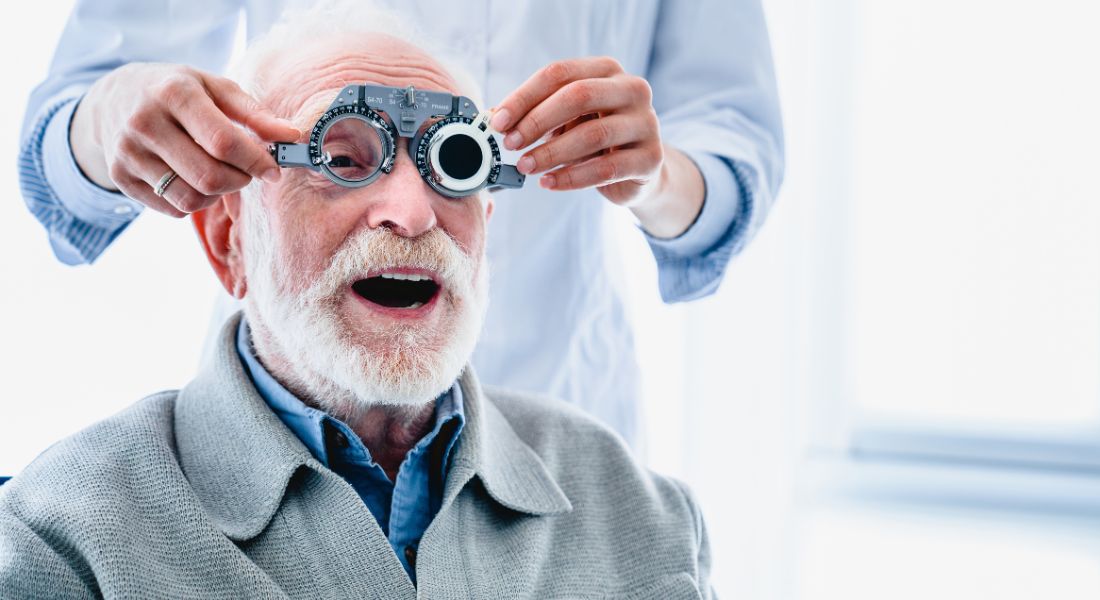
Monovision cataract surgery is often chosen by people who want to reduce their reliance on glasses. In this approach, one eye is set for distance vision while the other is adjusted for near tasks, allowing you to see clearly at multiple ranges. While this can be very convenient in daily life, it does involve certain visual adjustments, including changes to depth perception.
Depth perception relies on both eyes working together to judge distance and spatial awareness. Because each eye is focused differently after monovision, the brain receives slightly different visual inputs, which can initially affect how accurately distances are judged. This is a normal part of the process and tends to be more noticeable during the early weeks after surgery.
Over time, the brain adapts by learning how to blend the two visual inputs more efficiently. Most patients gradually regain comfortable depth perception, although certain activities such as night driving, sports, or navigating uneven surfaces may feel different at first. People who are flexible in their visual adaptation and those who have previously tried monovision with contact lenses often adjust more easily.
What is Monovision Cataract Surgery?

Monovision cataract surgery is a method where one eye is corrected for distance vision, and the other is corrected for near vision, reducing the need for reading glasses or bifocals. It’s a popular option for patients who are over 40 and experiencing presbyopia (age-related difficulty focusing on close objects) alongside cataracts.
The idea behind monovision is simple: one eye takes care of long-distance vision, while the other handles close-up tasks. By training the brain to rely on one eye for each task, the patient can function without constantly switching between glasses or contacts for different distances.
However, there are some side effects of monovision that patients need to understand, one of the most significant being the potential impact on depth perception.
How Monovision Affects Depth Perception
Depth perception refers to the ability to judge distances between objects and perceive the relative position of objects in three-dimensional space. This ability relies on input from both eyes working together, allowing the brain to process visual information from each eye and combine it to create a 3D image of the world.
With monovision, since one eye is focused for near vision and the other for distance, both eyes are no longer focused on the same object at the same time. This disruption in the alignment of vision can lead to a reduction in depth perception, particularly in situations where fine depth judgment is needed.
Why Does This Happen?
When both eyes work together, the brain can compare the slight differences in the images provided by each eye to estimate depth. However, with monovision, each eye is responsible for a different range of vision. This mismatch creates a “mono-ocular” vision for one eye and a “binocular” vision for the other, reducing the brain’s ability to make accurate depth judgments.
For example, tasks like driving, parking, or reading a street sign at a distance might feel different with monovision since the eyes are not fully aligned for all activities. As a result, fine adjustments for depth like threading a needle or stepping off a curb may initially feel less intuitive.
How the Brain Adapts to Monovision

One of the remarkable aspects of human vision is the brain’s ability to adapt to changes. After monovision cataract surgery, most patients find that their brain adjusts to the new vision setup over time.
Initially, the brain may struggle with depth perception as it processes input from the two differently focused eyes. However, with time, the brain learns to rely more on the eye that is best suited for the specific task at hand. For example, when driving, the brain will focus on the distance eye for better judgment of the environment, and for reading, it will use the near-sighted eye.
This adaptation process can take several weeks to a few months. Patients who have successfully adapted to wearing monovision contact lenses or glasses may find this adjustment easier, as they have already experienced a similar form of vision. However, for others, the process may take a bit longer.
Which Activities May Feel Different?
While the brain can compensate for monovision over time, some activities may feel different or challenging during the initial adjustment period. These include:
- Driving at Night: Since depth perception can be reduced, navigating in low-light or night-time conditions may initially be trickier.
- Judging Distances: Tasks that require precise depth judgment, such as parking, stepping off curbs, or judging the distance to a moving object, may take some time to feel comfortable.
- Sports: Activities that require rapid depth perception, like tennis or basketball, may require adjustment. The ability to judge the distance between moving objects may not be as accurate at first.
- Reading Small Text: Although monovision improves near vision, reading very small text or performing close-up tasks in poor light conditions might take a bit more effort.
Most people find that these difficulties lessen over time as the brain becomes more accustomed to monovision.
Who is More Likely to Adapt Comfortably?
Not everyone adapts to monovision in the same way, and comfort levels can vary from person to person. How easily someone adjusts depends on a combination of visual history, lifestyle, and how the brain responds to processing different images from each eye. Understanding these factors can help set realistic expectations before choosing monovision cataract surgery.
Certain patients are naturally more suited to monovision and tend to adapt with fewer difficulties. Previous visual experience, age, daily activities, and the strength of the prescription difference between the eyes all play a role in how smoothly the adjustment process unfolds.
1. Previous Experience with Monovision Contacts or Glasses: If you’ve worn monovision contact lenses or glasses before, you may find the transition to monovision cataract surgery easier. Your brain will have already started adapting to the idea of one eye focusing on near objects and the other on distant objects.
2. Age: Younger patients often adapt more quickly to monovision than older patients. This is partly due to the brain’s neuroplasticity the ability to adjust to new visual input being more flexible in younger years.
3. Lifestyle Needs: Patients who engage in activities that require precise depth perception, such as sports, may find monovision a bit more challenging. Conversely, those who primarily need improved near vision for reading, computer use, or daily tasks may adapt more easily.
4. Degree of Prescription: The greater the difference in prescription between the two eyes, the more pronounced the potential impact on depth perception. Patients with only mild differences between their eyes may adjust to monovision more easily than those with larger differences in vision.
Managing Expectations with Monovision Cataract Surgery

Managing expectations is an important part of preparing for monovision cataract surgery. Understanding what may change before, during, and after the procedure can help make the transition more comfortable. While monovision offers practical benefits and can reduce reliance on glasses, it does not provide perfect vision at every distance for everyone.
Some patients notice subtle changes in how their eyes work together, particularly during the early adjustment period. It may take time for the brain to adapt to processing different visual inputs from each eye. This adjustment is normal and varies from person to person, with some adapting quickly and others needing a little more patience.
Monovision is not a one-size-fits-all solution, which is why clear communication with your ophthalmologist is essential. Discussing your lifestyle, daily visual demands, and expectations before surgery helps ensure the approach is suitable for you. Setting realistic goals from the outset plays a key role in achieving a positive and satisfying outcome.
What to Do If You Struggle with Depth Perception Post-Surgery
While most people adjust to monovision over time, it’s not uncommon for some patients to continue struggling with depth perception even after the initial adjustment period. If this happens, there are several steps you can take to help improve your comfort:
A. Give It Time: Some patients need more time than others to adapt. Depth perception issues may lessen as the brain learns to rely on one eye for specific tasks. It may take several weeks to months before full adaptation occurs.
B. Vision Therapy: In some cases, vision therapy or exercises may help improve depth perception. These exercises are designed to strengthen the coordination between the eyes and help the brain adapt to the monovision setup. Discussing this option with your ophthalmologist can be beneficial if you’re struggling with this adjustment.
C. Reassess Your Prescription
If you continue to experience difficulty with depth perception, your ophthalmologist may recommend adjustments to your prescription. Minor tweaks to the level of correction in one eye may improve the way your brain processes visual input, leading to better overall comfort.
Monovision vs Bifocals/Multifocal Lenses: Which Is Right for You?
Choosing between monovision and bifocal or multifocal lenses can feel overwhelming, especially when each option offers different benefits. While monovision aims to reduce reliance on glasses by assigning near and distance vision to separate eyes, bifocal and multifocal lenses correct vision using multiple focal zones within the same lens. Understanding how these approaches compare can help you make a more informed decision.
Bifocal lenses are designed with two clear focal points one for distance vision and one for near tasks. Although effective, some people experience visual discomfort when frequently shifting focus between distances. Monovision, on the other hand, can feel more natural for everyday tasks once the brain adapts, but it does require an adjustment period as each eye takes on a different visual role.
Multifocal lenses offer a more gradual transition between near, intermediate, and distance vision by using multiple focal zones. Because both eyes work together across these distances, depth perception is often better preserved. However, some patients notice side effects such as halos or glare around lights, particularly in low-light or night-time conditions.
Long-Term Outcomes: What to Expect After Adjusting to Monovision
Once you’ve adjusted to monovision, the long-term outcomes can be incredibly rewarding. Most patients experience improved functional vision for both distance and near tasks, with fewer glasses or contacts required. However, it’s important to maintain regular check-ups with your ophthalmologist to monitor the stability of your vision over time.
1. Continued Adaptation: Even after you’ve fully adapted, there may still be occasional challenges, particularly in low-light conditions or when performing tasks that require precise depth judgment. As the years pass and your eyes naturally change with age, your monovision setup may need to be reassessed and adjusted.
2. Long-Term Visual Stability: For many, the stability of monovision remains consistent, especially if the eyes are properly aligned and maintained. However, it’s crucial to recognise that age-related changes, like the onset of presbyopia (further difficulty focusing on near objects), might require additional interventions or a shift in your vision correction plan.
3. Regular Eye Exams: Routine eye exams are essential to keep track of your visual health. Your ophthalmologist will monitor how your monovision setup continues to meet your needs, ensuring that you maintain optimal vision as you age. In some cases, they may recommend enhancements, such as LASIK enhancements or changes to your cataract surgery strategy.
FAQs:
1. Does monovision always reduce depth perception after cataract surgery?
Monovision can affect depth perception initially, but it doesn’t permanently reduce it for most people. Because each eye is set to focus at a different distance, your brain needs time to adapt to processing slightly different visual inputs. As this adaptation happens, many people find their depth perception improves and becomes comfortable for everyday activities.
2. How long does it take for the brain to adapt to monovision?
The adjustment period varies from person to person, but most people notice improvement within a few weeks. Full adaptation can take anywhere from several weeks to a few months as your brain learns to rely on the appropriate eye for each task. Patience during this phase is important, as the changes are gradual rather than immediate.
3. Will night driving feel different with monovision?
Night driving can feel slightly different at first because depth perception and contrast sensitivity may be reduced during the early adjustment period. You might notice headlights or judging distances feels less intuitive initially. Many people adapt over time, but some choose to use glasses for night driving if they want extra clarity and confidence.
4. Can depth perception fully recover after monovision cataract surgery?
In many cases, yes. Your brain is remarkably good at adapting and often learns to compensate for the visual difference between the two eyes. While depth perception may not be exactly the same as it was before monovision, most people regain enough accuracy to feel comfortable in daily life.
5. Is monovision suitable if you play sports or have an active lifestyle?
If you regularly take part in sports or activities that require precise depth judgment, monovision may feel more challenging at first. Some people adapt well, while others notice ongoing limitations. Discussing your lifestyle with your ophthalmologist beforehand helps determine whether monovision is the best option for you.
6. Does age affect how well you adapt to monovision?
Age can influence adaptation, as younger brains tend to adjust more quickly due to greater neuroplasticity. However, many older patients still adapt very successfully. Your previous visual experience and overall eye health often matter more than age alone.
7. Is monovision reversible if you struggle with it?
Yes, monovision is not permanent in the sense that adjustments can usually be made. If you struggle, your ophthalmologist may recommend glasses, contact lenses, or further procedures to rebalance your vision. This flexibility makes monovision a lower-risk option for many patients.
8. Will I still need glasses after monovision cataract surgery?
You may still need glasses for certain tasks, such as prolonged reading, detailed close work, or night driving. While monovision reduces dependence on glasses, it doesn’t eliminate the need entirely for everyone. Many people are happy using glasses occasionally rather than all the time.
9. How do I know if monovision is right for me before surgery?
A monovision contact lens trial is often recommended before cataract surgery. This allows you to experience how your vision and depth perception feel with monovision in real life. It’s one of the best ways to decide whether you’re comfortable with this approach.
10. What should I do if depth perception still feels off months after surgery?
If you continue to struggle after several months, it’s important to speak with your ophthalmologist. They can reassess your vision, suggest visual aids, or adjust your correction if needed. Ongoing discomfort isn’t something you have to accept, and there are usually options to improve your visual comfort.
Final Thoughts: Understanding Depth Perception After Monovision Cataract Surgery
Monovision can be an effective and life-changing solution for reducing dependence on glasses after cataract surgery, but it’s important to understand how it may temporarily affect depth perception. Because each eye is focused at a different distance, your brain needs time to adapt and relearn how to judge space and distance. For most people, this adjustment happens gradually, with depth perception becoming more comfortable as the brain compensates and learns to prioritise the appropriate eye for each task.
The key to a positive outcome lies in realistic expectations, careful pre-surgical assessment, and open communication with your ophthalmologist. Factors such as your lifestyle, previous experience with monovision, and daily visual demands all play a role in how well you adapt. With the right guidance, many patients find that the initial compromises are outweighed by the long-term convenience and visual freedom monovision can provide.
If you’re considering monovision cataract surgery you can get in touch with us at the London Cataract Centre. Our team will take the time to assess your vision, understand your lifestyle needs, and guide you towards the most suitable treatment option for long-term visual comfort.
References:
1. Yang J, Tu B, Zhang Z, et al. Effectiveness of enhanced monofocal intraocular lens with mini‑monovision in improving visual acuity and spectacle independence. J. Clin. Med. https://www.mdpi.com/2077-0383/14/13/4517
2. Pseudophakic mini‑monovision study: Pseudophakic mini‑monovision leads to high patient satisfaction. https://pubmed.ncbi.nlm.nih.gov/30413145/
3. Mini‑monovision versus multifocal IOL implantation in cataract patients: randomized comparison shows that monovision yields excellent refractive outcomes and functional vision. https://pubmed.ncbi.nlm.nih.gov/24962144/
4. Patient satisfaction and visual function after pseudophakic monovision: Prospective study showing significant improvements in uncorrected visual acuity at distance and near with monovision. https://www.sciencedirect.com/science/article/abs/pii/S0886335009002636
5. Mini‑monovision in refractive cataract surgery: current review: Monovision provides a cost‑effective alternative to multifocal IOLs with a balance of spectacle independence and visual quality. https://www.sciencedirect.com/science/article/pii/S0039625725002127