


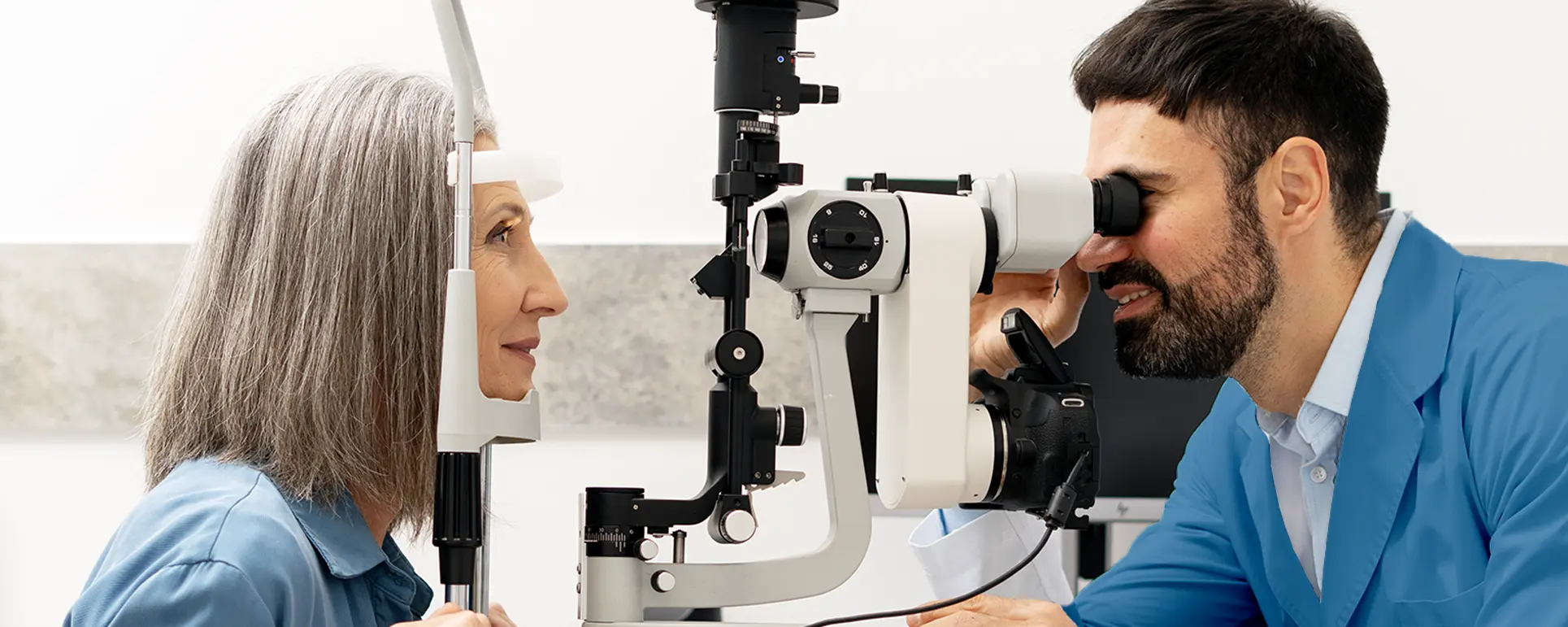
Cataract surgery is one of the most successful and commonly performed procedures worldwide. For most people, it restores crisp, clear vision and removes the cloudy lens that had been blurring daily life. But some patients notice something unexpected after the operation—persistent light sensitivity. Suddenly, bright lights may feel overwhelming, glare seems more pronounced, and everyday visual experiences can be uncomfortable. If this sounds familiar, you are certainly not alone.
In this article, we’ll explore why light sensitivity can linger after cataract surgery, what it means for your eyes, and how you can address it. We’ll cover everything from dry eye and lens type to subtle healing processes, and I’ll also share what treatments might help if sensitivity is interfering with your comfort.
Why Light Sensitivity Happens After Cataract Surgery
Light sensitivity, or photophobia, can develop after cataract surgery for several reasons. When your natural lens is replaced with an artificial intraocular lens (IOL), your eyes need time to adjust to a new way of processing light. The brain has to adapt to this change too, which means the overall visual system may be temporarily hypersensitive.
Surgical healing also plays a role. Even when the visible incision appears healed, the cornea continues to recover at a microscopic level. During this time, light may scatter more than usual, creating glare and discomfort. Add in the fact that many people develop temporary dry eye after surgery, and you can see why bright lights may suddenly feel harsher than before.
For most patients, light sensitivity gradually improves over weeks to months. But if it persists, there are usually identifiable reasons that can be addressed with tailored care.
Dry Eye and Its Link to Light Sensitivity
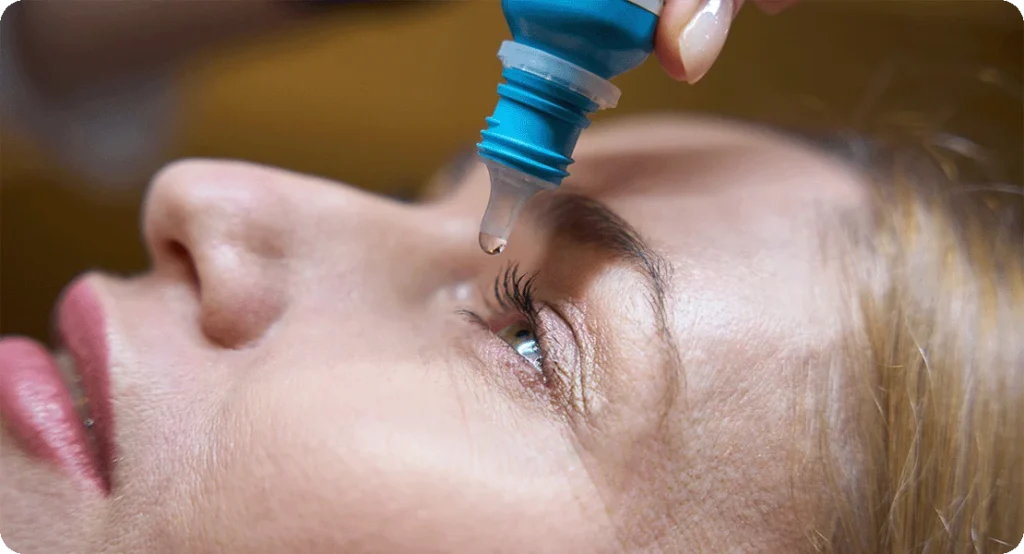
Dry eye is one of the most common culprits behind persistent sensitivity. Cataract surgery can temporarily disrupt the corneal nerves that help regulate tear production. Without a stable tear film, the surface of your eye becomes irregular, and light scatters instead of focusing cleanly. This scattering effect makes bright lights uncomfortable and can also worsen glare and halos.
If you find that your eyes feel gritty, burn, or water excessively, it could point towards dryness as a cause. Artificial tears, medicated drops, punctal plugs, or even small lifestyle adjustments such as using a humidifier or reducing screen time can make a big difference. Many patients notice a dramatic improvement in their light sensitivity once their dry eye is under control.
The Role of Corneal Healing
Even though cataract surgery involves only a tiny incision, your cornea still needs to heal fully. During this healing process, microscopic irregularities can remain on the surface, bending light in unpredictable ways. This can lead to starbursts, halos, or an exaggerated sensitivity to light.
For most patients, the cornea smooths out naturally with time. But in some cases, treatments such as lubricating eye drops, anti-inflammatory medications, or even mild laser procedures may help restore a more regular surface. The key here is patience, because what feels like a permanent problem at three weeks may be barely noticeable at three months.
The Type of Lens Implant (IOL) Matters
Not all intraocular lenses are the same, and the type of IOL you have can influence how your eyes handle light. Monofocal lenses, which provide clear vision at one distance, usually have the fewest issues with glare. Multifocal and extended depth of focus (EDOF) lenses, while excellent at reducing dependence on glasses, can split light into different focal points. For some patients, this splitting can create halos or intensify light sensitivity.
Some IOLs also come with blue-light filters. These can help reduce the impact of harsh wavelengths, but in a small number of patients, they may subtly alter contrast perception and increase awareness of light sources. If you find sensitivity severe or persistent, it’s worth discussing with your surgeon whether your lens type might be playing a role.
How Pupil Size Influences Sensitivity
Your pupils regulate how much light enters your eyes, and their behaviour can greatly affect sensitivity. In bright conditions, pupils normally constrict to limit incoming light. But if they don’t constrict enough—or conversely, if they dilate widely at night—light can pass around the edges of the lens and cause glare.
Patients with naturally larger pupils may be more prone to noticing sensitivity, especially in dim environments. Specialised eye drops that temporarily reduce pupil size can sometimes ease the symptoms. For others, tinted glasses or transition lenses are practical everyday solutions.
Residual Refractive Error and Astigmatism

Sometimes light sensitivity has little to do with healing or lens type, but instead with a small prescription left over after surgery. Even minor amounts of nearsightedness, farsightedness, or astigmatism can cause light to blur and scatter. This effect is more noticeable at night, when light sources such as headlights create streaks or halos.
Correcting residual refractive error with glasses, contact lenses, or laser touch-ups often improves light sensitivity considerably. It’s a reminder that even with advanced lens technology, a “perfect zero” prescription isn’t always guaranteed—and fine-tuning may be part of the journey.
Secondary Cataract (Posterior Capsule Opacification)
Months or years after surgery, some patients develop a condition called posterior capsule opacification (PCO), often nicknamed a “secondary cataract.” This happens when the thin membrane behind the IOL becomes cloudy. Not only can it blur vision, but it can also increase glare and light sensitivity.
Fortunately, treatment is simple. A quick YAG laser procedure creates an opening in the cloudy capsule, restoring clarity almost immediately. If your light sensitivity appears long after surgery, this is one of the first things your ophthalmologist will check.
Inflammation and Other Ocular Conditions
In some cases, persistent sensitivity may signal inflammation inside the eye. Conditions like cystoid macular oedema (CME) or lingering low-grade inflammation can alter how light is processed. Even systemic conditions, such as autoimmune diseases or ocular migraines, can heighten sensitivity after surgery.
Addressing inflammation with steroid or non-steroidal drops often relieves symptoms. This is why regular follow-ups are essential: they give your surgeon the chance to detect issues early, before they cause long-term discomfort or vision changes.
Practical Tips to Manage Light Sensitivity
While your surgeon investigates the root cause, there are practical steps you can take in daily life:
- Wear sunglasses with full UV protection when outdoors.
- Consider lightly tinted indoor lenses to reduce glare from screens or bright rooms.
- Use lubricating drops regularly to keep the tear film smooth.
- Adjust your environment: softer lighting at home and screen filters can reduce strain.
- Stay consistent with any prescribed eye drops or medications.
Small adjustments often combine to make a big difference, and they can help you stay comfortable while underlying causes are treated.
FAQs: Persistent Light Sensitivity After Cataract Surgery (with Data & References)
1. How long does light sensitivity usually last after cataract surgery?
Most people find that light sensitivity fades within a few weeks as healing progresses and the brain adapts. Clinical studies suggest that subjective dysphotopsias—like glare or halos—often improve within 4 to 6 weeks, thanks to neural adaptation (American Academy of Ophthalmology). However, in about 0.2% to 1% of patients, severe symptoms persist long-term (PMC). If sensitivity remains after three months, it’s a good idea to consult your surgeon to rule out underlying causes.
2. Can dry eye make light sensitivity worse?
Absolutely. Dry eye is a frequent contributor to photophobia post-surgery. A recent meta-analysis found the prevalence of dry eye disease after cataract surgery to be around 37.4% (BioMed Central). Another study reported that 9.8% of patients had dry-eye symptoms at one week after phacoemulsification (PLOS). Since an unstable tear film scatters light, treating dryness—through lubricants or anti-inflammatory methods—often alleviates glare and sensitivity.
3. Do multifocal or EDOF lenses cause more light sensitivity?
They can, particularly at first. Evidence shows that dysphotopsias (glare, halos, starbursts) are 3.5 times more likely with multifocal IOLs versus monofocal ones (Frontiers). For instance, one study reported that around 70% of multifocal IOL patients experienced halos and 50% reported glare (Dove Medical Press). Thankfully, many adapt over time through neural adaptation; symptoms often lessen within months (crstodayeurope.com).
4. Will tinted glasses help with light sensitivity indoors?
Yes, indeed—they’re a straightforward, effective option. While hard numbers are limited, clinical optometry frequently reports that approximately 70% of photophobic patients find relief with tinted or anti-reflective lenses. These help reduce glare from screens or artificial lighting without overly dimming your surroundings.
5. Could a secondary cataract cause light sensitivity years later?
Definitely. Posterior capsule opacification (PCO) is one of the most common long-term after-effects of surgery. Pooled data estimate the incidence of PCO at 11.8% at one year, 20.7% at three years, and up to 28.4% at five years post-surgery (PubMed). Treatment with a quick YAG laser capsulotomy is highly effective, restoring clarity and reducing sensitivity almost immediately.
6. Can inflammation after surgery cause sensitivity?
Yes. Even mild inflammation can heighten light sensitivity. For example, cystoid macular oedema (CME)—a form of retinal swelling—in about 0.8% of cases can contribute to photophobia (AAO Journal). More pronounced, angiographic CMO can reach 16–60% incidence, though less visible clinically (PMC). Treating inflammation promptly with appropriate drops typically eases discomfort.
7. Are larger pupils linked to more glare after cataract surgery?
Yes. In dim light, pupils larger than 6 mm may allow light to strike the edge of the IOL, increasing glare and halos. While exact figures vary, several reports highlight that patients with dilated pupils more often report night-time visual disturbances.
8. Will my brain adapt to light sensitivity over time?
Often, yes. Neural adaptation helps reduce the perception of unwanted optical effects. One review found that although around 25% of multifocal IOL patients reported glare early on, only about 5–7% still experienced it two years later (PMC, American Academy of Ophthalmology). The brain learns to filter out these visual nuisances—but adaptation alone doesn’t substitute for treating underlying causes like dryness or inflammation.
9. Should I be worried if light sensitivity doesn’t improve?
Not necessarily, but it’s worth investigating. Persistent sensitivity may point to manageable issues like dry eye, PCO, or inflammation. More serious but rare complications (e.g. corneal oedema, retinal problems) occur in less than 0.5% of cases. Early review ensures proper treatment and peace of mind.
10. When should I see my surgeon about light sensitivity?
You should consider a review if sensitivity continues beyond three months, worsens, or impacts daily tasks like driving or screen use. Data suggests about 15% of patients need at least one follow-up for glare or light issues, and in most cases, the cause is treatable (Health). Prompt attention helps restore comfort and preserves vision.
Final Thoughts
Persistent light sensitivity after cataract surgery can be unsettling, especially when you expected a smooth recovery. But the good news is that in most cases, there is a clear explanation and a pathway to relief. From dry eye treatment and glasses adjustments to simple protective measures, the majority of patients find that sensitivity improves with time and proper care.
If you’re struggling with ongoing light sensitivity after cataract surgery, our team at London Cataract Centre can help. With our specialist expertise and advanced diagnostic tools, we’ll work with you to identify the cause and guide you towards the best solution for your eyes.