


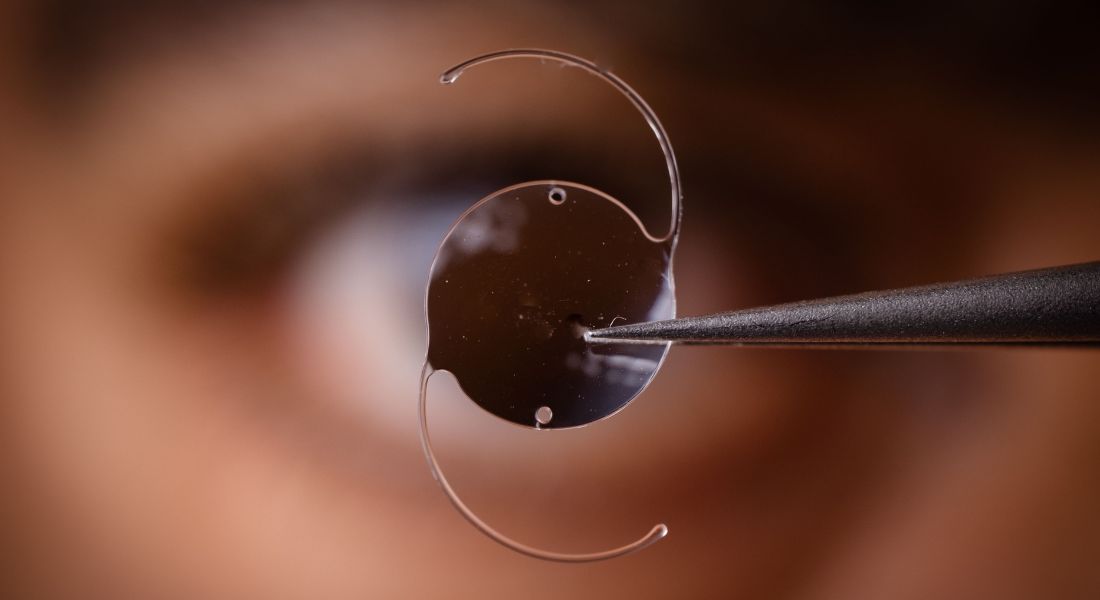
Lens replacement surgery can be life-changing, but it’s important to weigh the benefits against the potential drawbacks. Many patients are drawn to the idea of clear, stable vision without glasses or contact lenses, especially if they have very high prescriptions or presbyopia. The procedure replaces your natural lens with an artificial one, offering the possibility of reducing dependence on corrective eyewear for decades.
One of the major advantages is precision. Modern intraocular lenses can correct for nearsightedness, farsightedness, and even astigmatism, giving patients crisp vision at multiple distances. For those who are not ideal candidates for LASIK or other corneal-based procedures, lens replacement surgery provides a reliable alternative. Additionally, the surgery can prevent or address early lens changes that may eventually develop into cataracts.
On the other hand, like all surgeries, lens replacement carries risks. Complications are uncommon but can include infection, retinal detachment, or lens misalignment. Recovery is generally smooth, but it requires follow-up visits and adherence to post-operative care instructions. Weighing these factors, along with your age, eye health, and lifestyle needs, is key to deciding if the procedure is worth pursuing.
Finally, long-term outcomes are usually excellent. Most patients enjoy stable vision for years, with minimal regression. Understanding both the advantages and limitations helps you approach the decision with realistic expectations, making it easier to choose the right solution for your eyes.
What Exactly Is Lens Replacement Surgery?
Lens replacement surgery is a procedure in which your natural crystalline lens is removed and replaced with an artificial intraocular lens (IOL). While cataract surgery is typically performed because the natural lens has become cloudy, lens replacement surgery is often elective and chosen to reduce reliance on glasses or contact lenses. It is especially popular for people with high levels of myopia, hyperopia, or age-related presbyopia.
There are different types of intraocular lenses available, including monofocal, multifocal, and toric lenses. Each type serves a specific purpose depending on your lifestyle and vision needs. Multifocal lenses can allow for reading without glasses, while toric lenses can correct astigmatism, giving a more tailored visual outcome.
The surgery is generally quick, often taking less than 30 minutes per eye, and is performed under local anaesthetic with mild sedation. Most patients report minimal discomfort during the procedure, although the idea of eye surgery can understandably cause anxiety. With modern techniques, recovery is usually smooth, and the potential benefits can be life-changing.
The Pros of Lens Replacement Surgery
Lens replacement surgery offers a range of benefits that go beyond simple vision correction. By replacing the eye’s natural lens with an artificial intraocular lens (IOL), patients can experience lasting improvements in clarity, independence, and overall quality of life. Unlike corneal laser procedures, this approach addresses the eye’s internal optics, providing predictable and stable outcomes for a wide variety of patients.
- Freedom from Glasses and Contact Lenses: One of the most compelling advantages is the potential to reduce or eliminate dependence on corrective lenses. Waking up and seeing clearly without glasses or contacts can be life-changing. Lens replacement is particularly effective for those with high prescriptions, progressive vision changes, or an aversion to glasses, offering a long-term solution unlike LASIK, which reshapes only the cornea.
- Long-Term Vision Stability: Lens replacement surgery provides typically permanent correction. Once your natural lens is replaced with an IOL, your prescription generally remains stable, making it ideal for patients in their 40s and older whose vision may otherwise continue to change due to presbyopia or age-related factors.
- Cataract Prevention: Replacing the natural lens eliminates the risk of cataracts in the treated eye. Because cataracts form in the natural lens, early lens replacement removes this concern entirely. Patients gain the dual benefit of refractive correction and long-term cataract prevention.
- Customisable Lens Options: A variety of IOL types allows the procedure to be tailored to your lifestyle. Monofocal lenses focus at one distance, multifocal or extended-depth-of-focus lenses provide near, intermediate, and distance vision, and toric lenses correct astigmatism. Selecting the right lens can achieve visual clarity that glasses or contacts alone cannot match.
- Improved Quality of Life: Patients often notice a meaningful improvement in daily activities such as night driving, reading, or computer work. Beyond functional vision, many appreciate the convenience of no longer managing glasses or contact lenses, which can enhance comfort and reduce daily stress.
In summary, lens replacement surgery offers freedom from corrective lenses, long-term visual stability, cataract prevention, and personalised lens options. For many patients, the procedure not only improves eyesight but also enhances daily comfort and overall quality of life.
The Cons of Lens Replacement Surgery
Lens replacement surgery has many benefits, but there are important considerations to keep in mind. As with any surgery, there are risks such as infection, inflammation, bleeding, and increased eye pressure. Rarely, more serious complications like retinal detachment or lens dislocation can occur, so understanding these possibilities is essential before proceeding.
Cost is another factor, as elective lens replacement is usually not covered by insurance. Premium lenses, such as multifocal or toric IOLs, can make the procedure more expensive. While some patients find long-term savings on glasses and contact lenses offset the initial investment, the upfront cost can be significant and may influence the decision to proceed.
Even after surgery, some patients may still need glasses for certain tasks. Multifocal lenses may improve distance and near vision, but subtle reading correction could still be required. Recovery also involves temporary adjustments, including avoiding heavy exercise, swimming, or rubbing the eyes, and using prescribed drops to prevent infection and reduce inflammation. Some visual effects, like halos or glare at night, may occur but usually improve over time.
Who Is a Good Candidate for Lens Replacement Surgery?
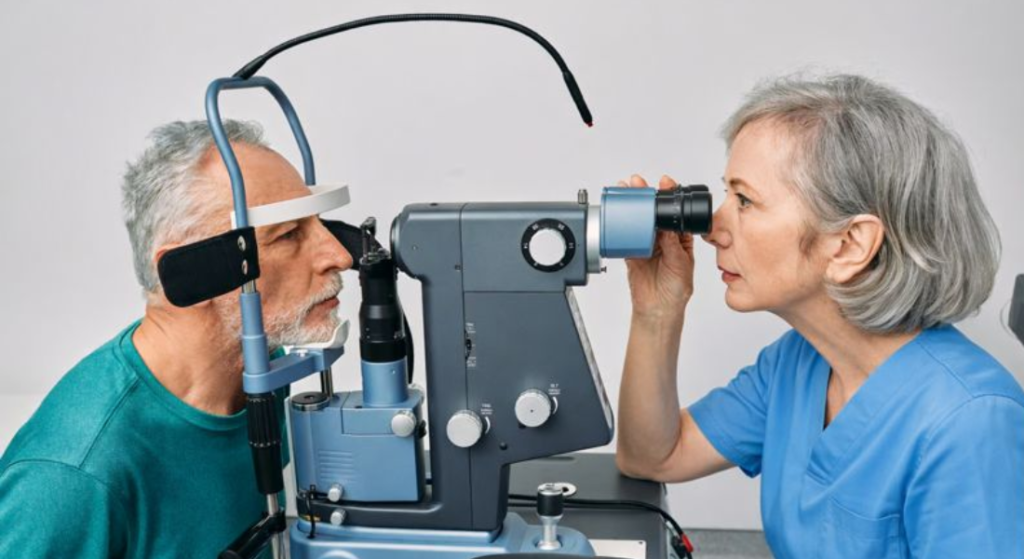
Not everyone is suitable for lens replacement surgery, so candidate selection is important. Ideal candidates are usually over 40, when presbyopia begins affecting near vision, and are frustrated with glasses or contact lenses, particularly if they have strong prescriptions.
People experiencing age-related changes that could eventually lead to cataracts may also benefit, as the procedure can prevent or address future vision problems. Good overall eye health is essential, with no significant retinal or corneal disease, to ensure a safe and effective outcome.
Having realistic expectations is equally important. Lens replacement surgery can significantly improve vision and reduce dependence on corrective lenses, but it does not guarantee perfect vision in every situation. A thorough consultation with an experienced surgeon is necessary to determine suitability and discuss potential outcomes.
Lens Replacement Surgery vs Other Options
Choosing the right vision correction procedure requires understanding the differences between lens replacement surgery and alternative treatments. Each option has unique benefits and limitations depending on age, prescription strength, and long-term eye health goals. Lens replacement stands out for its ability to provide lasting correction, presbyopia management, and cataract prevention in a single procedure.
- LASIK and PRK: Laser eye surgeries reshape the cornea to correct refractive errors, making them ideal for low to moderate prescriptions. However, they may not be suitable for very high myopia or hyperopia. Additionally, these procedures do not prevent cataracts, which can develop later in life, meaning future interventions may still be necessary.
- Cataract Surgery: Cataract surgery closely resembles lens replacement surgery but is typically performed when the natural lens has already become cloudy. In such cases, the procedure serves both corrective and therapeutic purposes, addressing vision loss from the cataract while potentially correcting refractive errors.
- Phakic IOLs: Phakic intraocular lenses are implanted without removing the natural lens, making them an option for younger patients with high prescriptions. While effective for refractive correction, they do not prevent presbyopia or future cataract development, which may limit their long-term benefits.
- Comprehensive Solution with Lens Replacement: Lens replacement surgery can simultaneously correct refractive errors, manage presbyopia, and prevent cataracts in a single procedure. This makes it a more complete, long-term solution compared to alternatives, especially for patients seeking stable vision well into the future.
In conclusion, while LASIK, PRK, cataract surgery, and phakic IOLs each have their place, lens replacement surgery often provides the most comprehensive and durable option. Its ability to address multiple vision concerns at once makes it particularly suitable for patients seeking lasting clarity and peace of mind about future eye health.
Long-Term Outcomes
Lens replacement surgery offers reliable long-term outcomes, with most patients reporting excellent vision and high satisfaction years after the procedure. Unlike corneal laser surgeries, the results do not depend on corneal thickness or shape, so vision tends to remain stable over time.
The artificial lenses used are designed to last a lifetime and do not develop cataracts, providing a permanent solution for those seeking long-term visual improvement. This durability makes lens replacement particularly appealing for patients who want lasting freedom from glasses or contact lenses.
While the lenses themselves are permanent, maintaining overall eye health remains important. Conditions such as retinal disease or glaucoma can still affect vision in the future, but these issues are unrelated to the lens replacement procedure.
What to Expect During Recovery

Recovery from lens replacement surgery is generally smooth and predictable. During the first 24 hours, mild discomfort, watery eyes, and light sensitivity are common, and it’s important to avoid rubbing your eyes to prevent irritation.
Over the first week, vision may fluctuate as your eyes adjust to the new lenses. Prescribed eye drops help prevent infection and reduce inflammation, supporting proper healing. By two to four weeks, most patients notice a marked improvement in visual clarity, and any night-time glare or halos usually begin to diminish.
By six to eight weeks, the eyes are typically fully stabilised, allowing a return to most normal activities, including exercise. Adhering closely to postoperative instructions is crucial for minimising complications and achieving the best long-term outcomes from the surgery.
Lens Replacement Surgery in London
If you are considering lens replacement surgery in London, selecting a reputable clinic is absolutely crucial for both safety and optimal visual outcomes. An experienced surgeon can provide a detailed, personalised assessment to determine the most suitable lens type and surgical approach for your eyes, taking into account your prescription, lifestyle, and long-term vision goals.
London is home to a number of highly skilled eye surgeons and clinics that specialise in lens replacement procedures. Facilities such as the London Cataract Centre use advanced technology and modern surgical techniques, which help ensure precision, reduce risks, and support a smooth, predictable recovery. The combination of expertise, state-of-the-art equipment, and thorough pre- and post-operative care significantly increases the likelihood of excellent long-term vision results.
It’s important to research clinics carefully, review patient testimonials, and have an in-depth consultation to discuss your expectations. Clear communication about the procedure, potential risks, recovery timeline, and follow-up care can give you confidence and peace of mind, helping you make an informed decision about whether lens replacement surgery is the right choice for your eyes
Cost vs Benefit Considerations
Cost is often a key consideration when deciding whether lens replacement surgery is worthwhile. The upfront expense can be significant, particularly if opting for premium lenses like multifocal or toric IOLs, but it’s important to weigh this against the long-term benefits.
Many patients find that savings on glasses, contact lenses, and related care products over the years help offset the initial cost. Beyond financial factors, the procedure can offer lasting improvements in convenience, comfort, and independence from corrective eyewear, which can have a meaningful impact on daily life.
Improved quality of life, including clearer vision for work, reading, driving, and hobbies, is often cited as a major benefit. For patients who are tired of constantly managing glasses or contacts, the combination of visual freedom, reduced maintenance, and long-term stability can make lens replacement surgery a highly valuable investment.
Choosing the Right Lens for Your Lifestyle

Selecting the ideal intraocular lens (IOL) is a crucial part of lens replacement surgery. The right lens depends on your daily activities, hobbies, and vision priorities. Matching the lens type to your lifestyle ensures optimal clarity, convenience, and overall satisfaction. A personalised consultation helps identify which IOL provides the best balance between functional vision and comfort.
- Monofocal Lenses: Monofocal lenses are focused at a single distance, usually for distance vision, meaning reading glasses may still be required. They are simple, reliable, and often the safest choice for patients who prioritise sharp distance vision. Many people choose this option for driving or outdoor activities.
- Multifocal Lenses: Multifocal lenses provide near, intermediate, and distance vision, reducing reliance on glasses for most tasks. However, they may cause minor visual disturbances such as halos or glare around lights. These lenses are ideal for patients who want maximal independence from corrective eyewear.
- Extended Depth-of-Focus (EDOF) Lenses: EDOF lenses deliver a more continuous range of vision with fewer visual side effects than traditional multifocals. They are particularly suited to patients who frequently use digital devices or require intermediate vision for work. This option balances clarity and comfort for everyday activities.
- Toric Lenses: Toric lenses correct astigmatism by addressing corneal irregularities. They provide sharper, clearer vision for patients whose eyes have uneven curvature. These lenses are essential for those seeking precise correction of blurred or distorted vision.
In summary, choosing the right lens involves matching your visual needs and lifestyle to the specific benefits of each IOL type. Whether you prioritise distance clarity, near vision, or a continuous range, personalised guidance helps select a lens that maximises comfort, functionality, and long-term satisfaction.
Age Considerations for Lens Replacement Surgery
Age plays an important role in determining whether lens replacement surgery is suitable. While the procedure can be performed in younger patients with very high prescriptions, it is more commonly recommended for those over 40. Younger patients still have flexible natural lenses, so alternatives like LASIK or phakic intraocular lenses are often considered, but lens replacement may provide the most stable long-term correction for strong myopia or early presbyopia.
For patients in their 40s and 50s, presbyopia begins to affect near vision, making lens replacement an appealing option to reduce dependence on reading glasses. This age group often seeks both clarity at distance and improved near vision, which modern multifocal or accommodating lenses can address effectively.
Older patients, particularly those over 60, may be developing early cataracts. In these cases, lens replacement surgery can serve a dual purpose: improving vision while preventing the progression of cataracts. Ultimately, the decision should consider both age and lifestyle, ensuring that the chosen procedure balances immediate vision needs with long-term eye health.
How Lens Replacement Surgery Compares to LASIK
Many patients often compare lens replacement surgery with LASIK and other laser procedures, as both aim to reduce dependence on glasses or contact lenses. While LASIK is effective for low to moderate prescriptions, lens replacement surgery can correct very high myopia or hyperopia, making it a better option for patients with stronger prescriptions. Age is another important factor, as LASIK is typically recommended for younger adults with stable vision, whereas lens replacement is more suitable for middle-aged or older patients who may be experiencing presbyopia or early cataracts.
Long-term stability is a key difference between the two procedures. Lens replacement removes the natural lens and replaces it with a permanent intraocular lens, providing lasting correction and addressing age-related vision changes. LASIK, in contrast, reshapes the cornea but cannot prevent presbyopia or cataract development, meaning additional corrective measures may be needed later in life.
Both procedures are generally very safe, but they carry different risks. LASIK involves corneal flap creation and can increase the likelihood of dry eye, while lens replacement carries intraocular risks such as infection, inflammation, or lens dislocation. Choosing between the two depends on your prescription strength, age, lifestyle, and comfort with surgical risks. For many patients seeking long-term visual independence, lens replacement offers a more comprehensive and enduring solution.
Understanding Visual Side Effects in Detail
Lens replacement surgery is highly effective, but it can come with some visual side effects that are important to understand. Glare and halos are among the most commonly noticed, particularly at night when driving under streetlights or facing oncoming headlights. Multifocal lenses may increase the likelihood of these effects, but most patients find that their eyes adapt over a few months as the brain adjusts to the new optics.
Reduced contrast sensitivity is another consideration. Some patients notice a subtle difficulty distinguishing between shades, especially in low-light conditions. Choosing an extended depth of focus (EDOF) lens can help minimise this effect, offering clearer intermediate vision while reducing the impact on night-time contrast.
Mild dry eyes or temporary fluctuating vision is also common immediately after surgery. Regular use of prescribed lubricating drops and following post-operative care instructions usually resolves these issues quickly. Discussing potential visual side effects with your surgeon before surgery allows you to weigh these temporary adjustments against the long-term benefits of clear, stable vision.
FAQs:
1. What is lens replacement surgery?
Lens replacement surgery removes the eye’s natural lens and replaces it with an artificial intraocular lens (IOL). Unlike cataract surgery, which treats a cloudy lens, this procedure is often elective and chosen to reduce dependence on glasses or contacts while correcting refractive errors.
2. Who is a good candidate for lens replacement surgery?
Ideal candidates are typically over 40, experiencing presbyopia or high prescriptions, and seeking freedom from corrective eyewear. Good overall eye health and realistic expectations about visual outcomes are essential for safe and effective results.
3. What are the main benefits of lens replacement surgery?
Key advantages include long-term freedom from glasses or contacts, stable vision for many years, cataract prevention, customised lens options, and improved quality of life for activities such as reading, driving, or computer work.
4. What are the potential risks or drawbacks?
Complications are uncommon but can include infection, inflammation, increased eye pressure, lens misalignment, or retinal detachment. Some patients may also experience glare, halos, or the need for occasional glasses for specific tasks.
5. How does lens replacement compare to LASIK?
LASIK reshapes the cornea and is best for low to moderate prescriptions. Lens replacement removes the natural lens and provides permanent correction, making it suitable for high prescriptions and age-related vision changes. LASIK cannot prevent cataracts, while lens replacement can.
6. What types of intraocular lenses (IOLs) are available?
Options include monofocal lenses (single distance), multifocal lenses (near, intermediate, and distance), extended depth-of-focus (EDOF) lenses (continuous range), and toric lenses (astigmatism correction). The choice depends on lifestyle, vision needs, and tolerance for visual side effects.
7. How long does recovery take?
Initial adjustment occurs within the first week, with vision stabilising over 2–4 weeks. Most patients return to normal activities within 6–8 weeks, while following post-operative care instructions is critical for optimal results.
8. Are the results permanent?
Yes, artificial lenses are designed to last a lifetime and do not develop cataracts. Vision stability is long-term, although unrelated eye conditions like retinal disease or glaucoma can still affect sight over time.
9. Is lens replacement surgery more expensive than other options?
Elective lens replacement often has a higher upfront cost, especially with premium lenses. However, many patients find long-term savings on glasses and contact lenses, along with the benefits of improved convenience and quality of life, offset the initial expense.
10. Can lens replacement correct multiple vision issues at once?
Yes, lens replacement can simultaneously address refractive errors, presbyopia, and prevent cataracts. This makes it a comprehensive, long-term solution compared to LASIK, PRK, or phakic IOLs, which may only partially correct vision or not prevent age-related changes.
Final Thoughts: Is Lens Replacement Surgery Right for You?
Lens replacement surgery offers a comprehensive, long-term solution for improving vision, reducing dependence on glasses or contact lenses, and preventing future cataracts. The procedure provides lasting clarity, stable results, and personalised lens options tailored to your lifestyle and visual needs. While risks and costs should be carefully considered, most patients find the benefits in convenience, independence, and quality of life far outweigh potential drawbacks.
If you’re thinking about lens replacement surgery in London, you can get in touch with us at London Cataract Centre to discuss a personalised assessment, explore suitable intraocular lens options, and plan a safe, effective path to clearer, long-lasting vision.
References:
- Cano‑Ortiz, A., Sánchez‑Ventosa, Á., González‑Cruces, T., Villalba‑González, M., Aguilar‑Salazar, F.J., Prados‑Carmona, J.J., Díaz‑Mesa, V. & Villarrubia, A. (2025) Clinical performance and optical quality of a non‑diffractive extended‑depth‑of‑focus intraocular lens in patients undergoing cataract surgery or refractive lensectomy, Journal of Clinical Medicine, https://www.mdpi.com/2077-0383/14/11/3717
- Patel, V., Pakravan, P., Lai, J., Watane, A., Mehra, D., Eatz, T.A., Yannuzzi, N.A. & Sridhar, J. (2023) Intraocular lens exchange: indications, comparative outcomes by technique, and complications, Clinical Ophthalmology https://pubmed.ncbi.nlm.nih.gov/36993987/
- Khoramnia, R. & Naujokaitis, T. (2024) Functional outcomes after refractive lens exchange with intraocular lenses, American Journal of Ophthalmology, ScienceDirect. https://www.sciencedirect.com/science/article/pii/S0002939424003519
- Castro, C. et al., Long‑Term Refractive Outcomes and Visual Quality of Multifocal IOL Implantation in High Myopia https://pmc.ncbi.nlm.nih.gov/articles/PMC10854237/
- Au Eong, J.T.W., 2024. Severe Astigmatism Secondary to Large Intraocular Lens Pantoscopic Tilt Because of a Malpositioned Haptic Following Cataract Surgery. Journal of Surgical Case Reports https://academic.oup.com/jscr/article/2024/3/rjae134/7625335