


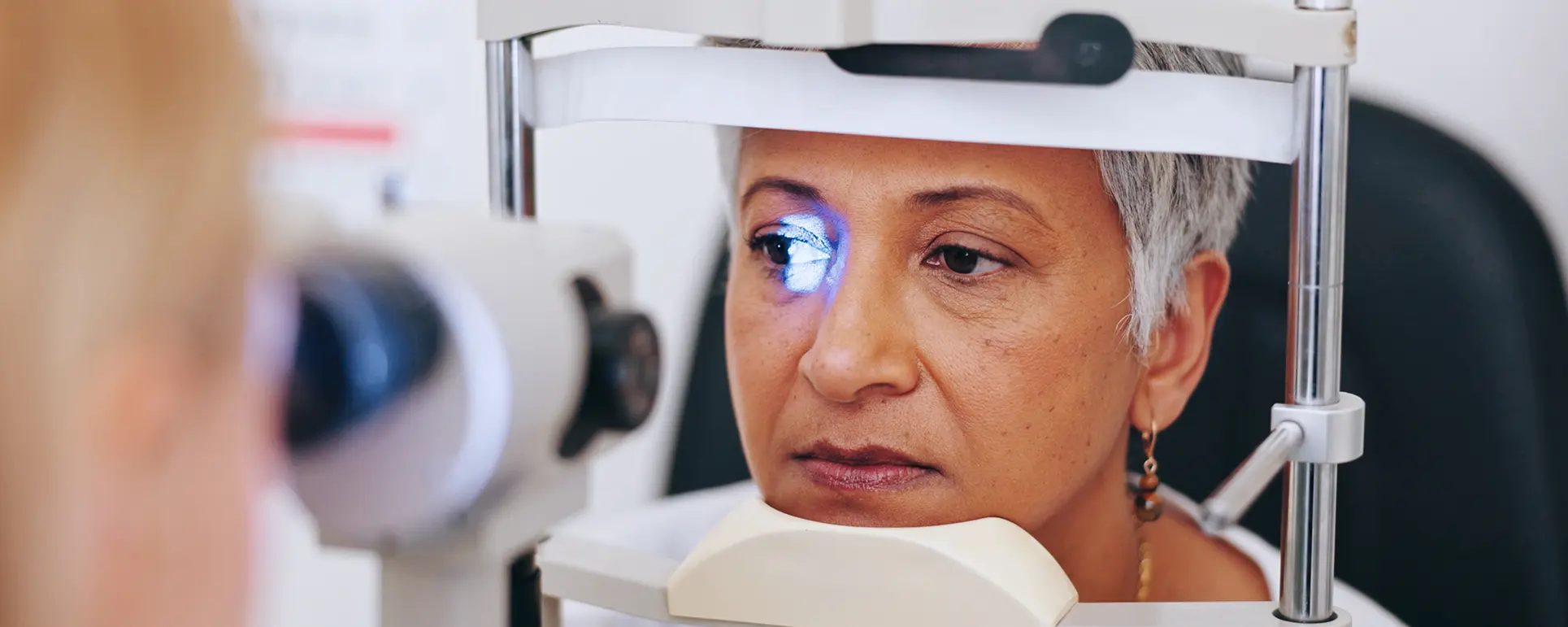
If you’ve already had cataract surgery or refractive lens exchange (RLE), you probably assumed the artificial lens placed inside your eye would last for life. In most cases, that’s exactly what happens. But like any medical device, an intraocular lens (IOL) doesn’t always behave as expected, and sometimes replacement becomes the best option. For some people, small accuracy issues cause visual disturbances. For others, new premium lenses become available and offer an upgrade that simply wasn’t possible at the time of their original surgery.
I’ve spoken to many patients who worry something is “wrong” when they don’t see the clarity they hoped for, or when a visual effect such as glare or starbursts interferes with daily life. Others feel frustrated when a multifocal lens doesn’t suit their visual needs after they experience it in real life. The important thing to know is that an IOL exchange is a well-established procedure that can address these issues safely and effectively.
In this article, I’ll explain why an IOL might need to be exchanged, how the procedure works, what you can expect during recovery, and how surgeons ensure the second lens delivers the clarity you originally hoped for.
Understanding What an IOL Is
An intraocular lens replaces your eye’s natural crystalline lens during cataract surgery or elective lens replacement. Once inserted, the IOL is meant to stay in place permanently. You cannot see or feel it, and the material is designed to last a lifetime.
An IOL is a permanent solution that restores clear vision, but choosing the right type is crucial to meet your specific visual needs. Understanding the different options and how they work helps you make informed decisions and sets realistic expectations for your post-surgery vision.
Common IOL types include:
- Monofocal lenses for single-distance clarity
- Multifocal lenses for near and distance
- Extended depth-of-focus lenses (EDOF) for enhanced range
- Toric lenses for astigmatism
- Light-adjustable lenses for post-operative refinement
While these lenses usually perform exceptionally well, there are situations where an exchange becomes necessary.
Why an IOL May Need to Be Replaced

An IOL exchange is not considered routine, but it is also not uncommon. Several factors can influence whether your implanted lens remains comfortable and functional over the long term. Understanding these reasons helps you and your surgeon decide if an exchange is the right solution.
Refractive Surprise (Lens Power Error) – Even with precise measurements and modern imaging, the final prescription after lens surgery can sometimes differ from what was expected. This may result in blurry distance or near vision, residual astigmatism, or over- or under-correction. Minor mismatches can often be corrected with laser enhancement, but significant errors may require an IOL exchange for accurate results.
Dysphotopsia (Unwanted Visual Phenomena) – Some patients experience visual disturbances that do not settle naturally. These can include halos, glare, starbursts, arc-shaped shadows, or rings in low light. While most of these symptoms improve over months, persistent issues may be resolved by replacing the lens with a different optical design.
Multifocal Lens Intolerance – Premium lenses can reduce dependence on glasses, but not everyone adapts comfortably. Some may find vision less crisp, overly contrast-sensitive, or “busy” in low-light conditions, which can interfere with reading or night driving. In such cases, exchanging for a monofocal or EDOF lens can restore stable, comfortable vision.
Newer Lens Technology – Lens designs continue to evolve. Patients who had surgery years ago may now want to benefit from newer EDOF designs, improved multifocals, adjustable lenses, or lenses with better contrast and fewer halos. An exchange can function as a modern upgrade to improve overall quality of vision.
Lens Decentration or Rotation – Certain IOLs require precise positioning. If the lens shifts due to trauma, capsule changes, or zonule weakness, patients may experience reduced clarity, returning astigmatism, ghosting, or distortion. When repositioning isn’t possible, lens replacement is the better option.
Capsule Changes (Late Postoperative Issues) – Over time, the capsule that holds the IOL may change shape because of fibrosis, contraction, tears, or weak zonules. These changes can compromise lens stability, making an exchange necessary.
Incorrect Lens Selection – Sometimes the initial lens choice doesn’t match a patient’s lifestyle once they begin using it. For example, a multifocal lens may be unsuitable for someone who drives extensively at night, while a monofocal lens may limit reading ability for someone who wants more spectacle independence. An exchange can better align vision with daily needs.
How Surgeons Decide Whether an IOL Exchange Is Necessary
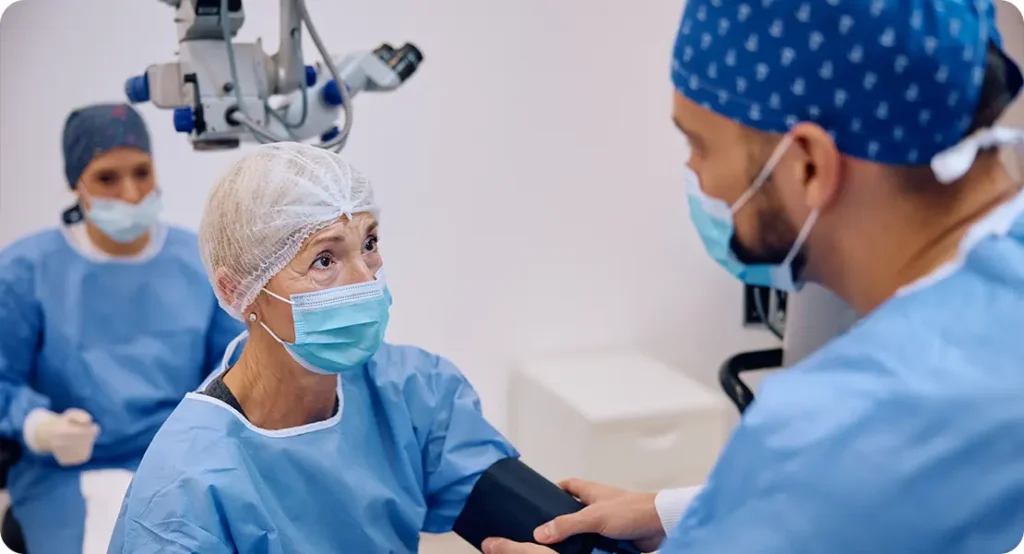
Before recommending an intraocular lens (IOL) exchange, your surgeon will conduct a thorough evaluation to determine the exact cause of any visual issues. This careful assessment ensures that surgery is only performed when absolutely necessary.
The examination typically includes tests such as visual acuity measurements, detailed refractive analysis, corneal imaging, wavefront studies, and macular assessment. Additionally, the surgeon will check capsule stability and measure the IOL’s position within the eye.
Dry eye evaluation is also an important part of the process, as many visual disturbances after surgery are caused by tear film instability rather than the lens itself. Posterior capsule opacification (PCO) or subtle retinal changes can similarly mimic lens-related problems.
Only when the IOL is confirmed as the source of the issue will an exchange be considered. This careful, step-by-step approach helps ensure the best possible outcome and avoids unnecessary procedures.
PCO vs IOL Problems: How to Tell the Difference
Many patients confuse issues with their intraocular lens (IOL) with posterior capsule opacification (PCO), sometimes called a “secondary cataract.” Unlike the lens itself, PCO occurs when the thin capsule behind the IOL becomes cloudy, scattering light and reducing visual clarity.
Common symptoms of PCO include hazy vision, increased glare, blurred detail, and reduced contrast. These visual disturbances can feel similar to lens-related problems, which is why a careful examination is essential.
The good news is that PCO is usually straightforward to treat with a YAG laser capsulotomy, which restores clarity almost immediately without removing the IOL. This is far less invasive than a lens exchange.
However, after a YAG procedure, exchanging the IOL becomes more complicated because the capsule is now open. For this reason, surgeons typically prefer to address any true lens-related concerns before performing YAG laser treatment, ensuring the safest and most effective outcome.
How IOL Exchange Surgery Work
IOL exchange surgery is more delicate than a standard cataract procedure, but it follows many of the same principles.
Step 1: Anaesthetic and Preparation
The procedure begins with numbing drops, and sometimes a mild sedative is administered to help you feel relaxed. Your eye and surrounding area are cleaned with antiseptic. You remain awake throughout the surgery but are fully comfortable.
Step 2: Small Incisions
The surgeon creates tiny self-sealing incisions, usually 2–3mm, to access the existing lens. These incisions typically do not require stitches and allow smooth entry and exit of surgical instruments.
Step 3: Removal of the Existing IOL
The original IOL is carefully extracted. Depending on the lens type and the condition of the capsule, it may be folded and removed or, in some cases, divided into smaller pieces to prevent damage. If the capsule is weak, additional support is applied to ensure safe removal without harming surrounding eye structures.
Step 4: Inserting the New Lens
Once the old lens is removed, the new IOL is inserted. The type of lens is personalised based on your vision goals and anatomical factors. Options include monofocal, toric, EDOF, or low-dysphotopsia multifocal lenses. If the capsule cannot support the lens, a sulcus-placed IOL may be used.
Step 5: Positioning and Fine Adjustments
Precise alignment of the lens is critical, particularly for toric lenses that correct astigmatism. The surgeon ensures the lens is centred and stable under the operating microscope.
Step 6: Final Checks and Hydration of Incisions
Finally, the surgeon confirms that the IOL is stable, the corneal incisions are sealed, and intraocular pressure is controlled. After these checks, you are taken to recovery to rest and be monitored before going home.
This meticulous process ensures the best possible visual outcome and minimises risks associated with lens replacement.
What to Expect After IOL Exchange Surgery
Recovery from an intraocular lens (IOL) exchange is generally similar to standard cataract surgery, though it can vary depending on the condition of the capsule and any prior procedures. Patients should be prepared for a short adjustment period as the eye heals and adapts to the new lens.
In the first few days, it’s common to experience mild discomfort, blurry vision, light sensitivity, and increased teariness. These symptoms are usually temporary and part of the normal healing process.
Post-operative care typically includes the use of antibiotic drops to prevent infection, steroid drops to reduce inflammation, and lubricating drops to keep the eye comfortable. Following your surgeon’s instructions carefully helps support optimal recovery.
Most patients begin noticing improvements in vision within 24–72 hours, though complete stabilisation of eyesight can take several weeks. Regular follow-up appointments allow your surgeon to monitor healing and ensure the new lens is performing as expected.
Expected Outcomes After IOL Exchange
When the appropriate lens is selected and the surgery proceeds without complications, the results of an IOL exchange are typically excellent. Patients often notice a significant improvement in overall visual comfort and clarity.
Most people experience sharper vision, with less glare and fewer halos, making everyday activities like driving, reading, and using screens much easier. Focus becomes more predictable, reducing the frustration of fluctuating vision that sometimes follows the initial surgery.
Depending on the type of lens implanted, patients may see improved near or distance vision and enhanced contrast, making objects appear crisper and colours more vivid. This can significantly boost confidence in daily tasks and overall quality of life.
Ultimately, the greatest benefit of an IOL exchange is achieving the visual clarity that patients initially expected from their first surgery. With careful planning and expert surgical care, most people leave with results that meet or exceed their expectations.
Risks of IOL Exchange Surgery
While IOL exchange surgery can effectively address vision issues or lens dissatisfaction, it comes with slightly higher risks than your initial cataract procedure. Being aware of potential complications helps you understand what to expect and discuss safety measures with your surgeon.
Although the procedure is safe, it carries slightly higher risk than primary lens surgery.
Possible complications include:
- Capsule damage
- Infection (rare)
- Corneal oedema
- Retinal swelling (CME)
- Lens instability
- Dry eyes
- Increased inflammation
Your surgeon will discuss your personal risk profile in detail.
How Surgeons Minimise Risk
Surgeons take numerous precautions during IOL exchange surgery to minimise risks and protect your eye. By carefully selecting the surgical approach and using protective techniques, they aim to preserve the delicate structures inside your eye and ensure the best possible outcome.
From supporting a weak capsule to precise measurements for the new lens, every step is tailored to your individual anatomy and eye health. These strategies help reduce complications and increase the likelihood of clear, stable vision after the procedure.
These include:
- Choosing the right surgical technique based on capsule stability
- Using viscoelastic to protect the cornea
- Supporting a weak capsule with rings or sulcus placement
- Minimising manipulation inside the eye
- Ensuring precise biometry for the new lens
- Avoiding YAG capsulotomy until issues are fully assessed
Every decision is made to maximise safety and clarity.
Alternatives to IOL Exchange Surgery
Before jumping to a replacement, your surgeon may consider other solutions.
These include:
Laser Vision Correction (LASIK/PRK) – Useful for small refractive errors.
YAG Capsulotomy – Treats posterior capsule opacification.
Lens Repositioning – If the IOL has shifted but is otherwise correct.
Lens Piggybacking – A second lens is added on top of the existing IOL to refine vision.
Treating Ocular Surface Issues – Dry eyes can mimic lens problems.
Only when these options are unsuitable does exchange become the best approach.
FAQs:
1. How do I know if I really need an IOL exchange?
You may need an IOL exchange if you continue experiencing visual problems that cannot be fixed with glasses, laser enhancement, or treatment for dry eyes or PCO. Most people first notice that their vision isn’t as crisp as expected, or they may struggle with glare, halos or focusing at certain distances. Your surgeon will only recommend an exchange after a full examination confirms that the lens itself is the main source of the problem. If issues are caused by the capsule, retina or cornea instead, these will be addressed separately. The decision is always based on whether replacing the lens will meaningfully improve your daily vision and comfort.
2. Is IOL exchange more complicated than cataract surgery?
Yes, an IOL exchange is generally considered more delicate than primary cataract surgery because the surgeon is operating inside an eye that already contains a lens and a capsule that may have changed over time. The capsule may be tighter, weaker or partially fibrosed, which means removing the existing lens requires careful manoeuvring to avoid damage. That said, for an experienced surgeon, the procedure is well-established and predictable. Modern instruments and viscoelastic materials help create a safe working space, and the incisions are still very small, meaning recovery remains similar to standard cataract surgery.
3. Does IOL exchange surgery hurt?
No, the procedure is not painful. The eye is numbed thoroughly with anaesthetic drops, and many clinics also offer a mild sedative to help you feel calm. During surgery, you may feel slight pressure or gentle movement inside the eye, but this is not painful. After the procedure, some people feel mild grittiness, light sensitivity or watering, similar to what they experienced after their original cataract surgery. These sensations usually settle within a day or two as the eye heals.
4. How long does recovery take after an IOL exchange?
Most people notice early improvement within the first 48–72 hours, but full visual stabilisation can take several weeks. The timeline depends on the condition of the capsule, the type of replacement lens and how complex the surgery was. If the surgeon had to manage a weak capsule or remove a lens that had been in place for many years, healing may take slightly longer. You will continue using prescribed drops during recovery, and follow-up visits allow the surgeon to monitor clarity, pressure and any inflammation. Vision typically becomes clearer and more stable with each passing week.
5. Are the results of an IOL exchange permanent?
Yes, the results are intended to be long-lasting. Once the new lens is placed securely in the capsule or the sulcus, it is designed to stay in place permanently. The clarity and comfort you gain from the new lens should continue indefinitely, provided the rest of the eye remains healthy. Some natural age-related changes, such as retinal conditions or dry eye, can develop over the years, but these are unrelated to the lens exchange itself. In most cases, people experience stable and lasting visual improvement after the procedure.
6. Is it safe to have an IOL exchange many years after cataract surgery?
It is possible to have an IOL exchange years or even decades after cataract surgery, although the procedure can be technically more challenging due to capsule changes. The capsule tends to become more fibrotic and less flexible over time, which can make removing the old lens slightly more involved. However, experienced surgeons use specific techniques and tools to safely separate the lens from the surrounding tissue. As long as the eye is healthy and the surgeon feels confident about capsule support, an exchange remains a safe and effective option, even long after the first surgery.
7. What if I have already had a YAG laser capsulotomy?
An IOL exchange after a YAG capsulotomy is still possible, but it is undeniably more complex. The YAG laser creates a permanent opening in the posterior capsule, which means the surgeon no longer has a fully intact structure to support the replacement lens. In such cases, the surgeon may consider placing the new lens in the sulcus or use additional support devices. This is why most specialists prefer to resolve any lens-related issues before performing a YAG capsulotomy. If you have already had a YAG, your surgeon will carefully evaluate the safest approach for replacement.
8. Can an IOL exchange fix glare, halos or night-vision problems?
Yes, in many cases an IOL exchange significantly improves unwanted visual phenomena such as glare, halos or starbursts, especially when these symptoms are caused by multifocal optics or lens edges. Some people find that these disturbances simply do not settle with time, even though most patients adapt naturally. When the design of the lens is the root cause, swapping it for a lens with a different optical profile such as a monofocal or an EDOF lens often reduces or eliminates these effects. The key is determining whether the symptoms truly stem from the lens rather than another condition.
9. Will I need glasses after the lens is replaced?
Whether you will still need glasses depends on the type of replacement lens chosen and your personal visual goals. A monofocal lens usually provides excellent clarity at a single distance, so you may still need glasses for reading or close-up tasks. An EDOF lens may give a wider range of vision with reduced dependence on glasses, and some people opt for a multifocal lens if they want maximum independence. Your surgeon will discuss your lifestyle and preferences to choose the most suitable lens. The goal of an IOL exchange is to improve your clarity and satisfaction, whether with or without glasses.
10. Is an IOL exchange worth it if my symptoms are mild?
Whether an exchange is worthwhile depends entirely on how much your symptoms affect your daily life. Some people experience minor issues that remain manageable with glasses or adaptation, while others find that even mild halos or refractive errors significantly impact driving, reading or computer work. If your vision prevents you from feeling confident or comfortable on a daily basis, an exchange may be reasonable. Surgeons typically recommend replacement only when the expected visual improvement outweighs the surgical risks. A detailed consultation helps you understand what level of improvement is realistic and whether the benefits justify the procedure.
Final Thoughts: Choosing the Right Path When Your Lens Needs Replacing
Needing an IOL exchange can feel unexpected, especially if you assumed your original lens would give you lifelong clarity. But the reality is that a second procedure can make a remarkable difference when the first lens isn’t giving you the vision you hoped for. Whether the issue is refractive error, visual disturbances, capsule changes or simply adapting poorly to a premium lens, modern exchange techniques allow surgeons to correct course and help you achieve the visual quality you originally expected.
The most important step is a thorough assessment to confirm whether the lens is truly the source of your symptoms. Once the cause is clear, your surgeon can guide you towards the solution that offers the safest, most predictable outcome whether that means adjusting the original lens, treating the capsule, or replacing the IOL entirely.
If you’ve previously had laser eye surgery or are comparing solutions such as PRK surgery in London as part of your vision correction journey, the key is choosing a specialist who can assess your full ocular history and recommend the right next step. If you’re considering IOL replacement surgery in London, you can get in touch with us at the London Cataract Centre to discuss your options and book a detailed assessment with our experienced team.
References:
1. Noguchi, S., et al. (2024) ‘Direct intraocular lens extraction using newly developed lens-grabbing forceps’, Journal of Clinical Medicine, 13(10), p. 2938. https://www.mdpi.com/2077-0383/13/10/2938
2. Bellucci, C., et al. (2024) ‘Iris fixation for intraocular lens dislocation: relocation vs exchange’, Journal of Clinical Medicine, 13(21), p. 6528. https://www.mdpi.com/2077-0383/13/21/6528
3. Shin, Y.I., et al. (2020) ‘Surgical outcome of refixation versus exchange of dislocated intraocular lenses’, https://pmc.ncbi.nlm.nih.gov/articles/PMC7760674/
4. Patel, V., et al. (2023) ‘Intraocular lens exchange: Indications, comparative outcomes by technique, and complications’, Clinical Ophthalmology, 17, pp. 941–951. https://pmc.ncbi.nlm.nih.gov/articles/PMC10041992/
5. Patel, V., Khan, M. A., Haldipurkar, S. & et al. (2023) ‘Intraocular Lens Exchange: Indications, Comparative Outcomes by Technique, and Complications’, Clinical Ophthalmology, 17, pp. 941–951. https://pubmed.ncbi.nlm.nih.gov/36993987/