


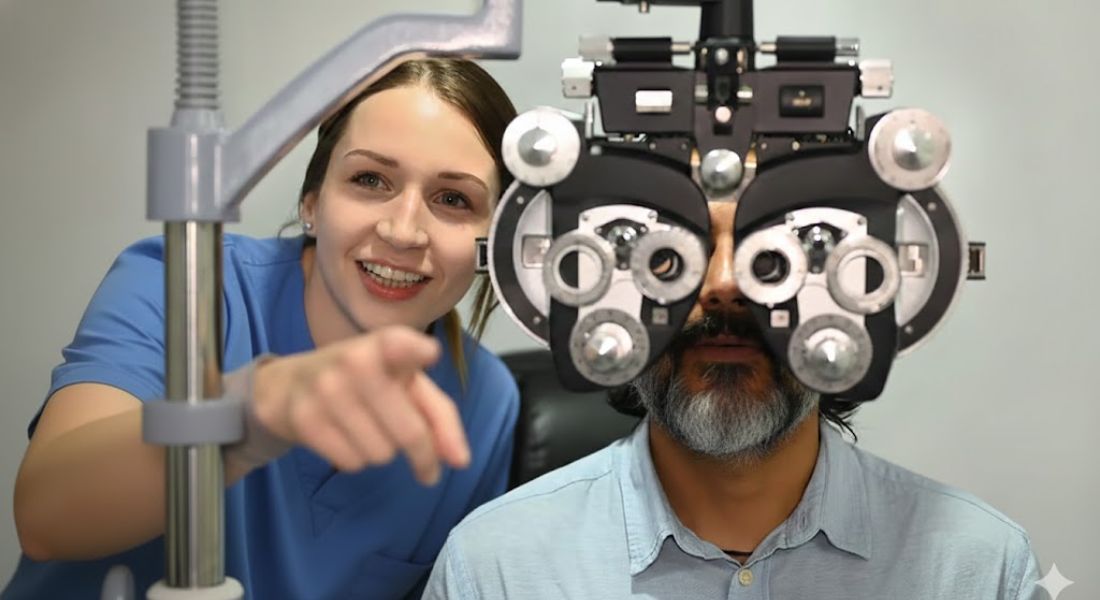
If you have been told you have early cataract changes and are also considering ICL surgery, you may feel uncertain about what to do next. Vision correction decisions become more complex when natural lens clarity is beginning to change. Understanding how these two factors interact is essential before proceeding.
ICL surgery is designed for patients who still have a clear natural lens. Early cataracts, however, indicate that the lens is starting to lose transparency. The key question is whether that change is mild and stable, or progressive and clinically significant.
In this guide, we explain when ICL may still be appropriate and when refractive lens exchange may be a more suitable alternative. We also clarify the distinction between phakic lens implants and lens replacement surgery. Most importantly, we help you understand how to make a safe and strategic choice.
What Is ICL Surgery?
ICL surgery involves placing a biocompatible lens inside your eye without removing your natural lens. It’s most commonly used to correct moderate to high myopia or significant astigmatism. The procedure is reversible and preserves your eye’s natural ability to focus at different distances, which many other options cannot.
Because your natural lens stays in place, its clarity is crucial to achieving good visual outcomes. ICL doesn’t address cataracts, nor does it stop them developing. Its sole purpose is to correct refractive error while maintaining the eye’s existing structures.
Stable lens transparency is therefore a key consideration before surgery. If there are early cataract changes, your suitability must be assessed carefully. In these cases, timing and planning become critical to ensure predictable results and long-term satisfaction.
What Are Early Cataracts?

Early cataracts are mild clouding of the natural lens that often goes unnoticed in daily life. They’re usually picked up during a routine eye exam, as symptoms can be subtle or entirely absent. At this stage, the impact on vision is generally limited, but the changes indicate the lens is beginning to alter structurally.
You might notice minor glare, slight reduction in contrast, or mild blur under certain conditions. Even with these symptoms, your vision can often still be corrected with glasses or contact lenses. The rate of progression varies from person to person, so monitoring is important rather than assuming immediate intervention.
While early cataracts don’t usually demand surgery, they do influence refractive planning. If you’re considering procedures like Implantable Collamer Lens (ICL), lens stability and clarity become key factors. Awareness of these early changes helps your surgeon choose timing and strategy carefully.
Why Lens Clarity Matters for ICL
ICL surgery depends on your natural lens being healthy and clear. The implant sits directly in front of your crystalline lens, so any pre-existing clouding can affect the quality of vision you achieve. If the lens isn’t stable, you might not get the sharp, predictable results you’re aiming for.
If you have a progressive cataract, placing an ICL can complicate things later. Eventually, cataract surgery would require removing both your natural lens and the ICL, adding an extra layer of complexity. Planning ahead helps avoid unnecessary procedures and potential surgical risks.
Long-term strategy is crucial when considering ICL. Surgeons prioritise timing that maximises lens stability and visual longevity. By waiting for the right moment, you protect your eyes from early revision and support sustained, high-quality outcomes.
Can ICL Be Performed With Very Mild Lens Changes?
In certain situations, very mild and stable lens changes don’t automatically rule out Implantable Collamer Lens (ICL) surgery. If cataract development is minimal and not progressing, your surgeon may consider proceeding. A thorough assessment is essential to ensure that the benefits outweigh any potential risk.
Lens clarity is carefully evaluated using slit-lamp examination and advanced imaging. If the changes are subtle and unlikely to worsen quickly, surgery can sometimes move forward with caution. Factors such as age, family history, and overall eye health also guide this decision.
Despite this, most surgeons prefer that the natural lens remains completely clear before implantation. Taking a conservative approach protects your long-term outcomes. Prioritising stability now helps prevent complications and supports lasting, predictable vision.
The Risk of Future Cataract Progression
Cataracts tend to develop gradually, and even a mild lens opacity now can worsen over time. Understanding this progression is important when planning any refractive procedure, as it can affect long-term outcomes. If cataract surgery becomes necessary in the future, an existing ICL (Implantable Collamer Lens) would typically need to be removed first, adding complexity and an extra step to the procedure
- Cataract progression is inevitable: Even early-stage or mild cataracts can gradually affect vision. Anticipating this allows your surgeon to create a long-term plan that avoids unexpected complications.
- Implications for ICL patients: If you already have an ICL, future cataract surgery will usually require removing the lens first. Understanding this possibility upfront helps prevent surprises and reduces the need for multiple procedures over time.
- Age considerations: Younger patients with minimal lens changes may still be suitable candidates for ICL without immediate concern. Older patients or those showing early lens opacity may benefit more from lens replacement, balancing refractive needs with long-term clarity.
- Strategic timing: Planning procedures with cataract progression in mind ensures fewer interventions overall. It allows the surgeon to time surgeries to maximise visual outcomes and minimise recovery periods.
- Tailored decision-making: Each patient’s lens health, age, and visual goals must guide the plan. A personalised approach ensures the procedure addresses current needs while accommodating future changes safely and efficiently.
Factoring in potential cataract progression is essential for long-term planning. By anticipating changes, you can minimise additional surgeries, protect vision, and achieve the best functional and visual outcomes over time.
What Is Refractive Lens Exchange?
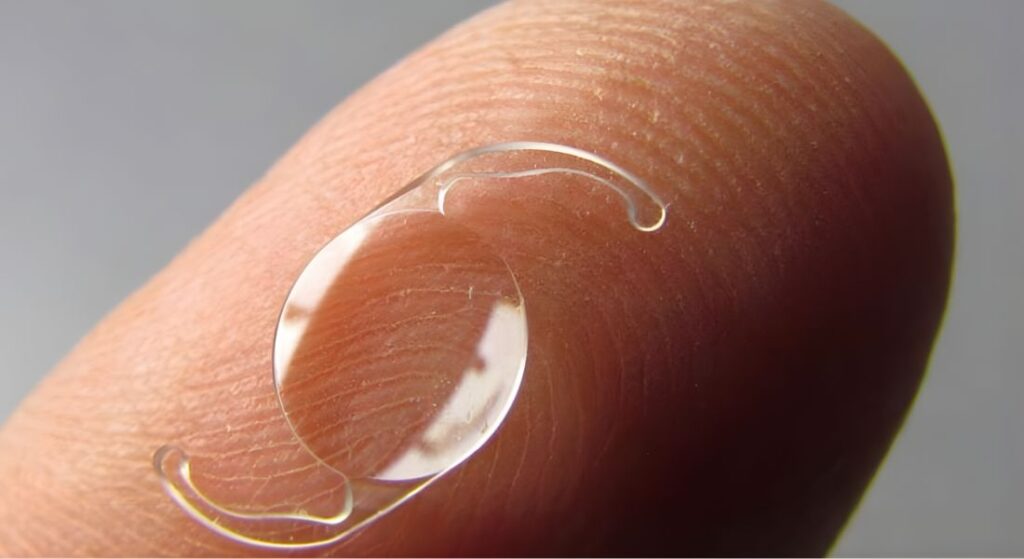
Refractive lens exchange involves removing your natural lens and replacing it with an artificial intraocular lens. The procedure is much like standard cataract surgery but is performed to correct vision rather than treat a mature cataract. It permanently eliminates the natural lens, so any future cataract development is no longer a concern.
Unlike Implantable Collamer Lens (ICL), lens replacement can correct refractive error and address early cataract changes at the same time. Once the lens is replaced, you gain long-term stability in vision and remove the risk of lens clouding. This can simplify long-term eye care for many patients.
One trade-off is that accommodation your ability to focus up close may be reduced depending on the lens type chosen. Understanding this distinction helps you decide which procedure fits your needs. ICL preserves your natural lens and near focus, while lens exchange sacrifices it for permanence and clarity.
Phakic Lens vs Lens Replacement
ICL surgery is classified as a phakic lens procedure, which means your natural lens stays in place. Lens replacement, on the other hand, removes the natural lens entirely and substitutes it with an artificial one. This distinction is fundamental when weighing your options.
Phakic lenses preserve your eye’s natural focusing ability, which is particularly valuable for younger patients who still rely on accommodation for near tasks. Lens replacement removes that ability but removes any future cataract risk. Each approach has clear benefits depending on your priorities and eye health.
Factors like your age, lens clarity, and long-term vision goals guide the choice. Short-term convenience shouldn’t outweigh the need for stability and predictable outcomes. A future-focused surgical strategy ensures your vision remains reliable for years to come.
Age Considerations
Age plays a major role in deciding whether ICL is suitable. If you’re in your twenties or thirties and your lenses are clear, you’re often an excellent candidate. At this stage, lens clarity tends to remain stable for years, making phakic lens surgery a predictable choice.
For patients in their forties or fifties, early cataract changes become more common. In these cases, refractive lens exchange may offer a more definitive, long-term solution. Choosing lens replacement can help you avoid a second procedure down the line, which is a key consideration for long-term planning.
Ultimately, suitability comes down to individual assessment. Chronological age alone isn’t enough to decide; the health and clarity of your natural lens carry far more weight. Surgeons focus on biological condition rather than just the number of years.
Visual Symptoms as a Guide
If early cataracts are already affecting your day-to-day vision, lens replacement is usually the safer option. Persistent glare, reduced contrast, or subtle blur indicates that the lens opacity is clinically significant. Implanting an ICL in these circumstances wouldn’t address the underlying problem, so it may not give the clarity you need.
When symptoms are absent and your measurements remain stable, there may still be room to consider ICL cautiously. Consistency across multiple visits gives confidence that the lens is healthy and changes aren’t progressing. Close monitoring is essential to ensure that any emerging issues are detected early.
Decision-making should prioritise visual quality over simple refractive error correction. Long-term clarity and predictability matter more than short-term convenience. Your surgical choice must reflect your actual experience of vision, not just what your prescription reads on paper.
Accommodation and Near Vision
One of the advantages of ICL surgery in younger patients is that it preserves the eye’s natural accommodation. Your lens continues to adjust focus for near and distance vision, supporting activities like reading, computer work, and other close-up tasks. Unlike lens replacement, this ability remains intact, allowing for natural near vision without relying on multifocal lenses or reading glasses.
- Preserved natural focusing: With ICL, the natural lens retains its flexibility, letting you shift focus between near and far objects easily. This is particularly useful for reading, studying, or any task requiring clear close-up vision without additional correction.
- Lens replacement trade-offs: Replacing the natural lens eliminates accommodation unless a specialised multifocal lens is used. While these lenses can provide near and distance vision, they may introduce issues like halos, glare, or reduced contrast sensitivity.
- Lifestyle considerations: Your daily routines and visual demands influence which procedure is best. Heavy reading, screen time, or professional tasks requiring precise near vision can make preserving accommodation a priority.
- Individualised decision-making: Surgeons weigh your age, lifestyle, and long-term visual goals when recommending ICL or lens replacement. Personal priorities guide choices to balance clarity, convenience, and potential future needs.
- Long-term benefits: Maintaining natural accommodation may reduce dependence on reading glasses for years, preserving quality of vision and daily comfort. This is a key factor in patient satisfaction, especially for those under 40 or with active near-vision requirements.
Preserving accommodation with ICL supports natural, effortless near vision while maintaining flexibility for the future. Understanding your visual needs and lifestyle ensures the right choice for both current comfort and long-term outcomes.
Risk of Cataract Formation After ICL
Although uncommon, cataracts can develop after Implantable Collamer Lens (ICL) implantation. Advances in lens design have cut this risk dramatically, but correct sizing particularly the vault between the ICL and your natural lens remains critical. Proper fit ensures the lens sits safely without causing stress or contact that could trigger clouding.
Older ICL models carried a higher likelihood of lens-related complications. Modern designs, often featuring a central port, improve fluid circulation within the eye. This enhanced circulation helps maintain lens health and further reduces the risk of post-operative cataract formation.
If any pre-existing lens opacity is present, the risk rises slightly. Surgeons assess lens clarity carefully before recommending ICL. Focusing on prevention through meticulous planning and monitoring is the best strategy for long-term success.
Diagnostic Imaging Before Decision
Before proceeding with Implantable Collamer Lens (ICL) surgery, advanced imaging is essential. It evaluates the anterior chamber depth and lens clarity to ensure there’s enough space for the implant. Stability across measurements must be confirmed before any planning can begin.
Techniques like optical coherence tomography provide detailed insight into lens and corneal structures. This level of precision helps your surgeon determine safe positioning and predict how the ICL will sit long-term. Accurate imaging underpins both safety and visual outcomes.
Multiple tests over time confirm consistency. If readings fluctuate, it’s a warning to pause and reassess. Decisions should always be driven by reliable data, not a single snapshot, to protect both results and long-term eye health.
Long-Term Planning Strategy
Choosing between Implantable Collamer Lens (ICL) and lens replacement is fundamentally a long-term strategy. You want a solution that lasts decades and minimises the likelihood of repeat surgery. Anticipating future ocular changes is just as important as correcting vision now.
If cataract development is likely within a few years, lens replacement can prevent the need for a second operation. Conversely, if your natural lens is healthy and expected to remain clear, ICL may offer excellent outcomes with minimal disruption. Timing your procedure correctly ensures you get the maximum benefit from whichever approach you choose.
Strategic planning significantly reduces the chance of regret. Thinking proactively about your eye health improves satisfaction and confidence in your results. Thorough consultation helps clarify the best path, aligning surgical choice with both current vision and long-term stability.
Psychological Considerations
Many patients are naturally drawn to less invasive options. ICL often feels simpler and quicker than lens replacement, which can make it psychologically appealing. However, perceived simplicity shouldn’t outweigh medical suitability choosing the wrong procedure for your lens condition can lead to future complications.
Understanding the long-term implications of each option helps reduce anxiety. Knowing how your eyes may change and what each procedure can realistically achieve prevents disappointment later. Open, transparent discussion with your surgeon builds trust and sets clear expectations.
Confidence in your choice comes from being fully informed. Emotional reassurance is as important as clinical readiness when planning surgery. Having a thorough understanding of risks, benefits, and likely outcomes supports both comfort and peace of mind.
When ICL Is Not Recommended
If cataract changes are clearly progressing, ICL is generally not recommended. Implanting a phakic lens in an eye with evolving lens clouding would be only a temporary fix. This approach often leads to additional procedures down the line, each carrying its own risks.
Significant glare, reduced contrast, or noticeable lens opacity makes lens replacement the more logical choice. Simply correcting refractive error with ICL without addressing the underlying lens problem will not provide lasting visual clarity. The goal is comprehensive vision quality, not a quick fix for prescription numbers.
Avoiding unnecessary steps protects both your eyes and your confidence in the results. Responsible practice prioritises efficiency, patient safety, and durable outcomes over short-term convenience. Choosing the procedure that suits your current lens condition ensures you achieve sustainable, high-quality vision without having to revisit the decision shortly after.
Advantages of Early Lens Replacement
Early lens replacement offers a clear advantage by permanently removing the risk of cataract development. At the same time, it corrects your refractive error, providing a definitive solution in a single procedure. This dual benefit reduces uncertainty and gives long-term visual stability that phakic lenses cannot guarantee.
Patients in their forties or older often find this approach particularly appealing. The need for future cataract surgery is effectively eliminated, which simplifies long-term planning and reduces the likelihood of repeat interventions. It also allows your surgeon to tailor the lens choice for optimal clarity and predictability.
However, the trade-off is the potential loss of natural accommodation. Multifocal or accommodative lens options can offset this to a degree, but outcomes vary and must be discussed thoroughly. Understanding these nuances ensures that your expectations align with what the procedure can realistically deliver.
The Importance of Specialist Assessment
Making the right choice between vision correction procedures relies heavily on specialist assessment. A detailed examination ensures an accurate diagnosis, identifying subtle changes in the lens or other structures that could affect outcomes. Without expert evaluation, important factors may be overlooked, potentially compromising results or increasing future risks.
- Accurate diagnosis: Experienced clinicians can detect subtle lens changes, early cataracts, or other ocular issues that may not be obvious during a routine check. This precision ensures the selected procedure aligns with your current and future visual needs.
- Comprehensive evaluation: Surgeons consider age, lifestyle, occupation, and overall ocular health when recommending a procedure. Personalised assessment ensures the approach balances immediate benefits with long-term vision goals.
- Tailored recommendations: Generic advice rarely fits every patient. Individualised analysis accounts for unique anatomical features, visual priorities, and potential risks, guiding the safest and most effective option.
- Protecting long-term outcomes: Expert evaluation minimises complications and reduces the likelihood of additional surgeries. Careful planning ensures results are durable and satisfactory, both functionally and cosmetically.
- Peace of mind: Knowing that a specialist has thoroughly assessed your eyes provides confidence and reassurance. Clear guidance allows you to make informed decisions about procedures that impact your vision for years to come.
Specialist assessment is essential to achieving safe, precise, and personalised outcomes. It ensures the procedure is suited to your eyes, lifestyle, and future needs, maximising both vision and long-term satisfaction.
Questions to Ask During Consultation

Make sure you ask whether your natural lens opacity is stable. Knowing how quickly or slowly changes may progress helps you gauge suitability for ICL versus lens replacement. Transparency from your surgeon at this stage supports confident, informed decision-making.
Discuss long-term planning in detail. Ask if cataract surgery is likely to be needed in the near future and how that affects timing. Honest discussion now prevents frustration or unexpected procedures later, giving you a clearer roadmap for your eye health.
Clarify how your lifestyle and visual priorities fit into the plan. Near vision, reading, and screen use all influence which procedure will serve you best. Surgery should align with your daily needs and expectations, not just correct refractive error.
Summary of Decision Factors
When weighing your options, lens clarity, age, and the severity of visual symptoms are the main factors guiding the decision. Stability of your natural lens is crucial if cataract changes are progressing, preference usually shifts toward lens replacement. Assessing these elements carefully helps ensure the procedure you choose is appropriate and predictable.
Preserving accommodation often makes ICL the preferred choice for younger patients with clear lenses. Conversely, long-term clarity and the elimination of future cataract risk make lens replacement more suitable for older individuals. Striking the right balance between immediate visual needs and long-term outcomes is essential.
Every patient’s situation is different, so thorough consultation is key. Detailed evaluation and open discussion provide the clarity needed to make an informed decision. When you understand the factors and risks, you can proceed confidently knowing your choice aligns with both current vision and future eye health.
FAQs:
1. Can I have ICL surgery if I have early cataracts?
It depends on the severity and stability of your cataract changes. Very mild, non-progressing opacities may still allow for ICL, but most surgeons prefer a completely clear lens. You need a careful assessment to weigh potential benefits against long-term risks. Proceeding without stability can compromise your final visual outcome.
2. What are the risks of ICL with early lens changes?
If your lens clarity isn’t stable, ICL may not give the sharp vision you want. Cataracts can progress, meaning you could need lens removal later, adding complexity. Planning too early increases the chance of multiple procedures. Knowing the risk upfront helps you make a safer choice.
3. How does ICL differ from lens replacement?
ICL preserves your natural lens, maintaining your eye’s ability to focus up close. Lens replacement removes your lens and replaces it with an artificial one, correcting both refractive error and cataracts. The choice depends on your age, lens clarity, and whether long-term clarity or natural accommodation is a priority.
4. Will I lose near vision with lens replacement?
Yes, removing your natural lens usually reduces your ability to accommodate. Multifocal or accommodative lenses can partly restore near vision, but results vary. ICL, in contrast, keeps your natural lens and maintains your focusing flexibility.
5. How do I know if my cataract is progressing?
Regular eye exams are key. Your specialist can track subtle lens changes over time using slit-lamp evaluation and imaging. Monitoring helps you determine whether ICL remains suitable or if lens replacement would be a safer long-term choice.
6. Can age affect my suitability for ICL?
Absolutely. Younger patients with clear lenses are often ideal candidates, while older patients with early cataracts may benefit more from lens replacement. Age itself isn’t the only factor it’s about the health and stability of your natural lens.
7. What if ICL is done and cataracts develop later?
You may eventually need cataract surgery, which usually involves removing the ICL first. This adds an extra step and potential complexity. That’s why long-term planning is essential before choosing ICL when early lens changes are present.
8. How important is specialist assessment?
It’s critical. A thorough evaluation identifies subtle lens changes and other ocular factors that influence outcomes. Your surgeon can personalise recommendations, ensuring your procedure is both safe and effective over the long term.
9. What should I ask during consultation?
Ask whether your lens changes are stable and how quickly they might progress. Discuss future cataract risk and how it could affect timing of ICL or lens replacement. Make sure your visual priorities, including near vision and lifestyle needs, are factored into the plan.
10. Can ICL still be suitable if I have mild visual symptoms?
Possibly, if symptoms are minimal and measurements remain stable across visits. Glare, reduced contrast, or blur that affects daily life usually tips the balance toward lens replacement. Careful monitoring ensures your choice matches both current needs and long-term outcomes.
Final Thought: Choosing Between ICL and Lens Replacement
Choosing between ICL and lens replacement is about more than correcting your prescription today it’s a long-term strategy for your vision. Early cataract changes introduce uncertainty, and moving forward with ICL when the lens isn’t stable can lead to extra procedures and compromise outcomes. You want a decision that balances clarity now with predictability in the years ahead.
Age, lens clarity, and lifestyle all play a role. Younger patients with clear, stable lenses often benefit from ICL, preserving natural accommodation and near vision. Older patients or those with progressive lens changes may be better served by lens replacement, eliminating future cataract risk in one step.
Specialist assessment is crucial. Detailed evaluation and repeated measurements ensure your procedure aligns with your eyes, your visual needs, and your long-term plans. When you prioritise stability and precision, you maximise satisfaction and minimise unexpected interventions. If you’re looking for ICL Surgery in London, you can get in touch with us at London Cataract Centre.
References:
1. Kamiya, K. et al. (2021) Eight‑Year Outcomes of Implantation of Posterior Chamber Phakic Intraocular Lens with Central Port for Moderate to High Myopia. Frontiers in Medicine. https://pubmed.ncbi.nlm.nih.gov/34977099/
2. Chung, B. et al. (2025) Ten‑Year Clinical Outcomes of V4c Implantable Collamer Lens for Myopia Correction. https://pmc.ncbi.nlm.nih.gov/articles/PMC12010185/
3. Chung, B. et al. (2025) Ten‑Year Clinical Outcomes of V4c Implantable Collamer Lens Implantation: Visual Acuity, Refractive Stability and Safety. https://www.sciencedirect.com/science/article/abs/pii/S000293942400360X
4. Schmidinger, G. et al. (2014) Eight‑Year Follow‑up of Posterior Chamber Phakic Intraocular Lens Implantation for Moderate to High Myopia. https://www.sciencedirect.com/science/article/abs/pii/S0002939413007289
5. Kamiya, K. et al. (2025) Simultaneous ICL Removal and Phacoemulsification with Intraocular Lens Implantation in Eyes Developing Cataract: Multicenter Outcomes. https://pubmed.ncbi.nlm.nih.gov/39692854/