



If you’re considering vision correction, one of the most common questions patients ask is about night vision. Driving at night, watching movies in dim lighting, or moving around in low-light conditions all require clear and comfortable vision. Knowing how a procedure affects night-time clarity is essential when choosing between options.
Two of the most popular procedures are ICL (Implantable Collamer Lens) and LASIK (Laser-Assisted In Situ Keratomileusis). Both can dramatically improve overall vision, but they interact differently with low-light environments. While LASIK reshapes the cornea, ICL preserves the natural lens and adds a corrective lens inside the eye, which can influence how light is processed at night.
ICL tends to maintain excellent contrast sensitivity and reduces some common night-vision issues like halos and glare, especially in patients with higher prescriptions. LASIK can also deliver good results, but some patients may notice mild halos or reduced night-time clarity, particularly if their prescription was strong or their pupils are larger in low light.
Ultimately, the best choice depends on your individual eye characteristics, prescription strength, and lifestyle needs. A thorough consultation with an experienced surgeon can help determine which procedure is likely to provide the clearest, most comfortable vision at night, while meeting your long-term visual goals.
How Night Vision Can Be Affected
Night vision can be challenging for many people due to natural changes in the eye and optical imperfections. Understanding the factors that affect vision in low light is essential before comparing procedures like ICL and LASIK. These factors can influence glare, halos, and overall clarity, and each procedure interacts differently with them. Being aware of these issues helps patients set realistic expectations for night vision after surgery.
- Reduced Pupil Response: In low-light conditions, pupils dilate to let in more light, which can also increase optical aberrations. This can cause glare or halos around lights, making night driving or dimly lit environments more challenging. Some patients may notice more pronounced effects depending on pupil size and lens type.
- Corneal and Lens Imperfections: Irregularities in the cornea or natural lens can scatter incoming light, further contributing to halos or glare. Both natural eye changes and previous vision corrections can influence how light behaves at night. Modern lens technology aims to minimise these optical distortions.
- Contrast Sensitivity Decline: Low light naturally reduces contrast, making it harder to distinguish objects or subtle differences in shading. This is a normal aspect of aging vision and can impact safety and comfort in dim conditions. Surgical procedures like ICL or LASIK interact differently with contrast sensitivity, affecting night vision outcomes.
By understanding these factors pupil response, optical imperfections, and contrast sensitivity patients can better anticipate how night vision might change. Knowing how ICL or LASIK interacts with these challenges helps in choosing the procedure best suited to lifestyle and visual needs.
What Is LASIK?
LASIK is a laser eye surgery that reshapes the cornea to correct refractive errors such as short-sightedness, long-sightedness, and astigmatism. It’s an outpatient procedure, typically quick and painless, making it a convenient option for people seeking rapid improvement in vision. Modern LASIK technology allows surgeons to customise the treatment for each patient’s corneal shape, prescription, and visual needs.
Recovery from LASIK is usually fast, with many patients noticing excellent daytime vision within just a few days. Most people can return to normal activities almost immediately, which adds to the appeal of LASIK as a convenient and effective method for vision correction.
However, because LASIK alters the natural curvature of the cornea, it can sometimes cause optical side effects, particularly in low-light or dim conditions. Some patients may experience halos around lights, glare, or reduced contrast sensitivity at night. Understanding these potential issues is important when comparing LASIK to other procedures, such as ICL, especially if night vision or low-light activities are a priority.
What Is ICL?

ICL, or Implantable Collamer Lens, is a vision correction procedure that works differently from LASIK. Instead of reshaping the cornea, a thin, flexible lens is implanted inside the eye, positioned between the iris and your natural lens. This approach allows your natural lens and cornea to remain untouched, preserving the eye’s original structure.
The procedure is minimally invasive, reversible, and tailored to your prescription. If necessary, the lens can be removed or replaced later, offering flexibility that LASIK does not. This reversibility makes ICL an attractive option for patients concerned about long-term changes or potential future eye procedures.
Because the cornea isn’t altered, ICL often preserves more of the eye’s optical quality. This can be especially important for night vision, reducing the likelihood of halos, glare, or loss of contrast sensitivity, which some patients experience after LASIK, particularly in low-light conditions.
Night Vision Outcomes: LASIK
LASIK typically delivers excellent daytime vision, allowing most patients to see clearly without glasses or contacts. However, some individuals notice certain visual effects in low-light conditions, especially during the first few months after surgery.
Common night vision issues include halos around lights, particularly from streetlamps or car headlights, glare while driving at night, and slightly reduced contrast sensitivity, making it harder to distinguish subtle differences in dim lighting. These effects usually improve as the eye heals and adapts.
Patients with high prescriptions, larger pupils, or thinner corneas may have a higher risk of persistent night vision disturbances. Understanding these potential outcomes is important when deciding between LASIK and alternatives like ICL, especially if night-time clarity is a priority.
Night Vision Outcomes: ICL
ICL (Implantable Collamer Lens) surgery often provides excellent night vision, even in low-light conditions. Unlike LASIK, the cornea is not reshaped, allowing optical quality to remain closer to natural. Patients considering ICL frequently cite sharp, consistent vision at night as a major benefit. Understanding how ICL interacts with low-light factors helps in comparing it with other vision correction procedures.
- Lower Incidence of Halos and Glare: Since the cornea isn’t altered, patients experience fewer halos or glare around lights. This preserves more natural visual quality in dark environments. Many report clearer night driving and fewer disturbances from streetlights or headlights.
- High Contrast Sensitivity: ICL patients often retain excellent contrast sensitivity, allowing them to see subtle differences in low light. This contributes to sharper vision for activities like reading, driving, or walking at night. Contrast clarity tends to remain stable over time.
- Stable Results: ICL offers consistent visual outcomes, even for patients with high prescriptions. Unlike procedures that reshape the cornea, lens placement in ICL maintains long-term optical precision. This stability is particularly advantageous for patients prioritising night vision quality.
Because ICL preserves the cornea and is precisely positioned, it generally provides clearer and more reliable night vision than LASIK, especially for patients with stronger prescriptions. Many patients find this to be a key factor in their decision to choose ICL over corneal-based procedures.
Halos: ICL vs LASIK
Halos occur when light scatters inside the eye, creating rings around bright sources such as streetlights, headlights, or signage. They can be particularly noticeable at night and are a common concern for anyone considering vision correction, especially if you drive or spend time in dimly lit environments.
With LASIK, around 10–20% of patients report experiencing temporary halos after surgery, particularly those with larger pupils. These halos often improve over time, usually within 6–12 months, as the eye heals and adapts. However, some patients with high prescriptions or specific corneal shapes may notice lingering effects, which can affect night-time comfort and visual clarity.
ICL patients typically experience far fewer halos because the lens sits behind the iris, maintaining the eye’s natural optical path. Most patients report minimal or no halos, even under low-light conditions, making ICL a favourable option for those prioritising night vision. Minimising halos not only improves visual comfort but also enhances safety during activities like night driving, helping patients feel more confident and secure in low-light situations.
Glare: Which Procedure Performs Better?
Glare refers to the discomfort or difficulty seeing caused by bright lights in low-light conditions, such as oncoming headlights or streetlamps. It can significantly affect night driving and other activities in dim environments, making it an important factor when choosing a vision correction procedure.
With LASIK, temporary glare is relatively common, particularly in patients with larger prescriptions or irregular corneal shapes. While it often improves as the eye heals, some individuals may experience lingering sensitivity to bright lights at night, making night driving slightly more challenging.
ICL, on the other hand, rarely causes glare because the procedure preserves the cornea’s natural shape and optical properties. Most patients report clearer, more comfortable night vision, with minimal visual disturbances. For those who frequently drive or work in low-light conditions, ICL can offer a noticeable advantage in both safety and comfort.
Contrast Sensitivity
Contrast sensitivity is the eye’s ability to detect subtle differences between shades, which becomes especially important in dim lighting or low-contrast situations. It affects tasks like night driving, reading in soft light, or recognising objects in shadowed areas.
After LASIK, a slight reduction in contrast sensitivity can occur, particularly for patients with higher prescriptions. In most cases, this change is mild and does not interfere with everyday activities, though it may be noticeable in challenging lighting conditions.
ICL, by preserving the eye’s natural optics, generally maintains excellent contrast sensitivity even in low-light environments. This advantage allows patients to experience sharper, more comfortable vision at night and in dimly lit spaces, enhancing safety and overall visual quality.
Prescription Considerations
Your prescription plays a major role in determining night vision outcomes after vision correction. Patients with high myopia (short-sightedness) or hyperopia (long-sightedness) may notice an increased risk of halos, glare, or reduced contrast sensitivity following LASIK, especially in dim lighting conditions. These effects are usually mild but can affect activities like night driving or working in low-light environments.
For moderate to high prescriptions, ICL generally provides more predictable and consistent results. Because the cornea’s natural shape is preserved, optical quality is maintained, reducing the risk of side effects such as halos, glare, or diminished contrast sensitivity. This makes ICL a particularly appealing option for patients with stronger prescriptions who want reliable night vision.
If maintaining excellent night vision is a priority, especially for driving or other low-light activities, ICL is often the safer and more effective choice. Its design allows for clearer vision with fewer disturbances, giving patients confidence and comfort in a variety of lighting conditions for many years.
Corneal Thickness and Night Vision
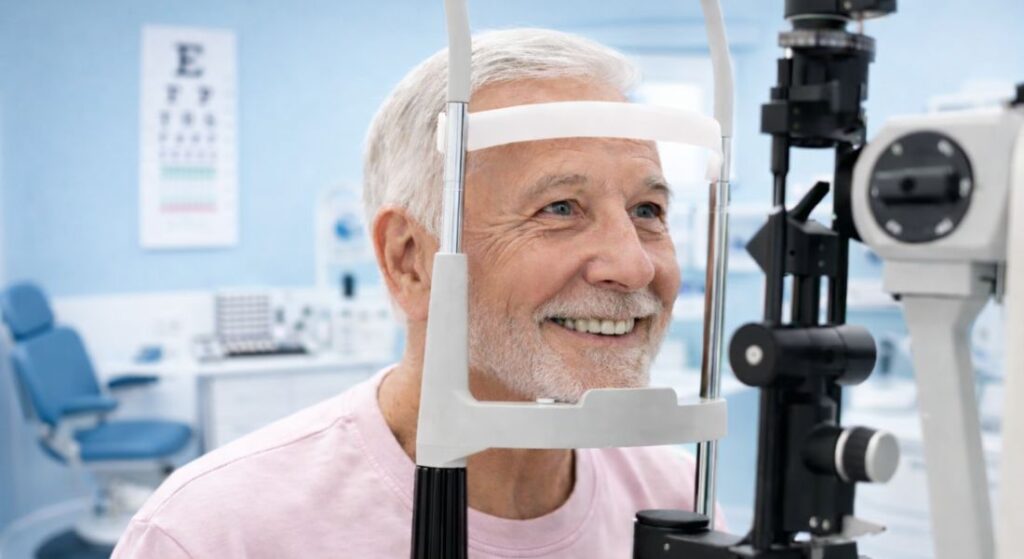
LASIK reshapes the cornea to correct vision, so corneal thickness is an important factor in determining suitability. Patients with thinner corneas may be unsuitable for LASIK or may need a more conservative treatment, which can sometimes affect night vision outcomes. Thinner corneas can increase the risk of optical side effects like halos, glare, or reduced contrast in low-light conditions.
ICL, in contrast, does not alter the cornea at all. This makes it an excellent option for patients with thin corneas, as the procedure preserves natural corneal structure and maintains optical quality. Night vision is typically well-preserved, even in challenging lighting conditions.
For anyone prioritising low-light vision or planning activities such as night driving, this difference can be crucial. ICL offers a reliable solution for achieving sharp, comfortable vision without the limitations imposed by corneal thickness.
Recovery and Night Vision
After LASIK, night vision disturbances are most noticeable during the first few weeks to months of recovery. Many patients experience halos, glare, or reduced contrast initially, but these effects usually improve gradually as the eye heals and adapts. Full stabilisation of night vision can take several months, particularly for higher prescriptions or larger pupils.
ICL recovery tends to be quicker in terms of night vision. Most patients report excellent low-light vision within a week or two, with minimal halos or glare. Because the cornea is not reshaped, optical quality remains stable almost immediately after the procedure.
This faster visual recovery and preservation of night vision make ICL an appealing option for patients who frequently drive, work, or participate in activities under dim lighting. It provides reliable clarity with fewer early disruptions, allowing patients to resume normal routines with confidence.
Long-Term Stability
ICL provides excellent long-term stability for night vision, making it a reliable option for patients who want consistent visual clarity over many years. Once implanted, the lens maintains its shape and position, ensuring that the eye’s optical quality remains stable. Unlike LASIK, there is no corneal remodelling over time, which means that night vision is less likely to change or degrade as the years go by.
Even if age-related changes such as cataracts develop, they can be managed safely without compromising the benefits of the ICL. The lens can be removed or replaced if necessary, and new intraocular lenses can correct vision while preserving night-time clarity. This flexibility adds an extra layer of reassurance for patients concerned about long-term outcomes.
For those prioritising predictable, high-quality vision in low-light conditions, ICL often provides superior results. Its ability to maintain sharp, comfortable night vision, combined with long-term stability and compatibility with future eye procedures, makes it a preferred choice for many patients over LASIK, particularly for moderate to high prescriptions.
Side Effects and Risks
Both LASIK and ICL are generally safe and effective procedures, but like any surgery, they carry potential risks. Understanding these side effects helps patients make informed choices and follow post-operative care instructions carefully. Risk levels are minimised through thorough assessment, accurate lens selection, and modern surgical techniques. Being aware of potential complications ensures patients are prepared and confident in their decision.
- LASIK Risks: LASIK can sometimes cause dry eye, temporary halos, or glare, particularly in the early months after surgery. There is also a slight risk of regression, where vision partially shifts back toward its pre-surgery state. Most side effects are mild and improve as the eye heals.
- ICL Risks: ICL carries rare risks such as cataract formation, lens rotation, or increased intraocular pressure. Modern lens designs and precise placement significantly reduce these risks. Regular follow-up visits help detect and address any potential issues early.
- Risk Reduction Strategies: Proper pre-operative assessment, careful lens selection, and experienced surgical technique dramatically lower the likelihood of complications. Patients who adhere to follow-up care and post-operative instructions further minimise risk. With these precautions, both LASIK and ICL provide safe and reliable vision correction options.
Understanding the potential side effects and risks of each procedure allows patients to weigh benefits against possible complications. With modern surgical techniques and careful planning, most patients experience excellent outcomes with minimal issues. Informed decision-making and adherence to post-operative guidance are key to a safe, successful vision correction journey.
Lifestyle Considerations
Your lifestyle plays an important role in deciding between ICL and LASIK, especially if night vision and outdoor activities matter to you. Patients who frequently drive at night may benefit from ICL, which generally provides clearer, more comfortable vision in low-light conditions.
For outdoor activities where lighting can vary, both LASIK and ICL improve daytime vision effectively. However, ICL tends to preserve low-light performance better, reducing issues like halos, glare, or contrast sensitivity problems. This can make a noticeable difference in everyday life, from evening sports to walking in dimly lit areas.
Patients with high prescriptions or thinner corneas often find ICL to be a safer and more effective option. Choosing a vision correction procedure that aligns with your lifestyle and visual needs ensures both satisfaction and long-term safety, allowing you to enjoy daily activities with confidence.
Cost and Practical Considerations
ICL is generally more expensive than LASIK because it involves a lens implant and a slightly more complex surgical procedure. The upfront cost reflects the advanced technology, precision, and long-term stability it provides.
Despite the higher price, many patients find the investment worthwhile. The long-term benefits including superior night vision, predictable outcomes for higher prescriptions, and minimal changes over time often outweigh the initial expense. ICL can reduce the likelihood of needing enhancements or dealing with night vision issues later in life.
LASIK, on the other hand, remains highly effective for patients with low-to-moderate prescriptions who prioritise daytime vision. It’s a quicker, less expensive option, but those with higher prescriptions or concerns about night-time clarity may find ICL to be the more practical choice in the long run.
Patient Experiences
Patient feedback provides valuable insight into real-world outcomes of LASIK and ICL procedures. Hearing from those who have undergone surgery helps set realistic expectations and highlights practical differences between options. Both procedures offer high satisfaction, but certain lifestyle and visual factors can influence which is the best fit. Understanding these experiences can guide patients in choosing the procedure that aligns with their priorities.
- ICL Patient Experiences: Many ICL patients report excellent night vision with minimal halos or glare. Improved confidence during night driving and low-light activities is a commonly cited benefit. These outcomes make ICL particularly appealing for those with high prescriptions or concerns about night vision.
- LASIK Patient Experiences: LASIK patients generally experience outstanding daytime vision and high overall satisfaction. Some may notice occasional glare or halos at night, which typically improve within a few months as the eye heals. This makes LASIK a strong choice for patients prioritising daytime clarity and quick recovery.
- Satisfaction Comparison: Overall patient satisfaction is high for both procedures. While LASIK is celebrated for sharp daytime vision, ICL often has a slight edge for night vision comfort and consistency. Individual lifestyle needs, visual priorities, and eye health factors influence which procedure is ultimately most satisfying.
By considering real patient experiences, prospective candidates can better understand what daily life may look like after surgery. Feedback from those who have undergone ICL or LASIK helps set expectations and guides informed decision-making for optimal outcomes.
Choosing a Surgeon

Selecting an experienced surgeon is one of the most important factors for achieving excellent outcomes with ICL surgery. The surgeon’s expertise ensures the lens is precisely sized and correctly positioned, optimising both daytime and night-time vision while minimising potential complications. Proper technique also helps preserve optical quality and long-term stability, which is especially important for patients with higher prescriptions or specific visual demands.
In the UK, centres like ICL Surgery in London offer advanced lens implantation techniques, long-term monitoring, and personalised guidance based on your prescription, lifestyle, pupil size, and visual priorities. Their comprehensive approach ensures that the procedure is tailored to your unique eyes, reducing risks and maximising the chances of a smooth recovery and predictable visual outcomes.
A detailed consultation is key. It allows you to discuss your visual goals, review potential risks and benefits, and ask questions about night vision, contrast sensitivity, and lifestyle considerations. Choosing the right surgeon not only improves the likelihood of excellent surgical results but also provides reassurance and confidence in your decision, helping you enjoy long-term satisfaction with your vision.
Summary of Night Vision Differences
When comparing LASIK and ICL, there are several important differences that affect night vision. Halos and glare are generally less common with ICL because the lens preserves the eye’s natural optical pathway. Contrast sensitivity is also often better maintained, allowing sharper perception of subtle differences in dim lighting.
Recovery of night vision tends to be faster with ICL, usually stabilising within a week or two, whereas LASIK patients may notice halos, glare, or reduced contrast for several months as the eye heals. ICL also provides safer and more predictable outcomes for moderate to high prescriptions, reducing the likelihood of long-term optical side effects.
Overall, while LASIK is highly effective for many patients, especially those with low-to-moderate prescriptions, ICL tends to offer superior low-light performance. For those who drive frequently at night, have higher prescriptions, or want consistent night vision over many years, ICL is often the preferred option.
FAQs
1. How do ICL and LASIK affect night vision?
Both ICL and LASIK can improve overall vision, but they interact differently with low-light environments. LASIK reshapes the cornea, which can sometimes cause halos, glare, or slightly reduced contrast at night, particularly for patients with high prescriptions or larger pupils. ICL preserves the natural lens and cornea, maintaining optical quality and generally providing sharper, more comfortable night vision.
2. Why do halos and glare occur after vision correction surgery?
Halos and glare result from how light scatters inside the eye. After LASIK, changes to the cornea can create rings around lights or discomfort from bright sources, especially in low-light settings. ICL patients experience fewer halos and less glare because the procedure leaves the cornea untouched and positions the lens behind the iris, preserving the eye’s natural optical path.
3. How quickly does night vision recover after LASIK and ICL?
After LASIK, night vision disturbances such as halos and glare are usually most noticeable during the first few weeks to months and gradually improve as the eye heals. Recovery for ICL is typically faster, with most patients experiencing excellent low-light vision within one to two weeks due to the cornea remaining unchanged.
4. Does prescription strength affect night vision outcomes?
Yes, higher prescriptions can increase the risk of night vision issues after LASIK, such as halos, glare, or reduced contrast. ICL generally provides more predictable results for moderate to high prescriptions because it preserves the eye’s natural optics, reducing night vision disturbances and maintaining sharp visual clarity.
5. How does pupil size influence night vision after surgery?
In low-light conditions, larger pupils allow more light in, which can amplify optical aberrations and contribute to halos or glare. LASIK patients with larger pupils may be more susceptible to these effects, whereas ICL tends to minimise such disturbances, offering clearer vision in dim lighting.
6. What is contrast sensitivity and how is it affected?
Contrast sensitivity is the ability to distinguish subtle differences between shades, which becomes critical in dim lighting. LASIK may cause slight reductions in contrast sensitivity, particularly for higher prescriptions. ICL preserves the eye’s natural optical quality, allowing most patients to retain excellent contrast sensitivity and sharper night vision.
7. Can corneal thickness impact night vision outcomes?
Yes, LASIK requires reshaping the cornea, so thinner corneas may limit how much correction can be safely performed, potentially affecting low-light vision. ICL does not alter the cornea, making it suitable for patients with thin corneas while maintaining high optical quality and clear night vision.
8. Are night vision disturbances permanent?
Night vision issues after LASIK are often temporary, improving as the eye heals over several months. In contrast, ICL patients usually experience minimal halos or glare from the start, and these effects are generally long-lasting due to the preservation of natural eye structures.
9. How do lifestyle factors influence the choice between ICL and LASIK?
Patients who drive frequently at night or engage in activities in dimly lit environments may benefit from ICL because it provides more consistent night vision. LASIK remains effective for daytime vision and low-to-moderate prescriptions but may not be optimal for those prioritising low-light performance.
10. Are there long-term stability differences in night vision between ICL and LASIK?
ICL tends to provide more stable long-term night vision because the cornea is not reshaped, and the lens maintains its position and optical properties over time. LASIK results can sometimes change slightly due to natural corneal remodeling or age-related eye changes, potentially affecting night vision.
Final Thoughts: Choosing the Best Night Vision Option
When it comes to night vision, both LASIK and ICL offer excellent overall vision correction, but they perform differently under low-light conditions. ICL tends to provide sharper, more stable night vision with fewer halos, less glare, and better contrast sensitivity, particularly for patients with higher prescriptions or larger pupils. LASIK remains highly effective for daytime vision and low-to-moderate prescriptions, but some patients may experience temporary night vision disturbances during recovery.
Ultimately, the right choice depends on your eye anatomy, prescription, and lifestyle priorities. By understanding how each procedure interacts with low-light vision, you can make an informed decision that aligns with your daily activities and long-term visual needs. If you’re thinking about ICL Surgery in London, you can get in touch with us at London Cataract Centre to discuss your options and achieve clear, comfortable night vision for years to come.
References
- Papadopoulou, V., et al., 2023. Higher‑Order Aberrations of Topography‑Guided LASIK and Wavefront‑Optimized LASIK in High‑ and Low‑Myopic Eyes, Journal of Personalized Medicine https://www.mdpi.com/2075-4426/13/3/399
- Alió, J.L., et al., 2006. Excimer laser refractive surgery versus phakic IOLs for correction of moderate to high myopia, Ophthalmology and Therapy https://pmc.ncbi.nlm.nih.gov/articles/PMC10726981/
- Sanders, D.R., 2013. Risk factors associated with night vision disturbances after phakic intraocular lens implantation, Journal of Cataract & Refractive Surgery https://www.sciencedirect.com/science/article/abs/pii/S0002939413006077
- Fan‑Paul, N.I., et al., 2002. Night vision disturbances after corneal refractive surgery, Survey of Ophthalmology, https://pubmed.ncbi.nlm.nih.gov/12504738/
- de Castro, A.G.B., et al., 2022. Impact of pupil decentration on visual and refractive outcomes in myopic patients undergoing high astigmatic PRK surgery, Photonics, https://www.mdpi.com/2304-6732/11/9/822