


If you are considering Implantable Collamer Lens (ICL) surgery, you may come across the term “vaulting.” At first, the word can sound technical or even confusing. However, understanding vaulting is central to understanding how safe and effective ICL surgery can be.
ICL vaulting refers to the space between the implanted lens and your natural crystalline lens. This space is intentional and carefully planned. It plays a vital role in protecting your eye’s internal structures.
In this guide, you will learn what vaulting means, why correct lens sizing is critical, how surgeons measure vault after surgery, and what happens if the vault is too high or too low. Clear knowledge helps you feel confident about safety. Proper planning makes all the difference.
What Is an ICL?
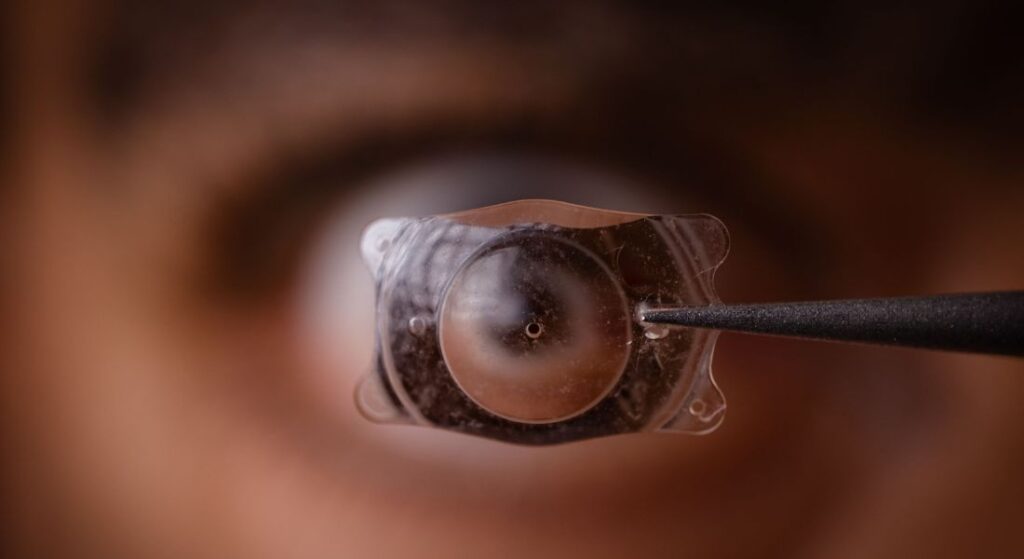
An Implantable Collamer Lens, or ICL, is a thin, flexible lens that’s placed inside your eye. It sits behind your iris and in front of your natural lens. The purpose is to correct vision issues like short-sightedness, long-sightedness, or astigmatism, giving you clearer vision without altering the surface of your eye.
Unlike LASIK, ICL surgery doesn’t reshape your cornea. Instead, it adds a corrective lens inside the eye, which means your corneal structure stays completely intact. This can be reassuring if you want a solution that doesn’t permanently change the front of your eye.
Because the lens sits internally, getting the size right is crucial. The ICL must fit your eye accurately to work effectively and safely. Vaulting the tiny space between the ICL and your natural lens is carefully measured as part of that precision, ensuring your vision correction is both safe and comfortable.
What Does “Vault” Mean in ICL Surgery?
In ICL surgery, “vault” refers to the tiny gap between the back surface of the implanted lens and the front surface of your natural lens. This space is crucial because it ensures the ICL doesn’t touch your natural lens. If the two were to come into direct contact, it could increase the risk of complications like cataract formation.
The vault is measured in microns, which shows just how precise this spacing needs to be. Surgeons aim to achieve an optimal range that balances safety and effectiveness. Too much vault can cause pressure inside your eye, while too little may bring the ICL too close to your natural lens.
Think of vaulting as giving your eye the right amount of clearance space. It protects the delicate structures inside your eye and ensures that the lens sits comfortably. Proper vaulting is key to maintaining the health of your natural lens over time.
By carefully planning and measuring the vault, your surgeon helps ensure long-term stability of the ICL. This precision is one reason why ICL surgery can provide reliable, lasting vision correction. When the vault is just right, you get both safety and optimal visual results.
Why Proper Vaulting Is So Important
When it comes to your eye, keeping the natural lens healthy and clear is essential. If an implantable collamer lens (ICL) sits too close to your natural lens, it can increase the risk of cataract formation. That’s why achieving the right amount of vault the space between the ICL and your lens is so important.
1. Prevents cataract formation: If your ICL is positioned too close to the natural lens, it may disrupt the lens cells over time. Maintaining sufficient vault keeps the lens safely separated, reducing the risk of clouding or cataract development.
2. Avoids crowding the anterior chamber: On the other hand, too much vault can push the ICL forward, narrowing the front chamber of your eye. This can interfere with fluid drainage and potentially increase eye pressure. Balanced positioning protects both your lens and the overall eye structure.
3. Acts as a safety margin: Vaulting creates a buffer zone between your natural lens and the ICL. This space ensures that both tissues can function without interference, reducing the likelihood of complications. Think of it as giving your eye room to breathe and operate safely.
4. Precision protects vision: Accurate measurement and placement of the ICL are critical. Surgeons rely on precise imaging and sizing to achieve optimal vault. For you, this precision translates to safer outcomes and better long-term vision stability.
In conclusion, proper vaulting is more than just a technical detail it’s a cornerstone of ICL safety. By ensuring the lens is positioned correctly, you protect your natural lens, maintain fluid balance in the eye, and preserve vision for years to come.
How Surgeons Choose the Correct ICL Size
Choosing the correct ICL size starts with detailed measurements of your eye. Surgeons look at factors like the depth of your anterior chamber and the white-to-white distance across your cornea. Advanced imaging technology makes these measurements highly accurate, helping your surgeon plan the best lens for your eye.
Every eye is unique, and even small differences can affect which lens size is ideal. That means the right ICL for one person may not work for another, even if your prescriptions are similar. Careful preoperative scanning is essential to make sure your lens fits perfectly and functions safely.
Modern diagnostic tools allow surgeons to select the most suitable ICL size with confidence. This precision helps ensure that your vault the gap between the lens and your natural lens is just right. Proper vaulting reduces the risk of complications and supports the long-term health of your eye.
Getting the sizing right isn’t just about safety; it also affects how well you see after surgery. When your ICL is the correct size, you’re more likely to achieve optimal vision correction and comfort. Precision truly begins before you even enter the operating theatre.
How Vault Is Measured After Surgery
After your ICL is implanted, the vault is measured using imaging tools like anterior segment OCT. This non-invasive scan provides detailed cross-sectional images of your eye, allowing your surgeon to see exactly where the lens sits. It’s a precise way to check that the ICL is positioned safely and correctly.
The scan clearly shows the space between your ICL and natural lens. Your surgeon can determine whether the vault falls within the ideal range, ensuring your lens isn’t too close or too far from your natural lens. Monitoring this gap helps catch any potential issues early, giving you peace of mind.
Vault measurement is a routine part of follow-up visits after surgery. Most patients have ideal lens positioning, but regular review ensures that everything remains stable over time. By keeping an eye on vault, your surgeon helps maintain both safety and the quality of your vision.
What Is the Ideal Vault Range?
The ideal vault for an ICL usually falls between roughly 250 and 750 microns. This range provides enough clearance between the lens and your natural lens to avoid contact, while also preventing overcrowding in the anterior chamber. Staying within this range helps ensure both safety and proper lens function.
Many surgeons consider a vault around 500 microns to be optimal, as it often balances clearance and stability perfectly. That said, slight variations above or below this value can still be acceptable depending on your eye’s unique anatomy. Clinical judgement is always used to interpret these measurements.
It’s important to remember that the ideal vault isn’t a single fixed number. Your surgeon evaluates it in the context of your individual eye structure, lens fit, and overall visual goals. Personal anatomy and precise measurements guide the decision to ensure the best possible outcome for you.
What Happens If Vault Is Too Low?
If your vault is too low, it means the ICL sits closer to your natural lens than ideal. If the two come into contact, there’s a higher risk of developing a cataract over time. That’s why careful monitoring after surgery is so important, to catch any potential issues early.
In cases where the vault is only mildly low and there’s no contact, your surgeon may simply observe and continue regular follow-ups. Many patients remain stable without needing intervention. However, if the vault is significantly low and the lens touches your natural lens, a lens exchange might be necessary. Detecting this early allows timely management and helps prevent complications.
What Happens If Vault Is Too High?
If your ICL vault is higher than it ideally should be, the lens sits a little further forward in your eye than planned. This can narrow the front chamber angle, which is the space your eye fluid drains through. In some cases, this might cause your eye pressure to rise, but for most people, it remains stable and doesn’t cause any noticeable symptoms.
1. Narrowing of the anterior chamber angle: When the lens sits too far forward, it can slightly reduce the drainage angle at the front of your eye. This may affect how fluid flows and could, in some instances, increase your eye pressure.
2. Monitoring your eye pressure: Even if your eye pressure rises a little, it doesn’t always mean you need treatment. Your eye specialist will keep an eye on it over time to ensure it stays within a safe range.
3. Lens exchange is uncommon: Only if the vault is very high and your pressure stays elevated might a lens exchange be considered. Proper preoperative sizing and careful placement make this scenario quite rare, so you’re unlikely to need further surgery.
4. Most high vault cases remain stable: In the majority of cases, a slightly higher vault doesn’t cause you any problems. Regular check-ups help ensure your eyes stay healthy and that any potential issues are addressed early.
In short, a high vault usually isn’t something to worry about, but it does mean your eyes need a bit of monitoring. With the right sizing and follow-up care, you can expect your vision to remain safe and stable.
How Common Are Vaulting Problems?
With today’s advanced sizing techniques, problems related to ICL vaulting are relatively uncommon. Improvements in imaging and lens design have made outcomes much more predictable. For most patients, the vault falls safely within the ideal range, giving you both effective vision correction and peace of mind.
Careful preoperative screening plays a big role in reducing unexpected outcomes. By taking precise measurements of your eye, your surgeon can choose the lens size that’s most likely to fit perfectly. Experienced clinicians are able to interpret these measurements accurately, which helps minimise the risk of vault-related issues.
Even after surgery, regular follow-ups allow your surgeon to monitor the vault and ensure your lens remains correctly positioned. This ongoing observation adds another layer of safety, letting any minor deviations be addressed promptly.
While no procedure is entirely risk-free, vaulting problems with ICLs are rare when planning is meticulous. Safety data from modern procedures are reassuring, and most patients enjoy excellent outcomes. With precise planning and careful monitoring, you can feel confident in both the effectiveness and safety of your treatment.
Can Vault Change Over Time?
In most cases, the vault of your ICL remains stable over the long term. The lens is designed to stay in position, and as your eye heals, placement becomes even more secure. This stability is one reason why ICLs provide consistent vision correction for years.
You may notice minor shifts in the vault shortly after surgery, but these are usually very small and don’t affect your vision or eye health. Regular follow-up visits help your surgeon confirm that everything is settling as expected.
Significant changes in vault later on are rare. Continued monitoring gives you peace of mind, ensuring that your lens remains safely positioned. Overall, stability is what you can expect with proper sizing and careful postoperative care.
Why Anterior Chamber Depth Matters
Anterior chamber depth is the space between your cornea and natural lens, and it plays a crucial role in determining whether an ICL is suitable for you. Adequate depth ensures that there’s enough room for the lens to sit safely without touching your natural lens or other delicate structures inside the eye. If the space is too shallow, the risk of complications increases.
Before surgery, your surgeon will perform a detailed preoperative assessment to confirm that your anterior chamber is deep enough for an ICL. If the chamber is too shallow, you might not be an ideal candidate, as safety always comes first. This evaluation helps ensure that the procedure can be performed without unnecessary risk.
Measuring anterior chamber depth also guides lens sizing decisions. The right size lens relies on having sufficient space to vault correctly over your natural lens. Proper evaluation allows your surgeon to select the most appropriate lens for your eye.
Structured screening, including careful depth measurements, is a key part of ICL planning. By assessing all anatomical factors beforehand, your surgeon can reduce the likelihood of complications and improve the long-term safety and effectiveness of your vision correction.
The Role of Newer ICL Designs

Newer ICL designs often feature a central port, which allows natural fluid to circulate more freely within your eye. This helps maintain normal eye pressure and reduces the risk of complications like elevated intraocular pressure. By improving fluid dynamics, these lenses work more naturally with your eye’s anatomy.
Design improvements have also enhanced overall safety. Updated sizing algorithms make vault more predictable, ensuring that your lens sits correctly and comfortably. Technology continues to evolve, giving your surgeon better tools to plan and execute the procedure with precision.
These advancements mean that ICL surgery today is safer and more reliable than earlier generations. Innovation in lens design and planning supports precise outcomes, helping you achieve effective vision correction with confidence.
How Symptoms Might Present
In most cases, vault issues don’t cause any noticeable symptoms at first. You may feel perfectly normal, which is why imaging and follow-up checks are so important. These tools allow your surgeon to detect any problems before they become serious.
In rare situations where the vault is too high and eye pressure rises, you might notice blurred vision, discomfort, or a sense of pressure in the eye. If you experience any of these symptoms, it’s important to seek prompt review. Early action can prevent complications and keep your vision safe.
Routine appointments play a key role in maintaining long-term eye health. Regular monitoring helps detect even subtle changes in vault or lens position. By staying proactive, you ensure your ICL continues to perform safely and effectively for years to come.
Managing Vault Concerns
If your vault is slightly outside the ideal range but remains stable, often the best approach is simply to keep an eye on it. Not every small variation requires intervention, and your specialist will use their clinical judgement to decide what’s necessary.
1. Observation is usually enough: When the vault is just a little high or low but isn’t causing any issues, careful monitoring is often sufficient. You can carry on with your daily life while your eyes are checked regularly.
2. Lens exchange if needed: If your vault does need adjustment, a lens exchange is typically straightforward. Modern techniques allow safe and precise correction, with excellent outcomes for most patients.
3. Individualised management: Your care plan will be tailored to your eyes and your vision needs. The main goal is to keep your eyes safe while maintaining the best possible visual quality.
4. Early detection makes management simpler: Catching vault concerns early makes any necessary adjustments easier and less invasive. Regular follow-ups help ensure your eyes stay healthy and your vision stays clear.
In conclusion, slight vault variations are often nothing to worry about. With careful monitoring, personalised care, and early detection, your eyes can remain safe and your vision stable.
Why Choosing an Experienced Surgeon Matters

Choosing an experienced surgeon is crucial when it comes to ICL surgery. Getting the lens size right depends on accurately interpreting detailed eye measurements and predicting how the vault will settle. The skill and experience of your surgeon can make a big difference in achieving safe and effective results.
While advanced diagnostic tools provide valuable data, your surgeon’s judgement is still central to planning. Technology supports the process, but it can’t replace the insight that comes from years of experience. An experienced clinician can make nuanced decisions that improve the predictability of your outcome.
Selecting a reputable centre also ensures that every step, from preoperative assessment to postoperative follow-up, is handled carefully. You benefit from structured protocols, thorough checks, and consistent monitoring, all of which reduce the risk of complications.
Ultimately, experience builds confidence. Knowing that your procedure is being planned and performed by someone highly skilled gives you peace of mind. Careful preparation and expert execution are key to achieving the best long-term results for your vision.
Comparing ICL to Corneal Laser Procedures
ICL surgery is different from LASIK because it doesn’t reshape your cornea. Instead, a lens is placed inside the eye, making it a good option if you have thin corneas or very high prescriptions. One key factor unique to ICL is vaulting, which determines how the lens sits in relation to your natural lens.
While LASIK primarily focuses on corneal thickness and reshaping, ICL planning centres on internal clearance and proper lens positioning. Each procedure comes with its own safety considerations, and your individual eye anatomy plays a big role in determining which option is right for you.
Understanding these differences helps you set realistic expectations for your vision correction. A thorough evaluation ensures that you choose the procedure best suited to your eyes. Personalisation is key to achieving safe, effective, and long-lasting results.
Long-Term Safety Outlook
Long-term studies show that when your ICL is properly sized, it stays stable for many years. The vault usually remains within the safe range, and the risk of cataract is low as long as there’s adequate clearance between the lens and your natural lens. This stability is one reason why ICLs provide reliable, lasting vision correction.
Regular eye examinations are still important even after successful surgery. Monitoring allows your surgeon to spot any unrelated age-related changes early and ensures your outcomes remain protected. Overall, safety data for ICLs are strong, and with correct sizing and careful follow-up, you can expect durable, stable vision for the long term.
FAQs:
1. What exactly is ICL vaulting?
Vaulting is the tiny space between your implanted lens (ICL) and your natural lens. This gap is deliberate it ensures the two lenses don’t touch. Think of it as giving your eye a “safety buffer” so your natural lens stays healthy and clear.
2. Why is proper vault so important?
Getting the vault right protects your eye in multiple ways. It prevents cataracts, avoids overcrowding in the front of your eye, and keeps eye pressure stable. Essentially, it helps your ICL sit comfortably while maintaining long-term eye health.
3. How do surgeons measure vault after surgery?
After your ICL is implanted, your surgeon uses imaging tools like anterior segment OCT. These scans provide detailed cross-sections of your eye, showing exactly where the lens sits and whether the vault is within the safe range.
4. What is the ideal vault range?
Most surgeons aim for a vault between 250–750 microns, with around 500 microns often being optimal. It’s not a fixed number, though your surgeon considers your unique eye anatomy and lens fit to determine what’s best for you.
5. What happens if my vault is too low?
If the vault is too low, your ICL may sit too close to your natural lens. This increases the risk of cataracts over time. Mildly low vaults are often just monitored, but if the lens touches your natural lens, a lens exchange may be needed. Regular follow-ups help catch this early.
6. What happens if my vault is too high?
A high vault means your ICL sits a little too far forward, which can narrow the front chamber angle and, in rare cases, raise eye pressure. Most high vaults remain stable and don’t cause issues, but your surgeon will monitor your eyes to ensure everything stays safe.
7. Can the vault change over time?
For most patients, the vault stays stable long-term. Minor shifts can occur shortly after surgery, but significant changes are uncommon if your lens was properly sized and positioned. Regular check-ups give peace of mind and ensure stability.
8. How do surgeons decide on the right ICL size for me?
Surgeons take precise measurements of your eye, including anterior chamber depth and the white-to-white corneal diameter. Advanced imaging tools allow them to choose the lens size that will give you the correct vault and the best long-term vision.
9. Are vaulting problems common?
Not really. With modern lens designs, accurate imaging, and careful preoperative screening, most patients achieve the ideal vault. Postoperative follow-ups further ensure that your lens remains correctly positioned. Vault-related complications are relatively rare.
10. Why should I choose an experienced surgeon for ICL surgery?
Even with high-tech imaging, your surgeon’s experience is key. They interpret measurements, predict how the lens will settle, and make nuanced decisions that technology alone can’t. Choosing a skilled surgeon and reputable centre greatly reduces risks and improves your chances of long-term visual success.
Final Thoughts: Ensuring Safe and Effective ICL Outcomes
Understanding ICL vaulting is central to achieving safe, long-lasting vision correction. Proper vault the space between your implanted lens and natural lens protects your eye from complications like cataracts or increased eye pressure, while ensuring optimal lens function and comfort. Precise preoperative measurements, careful lens sizing, and regular postoperative monitoring all contribute to predictable, reliable outcomes.
If you’re considering ICL surgery in London, you can get in touch with us at London Cataract Centre. Expert assessment ensures your lens is correctly sized, your vault is within the ideal range, and your eyes remain safe and healthy for years to come.
References:
1. Huang, X., et al. (2023) ‘Deep learning–based estimation of Implantable Collamer Lens vault using Optical Coherence Tomography’, American Journal of Ophthalmology. https://www.sciencedirect.com/science/article/abs/pii/S0002939423001861
2. Wang, D., Quan, Z., Xiao, J. et al. (2025) ‘Rapid evaluation of vault post‑ICL surgery using digital slit lamp microscope photography’, BMC Ophthalmology. https://pubmed.ncbi.nlm.nih.gov/41272588/
3. Zhu, J., Cheng, D., Zhu, X.‑Y. et al. (2024) ‘Clinical prediction of insufficient vaults after implantable collamer lens implantation’, International Journal of Ophthalmology. https://pubmed.ncbi.nlm.nih.gov/39026913/
4. American Journal of Ophthalmology (2023) ‘Deep learning‑based estimation of implantable collamer lens vault using optical coherence tomography. https://www.sciencedirect.com/science/article/abs/pii/S0002939423001861
5. Lee, J., Kim, Y., Park, S., Bae, J., Lee, S., Park, Y., Lee, J. & Lee, J. (2016) ‘Long‑term clinical results of posterior chamber phakic intraocular lens implantation to correct myopia’, Clinical & Experimental Ophthalmology. https://pubmed.ncbi.nlm.nih.gov/26661832/