


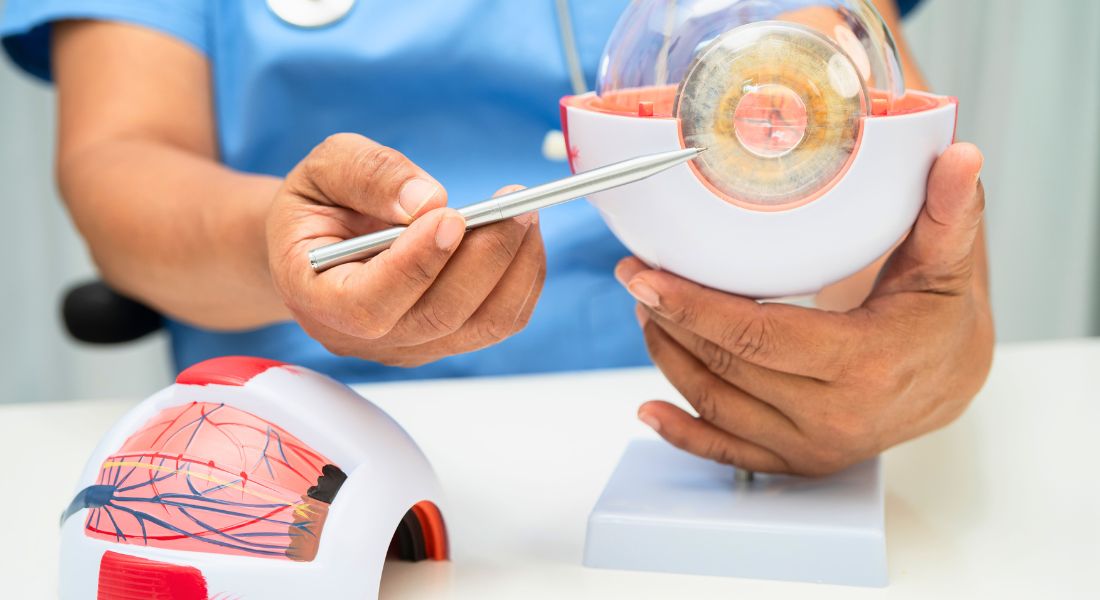
What are the risks of ICL surgery? When patients first come to me asking about ICL, the excitement of potentially improved vision can easily overshadow the need to fully understand the risks involved. ICL, or Implantable Collamer Lens surgery, is remarkably safe for most people, but it isn’t entirely risk-free. Being aware of what could go wrong allows you to make a truly informed choice rather than relying on assumptions or marketing promises.
Complications are uncommon, yet they can occur, and knowing what to expect helps you respond appropriately if anything arises. Minor fluctuations in vision, temporary glare or halos, or mild inflammation are possible, while rarer surgical complications such as lens misalignment or increased eye pressure can also happen. Understanding these possibilities helps you feel prepared and confident in the process.
Some risks are linked to your individual eye anatomy or pre-existing conditions. Shallow anterior chambers, high intraocular pressure, or other ocular issues can increase the likelihood of complications, which is why a thorough preoperative assessment is essential. Your surgeon will review your eye health in detail and plan the procedure to minimise any risk specific to your eyes.
Understanding the risks fully and how they are managed is crucial before moving forward. This knowledge not only sets realistic expectations but also empowers you to choose the right surgeon and approach, maximising both safety and the likelihood of excellent, long-lasting visual outcomes.
Misconceptions About Safety
Misconceptions about safety. Many people assume that because ICL is reversible, it carries little to no risk. I’ve had patients say, “If something goes wrong, we can just remove it, right?” While technically true, reversal isn’t risk-free. Removing or replacing a lens is another surgical procedure with its own recovery, cost, and potential complications, so assuming it’s simple can give a false sense of security.
Another common misconception is that having a strong prescription automatically makes ICL surgery riskier. In my experience, with proper screening, even patients with high myopia can achieve excellent outcomes. The key is a detailed preoperative assessment: lens sizing, anterior chamber depth, and corneal health all matter far more than prescription strength alone.
Skipping these critical measurements because “my vision is bad anyway” is a mistake that unnecessarily increases risk. Understanding these nuances reinforces why choosing an experienced surgeon and attending all assessments is essential. Proper preparation and knowledge are as important as the surgery itself in achieving safe, lasting results.
Early Complications
Early complications. Immediately after surgery, most people experience mild light sensitivity, blurred vision, or watery eyes. These are normal and expected, but I always advise patients to watch for unusual pain or sudden changes in vision. One of the more common early complications is elevated intraocular pressure, which can occur if the lens affects fluid drainage. Regular monitoring during the first week allows us to manage this quickly before it causes lasting problems.
Infections, although rare, are another potential early risk. Postoperative hygiene is critical: touching your eyes, swimming, or exposure to dusty environments can increase the likelihood of endophthalmitis. I emphasise strict hygiene for the first week, and most patients who follow these precautions recover without incident, enjoying smooth early healing.
Minor lens misalignment is another early issue to be aware of. Even a fraction of a millimetre off can affect clarity or cause glare. While correcting misalignment is usually straightforward, detecting it promptly is essential, which is why I stress attending all follow-up appointments in the early weeks.
Long-Term Considerations
ICL surgery offers excellent vision correction, but the procedure doesn’t end once the lenses are implanted. Long-term monitoring is essential to ensure both safety and lasting visual clarity. Even when the surgery goes smoothly, subtle changes can occur over time that may affect outcomes. Patients should understand that annual check-ups and proactive management are key to maintaining eye health after ICL implantation.
- Lens Position and Cataract Risk: While ICLs do not directly cause cataracts, interactions between the implant and the eye’s natural lens can sometimes accelerate cataract formation. Slight shifts in lens position over the years may also impact visual quality. Yearly monitoring helps detect early changes before they become significant.
- Endothelial Cell Health: Endothelial cells line the cornea and are crucial for keeping it clear. Improper ICL sizing or placement can accelerate cell loss, potentially compromising corneal health. Careful preoperative measurement and ongoing follow-up ensure that the cornea remains healthy long-term.
- Retinal Considerations: Patients with high myopia are at greater risk of retinal issues. While the ICL itself does not damage the retina, changes in intraocular pressure or lens position may place stress on the eye. Pre-surgery retinal examinations and continued monitoring help detect early signs of tears or detachments.
In conclusion, long-term success with ICL surgery relies on more than the procedure itself; it depends on careful planning, precise lens placement, and regular follow-ups. Monitoring for lens shifts, endothelial cell health, and retinal stability ensures that patients maintain optimal vision for years to come. Proactive management is the key to maximising both safety and satisfaction after ICL implantation.
Visual Phenomena and Pupil Considerations
Visual phenomena and pupil considerations. Glare, halos, and starbursts at night are common topics when discussing ICL surgery. These effects are usually mild, but patients with large pupils or very high prescriptions are more likely to notice them. I’ve seen cases where skipping proper pupil measurements led to more pronounced night-time disturbances, which is why modern preoperative screening is so important, even though some risk cannot be entirely eliminated.
Contrast sensitivity changes are another subtle consideration. Some patients report slight differences in visual sharpness under low-light conditions, particularly in the early weeks after surgery. While these changes are rarely significant, being aware of them helps set realistic expectations and prevents unnecessary worry.
Understanding these potential visual phenomena allows you to plan and adapt appropriately. Simple strategies, like avoiding dimly lit driving immediately after surgery, can make a noticeable difference while your eyes adjust, ensuring a safer and more comfortable recovery period.
Surgical Technique and Surgeon Experience
Surgical technique and surgeon experience. Not all ICL surgeries are the same, and the skill of your surgeon has a huge impact on your risk profile. I always emphasise to patients that experience with high-prescription lenses, precision in sizing, and careful handling of intraocular tissues are non-negotiable. Even a highly trained surgeon who doesn’t specialise in ICL can inadvertently increase the likelihood of complications.
Equally important is communication. Patients who don’t feel comfortable asking questions or skip preoperative discussions often misinterpret normal postoperative symptoms as problems. Clear dialogue before and after surgery helps set realistic expectations and reduces unnecessary worry.
Knowing what to expect and having an open line to your surgeon ensures that any issues are identified and managed promptly. This combination of technical expertise and communication is key to safe, predictable outcomes and a smoother recovery process.
Recovery and Lifestyle Management

Recovering from ICL surgery involves more than simply letting time pass it requires active care and attention. How you manage your daily activities, medications, and mindset can directly influence healing and long-term outcomes. Small lapses in hygiene, activity restrictions, or stress management can contribute to minor setbacks, so a structured recovery plan is essential. Being informed and proactive helps ensure a smooth healing process and optimal vision restoration.
- Activity Restrictions: Post-surgery, strenuous activities such as heavy lifting, swimming, or exposure to dusty environments can affect lens positioning and increase the risk of infection. Following a carefully planned activity schedule allows the eyes to heal safely. Gradual reintroduction of exercise and daily routines minimises complications.
- Medication Management: Systemic medications and prescribed eye drops can influence healing and intraocular pressure. Sharing a complete medical history allows the surgeon to tailor your postoperative plan effectively. Adjustments in medication or eye drop routines help avoid preventable issues during recovery.
- Hygiene and Eye Care: Maintaining strict hygiene around the eyes reduces the risk of infection and irritation. Simple precautions like handwashing before touching the eyes and avoiding contaminated water sources can make a significant difference. Consistency in these practices supports smooth healing.
- Mental Preparation and Stress Management: Stress or anxiety can heighten discomfort and interfere with following postoperative instructions. Patients who approach recovery with realistic expectations and a calm mindset often experience smoother healing. Mental preparation supports both physical recovery and overall satisfaction.
In summary, successful recovery after ICL surgery relies on careful lifestyle management, attentive medication use, and mental readiness. Following activity restrictions, hygiene protocols, and professional guidance reduces the risk of complications. Patients who take an active, informed approach tend to achieve the best long-term outcomes and a more comfortable healing experience.
Patient Selection: Minimising Risk Before Surgery
Patient selection: minimising risk before surgery. Risk reduction begins long before the operating theatre. Screening is thorough and includes corneal thickness, anterior chamber depth, lens measurements, pupil size, intraocular pressure, and retinal health. I always make it clear that not everyone is an ideal candidate and that declining surgery for safety reasons is a responsible decision, not a failure.
Patients sometimes assume that being younger automatically reduces risk. While youth often supports faster healing, anatomical factors matter far more than age alone. A 25-year-old with shallow anterior chambers may face a higher risk than a 40-year-old with ideal anatomy, which is why each assessment must be personalised.
High myopia patients require special attention. Extreme elongation of the eye can increase the likelihood of retinal detachment, so careful retinal monitoring is essential. In some cases, pre-surgery prophylactic treatments, such as laser retinopexy for weak areas, are necessary to reduce post-surgery complications and ensure long-term safety.
Mitigating Risk with Modern Advances
Mitigating risk with modern advances. Modern ICL lenses and techniques have significantly lowered risks compared with older methods. Tiny incisions, improved lens materials, and precise sizing tools all contribute to safer, more predictable outcomes. Even so, no technology can completely eliminate risk, and understanding these limits helps patients maintain realistic expectations and respond appropriately to any early warning signs.
Postoperative protocols have evolved alongside surgical techniques. Anti-inflammatory and pressure-lowering eye drops, regular follow-up appointments, and advanced imaging enable early detection of lens-related issues before they become serious. Adhering closely to these protocols reduces risk far more than relying on surgical skill alone.
These advances mean that today’s patients benefit from both safer procedures and more effective monitoring. Combining cutting-edge tools with diligent aftercare and follow-up maximises safety while ensuring the best possible visual outcomes.
Balancing Risk with Benefit
Balancing risk with benefit. No surgery is entirely risk-free, but for well-selected patients, the benefits of ICL surgery often outweigh the potential complications. Those who understand the risks, follow postoperative guidance, and attend regular monitoring tend to enjoy high satisfaction and excellent visual outcomes. For many, the improvement in daily life being able to see clearly without glasses or contact lenses is truly transformative.
I always frame risk as a matter of control. By choosing the right surgeon, undergoing thorough preoperative assessment, and committing to careful recovery, you can dramatically reduce the likelihood of complications. This approach empowers patients rather than leaving them anxious about what might go wrong.
The goal isn’t zero risk it’s informed, manageable risk that leads to predictable, positive outcomes. When patients take an active role in their care and combine it with skilled surgical expertise, the chances of success are maximised, giving both safety and long-term satisfaction.
Rare Complications and How to Handle Them
Rare complications and how to handle them. While uncommon, some complications can be serious if not addressed promptly. Endophthalmitis, an infection inside the eye, is rare but potentially sight-threatening. I always stress the importance of early reporting of redness, pain, or sudden vision changes. Immediate intervention with antibiotics and close monitoring can often preserve vision and prevent permanent damage.
Cataract formation is another long-term consideration, particularly in older patients or those with subtle pre-existing lens changes. While ICL doesn’t directly cause cataracts, it can occasionally accelerate the development of lens opacities. When I detect early signs, I discuss all options openly, and in some cases, removing the ICL at the same time as performing cataract surgery provides the best outcome.
Retinal detachment, though rare, requires special attention in high myopia patients. These eyes are already predisposed due to elongation of the eyeball. I always perform thorough retinal mapping and, when necessary, recommend laser prophylaxis for weak areas before surgery. Taking these proactive measures helps prevent serious, sudden complications that could otherwise threaten vision.
Managing Night Vision and Glare

Managing night vision and glare. Glare, halos, and starbursts are common concerns after ICL surgery, and I’ve found that thorough patient education before the procedure dramatically reduces dissatisfaction. Large pupils, particularly in low-light conditions, are a major factor in how noticeable these visual effects can be.
I work closely with patients to set realistic expectations. Bright streetlights or headlights may cause mild halos initially, but most people adapt within a few weeks. If visual disturbances persist, targeted follow-ups and, in some cases, lens repositioning can usually resolve the issue. Understanding these nuances beforehand helps patients feel far more comfortable during recovery.
Contrast sensitivity the ability to detect subtle differences between light and dark can also be slightly affected. While changes are usually minimal, I discuss practical implications, such as being cautious when driving at night in the first few weeks. Being informed allows patients to adjust safely and feel confident as their vision settles.
Personalising Risk Management
Personalising risk management. No two eyes are the same, which means every patient’s risk profile must be individualised. Factors such as lens size, vault height, anterior chamber depth, pupil size, and prescription all play a role in outcomes. I always customise preoperative assessments rather than relying on generic guidelines to ensure the procedure fits each patient’s anatomy perfectly.
Lifestyle is another critical factor. Patients who swim regularly or participate in contact sports require specific instructions to protect their eyes during recovery. I provide detailed, step-by-step recovery plans covering when to resume physical activity, how to avoid dusty or high-risk environments, and guidance on managing screen time safely.
Medications can also influence healing and pressure. Systemic drugs, including corticosteroids or certain glaucoma treatments, can affect postoperative recovery, so I review every patient’s medication thoroughly. Adjusting the postoperative plan accordingly helps prevent complications that might be overlooked in more standard protocols. This careful, personalised approach is essential for achieving safe, predictable outcomes.
Patient Communication and Education
Patient communication and education. I’ve noticed that patients who recover most smoothly are those who ask questions proactively. Misunderstandings about what is “normal” can lead to unnecessary worry or, in some cases, overlooked complications. I always take time to explain every step: why follow-ups are essential, what mild discomfort is expected, and which symptoms require urgent attention.
Even minor deviations from the expected recovery can be important. A subtle increase in floaters or slight blurriness may indicate changes in eye pressure or lens positioning. Encouraging patients to report anything unusual early allows timely intervention before problems escalate.
Communication isn’t optional it’s a key safety mechanism. Keeping an open line between patient and surgeon ensures issues are identified quickly, expectations remain realistic, and recovery proceeds as safely and comfortably as possible.
Technology That Reduces Risk
ICL technology has advanced considerably, making the procedure safer and more predictable than ever before. Modern innovations focus on both the materials used and the precision of surgical techniques. By combining biocompatible implants with state-of-the-art imaging, surgeons can plan and execute the procedure with greater accuracy. These improvements significantly reduce the likelihood of complications, giving patients confidence in both safety and outcomes.
- Biocompatible Collamer Lenses: Modern ICLs are made from collamer, a highly biocompatible material that integrates safely with eye tissues. This reduces inflammation and irritation compared to older lens materials. The result is a smoother healing process and lower risk of adverse reactions.
- Smaller Incisions and Precise Implantation: Advances in surgical technique allow for smaller, more accurate incisions, which minimise infection risk and promote faster recovery. Precision implantation also reduces the chances of lens misalignment, improving both safety and visual outcomes.
- Advanced Imaging Tools: Tools such as OCT (Optical Coherence Tomography) and high-resolution anterior segment imaging enable precise lens sizing and vault prediction. By simulating the procedure in advance, potential complications can be anticipated and mitigated before surgery.
- Improved Predictability and Safety: While no procedure is entirely risk-free, these technological advances give both surgeons and patients a higher degree of control. Careful planning and precise execution significantly enhance the likelihood of a smooth, successful outcome.
In conclusion, modern ICL technology combines biocompatible materials, refined surgical techniques, and advanced imaging to minimise risk. While some risk always remains, these innovations provide a safer, more predictable surgical experience. Patients benefit from better outcomes, reduced complications, and greater peace of mind throughout their vision correction journey.
Managing Patient Expectations

Managing patient expectations. One of the biggest “risks” isn’t surgical at all it’s an expectation mismatch. Patients who anticipate perfect, instant vision often become anxious when they experience minor blurriness, glare, or temporary pressure fluctuations. I spend time explaining what recovery will realistically look like: gradual visual stabilisation, mild transient symptoms, and the importance of attending all follow-ups. Being clear about these details upfront helps prevent unnecessary worry and allows patients to approach the process with confidence.
Understanding that risk isn’t zero but is manageable empowers patients. Knowing what is normal versus what requires attention gives them control over their recovery and reduces anxiety. It also encourages them to report any unusual symptoms promptly, which allows for early intervention if needed.
When patients feel informed, supported, and actively engaged in their care, they recover faster and report higher satisfaction. They are also far more likely to follow postoperative guidance correctly, which further minimises actual risk. This combination of education, realistic expectations, and ongoing communication makes outcomes smoother, safer, and more predictable overall.
FAQs:
1. What are the main risks of ICL surgery?
ICL surgery is generally safe, but risks include temporary glare or halos, mild blurred vision, minor inflammation, lens misalignment, increased eye pressure, and rarely infection or retinal issues. Careful preoperative assessment and an experienced surgeon significantly reduce these risks.
2. Can ICL lenses be removed if complications occur?
Yes, lenses can be removed or replaced, but this is a separate surgical procedure with its own risks and recovery time. Reversal is not risk-free, so thorough planning is essential to avoid needing removal.
3. Who is at higher risk of complications?
Patients with shallow anterior chambers, high intraocular pressure, retinal vulnerabilities, or high myopia may face higher risks. Preoperative screening identifies these factors to allow personalised risk management.
4. What early complications should I watch for?
Early complications include mild blurred vision, light sensitivity, watery eyes, elevated intraocular pressure, minor lens misalignment, and infection. Prompt reporting to your surgeon ensures timely management.
5. Can ICL surgery affect night vision?
Glare, halos, and starbursts may occur, especially in patients with large pupils or high prescriptions. Most symptoms improve within weeks, and follow-up appointments can address persistent issues.
6. Does ICL surgery increase the risk of cataracts or corneal problems?
ICLs do not directly cause cataracts, but lens interactions can accelerate lens clouding. Improper lens sizing may affect corneal endothelial cells. Regular monitoring ensures early detection and long-term eye health.
7. How should I manage recovery after ICL surgery?
Recovery involves avoiding strenuous activity, swimming, or dusty environments initially. Strict hygiene, adherence to prescribed medications, and gradual resumption of daily routines support safe healing.
8. How important is surgeon experience in reducing risk?
Surgeon expertise in lens sizing, placement, tissue handling, and preoperative assessment is crucial. Clear communication ensures patients understand normal healing versus complications, further reducing risk.
9. Are retinal complications a concern with ICL surgery?
Retinal issues are rare but more likely in high myopia patients. Preoperative retinal mapping and preventive treatments, such as laser therapy for weak areas, reduce the risk of detachment or tears.
10. How do modern ICL technologies improve safety?
Modern collamer lenses, smaller incisions, precise implantation, and advanced imaging like OCT minimise inflammation, misalignment, and unpredictability. Combined with structured follow-up, these innovations maximise safety and visual outcomes.
Final Thoughts: Informed Decisions for Safe, Long-Lasting Vision
ICL surgery is a highly effective and transformative option for vision correction, but understanding the potential risks is key to achieving safe, lasting results. Modern techniques, advanced imaging, biocompatible lenses, and thorough preoperative screening have dramatically reduced complications, yet patient selection, surgeon expertise, and diligent postoperative care remain crucial. By being informed about early and long-term considerations such as lens position, intraocular pressure, night vision changes, and retinal health you can approach the procedure confidently and minimise risk.
Ultimately, successful outcomes depend on a partnership between patient and surgeon, combining technical precision with clear communication and proactive monitoring. If you’re considering ICL Surgery in London, you can get in touch with us at London Cataract Centre to discuss your suitability, ask questions, and plan your treatment safely.
References:
- Kisiel, F.B., Gurumurthy, G.J., 2024. Endothelial cell loss post‑implantable collamer lens V4c: meta‑analysis. Journal of Cataract & Refractive Surgery, https://pubmed.ncbi.nlm.nih.gov/38194352/
- Chen, Q., Yan, Q., Ren, Y. et al., 2025.Adverse events associated with implantable collamer lens: insights from the FDA MAUDE database. Frontiers in Medicine https://pmc.ncbi.nlm.nih.gov/articles/PMC12319018/
- Wei, Q., Zhou, X., Chang, W., Jiang, R. and Yu, Z., 2023. Retinal and choroidal changes following implantable Collamer Lens V4c implantation in high myopia patients: a 1‑year follow‑up study. Diagnostics https://www.mdpi.com/2075-4418/13/19/3097
- Cheng, M., Li, M., Xu, G., Li, B., Jiang, Y., Qi, Y. and Wang, X., 2026. Seven‑Year Clinical Outcomes and Optical Quality of Implantable Collamer Lens (ICL) Implantation versus KLEx for Myopia Correction. American Journal of Ophthalmology. https://www.sciencedirect.com/science/article/abs/pii/S0002939425006865
- Kamiya, K., Shimizu, K., Huseynova, T., and Kim, J.Y., 2026. Long‑term Outcome and Related Risk Factors in Implantable Collamer Lens Implantation of High Myopia. Korean Journal of Ophthalmology https://pubmed.ncbi.nlm.nih.gov/40007092/