



If you’re considering ICL surgery, it’s natural to have questions about how it works, its safety, and what results you can realistically expect. Implantable lens procedures are different from more familiar treatments like laser eye surgery, so understanding the details can help you feel confident before making a decision.
ICL, or implantable collamer lens surgery, corrects vision by placing a lens inside your eye without removing any natural tissue. It’s often recommended for patients who aren’t suitable for LASIK or other laser procedures, which makes the questions surrounding it somewhat unique.
In this guide, we answer the ten most common questions patients have about ICL surgery. From candidacy and safety to recovery and long-term outcomes, the aim is to provide clear, practical insight so you can decide whether this treatment is right for you.
What Is ICL Surgery and How Does It Work?
ICL surgery places a thin, flexible lens inside your eye to correct refractive errors like short-sightedness or astigmatism. The lens sits behind your iris and in front of your natural lens, working with your eye’s existing structure to focus light properly onto the retina.
Unlike laser procedures, ICL doesn’t reshape the cornea. Instead, it adds an extra optical element, making it a suitable option for people with thin corneas or higher prescriptions that aren’t ideal for laser treatments.
The lens is made from a biocompatible material called collamer, designed to stay in the eye long-term without causing irritation. Once implanted, you shouldn’t feel or notice it in daily life, giving a natural, comfortable visual experience.
Who Is a Suitable Candidate for ICL Surgery?
ICL surgery is usually recommended for patients with moderate to high short-sightedness or those unsuitable for laser eye surgery due to thin corneas or dry eyes. Age and overall eye health are also important considerations.
A thorough eye examination is needed to confirm suitability. This includes checking your prescription, corneal shape, and internal eye structures, as well as screening for conditions like glaucoma or cataracts.
Stable vision is essential before undergoing ICL. If your prescription is still changing, surgery may be postponed. A personalised assessment ensures the procedure is both safe and effective for your specific eyes.
Is ICL Surgery Safe?
ICL surgery is generally safe and well-established when carried out by an experienced specialist. It has been performed worldwide for many years, and serious complications are uncommon, though, like any procedure, some risks exist.
A key advantage is that ICL doesn’t permanently alter your eye’s structure, making the procedure reversible if needed. The lens can be removed or replaced later if your vision changes.
Modern lens designs also support fluid circulation within the eye, reducing the risk of pressure-related issues. Combined with careful pre-operative assessments, these measures help ensure the procedure is as safe as possible.
What Does the Procedure Involve?
The ICL procedure is designed to be quick, precise, and minimally invasive. It typically takes around 20 to 30 minutes for both eyes, with patients remaining awake but comfortable throughout. Local anaesthetic drops ensure the process is painless, and the overall experience is often smoother than many expect.
- Quick and Comfortable Procedure: The surgery is performed using local anaesthetic drops, so you won’t feel pain during the process. You remain awake, but the eye is fully numbed for comfort. Most patients are surprised by how straightforward and stress-free the experience feels.
- Small Incision and Lens Insertion: A tiny incision is made to insert the implantable collamer lens. The lens is carefully positioned behind the iris, where it sits naturally in the eye. Because the incision is so small, it usually heals on its own without the need for stitches.
- Same-Day Discharge: In most cases, you can return home on the same day as the procedure. There is no need for an overnight hospital stay. This makes the process convenient and less disruptive to your routine.
- Gradual Vision Stabilisation: Vision often begins to improve quite quickly after surgery. However, it may take a few days for your eyesight to fully stabilise. Following aftercare instructions from your specialist helps ensure a smooth and successful recovery.
In conclusion, the ICL procedure is a fast and minimally invasive treatment designed for comfort and efficiency. With a short duration, no stitches, and same-day discharge, it fits easily into most patients’ lives. While vision improves rapidly, allowing a few days for full stabilisation is important. Overall, it offers a convenient path to clearer vision with minimal disruption.
How Long Does Recovery Take?

You might think recovery is instant, but even with ICL surgery, your eyes need time to stabilise. Most patients notice clearer You might expect recovery to be instant, but even with ICL surgery, your eyes need time to adjust and stabilise. Many patients notice clearer vision within the first 24 to 48 hours, which allows a quick return to basic daily activities. However, this is only the early stage of recovery.
During the first few days, it is normal to experience mild blurring, light sensitivity, or slight discomfort. These symptoms usually improve quickly with proper care and rest. Using your prescribed eye drops is important, as they help reduce inflammation, prevent irritation, and support healing.
Regular follow-up appointments are an important part of your recovery. They allow your specialist to check that the lens is positioned correctly and that your eyes are healing as expected. It is also important to protect your eyes from dust, avoid rubbing them, and follow all hygiene instructions carefully.
Are the Results Permanent?
ICL offers long-lasting vision correction, but it doesn’t prevent the natural ageing of your eyes. The implanted lens corrects your prescription at the time of surgery and remains effective for many years, though age-related changes can still occur.
For instance, you may develop presbyopia, which affects near vision over time. This is a normal part of ageing and isn’t caused by the surgery.
A major advantage of ICL is its reversibility. If your vision changes significantly in the future, the lens can be adjusted or removed, providing flexibility that many patients value.
Can You Feel the Lens Inside Your Eye?
Once the ICL is in place, you shouldn’t feel it at all. It sits comfortably inside the eye without affecting normal sensation, and most patients quickly forget it’s even there.
The lens is made from a material that is highly compatible with eye tissue, minimising the risk of irritation or rejection. It quietly works in the background to improve your vision.
Any discomfort is usually limited to the initial healing period and settles quickly. Long-term awareness of the lens is extremely rare.
What Are the Risks or Side Effects?
Like any surgical procedure, ICL surgery carries some potential risks, although serious complications are uncommon when performed by a skilled specialist. Most side effects are mild, temporary, and manageable with proper care. Understanding these possibilities helps you make an informed decision and feel more prepared.
- Infection, Inflammation, or Eye Pressure Changes: As with any eye surgery, there is a small risk of infection or inflammation. Some patients may also experience a temporary increase in eye pressure. These issues are rare and can usually be managed effectively if detected early.
- Halos and Glare: Some patients notice halos around lights or glare, particularly in low-light conditions. These visual effects are often mild and tend to improve as the eyes adapt. Proper lens sizing and accurate placement help reduce the likelihood of these symptoms.
- Importance of Skilled Surgical Technique: The risk of complications is significantly lower when the procedure is performed by an experienced specialist. Precision in lens selection and placement is critical for both safety and visual outcomes. Choosing the right surgeon is therefore an important factor in minimising risks.
- Need for Regular Follow-Up: Post-operative appointments are essential to monitor healing and eye health. These visits allow early detection and management of any potential issues. Consistent follow-up care ensures the best possible long-term results.
In conclusion, while ICL surgery does involve some risks, they are generally rare and manageable with proper care. Most side effects, such as halos or glare, improve over time as the eyes adjust. The expertise of your surgeon and adherence to follow-up care greatly influence safety and outcomes. With the right approach, the procedure remains a safe and effective option for vision correction.
How Does ICL Compare to LASIK?
ICL and LASIK are both effective for vision correction, but they work differently. LASIK reshapes the cornea, whereas ICL adds a lens inside the eye, leaving the cornea untouched. Your best option depends on your eye structure and prescription.
ICL is often preferred for higher prescriptions or thinner corneas, and it avoids removing corneal tissue, which can be reassuring for some patients. This makes it a good alternative when laser surgery isn’t ideal.
Both procedures have high success rates, so the choice comes down to individual suitability. A thorough consultation with your specialist will help determine which option is right for you.
How Do You Decide If ICL Is Right for You?

You might assume ICL is suitable for everyone, but the right choice depends on your individual eyes, lifestyle, and expectations. A detailed consultation with a specialist is essential to determine whether the procedure is right for you. They will assess your vision needs, such as whether you prioritise distance, near, or a balance of both.
Your specialist will also evaluate your overall eye health to confirm that ICL is safe and effective for you. This includes checking factors such as corneal thickness, eye structure, and lens compatibility. It is equally important to understand the limitations of the procedure, such as the possibility of still needing reading glasses over time.
A good decision comes from understanding both the benefits and the risks, as well as comparing ICL with other options like laser eye surgery. You should also be aware that the lens can be removed or adjusted if needed, which adds flexibility. Following the recommended aftercare and attending regular check-ups will support long-term success.procedure with your eyes, lifestyle, and expectations, not just the promise of being glasses-free.
Will I Still Need Glasses After ICL Surgery?
Most patients see a significant reduction in their reliance on glasses after ICL surgery, and many no longer need them for distance vision. This independence is a major reason people opt for the procedure.
That said, no treatment can guarantee perfect vision in every situation. Some patients may still need glasses for specific tasks like night driving or reading very fine print, depending on individual eye characteristics.
As you age, natural changes such as presbyopia can affect near vision. This is unrelated to ICL and occurs in everyone over time. Your specialist will outline what to realistically expect based on your age and prescription.
How Soon Can You Return to Work or Normal Activities?
Most patients can resume light daily activities within a few days after ICL surgery, and many return to work within a week, depending on the nature of their job. Office-based tasks are generally easier to restart sooner.
Strenuous activities, heavy lifting, and swimming should be avoided during early recovery to reduce the risk of complications. Your specialist will provide a personalised timeline based on your eye health and healing progress.
Although vision often improves quickly, your eyes still need time to stabilise. Following aftercare instructions carefully is crucial for achieving the best long-term results.
Does ICL Surgery Hurt?
ICL surgery is generally not painful, thanks to local anaesthetic eye drops that numb the surface of your eye. You may feel some pressure during the procedure, but not pain.
Afterwards, mild irritation or a gritty sensation can occur, but this usually settles within a few days. Most patients find recovery far less uncomfortable than they expected.
Your specialist will likely prescribe eye drops to keep your eyes comfortable and prevent infection. Using these as directed helps minimise any discomfort, making pain a minor concern for most patients.
Can Both Eyes Be Treated at the Same Time?
In most cases, both eyes can be treated on the same day, which is convenient and allows for faster overall visual recovery. It also reduces the need for multiple visits.
Treating both eyes together helps ensure balanced vision from the start, making the adjustment to your new clarity feel more natural. Many patients find this approach practical and efficient.
Your specialist will assess whether same-day treatment is suitable for you. In some cases, they may recommend staging the procedures based on your eye health and individual clinical needs.
How Long Does the Lens Last Inside the Eye?
You might assume that once an ICL is implanted, it’s set in stone, but the lens is actually built to provide long-term, reliable correction while remaining flexible to your future needs. Made from durable, biocompatible material, it functions You might assume that once an ICL is implanted, it is permanent and cannot be changed, but the reality is more flexible. The lens is designed to provide long-term, reliable vision correction while still allowing for future adjustments if needed.
Unlike contact lenses, an ICL does not require cleaning, removal, or regular handling. It works continuously to correct your vision and maintain consistent visual quality over time. The material is designed to resist wear, clouding, and breakdown, which helps ensure long-lasting performance.
Another important advantage is that the lens can be removed or replaced if your needs change in the future. This may be necessary if your prescription changes significantly or if other eye conditions develop. Routine check-ups will help ensure the lens remains well-positioned and your eyes stay healthy.
Can ICL Surgery Treat Astigmatism?
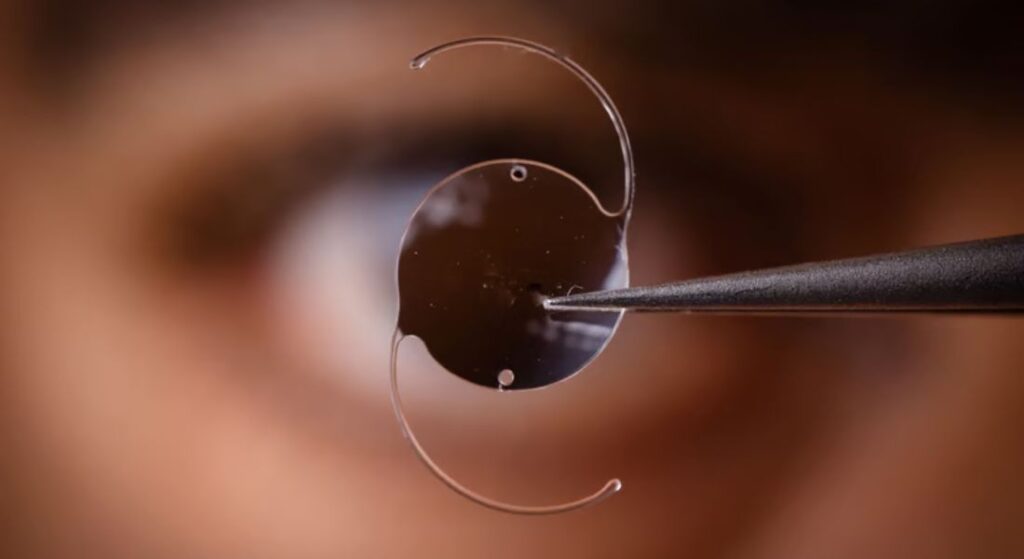
Yes, ICL surgery can correct astigmatism using specially designed toric lenses. These lenses are customised to match the unique curvature of your eye, allowing for precise correction.
Astigmatism can cause blurred or distorted vision at all distances, so addressing it can greatly improve clarity and sharpness. Many patients notice a significant difference after treatment.
Your specialist will take detailed measurements to select the correct lens. Careful planning and customisation are key to achieving the best results with ICL.
What Happens If Your Prescription Changes Later?
Although ICL offers long-term vision correction, your eyes may naturally change over time. If this happens, the procedure’s reversibility provides options to adjust your vision.
The lens can be removed and replaced, or additional treatments may be recommended depending on your needs. Your specialist will advise the best course of action.
This flexibility sets ICL apart from permanent procedures, allowing future adjustments without altering your eye’s structure. It’s a key reason many patients feel confident choosing this option.
Is ICL Surgery Suitable for High Prescriptions?
ICL surgery is especially suitable for patients with high prescriptions, where laser procedures might be less effective or unsafe. It’s commonly recommended for severe short-sightedness.
Unlike laser treatments, which remove corneal tissue, ICL adds a lens inside the eye, preserving corneal integrity. This makes it a safer option for complex prescriptions.
Many patients with high prescriptions achieve excellent results, often enjoying sharper vision than other corrective methods. This reliability makes ICL a preferred choice in challenging cases.
How Do You Prepare for ICL Surgery?
Preparing for ICL surgery involves a few important steps to ensure the procedure is safe, accurate, and stress-free. It begins with a detailed eye examination to confirm suitability and gather precise measurements. You’ll also receive clear guidance from your specialist on how to get ready in the days leading up to surgery
- Comprehensive Eye Assessment: A thorough eye examination is carried out to determine if ICL is right for you. This includes measuring your eye shape, prescription, and overall eye health. Accurate data is essential for selecting the correct lens size and type.
- Pausing Contact Lens Use: You may be asked to stop wearing contact lenses for a period before surgery. This allows your eyes to return to their natural shape for precise measurements. Following this instruction helps avoid inaccuracies that could affect outcomes.
- Pre-Surgery Guidance and Medications: Your specialist will explain the procedure, answer any questions, and provide instructions on eye drops or medications. These preparations help reduce the risk of infection and ensure your eyes are ready for surgery. Carefully following these guidelines is key to a smooth experience.
- Planning for Surgery Day: On the day of the procedure, it’s important to arrange transport home. Your vision may be temporarily blurred, making it unsafe to travel alone. Being organised in advance helps reduce stress and allows you to focus on recovery.
In conclusion, preparing for ICL surgery is a straightforward but essential process that supports both safety and success. From accurate eye measurements to following pre-operative instructions, each step plays an important role. Planning ahead for the day of surgery also ensures a more relaxed experience.
What Makes ICL Surgery Different From Other Vision Treatments?
ICL surgery is different because it doesn’t remove or permanently reshape your eye tissue. Instead, it adds a lens to enhance your natural vision, making it both effective and reversible.
The vision quality achieved with ICL is often sharp and high-definition, thanks to the clarity of the lens material. Many patients notice improved contrast and detail compared to other treatments.
It’s also suitable for a wider range of patients. Even those who aren’t candidates for laser surgery can often benefit from ICL, making it a versatile option for vision correction.
FAQs:
1. What is ICL surgery and how does it work?
ICL surgery inserts a thin, flexible lens behind the iris to correct short-sightedness or astigmatism. It works with your natural lens without reshaping the cornea, giving sharp, natural vision.
2. Who is suitable for ICL surgery?
Patients with moderate to high short-sightedness, thin corneas, or dry eyes are ideal. A stable prescription and thorough eye health assessment are essential.
3. Is ICL surgery safe?
Yes, when performed by an experienced specialist. It’s reversible, minimally invasive, and modern lens designs support fluid circulation to reduce eye pressure risks.
4. What does the procedure involve?
The surgery takes 20–30 minutes per eye under local anaesthetic. A small incision allows lens placement, typically without stitches, and most patients go home the same day.
5. How long does recovery take?
Most notice clearer vision within 24–48 hours, but full stabilisation takes weeks. Following aftercare instructions, using prescribed drops, and attending follow-ups ensure smoother healing.
6. Will I feel the lens inside my eye?
No, the collamer lens is biocompatible and sits comfortably. Any mild discomfort is temporary and usually resolves within days.
7. How long do the results last?
ICL offers long-term vision correction. The lens remains effective for many years, and it can be removed or replaced if prescriptions change or other eye conditions develop.
8. Can ICL correct astigmatism?
Yes, toric ICL lenses are customised for precise astigmatism correction, improving clarity and sharpness at all distances.
9. How does ICL compare to LASIK?
ICL adds a lens without altering the cornea, making it suitable for higher prescriptions or thin corneas. LASIK reshapes the cornea, so suitability depends on eye structure and prescription.
10. How do I decide if ICL is right for me?
A thorough consultation is key. Consider your vision needs, lifestyle, eye health, and expectations, and discuss reversibility and alternatives with your specialist to make an informed choice.
Final Thoughts: Making a Confident, Informed Decision
Choosing vision correction isn’t just about reducing your reliance on glasses, it’s about finding a solution that genuinely fits your eyes, your lifestyle, and your long-term expectations. ICL surgery stands out because it offers both high-quality visual outcomes and flexibility, giving you the reassurance that your vision can adapt as your needs change over time.
What matters most is approaching the decision with clarity rather than urgency. When you understand how the procedure works, what it can realistically deliver, and how your eyes uniquely respond, you place yourself in the strongest position to achieve a successful outcome. A thorough consultation, honest expectations, and careful aftercare are what ultimately shape your experience far more than the procedure alone. If you’re thinking about ICL Surgery in London, you can get in touch with us at London Cataract Centre.
References:
- Del Risco, N. E., Talbot, C. L., Moin, K. A., Manion, G. N., Brown, A. H., Walker, S. M., Zhong, P.-S., Zhang, H., Hoopes, P. C. & Moshirfar, M. (2024) Visual outcomes of cataract surgery in patients with previous history of implantable collamer lens. Journal of Clinical Medicine. https://www.mdpi.com/2077-0383/13/15/4292
- Naujokaitis, T., Auffarth, G. U., Łabuz, G., Kessler, L. J. & Khoramnia, R. (2023) Diagnostic techniques to increase the safety of phakic intraocular lenses. Diagnostics. https://www.mdpi.com/2075-4418/13/15/2503
- Chen, X., Li, L., Rao, J., Zhao, Q.-Z., Gao, Y. & Huang, R.-X. (2023) Long‑term observation on safety and visual quality of implantable collamer lens V4c implantation for myopia correction: a 5‑year follow‑up, International Journal of Ophthalmology. https://pubmed.ncbi.nlm.nih.gov/37465520/
- Kim, Y. H., Yoon, C. H. & Kim, M. K. (2025) Long‑term outcome and related risk factors in implantable collamer lens implantation of high myopia, Korean Journal of Ophthalmology. https://pubmed.ncbi.nlm.nih.gov/40007092/
- Chung, B., Choi, J. Y., Kang, D. S. Y., Kim, K., Kim, B. Y. & Tae‑im, K. (2025) Ten‑year clinical outcomes of V4c implantable collamer lens implantation: longitudinal analysis of visual acuity, endothelial cell density, and vault dynamics, American Journal of Ophthalmology https://www.sciencedirect.com/science/article/abs/pii/S000293942400360X