



If you are considering implantable contact lens surgery, it is completely natural to wonder whether it might leave your eyes feeling dry or uncomfortable afterwards. Many people share this concern before making a decision. Dry eye symptoms can be irritating and distracting, and in some cases they can significantly affect daily comfort. It is understandable that you would want clear information before proceeding.
You may already experience some degree of dryness and feel worried that surgery could make it worse. Alternatively, you may have heard that laser procedures such as LASIK are often linked to dry eye symptoms. This can understandably raise questions about whether ICL surgery carries the same risk. Knowing the difference between procedures is important when weighing up your options.
In this guide, I will explain everything in a straightforward and balanced way. You will learn how ICL surgery works and why laser procedures are more commonly associated with dryness. I will also explain the role of corneal nerves and how they influence tear production and eye comfort. This will help you understand what typically happens after surgery.
By the end of this guide, you should feel well informed and reassured about your decision. You will have a clearer idea of whether ICL surgery is appropriate for you, particularly if you already have sensitive or dry eyes. Having realistic expectations can make the decision-making process much easier. Most importantly, you will be better prepared to discuss your suitability with your surgeon.
Understanding Dry Eye: Why It Happens in the First Place
Before we talk about surgery, it helps to understand what dry eye actually is. Many people assume it simply means not producing enough tears, but that is only part of the story. Your tears are made up of three layers. There is an oily layer, a watery layer, and a mucous layer, and all three need to work together to keep the surface of your eye smooth and comfortable.
If any of those layers are unstable, your tears evaporate too quickly. When that happens, your eyes can feel gritty, sore, watery, or even blurry. You might be surprised to learn that watery eyes can actually be a sign of dryness. When your eyes become irritated, they reflexively produce more tears, but these tears are often poor quality and do not solve the underlying instability.
Dry eye can develop for many reasons. Screen use, contact lens wear, ageing, hormonal changes, medications, and environmental factors all play a role. The key point is this: dry eye is incredibly common. That is why it is so important to understand how any eye surgery might affect it.
Why Laser Eye Surgery Can Cause Dry Eye
You may have heard that laser vision correction procedures such as LASIK often lead to temporary dryness after surgery. This happens because laser treatments reshape the cornea, which is the clear front surface of the eye. During LASIK, a thin flap is created before the laser reshapes the underlying tissue. Although this step is necessary to correct vision, it can affect the delicate structures within the cornea.
The cornea contains a dense network of nerves that are responsible for detecting dryness and stimulating tear production. When a flap is created, some of these nerves are cut, which temporarily reduces the eye’s ability to sense dryness properly. If dryness is not detected accurately, the eye may not trigger tear production as effectively as it normally would. This can result in temporary dry eye symptoms while the nerves gradually recover.
For most people, these symptoms improve over several weeks or months as the nerves regenerate. However, if you already experience dry eye before surgery, the increase in dryness may feel more noticeable during recovery. This is one of the key reasons laser procedures are commonly linked with temporary dry eye. It also highlights an important difference when comparing laser surgery with ICL treatment.
How ICL Surgery Is Different
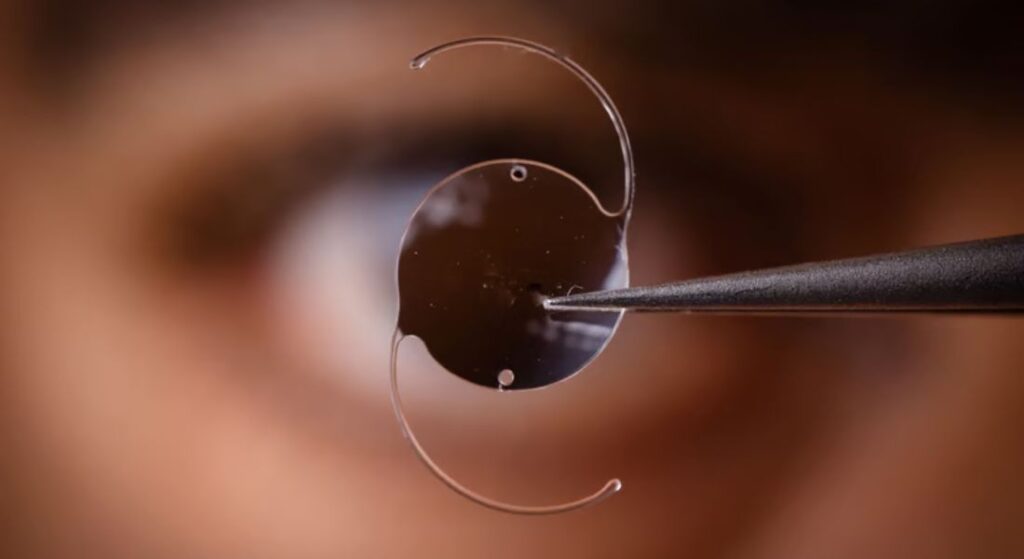
Implantable contact lens surgery works in a very different way from laser vision correction. Instead of reshaping the cornea, an ultra-thin lens is carefully placed inside the eye, positioned behind the iris and in front of your natural lens. The focus is on adding a corrective lens rather than altering the shape of the eye’s surface. This approach changes how vision is corrected while leaving most surface structures untouched.
Crucially, the cornea itself is not reshaped during ICL surgery. No flap is created, and the outer surface of the cornea remains structurally intact. Because of this, the dense network of corneal nerves is largely preserved. This is one of the main reasons ICL surgery has a much lower association with dry eye symptoms compared with LASIK.
A very small incision is made to insert the lens, but it is tiny and does not cut across a wide area of corneal nerves. For many patients, this distinction is highly important when choosing a procedure. If you already struggle with dryness, preserving the corneal nerve network can make a noticeable difference to your comfort after surgery. This is why ICL is often considered a more suitable option for those with sensitive or dry eyes.
Does ICL Surgery Cause Dry Eye?
Many patients considering ICL surgery often worry about post-operative dry eye, especially if they have experienced dryness before. Unlike laser vision correction procedures, ICL surgery works by inserting a lens behind the iris without reshaping the cornea. This approach preserves corneal nerves and the natural tear system. Understanding how ICL affects eye moisture can help patients make informed choices about their vision correction options.
- Low Risk of Dry Eye: ICL surgery rarely causes new or long-term dry eye. Because the cornea is not reshaped and most nerves remain intact, tear production continues normally.
- Temporary Mild Irritation: Some patients may feel slight dryness or irritation in the first few days after surgery. This is a normal part of the healing process and usually resolves quickly.
- Comparison with LASIK: Laser procedures like LASIK can lead to dryness lasting several months in some cases. ICL patients generally experience a more comfortable recovery with fewer dry eye symptoms.
- Preservation of Tear Function: Since corneal nerves remain largely untouched, the eye’s natural moisture regulation is maintained. This makes ICL especially suitable for patients prone to dry eye.
ICL surgery is considered a safe option for patients concerned about dry eye, offering a more comfortable alternative to laser procedures. Mild temporary dryness is possible but usually resolves quickly without intervention. By preserving corneal structure and nerve function, ICL allows most patients to maintain normal tear production. Overall, the risk of persistent dry eye is low, making ICL a patient-friendly choice for those seeking vision correction.
What If You Already Have Dry Eye?

If you already experience dry eye, it is natural to wonder whether ICL surgery is suitable for you. In many cases, ICL can actually be a better option than laser eye surgery for patients with pre-existing dryness, because the cornea is left intact and baseline tear function is largely preserved. This means your eyes are less likely to become drier after the procedure.
However, having dry eye does not mean it should be ignored before surgery. Your surgeon will carefully assess your tear film stability and overall ocular surface health to ensure your eyes are ready for the procedure. If dryness is significant, treatment may be recommended beforehand.
These treatments can include lubricating drops, lid hygiene, warm compresses, or other therapies to stabilise the tear film. The aim is always to optimise the health of your eye surface before surgery. A well-prepared ocular surface helps improve both comfort and visual outcomes after ICL implantation.
The Role of Corneal Nerve Preservation
The cornea is one of the most sensitive tissues in the body, with a dense network of nerves that constantly monitor the surface for dryness, irritation, or foreign particles. These nerves play a key role in maintaining eye comfort by sending signals to stimulate tear production whenever dryness is detected. This reflex loop is essential for keeping your eyes well-lubricated and comfortable.
In procedures that significantly disrupt the corneal nerve network, such as LASIK, this feedback system can be temporarily reduced. When tear production is not triggered properly, it can lead to the dry eye symptoms many patients experience after laser surgery. This is the main reason why dryness is commonly associated with corneal reshaping procedures.
With ICL surgery, however, the cornea is largely untouched. There is no large flap, and the surface is not reshaped, so the nerve network and tear production feedback remain largely intact. From a physiological perspective, this preservation is a major advantage for anyone concerned about dry eye, helping to maintain comfort after surgery.
Immediate Post-Operative Comfort
After ICL surgery, it is normal to notice mild irritation, light sensitivity, or a scratchy feeling for a short period. These sensations are usually related to the small incision and the eye’s natural healing process, rather than any disruption to the tear-producing system. Most patients find the recovery process surprisingly comfortable, with vision often improving within a day or two.
Lubricating drops are commonly recommended in the early days after surgery. These drops are not needed because the procedure causes dryness, but rather to support the tear film and promote comfort while the eye heals.
In my experience, many patients who previously struggled with contact lens discomfort find ICL surgery far more comfortable than long-term lens wear. Preserving the corneal surface and nerves makes a noticeable difference in post-operative ease and overall satisfaction.
Comparing ICL and Contact Lenses
For patients who experience dryness while wearing contact lenses, understanding the differences between lens wear and ICL surgery can be very helpful. Contact lenses rest directly on the corneal surface, which can disrupt the natural tear film and increase evaporation. Over time, this can worsen dry eye symptoms and lead to discomfort that limits lens use. ICL surgery offers an alternative that avoids these surface issues entirely.
- Impact of Contact Lenses on Tears: Contact lenses sit on the cornea and can disturb the tear film. This can accelerate tear evaporation and contribute to chronic dryness over time.
- Discomfort and Lens Discontinuation: Many patients stop wearing contact lenses due to persistent irritation or discomfort. Dry eye caused by lens wear is a common reason for discontinuation.
- ICL Placement Inside the Eye: Unlike contact lenses, ICL implants are positioned inside the eye, behind the iris. This means they do not interfere with the tear film or corneal surface.
- Improved Daily Comfort: For patients whose dry eye is linked to contact lens use, ICL surgery can reduce surface irritation and improve overall eye comfort.
ICL surgery provides a long-term solution for patients struggling with dry eye related to contact lens wear. By moving the corrective lens inside the eye, it preserves the natural tear system and reduces surface irritation. Most patients experience greater comfort in their daily activities without the need for contact lenses. Overall, ICL can significantly improve quality of life for those affected by lens-related dryness.
Environmental and Lifestyle Factors
It’s important to remember that dryness after surgery is not always caused by the procedure itself. Everyday factors like air conditioning, central heating, pollution, and prolonged screen use can all reduce blink frequency and destabilise the tear film, contributing to eye dryness.
If you spend long hours at a computer or using digital devices, your blink rate can drop significantly, which alone may cause dry eye symptoms. This means that any dryness you notice after ICL surgery is not necessarily related to the implant itself.
Being aware of these environmental and lifestyle factors allows you to take practical steps to manage comfort. Simple measures, such as regular breaks from screens, using lubricating drops, or adjusting your surroundings, can make a noticeable difference in keeping your eyes comfortable.
Managing Dry Eye Before and After ICL Surgery
If dryness is a concern, there are several practical steps you can take to support your eye comfort both before and after surgery. Using preservative-free lubricating drops helps maintain tear stability, while regular eyelid hygiene can reduce inflammation that contributes to evaporation. Simple habits, such as taking frequent screen breaks and consciously blinking more often, can also make a significant difference in relieving dryness.
Staying well hydrated is another effective measure, as your tear film relies on sufficient fluid intake to function properly. During your assessment for ICL surgery in London, your surgeon will carefully evaluate your tear film and overall ocular surface health. This ensures that any issues are addressed beforehand, optimising your eyes for the procedure and reducing the risk of post-operative discomfort.
By taking these proactive steps, you set yourself up for the most comfortable recovery possible. Proper management of dryness not only improves immediate comfort but can also enhance your long-term visual outcomes and overall satisfaction with ICL surgery.
Does the ICL Implant Itself Affect Tear Production?
You might wonder whether having a lens implanted inside your eye could somehow interfere with tear production. The simple answer is no. The ICL sits safely behind the iris, away from the cornea and the tear film, so it does not touch or disrupt the surface of the eye in any way. This positioning ensures that the normal mechanisms that keep your eyes moist remain undisturbed.
Tear production is controlled by the lacrimal glands and regulated through feedback from the corneal nerves. Since the implant does not affect these nerves or glands, your eyes continue to produce tears naturally and maintain a healthy, stable tear film.
This clear anatomical separation is one of the main reasons why ICL surgery is not considered a high-risk procedure for dry eye. Most patients experience little to no change in tear function or comfort after the surgery, making ICL an attractive option for those concerned about dryness. Proper pre-operative assessment and care further help to maintain optimal ocular surface health throughout the recovery process.
Long-Term Dry Eye Risk
Long-term dry eye after ICL surgery is relatively rare. Most patients maintain healthy tear production for years following the procedure. Any dryness that develops later is usually due to factors unrelated to the implant, such as ageing, hormonal changes, medications, or environmental conditions. Regular check-ups help ensure your eyes stay comfortable and healthy over time.
- ICL Lenses Remain Stable: The ICL is designed to remain in place for many years without affecting the ocular surface. Its stability means it does not contribute to chronic dryness or irritation.
- Ageing and Other Factors: Dry eye occurring months or years after surgery is often linked to natural ageing, hormonal fluctuations, or medications. These factors are common in the general population and are not caused by the implant itself.
- Environmental Exposure: Long-term dryness can also result from environmental conditions, such as prolonged screen use, low humidity, or exposure to wind and dust. These triggers affect anyone, whether they have an ICL or not.
- Management Is Straightforward: If dryness develops later in life, it can usually be treated effectively with artificial tears or other standard therapies. Patients can achieve relief just as they would without having had ICL surgery.
Overall, the risk of long-term dry eye from ICL surgery is minimal. Most patients experience stable, comfortable vision for years after the procedure. Any dryness that arises is generally unrelated to the lens and can be managed using conventional treatments. Regular eye exams remain important to monitor ocular health and maintain comfort.
Who Might Still Need Extra Caution?

Although the risk of dry eye after ICL surgery is generally low, certain patients may still require closer evaluation. If you have severe ocular surface disease, autoimmune conditions that affect tear production, or advanced meibomian gland dysfunction, your surgeon will carefully assess whether the procedure is appropriate for you. These conditions can influence both comfort and healing, so it’s important to address them beforehand.
In such cases, stabilising the ocular surface before surgery is essential. This may involve treatments such as lubricating drops, lid hygiene, or other therapies to improve tear film stability. Surgery should never proceed if the eye’s surface is significantly compromised, as this could lead to increased discomfort and affect the quality of visual outcomes.
Decisions about ICL suitability are always made on an individual basis. Prioritising your overall eye health ensures the best possible results and long-term comfort, giving you a safe and effective path to clearer vision.
Psychological Comfort and Expectation Management
Dry eye symptoms are highly subjective, and two people with similar tear measurements can experience very different levels of discomfort. How you perceive and react to dryness can vary depending on sensitivity and previous experiences with eye irritation.
Expectations play an important role in recovery. If you feel anxious about potential dryness, you may notice even minor sensations more acutely. Clear communication with your surgeon can help reduce unnecessary worry, as understanding that mild, temporary dryness is normal and usually short-lived provides reassurance.
When expectations are realistic, the recovery process tends to feel smoother and less stressful. Being informed about what to expect helps you manage discomfort more effectively and can contribute to a more positive overall experience with ICL surgery.
The Bigger Picture: Comfort Compared with Other Procedures
When comparing ICL with laser procedures such as LASIK or SMILE, comfort is often a key deciding factor for many patients. Laser surgeries permanently reshape the cornea, which can temporarily disrupt the tear film and increase the risk of dryness.
ICL surgery, in contrast, does not alter the corneal structure. The ocular surface and corneal nerves remain largely untouched, which helps preserve natural tear production and overall eye comfort.
For patients who already experience dry eye, this distinction can be particularly important. Many find that recovery after ICL surgery is gentler and more comfortable than after laser procedures, making it an appealing option for maintaining long-term ocular comfort.
FAQs:
1. Does ICL surgery cause dry eye?
ICL surgery rarely causes new or long-term dry eye because the cornea is not reshaped, and most corneal nerves remain intact, preserving natural tear production.
2. How is ICL surgery different from LASIK regarding dry eye risk?
Unlike LASIK, which creates a corneal flap and can temporarily reduce tear production, ICL surgery places a lens behind the iris without altering the corneal surface, lowering the risk of dryness.
3. Can ICL surgery worsen pre-existing dry eye?
ICL is often a better option for patients with dry eyes because it preserves corneal nerves. However, severe dryness should be treated and assessed before surgery for optimal results.
4. What is the recovery like after ICL surgery in terms of eye comfort?
Most patients experience mild, temporary irritation or light sensitivity for a few days. Recovery is generally comfortable, especially compared with laser procedures.
5. Does the ICL lens itself affect tear production?
No. The lens sits behind the iris, away from the cornea and tear film, so it does not interfere with tear production or ocular surface health.
6. How does contact lens use compare with ICL in relation to dry eye?
Contact lenses sit on the cornea and can disrupt the tear film, worsening dryness. ICL implants are inside the eye, preserving the tear film and improving daily comfort.
7. What environmental or lifestyle factors can cause dryness after ICL surgery?
Screen use, air conditioning, heating, pollution, and low humidity can reduce blink rate or destabilize the tear film, causing temporary dryness unrelated to the surgery.
8. Can long-term dry eye develop after ICL surgery?
Long-term dry eye is uncommon after ICL. Any dryness developing later is usually due to ageing, hormonal changes, medications, or environmental factors, not the implant.
9. Who needs extra caution before undergoing ICL surgery?
Patients with severe ocular surface disease, autoimmune conditions affecting tear production, or advanced meibomian gland dysfunction should be carefully assessed and treated before surgery.
10. How can patients manage dry eye before and after ICL surgery?
Using preservative-free lubricating drops, maintaining eyelid hygiene, taking screen breaks, blinking consciously, and staying hydrated can optimize tear film stability and recovery comfort.
Final Thought: Choosing Comfort with ICL Surgery
ICL surgery provides a safe, comfortable, and effective alternative for vision correction, particularly for patients concerned about dry eye. By preserving corneal nerves and leaving the ocular surface untouched, most patients experience minimal dryness and enjoy a smoother, more comfortable recovery compared with laser procedures.
For those who already struggle with dry eye or contact lens-related irritation, ICL can help maintain natural tear production, reduce surface irritation, and significantly improve daily eye comfort. Many patients notice clearer vision almost immediately, while also enjoying the freedom from contact lenses and the long-term benefits of a stable, healthy ocular surface. This combination of comfort, convenience, and visual clarity makes ICL an attractive option for anyone seeking lasting improvement in both vision and eye health. If you’re looking for ICL Surgery in London, you can get in touch with us at London Cataract Centre to discuss your suitability and take the first step toward clearer, more comfortable vision.
References:
- Zhang, H., Deng, Y., Ma, K., Yin, H. & Tang, J. (2024) Analysis on the changes of objective indicators of dry eye after implantable collamer lens (ICL) implantation surgery. Graefe’s Archive for Clinical and Experimental Ophthalmology https://pubmed.ncbi.nlm.nih.gov/38372752/
- Chen, H., Feng, X., Niu, G. and Fan, Y. (2021) ‘Evaluation of dry eye after Implantable Collamer Lens surgery’, Ophthalmic Research https://pubmed.ncbi.nlm.nih.gov/32966980/
- Vereertbrugghen, A. and Galletti, J. G. (2022) ‘Corneal nerves and their role in dry eye pathophysiology’, Experimental Eye Research https://www.sciencedirect.com/science/article/abs/pii/S0014483522002718
- Yao, J., Feng, J., Li, W., Liu, C., Li, Y. and Wang, X. (2024) ‘SMILE and ICL implantation on the ocular surface and meibomian glands in myopic patients https://pmc.ncbi.nlm.nih.gov/articles/PMC11619467/
- de Paiva, C. S., Dana, R. and Foulks, G. N. (2022) ‘Dry eye’, In: The Sjögren’s Book (Oxford Academic). Comprehensive overview of dry eye mechanisms, tear film dysfunction and clinical assessment. https://academic.oup.com/book/41892/chapter-abstract/354734058