



If you lead an active lifestyle, you may wonder how ICL surgery fits into your sporting routine. Whether you play contact sports, swim regularly, or train competitively, vision clarity plays a major role in performance. Spectacle independence can feel particularly valuable when you are physically active.
Implantable Collamer Lens surgery offers stable refractive correction without removing corneal tissue. For many athletes, this provides sharp vision without reliance on glasses or contact lenses. However, understanding recovery timelines and long-term safety is essential before making a decision.
In this guide, we explain how ICL surgery interacts with different types of sport, what precautions you should take during healing, and how lens stability is maintained long term. We also discuss protective eyewear and impact considerations. Most importantly, we help you understand what to expect as an active patient.
What Is ICL Surgery and Why It Appeals to Athletes?
ICL surgery involves implanting a biocompatible lens inside your eye to correct refractive error. Unlike laser procedures, it leaves the cornea untouched, which preserves its natural structure. This is particularly appealing for athletes whose performance or safety could be affected by corneal changes.
For many active patients, relying on contact lenses during training or competition is inconvenient. Sweat, dust, and water can all cause irritation or temporary vision issues. ICL removes these practical challenges, giving you clear vision without daily maintenance.
Having stable, unaided vision also reduces the risk of lens-related problems during sport. There’s no chance of losing or displacing a lens mid-competition. This combination of reliability and convenience is often a key reason athletes choose ICL over other options.
Can You Return to Sport After ICL?

Yes, most patients can return to sport once the eye has healed properly after Implantable Collamer Lens (ICL) surgery. The timing depends heavily on the type and intensity of your activity. Early recovery always requires caution, as even minor impact or pressure can affect healing. Taking a measured approach ensures the best long-term results.
Light activities such as walking, gentle cycling, or stretching can often be resumed within a few days. More demanding exercise running, gym workouts, or contact sports generally needs several weeks before it’s safe. Your surgeon will provide personalised guidance based on your healing progress, eye stability, and type of sport. Adhering to these recommendations reduces the risk of complications.
It’s vital that the eye heals without unnecessary pressure, trauma, or sudden movement. Returning to intense activity too quickly can compromise the implant’s position or increase the risk of inflammation. A gradual, staged return protects both your vision and the overall success of the procedure. By pacing your recovery, you can enjoy sport confidently without jeopardising long-term outcomes.
Recovery Timeline for Active Patients
The first week after Implantable Collamer Lens (ICL) surgery is all about protecting your eyes and supporting initial healing. During this time, you should avoid swimming, heavy lifting, and any activities that risk impact or strain. Prioritising rest and gentle routines helps stabilise the implant and reduces the chance of complications.
By two to three weeks post-surgery, many patients can gradually resume moderate, non-contact exercise. Light running, cycling, and gym workouts can be reintroduced carefully, with attention to how your eyes feel. Activities that involve risk of impact or jarring movements should still be avoided until you receive clearance from your surgeon.
Full-contact sports and high-impact activities usually resume after four to six weeks, depending on your individual healing progress. Clearance is determined by careful evaluation of your eye stability, implant position, and overall recovery. Following personalised advice ensures both safety and optimal long-term outcomes, allowing you to return to sport with confidence.
Non-Contact Sports and ICL
After ICL surgery, most non-contact sports can be resumed safely once the eye has fully healed. Activities like running, cycling, yoga, and tennis generally pose no risk to the lens or surgical site, allowing you to return to your usual fitness routine. Recovery and vision stability are important first, and once achieved, there are no routine restrictions, letting you perform with confidence.
- Safe post-recovery activities: Once the eyes have healed, exercises such as jogging, swimming (with goggles), cycling, or yoga are usually safe. These activities do not put undue pressure on the eye, allowing you to maintain your normal sports routine.
- Enhanced visual performance: Many patients notice improved depth perception and peripheral awareness without glasses or contact lenses. This can boost confidence during activities that require precise spatial judgement or coordination.
- Importance of eye protection: Even with healed eyes, protecting them from UV exposure remains crucial. Sunglasses with proper UV protection help prevent long-term lens and retinal damage during outdoor activities.
- Gradual return and comfort monitoring: Starting with lighter activity and gradually returning to full intensity allows you to monitor comfort and ensure the eyes respond well. Any unusual irritation or discomfort should prompt a brief pause and, if needed, assessment.
- Maintaining overall eye health: Continuing routine eye check-ups ensures that ICLs remain properly positioned and that your vision stays stable. Proactive care helps you enjoy sports safely without compromising long-term outcomes.
Resuming non-contact sports after ICL recovery is generally straightforward and safe. With stable vision, proper protection, and gradual reintroduction, you can return to physical activity with confidence, enjoying enhanced performance and natural comfort.
Contact Sports Considerations
Contact sports like football, rugby, martial arts, and boxing carry a significant risk of eye trauma. Even with Implantable Collamer Lens (ICL) in place, direct impact can cause serious injury. The ICL does not make your eye impervious to knocks or blows, so awareness and caution remain essential.
The lens itself sits securely behind the iris and does not shift with normal physical activity. Routine movements won’t dislodge it, but severe trauma can affect any part of the eye, including the ICL. Understanding this helps set realistic expectations for safety during contact sports.
For high-impact activities, protective eyewear is strongly recommended. Prevention is far better than managing injury after the fact. Responsible participation ensures both your immediate safety and the long-term stability of your vision and the implant.
Is the ICL Lens Stable During Movement?
The ICL lens sits in the posterior chamber of the eye, tucked safely behind the iris. Under normal conditions, it remains securely in place, and daily movement or exercise will not displace it. This stability means you can carry out routine activities without worrying about shifting or misalignment.
Extensive clinical studies confirm long-term lens stability. Regular physical activity, including jogging, cycling, or gym workouts, does not affect its position or performance. The implant is designed to work harmoniously with your natural eye structures over decades.
Only significant trauma, such as a strong direct blow to the eye, could potentially impact intraocular structures. Even in such cases, the natural anatomy of the eye itself would be at risk. The ICL is not inherently fragile and is built to remain secure under normal life conditions.
Swimming and Water Sports
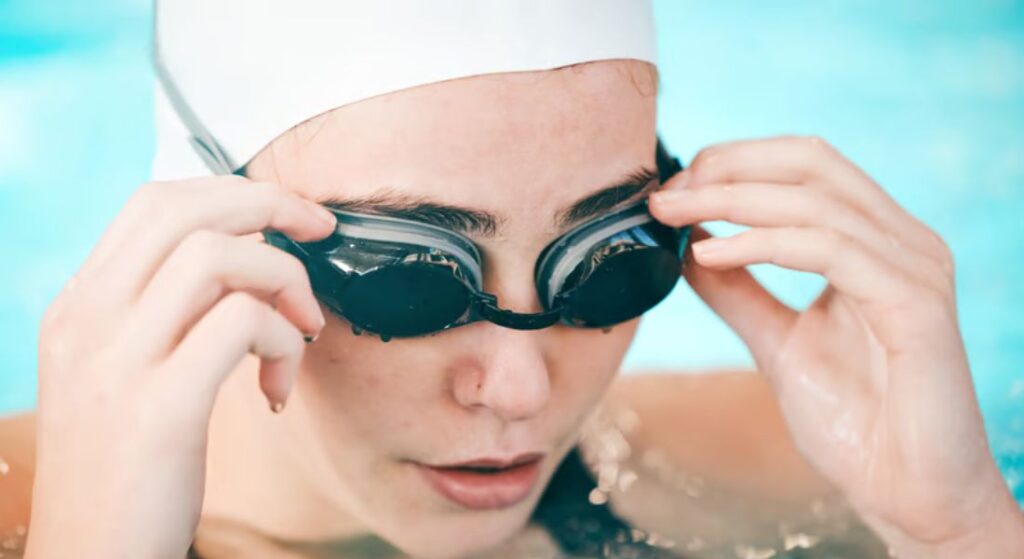
Swimming should be avoided for the first two to three weeks after Implantable Collamer Lens (ICL) surgery. Early water exposure increases the risk of infection while the tiny incisions are still healing. Allowing proper closure and stabilisation is essential to protect both your eye and the implant.
Once your surgeon confirms healing, swimming is generally safe. Chlorinated pools carry minimal long-term risk, though wearing protective goggles is wise to reduce irritation and exposure to chemicals. Routine water sports can usually resume with caution once cleared.
Open water swimming demands extra vigilance. Rivers, lakes, and oceans may contain bacteria or contaminants that increase infection potential. Even when fully healed, protective eyewear helps reduce risk and ensures your eyes remain healthy during activity.
Weight Training and High-Intensity Exercise
Heavy lifting and high-intensity exercise can temporarily raise intraocular pressure, which is why it’s discouraged during early recovery after Implantable Collamer Lens (ICL) surgery. The first two weeks are particularly sensitive, and caution is essential to protect the healing eye and ensure the implant remains stable.
Once your surgeon confirms adequate healing, weight training can resume gradually. Using proper breathing techniques, avoiding the Valsalva manoeuvre, and not straining excessively helps keep pressure spikes minimal. Controlled, progressive training allows you to rebuild strength safely without compromising your eyes.
High-intensity workouts should be reintroduced in stages, always following medical guidance. Listening to your surgeon’s advice and monitoring how your eyes respond protects both your recovery and long-term visual outcomes. A measured return to exercise ensures safety while regaining your usual activity level.
Martial Arts and Combat Sports
Martial arts and other combat sports carry a higher risk of eye trauma, even for individuals without surgery. After ICL implantation, the eyes remain generally strong, but protective measures become essential to minimise the risk of injury. Full-contact sparring or intense impact activities should be postponed until healing is fully confirmed, ensuring the lens is secure and the eyes are comfortable.
- Inherent risks of ocular trauma: Combat sports, boxing, and martial arts involve repeated facial contact, which can injure the eye even in healthy individuals. After ICL surgery, extra caution is required to prevent dislocation, swelling, or other complications.
- Waiting for full healing: Patients should avoid full-contact sparring until the surgical site has completely healed. This reduces the chance of trauma and allows the eye to stabilise, ensuring the lens remains properly positioned.
- Use of protective gear: Wearing appropriate headgear, face masks, or eye shields significantly lowers the likelihood of injury. Consistent use during training and competition provides an added layer of safety for the operated eye.
- Individualised risk assessment: For sports involving repeated facial impact, consulting your ophthalmologist or surgeon is critical. They can evaluate your specific situation, assess healing, and provide tailored advice about when and how to return safely.
- Ongoing monitoring: Regular post-operative eye checks are important for athletes. Monitoring lens position, eye pressure, and overall eye health ensures that any minor issues are caught early and addressed before they become serious.
Participation in combat sports after ICL requires careful timing, protective equipment, and specialist guidance. With proper planning and risk assessment, you can continue training and competing safely while protecting both your vision and long-term eye health.
Racquet and Ball Sports
Racquet and ball sports involve fast-moving objects that can strike the eye unexpectedly. Even after Implantable Collamer Lens (ICL) surgery, protective sports eyewear is strongly recommended. Safety precautions remain essential regardless of how good your vision is.
Having clear, unaided vision can improve reaction times and spatial awareness during play. Many athletes notice better agility and confidence without relying on glasses or contact lenses. This convenience is one of the reasons ICL appeals to active patients.
Despite enhanced vision, impact protection cannot be skipped. A direct blow could still damage the eye or implant. Prevention is always better than dealing with injury, so safety measures should remain a priority whenever you play.
How ICL Compares to LASIK for Athletes
ICL preserves the natural thickness and structure of your cornea, whereas LASIK requires creating a corneal flap. For athletes, avoiding flap-related concerns can be appealing, especially in sports where accidental impact is possible. Maintaining corneal integrity may reduce theoretical risks and give peace of mind during training or competition.
In high-impact activities, corneal strength and stability are particularly important. While flap complications in LASIK are uncommon, ICL completely avoids that variable, which can influence the decision for those in contact or collision sports. The implant sits securely behind the iris, unaffected by normal physical activity.
Both ICL and LASIK can provide excellent visual outcomes. Which procedure suits you best depends on your ocular anatomy, lifestyle, and activity level. A detailed consultation with your surgeon ensures that the choice aligns with both performance needs and long-term eye health.
Protective Eyewear After ICL

Even after achieving corrected vision with Implantable Collamer Lens (ICL), protective eyewear is still recommended for high-risk sports. Polycarbonate lenses offer strong impact resistance and help safeguard the eye’s natural structures. Wearing appropriate gear is a simple step that significantly reduces the risk of serious injury.
ICL does not make your eyes invincible. Trauma prevention remains essential, especially in contact or collision sports. Responsible athletes understand that protective measures are just as important as sharp vision.
One advantage of ICL is that prescription inserts are no longer needed. This simplifies your choice of protective equipment, as vision correction is built into the implant. Clear, stable vision and reduced reliance on glasses or contacts make eye protection easier to manage during sport.
Long-Term Lens Stability
ICL lenses are engineered for long-term implantation and, once properly positioned, remain stable for decades. Routine physical activity, including sports, does not affect their alignment or function. This reliability allows patients to maintain active lifestyles without concern for the implant shifting.
Regular annual eye examinations are recommended to monitor lens positioning, vault, and intraocular pressure. These check-ups ensure that any changes are detected early and that the eye remains healthy. Ongoing care supports both safety and optimal visual outcomes over the long term.
Long-term studies consistently demonstrate the durability of ICL implants. Being active, including engaging in sports, is not contraindicated. Lens stability is well documented, giving athletes and active patients confidence in both performance and eye health.
Dry Eye and Outdoor Activity
ICL surgery has a key advantage over laser procedures in that it generally does not disrupt corneal nerves, meaning the risk of dry eye is far lower. For those who spend time outdoors or participate in sports, this can make a noticeable difference in comfort and visual stability. Although wind, dust, or prolonged sun exposure can still cause temporary dryness, proper precautions help maintain eye comfort and performance.
- Lower dry eye risk compared with laser surgery: Because ICL does not affect the cornea, the natural tear production and nerve feedback remain largely intact. This reduces post-operative dryness and allows athletes and outdoor enthusiasts to enjoy activities with less irritation.
- Environmental factors: Exposure to wind, sun, or dry climates can still lead to transient dryness. Using lubricating eye drops or artificial tears in these conditions helps maintain comfort and prevents surface irritation during prolonged outdoor activity.
- Hydration and overall comfort: Staying well hydrated supports tear production and overall eye health. Small habits, like taking short breaks outdoors or blinking regularly during sports, can further reduce dryness.
- Protective eyewear: Sunglasses or sports goggles shield the eyes from wind, dust, and harmful UV rays. Protective eyewear not only preserves tear film integrity but also safeguards the eyes from trauma and environmental hazards.
- Routine eye surface care: Maintaining good eyelid hygiene and monitoring for early signs of dryness ensures long-term comfort. Preventative measures help keep the eyes clear, healthy, and comfortable, supporting optimal vision for both daily life and athletic performance.
ICL preserves corneal function, reducing dry eye risk and supporting comfort in outdoor settings. With proper hydration, eye protection, and surface care, patients can enjoy sports and outdoor activities while maintaining clear, healthy vision.
Competitive Athletes and Performance
Elite and competitive athletes depend on precise, consistent vision to perform at their best. ICL provides spectacle independence, eliminating the distractions that glasses or contacts can create. You no longer have to worry about lenses shifting, fogging, or falling out during training or competition.
Enhanced peripheral vision is another benefit, allowing better awareness of your surroundings. Quick head movements remain unrestricted, which is particularly valuable in fast-paced or reactive sports. Freedom from contact lens-related issues improves reliability and lets you focus fully on performance.
The actual performance gains vary between individuals, but the convenience and consistency of vision often boost confidence. Knowing that your sight is stable and uncompromised allows you to execute skills with greater assurance. Clear, dependable vision becomes a natural part of your athletic routine.
Risk of Trauma After Surgery
Any eye is vulnerable to injury in high-impact sports, and having an Implantable Collamer Lens (ICL) does not increase that baseline risk. Severe trauma could affect any eye, implant or not, so understanding realistic limits is important. Awareness and caution remain essential.
Protective measures are your primary defence. Wearing appropriate headgear or sports-specific eye protection dramatically reduces the chance of serious injury. Avoiding reckless exposure or high-risk situations further safeguards both your natural eye and the implant.
If trauma does occur, management protocols are the same as for any other eye injury. Immediate assessment by an eye specialist is crucial to identify complications and preserve vision. Ultimately, prevention through careful preparation and protection is far more effective than reacting to an incident after it happens.
When to Avoid Sport Post-Surgery
You should avoid all sports during the early healing phase after Implantable Collamer Lens (ICL) surgery. Activities such as swimming, heavy lifting, and contact sports are restricted until your surgeon confirms it’s safe. The timeline is personalised, based on your healing progress and eye stability.
Ignoring these restrictions can significantly increase the risk of complications. Infection, inflammation, or even implant-related issues may occur if the eye is stressed too soon. Exercising patience during this period protects both your vision and the long-term success of the procedure.
Clear communication with your surgeon ensures a safe and gradual return to sport. Following guidance closely allows you to resume activities confidently. Responsible recovery now sets the stage for stable, predictable outcomes well into the future.
Psychological Benefits for Active Patients
Freedom from glasses can give a real boost to confidence for active patients. Without worrying about slipping frames or lens fog, you may feel less restricted during competition or training. This psychological shift often makes a noticeable difference in focus and performance.
Comfort also plays a big role. Not having to constantly adjust eyewear or deal with irritation reduces distraction and lets you concentrate fully on the task at hand. Simple convenience can significantly improve your experience during sport.
For many athletes, this confidence translates into better performance. Feeling unrestricted and secure allows you to move freely and react instinctively. Psychological readiness complements physical ability, making vision clarity a true advantage both on and off the field.
Ongoing Monitoring for Athletes
Annual eye reviews remain essential for athletes with an Implantable Collamer Lens (ICL). Even with stable vision and an active lifestyle, routine checks confirm lens position, intraocular pressure, and overall eye health. No amount of exercise or performance success removes the need for follow-up.
Regular monitoring allows early detection of any potential issues, though stability is excellent in the vast majority of cases. Preventative care ensures that both the implant and your natural eye structures remain healthy over the long term. This proactive approach reduces the risk of complications before they become significant.
Consistency in follow-up is key to longevity. Responsible athletes prioritise eye health alongside training and competition. Ongoing care supports the durability of your vision, giving you confidence that your eyes remain protected as you continue to perform at your best.
FAQs:
1. When can I return to sport after ICL surgery?
Light exercise like walking or gentle cycling can usually be resumed within a few days. Moderate activities, including running or gym workouts, typically wait two to three weeks. Full-contact or high-impact sports generally require four to six weeks, depending on healing. Your surgeon will give personalised guidance to protect eye stability and long-term outcomes.
2. Are non-contact sports safe after ICL?
Once your eyes have fully healed, running, cycling, yoga, or tennis are generally safe. Gradually reintroducing activity allows you to monitor comfort and avoid strain. Protective eyewear and regular check-ups help ensure the lens remains stable. Stable vision allows you to enjoy these sports confidently.
3. Can I play contact sports after ICL?
High-impact sports like football, rugby, or martial arts carry significant risk even after surgery. Protective eyewear is essential, and full-contact activities should be delayed until healing is confirmed. Awareness of trauma risk remains crucial. Following your surgeon’s advice ensures long-term safety of both your eyes and the implant.
4. Is the ICL lens stable during movement?
The ICL sits securely behind the iris and does not shift with normal activity. Extensive studies show long-term stability even with regular exercise. Only severe trauma could affect the lens or intraocular structures. This design gives confidence for active lifestyles.
5. Can I swim or do water sports after ICL?
Swimming should be avoided for the first two to three weeks to reduce infection risk. Once fully healed, goggles protect your eyes from chlorine or contaminants. Open water swimming requires extra caution. Protective eyewear ensures safe participation in water sports.
6. How does ICL compare to LASIK for athletes?
ICL preserves the cornea’s natural thickness and avoids flap complications seen in LASIK. This can be advantageous in contact or collision sports. Both procedures offer excellent vision, but ICL provides added structural security. Choice depends on activity type, eye anatomy, and lifestyle.
7. Do I still need protective eyewear after ICL?
Yes, even with stable vision, polycarbonate or sport-specific eyewear is recommended for high-risk activities. ICL does not make your eyes immune to trauma. Protection significantly lowers injury risk while allowing confidence in performance.
8. Does ICL reduce dry eye risk for outdoor activity?
Because the cornea remains intact, tear production and nerve feedback are preserved, reducing dry eye. Wind, sun, or dust may still cause temporary dryness, but lubricating drops help. Sunglasses also shield the eyes and maintain comfort.
9. How does ICL affect performance in competitive sports?
ICL provides clear, unaided vision and stable peripheral awareness. You no longer need to worry about glasses or contact lenses shifting during activity. This often improves confidence, reaction times, and overall performance.
10. How important is ongoing monitoring for athletes?
Annual eye reviews are essential to check lens position, intraocular pressure, and overall eye health. Even with a stable implant, monitoring catches potential issues early. Regular follow-up supports long-term vision and athletic performance.
Final Thoughts: Protecting Your Eyes While Enjoying Sports
Being active doesn’t mean compromising on eye health or vision quality. ICL surgery allows you to enjoy sports, exercise, and outdoor activities with stable, unaided vision, but only if you respect the recovery timeline and follow personalised guidance. Rushing back into high-impact or contact sports too soon increases risk and can affect both healing and long-term outcomes.
Protective eyewear is more than a recommendation it’s a necessary habit for high-risk activities. Even with a stable lens, trauma prevention safeguards your eyes and preserves the benefits of your procedure. Gradual, staged return to activity, combined with ongoing monitoring, ensures your implant remains secure and your vision stays sharp.
For competitive or recreational athletes, the combination of clear vision, reduced dry eye risk, and structural stability gives confidence and performance advantages. Consistency in follow-up is key; annual eye checks protect both the lens and your natural ocular health, keeping you in top form. If you’re thinking about ICL Surgery in London, you can get in touch with us at London Cataract Centre.
References:
- Wu J, Tan Q, Cai W, Lin D, Zhao L. Effects of crystalline lens characteristics on vault after implantable collamer lens implantation. https://link.springer.com/article/10.1186/s12886-025-04406-z
- Kapoor G, Sharma VK, Sahran D, et al. Objective and subjective outcomes following implantable collamer lens (ICL) implantation for myopia. Oman Journal of Ophthalmology. https://pubmed.ncbi.nlm.nih.gov/40666761/
- Packer M. The Implantable Collamer Lens with a central port: review of the literature. Clinical Ophthalmology. https://pmc.ncbi.nlm.nih.gov/articles/PMC6267497/
- Tsai TH, Liu YL, Ma IH, et al. Dislocation of implantable collamer lens following blunt trauma. Ophthalmology Reports https://www.sciencedirect.com/science/article/pii/S245199362200514X
- Wannapanich T, Kasetsuwan N, Reinprayoon U. Intraocular Implantable Collamer Lens with a Central Hole Implantation: Safety, Efficacy, and Patient Outcomes. Clinical Ophthalmology. https://pubmed.ncbi.nlm.nih.gov/36998514/
- Hee Kim Y, Yoon CH, Kim MK. Long‑term Outcome and Related Risk Factors in Implantable Collamer Lens Implantation of High Myopia. Korean Journal of Ophthalmology. https://pubmed.ncbi.nlm.nih.gov/40007092/