


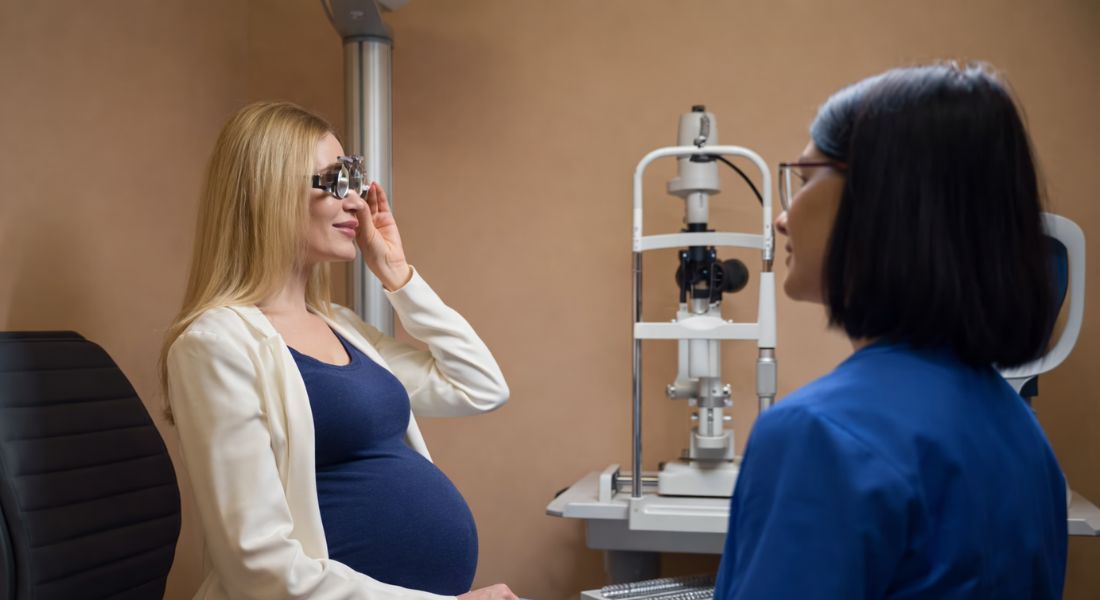
If you are considering ICL surgery and planning a pregnancy, you may be wondering how the two interact. Vision correction is an important decision, and timing matters. Hormonal changes during pregnancy can influence your eyes in ways that affect surgical planning.
Implantable Collamer Lens surgery is designed to provide stable, long-term refractive correction. However, pregnancy introduces temporary physiological changes that can affect vision measurements. Understanding these changes helps you make an informed and confident decision.
In this guide, we explain how pregnancy hormones influence refractive stability, why measurements may fluctuate, and when surgery should be delayed. We also discuss breastfeeding considerations and long-term planning. Most importantly, we help you align vision correction safely with family planning.
What Is ICL Surgery?
Implantable Collamer Lens surgery involves placing a biocompatible lens inside your eye, positioned between the iris and your natural lens. This lens works with your existing optical system to correct refractive errors such as myopia, astigmatism, and sometimes hyperopia. Your natural lens remains untouched, which helps preserve the eye’s normal structure and function. The correction is internal and continuous, reducing dependence on glasses or contact lenses.
Unlike laser procedures, ICL does not involve removing corneal tissue, making it a suitable option if you have thin corneas or are not ideal for corneal reshaping. The procedure is also reversible, meaning the lens can be removed or exchanged if required. However, this does not make it a flexible or casual decision. You still need a stable prescription before surgery, as the implanted lens is chosen based on fixed measurements.
Accurate pre-operative measurements are critical to achieving the intended visual outcome. These include refractive error, corneal curvature, and internal eye dimensions, all of which guide lens selection. If your eye measurements are fluctuating, even temporarily, the precision of these calculations is affected. That increases the risk of suboptimal vision and the need for further correction.
How Pregnancy Affects the Body
Pregnancy triggers significant hormonal shifts that affect multiple systems across your body. Rising levels of oestrogen and progesterone influence fluid balance, vascular behaviour, and tissue elasticity. These changes create a temporary physiological state where tissues do not behave as they normally would. You need to recognise that this phase is adaptive, not stable, which has direct implications for clinical decision-making.
Fluid retention becomes more noticeable during pregnancy and can affect delicate structures such as the cornea. Even subtle increases in corneal thickness or curvature can alter how light is focused, leading to temporary changes in vision. You may notice mild blurring or fluctuations that were not present before. While these changes are usually reversible, they make any measurements taken during this period less reliable.
Your body is prioritising pregnancy, adjusting multiple systems to support development and growth. Ocular changes are part of this broader adaptation, alongside shifts in tear production and intraocular pressure. This means your eyes are not in their baseline state during this time. For any precision-based procedure, that instability needs to be factored in rather than overlooked.
Hormonal Influence on Corneal Shape
The cornea is the primary refractive surface of your eye, and even minimal changes in its shape can have a measurable impact on vision. During pregnancy, hormonal fluctuations particularly in oestrogen can influence corneal biomechanics and curvature. You are not dealing with structural damage, but with subtle, hormone-driven variability that shifts how light is focused.
Increased hydration of the corneal tissue is a common physiological response during pregnancy. This can lead to mild corneal swelling, altering thickness and curvature in ways that are not always perceptible day to day. You may notice intermittent blurring, slight changes in clarity, or variability in your prescription.
The critical point is that these changes are usually temporary and tend to resolve after pregnancy. Once hormonal levels stabilise, corneal measurements often return to their baseline values. However, until that stability is re-established, any data collected may not reflect your true refractive state.
Refractive Instability During Pregnancy
During pregnancy, your body goes through hormonal and fluid changes that can directly affect your vision. You might notice things looking slightly blurred, or that your glasses or contact lenses don’t feel as accurate as they used to. These changes can come and go, and they don’t always follow a predictable pattern. While this is usually temporary, it creates a problem when you need precise and stable measurements for procedures like ICL.
- Hormonal changes affecting your cornea: Your cornea can retain more fluid during pregnancy, which slightly changes its shape and thickness. This affects how light enters your eye and can alter your prescription. Even small changes here can lead to inaccurate surgical planning.
- Fluctuating prescription: You may find your vision shifting over weeks or even days. One test might show a different result from the next. This makes it difficult to lock in a stable prescription, which is essential before any refractive procedure.
- Reduced accuracy in key measurements: ICL planning depends on precise data such as eye length and corneal curvature. If these measurements are taken while your vision is unstable, there’s a higher risk of choosing the wrong lens power.
- Dryness and tear film changes: Pregnancy can affect your tear film, leading to dryness or inconsistent eye surface quality. This can interfere with scans and imaging, reducing the reliability of your results.
- Vision often returns to normal after pregnancy: In many cases, your vision settles back to its pre-pregnancy state once hormones stabilise after delivery. If you proceed too early, you may end up correcting a temporary issue rather than your actual long-term prescription.
Delaying refractive surgery during pregnancy isn’t about being overly cautious it’s about getting it right. You need your measurements to be stable and repeatable to achieve a predictable result. If you move ahead too soon, you increase the risk of under- or over-correction.
Why Stable Measurements Matter
Implantable Collamer Lens surgery relies on precise optical calculations, where even small prescription errors can affect visual clarity. You are selecting a fixed lens power that remains inside the eye long term. If your refractive state is fluctuating, the chosen lens may not match your true baseline. Stability is what ensures sharp and predictable results.
Pre-operative measurements are taken using advanced diagnostic systems that assess multiple parameters of your eye. These tests assume your eyes are in a stable physiological condition at the time of measurement. Hormonal fluctuations can introduce variability that these systems cannot adjust for. This makes the data less reliable for surgical planning.
Delaying surgery until your measurements are consistent improves accuracy and overall outcomes. When readings remain stable across repeated assessments, lens selection becomes far more precise. This reduces the risk of residual refractive error after surgery.
Is ICL Surgery Safe During Pregnancy?

Implantable Collamer Lens surgery is not recommended during pregnancy. While the procedure itself is minimally invasive, it is still classified as elective, and elective interventions are generally avoided during this period. The concern is not about surgical difficulty, but about operating in a body that is undergoing temporary physiological changes.
Medication use around the time of surgery is another key consideration. Post-operative care typically involves antibiotic and anti-inflammatory eye drops, and not all of these are routinely advised during pregnancy. Even if risks are low, the standard approach is to avoid any unnecessary exposure where possible. You are not just managing your own recovery you are also considering systemic safety.
Safety extends beyond the eye itself and must be viewed in a broader medical context. Protecting both maternal and foetal health takes priority over elective vision correction. Delaying the procedure allows you to avoid avoidable variables and proceed under optimal conditions later. In practice, waiting is the safer and more controlled decision.
Breastfeeding Considerations
Breastfeeding continues the hormonal influence that begins during pregnancy, and this can extend the period of refractive instability. Oestrogen levels remain altered during lactation, which can affect corneal behaviour and tear film balance. You may still experience subtle fluctuations in vision during this phase. This means your eyes may not yet have returned to a stable baseline suitable for precise measurement.
Post-operative care after Implantable Collamer Lens surgery typically involves antibiotic and anti-inflammatory eye drops. While systemic absorption is minimal, certain medications can pass into breast milk in small amounts. The overall risk is low, but clinical practice prioritises caution, especially when alternatives exist. You need to review medication safety in detail before proceeding.
Many surgeons advise waiting until breastfeeding has fully concluded before considering surgery. This allows hormonal levels to normalise and measurements to stabilise consistently. When your readings are repeatable, lens selection becomes more accurate and outcomes more predictable. In practical terms, waiting reduces uncertainty and improves long-term satisfaction.
How Long Should You Wait After Pregnancy?
After pregnancy, your body doesn’t reset overnight, and your eyes follow the same pattern. Hormonal levels take time to settle, especially if you’re breastfeeding, and this continues to influence your vision. You may feel your sight has improved, but subtle fluctuations can still be present. Acting too early at this stage often means working with data that isn’t fully reliable.
- Allow hormonal stabilisation to complete: Your oestrogen and progesterone levels gradually return to baseline after delivery and breastfeeding. These hormones directly affect corneal hydration and shape, so waiting ensures your measurements reflect your true refractive state.
- Wait until after breastfeeding has stopped: Lactation can prolong hormonal influence on your eyes, particularly affecting tear film and corneal stability. Most clinicians advise waiting until you’ve stopped breastfeeding, then allowing additional time for full stabilisation.
- Minimum 3–6 month stability window: In practice, you should be looking at a minimum of three to six months after breastfeeding ends. This gives your visual system enough time to settle and reduces variability in measurements.
- Confirm consistency with repeat testing: You shouldn’t rely on a single set of readings. Multiple assessments over time should show consistent results in your prescription and eye measurements before proceeding with surgery.
- Watch for subjective stability as well: Beyond clinical numbers, your day-to-day vision should feel stable. If you’re still noticing fluctuations in clarity or comfort, it’s a sign that your eyes haven’t fully settled yet.
Rushing into surgery during this recovery phase increases unpredictability. You’re more likely to end up with a result that doesn’t fully match your visual needs, which can lead to avoidable refinements later.
Planning ICL Around Family Planning
If you’re planning pregnancy, timing your ICL procedure carefully is important. Having surgery well before conception allows your eyes to fully heal and stabilise, which helps ensure more predictable results. Recovery is usually quick, but giving yourself enough time before pregnancy is a sensible approach.
If pregnancy is likely in the near future, postponing surgery may be the better option. Hormonal changes during early pregnancy can affect vision and healing, so avoiding overlap with this period helps reduce uncertainty and potential complications.
Discussing your plans openly during your consultation is essential. Your clinician can tailor advice based on your timeline, ensuring decisions are aligned with both your eye health and family planning goals.
Does Pregnancy Affect the ICL Lens Itself?
Once implanted, the Implantable Collamer Lens (ICL) sits securely inside your eye and remains structurally stable. Pregnancy does not alter the material or positioning of the lens. Hormonal changes in your body do not affect the implant itself. You can be reassured that the lens remains exactly where it was placed.
That said, you may still notice changes in your vision during pregnancy. These shifts are usually linked to the cornea, which can temporarily change shape due to fluid retention and hormonal fluctuations. This can slightly alter your prescription for a period of time. It’s important to recognise that these changes are not caused by the lens moving or failing.
Understanding this difference helps you stay calm if your vision feels inconsistent. The ICL remains secure and continues to function as intended. In most cases, your vision settles once hormone levels return to normal after pregnancy. If anything feels unusual or persistent, you should still check in with your clinician for reassurance.
Dry Eye Changes in Pregnancy
Hormonal changes during pregnancy can make dry eye symptoms more noticeable. You may find your eyes feel gritty, tired, or more sensitive than usual. Tear film stability often fluctuates, which can directly affect how comfortable your eyes feel day to day. These changes are usually temporary, but they shouldn’t be ignored.
Dry eye doesn’t just affect comfort; it can also impact the clarity of your vision. If your tear film is unstable, measurements taken before surgery may be less reliable. That’s why getting the ocular surface into a stable condition is essential before moving forward. You want consistency in your readings to support accurate planning.
Addressing dryness early puts you in a stronger position for better outcomes. Simple interventions can significantly improve both comfort and visual stability. A thorough assessment should always include tear film evaluation as part of the process. When your ocular surface is optimised, everything else becomes more predictable.
Gestational Diabetes and Vision
Gestational diabetes can have a direct impact on your vision during pregnancy. Fluctuations in blood glucose levels can alter how light passes through the eye, leading to periods of blur or inconsistent focus. These changes can come and go, which makes them particularly frustrating. In some cases, the retina may also be affected, especially if blood sugar control is unstable.
Because these vision changes are driven by glucose variability, they are not reliable for surgical planning. Measurements taken during this phase may not reflect your true, stable prescription. That’s why any form of refractive procedure should be paused until your levels are well controlled. Stability isn’t optional here it’s essential for safe and predictable outcomes.
Managing your systemic health plays a critical role in protecting your eyes. Working closely with your care team to control blood sugar helps restore visual consistency. In many cases, medical clearance is required before proceeding with surgery. Taking a holistic approach ensures both your safety and the long-term success of your treatment.
Emotional and Practical Considerations

Pregnancy and early motherhood place real demands on your time, energy, and focus. Adding an elective procedure into that mix can increase both physical and mental load. Even if the surgery itself is straightforward, your capacity to manage recovery matters just as much. You need to be in the right headspace, not just medically suitable.
Recovery, while typically smooth, still requires attention and follow-up. You’ll have appointments to attend, drops to use consistently, and symptoms to monitor. Balancing that with newborn care, disrupted sleep, and daily responsibilities can quickly become overwhelming. Without proper planning, even small tasks can feel difficult.
Choosing a calmer, more stable period gives you far better control over the experience. When your routine is predictable, you can focus properly on healing and follow instructions without compromise. Thoughtful timing reduces stress and improves overall comfort. Surgery should work around your life stage, not compete with it.
What If You Become Pregnant After ICL?
If you become pregnant after undergoing Implantable Collamer Lens (ICL) surgery, there is usually no cause for concern. The lens remains stable inside your eye and is not affected by pregnancy-related hormonal changes. Its position and material stay unchanged, so you don’t need to worry about it shifting or degrading. Routine eye care and monitoring can continue as normal.
You may still notice temporary changes in your vision during pregnancy. These are typically linked to hormonal shifts affecting the cornea rather than the lens itself. Fluctuations in fluid balance can slightly alter how your eye focuses light, leading to mild blur. In most cases, this settles naturally after pregnancy once hormone levels stabilise.
It’s important to keep your eye specialist informed if you become pregnant. Ongoing communication helps ensure that any changes are properly assessed and managed. Most cases remain straightforward, with no impact on the long-term success of your ICL. Staying proactive simply gives you reassurance and keeps everything on track.
When to Seek Eye Assessment During Pregnancy
During pregnancy, any sudden change in vision should be taken seriously and assessed without delay. While many visual fluctuations are temporary and linked to hormonal changes, persistent blur or unusual disturbances should not be ignored. Prompt evaluation helps rule out pregnancy-related conditions that can affect eye health and ensures both maternal and fetal safety are prioritised.
- Sudden vision changes: Any rapid change in vision, such as blurring, double vision, or difficulty focusing, should be assessed promptly. These symptoms may be temporary, but immediate evaluation helps exclude more serious causes.
- Persistent visual disturbances: Ongoing blur, flashing lights, or visual field changes should not be overlooked. If symptoms do not settle within a short period, a specialist review is important to ensure there is no underlying issue.
- Pregnancy-related conditions: Although uncommon, certain conditions linked to pregnancy can affect vision. Early assessment allows these to be identified and managed appropriately, reducing potential risks.
- Temporary vs unusual symptoms: Mild, short-term fluctuations are often normal due to hormonal shifts. However, anything that feels unusual, worsening, or different from expected changes should always be checked for reassurance and safety.
- Importance of routine monitoring: Regular antenatal care focuses on overall health, but eye symptoms should also be discussed when they arise. Raising concerns early ensures comprehensive care and supports both your wellbeing and your baby’s health.
Seeking timely assessment during pregnancy ensures that any concerning symptoms are addressed early. While most changes are harmless and resolve on their own, careful attention and prompt evaluation provide reassurance and protect long-term eye health.
The Importance of Comprehensive Pre-Operative Testing
Pre-operative testing for Implantable Collamer Lens (ICL) relies on precise, repeatable measurements. This includes detailed corneal mapping and accurate assessment of the anterior chamber depth. These parameters must remain stable to guide correct lens sizing and positioning. During pregnancy, hormonal shifts can introduce variability, which compromises the reliability of these readings.
You need consistency across multiple visits before moving forward. One good scan isn’t enough; patterns over time are what confirm stability. When measurements align and remain unchanged, it gives confidence that planning is accurate. Without that consistency, the risk of suboptimal outcomes increases.
Your surgeon will prioritise precision over speed. Rushing through evaluation simply isn’t an option when long-term results are at stake. Careful, methodical assessment protects both safety and visual quality. Thorough testing ensures that every decision is based on dependable data, not temporary fluctuations.
Why Surgeons Recommend Delaying Elective Surgery
Elective procedures like Implantable Collamer Lens (ICL) surgery are best carried out when your body is in a stable, predictable state. Pregnancy introduces natural physiological variability, particularly in vision and ocular measurements. That variability makes precise planning more difficult and less reliable. When conditions are stable, outcomes are far more predictable and safer.
Delaying surgery helps you avoid unnecessary uncertainty during an already dynamic period. It also removes concerns around medication exposure, including post-operative drops and their timing. Responsible surgical planning always considers the wider context of your health, not just the procedure itself. Taking a cautious approach protects both short-term recovery and long-term results.
Waiting should not be seen as a setback. It is a deliberate, protective decision that supports better outcomes. When your body has stabilised, measurements are more accurate and recovery is easier to manage. This ultimately leads to higher satisfaction with your results. Patience here works in your favour.
Long-Term Vision After Pregnancy
Most vision changes you experience during pregnancy are temporary. As your hormones settle after delivery, your measurements usually return to their baseline. This period of normalisation is important before making any surgical decisions. Once stability is confirmed, planning becomes far more reliable and precise.
Long-term outcomes after Implantable Collamer Lens (ICL) surgery remain consistent, even if you go through pregnancy later. The lens itself is not affected by hormonal shifts or systemic changes. Its performance stays stable, provided it was correctly planned and implanted. You can expect your results to hold once your body has fully stabilised.
Regular eye examinations play a key role in maintaining that clarity. Follow-up checks ensure everything remains as expected and allow early identification of any changes. Ongoing care gives you confidence in your vision over time. With the right monitoring, long-term stability is the norm.
Making an Informed Decision

Balancing your vision goals with family planning requires clear, deliberate thinking. Hormonal shifts can influence measurements and short-term visual stability, so timing becomes a strategic decision rather than a reactive one. When you understand how these factors interact, you’re better positioned to choose the right moment. That clarity helps you avoid unnecessary risk and uncertainty.
A proper consultation for Implantable Collamer Lens (ICL) surgery gives you more than eligibility it gives you direction. Your individual health history, lifestyle, and future plans all shape the recommendation. No two cases are identical, and that nuance matters. Tailored advice ensures you move forward with confidence rather than assumption.
There isn’t a universal timeline that fits everyone. Your circumstances whether that’s pregnancy planning, recovery capacity, or general health determine what’s appropriate. The key is aligning surgery with a period of stability, not convenience alone. When you make a well-informed decision, outcomes tend to follow the same path: predictable, safe, and satisfying.
FAQs:
1. Can you have ICL surgery during pregnancy?
You should avoid having ICL surgery during pregnancy. Your body is going through hormonal changes that can affect your vision and make measurements unreliable. Even though the procedure itself is safe, it is still elective and not recommended during this time. Waiting ensures better accuracy and safer outcomes.
2. Does pregnancy affect your vision before ICL surgery?
Yes, pregnancy can cause noticeable changes in your vision. Hormonal fluctuations may affect your cornea and tear film, leading to temporary blur or instability. You might find your prescription changing over short periods. These variations make it difficult to plan surgery accurately.
3. How long should you wait after pregnancy before having ICL?
You should typically wait at least three to six months after you stop breastfeeding. This allows your hormones to return to normal and your vision to stabilise. It’s important that your measurements are consistent across multiple tests. Acting too early can lead to less predictable results.
4. Can breastfeeding affect ICL surgery planning?
Yes, breastfeeding can continue to influence your vision due to ongoing hormonal changes. Your eyes may not have fully stabilised during this period. Measurements taken at this stage can still vary and affect surgical planning. Most surgeons recommend waiting until breastfeeding has finished.
5. Is ICL surgery safe if you are planning to get pregnant soon?
If you are planning pregnancy in the near future, delaying surgery is often the better option. Early pregnancy brings hormonal shifts that can affect healing and vision. You want your recovery period to be smooth and predictable. Proper timing helps avoid unnecessary complications.
6. Will pregnancy affect the ICL lens after surgery?
No, pregnancy does not affect the ICL lens itself. The lens remains securely positioned inside your eye and does not change. However, you may still notice temporary vision changes due to corneal shifts. These usually settle once your hormones stabilise.
7. Why are stable measurements important before ICL surgery?
ICL surgery depends on precise measurements to choose the correct lens power. If your vision is fluctuating, those measurements may not reflect your true prescription. This increases the risk of under- or over-correction. Stable readings help ensure accurate and predictable outcomes.
8. Can dry eyes during pregnancy affect ICL eligibility?
Yes, dry eye can impact both comfort and measurement accuracy. Pregnancy can disrupt your tear film, making scans less reliable. This can affect the quality of your pre-operative assessment. Treating dryness first improves both accuracy and results.
9. What happens if you get pregnant after ICL surgery?
In most cases, nothing concerning happens if you become pregnant after ICL. The lens remains stable and continues to function normally. You may experience temporary vision changes due to hormonal effects on the cornea. These changes usually resolve after pregnancy.
10. When should you seek an eye check during pregnancy?
You should seek an eye check if you notice sudden or persistent changes in your vision. Symptoms like blurring, flashing lights, or unusual disturbances should not be ignored. While many changes are temporary, some may need medical attention. Early assessment helps protect your eye health and gives reassurance.
Final Thought: Timing Is Key for ICL Surgery
You need to treat timing as a clinical decision, not a convenience decision. Pregnancy and breastfeeding introduce real, measurable variability in your eyes, and that directly affects how accurately your ICL procedure can be planned. If you move forward without stable measurements, you’re not optimising your outcome you’re accepting avoidable uncertainty.
The safest and most effective approach is to wait until your body has fully stabilised. That means allowing hormones to settle, confirming consistent measurements across multiple visits, and ensuring your ocular surface is in good condition. When you operate from a position of stability, you give yourself the best chance of achieving precise, predictable results that last.
If you’re thinking about your next step, focus on alignment rather than urgency. Your vision correction should fit around your life stage, not compete with it. If you’re looking for ICL Surgery in London, you can get in touch with us at London Cataract Centre.
References:
1. Thompson, V., 2024. Implantable Collamer Lens Procedure Planning: A Review of Diagnostic Methods and Sizing Approaches. PMC (ICL planning and safety overview). Available at: https://pmc.ncbi.nlm.nih.gov/articles/PMC11005927/
2. Kapoor, G., et al., 2025. Objective and subjective outcomes following implantable collamer lens (ICL) implantation for the correction of myopia. Oman Journal of Ophthalmology, https://pubmed.ncbi.nlm.nih.gov/40666761/
3. The Effects of Implantable Collamer Lens (ICL) Implantation in High Myopia Patients’ Mental Health (2024). PMC. https://pmc.ncbi.nlm.nih.gov/articles/PMC10789572/
4. The clinical outcome of implantable collamer lens in corneal ectasia post astigmatic keratotomy. ScienceDirect case series supporting ICL efficacy and safety in complex eyes. https://www.sciencedirect.com/science/article/pii/S2210261225000410
5. Han, T., 2022. Refractive outcomes of implantable collamer lens implantation in eyes with suboptimal preoperative CDVA. PubMed. https://pubmed.ncbi.nlm.nih.gov/35757851/