


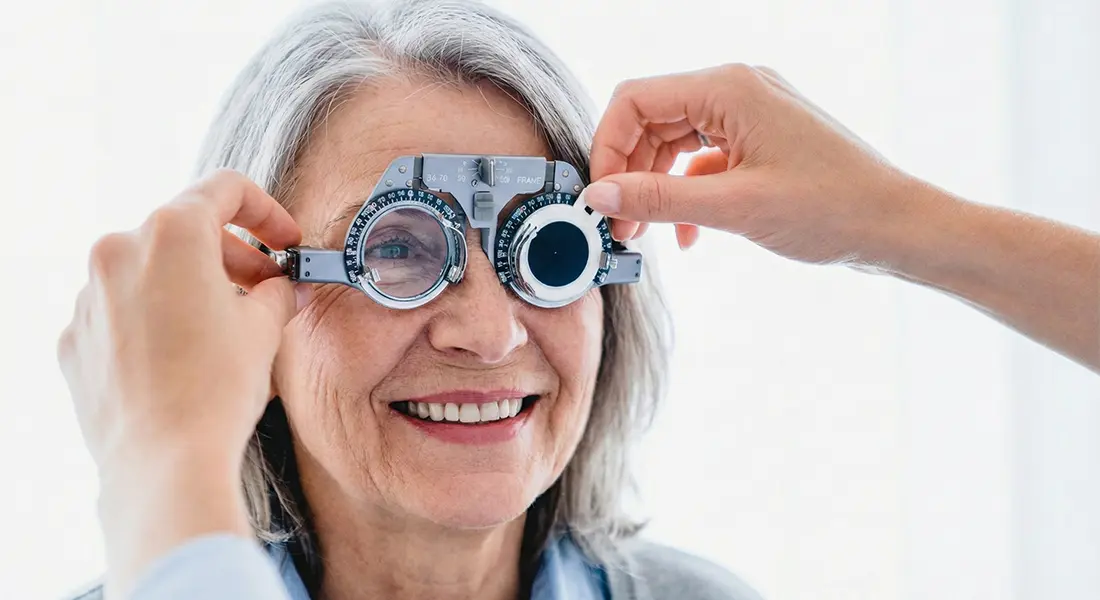
If you are considering Refractive Lens Exchange (RLE), one of the first questions on your mind is likely how long the results will last. This is completely understandable, as you are investing in a procedure meant to reduce your dependence on glasses or contact lenses, and you want the benefits to be long-term. Knowing what to expect helps you make an informed decision.
RLE works by replacing your natural lens with an artificial intraocular lens (IOL) designed to provide clear vision for many years. Unlike natural lenses, these implants do not develop cataracts, so the visual clarity they provide tends to remain stable. However, your eyes may still undergo other natural changes over time that can affect vision.
Factors such as the ageing of the retina, changes in the cornea, or the development of other eye conditions can influence how your vision evolves after surgery. While the lens itself is durable, it’s important to remember that overall eye health continues to play a role in long-term visual outcomes.
By understanding both the strengths and limitations of RLE, you can have realistic expectations about your results. This knowledge allows you to plan effectively, ensuring that you enjoy the maximum benefit from your procedure and maintain clear vision for many years.
Understanding RLE Surgery
Refractive Lens Exchange (RLE) is a procedure in which your natural lens is replaced with an artificial intraocular lens (IOL). It is similar to cataract surgery but is performed before a cataract develops, primarily to correct vision by targeting the lens itself rather than the surface of the eye.
The goal of RLE is to provide a long-term solution for refractive errors such as myopia (short-sightedness), hyperopia (long-sightedness), or presbyopia (age-related difficulty with near vision). The implanted lens is customised to your prescription and can often significantly reduce or even eliminate the need for glasses or contact lenses.
Unlike laser procedures, RLE does not reshape the cornea. By addressing the lens directly, the results are typically more stable and predictable over time, giving many patients clear, lasting vision with minimal reliance on additional corrective eyewear.
Are RLE Results Permanent?
Refractive Lens Exchange (RLE) implants a lens designed to last a lifetime. The materials used are highly biocompatible and resistant to clouding or deterioration, meaning the lens itself does not “wear out.” However, the eye continues to age naturally, and changes in other structures can influence vision over time. Understanding how these factors interact helps set realistic expectations for long-term visual outcomes.
- Permanent Lens Implant: The RLE lens is intended to remain in your eye for life. Its durability ensures that the core correction provided by the surgery does not degrade over time.
- Natural Ageing of the Eye: While the lens remains permanent, other parts of the eye like the retina or vitreous gel can change with age. These changes are a normal part of ageing and are not related to the RLE surgery itself.
- Impact of Eye Conditions: Conditions such as age-related macular degeneration or diabetic retinopathy can affect vision later in life. These issues may influence clarity of vision but do not indicate that the implanted lens has failed.
- Overall Eye Health Matters: Maintaining clear vision after RLE depends on general eye health. Regular check-ups help monitor changes and manage conditions that may arise with age.
RLE provides a permanent solution for refractive errors through a durable lens implant. However, vision clarity over the years depends on the natural health and ageing of your eye. With proper monitoring and care, most patients enjoy long-term visual stability. Understanding these nuances ensures realistic expectations and better management of eye health over a lifetime.
Long-Term Lens Stability
One of the main reasons RLE results are long-lasting is the stability of the intraocular lens (IOL). The lens is securely placed in the capsular bag, the natural membrane that once held your original lens, which helps keep it properly centred and ensures stable vision over time.
Although complications like lens dislocation are rare, they can occur in patients with trauma, certain eye conditions, or very high prescriptions. Another consideration is posterior capsule opacification (PCO), sometimes called a “secondary cataract,” which happens when cells from the original lens grow on the capsule behind the implant, causing clouding.
The good news is that PCO can be easily treated with a quick laser procedure called YAG capsulotomy, which restores clarity almost instantly. With proper follow-up and care, the IOL remains stable, and most patients enjoy decades of clear, consistent vision.
How Ageing Affects Vision After RLE
While the RLE lens itself remains unchanged, the rest of the eye continues to age naturally. These age-related changes can subtly affect vision over time, even if the surgery was successful. Understanding how different parts of the eye evolve helps patients anticipate changes and maintain long-term eye health. Awareness of these factors ensures realistic expectations for vision after RLE.
- Retinal Health: Age-related conditions like macular degeneration, retinal tears, or diabetic changes can reduce the sharpness of vision. These changes are unrelated to the RLE lens but can influence visual clarity.
- Corneal Changes: Over decades, the cornea may undergo mild changes in shape or thickness. Such alterations can slightly affect focus, even with a perfectly stable lens implant.
- Vitreous Changes: The vitreous gel inside the eye naturally liquefies with age, leading to floaters or minor visual distortions. These are common in older adults and do not indicate lens problems.
- Normal Ageing Effects: These changes occur in everyone, whether or not they have undergone RLE surgery. They reflect the natural evolution of eye health rather than any failure of the implanted lens.
Ageing can subtly influence vision after RLE, but these effects are a normal part of eye health. The lens remains stable, and most visual changes stem from natural processes affecting other ocular structures. Regular eye examinations help monitor these changes and maintain optimal vision. Understanding the difference between lens performance and natural ageing ensures long-term satisfaction with RLE outcomes.
Near Vision and Presbyopia

If you are considering RLE in your 40s or 50s, presbyopia age-related difficulty with near vision is an important factor. Standard monofocal IOLs typically provide excellent distance vision but may still require reading glasses for close-up tasks.
Multifocal or extended depth-of-focus lenses can reduce the need for near correction, though they may come with trade-offs such as glare or slightly reduced contrast. Choosing the right lens involves balancing your visual priorities with potential side effects.
It’s also important to remember that even with advanced IOL technology, some natural changes in near vision are unavoidable over time. RLE corrects the lens but cannot stop the overall ageing process of the eye, so realistic expectations are essential for long-term satisfaction.
Comparing RLE Longevity with Other Procedures
Compared with laser procedures such as LASIK or PRK, RLE offers a different and often more predictable kind of long-term stability. Laser surgery works by reshaping the cornea to correct vision, but the cornea can continue to change subtly as part of the natural ageing process. Over time, some patients may notice slight shifts in their prescription, which can occasionally require glasses, contact lenses, or even enhancement procedures to maintain optimal vision.
RLE, in contrast, completely replaces the natural lens with an artificial intraocular lens (IOL) that is designed to remain stable and centred for decades. This means the refractive correction provided by RLE is generally consistent over time, giving patients a long-lasting improvement in vision. Any visual changes that occur after RLE are usually due to natural ageing of the eye, such as changes in the retina or other structures, rather than the lens itself.
This difference in longevity makes RLE a highly reliable option for those seeking sustained freedom from glasses or contact lenses. Many patients appreciate the peace of mind that comes with knowing their lens-based correction is designed to last, providing clear and stable vision well into later life.
Lifestyle Factors and Long-Term Vision
While the intraocular lens (IOL) implanted during RLE is permanent, certain lifestyle factors can still influence your long-term visual health. Maintaining good overall health, managing conditions such as diabetes or high blood pressure, and protecting your eyes from UV exposure all play a key role in preserving clear vision.
Habits like smoking, excessive alcohol consumption, or skipping regular eye check-ups can increase the risk of age-related eye conditions, which may affect how well you see even with a perfectly functioning IOL. Being mindful of these factors helps protect not only your general health but also the quality of your vision over time.
By taking a proactive approach to eye care and overall wellness, you can help ensure that the benefits of RLE last as long as possible. Combining a stable lens with healthy lifestyle choices maximises the chance of decades of clear, comfortable vision.
What to Expect Decade by Decade
Understanding how your vision may evolve after RLE helps set realistic expectations for the long term. While the implanted lens is permanent, the eye continues to age naturally. Considering changes decade by decade provides a practical framework for anticipating visual outcomes. This approach emphasizes the importance of ongoing care and monitoring to maintain optimal vision throughout life.
- 1–5 Years: Vision is typically excellent in the early years, with minimal dependence on glasses. Patients often notice a rapid adjustment period, especially if they have multifocal lenses, but most adapt quickly. Daily activities like reading, driving, and computer use are usually smooth and comfortable.
- 5–10 Years: Lens stability remains very high, and most patients continue to enjoy sharp distance vision. Minor age-related changes, such as slight reductions in near focus or subtle contrast sensitivity changes, may begin, but they rarely interfere with everyday life. This period generally represents the peak of post-surgery vision comfort.
- 10–20 Years: The IOL continues to perform reliably over this decade. Some patients may develop posterior capsule opacification (PCO), which is easily treated with a quick YAG laser procedure to restore clarity. Natural changes in the retina or cornea, such as small shifts in corneal curvature or early retinal conditions, may subtly influence visual sharpness.
- 20+ Years: Even decades after surgery, the lens itself remains effective, providing the original refractive correction. However, natural ageing of the eye becomes more significant, affecting factors like retinal health, tear production, and corneal clarity. Regular eye examinations become increasingly important to detect and manage age-related changes before they impact daily life.
A decade-by-decade perspective helps patients understand the long-term trajectory of vision after RLE. The implanted lens remains stable and effective, but natural changes in the eye can influence visual quality over time. By monitoring eye health regularly and addressing minor issues promptly, patients can maintain clear, comfortable vision well into later life. Understanding these stages helps set realistic expectations and supports lifelong eye care.
Follow-Up Care and Monitoring
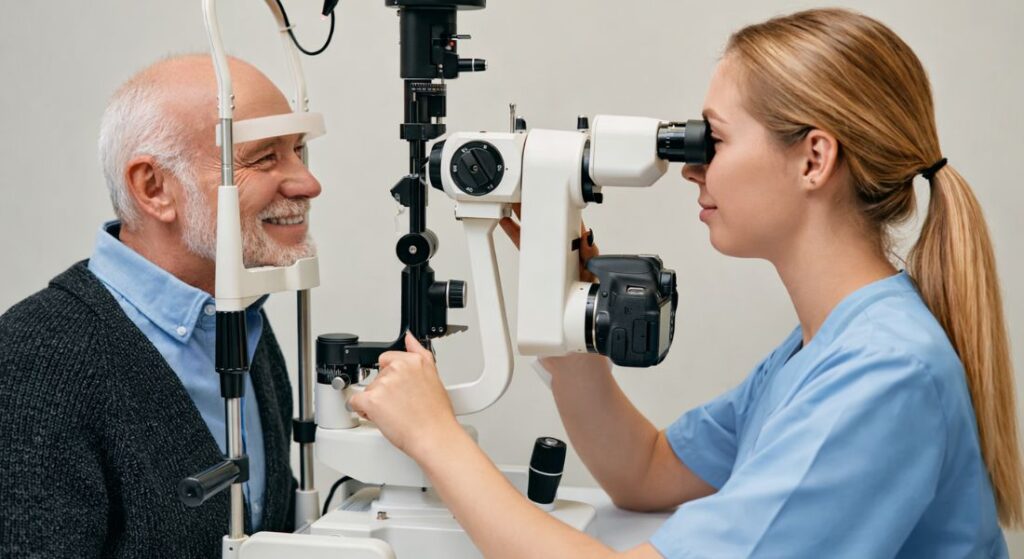
RLE is not a “set-and-forget” procedure. Regular follow-up appointments are essential to ensure that your intraocular lenses remain properly positioned and that your eyes stay healthy over time. These check-ups also allow your surgeon to monitor for any potential issues early, supporting both safety and long-term results.
Typically, post-operative reviews are scheduled at 1 day, 1 week, 1 month, and then annually. During these visits, your surgeon will check for signs of complications such as posterior capsule opacification (PCO), lens tilt, or changes in the retina. Early detection allows for prompt treatment, which helps maintain the quality of your vision.
Maintaining a consistent follow-up schedule is key to maximising the longevity of your RLE results. It also provides reassurance and ensures that any age-related or post-surgical changes are addressed promptly, keeping your eyes comfortable and your vision clear for many years.
Enhancing Longevity With Advanced IOL Technology
Modern intraocular lenses (IOLs) are carefully engineered for long-term durability. They are made from materials that resist clouding, yellowing, or degradation, ensuring clear vision can be maintained for decades.
Advanced lens designs, including multifocal, extended depth-of-focus, and toric IOLs for astigmatism, provide tailored solutions to suit individual visual needs. These options have a proven track record of stable, long-term outcomes, allowing patients to enjoy a wider range of vision without frequent reliance on glasses.
When selecting an IOL, it is important to discuss your lifestyle, work habits, and visual priorities with your surgeon. This personalised approach helps ensure that your chosen lens not only delivers excellent clarity but also maximises longevity and overall satisfaction with your RLE results.
Who Might Experience Reduced Longevity?
While most patients enjoy decades of clear vision after RLE, certain factors can influence how long the results last. Pre-existing retinal disease, for instance, may limit visual clarity even if the intraocular lens (IOL) remains perfectly stable. Similarly, previous eye trauma or earlier eye surgeries can affect the positioning of the lens over time, which could subtly impact vision quality.
Patients with very high prescriptions may also require closer monitoring, as minor shifts in focus or lens power can occasionally occur. Other conditions, such as chronic ocular surface problems or uncontrolled systemic health issues, may also influence long-term outcomes. Recognising these factors in advance allows both you and your surgeon to plan appropriately.
Before surgery, your ophthalmologist will carefully assess your eyes, medical history, and visual needs. This thorough evaluation ensures realistic expectations and enables a personalised surgical plan, optimising both comfort and the longevity of your RLE results for years to come.
Psychological Comfort and Expectations
Understanding that RLE results are long-lasting, yet not completely immune to the natural ageing of the eye, is an important part of preparing for surgery. Knowing that the implanted lens is permanent and stable can provide reassurance, even if minor changes in vision occur decades later.
Many patients feel more confident when they understand that small shifts in focus or near vision are a normal part of ageing, rather than a failure of the procedure. This perspective helps manage expectations and reduces unnecessary worry during recovery and beyond.
Clear communication with your surgeon and realistic expectations contribute significantly to overall satisfaction. When patients are well-informed, they tend to feel more comfortable, confident, and positive about their long-term visual outcomes after RLE.
RLE Surgery in London: Accessing Expertise

If you are considering RLE, selecting an experienced and skilled surgeon is essential for both short-term success and long-term visual stability. Expertise plays a key role in achieving optimal lens placement, minimising complications, and ensuring the best possible outcomes.
You can learn more about RLE Surgery in London and explore options that are tailored to your prescription, lifestyle, and visual goals here: RLE Surgery in London. A personalised consultation allows your surgeon to assess your eyes thoroughly and recommend the most suitable lens type.
This tailored approach ensures that your lens choice, overall eye health, and lifestyle considerations are all incorporated into a long-term vision plan. By working with an expert, you can feel confident in achieving clear, stable vision for years to come.
FAQs:
1. How long do RLE surgery results last?
RLE implants are designed to last a lifetime. The intraocular lens (IOL) itself does not degrade, ensuring that the primary visual correction remains permanent.
2. Can natural ageing affect vision after RLE?
Yes, while the lens remains stable, age-related changes in the retina, cornea, or vitreous gel can subtly affect vision over time, even after a successful RLE procedure.
3. What is posterior capsule opacification (PCO), and does it affect RLE results?
Posterior capsule opacification, sometimes called a “secondary cataract,” occurs when leftover lens cells cloud the capsule behind the IOL. It can be quickly and safely treated with a YAG laser procedure to restore clarity.
4. Will I still need reading glasses after RLE?
Depending on the type of lens implanted, you may still need reading glasses for near tasks. Standard monofocal lenses usually correct distance vision, while multifocal or extended depth-of-focus lenses can reduce the need for near correction.
5. How does RLE compare with LASIK in terms of long-term stability?
RLE replaces the natural lens with a permanent IOL, offering more predictable and long-lasting vision. LASIK reshapes the cornea, which can continue to change with age, potentially affecting long-term visual stability.
6. Are there lifestyle factors that affect RLE longevity?
Maintaining overall eye health, managing conditions such as diabetes or high blood pressure, protecting your eyes from UV exposure, and attending regular eye check-ups all contribute to preserving clear vision over the long term.
7. Can previous eye conditions affect RLE results?
Pre-existing retinal disease, chronic ocular surface issues, very high prescriptions, or prior eye trauma can influence visual outcomes and may require closer monitoring to maintain optimal long-term results.
8. What is the typical vision trajectory decade by decade after RLE?
In the first five years, most patients enjoy excellent vision with minimal need for glasses. Between five and ten years, distance vision usually remains stable, with only minor changes in near focus. From ten to twenty years, the lens continues to perform reliably, though some patients may develop PCO, which is easily treated. Beyond twenty years, the IOL remains effective, but natural ageing of the eye may subtly influence vision.
9. How important is follow-up care after RLE?
Regular follow-up appointments are essential to monitor lens position, overall eye health, and detect potential issues such as PCO or retinal changes early. Consistent monitoring helps maintain long-term visual clarity and comfort.
10. How do I choose the best IOL for long-term satisfaction?
Selecting the right IOL involves discussing your lifestyle, visual priorities, and work habits with your surgeon. Choosing a lens type that aligns with your needs whether monofocal, multifocal, toric, or extended depth-of-focus helps ensure both excellent clarity and long-term satisfaction.
Final Thought: Maximising Long-Term Vision with RLE Surgery
Refractive Lens Exchange (RLE) offers a durable, long-term solution for correcting refractive errors and reducing dependence on glasses or contact lenses. The intraocular lens (IOL) implanted during RLE is designed to remain stable and clear for decades, providing consistent visual correction. While natural ageing of the eye can subtly influence vision over time, most patients enjoy lasting clarity and minimal disruption to daily life.
Choosing RLE allows you to address your vision at its source the lens rather than reshaping the cornea, offering predictable, long-lasting results. Regular follow-up care, monitoring overall eye health, and managing lifestyle factors further support the longevity of your vision. By understanding what to expect and taking a proactive approach to eye care, you can maintain comfort, clarity, and confidence in your vision for many years. If you’re thinking about RLE Surgery in London, you can get in touch with us at London Cataract Centre to discuss your suitability and plan a personalised approach to long-term vision correction.
References:
- Horgan, N., Condon, P.I. and Beatty, S. (2005) Refractive lens exchange in high myopia: long‑term follow up, British Journal of Ophthalmology https://pubmed.ncbi.nlm.nih.gov/15923498/
- Wallerstein, A., Gauvin, M., Trottier, P., Lloyd, J., Ahmed, I.I.K. and Mimouni, M. (2023) Toric trifocal intraocular lens for refractive lens exchange: a multi‑center large cohort study, Journal of Refractive Surgery, https://pubmed.ncbi.nlm.nih.gov/37162394/
- Romero‑Jiménez, M. et al. (2024) Visual outcomes and patient satisfaction with extended monovision in refractive lens exchange candidates, Journal of Clinical Medicine https://www.mdpi.com/2077-0383/14/16/5684
- Alio, J.L., Grzybowski, A., El Aswad, A. and Romaniuk, D. (2014) Refractive lens exchange, Survey of Ophthalmology https://www.sciencedirect.com/science/article/abs/pii/S0039625714000873
- Katsanevaki, V.J. and Tuft, S.J. (2007) Refractive surgery: what patients need to know, British Medical Bulletin https://academic.oup.com/bmb/article-abstract/83/1/325/384535