



If you’re considering ICL surgery, one of the first questions you’re likely to ask is: “How long will this last?” It’s understandable investing in a procedure to improve your vision is a big decision, and you want to know the long-term benefits. Understanding the lifespan of ICL lenses helps you plan ahead and set realistic expectations.
Many patients hope for a permanent solution to nearsightedness or other refractive errors, but some worry about whether the lenses might need replacing over time. Concerns often include how ICLs interact with natural age-related changes in the eye, such as cataract development. Being aware of these factors helps you make a well-informed choice.
ICL surgery is designed to be long-lasting, with studies showing that the lenses can remain effective for decades in most patients. The lenses are made from durable materials that maintain clarity and function over many years. Regular eye check-ups ensure that any changes in eye health, such as early cataracts or pressure issues, are monitored and managed.
Ultimately, the longevity of ICL surgery depends on your individual eyes and overall ocular health. By discussing your lifestyle, vision needs, and long-term expectations with your surgeon, you can choose a solution that provides lasting clarity. With proper care, many patients enjoy clear, stable vision for decades without needing lens replacement.
What Is ICL Surgery?
ICL stands for Implantable Collamer Lens, a procedure designed to correct vision by placing a thin lens inside your eye, positioned between the iris and your natural lens. Unlike LASIK, which reshapes the cornea, ICL works with your natural lens to correct refractive errors such as short-sightedness, long-sightedness, and astigmatism. This approach makes it suitable for a wider range of prescriptions, including higher powers that may not be ideal for laser surgery.
The procedure is considered minimally invasive because it does not remove or alter your natural lens. It is also reversible, so the lens can be removed or replaced if needed, giving patients additional safety and flexibility. The surgery is quick, typically performed under local anaesthetic, and recovery is generally smooth with proper post-operative care.
For many patients, ICL provides sharp, high-quality vision without the daily need for glasses or contact lenses. It can significantly improve quality of life, making reading, driving, and hobbies easier and more enjoyable. With long-lasting results and minimal disruption, ICL is an effective solution for those seeking reliable vision correction.
Is ICL Permanent?
A common misconception is that ICL is permanent in the sense that it will never require attention again. In reality, the lens itself can remain in the eye indefinitely, and many patients enjoy excellent vision for decades without needing adjustments. It offers a long-lasting solution for refractive errors, making it a reliable alternative to glasses or contact lenses.
However, “permanent” does not mean your eyes will never change. Natural aging processes, such as the development of cataracts, can eventually affect vision. In these cases, the ICL can be removed or replaced as needed, ensuring your eyesight continues to be managed effectively.
ICL provides a durable and flexible solution for clear vision, but regular eye check-ups remain important. Monitoring your eye health over time helps detect changes early and allows timely interventions, maintaining optimal vision for the long term.
Longevity According to Studies
Long-term research into intraocular lens surgeries provides reassuring evidence about their durability and effectiveness. Patients often want to know not just the short-term benefits but also how well their vision will hold up over years or even decades. Studies examining outcomes over 10, 20, and more years give a clear picture of lens performance and complication rates. Understanding these findings can help patients make informed decisions about eye surgery with confidence in its lasting results.
- 10-Year Studies: Research tracking patients over a decade shows that most maintain stable, excellent vision without significant complications. These outcomes demonstrate the reliability of modern lens implants. Patients can expect consistent performance that supports daily activities and independence.
- 20-Year Follow-Ups: Studies extending to 20 years indicate that the vast majority of implanted lenses continue to function effectively. Only a small percentage of lenses require removal or adjustment, highlighting the long-term success of these procedures. This reinforces confidence in the longevity of lens surgery for older adults.
- Low Complication Rates: Across studies, complication rates remain low, particularly with advances in lens design and surgical techniques. Modern procedures minimise risks such as infection, lens dislocation, or vision fluctuations. This ensures that patients can enjoy durable visual improvement with minimal long-term concerns.
These long-term studies suggest that intraocular lens surgery is both highly durable and reliable. Patients can expect lasting benefits with minimal intervention, making it a dependable solution for vision correction. By combining modern surgical expertise with proven lens technology, outcomes continue to improve, offering confidence for years to come.
Do ICL Lenses Ever Need Replacing?

In most cases, ICL lenses do not need to be replaced. Once properly implanted, the lens is designed to remain in the eye for the long term, providing clear, stable vision. Many patients enjoy excellent eyesight for decades without any need for further procedures, making ICL a reliable and durable solution for refractive errors.
Replacement is uncommon and usually only considered in specific situations. These can include lens sizing issues at the time of implantation, rare complications such as cataract formation or lens clouding, or significant changes to the eye caused by trauma or other ocular health conditions. In such cases, the lens can be safely removed or replaced to restore optimal vision.
For the vast majority of patients, the lens placed during surgery continues to perform effectively for life. Regular eye check-ups are still important to monitor overall eye health and detect any age-related changes early, but the ICL itself generally remains a permanent and highly effective solution.
How ICL Interacts With Future Cataracts
One important consideration with ICL surgery is the possibility of age-related cataracts later in life. Since the ICL sits in front of your natural lens, cataract development can still occur, just as it would in eyes without an ICL. Understanding how the two procedures interact helps you plan for long-term eye health.
Cataract surgery can be performed safely even with an ICL in place. If needed, the ICL can be removed during cataract surgery to allow replacement of the natural lens with a new intraocular lens (IOL). Surgeons can select an IOL that corrects both distance and near vision, helping preserve many of the vision benefits provided by your ICL.
In short, having an ICL does not prevent you from undergoing cataract surgery in the future. With proper planning, you can continue to enjoy clear vision, and the presence of an ICL adds flexibility in managing age-related changes to your eyes.
Factors Affecting ICL Longevity
The long-term success of Implantable Collamer Lenses (ICL) depends on several important factors. While the lenses are designed to last for many years, individual outcomes can vary based on eye health, surgical precision, and ongoing care. Understanding these influences helps patients take proactive steps to maximise lens performance and maintain clear vision. By paying attention to these factors, patients can enjoy the full benefits of their ICL for decades.
- Lens Sizing: Properly sized lenses reduce the risk of rotation, vaulting, or pressure on surrounding eye tissues. Correct sizing ensures that the lens remains stable and comfortable over time. Modern pre-operative measurements make sizing highly accurate, supporting long-term success.
- Eye Health: Maintaining overall eye health is crucial for ICL longevity. Conditions such as cataracts or other ocular diseases can affect lens performance and may require intervention. Regular eye care and prompt treatment of eye issues help protect the implanted lens.
- Surgical Technique: The skill and experience of the surgeon play a major role in lens performance. Modern surgical techniques ensure precise placement and minimise complications. A well-placed lens is more likely to function optimally for many years.
- Follow-Up Care: Routine post-operative check-ups allow early detection of any potential changes or complications. Timely monitoring ensures that interventions can be made before small issues become significant. Consistent follow-up is key to sustaining long-term vision benefits.
By paying attention to these factors lens sizing, eye health, surgical technique, and follow-up carepatients can significantly enhance the longevity of their ICL. When combined, these considerations ensure that most patients enjoy stable, high-quality vision for decades after surgery.
Understanding ICL “Vault”
The term “vault” refers to the space between the ICL and your natural lens. Maintaining the correct vault is crucial for both the safety and long-term success of the procedure. If the space is too small, it can increase the risk of cataract formation, while too much space may lead to elevated eye pressure or iris-related complications, potentially affecting vision and eye health.
Surgeons carefully measure and plan for the ideal vault during the pre-operative assessment. Advanced imaging and lens sizing techniques allow precise placement of the ICL, ensuring it sits at the correct distance from the natural lens. This careful planning is key to optimising both vision outcomes and safety.
In most patients, the vault remains stable over time, supporting excellent long-term vision while minimising the risk of complications. Regular post-operative check-ups allow your surgeon to monitor the vault and other eye parameters, ensuring that any potential changes are identified early and addressed promptly, maintaining the effectiveness and safety of your ICL.
ICL and Eye Pressure
Many patients naturally worry that an ICL could raise intraocular pressure (IOP) after implantation. Elevated IOP can lead to eye problems over time, so it’s important to understand the risks. Fortunately, long-term studies show that when ICLs are properly sized and correctly positioned, significant changes in eye pressure are uncommon, making the procedure safe for most patients.
Regular eye examinations play a key role in maintaining eye health after surgery. Your ophthalmologist will monitor IOP closely during follow-up visits to ensure it stays within a safe range and to catch any potential issues early. This proactive approach helps prevent complications and ensures the lens continues to function optimally.
Maintaining overall ocular health is essential not just for the longevity of the ICL, but also for preserving clear vision and eye function over time. With careful monitoring, proper lens sizing, and adherence to post-operative care instructions, most patients enjoy stable eye pressure and safe, long-lasting vision correction for years.
Reversibility of ICL
One of the key advantages of ICL surgery is its reversibility, which sets it apart from many permanent vision correction procedures. If your eyes change over time or you develop cataracts, the ICL can be safely removed by an experienced surgeon. This flexibility allows your vision to be managed effectively throughout different stages of life.
The removal procedure is straightforward and typically well-tolerated. Once the lens is removed, vision can be corrected using a new ICL, a standard cataract lens, or alternative treatments depending on your needs and eye health.
This reversibility is particularly valuable for younger patients or anyone concerned about long-term changes in their eyes. It provides peace of mind knowing that your vision correction is not permanent in a way that limits future options, allowing you to adapt to your eyes’ natural changes over time.
Age and ICL Longevity
ICL can be safely implanted across a wide range of ages, offering long-term vision correction for many patients. Younger individuals often benefit from decades of clear vision, making it an attractive option for those seeking a durable, high-quality solution.
Older patients may experience natural changes in the lens sooner, such as cataract development, which could necessitate cataract surgery. However, age alone does not reduce the effectiveness or durability of the ICL itself, and the lens continues to provide excellent vision correction while in place.
For most patients, the ICL remains effective for 15–20 years or more. Regular eye examinations help monitor overall ocular health and ensure any age-related changes are addressed promptly, allowing the lens to continue delivering safe, reliable vision for many years.
Comparing ICL to LASIK Longevity
It’s natural to compare ICL with LASIK when considering long-term vision correction. LASIK works by reshaping the cornea, but small changes in vision can occur over time due to natural aging or ongoing eye growth. This can sometimes lead to the need for enhancement procedures or glasses later in life.
ICL, on the other hand, preserves the cornea and provides stable, high-quality vision for extended periods. Because the natural lens and cornea remain largely untouched, the results are often more predictable and long-lasting compared with corneal reshaping procedures.
Patients with higher prescriptions or thinner corneas typically achieve better outcomes with ICL, particularly when considering long-term vision. In many cases, ICL offers superior stability and durability, making it a preferred choice for those seeking reliable, long-term correction.
Recovery and Long-Term Maintenance
ICL recovery is generally quick, allowing most patients to notice improved vision within 24–48 hours. While initial clarity is often immediate, vision continues to stabilise over one to two weeks as the eyes fully adjust to the new lens. This rapid recovery makes ICL an attractive option for those seeking minimal downtime.
Long-term maintenance is straightforward and typically involves regular eye check-ups to monitor overall eye health and intraocular pressure. Unlike LASIK, ICL does not require repeated adjustments or enhancements, which adds to its convenience and reliability over time.
By keeping up with routine eye exams and protecting your eyes, you can enjoy the long-lasting benefits of ICL with minimal ongoing intervention. Most patients experience durable, high-quality vision for many years with simple, preventative care.
Patient Experiences Over 10–20 Years
Long-term studies and patient reports consistently highlight the durability and effectiveness of ICL surgery. Satisfaction rates remain impressively high, with over 90% of patients reporting excellent vision and continued contentment even 15–20 years after implantation. This demonstrates that the procedure delivers lasting results for the vast majority of individuals.
Most patients enjoy stable, high-quality vision with minimal need for additional interventions. Regular eye check-ups help monitor overall ocular health, detect early changes, and ensure that the ICL continues to perform optimally. Even with aging or minor eye changes, the lens often maintains its effectiveness, reducing the need for corrective glasses or contact lenses.
Only a small percentage of patients require lens replacement or adjustment, usually due to rare complications or the development of cataracts. These long-term outcomes underline the reliability, predictability, and safety of ICL, making it a trusted choice for those seeking lasting vision correction and freedom from dependence on traditional corrective lenses.
Potential Complications Over Time
While long-term complications from ICL surgery are rare, it’s important to be aware of potential issues. One possibility is cataract formation, particularly anterior subcapsular cataracts, which can develop over time and may require surgical management.
Minor lens rotation is another consideration, which can affect the correction of astigmatism in some patients. Changes in the vault the space between the ICL and your natural lens or fluctuations in intraocular pressure can also occur, though these are uncommon with properly sized and positioned lenses.
Regular post-operative monitoring is key to detecting any changes early. If a complication arises, intervention is generally straightforward, such as adjusting, repositioning, or replacing the lens, ensuring that vision and eye health remain well managed over the long term.
Lifestyle Considerations
ICL surgery can have a meaningful impact on a patient’s daily life and overall convenience. Beyond improved vision, many people notice greater freedom in their activities and less dependence on corrective eyewear. Considering lifestyle factors can help patients understand the full benefits of the procedure. For those seeking a long-lasting, low-maintenance solution, ICL offers both performance and practicality.
- Freedom from Glasses or Contact Lenses: Patients often enjoy freedom from glasses or contacts during sports, hobbies, and travel. This eliminates the hassle of managing corrective eyewear and allows for more active, spontaneous lifestyles. Many find daily routines simpler and more enjoyable.
- Clear, Stable Vision for Daily Tasks: ICL provides consistent, sharp vision for reading, work, and other everyday activities. Patients report improved confidence in performing tasks without needing to switch or adjust glasses. This clarity enhances independence and quality of life.
- Minimal Maintenance and Long-Term Reliability: Once implanted, ICLs require very little ongoing maintenance. With routine check-ups, patients can rely on long-term visual stability. This combination of durability and convenience makes ICL a highly practical solution for many adults.
For those considering ICL, the lifestyle improvements are often as significant as the vision correction itself. The procedure offers freedom, clarity, and reliability, allowing patients to fully enjoy activities and daily routines without the constant need for glasses or contacts. ICL represents a balance of performance and convenience that supports long-term visual satisfaction.
Choosing the Right Surgeon in London
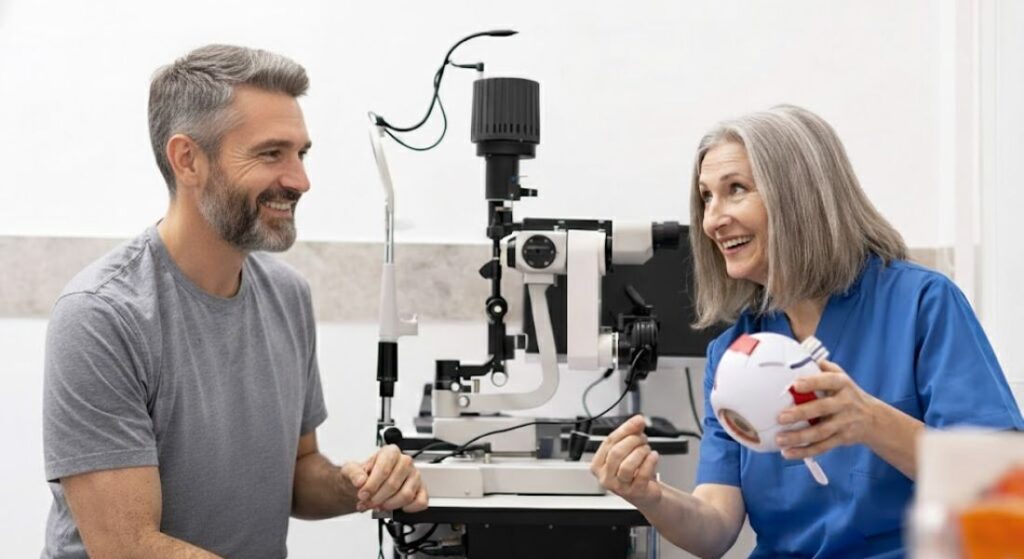
Selecting an experienced surgeon is essential for achieving the best long-term results with ICL surgery. Centres such as ICL Surgery in London offer advanced lens technology, extensive expertise, and a strong track record of successful, durable outcomes. Choosing a surgeon with experience in both routine and complex cases can make a real difference in safety and visual quality.
Personalised care is a key part of the process. Skilled surgeons tailor treatment plans to each patient, ensuring the lens is correctly sized and positioned, and that the vault is optimal. They also consider your eye anatomy, prescription, and lifestyle to maximise effectiveness and comfort.
A thorough consultation helps you understand both short-term recovery and long-term expectations. Discussing your vision goals and potential age-related changes ensures the procedure is planned to deliver lasting clarity, minimise risks, and provide peace of mind for years to come.
Summary of Longevity
ICL lenses are highly durable and can often provide clear vision for 15–20 years or more. For most patients, the lens placed during surgery continues to function effectively without the need for replacement, making it a long-term solution for refractive errors.
Even if cataracts develop later in life, having an ICL does not prevent safe cataract surgery. The lens can be removed or replaced during the procedure, allowing continued vision correction without compromising long-term outcomes.
Regular eye examinations remain important to monitor intraocular pressure, lens positioning, and overall ocular health. With proper care and follow-up, ICL provides a stable, reliable, and long-lasting way to maintain high-quality vision over decades.
Who Should Consider ICL Surgery

ICL is particularly suitable for patients with moderate to high prescriptions that may not be ideal for LASIK. It offers a reversible option, allowing the lens to be removed or replaced if needed, which provides added flexibility and peace of mind.
This procedure is also ideal for those who want long-term vision correction without relying on glasses or contact lenses. By working alongside the natural lens, ICL provides stable, high-quality vision for many years.
Patients must be willing to commit to regular eye check-ups to monitor lens positioning, intraocular pressure, and overall ocular health. With proper follow-up, ICL is a flexible and effective solution for both younger adults and those in middle age seeking decades of clear, reliable vision.
FAQs:
1. How long does ICL surgery last?
ICL surgery is designed to provide long-lasting vision correction. Most patients experience clear, stable vision for 15–20 years or more. The implanted lens is made from durable materials that maintain clarity and function over decades, and in many cases, it does not need to be replaced.
2. Is ICL surgery permanent?
While the lens can remain in the eye indefinitely, “permanent” does not mean your eyes will never change. Age-related changes, such as cataract development, may affect vision. If necessary, the ICL can be removed or replaced, making the procedure both durable and flexible.
3. How does ICL differ from LASIK?
ICL works with your natural lens to correct refractive errors without reshaping the cornea, unlike LASIK. This makes ICL suitable for higher prescriptions or thinner corneas. It also tends to provide more predictable, long-term results because the cornea remains untouched.
4. Do ICL lenses ever need replacing?
In most cases, ICL lenses do not require replacement. Replacement is uncommon and usually only considered in specific situations such as cataract formation, trauma, or rare lens positioning issues. For the vast majority of patients, the original lens continues to perform effectively for decades.
5. How does ICL interact with future cataracts?
ICL lenses do not prevent cataracts from developing. If cataracts occur, cataract surgery can be safely performed with the ICL in place. The lens can be removed during the procedure, allowing implantation of a new intraocular lens while preserving vision correction.
6. What factors affect ICL longevity?
Longevity depends on proper lens sizing, eye health, surgical technique, and follow-up care. Accurate lens placement ensures stability, healthy eyes reduce the risk of complications, skilled surgical technique minimises risks, and routine check-ups detect changes early, all contributing to durable vision.
7. What is the “vault” and why is it important?
The vault is the space between the ICL and your natural lens. Maintaining the correct vault is crucial: too little space can increase cataract risk, while too much can affect eye pressure. Surgeons carefully plan lens positioning to maintain an optimal vault for safety and long-term performance.
8. Can ICL affect eye pressure?
When properly sized and positioned, ICLs rarely cause significant changes in intraocular pressure. Regular post-operative monitoring ensures that pressure remains within a safe range, protecting long-term eye health while preserving the lens’s effectiveness.
9. Is ICL reversible?
Yes, ICL surgery is reversible. If your eyes change or cataracts develop, the lens can be safely removed or replaced. This flexibility allows your vision to be managed effectively over time and provides peace of mind, particularly for younger patients seeking long-term correction.
10. How quickly does vision recover after ICL surgery?
Most patients notice improved vision within 24–48 hours. Vision continues to stabilise over one to two weeks, and full adaptation to the lens occurs gradually. The recovery is generally smooth, with minimal downtime compared to other vision correction procedures.
Final Thoughts: Long-Term Vision with ICL Surgery
ICL surgery offers a durable and flexible solution for long-term vision correction, with most patients enjoying clear, stable eyesight for 15–20 years or more. The lenses are made from robust materials and are designed to remain effective for decades, providing freedom from glasses or contact lenses and enhancing daily life. While age-related changes such as cataracts may eventually occur, the reversibility of ICL allows your surgeon to remove or replace the lens if needed, ensuring continued vision correction.
Regular eye check-ups, proper lens sizing, and expert surgical placement are key to maximising the longevity and safety of your ICL. With careful monitoring, most patients experience minimal complications and sustained high-quality vision over time. If you’re looking for ICL Surgery in London, you can get in touch with us at London Cataract Centre to explore your options and secure long-term clarity for your eyes.
References:
- Del Risco, N.E. et al. (2024) ‘Visual Outcomes of Cataract Surgery in Patients with Previous History of Implantable Collamer Lens’, Journal of Clinical Medicine https://www.mdpi.com/2077-0383/13/15/4292
- Chung, B. et al. (2025) Ten‑year clinical outcomes of V4c implantable collamer lens implantation, Journal of Cataract & Refractive Surgery. https://pubmed.ncbi.nlm.nih.gov/39142448/
- Ten‑year clinical outcomes after implantation of a posterior chamber phakic intraocular lens for myopia (2022), Journal of Cataract & Refractive Surgery. https://www.sciencedirect.com/science/article/abs/pii/S0886335019304894
- Alonso‑Juárez, E. et al. (2022) Low Diopter Phakic Implantable Collamer Lens, PMC free article summarises ICL safety, long‑term visual outcomes, and biomechanical advantages https://pmc.ncbi.nlm.nih.gov/articles/PMC9447455/
- Naujokaitis, T. et al. (2023) ‘Diagnostic Techniques to Increase the Safety of Phakic Intraocular Lenses’, Diagnostics, https://www.mdpi.com/2075-4418/13/15/2503