


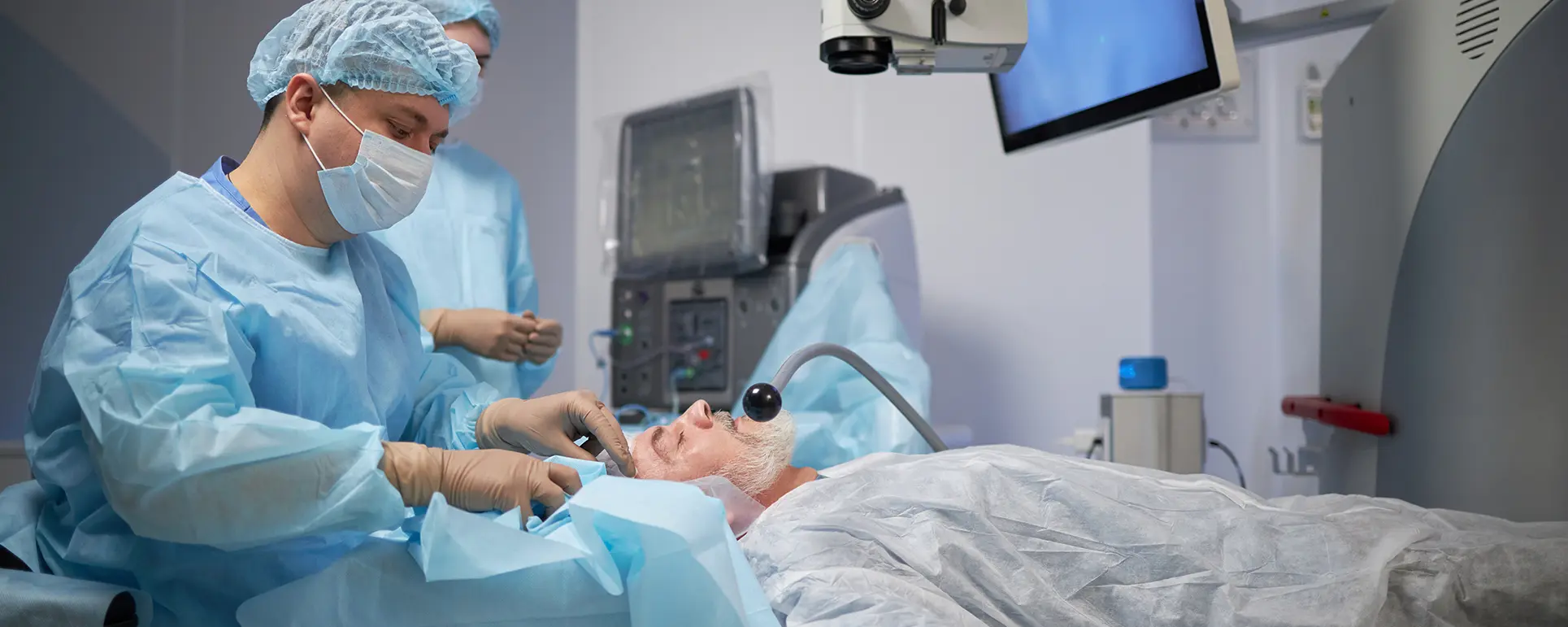
Living at high altitude comes with breathtaking views, fresh air, and a unique lifestyle. But did you know that your eyes experience significant stress when you live or spend extended periods in mountainous regions? One of the most critical concerns is cataract development and how altitude can influence cataract surgery outcomes. In this article, I’ll walk you through exactly what high-altitude living does to your eyes, why cataracts can develop faster, what surgeons need to consider when operating at elevation, and how you can take care of your eyes before and after surgery.
Understanding Cataracts
Before we dive into altitude-specific effects, let’s clarify what cataracts are. A cataract is a clouding of the eye’s lens that leads to blurred vision, glare, and sometimes even double vision. While cataracts most commonly develop with age, other factors like UV exposure, diabetes, smoking, and certain medications can accelerate their formation.
At high altitudes, the intensity of UV radiation increases, even on cloudy days. For every 1,000 metres above sea level, UV levels increase by approximately 10–12%. This increase can significantly impact the delicate proteins in the lens of your eye, leading to earlier and more aggressive cataract formation.
How High Altitude Affects the Eye
1. Increased UV Radiation: When you’re hiking in the Alps or living in the Andes, the sunlight hitting your eyes is stronger than at sea level. UV-A and UV-B rays can penetrate the cornea and reach the lens, where they trigger oxidative stress. Over time, this stress can denature lens proteins, causing the clouding we recognise as a cataract.
Even with sunglasses, many people underestimate the cumulative exposure. Reflective surfaces like snow, ice, and water can double UV exposure, further increasing the risk. Wearing wraparound sunglasses with 100% UV protection is not just recommended; it’s essential.
2. Low Oxygen Levels (Hypoxia): High-altitude environments have lower oxygen levels, which can subtly affect your eyes. Chronic hypoxia can lead to microvascular changes in the retina and may influence intraocular pressure. Although these effects are more pronounced in conditions like glaucoma, they can also interact with cataract formation and recovery.
3. Dry Air and Wind Exposure: High-altitude regions often have low humidity, which can cause dry eyes. Dry eyes might not directly cause cataracts, but they can increase irritation, redness, and discomfort, which may influence your decision to undergo surgery sooner. Additionally, dry eyes can complicate post-operative recovery if not properly managed.
Cataract Development at High Altitude
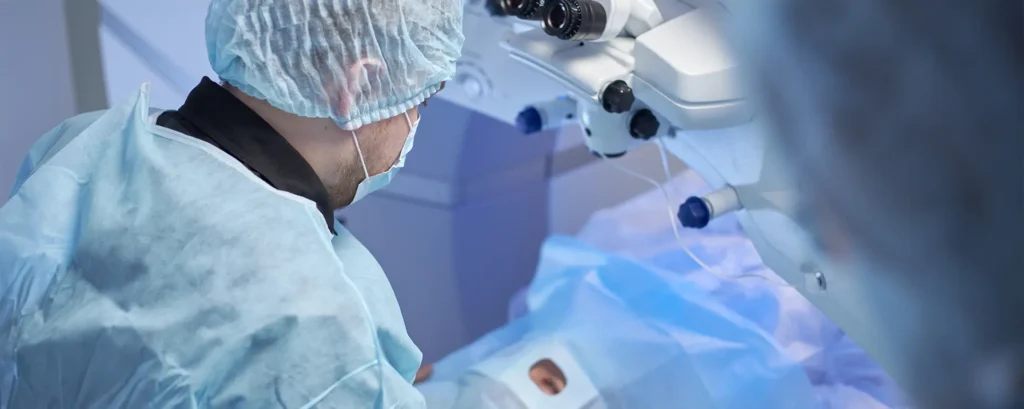
Research suggests that people living at high altitudes are more likely to develop nuclear and cortical cataracts earlier than those at sea level. The increased risk is largely due to higher exposure to ultraviolet (UV) radiation, which accelerates oxidative stress and protein breakdown within the lens.
Cumulative sunlight exposure, particularly for those in outdoor professions such as mountaineering, skiing, or farming, further increases the likelihood of cataract formation. Over time, this repeated UV exposure can contribute significantly to lens clouding.
Diet and lifestyle also play a role. Adequate intake of antioxidants helps counteract oxidative damage, so maintaining a balanced diet rich in fruits, vegetables, and other nutrient-dense foods can support eye health.
For those living at high altitude, regular eye examinations are especially important. Early detection of cataracts allows for timely planning and management, ensuring that any surgical intervention can be safely and effectively carried out, even in environments with altitude-related challenges.
How High Altitude Influences Cataract Surgery
Cataract surgery is one of the most common and successful procedures worldwide, but high altitude introduces some unique considerations. Let’s break them down.
1. Intraocular Pressure (IOP) Changes
During cataract surgery, maintaining stable intraocular pressure is essential. High altitude can influence IOP in two ways:
- Pre-operatively: Some patients may have slightly elevated IOP due to hypoxia.
- Post-operatively: Rapid changes in altitude after surgery may cause fluctuations in eye pressure, potentially affecting recovery.
Surgeons often take extra care when planning surgery for patients who live in or frequently travel to high-altitude regions. Sometimes, pre-operative medications are adjusted, or surgery is scheduled for periods when altitude exposure is minimal.
2. Anaesthesia Considerations
Many cataract procedures are performed under local anaesthesia with sedation. However, patients living at high altitude may have altered oxygen saturation levels. Anaesthetists need to consider this, particularly for patients with underlying cardiopulmonary issues.
3. Healing and Recovery
Recovery from cataract surgery requires stable oxygenation and minimal exposure to irritants. High-altitude conditions like wind, low humidity, and strong UV light can:
- Increase dryness and irritation of the eye surface.
- Affect corneal healing and comfort.
Require additional post-operative protection, such as UV-blocking eyewear and lubricating drops.
Pre-Surgery Tips for High-Altitude Residents
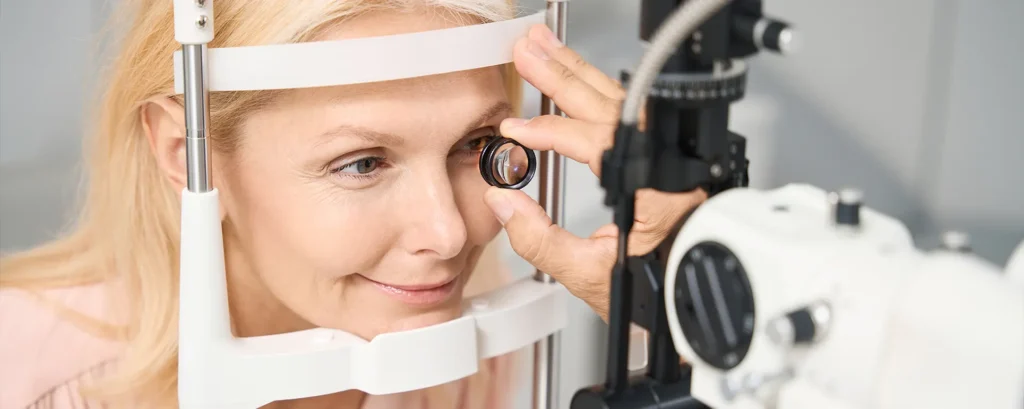
If you live at high altitude and are planning cataract surgery, taking a few proactive steps can help ensure a smoother procedure and recovery. High-altitude environments pose unique challenges for eye health, from increased UV exposure to changes in oxygen levels, so careful preparation is key. The following tips can help you protect your eyes, optimise healing, and get the best possible visual outcome.
If you’re considering cataract surgery and live at high altitude, there are practical steps you can take to optimise your outcome:
- Schedule Surgery Wisely: If possible, plan your surgery during seasons with moderate weather, less UV intensity, and avoid times when you’ll immediately travel to higher elevations.
- Protect Your Eyes: Use UV-blocking sunglasses consistently, even on cloudy days. Wraparound lenses provide the best protection against reflective surfaces like snow.
- Maintain Eye Hydration: Regular use of preservative-free artificial tears can reduce dryness and discomfort pre- and post-surgery.
- Monitor General Health: Conditions like hypertension, diabetes, or respiratory disorders can interact with altitude-related eye changes. Maintaining good systemic health is crucial.
- Discuss Altitude Travel with Your Surgeon: Inform your ophthalmologist about your typical altitude exposure so they can tailor surgery planning and recovery recommendations.
During Surgery: What Surgeons Consider
Ophthalmic surgeons take several altitude-related factors into account when performing cataract or lens replacement surgery in high-altitude regions. One key consideration is intraocular pressure management. Eye pressure is carefully monitored and controlled using medications and specific surgical techniques to ensure safety and optimal outcomes.
The surgical environment itself is another important factor. Operating theatres at high altitudes may adjust oxygen levels, humidity, and air pressure to create the best possible conditions for both the patient and the surgical team.
Equipment calibration is also critical. Some phacoemulsification devices and intraocular lens (IOL) injectors can behave differently under varying atmospheric pressures, so precise calibration is essential to maintain accuracy and effectiveness during the procedure.
By addressing these altitude-specific considerations, surgeons can ensure cataract surgery is performed safely and successfully, even in environments where high altitude may otherwise pose challenges.
Post-Operative Care at High Altitude
After surgery, the priority is protecting your eyes while they heal. Here’s what high-altitude residents should know:
1. UV Protection: Even after your cataract has been removed and replaced with an artificial lens, UV rays can still impact your retina. High-altitude sunlight is stronger, so wearing sunglasses with UV400 protection is crucial.
2. Avoid Rapid Altitude Changes: Immediately ascending to very high altitudes after surgery can affect eye pressure and comfort. Gradual acclimatisation is safer for the healing eye.
3. Lubrication and Hydration: Low humidity can exacerbate dry eye symptoms, which are common after surgery. Use artificial tears frequently and consider a humidifier in your living space if air is very dry.
4. Follow-Up Appointments: High-altitude patients may require closer follow-up, especially if they experience unusual discomfort, vision fluctuations, or signs of increased eye pressure.
Special Considerations for Outdoor Enthusiasts
If you enjoy outdoor activities at high altitudes—such as skiing, mountaineering, or trekking—extra precautions are important after cataract or lens replacement surgery. Protecting your eyes from UV exposure and environmental factors can help maintain your surgical outcomes and prevent complications.
Wearing wraparound goggles with full UV protection shields your eyes from both intense sunlight and wind, which can irritate the surface of the eye and slow healing. This simple step is particularly important at high elevations where UV exposure is stronger.
It’s also wise to time your activities carefully. Avoid strenuous outdoor exertion immediately after surgery, as this can cause temporary pressure spikes in the eye and potentially affect recovery.
Finally, monitor your symptoms closely. Any sudden blurring, flashes of light, pain, or unusual changes in vision should prompt an immediate consultation with your ophthalmologist to ensure your eyes are healing safely and effectively.
Nutrition and Lifestyle Tips for Cataract Prevention
While you can’t control factors like altitude, you can take proactive steps to support your eye health and reduce the risk of cataracts. Simple lifestyle choices and proper nutrition can make a meaningful difference in maintaining clear, healthy vision.
While you can’t change altitude, you can support your eye health with lifestyle choices:
- Antioxidant-Rich Diet: Vitamins C and E, lutein, zeaxanthin, and omega-3 fatty acids help reduce oxidative stress in the lens.
- Hydration: Staying well-hydrated combats dryness from low-humidity environments.
- Smoking Cessation: Smoking accelerates cataract formation and should be avoided.
- Regular Eye Exams: High-altitude residents should schedule eye checks at least once a year, even without vision complaints.
Cataract Surgery Innovations for High-Altitude Patients
Cataract surgery has come a long way, with innovations designed to suit the needs of patients in all environments, including high-altitude regions. These advancements improve precision, safety, and long-term vision outcomes, even in conditions where oxygen levels and pressure can pose unique challenges.
Modern cataract surgery has adapted to diverse environments, including high altitudes:
- Femtosecond Laser-Assisted Surgery: Offers precise lens fragmentation with minimal stress on the eye, helpful for patients with variable pressure conditions.
- Advanced Intraocular Lenses (IOLs): Some lenses include UV filters, helping protect the retina post-surgery.
- Optimised Anaesthesia Protocols: Tailored for patients with mild hypoxia or respiratory sensitivities.
Frequently Asked Questions:
1. Does living at high altitude increase my risk of developing cataracts?
Yes, living at high altitudes can increase the risk of cataract development. The higher UV radiation levels in mountainous regions accelerate oxidative stress in the eye’s lens, causing proteins to break down faster. Even brief exposures, compounded over time, can contribute to earlier onset of cataracts, particularly in people who spend a lot of time outdoors or in reflective environments like snow or water. Lifestyle factors, diet, and genetics also play a role in determining how quickly cataracts may form.
2. How does UV radiation affect the lens of my eye?
UV radiation penetrates the cornea and reaches the lens, where it induces oxidative stress that damages proteins in the lens fibers. This gradual denaturation of proteins leads to cloudiness, glare, and other visual impairments associated with cataracts. High-altitude environments amplify this effect because UV intensity increases by roughly 10–12% for every 1,000 meters above sea level, making protective eyewear essential.
3. Will cataract surgery be different if I live at a high altitude?
Cataract surgery itself remains the same in principle, but certain considerations are important for high-altitude residents. Surgeons need to monitor intraocular pressure carefully, as it can fluctuate due to lower oxygen levels. Anaesthesia may require adjustments if the patient has altered oxygen saturation, and post-operative recovery plans must account for environmental stressors such as strong UV exposure, low humidity, and wind, which can affect healing.
4. Can rapid altitude changes after surgery affect my recovery?
Yes, sudden changes in altitude after cataract surgery can impact eye pressure and comfort, potentially delaying healing. Rapid ascents may cause fluctuations in intraocular pressure, while low humidity and strong sunlight at higher elevations can exacerbate dryness and irritation. Gradual acclimatisation is generally recommended, and post-operative guidance often includes avoiding immediate high-altitude travel until the eyes have stabilised.
5. Are there specific precautions I should take before surgery if I live at high altitude?
Before surgery, it’s advisable to protect your eyes from UV exposure by wearing high-quality wraparound sunglasses, maintain eye hydration with preservative-free artificial tears, and schedule the procedure during seasons with moderate UV intensity when possible. Informing your surgeon about your typical altitude exposure allows them to tailor pre-operative planning, monitor intraocular pressure, and consider any necessary adjustments in anaesthesia. Maintaining overall health, including managing conditions such as hypertension or diabetes, also supports a smoother recovery.
6. How can I protect my eyes after cataract surgery at high altitude?
Post-surgery, it’s essential to continue wearing UV-protective eyewear, especially since high-altitude sunlight remains intense. Using artificial tears frequently can help alleviate dryness caused by low humidity, while avoiding rapid elevation changes protects against eye pressure fluctuations. Regular follow-up visits allow your ophthalmologist to monitor healing and address any discomfort or vision changes early. Environmental factors like wind, cold, and snow should be taken into account when planning outdoor activities.
7. Does living at high altitude affect which type of intraocular lens I should choose?
High-altitude residents may benefit from intraocular lenses (IOLs) that include UV filters to help protect the retina post-surgery. While the lens type depends on individual visual needs and lifestyle, surgeons often consider environmental factors, such as increased UV exposure, when recommending the most suitable IOL. Advanced lenses designed for UV protection can add an extra layer of safety for people regularly exposed to strong sunlight.
8. Are there long-term risks of cataract surgery at high altitude?
When surgery is performed by an experienced ophthalmologist and proper precautions are taken, long-term risks are generally similar to those at sea level. However, high-altitude residents need to remain vigilant about UV protection, dry eye management, and gradual altitude exposure, especially in the months following surgery. Without these precautions, increased UV exposure and environmental stress could potentially affect the longevity of visual improvements.
9. Can lifestyle and diet influence cataract risk at high altitude?
Yes, diet and lifestyle play a significant role. A diet rich in antioxidants, including vitamins C and E, lutein, zeaxanthin, and omega-3 fatty acids, helps counteract oxidative stress in the lens. Staying well-hydrated combats dryness associated with high-altitude air, and avoiding smoking reduces the risk of early cataract formation. Regular eye exams remain essential to detect any early changes before they require surgical intervention.
10. Is it safe to participate in outdoor sports after cataract surgery at high altitude?
Participation in outdoor sports like skiing, mountaineering, or trekking is possible, but it should be approached cautiously in the post-operative period. Protective eyewear is essential to guard against UV radiation and wind. Patients are advised to avoid strenuous activities immediately after surgery to prevent pressure spikes in the eye and to monitor for any sudden vision changes or discomfort, seeking prompt medical attention if issues arise.
Final Thoughts: Eye Health and Cataract Care at High Altitude
High-altitude living adds a layer of complexity to eye health, particularly when it comes to cataract development and surgery. UV exposure, low oxygen levels, and dry conditions all contribute to lens stress and potential complications. If you live or frequently travel at elevation, it’s crucial to prioritise UV protection, maintain regular eye check-ups, and follow your surgeon’s recommendations carefully.
If you’re considering cataract surgery and want specialist advice, the London Cataract Centre offers tailored guidance for patients exposed to unique environmental challenges, ensuring your eyes receive the best possible care.
If you’re looking to enhance your vision or need personalised guidance, our specialist team at the London Cataract Centre is here to help. From pre-operative assessments to post-operative follow-ups, we provide expert care that considers your lifestyle, altitude exposure, and eye health needs.
References:
1. Modenese, A. & Gobba, F. (2018) Cataract frequency and subtypes in a cohort of outdoor workers exposed to solar radiation. International Journal of Environmental Research and Public Health, 15(7), 1473. https://www.mdpi.com/1660-4601/15/7/1473
2. Sliney, D.H. (2016) Exposure geometry and spectral environment determine photobiological effects on the human eye. International Journal of Environmental Research and Public Health, 13(10), 982. https://www.mdpi.com/1660-4601/13/10/982
3. Sasaki, H. et al. (1999) UV-B exposure and cataract formation in humans. Investigative Ophthalmology & Visual Science, 40(11), 2341 2346. https://pubmed.ncbi.nlm.nih.gov/10476789/
4. West, S.K. et al. (2005) Sunlight exposure and risk of lens opacities in a population-based study. Archives of Ophthalmology, 123(3), 450–456. https://pubmed.ncbi.nlm.nih.gov/15767485/
5. Cruickshanks, K.J. et al. (2001) Risk factors for age-related nuclear and cortical cataracts: the Beaver Dam Eye Study. Ophthalmology, 108(6), 1161–1167. https://www.ncbi.nlm.nih.gov/pmc/articles/PMC2676510/