



If you have been told that you need cataract surgery, the diagnosis itself is often only the beginning of the decision-making process. Many people quickly realise that the real question is not whether cataract surgery works, but whether they should wait for NHS treatment or choose a fast-track private pathway instead. This uncertainty is completely understandable, especially when your vision is already interfering with your daily life.
Cataracts do not usually cause pain, but they slowly and persistently affect how you see the world. Colours fade, lights glare, and everyday tasks that once felt effortless can start to feel frustrating or even unsafe. When this happens, the prospect of waiting months for surgery can feel daunting, while private treatment may feel appealing but unclear. Understanding the genuine differences between NHS and fast-track cataract surgery can help you make a calm, confident decision that feels right for you.
What Cataracts Are and Why Treatment Timing Matters
A cataract forms when the natural lens inside the eye gradually becomes cloudy. This cloudiness blocks and scatters incoming light, reducing sharpness, contrast, and colour perception. The process is usually slow, so many people do not notice the full impact immediately.
Early signs often include blurred vision, trouble seeing at night, glare from lights, and colours appearing less vibrant. These subtle changes can make everyday tasks like reading, driving, or recognising faces more difficult. Symptoms generally worsen as the cataract progresses.
Although cataracts are not dangerous in their early stages, they can significantly affect daily life and overall quality of vision. Untreated cataracts can make simple activities increasingly challenging, leading many to seek professional advice sooner rather than later.
How NHS Cataract Surgery Typically Works

NHS cataract surgery is a widely used and effective treatment, performed to high clinical standards with a strong emphasis on safety and fairness. Millions of patients benefit from this service each year, with procedures carefully managed to ensure consistency across the population. The pathway begins with a medical referral and includes several steps to confirm suitability and schedule treatment.
- Referral and assessment – Surgery usually starts with a referral from an optometrist or GP, followed by an ophthalmology assessment to confirm that cataracts are the cause of vision problems.
- Eligibility criteria – Decisions are based on how cataracts affect daily life, rather than a single vision test, ensuring surgery is offered to those who need it most.
- Waiting list placement – Once approved, patients are added to a waiting list, which can vary in length depending on regional capacity and clinical prioritisation.
- Management of patient volume – NHS services balance large numbers of patients, staff availability, and urgency of cases, which may result in delays for some individuals.
While the NHS pathway provides safe and effective care, patients may experience uncertainty during the waiting period, as approval does not guarantee immediate surgery. This structured process ensures that treatment is allocated fairly and according to medical need.
NHS Waiting Times and Their Impact on Daily Life
Waiting times for NHS cataract surgery can vary significantly across the UK, ranging from a few months to over a year depending on local demand and resources. These delays are often unpredictable and can change with seasonal or regional pressures. During the wait, patients may experience a gradual decline in vision, affecting daily activities and overall quality of life.
- Extended waiting periods can make routine tasks like reading, night driving, or navigating unfamiliar environments increasingly difficult
- Reduced vision may lead to frustration, anxiety, and a loss of confidence in daily activities
- Dependence on others or avoidance of certain tasks can impact independence and personal mobility
- Mental wellbeing can be affected, particularly for individuals whose work or lifestyle relies heavily on clear vision
- These challenges often motivate patients to explore fast-track or private cataract surgery options to restore sight sooner
Living with deteriorating vision while awaiting surgery highlights the practical and emotional impact of NHS waiting times. For many, timely intervention can significantly improve independence, confidence, and overall quality of life.
What Fast-Track Cataract Surgery Means in Practice

Fast-track cataract surgery is a private treatment pathway designed to reduce waiting times and offer greater flexibility. Rather than being scheduled around system capacity, appointments are arranged to suit patient availability. This often results in much quicker access to treatment and can help restore vision without prolonged disruption to daily life.
1. Flexible Scheduling Around Patient Availability – Appointments for assessments and surgery are organised to fit your personal schedule, rather than waiting for routine NHS slots. This can significantly shorten the time from initial consultation to surgery.
2. Rapid Assessments and Surgery – In many fast-track pathways, both pre-operative assessments and surgery can be completed within a few weeks. This allows patients to regain vision sooner and resume normal activities without long delays.
3. Streamlined and Predictable Process – Clinics often provide advanced diagnostic testing and clearly defined treatment timelines. This structured approach helps reduce uncertainty and makes the process more transparent and manageable.
For many patients, fast-track cataract surgery offers not just speed, but peace of mind. The combination of timely access, flexible scheduling, and clear guidance ensures a smoother experience and can make taking action to improve vision feel empowering rather than stressful.
Differences in Assessment Appointments
Assessment appointments are a key step in cataract surgery, as they guide surgical planning, lens selection, and expected visual outcomes. These appointments differ significantly depending on whether you are on an NHS pathway or a fast-track option.
NHS assessments tend to be concise and clinically focused. Their main aim is to confirm the diagnosis, ensure the surgery is safe, and prepare you for a standard procedure. Due to high patient volumes, there is often limited time to discuss lifestyle, visual preferences, or personalised goals in detail.
Fast-track assessments, in contrast, are usually longer and more thorough. Patients may undergo advanced scans that provide precise measurements of the eye, helping tailor surgery more closely to individual needs. These appointments also allow more discussion about daily vision requirements, such as driving, reading, computer work, or hobbies that demand fine detail.
Surgeon Continuity and Personal Confidence
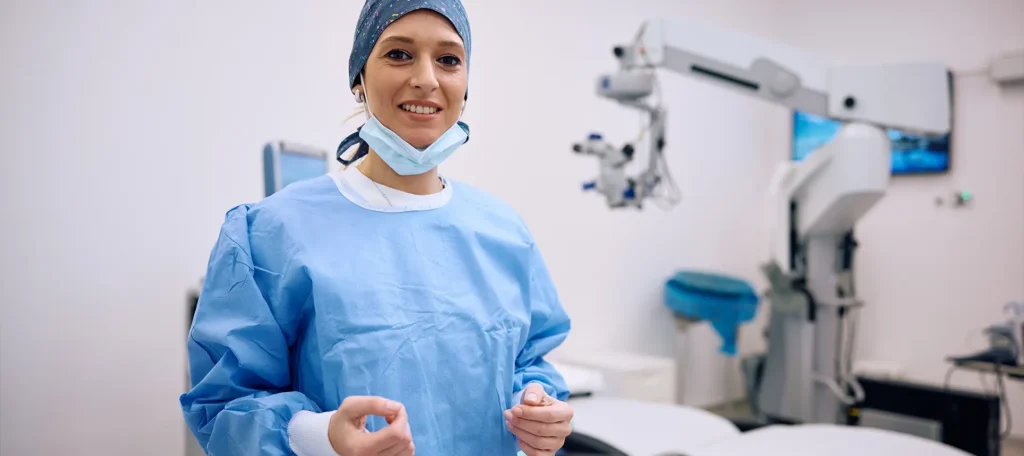
Surgeon continuity refers to whether the same surgeon assesses and performs your cataract surgery. This is an area where NHS and fast-track pathways often differ.
In the NHS, you may not know who your surgeon will be until the day of surgery. Surgeons work in rotating teams, and while all are appropriately trained and qualified, continuity is not always guaranteed. For some people, this makes little difference, as they trust the system and focus on the outcome.
For others, not knowing their surgeon in advance can feel unsettling. Fast-track cataract surgery often provides named-surgeon care, meaning the same surgeon assesses your eyes, plans your surgery, and performs the procedure. This continuity can build trust and allow for more personalised decision-making.
Lens Choices and Their Long-Term Impact
Lens choice is one of the most significant differences between NHS and fast-track cataract surgery. It directly affects how you see after surgery and how dependent you may be on glasses.
The NHS typically provides monofocal lenses, which are designed to focus vision at a single distance. Most patients choose distance vision, meaning they can see clearly far away but will need glasses for reading and close work. This option is reliable, predictable, and works well for many people.
Fast-track cataract surgery allows access to a wider range of lens options. These can include lenses that correct astigmatism or provide clearer vision at multiple distances. Lens selection is based on your eye measurements and lifestyle needs rather than being limited to a single standard option.
Visual Outcomes: Clinical Success vs Lifestyle Goals
Both NHS and fast-track cataract surgery are highly effective in removing cataracts and improving vision. The key difference lies in how closely the final result aligns with your personal lifestyle and visual goals. Understanding these differences helps you make an informed choice about which pathway may suit you best.
1. Clinical Success with NHS Surgery – NHS cataract surgery typically delivers significant improvements in clarity and brightness. Distance vision is often dramatically enhanced, though glasses are usually needed for reading and intermediate tasks such as computer work.
2. Lifestyle-Focused Fast-Track Surgery – Fast-track surgery places greater emphasis on tailoring outcomes to your lifestyle. With careful lens selection, some patients can reduce their dependence on glasses for certain activities, though results vary depending on individual suitability.
3. Importance of Personalisation – While both approaches are safe and effective, fast-track options may appeal to those seeking greater visual independence or customised outcomes. Discussing your goals with your surgeon helps ensure expectations are realistic and achievable.
Ultimately, the best visual outcome is one that balances clinical success with personal lifestyle needs. Understanding the trade-offs between different pathways allows you to make choices that best support your daily life and vision priorities.
The Day of Surgery: What You Can Expect
Cataract surgery itself is a short and well-tolerated procedure regardless of the pathway chosen. However, the experience surrounding the surgery day can feel different. In NHS settings, surgery days are structured for efficiency. You may share waiting areas with several other patients, and appointments are scheduled closely together. The focus is on safety and smooth workflow rather than extended one-to-one interaction.
Recovery and Aftercare Support
Recovery from cataract surgery is generally smooth, with most patients noticing improved vision within a few days and continued improvement over several weeks as the eye heals. Proper aftercare is essential to ensure optimal outcomes and address any concerns promptly.
- Gradual visual improvement – Vision typically clears within days, with full healing occurring over several weeks.
- NHS aftercare protocols – Scheduled follow-ups guide recovery and provide instructions on when to seek medical attention.
- Navigating NHS systems – While clinically appropriate, accessing additional reassurance or urgent reviews may require managing appointment systems.
- Fast-track support – Quicker access to follow-up care and direct contact points can offer more reassurance and timely intervention if concerns arise.
- Enhanced patient confidence – Easier communication and accessible advice help patients feel more supported during the recovery period.
This structured approach ensures both safety and reassurance, helping patients recover comfortably while maintaining close clinical oversight.
Overall Patient Experience and Communication
While the NHS provides high-quality medical care, its focus on population-level priorities can sometimes limit the individual experience. Appointments may feel rushed, and communication is often centred on essential information rather than personalised discussion.
- Fast-track cataract surgery prioritises patient experience, offering clearer and more detailed communication
- Appointments are generally easier to schedule, reducing waiting and administrative stress
- Patients have more opportunity to ask questions and receive personalised guidance throughout the process
- The surgical procedure remains the same, but the overall journey feels more supported and patient-focused
- Enhanced communication helps patients feel informed, reassured, and confident in their care
By emphasising patient experience, fast-track services aim to combine clinical excellence with personalised support, improving overall satisfaction and reducing anxiety during the cataract surgery journey.
Considerations and Value Cost
Cost is often the most obvious difference between NHS and fast-track cataract surgery. NHS surgery is free at the point of care, covering assessment, surgery, and standard lenses without additional charges. Fast-track cataract surgery involves private fees that vary depending on lens choice, surgeon, and clinic. What you are paying for is reduced waiting time, greater flexibility, surgeon continuity, and access to advanced lenses. Understanding what is included helps you decide whether the value aligns with your priorities.
Who NHS Cataract Surgery May Be Right For
NHS cataract surgery is suitable for many patients, particularly those who value affordability and are comfortable with the standardised care pathway. It offers a safe, effective solution for vision improvement without the financial burden of private options.
- Manageable vision needs – Ideal if your current vision problems are tolerable while waiting for surgery.
- Comfort with glasses – Suitable for patients who are happy to use corrective lenses after the procedure if needed.
- Cost-conscious choice – Provides excellent care without the expense of private treatment.
- Standardised pathway – Those comfortable with structured scheduling and follow-up protocols benefit from the NHS system.
- Proven effectiveness – Delivers high-quality, reliable results for millions of patients each year.
For many, NHS cataract surgery offers a balanced approach, combining safety, accessibility, and excellent visual outcomes.
Who May Prefer Fast-Track Cataract Surgery
Fast-track cataract surgery can be particularly appealing for patients who wish to regain vision quickly or value a more personalised approach. It is designed to offer greater flexibility and control over treatment timing, assessments, and lens selection, which can enhance both convenience and satisfaction.
1. Those Experiencing Significant Impact on Daily Life – If vision loss is affecting your independence, work, or everyday activities, fast-track surgery can provide a quicker solution to restore function and quality of life.
2. Patients Who Value Personalised Care – This pathway allows for continuity with a preferred surgeon, tailored pre-operative assessments, and more options in lens selection. Such customisation can help align outcomes with individual visual goals.
3. Desire for Faster Access and Control – Many patients choose fast-track cataract surgery to avoid long NHS waiting times. The ability to plan appointments around personal schedules gives a sense of control over the entire treatment journey.
For those prioritising speed, personalisation, and lifestyle outcomes, fast-track cataract surgery offers a structured, patient-centred approach. Discussing your priorities with your surgeon ensures you choose the pathway that best fits your needs and expectations.
How to Decide What’s Right for You
Choosing between NHS and fast-track cataract surgery is a personal decision rather than a one-size-fits-all choice. The best option depends on how your vision impacts daily activities, how long you are willing to wait for treatment, and the importance you place on personalised care.
Understanding the differences between the two pathways helps you make a considered choice. Fast-track options often offer more detailed assessments and tailored outcomes, while NHS surgery provides safe, standardised care with potentially longer waiting times.
The key is to prioritise what matters most for your lifestyle and visual needs. By evaluating your preferences, you can select a pathway that balances safety, convenience, and peace of mind. Taking the time to make an informed decision ensures you feel confident and prepared for surgery. The goal is improved vision with minimal stress, not rushing into a choice.
FAQs:
1. What is the main difference between NHS and fast-track cataract surgery?
The main difference lies in the speed, flexibility, and personalisation of the care pathway. NHS cataract surgery follows a structured, standardised process designed to manage large patient volumes safely and fairly, which often results in longer waiting times. Fast-track cataract surgery, typically provided privately, focuses on quicker access, flexible scheduling, and tailored treatment plans, including personalised lens selection and continuity with the same surgeon, allowing patients more control over their surgical experience.
2. How do waiting times differ between the two options?
Waiting times for NHS cataract surgery can vary widely depending on regional capacity and prioritisation, ranging from several months to over a year. During this period, patients may experience gradual vision decline, which can affect daily activities and independence. In contrast, fast-track cataract surgery usually offers much shorter waiting periods, often with assessments and surgery completed within a few weeks, providing rapid restoration of vision and minimising disruption to everyday life.
3. Are there differences in pre-surgery assessments?
Yes, pre-surgery assessments differ considerably. NHS assessments are generally concise and focused on confirming the cataract diagnosis, ensuring the patient is safe for surgery, and preparing for a standard procedure. Fast-track assessments, on the other hand, are often longer and more thorough, incorporating advanced diagnostic imaging, precise measurements of the eye, and detailed discussions about lifestyle needs, visual goals, and lens preferences. This approach allows a more personalised surgical plan tailored to the patient’s daily activities and priorities.
4. How does surgeon continuity vary between NHS and fast-track pathways?
In NHS cataract surgery, patients may not know in advance which surgeon will perform their procedure, as surgical teams rotate to manage patient flow efficiently. While all surgeons are qualified, this lack of continuity can feel impersonal for some patients. Fast-track surgery typically offers named-surgeon care, meaning the same surgeon conducts assessments, plans the surgery, and performs the procedure. This continuity builds trust and allows for more personalised decision-making throughout the treatment process.
5. Can lens options differ between NHS and fast-track surgery?
Lens options are a significant area of difference. NHS cataract surgery generally provides monofocal lenses, which focus at a single distance, most commonly for distance vision, requiring glasses for reading or near work. Fast-track cataract surgery offers access to a wider variety of lenses, including multifocal and toric lenses that can correct for astigmatism or provide clearer vision at multiple distances. This flexibility allows patients to choose lenses that better suit their lifestyle and visual preferences.
6. Is recovery different for NHS and fast-track cataract surgery?
The physical recovery from cataract surgery is generally similar in both pathways, with vision improving within days and full healing occurring over several weeks. However, aftercare experiences can differ. NHS aftercare follows standardised follow-up protocols, which may require managing appointment systems to access reassurance or urgent reviews. Fast-track pathways often provide quicker access to follow-up care, direct communication with the surgical team, and more personalised guidance, which can enhance patient confidence and peace of mind during recovery.
7. Are visual outcomes significantly different between the two approaches?
Both NHS and fast-track cataract surgery are highly effective in restoring vision. The main difference is in how closely outcomes align with personal lifestyle goals. NHS surgery typically improves distance vision effectively, though glasses are usually required for reading or intermediate tasks. Fast-track surgery allows a more tailored approach, with lens choices and surgical planning designed to reduce dependence on glasses and better match individual visual needs. The emphasis is on combining clinical success with functional lifestyle benefits.
8. Who is NHS cataract surgery most suitable for?
NHS cataract surgery is ideal for patients who are comfortable with standardised care, longer waiting times, and the use of corrective lenses after surgery. It is particularly appropriate for those whose vision issues are manageable in daily life while waiting for treatment, and who prioritise affordability without compromising safety or clinical outcomes.
9. Who might prefer fast-track cataract surgery?
Fast-track cataract surgery appeals to patients who want rapid restoration of vision, personalised care, and greater control over their treatment journey. This pathway is suitable for individuals whose vision loss significantly impacts daily life, work, or independence, and for those who value continuity with the same surgeon, tailored assessments, and a wider range of lens options. Patients seeking a more comfortable, flexible, and lifestyle-oriented surgical experience may find fast-track pathways particularly beneficial.
10. How should patients decide between NHS and fast-track surgery?
Deciding between NHS and fast-track cataract surgery depends on several factors, including how vision impairment affects daily activities, willingness to wait, budget, and the importance of personalised care. Evaluating the trade-offs between speed, flexibility, lens options, surgeon continuity, and overall patient experience helps individuals make an informed choice.
Final Thoughts: Choosing Between NHS and Fast-Track Cataract Surgery
Both NHS and fast-track cataract surgery are safe and effective ways to restore vision, but they differ in speed, personalisation, and overall patient experience. NHS surgery provides reliable, standardised care, ideal for patients comfortable with longer waiting times and monofocal lens options. Fast-track cataract surgery focuses on quicker access, personalised assessments, surgeon continuity, and advanced lens choices, making it suitable for those who want greater control over timing and outcomes. Your choice should consider lifestyle needs, vision impact, and the level of personalisation you value. If you are looking for fast track cataract surgery in London, you can reach out to us at the London Cataract Centre.
References:
1. Błachnio, K., Dusińska, A., Szymonik, J., Juzwiszyn, J., Bestecka, M. and Chabowski, M. (2024) Quality of Life after Cataract Surgery. Journal of Clinical Medicine, 13(17), 5209. https://www.mdpi.com/2077-0383/13/17/5209
2. Shoshi, F., Shoshi, F., Xhafa, A. and Nagy, Z.Z. (2024) Refractive Outcomes After Cataract Surgery—The Impact of Preoperative Visual Acuity, the Intraocular Lens Model, and the Surgeon’s Experience. Journal of Clinical Medicine, 13(23), 7013. https://www.sciencedirect.com/science/article/pii/S2162098923009933
3. Ilechie, A.A., Wiafe, B., Mensah, S.T. and Otchere, H. (2015) Effect of cataract surgery on vision-related quality of life among cataract patients. British Journal of Ophthalmology. https://pubmed.ncbi.nlm.nih.gov/35410876/
4. Elgohary, M.M. and Aboelnour, A. (2017) Patients’ quality of life after cataract surgery: multicenter study using the VF-14 index. Elsevier Ophthalmology Reports. https://pubmed.ncbi.nlm.nih.gov/28882390/
5. Lundström, M., Barry, P., Henry, Y., Rosen, P. and Stenevi, U. (2012) Visual outcome and quality of life in large cataract surgery cohorts: insights from real-world outcomes. Journal of Cataract and Refractive Surgery. https://www.sciencedirect.com/science/article/pii/S2162098923009933