


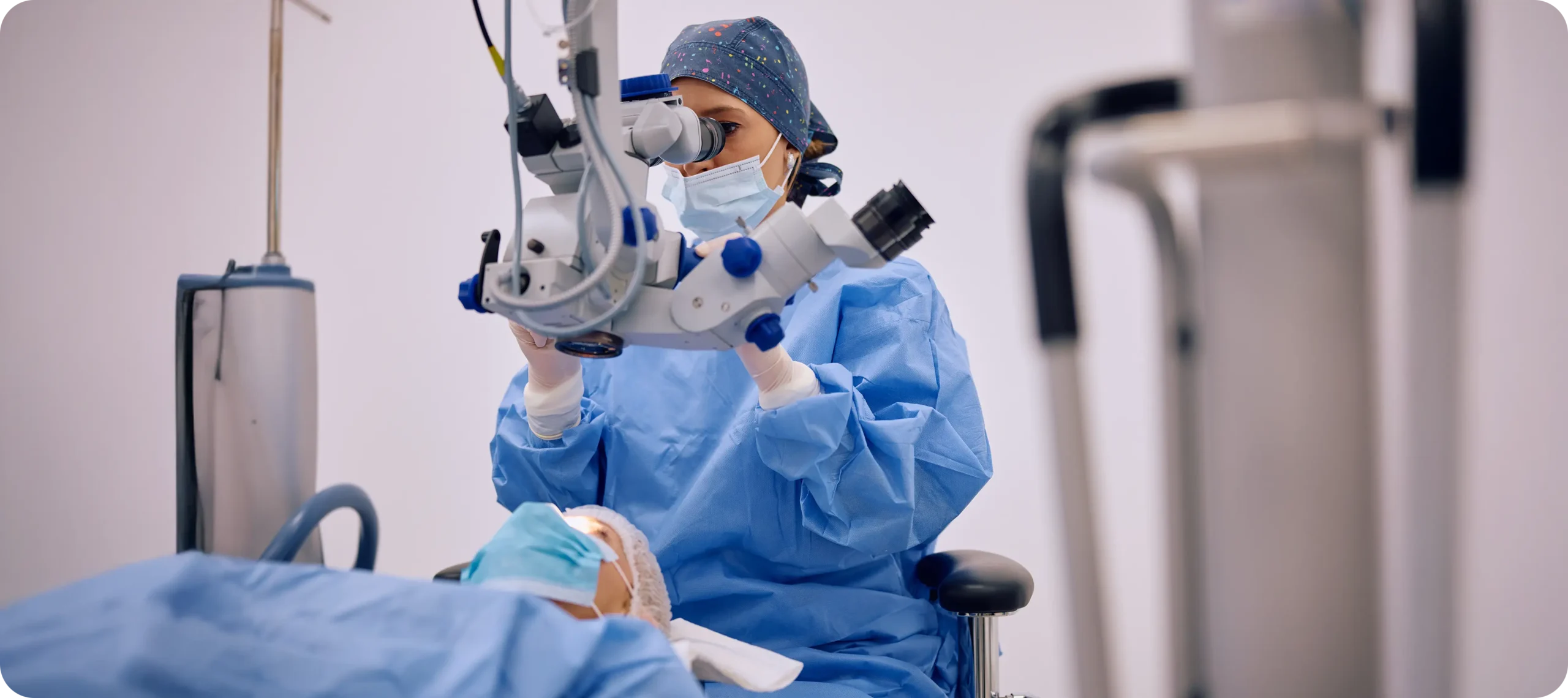
When you’re told you have cataracts, it’s natural to want the problem fixed as quickly as possible. You might be struggling with cloudy vision, glare, difficulty reading, or trouble driving at night. These symptoms can affect your confidence, your independence, and your overall quality of life. So when you come across the phrase “fast-track cataract surgery”, it’s easy to assume it simply means having your treatment sooner. But the truth is much more nuanced and understanding how this pathway works can help you make an informed decision about whether it’s right for you.
Fast-track cataract surgery is becoming increasingly popular because it reduces waiting times, offers quicker access to treatment, and eliminates many of the delays associated with traditional care pathways. If you’re someone who values efficiency, clarity, and control over your healthcare experience, this option might feel appealing.
Understanding What Fast-Track Cataract Surgery Really Means
Fast-track cataract surgery is a streamlined clinical pathway designed to shorten the time between diagnosis, assessment, and surgery. It aims to give patients earlier access to treatment without compromising quality or safety. Instead of seeing multiple clinicians across multiple appointments, you move through a simplified sequence that allows decisions to be made more quickly.
This approach became increasingly important as demand for cataract surgery grew. Many people struggled with long waiting lists, sometimes stretching many months. Fast-track pathways provide an alternative for patients who want timely treatment or who cannot afford to wait due to symptoms affecting daily life.
How Standard Cataract Pathways Work and Why Some People Prefer Something Faster
To understand the value of fast-track surgery, it helps to look at how cataract care typically works in a standard pathway. Under traditional systems, you would usually begin with an assessment by an optometrist or ophthalmologist who confirms the presence of a cataract. You might then be referred to another specialist for further evaluation. After that, you may have a separate pre-operative assessment on a different day, followed by the surgery itself, and later a post-operative check.
The process works well, but it can feel lengthy. Each appointment may be spaced weeks apart. If you’re someone whose vision is already causing significant disruption, waiting longer can be frustrating or even destabilising.
There are also logistical factors to consider. Not everyone can take repeated time off work, arrange multiple lifts from family members, or spend weeks waiting for the next available slot. Fast-track surgery solves these issues by grouping essential steps into fewer appointments.
How Fast-Track Cataract Surgery Differs From Standard Care
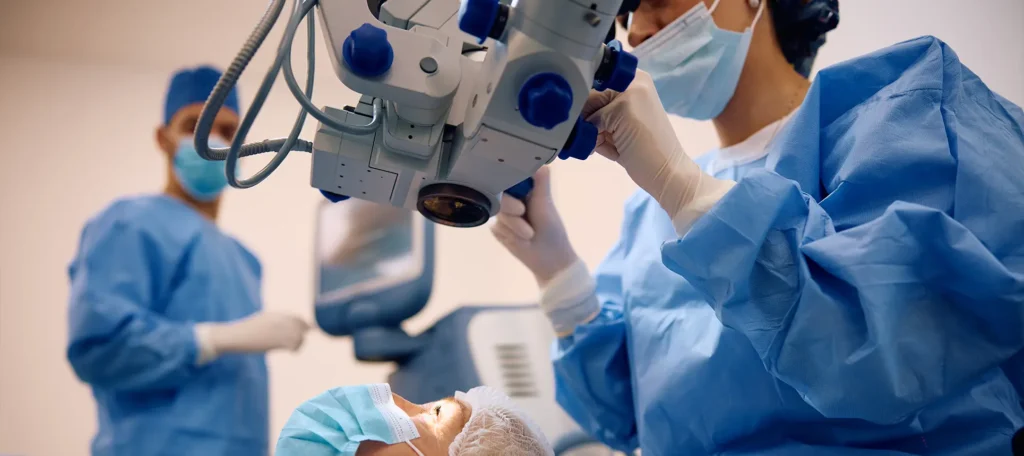
The biggest difference between fast-track and standard pathways is the structure of the assessment process. In a fast-track setting, your evaluation is usually completed in one visit or a reduced number of visits. Everything you need diagnostics, measurements, medical review, and surgical planning is completed promptly and with minimal delay.
This allows decisions to be made on the same day. You don’t have to wait for the next appointment to find out whether you’re suitable, what your lens options are, or when your surgery can take place. Many people appreciate this clarity and immediacy because it removes uncertainty.
Fast-track pathways often include:
- A single, comprehensive assessment
- Early scheduling of surgery
- Direct planning based on your measurements and goals
- Reduced bureaucracy and streamlined communication
Once you complete your consultation, your surgery is usually booked without delay. Some clinics even offer rapid or next-available scheduling, which significantly shortens the traditional waiting period.
None of this changes the actual surgical technique. The procedure itself remains exactly the same, using the same advanced equipment, the same safety checks, and the same recovery protocols. What changes is the efficiency of getting there.
What Happens During a Fast-Track Cataract Assessment?
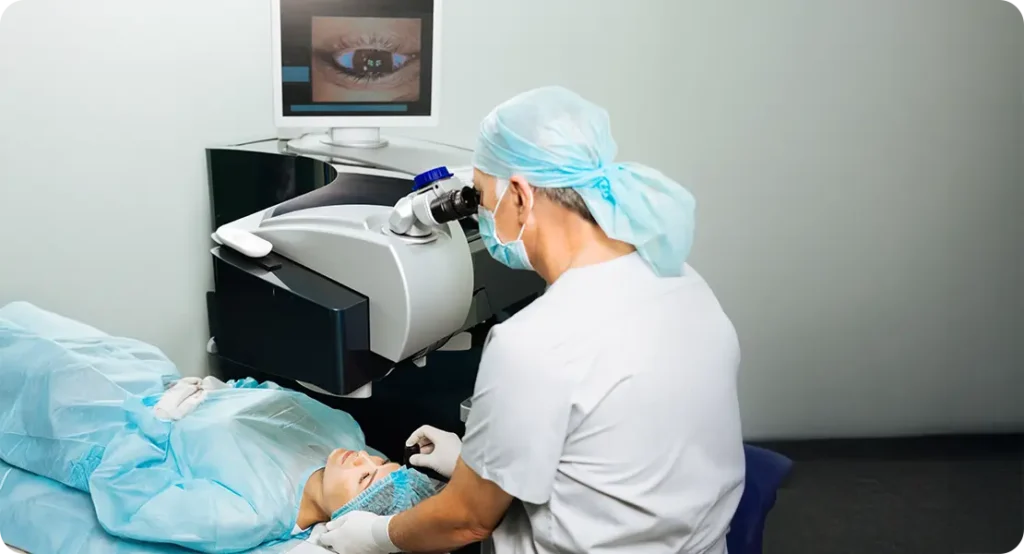
A fast-track assessment feels thorough, but it’s designed to be efficient. When you attend your appointment, you can expect a detailed evaluation of your eye health and your suitability for surgery. Even though the pathway is quicker, every essential detail is still covered.
During this assessment, you’ll have several key tests:
1. Vision testing: You’ll have a full check of your visual acuity to understand how the cataract is affecting your sight.
2. Eye pressure measurement: This helps detect any signs of glaucoma or other pressure-related issues.
3. Ocular surface examination: Your clinician will check for dry eyes or surface irregularities that could affect measurement accuracy.
4. Retinal imaging: This assesses the health of the retina and macula, ensuring there are no underlying problems that would affect surgery outcomes.
5. Biometry: This is a critical scan that measures the shape and length of your eye to determine the correct lens power for your replacement lens.
6. Medical discussion: You’ll be asked about your health history, medications, allergies, and lifestyle needs to tailor the surgical plan.
Once all your assessments are completed, the clinician explains your options. You’ll discuss lens types, expected outcomes, and any considerations specific to your eyes. If you’re suitable, you’re fast-tracked to the next available surgery date.
The entire process gives you clarity and direction within a shorter time frame compared to traditional pathways.
Who Is a Good Candidate for Fast-Track Cataract Surgery?
Fast-track cataract surgery is suitable for many patients, though it may not be the right option for everyone. It works best for people with straightforward cataracts, a stable medical history, and realistic expectations about outcomes. If your eyes are otherwise healthy and cataracts are the main cause of your vision problems, you are likely to benefit from this streamlined approach.
This pathway is particularly well suited to people who:
- Want to avoid long waiting times
Fast-track pathways reduce delays between assessment and surgery. This is ideal if your vision is already affecting daily activities and you do not want to wait months for treatment. - Have uncomplicated eye health
Patients without additional eye conditions, such as advanced glaucoma or retinal disease, are usually well suited to this approach. Fewer complexities allow the process to remain efficient and predictable. - Prefer minimal delays between appointments
Fast-track surgery involves fewer pre-operative visits and a more streamlined schedule. This helps reduce disruption and keeps the process moving smoothly. - Have a busy lifestyle or demanding schedule
If work, caring responsibilities, or travel make frequent appointments difficult, fast-track surgery offers greater convenience. Everything is organised to minimise time away from your routine. - Need cataract surgery sooner due to work or driving requirements
Reduced vision can interfere with driving standards or job responsibilities. Fast-track surgery helps restore functional vision more quickly when timing matters. - Want a faster route to clearer vision without compromising safety
Although the process is quicker, clinical safety and surgical standards remain the same. Careful patient selection ensures outcomes are not compromised.
Medical Conditions That May Affect Suitability
Fast-track pathways work best for people with straightforward cataracts and an uncomplicated medical history. If certain medical or eye conditions are present, your clinician may recommend additional assessments before confirming the most appropriate surgical plan.
You may require a more detailed evaluation if you have:
- Diabetes: Diabetes can affect the retina and healing after surgery. Careful retinal checks help ensure there are no underlying changes that could influence outcomes.
- Uncontrolled high blood pressure: Poorly controlled blood pressure can increase surgical risk. Stabilising it beforehand helps keep the procedure safe and predictable.
- Heart problems: Certain heart conditions may require coordination with your GP or cardiologist. This ensures surgery is planned with your overall health in mind.
- A history of eye surgery: Previous procedures can alter eye anatomy. Additional imaging helps the surgeon plan lens selection and surgical technique accurately.
- Irregular corneas: Conditions affecting corneal shape can influence vision correction and lens choice. Extra measurements are often needed for the best visual outcome.
- Severe dry eye disease: Significant dryness can affect pre-operative measurements and post-operative comfort. Treating this first helps improve accuracy and recovery.
- Macular degeneration: Changes at the back of the eye may limit visual improvement after cataract surgery. A detailed retinal assessment helps set realistic expectations.
- Glaucoma: Glaucoma requires careful pressure monitoring before and after surgery. Additional planning ensures eye pressure remains well controlled.
These conditions do not automatically exclude you from fast-track cataract surgery. They simply mean a more detailed or extended assessment may be needed to ensure the procedure is safe and appropriate. The aim is to avoid surprises during surgery and help you achieve the best possible vision afterwards.
Eye Conditions That May Influence the Fast-Track Decision
Some eye conditions require more detailed assessment before cataract surgery can be planned safely. In these cases, a fast-track pathway may not be suitable because your clinician needs additional time to evaluate how the condition affects your eyes. The goal is to ensure surgery is tailored precisely to your needs. Rushing this process could compromise outcomes.
Conditions such as advanced glaucoma, retinal disease, or uveitis can influence eye pressure, retinal health, and post-surgical recovery. These issues often require careful coordination and, in some cases, involvement from multiple specialists.
Previous refractive surgery, such as LASIK or PRK, as well as significant astigmatism or corneal dystrophies, can also affect lens calculations and surgical precision. These factors may increase the risk of unexpected visual outcomes if not assessed thoroughly.
Why Lens Choice Matters for Fast-Track Pathways
Choosing the right replacement lens is one of the most important parts of cataract surgery. Fast-track pathways still give you access to the full range of lens options, including monofocal lenses, enhanced monofocals, toric lenses, and multifocal lenses.
The choice becomes part of your fast-track assessment. You’ll have an in-depth discussion about your lifestyle, your vision goals, and any preferences you have regarding your glasses dependence.
Even within a fast-track pathway, the decision-making process is personalised. You’ll still have time and guidance to choose the best lens for your needs, whether you prefer distance clarity, reduced reliance on glasses, or more advanced visual freedom. Some clinics provide detailed comparisons during your consultation so you can make an informed choice.
How Expectations Influence Whether Fast-Track Is Right for You
Fast-track surgery works best when your expectations are clear and aligned with what cataract surgery can deliver. If you want a straightforward improvement in clarity, brightness, and contrast, this pathway is often ideal. You know what the surgery can achieve, and you feel comfortable proceeding without unnecessary delays.
But if you’re someone who wants extended discussion, multiple assessments, detailed comparisons of lens technologies, or a slower decision-making process, the traditional pathway might suit you better. It offers more time for reflection and repeated consultations if needed. Fast-track surgery is designed for people who feel ready to move forward confidently once they have the necessary information.
How Fast-Track Pathways Support Patients With Busy Schedules
One of the most common reasons people choose fast-track surgery is the need to minimise time away from their daily responsibilities. Many patients are balancing work, family commitments, travel, or other obligations that make repeated clinic visits challenging. In these situations, a streamlined approach can make a significant difference.
If this reflects your circumstances, the fast-track pathway offers several practical benefits. It typically involves fewer appointments, quicker scheduling, and clearly defined timelines. This means you know what to expect at each stage, without prolonged waiting periods.
By completing assessments and treatment within a shorter timeframe, disruption to your routine is kept to a minimum. You spend less time attending appointments and more time focusing on work, family, or personal commitments. Importantly, this efficiency does not compromise safety or surgical outcomes.
Benefits of Fast-Track Cataract Surgery
Fast-track pathways offer several advantages that many patients appreciate. The biggest benefit is the reduction in waiting time. When your vision is already impaired, waiting longer can feel stressful. Fast-track surgery provides relief sooner, allowing you to regain confidence in your daily routines.
Another major benefit is the simplicity of the process. You don’t have to navigate multiple steps or worry about missed referrals or administrative delays. Everything is coordinated for you, making the experience feel smooth and easy to manage.
A third benefit is clarity. You receive a clear plan on the same day as your assessment, which helps you feel more in control of your treatment. You know when your surgery is happening, what your lens options are, and what to expect afterwards.
Limitations of Fast-Track Cataract Surgery
Although fast-track pathways work well for many people, they’re not ideal for every situation. If your eyes have additional conditions that require long-term management, you may need a more tailored plan. Complex cataracts sometimes require extra imaging or specialist assessments, which cannot be compressed into a single appointment.
Another limitation is that fast-track pathways rely on patients feeling confident in making decisions after a single consultation. If you want more time to think about your options, discuss lenses, or explore alternatives, a traditional pathway might suit you better.
The most important limitation to remember is that fast-track suitability is always determined by your eye health. Safety comes first, so if additional tests are needed, your clinician will recommend them.
Recovery and Aftercare: Is Fast-Track Surgery Any Different?
ecovery after fast-track cataract surgery is no different from recovery after standard cataract surgery. The fast-track pathway only changes how quickly your appointments and surgery are scheduled, not the procedure itself or the aftercare you receive. You will still be advised to use prescribed eye drops, avoid strenuous activity, protect your eye, and attend your follow-up appointment.
Most people experience a smooth and relatively quick recovery, with noticeable improvement in vision within hours or days. The key difference is that the fast-track pathway helps you reach this recovery stage sooner, without altering the quality or safety of your care.
Why Some Patients Prefer the Fast-Track Pathway
People choose fast-track cataract surgery for different reasons, but some common themes always appear. The most obvious one is time. People value convenience and efficiency, especially when vision is affected. Long delays can feel unnecessary when fast-track options are available.
Others choose fast-track paths because they want a smoother experience. It removes the uncertainty of waiting lists, which can feel stressful when your vision is deteriorating. Instead of wondering when the next step will happen, you know exactly what to expect.
Some people also prefer the simplicity of a streamlined process. There’s no confusion about appointments, no repeated referrals, and no bureaucratic complications. Everything happens in a logical and organised sequence. If you’re someone who likes clarity, direction, and momentum in your healthcare journey, fast-track options can be extremely reassuring.
What to Consider Before Choosing Fast-Track Cataract Surgery
Before choosing fast-track cataract surgery, it’s important to consider whether this approach suits your individual needs and preferences. You should feel confident and well-informed, with a clear understanding of how the pathway works. The decision should support both your lifestyle and your eye health.
It can help to ask yourself whether you would like surgery sooner and if you are comfortable making decisions during a single assessment. You should also consider whether your cataract is straightforward and if your eyes are otherwise healthy. If you prefer a clear, streamlined process with fewer appointments, the fast-track pathway may be a good fit.
If you answered yes to most of these questions, fast-track surgery is likely to be an excellent option for you. However, if you feel you need more time to consider your choices or require a more detailed discussion, the traditional pathway may be better suited to your needs.
Choosing the Right Clinic for Your Fast-Track Pathway
Choosing the right clinic plays an important role in ensuring a smooth fast-track cataract experience. Not all clinics offer fast-track pathways, and those that do may structure them differently. Taking time to research your options can help you feel more confident in your choice.
When comparing clinics, it’s worth looking at the experience of the surgeons, the technology used for imaging and surgery, and how clearly lens options are explained. Good communication, positive patient feedback, and the availability of rapid booking are also key factors. These elements reflect how well the clinic supports patients through a streamlined pathway.
Many clinics also provide clear guidance on how their fast-track pathway works, allowing you to understand the process before your consultation. This preparation helps you arrive informed, reassured, and ready to make decisions about your care.
FAQs:
1. Is fast-track cataract surgery safe?
Yes, fast-track cataract surgery is just as safe as standard cataract surgery. The pathway changes how quickly assessments and scheduling happen, not the surgical technique itself. The same safety checks, sterilisation standards, and surgical protocols are followed, with patient selection ensuring suitability.
2. Does fast-track cataract surgery mean the operation is rushed?
No, the surgery itself is never rushed. The term “fast-track” refers to reducing delays between appointments, not shortening the procedure. Surgeons take the same amount of care and time during surgery as they would in any traditional pathway.
3. How quickly can surgery happen after a fast-track assessment?
In many cases, surgery can be scheduled within days or weeks after the assessment, depending on clinic availability and your suitability. Some patients are offered the next available surgical slot, which is significantly faster than traditional waiting lists.
4. Will I still get time to discuss lens options properly?
Yes, lens discussions remain a key part of the fast-track assessment. You will still talk through your lifestyle, vision goals, and lens choices with your clinician. The difference is that these discussions happen efficiently in one visit rather than being spread over multiple appointments.
5. Is fast-track cataract surgery more expensive?
The cost depends on the clinic and the lens options you choose rather than the pathway itself. Fast-track surgery does not automatically mean higher fees, but private fast-track pathways may differ in pricing from standard NHS or traditional private routes.
6. Can both eyes be treated using a fast-track pathway?
Yes, many patients have both eyes treated through a fast-track approach, although surgeries are still performed on separate days for safety. Once the first eye is successfully treated, the second eye can often be scheduled promptly.
7. What happens if I’m not suitable for fast-track surgery?
If you’re not suitable, your clinician will explain why and recommend a more appropriate pathway. This might involve additional tests, specialist reviews, or a longer planning period. The goal is always to prioritise safety and visual outcomes.
8. Will fast-track surgery affect my recovery time?
No, recovery time is the same as standard cataract surgery. You’ll follow the same post-operative instructions, use prescribed eye drops, and attend follow-up appointments. The only difference is that you reach the recovery stage sooner due to quicker scheduling.
9. Can I change my mind after a fast-track assessment?
Yes, you are never obligated to proceed immediately. Even after a fast-track assessment, you can take time to consider your options or delay surgery if you wish. The pathway offers efficiency, not pressure.
10. Who benefits most from fast-track cataract surgery?
Fast-track cataract surgery benefits people with straightforward cataracts who want quicker treatment, fewer appointments, and clear timelines. It’s especially helpful for those with busy schedules, driving or work-related vision needs, and a preference for a streamlined healthcare experience.
Final Thought: Is Fast-Track Cataract Surgery Right for You?
Fast-track cataract surgery offers a clear, efficient route to treatment for people who want quicker access to surgery without compromising on safety or quality of care. It’s particularly well suited to patients with straightforward cataracts, busy schedules, and a preference for fewer appointments and clear timelines. While it isn’t the right choice for everyone, careful assessment ensures that only suitable patients are placed on this pathway, keeping outcomes predictable and safe.
If you’re considering fast track cataract surgery in London, you can get in touch with us at London Cataract Centre to arrange an assessment and find out whether this streamlined approach is right for your eyes and your lifestyle.
References:
1. Routine preoperative assessment for cataract surgery is a source of variability and debate. https://pmc.ncbi.nlm.nih.gov/articles/PMC11409469/
2. Miklaszewski, P., Gadamer, A.M., Janiszewska‑Bil, D., Lyssek‑Boroń, A., Dobrowolski, D., Wylęgała, E., Grabarek, B.O. and Krysik, K., 2025. https://www.mdpi.com/2077-0383/14/12/4349
3. Uzun, F., Findik, H. and Kaim, M., 2025. Preoperative ocular biometric parameters as predictors of intraocular pressure reduction after phacoemulsification cataract surgery in non‑glaucomatous eyes. https://www.mdpi.com/2075-1729/15/3/381
4. See, C.W., Iftikhar, M. and Woreta, F.A., 2019. Preoperative evaluation for cataract surgery. Current Opinion in Ophthalmology, 30(1), pp.3–8. https://pubmed.ncbi.nlm.nih.gov/30489358/
5. See, Preoperative evaluation of the cataractous patient, 1984. Review of clinical preoperative methods for cataract surgery. https://www.sciencedirect.com/science/article/abs/pii/0039625784901140