


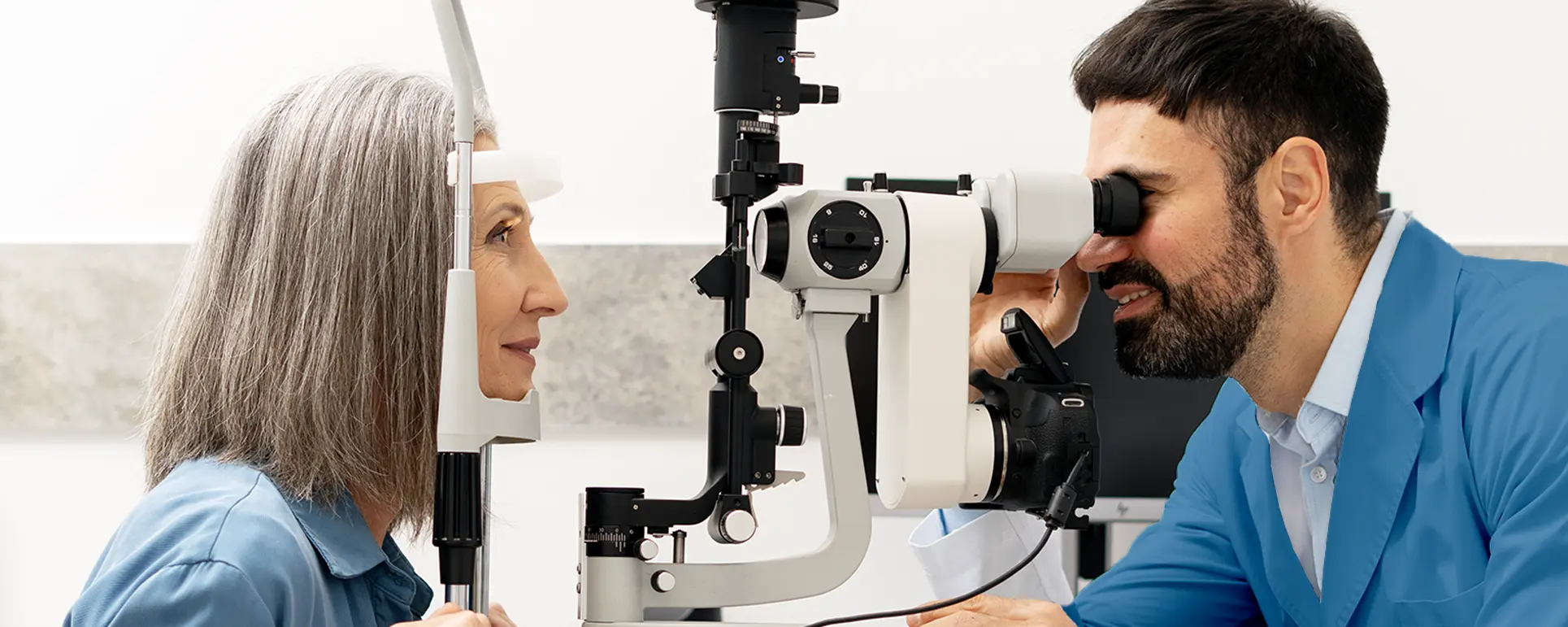
Let’s be honest — cataract surgery can feel like a big decision. If your vision has started to blur or glare has become a problem when driving at night, you might be wondering: “Is it bad enough for surgery yet?” You’re not alone. This is one of the most common questions patients ask. But the answer isn’t always as straightforward as a number on an eye chart. So let’s explore what really determines whether you’re ready for cataract surgery.
What Actually Is a Cataract?
Before we get into qualifying for surgery, it’s helpful to understand what a cataract is. In simple terms, a cataract is a clouding of your natural lens — the part of your eye that focuses light. Over time, proteins in the lens start to clump together, forming cloudy patches. This happens gradually, often due to age, but also from injury, diabetes, certain medications, or past eye surgeries.
Early cataracts may not cause any symptoms. But as they grow, they can start interfering with your vision — making things look blurry, hazy, or even yellow-tinted. It might not feel like much at first, but when these changes begin to affect how you live your life, that’s when surgery becomes a real consideration.
Cataract Symptoms That Signal It’s Time to Get Checked
Not everyone experiences cataracts the same way. Some people notice glare or halos around lights. Others complain of double vision in one eye or find it harder to read fine print even with glasses. Here are some of the most common red flags that may indicate your eyesight is bad enough to consider surgery:
- Difficulty reading, even with your usual prescription
- Trouble seeing in low light or at night
- Glare or sensitivity to bright lights
- Halos around headlights or street lamps
- Washed-out or faded colours
- Needing brighter light for detailed tasks
- Struggling with depth perception or contrast
- Frequent changes to your glasses or contact lens prescription
If you’re nodding along to more than a few of these, you’re not imagining things — these symptoms can genuinely disrupt your everyday life, and that’s a big part of what eye surgeons assess when determining your suitability for cataract surgery.
Visual Acuity: What Do the Numbers Mean?
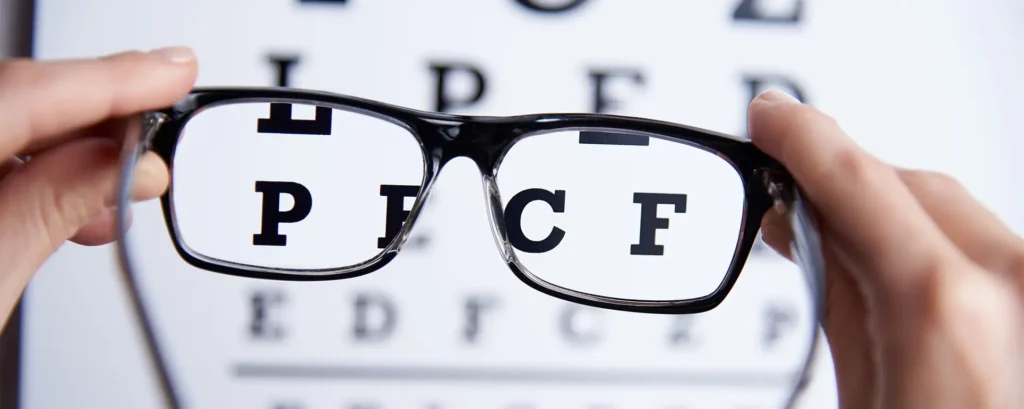
Many people think there’s a strict number you have to hit on the eye chart to be offered surgery, but it’s a bit more flexible than that. In the UK, most ophthalmologists start to consider surgery when your best corrected visual acuity (BCVA) drops below 6/12. That’s the level of vision required for a standard driving licence.
To put that into perspective, 6/6 is considered normal vision — meaning you can see at 6 metres what a person with normal vision sees at the same distance. So if your vision is 6/18, it means you need to be three times closer to see what someone with normal vision can see from farther away.
But here’s the crucial bit: the decision isn’t just based on numbers. You might have 6/9 vision and still struggle enormously with night driving or glare. Or you could have 6/18 and barely notice any problems if both eyes are compensating well together. That’s why it’s not all about the chart — it’s also about your experience.
Functional Vision Matters More Than You Think
Visual acuity tests are useful, but they don’t tell the whole story. If you’re finding it hard to work, drive, read, or do your hobbies because of your vision, that’s a strong case for surgery — even if your test results aren’t too bad yet. This is called assessing your functional vision.
Doctors want to know: Are cataracts holding you back in everyday life? Are you no longer confident cycling or navigating steps? Are your favourite pastimes — like painting, gardening, or knitting — becoming frustrating because of cloudy vision or poor contrast? That’s what tips the balance.
In fact, UK NICE (National Institute for Health and Care Excellence) guidelines clearly state that surgery should not be withheld purely on the basis of visual acuity if the cataract is affecting your quality of life.
How Cataracts Affect Different People Differently
What makes this even more nuanced is that cataracts don’t grow the same way in every eye. You might have one eye with a dense cataract while the other remains relatively clear. Or you might have a type of cataract that specifically affects your vision in bright sunlight or dim lighting.
For example:
- Posterior subcapsular cataracts often cause the most trouble with reading and glare, especially in younger people.
- Nuclear sclerotic cataracts may make you feel like your prescription is changing constantly.
- Cortical cataracts can cause problems with glare and depth perception.
The type and location of the cataract make a big difference in when surgery becomes necessary. So it’s not about ticking a single box — it’s about looking at the full picture.
Are You Still Driving Safely?

One of the clearest lines in the sand is whether your vision meets legal driving standards. In the UK, you must be able to read a number plate at 20 metres and have a visual acuity of at least 6/12 with both eyes open — with glasses or contacts if needed. You must also have adequate peripheral vision.
If you no longer meet these standards due to cataracts, you must stop driving and notify the DVLA. That’s often the moment when people seriously consider surgery. Losing your ability to drive can have a massive impact on independence — and timely cataract surgery can help restore that.
What If You Have Other Eye Conditions?
If you have cataracts alongside other eye problems — such as glaucoma, macular degeneration, diabetic retinopathy, or keratoconus — things get a little more complex. In some cases, cataract surgery can improve your vision dramatically. In others, it might not restore clarity because of underlying damage elsewhere in the eye.
Still, removing a cloudy lens can help specialists see into the eye more clearly to monitor or treat other conditions. So even if perfect vision isn’t possible, cataract surgery may still be advised.
Ophthalmologists will weigh the risks and potential benefits more carefully in these cases. But you won’t be ruled out automatically — it just means there’s more to consider.
What If You’re Not Ready Yet?
If your cataracts are present but not yet causing much trouble, your doctor may recommend watchful waiting. That means regular check-ups to monitor progression — but no rush to operate. It’s all about timing it right.
In the meantime, you can manage symptoms with brighter lighting, anti-glare glasses, or updated prescriptions. Some people also benefit from magnifiers or electronic reading aids. But be aware that cataracts won’t reverse or go away — they almost always progress.
When the balance tips from “annoying” to “disabling”, that’s when the conversation changes.
Age and Timing: Is There a “Right” Moment?
Some patients worry they’re either too young or too old for cataract surgery. The truth is, there’s no perfect age — it depends on your symptoms and lifestyle.
- If you’re in your 40s or 50s and experiencing early-onset cataracts, surgery can be life-changing — especially if it’s affecting work or parenting.
- If you’re in your 80s or even 90s and otherwise healthy, you can still benefit greatly — provided the surgery is safe for you medically.
In short, don’t wait for the cataract to be “ripe” or unbearable. The idea of delaying until things are terrible is outdated. Most surgeons today focus on how the cataracts are affecting you, not just how cloudy they look on a scan.
Who Might Not Be Eligible for Cataract Surgery?
In a small number of cases, cataract surgery might be delayed or deemed unsuitable. This could include people with:
- Uncontrolled medical conditions such as poorly managed diabetes or high blood pressure
- Active eye infections or severe dry eye
- Advanced macular degeneration where visual gain is unlikely
- Cognitive impairments or dementia where post-op care would be challenging
- Severe anxiety about surgery without a clear support plan
However, these are rare exceptions. And even in these cases, things can sometimes be stabilised or adapted to allow surgery later.
Making the Decision Together
Ultimately, qualifying for cataract surgery isn’t just a matter of ticking boxes — it’s a conversation. You and your eye specialist will work together to decide what makes sense for your specific needs.
This includes a thorough examination, reviewing your symptoms, looking at your general health, and considering your personal goals — whether that’s reading again without difficulty, getting back behind the wheel, or enjoying the little things like seeing your grandchild’s smile in crisp detail.
FAQs: How Bad Does Your Eyesight Have to Be to Qualify for Cataract Surgery?
Is there a specific vision score that qualifies you for cataract surgery in the UK?
While there’s no absolute cut-off, most UK ophthalmologists start considering surgery when your best corrected visual acuity drops below 6/12 — which is also the legal threshold for driving. However, this is not a strict rule, and surgery may be offered earlier if cataracts are clearly impacting your quality of life.
Can I have cataract surgery if my vision is still fairly good?
Yes, if cataracts are interfering with your ability to work, drive, or perform everyday tasks, you may still be a candidate even if your visual acuity is technically better than 6/12. The decision is based on both test results and your lived experience.
Do both eyes need to have cataracts for surgery to be offered?
No, surgery can be performed on one eye if needed. It’s common for cataracts to progress at different rates in each eye, and many people have surgery on one before the other. The goal is to improve your overall vision and comfort, not wait for both eyes to worsen.
Can you drive if you have cataracts?
You can legally drive as long as you meet the UK driving standards — including reading a number plate at 20 metres and having a visual acuity of at least 6/12 with both eyes open. If cataracts prevent this, you must stop driving and inform the DVLA.
Will my optician tell me when it’s time for cataract surgery?
Your optician is often the first to detect cataracts and will refer you to an ophthalmologist if they believe surgery might be needed. However, the final decision is usually made by the eye surgeon after assessing your symptoms and vision tests.
What if I have cataracts and another eye condition?
Having another eye condition doesn’t necessarily rule you out for surgery. In fact, removing the cataract can sometimes help manage other issues, like glaucoma or diabetic retinopathy, by giving a clearer view of the retina. The risks and benefits are simply weighed more carefully.
Are there alternatives to cataract surgery?
There is no medical treatment to reverse cataracts — the only permanent solution is surgery. You can manage mild symptoms temporarily with stronger glasses, brighter lighting, or magnifiers, but these are only short-term fixes.
Can I choose to have surgery earlier than my doctor suggests?
If your symptoms are disruptive and your doctor agrees the cataract is the cause, you can opt for surgery sooner. Private clinics may offer earlier surgery than the NHS, especially if you’re still within visual driving limits but struggling with daily tasks.
What if I’m anxious about surgery?
It’s perfectly normal to feel nervous. Cataract surgery is the most commonly performed procedure in the UK and is highly safe and effective. Discuss your concerns with your surgeon — they can often adjust your care plan to ensure you’re comfortable, including options like sedation.
How long should I wait once I’m told I need surgery?
Once your surgeon advises that surgery is appropriate, it’s best not to delay too long. Cataracts continue to progress, and waiting too long can make the procedure more difficult and recovery slower. Early surgery often leads to better outcomes.
Final Thoughts
So, how bad does your eyesight need to be to qualify for cataract surgery? The answer is: bad enough to affect the way you live. That could mean struggling to drive, read, work, or simply feel confident in your surroundings. It’s not just about eye chart numbers — it’s about your quality of life.
At the London Cataract Centre, we take a personalised approach to cataract surgery decisions. We’ll assess your vision, discuss your lifestyle, and help you make an informed choice. Because when it comes to your eyes, you deserve clarity — both in vision and in the decision-making process.
References
- National Institute for Health and Care Excellence (NICE), 2017. Cataracts in adults: management. [online] London: NICE. Available at: https://www.nice.org.uk/guidance/ng77 [Accessed 9 July 2025].
- NHS, 2022. Cataract surgery. [online] Available at: https://www.nhs.uk/conditions/cataract-surgery/ [Accessed 9 July 2025].
- Driver and Vehicle Licensing Agency (DVLA), 2024. Driving eyesight rules. [online] GOV.UK. Available at: https://www.gov.uk/driving-eyesight-rules [Accessed 9 July 2025].
- The Royal College of Ophthalmologists, 2022. Cataract surgery guidelines. [online] London: RCOphth. Available at: https://www.rcophth.ac.uk/resources-listing/cataract-surgery-guidelines/ [Accessed 9 July 2025].