


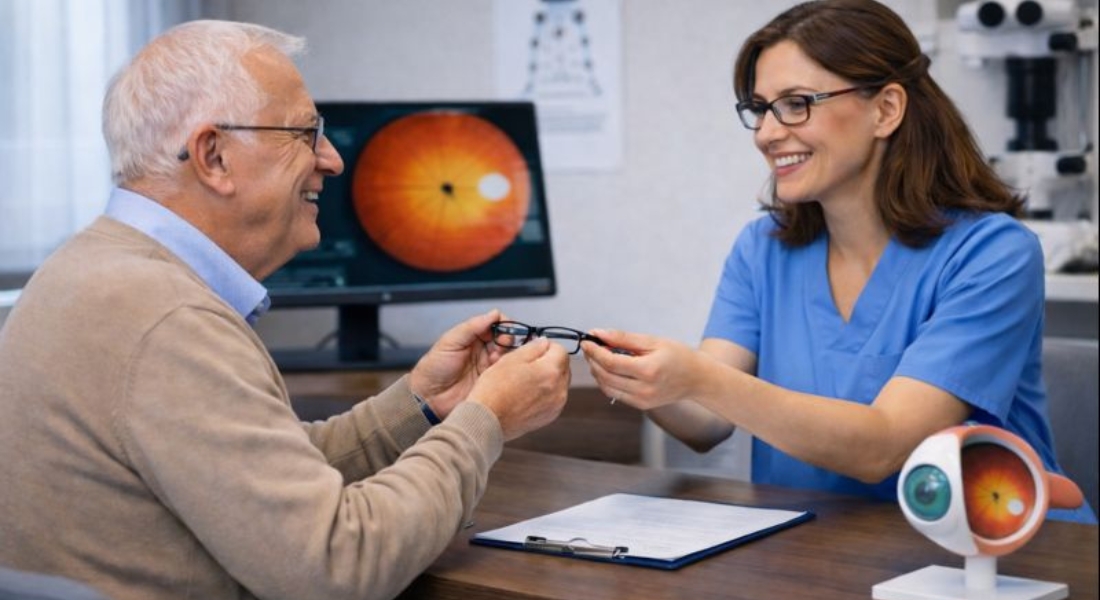
If you have macular degeneration and have been advised to consider cataract surgery, it is completely natural to feel concerned about whether surgery could make your condition worse. Many patients worry that operating on the eye might accelerate macular damage or trigger faster vision loss. This fear is common, understandable, and often fuelled by outdated information or unclear explanations. We believe you deserve clear, evidence-based answers before making any decision.
Cataract surgery and macular degeneration affect different parts of the eye, yet they often occur together, especially as we age. Because both conditions influence vision, it is easy to assume that treating one could negatively affect the other. In reality, modern research paints a far more reassuring picture. Understanding why this concern exists and what the evidence actually shows can help reduce anxiety.
In this article, we explain where the fear around cataract surgery and macular degeneration comes from, what current scientific evidence shows, and how surgeons carefully minimise risk. We also explain how macular health is monitored before and after surgery to ensure your vision remains protected. Our aim is to replace uncertainty with clarity.
Understanding Macular Degeneration and Cataracts
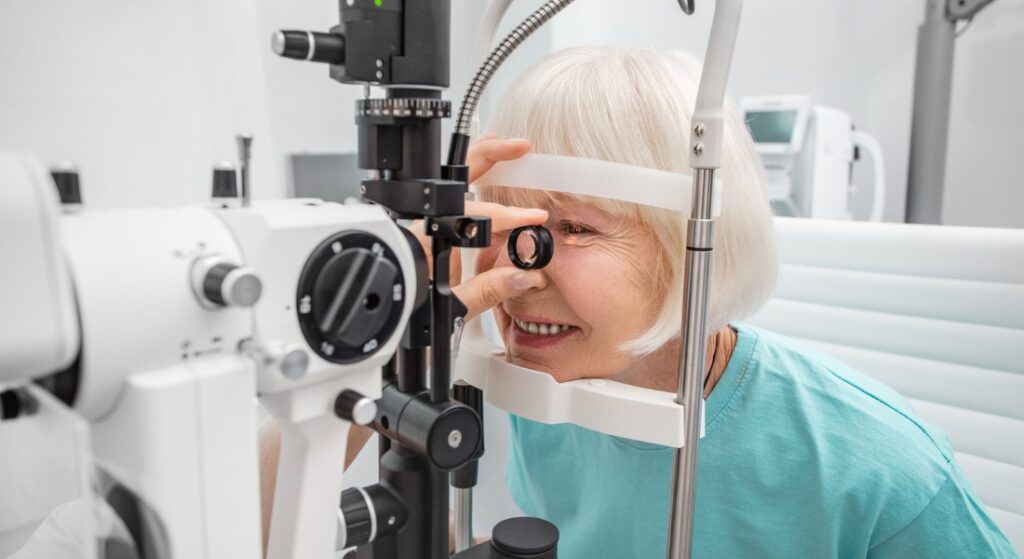
Understanding the difference between macular degeneration and cataracts is essential when considering cataract surgery. Although both conditions affect vision, they involve separate parts of the eye and develop for different reasons. When you understand how each condition behaves, it becomes easier to see why cataract surgery does not harm macular health. Clear explanation helps replace uncertainty with confidence.
- Macular degeneration affects how vision is processed
The macula controls central detail such as reading and facial recognition. When it is affected, central sharpness declines over time, while side vision often remains usable. - Cataracts interfere with how light reaches the retina
A cataract clouds the natural lens, reducing brightness, contrast, and colour clarity. Surgery removes the cloudy lens and replaces it with a clear artificial one, without touching the retina. - Each condition involves different eye structures
Cataract surgery improves light transmission into the eye. Macular degeneration affects how that light is interpreted, which explains why surgery does not worsen the condition.
Recognising that cataracts and macular degeneration act independently is reassuring for many patients. By addressing the lens while respecting retinal health, cataract surgery removes one barrier to clearer vision. We focus on helping you understand this separation so decisions are guided by facts rather than fear.
Why Patients Fear Cataract Surgery Could Worsen AMD
The fear that cataract surgery could worsen macular degeneration has been around for many years. Earlier generations of surgery were less refined, and long-term retinal imaging was limited. Some early observations suggested that vision continued to decline after surgery in certain patients. This led to assumptions that surgery was responsible.
In reality, many of those patients already had progressive macular degeneration. Vision loss continued because the disease progressed naturally, not because surgery caused harm. At the time, imaging technology was not advanced enough to clearly separate these factors. This created lasting concern that still influences patient perception today.
Modern research and improved diagnostic tools have clarified this misunderstanding. We now know that progression after surgery reflects the natural course of macular degeneration rather than an effect of cataract removal. This distinction is critical.
What Current Evidence Shows About Cataract Surgery and AMD
Large clinical studies have now examined whether cataract surgery accelerates macular degeneration. The overwhelming conclusion from modern research is reassuring. Cataract surgery does not increase the risk of developing macular degeneration, nor does it speed up progression in those who already have it.
Studies comparing patients who had surgery with those who did not show similar rates of macular disease progression over time. This strongly suggests that surgery itself is not a trigger. Improvements in surgical technique, inflammation control, and post-operative care have further strengthened safety.
Most eye specialists now agree that cataract surgery is safe for patients with macular degeneration when properly assessed. The focus has shifted from avoidance to careful planning and expectation management.
Why Cataract Surgery Can Actually Help Visual Function
Although cataract surgery does not treat macular degeneration, it can still offer meaningful visual benefits. Cataracts reduce contrast, brightness, and clarity, making macular symptoms feel worse than they actually are. Removing the cataract allows clearer light to reach the retina, helping you make better use of remaining vision.
Many patients report improved brightness and reduced glare after surgery. Colours often appear more vivid, and vision feels less hazy. These changes can significantly improve daily comfort, even if central sharpness does not fully return.
Importantly, surgery can also improve the effectiveness of glasses, magnifiers, and low-vision aids. By removing one major visual barrier, cataract surgery can support better functional vision despite macular disease.
Does Inflammation After Surgery Affect the Macula?
Any surgical procedure causes some inflammation, and cataract surgery is no exception. It is completely natural for you to question whether this response could affect the macula, especially when macular degeneration is already present. Modern cataract surgery is specifically designed to control inflammation and protect delicate retinal structures. Understanding how this process is managed helps reassure you about safety and recovery.
- Modern techniques are designed to minimise inflammation
We use refined surgical methods that reduce tissue disturbance and inflammatory response. Inflammation control is considered at every stage to protect retinal and macular health. - Post-operative medication supports safe healing
Anti-inflammatory eye drops are routinely prescribed to reduce swelling after surgery. When you use these drops as directed, sensitive retinal tissues remain protected during recovery. - Close monitoring safeguards the macula
Follow-up visits allow us to assess the macula carefully after surgery. Evidence shows inflammation does not worsen macular degeneration when it is well managed.
With careful surgical planning, effective medication, and structured follow-up, inflammation is tightly controlled throughout recovery. This approach ensures macular health remains protected while healing progresses safely. As a result, cataract surgery has become more predictable and reassuring for patients with macular degeneration.
How Surgeons Minimise Risk Before Surgery
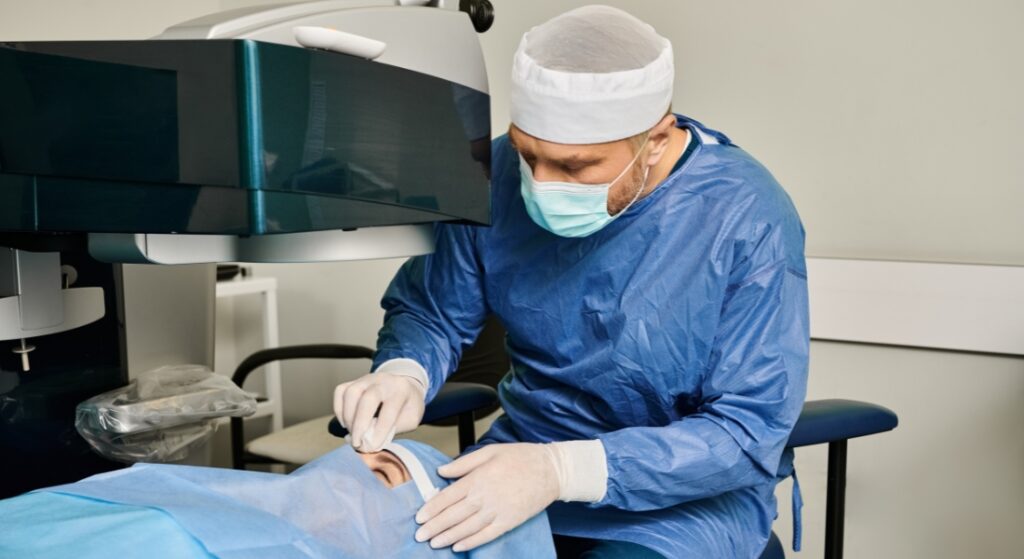
Thorough pre-operative assessment is essential when macular degeneration is present. Retinal scans are used to assess the type and stage of the condition. This helps surgeons predict likely outcomes and identify any additional risks. Planning is tailored to your individual eye health.
Surgeons also assess cataract severity and how much it contributes to vision loss. This helps determine whether surgery is likely to provide meaningful benefit. Honest discussion about expectations is a crucial part of this process.
By understanding the condition of both the lens and the retina, surgeons can plan surgery in a way that protects macular health. This personalised approach reduces risk and improves confidence.
Monitoring Macular Health After Cataract Surgery
Cataract surgery does not mark the end of macular degeneration care, and ongoing monitoring remains essential. When you attend regular follow-up appointments, retinal health can be reviewed carefully over time. We use these visits to detect subtle changes at an early stage. This proactive approach supports long-term protection of vision.
After surgery, modern imaging allows detailed assessment of the macula. When you undergo these scans, normal healing changes can be clearly distinguished from disease progression. We rely on this clarity to guide ongoing management decisions. Accurate imaging also provides reassurance as recovery continues.
You are encouraged to report any new or unusual changes in vision without delay. When symptoms are shared early, appropriate action can be taken promptly. We view monitoring as a shared responsibility between you and the care team. This partnership plays a key role in maintaining visual stability.
Can Cataract Surgery Trigger Wet Macular Degeneration?
Some people worry that cataract surgery might trigger wet macular degeneration, and this concern has been carefully researched. When you look at current evidence, there is no indication that surgery causes dry macular degeneration to convert into the wet form. We rely on long-term studies to guide these conclusions. This knowledge helps place risk in the proper perspective.
If wet macular degeneration appears after surgery, it reflects the natural course of the condition rather than a surgical cause. When you are monitored closely, early signs can be detected without delay. We use modern imaging to identify changes at an early stage. Prompt treatment at this point is linked to better visual outcomes.
Understanding these facts often reduces anxiety around surgery. When you focus on awareness rather than avoidance, decision-making becomes clearer. We emphasise careful follow-up rather than fear-driven delay. Surgery does not create macular disease, and attentive monitoring ensures changes are managed effectively.
Why Timing of Surgery Matters
Delaying cataract surgery purely out of fear can sometimes limit visual function more than expected. When cataracts become advanced, they further reduce the quality of visual input reaching the retina. This makes it harder for you to use the remaining macular function effectively. We often see unnecessary loss of independence when treatment is postponed for too long.
When cataracts begin to interfere significantly with daily activities, surgery can still improve functional vision even if macular degeneration is present. Better light transmission and clearer images can support everyday tasks. We focus on timing surgery to maximise benefit while minimising avoidable decline. Careful timing helps protect quality of life.
Your specialist helps determine the most appropriate time for surgery based on symptoms and retinal health. When decisions are balanced and evidence led, outcomes tend to be more positive. We guide you through the process with clarity and reassurance. Fear alone should never drive decisions about treatment timing.
Emotional Concerns and Reassurance
Fear around vision loss can feel deeply unsettling, particularly when you are already managing macular degeneration. Many people worry that surgery could threaten the vision they still rely on. These concerns are completely valid and deserve careful, compassionate discussion. Clear and honest information plays a vital role in easing emotional strain.
- Fear of vision loss is a natural emotional response
Worrying that surgery might worsen vision is common and understandable. We recognise these fears and take time to address them openly and respectfully. - Evidence-based reassurance builds confidence
Learning that cataract surgery does not worsen macular degeneration often brings relief. When you understand the science behind safety, imagined risks lose their hold. - Open discussion supports emotional wellbeing
We encourage honest conversations about expectations and concerns before surgery. Feeling informed helps you approach treatment with calm rather than anxiety.
Emotional reassurance is an essential part of eye care, not an afterthought. By combining evidence-based guidance with open communication, we help you feel supported at every stage. When fear is replaced with understanding, decision-making becomes clearer and more confident.
Why Specialist Care Makes a Difference
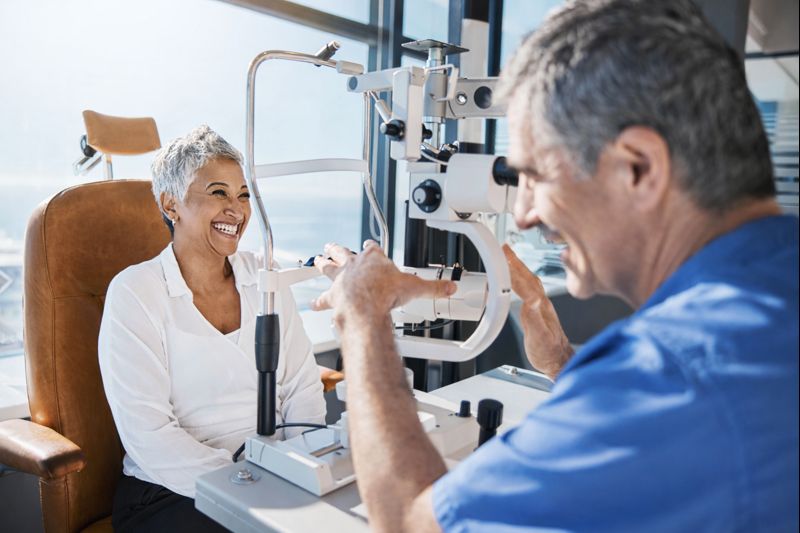
Managing cataracts when macular degeneration is present requires a high level of experience and clinical judgement. When you are treated in a specialist setting, macular health is carefully assessed before any decision is made. We understand how cataract treatment can interact with underlying retinal disease. This knowledge supports safer and more appropriate outcomes.
Specialist centres monitor macular health closely both before and after surgery. When you are followed consistently, subtle changes can be detected early. We adapt care plans based on how the macula responds over time. This ongoing attention helps protect remaining vision.
Expert oversight also provides reassurance throughout the entire journey. When you know planning and follow-up are handled thoughtfully, confidence in care increases. We focus on long-term vision rather than short-term results. You deserve care that reflects the complexity of your eye health.
FAQs:
1. Does cataract surgery make macular degeneration worse?
Current evidence shows cataract surgery does not worsen macular degeneration. We know that the condition progresses naturally over time, regardless of surgery. Modern techniques are designed to protect retinal health. Careful monitoring ensures your macula remains safe.
2. Why do so many people worry that cataract surgery could damage the macula?
This fear comes from older studies and misunderstandings about disease progression. We now understand that vision changes after surgery often reflect natural macular changes. Improved imaging has clarified this confusion. Modern data provides strong reassurance.
3. Can cataract surgery speed up vision loss if you already have macular degeneration?
No, surgery does not accelerate vision loss linked to macular degeneration. We see similar progression rates in people who have surgery and those who do not. Changes over time are related to the condition itself. Surgery is not the cause.
4. Could inflammation after cataract surgery harm your macula?
Inflammation is expected after any eye surgery, but it is carefully controlled. We prescribe anti-inflammatory drops to protect sensitive retinal tissue. Follow-up visits help us monitor healing. Evidence shows this inflammation does not worsen macular degeneration.
5. Is it safer for you to avoid cataract surgery if you have macular degeneration?
Avoiding surgery is not always safer. We often see that untreated cataracts further limit usable vision. Removing the cataract can improve brightness and contrast. Decisions are based on balance, not fear.
6. Can cataract surgery trigger wet macular degeneration?
Research shows cataract surgery does not trigger wet macular degeneration. If wet changes appear, they reflect natural disease progression. We monitor your macula closely to detect early signs. Prompt treatment protects vision.
7. How do we protect your macular health before cataract surgery?
We carry out detailed retinal scans before surgery. These help us understand the stage and type of macular degeneration. Surgical planning is adjusted based on this information. This personalised approach reduces risk.
8. Will your macula be monitored after cataract surgery?
Yes, ongoing monitoring is essential. We use follow-up visits to assess macular stability over time. Modern imaging allows precise tracking of changes. Early detection supports better outcomes.
9. Can cataract surgery still improve vision even if macular degeneration remains?
Yes, many people experience meaningful improvement. We often see better brightness, reduced glare, and clearer contrast. While central sharpness may not fully return, functional vision often improves. These changes support daily activities.
10. How should you decide whether cataract surgery is right for you?
Decisions should be based on evidence and individual assessment. We consider cataract severity, macular health, and daily visual needs together. Honest discussion helps set realistic expectations. Confidence comes from understanding, not assumption.
Final Thoughts on Cataract Surgery and Macular Degeneration
If you are worried that cataract surgery could worsen macular degeneration, current evidence should offer reassurance. Modern research clearly shows that cataract surgery does not accelerate macular disease or increase its severity. When carefully planned and monitored, surgery is safe and often beneficial, even when macular degeneration is present.
We believe informed decisions lead to better outcomes and greater peace of mind. If you have concerns about macular degeneration or how cataract surgery may affect your vision, you can get in touch with us at London Cataract Centre for personalised advice, specialist assessment, and ongoing care tailored to your eye health.
References:
- Yang, L., et al. (2022) Association between Cataract Surgery and Age-Related Macular Degeneration: A Meta-Analysis, PLoS ONE. Available at: https://pmc.ncbi.nlm.nih.gov/articles/PMC9098349/
- Chen, Z. (2022) Effect of Cataract Surgery on the Progression of Age-Related Macular Degeneration, Medicine Journal. Available at: https://pubmed.ncbi.nlm.nih.gov/36343088/
- Hössl, L. (2025) Insights into Cataract Surgery Outcomes in Age-Related Macular Degeneration, Ophthalmology Retina. Available at: https://pubmed.ncbi.nlm.nih.gov/39615671/
- Martínez-Velasco, A., et al. (2019) Relevance of Cataract as a Risk Factor for AMD, Applied Sciences, MDPI. Available at: https://www.mdpi.com/2076-3417/9/24/5550
- Bhandari, S., et al. (2022) Cataract Surgery and the Risk of Progression of Macular Degeneration, PMC Free Article. Available at: https://pmc.ncbi.nlm.nih.gov/articles/PMC9752199/