



If you have noticed that reading small print is becoming harder than it used to be, you are absolutely not alone. You might feel slightly concerned when words that were once clear now seem more difficult to focus on. This is a very common experience as you get older, and it often happens gradually over time. Many people only realise it when everyday reading starts to feel less effortless than before.
You might find yourself holding books further away to bring the text into clearer focus. You may also increase the brightness on your phone or rely more heavily on stronger reading glasses. These small adjustments can feel frustrating, especially if reading has always been something you could do without thinking. It can sometimes feel like your eyes are simply not keeping up in the same way they used to.
The good news is that most age-related reading difficulties are completely understandable and often manageable. In many cases, these changes are linked to natural shifts in how your eyes focus over time. With the right support, such as updated prescriptions or simple adjustments, reading can become much more comfortable again. Understanding why these changes happen is the first step towards managing them effectively.
In this article, you will be guided through the main reasons reading becomes more difficult with age. You will also learn what is happening inside your eyes in a clear and practical way. Most importantly, you will discover what you can do to improve your reading comfort. The aim is to give you reassurance as well as useful, real-world solutions.
You may notice reading isn’t as effortless as before
If reading small print feels harder than it used to, you are not imagining it at all, and you are certainly not alone in noticing this change. You might begin to realise that your eyes need a bit more effort to focus clearly on close-up text. This tends to develop gradually, so it can be easy to overlook at first. Many people start experiencing it in their 40s, 50s, or later as part of natural age-related changes.
You may first notice it in everyday situations such as reading a menu, a book, or even messages on your phone. At these moments, you might find that the text feels slightly less sharp or requires more concentration than before. You could also catch yourself adjusting the distance between your eyes and the page without even thinking about it. These small adjustments often become more frequent as time goes on.
At the beginning, you may naturally compensate without realising it, using better lighting or holding reading material further away. However, over time, the extra effort needed to read clearly can become more noticeable in your daily routine. This can sometimes feel frustrating, especially when reading has always been easy and automatic. Understanding that this is a common change can help you feel more reassured and less concerned about it.
Your eyes naturally change with age
As you get older, your eyes go through completely natural biological changes, just like the rest of your body. You might notice these changes slowly building over time rather than happening suddenly. In most cases, they are part of the normal ageing process and do not automatically mean there is a disease. However, they can still affect how smoothly and efficiently your vision works in everyday life.
Inside your eye, the lens gradually becomes thicker and less flexible as you age. You may find that it takes a little longer for your eyes to adjust when switching between looking at near and far objects. This reduced flexibility makes it harder for your eye to focus quickly, especially during close-up tasks. Over time, you might become more aware of needing extra effort to see things clearly.
Because of this natural change, activities such as reading can begin to feel more demanding than they used to. You might notice that small print requires more concentration or better lighting to stay comfortable. Even simple tasks like checking your phone can start to feel slightly less effortless. Understanding these changes can help you feel more reassured and better prepared to manage them.
Focusing up close becomes harder
When you are younger, your eyes can shift focus almost instantly between distant objects and close-up detail. You might not even notice this adjustment happening because it is so quick and natural. This smooth focusing ability allows you to read easily, use your phone comfortably, and carry out close work without effort. Everything tends to feel sharp and immediate without you having to think about it.
As you age, however, this focusing ability gradually becomes slower and less efficient. You may notice that when you bring text closer, it takes a little longer for it to become clear. In some cases, it may not feel as sharp as it once did, even after your eyes try to adjust. This change can develop slowly, so you might only become aware of it when daily tasks start feeling different.
Because of this reduced focusing speed, you may find yourself relying more on additional support. This could include holding reading material further away, using brighter lighting, or wearing reading glasses. These adjustments help your eyes cope with the natural changes happening over time. Understanding this process can make the experience feel less frustrating and more manageable.
Presbyopia is the most common reason
Presbyopia is the most common age-related reason why reading becomes more difficult, and it affects almost everyone at some stage in life. You might notice it gradually rather than all at once, often beginning in your 40s or 50s. It is not something you develop because of illness, but instead a natural change in how your eyes work over time. This makes it a very normal part of ageing.
It happens because the lens inside your eye slowly becomes less flexible. You may find that it no longer changes shape as easily as it once did when focusing on nearby objects. This reduced flexibility makes it harder for your eyes to adjust quickly between different distances. As a result, close-up tasks can start to feel less effortless.
Because of this change, reading small print or focusing on fine detail becomes increasingly challenging. You might notice that you need to hold things further away or rely on better lighting to see clearly. Many people also find that reading glasses or updated prescriptions help significantly. Understanding presbyopia can make these changes feel more predictable and easier to manage.
You may start holding things further away
One of the earliest and most recognisable signs of Presbyopia is that you begin holding reading material further away from your eyes. You might not even realise you are doing it at first, as it often happens instinctively. This adjustment is your body’s natural response to help bring text back into a clearer focus range. Over time, it can become a noticeable habit during everyday reading.
You may also find yourself increasing font sizes on your phone or computer without much thought. This is another simple way you are trying to reduce strain and improve clarity when looking at close-up text. You might prefer brighter screens or larger print because they feel more comfortable on your eyes. These small changes often develop gradually as your focusing ability shifts.
These adjustments are your eyes’ way of compensating for reduced near focusing ability. You are essentially adapting your environment to match how your vision is changing over time. While these signs can feel frustrating, they are very common and expected with age. Understanding them can help you feel more reassured and better prepared to manage everyday reading tasks.
Eye strain becomes more noticeable
As your eyes age, it can become harder for them to maintain a clear focus on close-up tasks like reading or using a phone. This extra effort often leads to eye strain, which may develop gradually without you immediately noticing. What once felt easy and natural may start to feel more tiring over time. Recognising these early signs can help you manage your visual comfort better.
- Tired or Aching Eyes: Eye strain is often felt as a dull ache or heaviness around the eyes. You may notice your eyes feel fatigued after even short periods of reading or screen use. This happens because the focusing muscles are working harder than before.
- Headaches After Close Work: Spending time on close tasks like reading, sewing, or computer work can trigger headaches. These headaches are usually caused by prolonged focusing and visual effort. They often improve once you rest your eyes or look at distant objects.
- Difficulty Maintaining Concentration: You might find it harder to stay focused during longer reading sessions. Words may start to blur or feel harder to process, making it easier to lose your place. This can be frustrating, especially if reading is part of your daily routine.
- Need for More Frequent Breaks: Activities that were once effortless may now require regular pauses. Taking breaks helps reduce strain and allows your eyes to recover. Over time, you may naturally start adjusting your habits without realising it.
In conclusion, increased eye strain is a common change as your eyes age and work harder to focus on near objects. While it can feel inconvenient, it is usually a sign that your vision is adapting rather than failing suddenly. Paying attention to these symptoms can help you adjust your reading habits and reduce discomfort. If strain becomes persistent or worsens, an eye examination can help identify simple solutions to improve your vision comfort.
You may need brighter lighting
With age, your eyes often need more light to see detail clearly, even if your vision is otherwise healthy. You might notice that tasks which once felt easy in normal lighting now require a brighter environment. This is a natural change and tends to happen gradually over time. It does not necessarily mean there is a serious eye problem, but it can still affect daily comfort.
This happens because the pupil becomes smaller and less responsive as you get older, allowing less light to enter the eye. You may find that your eyes take longer to adjust when moving between different lighting conditions. As a result, fine detail can become harder to see in dim or uneven light. This change can make close-up work like reading more tiring than before.
You might begin to prefer brighter spaces when reading or doing detailed tasks. This could mean sitting closer to windows during the day or switching on stronger lamps in the evening. Lighting that once felt perfectly fine may now seem too dim for comfortable reading. Making small adjustments to your environment can help you see more clearly and reduce eye strain.
Cataracts can affect reading clarity
Cataract are another very common cause of reading difficulty as you get older, and they usually develop slowly over time. You might not notice them at first because the changes can be quite gradual. They occur when the natural lens inside your eye becomes cloudy, which affects how light passes through. Over time, this can make your vision feel less clear and more difficult to rely on.
This clouding reduces both clarity and sharpness, especially when you are trying to read fine print. You may notice that text appears slightly blurred, dull, or harder to distinguish. Even with the correct glasses, reading may still feel less sharp than it used to. This can be particularly noticeable in low light or when focusing for longer periods.
You might also describe your vision as feeling “foggy” or less crisp overall. This can make everyday reading tasks more tiring and less comfortable. As the condition progresses, these effects may become more noticeable in daily life. Understanding this change can help you recognise when it might be time to seek an eye assessment.
Text may look dull or yellowed
Cataract can cause subtle changes in how you perceive text, especially in the early stages. You might notice that words do not appear as sharp or as dark as they once did. Instead of clear black print, text may start to look slightly faded, dull, or even tinged with a yellowish hue. These changes can happen gradually, so you may only become aware of them over time.
This happens because the clouding of the eye’s natural lens affects how light and colour pass through to the retina. You may find that colours overall seem less bright or slightly altered compared to how they used to appear. As a result, contrast between text and background becomes weaker, making reading more difficult. Even familiar pages or screens can start to look subtly different.
Over time, this change in visual perception can make reading less comfortable and more tiring. You might need better lighting or closer focus to see text clearly. These small adjustments can help temporarily, but the underlying issue may continue to progress. Recognising these signs early can encourage you to seek an eye assessment and explore appropriate treatment options.
Glare becomes more uncomfortable
Cataract can also make your eyes more sensitive to light and glare as the condition develops. You might notice that bright lights, sunlight, or even oncoming headlights feel much more intense than they used to. This increased sensitivity can make everyday environments feel less comfortable for your eyes. It often becomes more noticeable when you are outdoors or moving between different lighting conditions.
You may also find that glare makes reading more difficult in certain settings. This is especially true in places where lighting is uneven, overly bright, or reflected off shiny surfaces. You might struggle to focus clearly on text because the light feels distracting or overwhelming. Even familiar reading environments can start to feel less comfortable than before.
Another common effect is the appearance of halos around lights, which can further affect your visual comfort. You might see glowing rings or blurred edges around light sources, particularly at night. This can make both reading and general vision more tiring. Over time, these changes can have a noticeable impact on your day-to-day visual experience.
Contrast sensitivity naturally declines
Contrast sensitivity refers to your ability to distinguish objects from their background, such as black text on a white page. You might not think about it often, but it plays a key role in how clearly you see everyday details. As you get older, this ability naturally declines, even if your eyes are otherwise healthy. This is a normal part of the ageing process and can affect reading comfort.
Because of this change, you may notice that text does not look as bold or sharply defined as it once did. Even when something is technically in focus, it can still appear slightly faded or less clear against its background. You might find yourself concentrating more just to make out words that used to be easy to read. This can become more noticeable when reading for longer periods.
Reading low-contrast material, such as faint print or poorly lit text, can feel especially tiring. You may need better lighting, larger font sizes, or shorter reading sessions to stay comfortable. These adjustments help compensate for the natural decline in contrast sensitivity over time. Understanding this change can help you manage it more effectively in daily life.
Digital screens can make symptoms worse
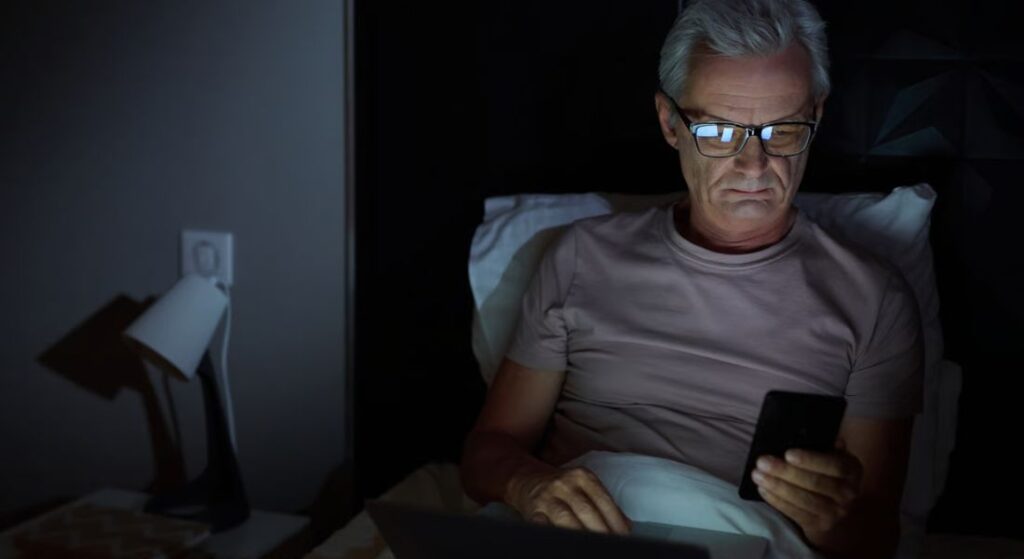
Modern life involves a significant amount of screen use, and this can make age-related reading difficulties feel more noticeable. You might not realise it at first, but screens often require constant focusing and refocusing as you scroll, read, or switch between apps. Over time, this continuous effort can increase visual fatigue and make your eyes feel more strained. This is especially common when using devices for long periods without breaks.
You may find that reading on a phone, tablet, or computer feels more tiring than reading printed material. This can happen because screens often involve smaller text sizes, reflections, and varying brightness levels. You might also notice that your eyes feel more uncomfortable after prolonged use. Even simple tasks like reading messages or emails can start to feel more demanding.
Glare, small text, and extended focus all contribute to increased strain over time. You might experience symptoms such as tired eyes, blurred vision, or difficulty maintaining clarity. Taking regular breaks, adjusting screen brightness, and increasing text size can help reduce this discomfort. Understanding these effects can help you manage screen use more comfortably in your daily routine.
Reading in dim light becomes difficult
As your eyes age, you may find it harder to read in low-light environments such as restaurants, evening rooms, or poorly lit spaces. This is a gradual change that often becomes noticeable when you compare how easily you used to read in similar conditions. It is not just about eyesight strength, but also how your eyes respond to reduced lighting. Understanding this shift can help you adapt your surroundings for better comfort.
- Reduced Light Sensitivity: The eye’s ability to adapt to dim lighting decreases over time. This means the retina requires lighter to detect fine details clearly. As a result, text or objects may appear dull or harder to distinguish in low-light settings.
- Need for Brighter Environments: You may notice yourself seeking stronger lighting when reading or doing close work. Activities that once felt fine in soft lighting may now require a lamp or brighter overhead light. This adjustment helps reduce strain and improve clarity.
- Slower Visual Adjustment: Your eyes may take longer to adjust when moving between bright and dark environments. This delay can make it temporarily harder to focus when lighting conditions change quickly. It can feel uncomfortable until your vision fully adapts.
- Increased Visual Fatigue in Low Light: Struggling to see clearly in dim conditions can make your eyes work harder than usual. This often leads to tiredness or discomfort after short periods of reading. Over time, you may naturally avoid low-light reading situations.
In conclusion, difficulty reading in dim light is a common change that comes with age-related vision adjustments. It is mainly due to reduced sensitivity and slower adaptation to lighting changes. Making small environmental changes, such as improving lighting, can greatly improve comfort. If the problem becomes more noticeable, an eye examination can help ensure there are no underlying issues affecting your vision.
Dry eyes can blur your vision
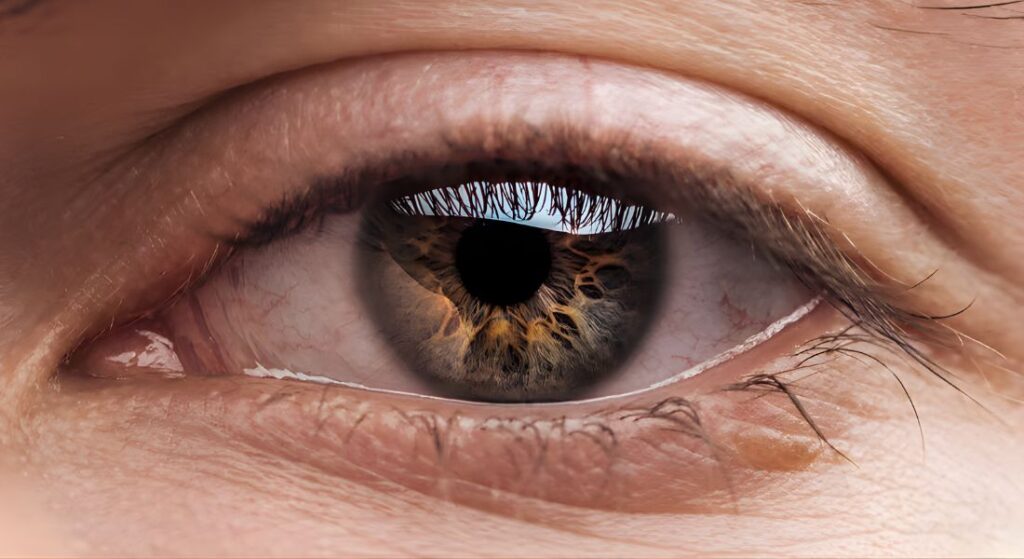
Dry Eye Syndrome is a common condition that becomes more frequent with age and can have a noticeable impact on reading comfort. You might not realise it straight away, but your eyes depend on a stable tear film to keep vision smooth and clear. When this balance is disrupted, your vision can become less consistent. This often makes close-up tasks like reading feel more difficult.
It happens when your eyes do not produce enough tears or when the quality of those tears is reduced. You may notice your eyes feeling dry, tired, or uncomfortable, especially during reading or screen use. Because your eyes are not properly lubricated, the surface becomes less smooth, which affects how clearly you see. As a result, your vision may change throughout the day depending on your environment.
This can lead to fluctuating vision, where text looks clear at one moment and then blurred the next. You might also experience irritation, a gritty feeling, or a mild burning sensation. These symptoms can make reading uncomfortable and more tiring over time. Managing dry eye symptoms can help improve clarity and make reading easier again.
You may experience fluctuating clarity
If your vision seems inconsistent throughout the day, Dry Eye Syndrome may be contributing to the problem. You might notice that your vision is not steadily clear, but instead changes from sharp to blurry at different times. This can feel frustrating, especially when you are trying to read or focus on detailed tasks. The inconsistency can make everyday activities feel less predictable.
You may find that blinking briefly improves your clarity before the blurriness returns again. This happens because blinking helps temporarily spread tears evenly across the surface of your eye. You might also notice that your vision improves after using lubricating eye drops. These short-term improvements can give you useful clues about what is affecting your eyesight.
These changes are often a key indicator of tear film instability. You may realise that your eyes are not maintaining enough moisture to support stable vision. Over time, this can make reading and screen use more tiring. Understanding these patterns can help you recognise when dry eye may be affecting your visual comfort.
Health conditions can play a role
Certain general health conditions can also impact your reading vision over time. You might not immediately connect your overall health with changes in how clearly you see, but the two are often closely linked. When your body is affected by long-term conditions, your eyes can sometimes show early warning signs. This is why changes in reading clarity should always be taken seriously.
Conditions such as Diabetes Mellitus, Hypertension, or other vascular issues can affect blood flow to the eyes. You may notice that the tiny blood vessels in the retina become more vulnerable over time. This can interfere with how well your eyes receive oxygen and nutrients. As a result, your vision may become less stable or more easily affected.
These changes can lead to blurred vision or fluctuations in clarity, especially during tasks like reading. You might find that your eyesight is clear at one moment and slightly blurred the next. This inconsistency can make close work more tiring and harder to manage. If you have underlying health conditions, it is especially important to pay attention to any changes in your vision and seek advice early.
Medications can sometimes affect focus
Certain medications can influence how clearly you see, especially when they affect the nervous system, hormone balance, or fluid levels in the body. These changes may be subtle at first, often showing up as mild blurring or difficulty focusing on close objects. While not everyone experiences these side effects, they can become more noticeable when you start a new prescription. Being aware of this connection can help you identify the cause of sudden vision changes more quickly.
- Dryness and Reduced Comfort: Some medications can reduce tear production, leading to dry eyes. This dryness can make reading uncomfortable and cause a gritty or tired sensation. When the eyes are not properly lubricated, focusing becomes more difficult.
- Blurred or Fluctuating Vision: You may notice that your vision becomes temporarily blurred or changes throughout the day. This can make reading small print or screens more challenging. These fluctuations are often linked to how certain drugs affect eye muscles or fluid balance.
- Difficulty Maintaining Focus: Some medications can impact the brain’s ability to process visual information smoothly. This may result in slower focusing or trouble keeping text clear for long periods. Tasks like reading or close work may feel more effortful than usual.
- Importance of Medical Review: If you notice vision changes after starting a new medication, it is important to take it seriously. A healthcare professional can assess whether the medicine is contributing to the issue. In some cases, simple adjustments or alternatives can improve your visual comfort.
In conclusion, medications can sometimes affect how your eyes focus and process visual detail. These effects are often temporary but should not be ignored if they interfere with daily activities like reading. Keeping track of when symptoms begin can help identify the cause more easily. If changes persist, discussing them with a healthcare professional is the safest next step.
Eye fatigue builds up faster than before
You may find that your eyes tire more quickly than they used to, especially during longer reading sessions. This can feel noticeable when you are concentrating on small print or detailed text for extended periods. Even activities that once felt easy may now require more effort from your eyes. Over time, this can make reading less comfortable than it used to be.
This happens because your eyes gradually lose some focusing flexibility with age, which means they need to work harder to maintain clear vision. You might notice that your eyes struggle more to keep text sharp for long stretches. The extra effort required can build up gradually without you realising it at first. This can lead to a feeling of strain or heaviness around your eyes.
As a result, you may need more frequent breaks when reading or working up close. You might also find that long reading periods feel more tiring than they once did. Taking short pauses can help reduce discomfort and restore focus. This is a common and natural part of visual ageing that many people experience over time.
Simple adjustments can make a big difference
Fortunately, there are many practical steps you can take to improve your reading comfort. You do not usually need to make major changes, as small adjustments can often lead to noticeable improvements in clarity and ease. You might be surprised at how much difference a few simple tweaks can make in your daily routine. These changes can help reduce strain and make reading feel more natural again.
Better lighting is one of the easiest and most effective ways to improve clarity. You may find that brighter, well-positioned light helps reduce shadows and makes text easier to read. Updating your glasses prescription can also make a significant difference if your vision has changed. Increasing text size on digital devices can further reduce effort and improve comfort.
Taking regular breaks is another important habit that helps prevent eye strain. You might also benefit from adjusting how and where you read to reduce fatigue. Even small changes in your reading habits can improve how comfortable your eyes feel over time. These simple steps can make every day reading easier and more enjoyable again.
Professional eye checks are essential
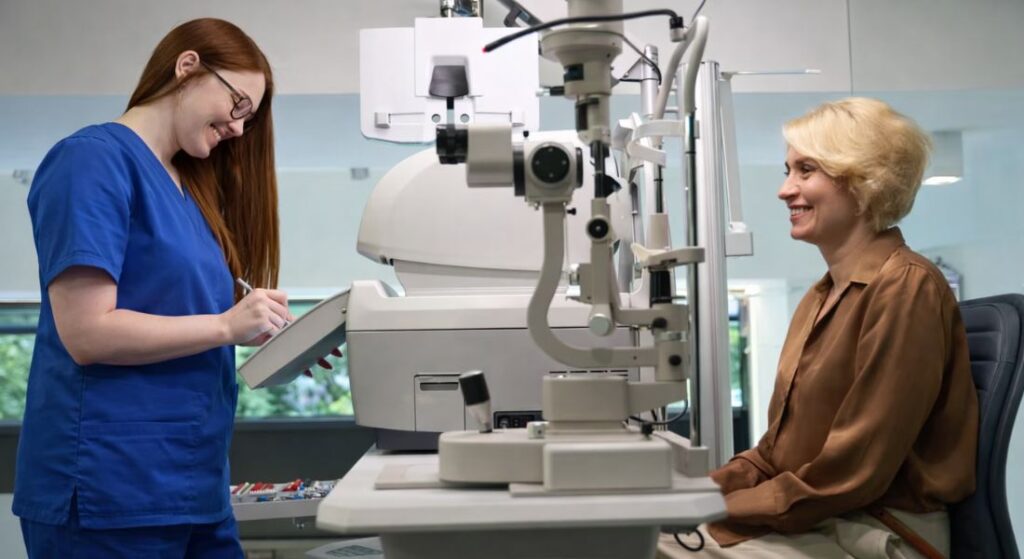
If reading difficulty begins to affect your quality of life, it is important to have your eyes examined by a qualified professional. You might notice that everyday tasks such as reading, screen use, or focusing up close are becoming more challenging. When this starts to interfere with your comfort or independence, it should not be ignored. A proper eye assessment can help identify the underlying cause clearly and accurately.
An eye specialist can determine whether Presbyopia, Cataract, or another condition is responsible for your symptoms. You may be experiencing changes that are part of normal ageing, or there could be a treatable eye condition contributing to the problem. A detailed examination allows your eyes to be checked thoroughly, including both vision and overall eye health. This ensures nothing important is missed.
Early assessment allows for timely correction or treatment, which can significantly improve your visual comfort. You might benefit from updated glasses, medical treatment, or other interventions depending on the diagnosis. Acting early often leads to better outcomes and easier management of symptoms. You can explore further expert care and advice through the London Cataract Centre.
FAQs:
1. Why is reading becoming harder as I get older?
The most common reason is natural ageing of the eye, especially a condition called presbyopia, where the lens loses flexibility. This makes it harder to focus on close-up text, so reading small print becomes more difficult over time.
2. What is presbyopia?
Presbyopia is an age-related change where the eye’s lens becomes less flexible, reducing your ability to focus on near objects. It usually starts in your 40s or 50s and is a normal part of ageing rather than a disease.
3. Can cataracts affect reading?
Yes. Cataracts cause clouding of the eye’s natural lens, which can make text appear blurry, dull, or yellowed. This often reduces reading clarity, especially in low light or over long periods.
4. Why do I need brighter light to read now?
As you age, your pupils become less responsive and let in less light. This means you often need stronger lighting to see fine detail clearly, particularly when reading or doing close work.
5. Why do my eyes feel tired when I read?
Eye strain occurs when your focusing system works harder than before. Age-related changes, long reading sessions, or screen use can all contribute to tired, aching eyes and headaches.
6. Does screen use make reading problems worse?
Yes, prolonged screen use can increase eye strain because of glare, small text, and reduced blinking. This can make age-related focusing difficulties feel more noticeable.
7. Can dry eyes affect reading clarity?
Yes. Dry eyes can cause fluctuating or blurred vision, making text appear unclear at times. This often improves temporarily after blinking or using lubricating eye drops.
8. Why do I hold reading material further away now?
This is a classic sign of presbyopia. Your eyes are compensating for reduced focusing ability by increasing distance to help bring text into clearer focus.
9. When should I get my eyes checked?
You should book an eye test if reading difficulty is affecting your daily life, becoming worse, or not improving with glasses or better lighting. Early assessment can help identify treatable causes.
10. Can reading difficulties with age be treated?
Yes, in most cases they can be managed effectively with updated prescriptions, reading glasses, better lighting, or treatment for conditions like cataracts. A professional eye examination at a specialist clinic such as the London Cataract Centre can help determine the best solution for your vision.
Final Thoughts: Difficulty Reading with Age (Causes & Solutions)
Reading becoming harder with age is most often linked to natural changes in the eye such as presbyopia, reduced contrast sensitivity, or the early development of cataracts. These changes typically happen gradually and can make close-up vision feel less sharp or more tiring, especially during prolonged reading or screen use.
The important thing to understand is that these changes are very common and usually manageable. Simple adjustments like improving lighting, updating your glasses prescription, or taking regular breaks can make a noticeable difference to your reading comfort and overall visual ease.
If symptoms continue or begin to interfere with daily life, a professional eye examination can help identify the exact cause and guide the right treatment or correction. If you’re looking to enhance your vision or need personalised guidance, our specialist team at the London Cataract Centre is here to help.
References:
- Tham, Y.C., Li, X., Wong, T.Y., Quigley, H.A., Aung, T. and Cheng, C.Y. (2014) Global prevalence of glaucoma and projections of glaucoma burden through 2040, Ophthalmology, 121(11), pp. 2081-2090. Available at: https://www.sciencedirect.com/science/article/pii/S0161642014004308
- Rodrigues, M., Baptista, A.M., Lopes, J.A. and Soares, R. (2020) Vision through healthy aging eyes, Vision, 5(4), p. 46. Available at: https://www.mdpi.com/2411-5150/5/4/46
- Park, R.B. and Aref, A.A. (2024) Astigmatism management in modern cataract surgery, Vision, 8(1), p. 9. Available at: https://www.mdpi.com/2411-5150/8/1/9
- Swenor, B.K., Lee, M.J., Varadaraj, V. and Whitson, H.E. (2019) Aging with vision loss: a framework for assessing the impact of visual impairment on older adults, The Gerontologist, 60(6), pp. 989-995. Available at: https://pmc.ncbi.nlm.nih.gov/articles/PMC7427480/
- Al-Namaeh, M. (2022) Common causes of visual impairment in the elderly, Medical Hypothesis, Discovery & Innovation in Ophthalmology, 10(4), pp. 191-200. Available at: https://pmc.ncbi.nlm.nih.gov/articles/PMC10460237/