by admin | Oct 1, 2025 | Uncategorized
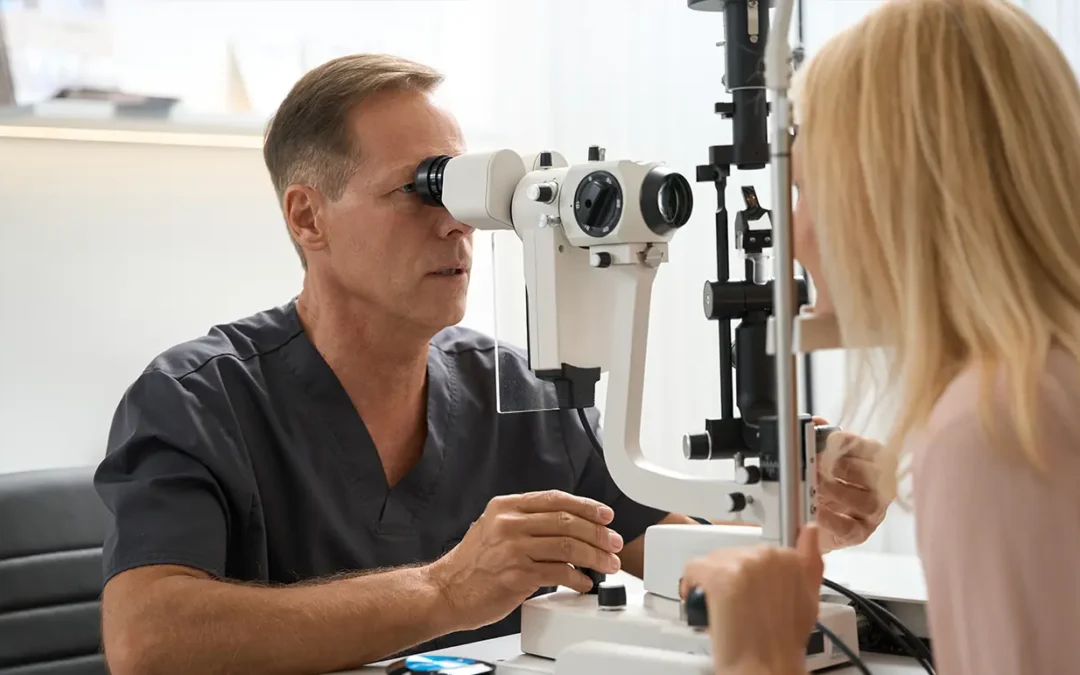
If you’ve had an implantable collamer lens (ICL) fitted to correct your eyesight, you may be wondering what happens if you later develop cataracts. It’s a fair question. The natural lens of your eye is still in place after an ICL procedure, so it remains vulnerable to...
by admin | Sep 30, 2025 | Uncategorized
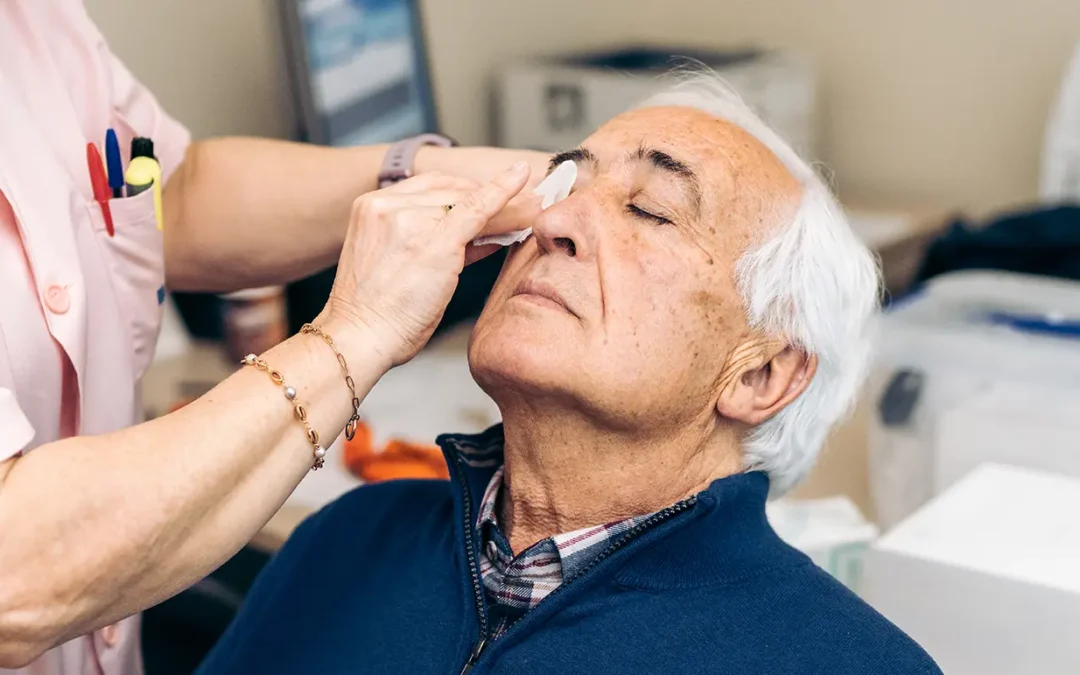
When most people hear the word cataract, they think of a cloudy lens that gradually blurs vision and is then removed with routine surgery. While this is accurate for the majority of cases, not all cataracts are the same. Some are far more complex, pose greater risks...

by admin | Sep 30, 2025 | Uncategorized
It’s completely normal to feel a bit wobbly before cataract surgery. The good news is that the procedure itself is quick, you’re awake, and most people describe it as “odd but comfortable” rather than painful. Still, if nerves are kicking in, you might be wondering...

by admin | Sep 29, 2025 | Uncategorized
Cataract surgery is famously quick and, for most people, surprisingly comfortable. What’s less visible is the careful choreography of medicines before, during and after the operation that keeps your eye safe, quiet and pain-free while it heals. If you’re preparing for...
by admin | Sep 29, 2025 | Uncategorized
When most people think about cataracts, they picture an age-related change that gradually clouds the eye’s natural lens over time. But what many don’t realise is that certain medicines can also play a role in cataract formation. One of the best-known groups in this...
by admin | Sep 26, 2025 | Uncategorized
If you’ve had cataract surgery, you might have been told about something called a “secondary cataract.” The proper term for it is posterior capsule opacification (PCO), and it happens when the thin capsule that holds your artificial lens becomes cloudy over time. This...
