


Let’s be honest—most of us think of cataracts as something that only affects our vision. A bit of blurriness here, a touch of cloudiness there, and eventually, you’ll just “get them sorted with surgery.” Right? But what if I told you cataracts could do far more than just make the world look a little fuzzy? What if they could actually mess with your sense of balance and raise your risk of taking a nasty tumble?
It’s not a scare tactic. It’s a reality. And if you or someone you care about has been diagnosed with cataracts—or even if you’re just starting to notice some changes in your vision—this is something you’ll want to understand fully.
So, let’s break it all down. We’ll look at how your eyes, your brain, and your balance all work together, and where cataracts sneak in to disrupt the whole system.
What Are Cataracts, Exactly?
Before we get into balance and falls, it’s worth quickly recapping what cataracts are.
A cataract is a clouding of the eye’s natural lens. This lens sits behind the iris and helps focus light onto the retina, allowing us to see clearly. But over time—usually as we age—that lens can become less transparent. Proteins in the lens start to clump together, scattering the light and creating a foggy or hazy effect.
In the early stages, cataracts might not be too noticeable. But as they progress, they can significantly affect how well you see, especially in low light or when switching between light and dark environments.
Now here’s where things get interesting—because those visual changes don’t just affect how you see the world. They also affect how you move through it.
The Crucial Link Between Vision and Balance
Balance isn’t something most of us ever really think about—until it starts to go wrong. You don’t consciously plan every step you take, or focus on keeping your centre of gravity aligned as you move from one room to another. Yet behind the scenes, your body and brain are working together seamlessly to help you stay upright, coordinated, and safe. This automatic process depends on a combination of systems that all need to work in harmony.

A key player in that system is your vision. What you see doesn’t just help you navigate your surroundings—it actually helps you stay balanced. Visual information allows your brain to judge distances, detect motion, and make split-second decisions about where and how to place your feet. Whether it’s spotting a kerb, recognising the edge of a rug, or gauging how steep a slope is, your eyes are constantly feeding your brain essential data to keep you stable.
Alongside vision, your balance relies on two other systems: your inner ear and your sense of proprioception. The inner ear contains structures that detect changes in head position and movement, helping you stay oriented even in the dark. Proprioception, on the other hand, is your body’s ability to sense where your limbs are in space, even without looking. These three systems—visual, vestibular, and proprioceptive—form a network that keeps you steady whether you’re walking, standing, or moving around quickly.
When vision becomes impaired, especially due to something gradual like cataracts, it throws that entire system off. The brain can no longer trust what it’s seeing, because the images are fuzzy, poorly contrasted, or distorted. As a result, the brain has to rely more heavily on the other two systems, which may already be compromised by age or health conditions. This increased strain can make even simple movements feel less sure-footed.
Cataracts don’t just blur the world—they interrupt the constant flow of visual information your brain depends on to stay balanced. You may find that judging where steps begin or end becomes harder, or that you’re more easily disoriented in unfamiliar environments. Even shadows can become deceptive. Your brain, trying to interpret unclear visual signals, may miscalculate where the ground is, or how close an object really is, increasing the chances of a misstep or stumble.
So when people say cataracts “just affect your sight,” that’s really only half the story. In reality, your eyesight is one of the key foundations of your ability to move safely through the world. When cataracts disrupt your vision, they weaken that foundation—and suddenly, your balance becomes something you can no longer take for granted.
The Hidden Dangers of Visual Impairment in Everyday Life
Let’s think about the types of visual changes cataracts can cause:
- Reduced contrast sensitivity – You struggle to tell the difference between similar shades, like beige stairs on a cream carpet.
- Glare and halos – Light scatters inside the eye, making oncoming headlights or bright sunlight blinding.
- Poor depth perception – You misjudge how far away a step is, or how steep a slope might be.
- Difficulty in low light – Everything becomes harder to see at dusk or in a dim hallway.
Each of these effects might seem minor on its own. But together, they can make navigating the world a real hazard. You might take shorter steps, hold onto furniture, or avoid certain activities altogether—sometimes without even realising why.
This behavioural change leads to something else: a slow but steady reduction in physical confidence. And once that kicks in, the likelihood of falling goes up again.
Who’s Most at Risk?
Anyone with cataracts is technically at risk of falls, but some groups are more vulnerable than others.
Older Adults
This is the most obvious one. As we age, not only do cataracts become more common, but muscle strength, flexibility, and reaction time also tend to decline. Add in reduced vision and you’ve got a recipe for instability.
Research consistently shows that visual impairment doubles the risk of falling in older adults. And since cataracts are the leading cause of vision loss globally, it’s a major public health issue.
People with Other Medical Conditions
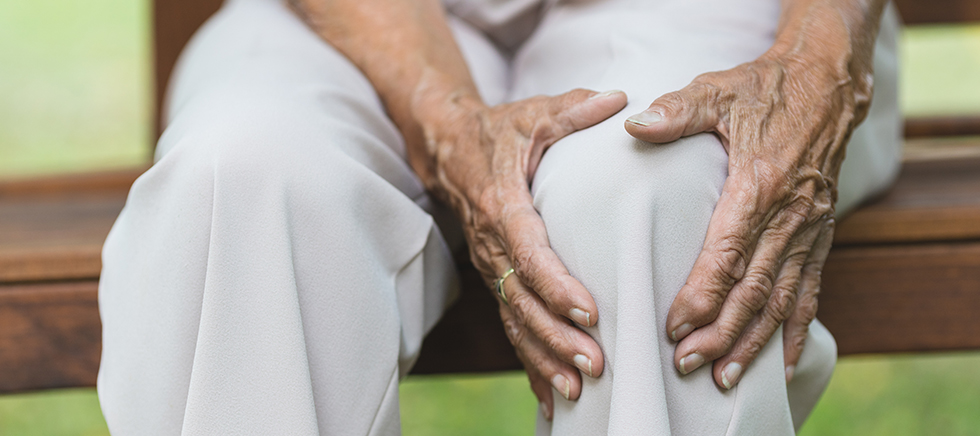
Conditions like Parkinson’s, arthritis, or diabetes can all affect balance and movement. If you’re already dealing with joint stiffness or nerve damage, reduced vision just makes it that much harder to stay steady.
Those Taking Multiple Medications
Some medications can cause dizziness, drowsiness, or low blood pressure—factors that already mess with your balance. Combine that with poor vision from cataracts, and your fall risk goes up significantly.
Cataracts and Cognitive Load: The Strain on Your Brain
Here’s something many people don’t realise: staying upright and moving safely through your environment isn’t just about muscles and joints—it’s also a mental task. Your brain is constantly processing a huge amount of information, making rapid decisions that keep you balanced and help you avoid obstacles. This mental effort often goes unnoticed when everything is working well, but once your vision becomes less reliable, the brain’s workload starts to increase.
Clear vision gives your brain accurate, up-to-date information about the space around you. It can quickly interpret steps, curbs, uneven surfaces, and moving people or objects, all without much conscious thought. But when cataracts cloud your lenses, the input your brain receives is no longer sharp or reliable. Everything becomes a little more vague—edges are less defined, contrasts are harder to see, and judging distances becomes more of a guessing game.
In response, your brain has to work overtime. Rather than simply reacting to what it sees, it has to interpret, predict, and sometimes even compensate for unclear information. This mental juggling act is what’s known as “increased cognitive load.” And when your brain is busy working harder to make sense of your surroundings, its capacity to react quickly and efficiently to sudden changes—like a wobble or a trip—goes down.
For older adults, this added mental burden can be especially problematic. As we age, processing speed tends to slow down, and multitasking becomes more difficult. If you already have even a slight degree of cognitive decline, the strain from trying to interpret poor visual signals can quickly become overwhelming. A brief moment of confusion or hesitation can be all it takes to lose your footing, especially on stairs or in crowded areas.
What makes this even more risky is that we often navigate complex environments—shopping centres, public transport, even busy kitchens—without giving it much thought. But when your vision is impaired by cataracts, these everyday places can suddenly become cognitively demanding. You’re scanning for obstacles, trying to make out floor patterns, and avoiding other people—all while your brain is working overtime just to compensate for poor vision.
The result? Increased fatigue, slower reactions, and a much greater chance of stumbling or falling. The effort of staying balanced becomes more than just physical—it turns into a full-blown mental task, which isn’t sustainable for long stretches. That’s why people with cataracts often report feeling more tired after walking or spending time in visually busy environments. It’s not just the body that’s working harder—it’s the brain too.
How Falls Actually Happen With Cataracts
Let’s talk about some real-life scenarios where cataracts lead to falls:
- Misjudging a kerb: You think it’s a shallow step, but it’s steeper than expected. Your foot doesn’t land properly, and down you go.
- Stumbling in dim lighting: You get up at night to go to the loo, but can’t see the edge of the carpet or the table leg in your path.
- Losing balance on stairs: Poor contrast makes it hard to tell where one step ends and the next begins.
- Being startled by glare: You step outside on a sunny day and are temporarily blinded, losing your bearings.
These aren’t rare occurrences. For someone with moderate-to-severe cataracts, they can happen weekly—or even daily.
The Psychological Impact: Fear of Falling
Let’s not ignore the emotional side of things. After even a minor fall, many people—especially older adults—develop a deep fear of falling again.
This fear leads to reduced physical activity, which in turn leads to muscle weakness, poorer coordination, and increased fall risk. It becomes a vicious cycle. All of it starting from a treatable visual condition.
The worst part? People often don’t realise their cataracts are contributing to their unsteadiness until after a fall has already happened.
Recognising the Signs That Vision Might Be Affecting Balance
So how do you know if cataracts are playing a role in your unsteadiness?
Here are a few signs to watch for:
- You feel more cautious or hesitant when walking, especially outdoors or in unfamiliar places.
- You’ve noticed a recent change in depth perception—like pouring drinks inaccurately or struggling with stairs.
- You bump into furniture more often or struggle to see in dim lighting.
- You feel overwhelmed in environments with lots of light contrasts or glare.
If any of that sounds familiar, it’s time to take your vision seriously—not just for your eyes, but for your safety as well.
Preventing Falls When You Have Cataracts
The good news? There’s plenty you can do to lower your fall risk—even before cataract surgery becomes necessary.
1. Improve Home Lighting
One of the easiest things you can do is brighten up your living space. Make sure hallways, staircases, and bathrooms have adequate lighting, especially at night. Motion-sensor nightlights are a great addition for midnight trips to the bathroom.
2. Remove Trip Hazards
Loose rugs, trailing wires, low furniture—get rid of them. Make pathways in your home wide and obstacle-free. If you have stairs, consider adding contrast strips or railings on both sides.
3. Use Vision Aids
Stronger prescription glasses, magnifiers for reading, or even tinted lenses to reduce glare can all make a difference. A low-vision assessment might uncover helpful tools you hadn’t considered.
4. Stay Physically Active
Balance exercises, strength training, tai chi—all help maintain your stability. The stronger and more coordinated your body, the more you’ll be able to compensate for visual deficits.
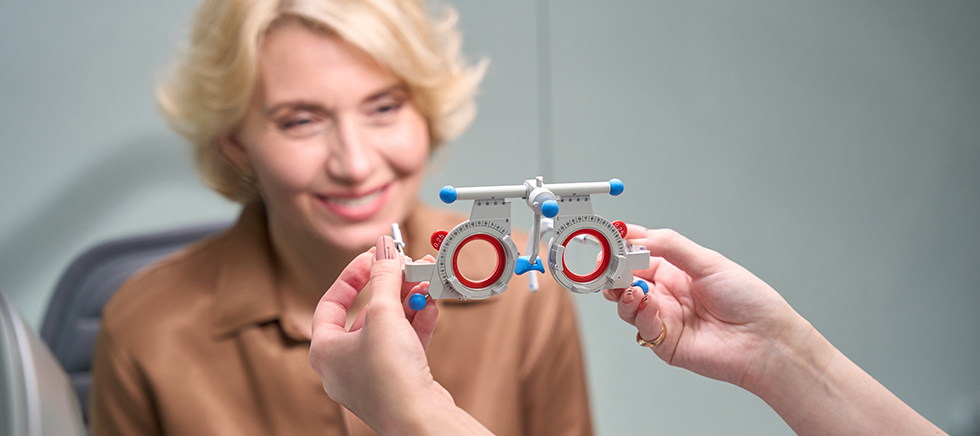
5. Get Regular Eye Checks
Routine eye exams are essential. If cataracts are progressing, your optometrist or ophthalmologist will spot it early. And if it’s time for surgery, don’t put it off. Cataract removal is one of the safest and most effective procedures in modern medicine.
The Role of Cataract Surgery in Fall Prevention
Here’s the big one: cataract surgery doesn’t just improve your sight—it significantly reduces your risk of falling.
Studies have shown that people who undergo cataract surgery on both eyes are much less likely to experience falls. The improvement in contrast, depth perception, and overall clarity makes a real-world difference in daily mobility.
Even better? The results are often immediate. Many patients notice the improvement the very next day.
Of course, surgery isn’t always right away or for everyone—but if your vision is affecting your confidence, movement, or safety, it’s worth a serious chat with your specialist.
Final Thoughts
Cataracts are far more than a “vision problem.” They’re a safety issue, a mobility issue, and for many, a quality-of-life issue. The changes they cause in your sight might start gradually, but the effect they can have on your balance and risk of falling can be profound.
So don’t wait until a fall happens to take action.
Whether it’s improving your home lighting, staying active, or speaking to an eye care professional about surgery, there are clear steps you can take to protect both your vision and your stability. If you’re concerned about cataracts and would like to have a private consultation with one of our expert cataract surgeons, you’re very welcome to contact us at the London Cataract Centre.
Because in the end, clear vision isn’t just about seeing better—it’s about living safer.