



If you have macular degeneration and have been told you need cataract surgery, it is very common to wonder whether the type of macular degeneration you have makes surgery more risky. Many patients hear terms like “wet” and “dry” macular degeneration and assume one automatically makes surgery unsafe. This uncertainty can create anxiety and delay decisions that could otherwise improve visual comfort. We believe a clear explanation helps you approach surgery with confidence rather than fear.
Macular degeneration does not behave the same way in every patient. Dry and wet forms differ in how they affect the retina, how quickly vision changes, and how treatment is managed. These differences do influence surgical planning, but they do not automatically mean cataract surgery is dangerous. Understanding the distinction is key to making informed choices.
In this article, we explain how cataract surgery risk is assessed in dry versus wet macular degeneration, how timing is coordinated with retinal treatment, and what you should expect during recovery. Our aim is to replace uncertainty with clarity and help you understand how surgeons safely manage both conditions together.
Understanding the Difference Between Dry and Wet Macular Degeneration
Dry macular degeneration is the more common form. It develops gradually as the macula thins and small deposits accumulate beneath the retina. Vision changes tend to be slow and progressive, often affecting central clarity over time. Many patients live with dry macular degeneration for years before significant vision loss occurs.
Wet macular degeneration is less common but more aggressive. It occurs when abnormal blood vessels grow beneath the retina and leak fluid or blood. This can cause sudden and more noticeable changes in vision. Because of this activity, wet macular degeneration requires active retinal treatment and closer monitoring.
These differences influence how cataract surgery is planned, not whether it can be done. Both forms can coexist with cataracts, and both can benefit from cataract removal when managed appropriately.
Why Patients Assume Wet AMD Is Riskier for Surgery
Many people believe that wet macular degeneration automatically makes cataract surgery unsafe. This assumption often stems from the word “wet,” which can sound alarming and suggest fragility or risk. Concerns about bleeding or disease activation are common, but they do not always reflect clinical reality. Understanding what truly determines safety helps replace fear with clarity.
- Wet macular degeneration does not automatically rule out surgery
The term “wet” can create unnecessary alarm about instability or bleeding. In practice, many patients with wet macular degeneration undergo cataract surgery safely. - Disease control matters more than disease type
A well-managed eye with treated wet macular degeneration can be suitable for surgery. Stability and response to treatment are more important than whether the condition is labelled wet or dry. - Careful timing and coordination reduce risk
Modern cataract surgery is gentle and precisely controlled. When retinal and cataract care are coordinated, monitoring and timing help minimise potential complications.
Cataract surgery decisions should be guided by control and stability rather than labels alone. By focusing on timing, monitoring, and coordinated care, we help ensure surgery is approached safely and confidently. This balanced perspective allows you to consider treatment without unnecessary avoidance or fear.
Is Cataract Surgery Riskier in Dry Macular Degeneration?

Dry macular degeneration does not usually increase surgical risk. Because the condition progresses slowly and does not involve active leakage or bleeding, cataract surgery can often be planned in a straightforward way. The main consideration is setting realistic expectations about visual improvement.
Cataract removal does not worsen dry macular degeneration. Modern evidence shows no acceleration of disease due to surgery. In many cases, removing the cataract improves brightness, contrast, and overall visual comfort, even if central sharpness remains limited.
Patients with dry macular degeneration are usually assessed carefully to understand how much of their vision loss is due to the cataract versus the retina. This helps guide the decision and avoids unrealistic expectations.
Is Cataract Surgery Riskier in Wet Macular Degeneration?
Cataract surgery in the presence of wet macular degeneration requires closer coordination, but it is not automatically higher risk when managed correctly. The key consideration is whether the condition is stable and responding to treatment. When retinal activity is controlled, surgery can be planned with greater confidence. We focus on stability rather than diagnosis alone.
Patients receiving injections are monitored carefully in the period leading up to surgery. When you have no signs of active leakage and the retina remains stable, cataract removal can proceed safely. We coordinate timing around injection schedules to avoid unnecessary disruption. This structured planning supports continuity of care.
Modern research shows that cataract surgery does not trigger wet macular degeneration or cause it to worsen when the disease is well controlled. When planning is careful, retinal health remains protected throughout the process. We rely on evidence and coordination to guide decisions. This approach supports safe surgery and reliable outcomes.
Why Timing Matters More Than Disease Type
Timing plays a crucial role when cataract surgery is considered in the presence of wet macular degeneration. When you have active retinal leakage or sudden changes in vision, surgery is usually delayed. We wait until treatment has stabilised the retina to reduce risk. This careful timing makes the procedure significantly safer.
In dry macular degeneration, timing is generally more flexible and guided by daily visual impact. When a cataract begins to interfere with routine activities, surgery may be planned regardless of retinal stability. We understand this difference can seem confusing at first. It reflects how each form of the disease behaves rather than a difference in surgical risk.
By selecting the most appropriate moment, surgeons reduce the chance of post-operative complications. When timing is right, both retinal health and surgical recovery are better protected. We focus on aligning treatment with disease behaviour and visual needs. This thoughtful approach supports safer outcomes and better long-term results.
How Retinal Treatment Is Coordinated With Surgery
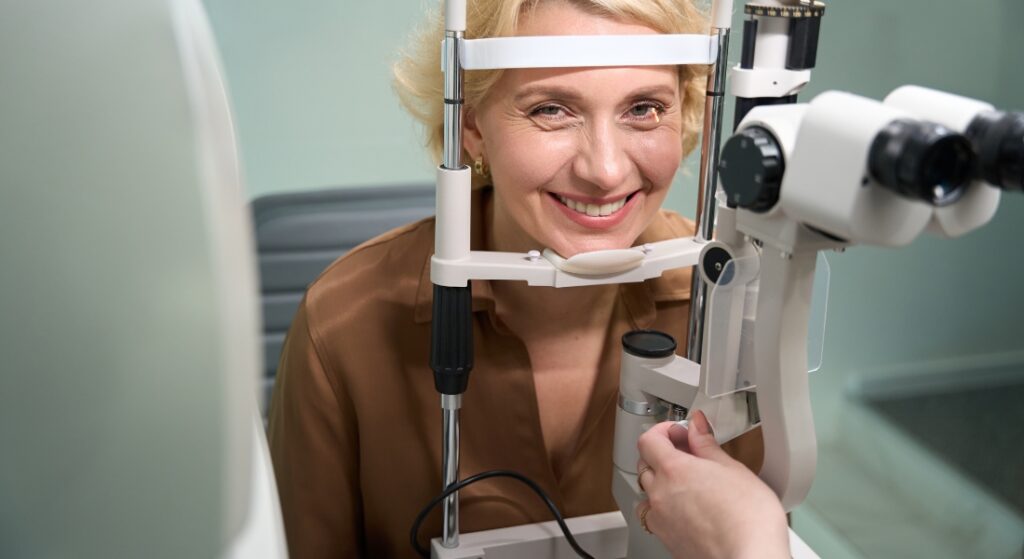
When wet macular degeneration is being actively treated, careful coordination becomes central to safe cataract surgery. Surgery is not planned in isolation but aligned with ongoing retinal care. Understanding how specialists work together helps reassure you that treatment continuity and retinal stability remain priorities throughout the process.
- Cataract and retinal care are carefully coordinated
Cataract surgeons work closely with retinal specialists to plan surgery safely. When you are receiving injections, treatment schedules are reviewed to identify the most stable window. - Injection timing is planned to maintain disease control
In some cases, injections are given shortly before or after surgery to support retinal stability. When timed correctly, this approach does not increase surgical risk and helps maintain control. - Integrated care supports safer outcomes and confidence
Coordinated planning allows cataract surgery without disrupting retinal management. We ensure communication between specialists so visual improvement and disease control progress together.
This collaborative approach has transformed how complex eye conditions are managed. By integrating cataract and retinal care, we prioritise safety, continuity, and clarity at every stage. When treatment is coordinated rather than fragmented, you can move forward with greater confidence and reassurance.
Does Cataract Surgery Affect AMD Progression Differently in Wet and Dry Forms?
Current evidence shows that cataract surgery does not speed up macular degeneration in either wet or dry forms. When progression occurs after surgery, it reflects the natural behaviour of the condition rather than an effect of the procedure. We rely on findings that have been consistent across multiple long-term studies. This reassurance is an important part of informed decision-making.
In wet macular degeneration, disease activity is driven by abnormal blood vessel growth within the retina. In dry macular degeneration, changes develop gradually over time due to retinal cell loss. We understand that removing the cataract does not alter these underlying processes. Surgery affects the lens, not the mechanisms responsible for macular disease.
When you understand this distinction, anxiety around surgery often reduces. The question shifts away from whether surgery will cause harm. We focus instead on how vision can be improved safely and appropriately. This perspective supports more confident and balanced decisions.
What Visual Improvement Is Realistic in Each Type
In dry macular degeneration, you may notice improvements such as increased brightness, reduced glare, and clearer overall vision after cataract surgery. While central sharpness can remain limited, everyday tasks often feel easier to manage. We frequently see gains in visual comfort that support daily activities. This added clarity can also improve confidence.
In wet macular degeneration, visual improvement depends on the extent of existing retinal damage. When the disease is well controlled, cataract surgery can lead to meaningful improvements in clarity and contrast. If damage is more advanced, changes may be subtler but still valuable. We focus on achievable benefits rather than unrealistic expectations.
In both forms of macular degeneration, surgery removes one significant barrier to vision. When clearer light reaches the retina, remaining visual function can be used more effectively. We aim to enhance how you use the vision that remains. This practical improvement often makes a real difference in daily life.
Recovery Differences Between Wet and Dry AMD Patients
Recovery after cataract surgery is often similar whether dry or wet macular degeneration is present, but follow-up plans differ. When you have dry macular degeneration, post-operative care usually follows standard schedules with routine retinal reviews. We monitor healing carefully to ensure recovery progresses as expected. In most cases, the healing process remains straightforward.
When wet macular degeneration is present, follow-up appointments are typically more frequent. This increased monitoring reflects the need for closer observation rather than a more difficult recovery. We continue to assess retinal stability alongside surgical healing. Any ongoing injection treatments usually continue as planned without disruption.
Both groups benefit from clear communication throughout recovery. When you report changes in vision promptly, concerns can be addressed early. We see recovery as a shared process rather than a passive phase. This partnership supports safer healing and better long-term outcomes.
Can Cataract Surgery Trigger Wet AMD in Dry Patients?
A common concern is that cataract surgery could cause dry macular degeneration to convert into the wet form. When you look at current evidence, this fear is not supported by research. We know that surgery does not trigger abnormal blood vessel growth within the retina. This clarity helps place risk in the proper perspective.
If wet macular degeneration develops after surgery, it reflects the natural course of the disease rather than a surgical cause. When you are monitored closely, modern imaging can detect changes at an early stage. We rely on this early detection to introduce treatment promptly. Timely intervention is strongly linked to better visual outcomes.
Understanding these facts often reduces anxiety and prevents unnecessary delays in treatment. When decisions are based on evidence rather than fear, confidence improves. We focus on vigilance and follow-up rather than avoidance. This approach supports safer and more informed care.
Why Specialist Monitoring Is Essential
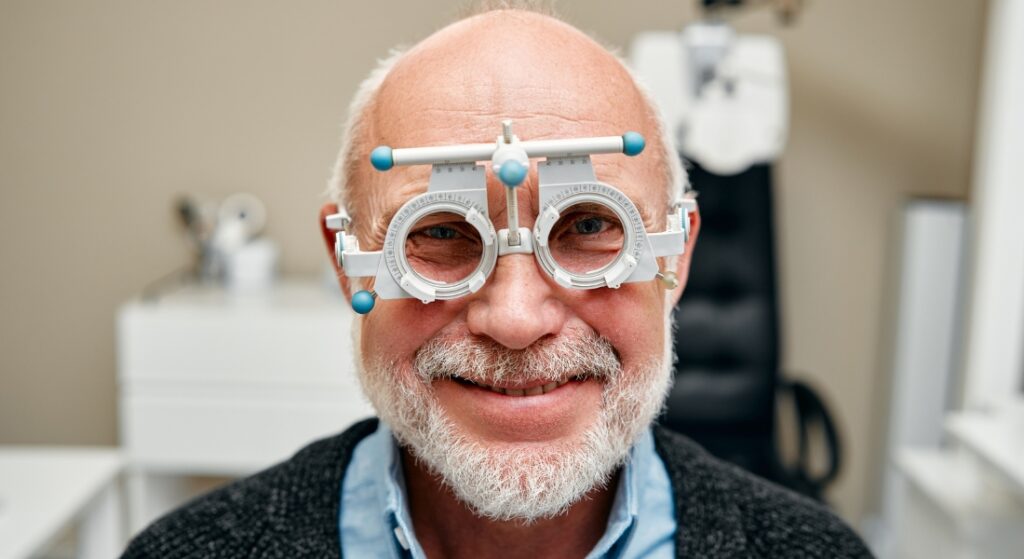
Cataract surgery is only one part of ongoing eye care when macular degeneration is present. Whether the condition is wet or dry, continued retinal monitoring remains essential after surgery. Understanding how follow-up care is structured helps you feel reassured that changes are identified early and managed appropriately. Long-term protection depends on careful observation as well as treatment.
- Regular retinal monitoring remains essential after surgery
Cataract surgery does not end macular degeneration care in either wet or dry forms. When you attend routine reviews, retinal scans help track subtle changes over time. - Assessments help distinguish healing from disease activity
Post-surgical changes can look similar to macular progression without careful evaluation. We use detailed assessments to separate normal recovery from active retinal disease. - Follow-up care is tailored to individual risk
Monitoring schedules are adjusted based on how your retina responds after surgery. We personalise follow-up rather than relying on routine timelines to support safer outcomes.
Ongoing care after cataract surgery is about vigilance, not concern. By combining personalised monitoring with specialist expertise, we help protect retinal health over the long term. This approach ensures you receive timely support and confident, well-guided care after surgery.
Emotional Concerns and Reassurance
Being told you have wet macular degeneration can feel overwhelming, particularly when surgery is being considered. You may find that concern about worsening vision comes to the surface quickly. We recognise that fear is a natural response in this situation. Clear and calm explanations help reduce uncertainty.
Understanding that cataract surgery is not automatically riskier in wet macular degeneration often brings reassurance. When you focus on disease stability and careful monitoring, the picture becomes clearer. We emphasise that outcomes depend more on control and timing than on diagnostic labels. Confidence often grows as understanding improves.
Open discussion about worries is always encouraged throughout care. When you are able to share concerns, emotional needs can be addressed alongside clinical planning. We believe reassurance is a core part of good treatment. Supporting confidence is never an afterthought.
FAQs:
1. Is cataract surgery automatically riskier for you if you have wet macular degeneration?
No, having wet macular degeneration does not automatically make cataract surgery unsafe. We focus on whether the condition is stable and responding to treatment. When retinal activity is well controlled, surgery can be planned safely. Careful coordination helps protect your vision.
2. Is cataract surgery generally safer for you if you have dry macular degeneration?
Dry macular degeneration usually allows more straightforward surgical planning. We assess how much vision loss comes from the cataract rather than the retina. Surgery does not worsen the dry form of the condition. Setting realistic expectations remains the key focus.
3. Why do many people believe wet macular degeneration makes surgery dangerous?
The term “wet” can sound alarming and suggest fragility. You may worry about bleeding or sudden vision changes. We know these fears are common but often based on misunderstanding. Stability and monitoring matter more than labels.
4. Does disease control matter more than whether your macular degeneration is wet or dry?
Yes, disease control is more important than the type alone. We look at how active or stable the retina is before surgery. A well-managed eye is often suitable for cataract removal. Labels do not define surgical safety.
5. Can cataract surgery make wet macular degeneration worse for you?
Current evidence shows cataract surgery does not worsen wet macular degeneration. We carefully manage inflammation and coordinate timing with retinal treatment. Recovery is closely monitored to protect the macula. Stability is prioritised throughout the process.
6. Why is timing especially important for you if you have wet macular degeneration?
When retinal activity is present, surgery is usually delayed until treatment stabilises the eye. We choose the safest window to proceed. Proper timing reduces potential risks during healing. This approach supports better outcomes.
7. Will you need closer follow-up after surgery if you have wet macular degeneration?
Yes, follow-up visits are often more frequent. We monitor retinal stability alongside surgical recovery. This does not mean healing is more difficult. It reflects careful observation and prevention.
8. Can cataract surgery still improve your vision in both wet and dry macular degeneration?
Yes, many people notice improvements in brightness and visual comfort. We often see reduced glare and clearer overall vision. Results depend on the extent of retinal damage. The focus is on functional improvement.
9. Can cataract surgery cause dry macular degeneration to turn into wet macular degeneration?
Research does not support this concern. We know conversion can happen naturally over time. Surgery does not trigger abnormal blood vessel growth. Regular monitoring allows early detection if changes occur.
10. How do you decide whether cataract surgery is right for you?
We assess cataract severity, retinal stability, and daily visual needs together. Personalised planning helps balance benefits and limitations. Decisions are guided by evidence rather than fear. Clear discussion supports confident choices.
Final Thoughts on Cataract Surgery in Wet vs Dry Macular Degeneration
Cataract surgery is not automatically riskier in wet macular degeneration compared to dry. The key factor is disease control, not disease type. When wet macular degeneration is stable and well managed, cataract surgery can be performed safely and effectively.
If you are looking for cataract surgery in London and have concerns about how it affects wet vs dry macular degeneration, you can get in touch with us at the London Cataract Centre. With specialist coordination, careful timing, and ongoing monitoring, cataract surgery can still provide meaningful visual benefits while protecting macular health.
References:
- Lamoureux, E.L., Hooper, C.Y., Lim, L., et al. (2007) Impact of cataract surgery on quality of life in patients with early age-related macular degeneration. Optometry and Vision Science, 84(8), pp. 683–688. Available at: https://pubmed.ncbi.nlm.nih.gov/17700333/
- Huynh, N., Nicholson, B.P., Agrón, E. et al. (2014) Visual acuity after cataract surgery in AMD: AREDS2 report number 5. Ophthalmology, 121(6), pp. 1229–1236. Available at: https://pmc.ncbi.nlm.nih.gov/articles/PMC9752199/
- Chen, A.X., Osborne, N.N. (2021) Visual outcomes following cataract surgery in age-related macular degeneration. Procedures in Cataract and Refractive Surgery, sci. direct. Available at: https://www.sciencedirect.com/science/article/abs/pii/S000841822100034X
- Seredyka-Burduk, M. et al. (2024) Cataract surgery in nAMD patients receiving intravitreal therapies: current practice and considerations. Journal of Clinical Medicine, 13(13), 3832. Available at: https://www.mdpi.com/2077-0383/13/13/3832
- Bhandari, S. (2022) Cataract surgery and the risk of progression of age-related macular degeneration: a review. PMCID: PMC9752199. Available at: https://pmc.ncbi.nlm.nih.gov/articles/PMC9752199/