



If you have diabetes and are considering cataract surgery, you might be wondering whether it can improve your vision as much as it does for others. After all, diabetes affects many aspects of your health, including your eyes, and it’s natural to question how surgery will impact your specific situation.
The good news is that cataract surgery can still offer significant visual improvements for diabetic patients, but there are important factors to consider. While surgery is highly effective for most people, the health of the retina plays a crucial role in determining the final outcomes. In this article, we’ll discuss when cataract surgery is likely to improve your vision, when expectations may need adjusting, and how your diabetes can influence the results.
Why Diabetes Affects Cataract Surgery Results
Diabetes can have a significant impact on eye health, particularly through diabetic retinopathy, a condition that affects the small blood vessels in the retina. People with diabetes also tend to develop cataracts earlier than those without the condition, making cataract surgery a common consideration at a younger age. However, while surgery can successfully remove a cloudy lens, it cannot correct damage that already exists in the retina.
For many diabetic patients, cataract surgery leads to noticeable improvement in vision by restoring clarity to the eye. That said, the quality of vision after surgery depends not only on the new lens but also on the health of the retina behind it. If diabetic retinopathy or macular changes are present, visual improvement may be limited despite technically successful surgery.
This is why retinal assessment is a critical part of pre-operative planning in diabetic patients. Identifying and managing retinal disease either before or alongside cataract surgery helps set realistic expectations and improves the likelihood of achieving the best possible visual outcome.
When Cataract Surgery Can Improve Vision in Diabetic Patients
If your diabetes is well controlled and there is no significant retinal damage, cataract surgery can lead to a meaningful improvement in vision. Removing the cloudy lens allows light to pass through the eye more clearly, often restoring sharpness, contrast, and overall visual clarity. Many patients notice improvement soon after the procedure as the eye begins to heal.
The degree of improvement can vary from person to person. Factors such as the density of the cataract, the presence of other eye conditions, and the general health of the eye all influence final visual results. Even with successful surgery, recovery and visual quality may differ slightly between individuals.
When the retina is healthy, the likelihood of achieving a strong visual outcome is high. This is why careful pre-operative assessment is so important, ensuring that any underlying retinal issues are identified and managed appropriately before surgery takes place.
How Diabetic Retinopathy Can Affect Cataract Surgery Results
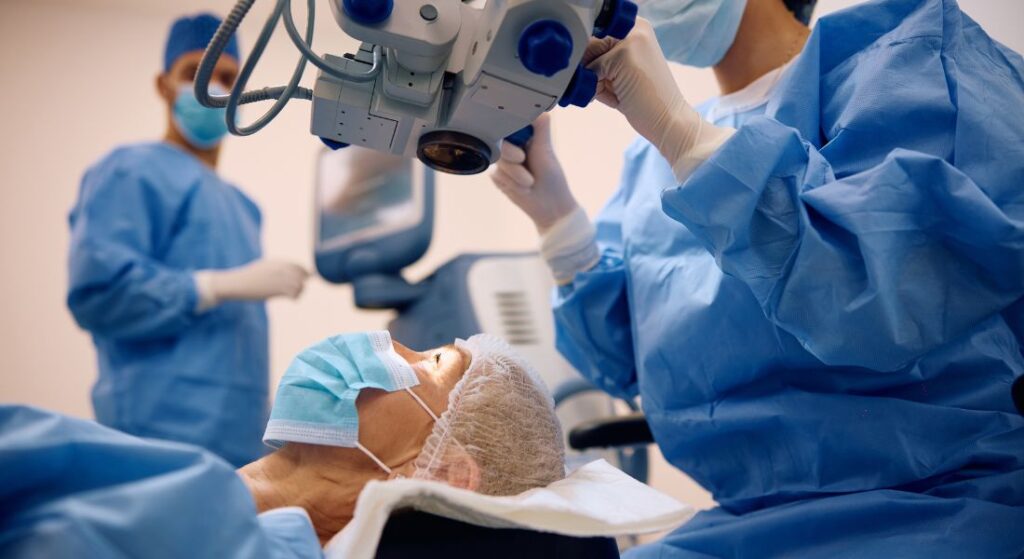
Diabetic retinopathy can significantly influence the outcome of cataract surgery. While cataract removal improves lens clarity, vision depends just as much on retinal health. In patients with diabetes, underlying retinal damage may limit how much improvement is possible, making careful assessment essential.
Impact on visual improvement – Diabetic retinopathy damages the small blood vessels in the retina, which plays a crucial role in vision. Even if cataract surgery successfully clears the cloudy lens, retinal damage can limit how much vision improves. As a result, outcomes may be less dramatic than expected.
Need for retinal treatment – In some cases, retinal treatment is needed before or after cataract surgery to stabilise the eye. This may include laser therapy, injections, or other interventions to control retinal damage. Treating the retina helps protect vision and prevent further deterioration.
Managing expectations – Cataract surgery improves lens clarity but does not repair retinal disease. If diabetic retinopathy is present, visual recovery depends on how advanced and well-controlled the condition is. Clear communication helps patients understand realistic outcomes.
Optimising overall results – The best results come from addressing both the cataract and the retinal condition together. Careful planning and coordination between cataract and retinal care ensures safer surgery and better long-term vision preservation.
For patients with diabetic retinopathy, cataract surgery is only one part of the visual outcome. Long-term vision depends on ongoing retinal care, good diabetic control, and regular follow-up. When both the cataract and retinal condition are managed together, the chances of maintaining stable, useful vision are significantly improved.
The Role of Retinal Health in Cataract Surgery Outcomes
For patients with diabetes, the success of cataract surgery is closely linked to the health of the retina. A healthy retina allows images formed by the new clear lens to be transmitted accurately to the brain, which is essential for sharp and reliable vision. When retinal disease is present, visual clarity may remain limited even after the cataract itself has been removed.
Conditions such as diabetic retinopathy or diabetic macular oedema can interfere with vision by affecting the retina’s ability to process light properly. Fluid build-up, bleeding, or structural changes within the retina can reduce contrast and sharpness, regardless of how successful the lens surgery is.
For this reason, a detailed retinal assessment is carried out before cataract surgery. If retinal changes are detected, additional treatment or monitoring may be recommended either before or alongside surgery to help achieve the best possible visual outcome.
When Cataract Surgery Is Not Recommended for Diabetic Patients
Although cataract surgery is generally safe for people with diabetes, there are situations where proceeding immediately may not be advisable. When diabetic retinopathy is severe or the retina has sustained significant damage, removing the cataract alone may not lead to meaningful visual improvement.
In advanced cases, the underlying retinal disease can limit how well the eye is able to process images, regardless of how clear the new lens becomes. This means that even a technically successful cataract operation may fall short of a patient’s visual expectations.
In these circumstances, your ophthalmologist may advise delaying cataract surgery until retinal disease is better controlled. Treatments such as laser therapy, injections, or medical management of diabetes may be prioritised to stabilise retinal health first.
If retinal damage is extensive or irreversible, cataract surgery may not be recommended at all. In such cases, the focus shifts towards managing diabetic eye disease, preserving remaining vision, and ensuring realistic expectations about what surgery can achieve.
Managing Expectations After Cataract Surgery
Having realistic expectations is an important part of cataract surgery, particularly for patients with diabetes. While the procedure is highly effective at removing the cloudy lens, the level of visual improvement depends on several factors, including the overall health of the eye and the condition of the retina.
Some diabetic patients may experience only partial or modest improvement if underlying retinal disease is present. Conditions such as diabetic retinopathy or macular changes can limit visual sharpness even after successful surgery, despite clearer optics within the eye.
When the retina is healthy and diabetes is well controlled, most patients notice a clear improvement in vision, including better clarity, contrast, and focus. Open discussion with your ophthalmologist helps ensure expectations are realistic and outcomes are well understood.
The Importance of Regular Eye Exams for Diabetic Patients

Regular eye examinations are essential for anyone living with diabetes, not only when cataract surgery is being considered but throughout life. Diabetic eye disease can progress silently, often without noticeable symptoms in its early stages, making routine monitoring vital for protecting long-term vision.
Early detection allows retinal changes to be identified before they cause significant or permanent damage. Conditions such as diabetic retinopathy and macular oedema are far easier to manage when caught early, and timely treatment can significantly reduce the risk of vision loss.
Alongside eye examinations, maintaining good blood sugar control plays a critical role in protecting eye health. Stable glucose levels help reduce stress on the retinal blood vessels and lower the risk of diabetic eye complications developing or progressing.
By attending regular eye appointments and actively managing diabetes, patients place themselves in the best position to maintain clear vision as they age. Ongoing monitoring supports both surgical planning, when needed, and overall eye health over the long term.
Is Cataract Surgery Safe for Diabetic Patients?
Cataract surgery is generally safe for people with diabetes, particularly when the condition is well controlled. Modern surgical techniques are minimally invasive and highly refined. However, diabetes can influence healing and visual outcomes, which makes careful assessment and planning essential before proceeding.
1. Overall surgical safety: For most diabetic patients, cataract surgery carries a low risk of serious complications. The procedure itself is similar to that performed in non-diabetic patients. When blood sugar levels are stable and no advanced eye disease is present, surgery is usually straightforward and well tolerated.
2. Role of blood sugar control: Good blood sugar control before and after surgery plays a key role in safety and recovery. Poorly controlled diabetes can increase the risk of inflammation, infection, or delayed healing. Optimising control helps the eye recover more predictably after surgery.
3. Importance of retinal assessment: Diabetic patients are carefully screened for retinal conditions such as diabetic retinopathy or macular oedema. These conditions do not always prevent surgery, but they can affect visual results. Identifying and managing retinal issues reduces the risk of post-operative problems.
4. Post-operative monitoring: After surgery, diabetic eyes often require closer follow-up than usual. Monitoring allows early detection of inflammation or retinal changes. Prompt treatment helps protect vision and maintain surgical benefits.
For diabetic patients, cataract surgery is usually safe when approached thoughtfully. Success depends not only on the operation itself but also on diabetes control, retinal health, and ongoing follow-up. With proper care, most patients achieve clearer vision and stable long-term outcomes.
Preparing for Cataract Surgery as a Diabetic Patient

Preparing for cataract surgery as a patient with diabetes involves more than routine eye testing alone. Careful management of blood sugar levels in the weeks leading up to surgery is essential, as elevated glucose can slow healing and increase the risk of infection or post-operative complications.
Your ophthalmologist will also assess the health of your retina as part of pre-operative planning. If diabetic retinopathy or other retinal changes are present, treatment may be recommended to stabilise the retina before cataract surgery is scheduled.
By addressing both systemic control and eye health in advance, surgery can be planned more safely and effectively. This thorough preparation helps optimise healing, reduce risk, and improve the likelihood of a good visual outcome.
The Benefits of Cataract Surgery for Diabetic Patients
Despite the additional considerations involved, cataract surgery can offer substantial benefits for patients with diabetes. When retinal health is stable and diabetes is well controlled, the procedure is often the most effective way to restore clear and functional vision.
Removing the cloudy lens allows light to pass through the eye more efficiently, improving sharpness, contrast, and overall visual clarity. Many patients notice particular improvement in low-light conditions, such as night driving or dim indoor environments.
Better vision can also make everyday tasks easier and more comfortable. Reading, recognising faces, and navigating unfamiliar surroundings often become less tiring once the cataract has been removed.
For many diabetic patients, these improvements translate into greater confidence and independence. Regaining reliable vision can have a meaningful impact on quality of life, supporting both daily activities and long-term wellbeing.
FAQs:
1. Can cataract surgery really improve vision if I have diabetes?
Yes, cataract surgery can significantly improve vision in people with diabetes by removing the cloudy lens that causes blurred or dim sight. Many diabetic patients notice clearer, brighter vision after surgery, particularly if their retina is healthy. However, the final level of improvement depends not only on the surgery itself but also on the condition of the retina, which plays a central role in how well the eye processes visual information.
2. Why does retinal health matter so much for vision after cataract surgery?
The retina is responsible for converting light into signals that the brain interprets as vision. Cataract surgery improves how light enters the eye, but if the retina is damaged by diabetic retinopathy or macular oedema, vision may still be limited. This is why a clear lens alone does not guarantee perfect vision and why retinal assessment is essential before surgery.
3. Will cataract surgery help if I already have diabetic retinopathy?
Cataract surgery can still be beneficial if you have diabetic retinopathy, but the improvement may be more modest. Surgery will remove the cataract and improve clarity, but it cannot reverse existing retinal damage. In many cases, treating or stabilising retinopathy before or alongside cataract surgery helps protect vision and leads to better long-term outcomes.
4. How soon will I notice vision improvement after cataract surgery?
Many patients notice clearer vision within days of cataract surgery, although this can vary. In diabetic patients, recovery may be slightly slower, especially if there is underlying retinal disease or inflammation. Vision often continues to improve gradually over several weeks as the eye heals and adjusts to the new lens.
5. Can cataract surgery make diabetic eye disease worse?
In some cases, cataract surgery can temporarily increase inflammation in the eye, which may affect diabetic retinopathy or macular oedema. This risk is carefully managed through pre-operative assessment, medication, and close post-operative monitoring. When surgery is well planned and diabetes is well controlled, the risk of worsening eye disease is reduced.
6. Is cataract surgery safe for people with long-term diabetes?
Cataract surgery is generally safe for people with long-term diabetes, especially with modern surgical techniques. The key factors influencing safety are blood sugar control, retinal health, and careful follow-up. Patients with well-managed diabetes and stable eye findings usually tolerate surgery well and achieve good results.
7. What happens if my retinal damage is severe?
If retinal damage is advanced, cataract surgery may not lead to meaningful visual improvement. In such cases, your ophthalmologist may recommend focusing first on treating retinal disease or, in some situations, advise against surgery altogether. The goal is to avoid unnecessary procedures when the potential benefit to vision is limited.
8. Do diabetic patients need extra tests before cataract surgery?
Yes, diabetic patients usually undergo more detailed eye assessments before cataract surgery. This often includes retinal scans to check for diabetic retinopathy or macular oedema. These tests help guide surgical planning and ensure that any underlying issues are identified and managed appropriately.
9. How important is blood sugar control before and after surgery?
Good blood sugar control is extremely important for both healing and visual outcomes. Poorly controlled diabetes can increase the risk of infection, inflammation, and delayed recovery. Maintaining stable glucose levels before and after surgery supports smoother healing and reduces the likelihood of complications.
10. What should I realistically expect from cataract surgery as a diabetic patient?
Most diabetic patients can expect clearer vision after cataract surgery, particularly if retinal health is good. However, expectations should be realistic, as underlying retinal disease may limit how sharp vision becomes. Open discussion with your eye specialist helps ensure you understand what surgery can and cannot achieve, allowing you to make informed decisions with confidence.
Final Thoughts: Cataract Surgery and Diabetes
Diabetes can affect lens selection in cataract surgery, with retinal health, macular condition, and contrast sensitivity guiding decisions. Monofocal lenses often provide the most reliable results, while EDOF lenses may be suitable for carefully selected patients. Multifocal lenses usually require caution.
A personalised assessment is essential for patients with diabetes to ensure safe cataract surgery, optimal lens selection, and long-term visual clarity. If you have diabetes and are considering cataract surgery, book a consultation with our specialist at the London Cataract Centre to discuss your eye health and lens options.
References:
1. Cataract surgery in patients with diabetic retinopathy shows that visual acuity improved in the majority of diabetic patients. https://pubmed.ncbi.nlm.nih.gov/12271370/
2. A systematic review reports that diabetics with little or no retinopathy enjoy good visual prognosis after cataract surgery. https://pmc.ncbi.nlm.nih.gov/articles/PMC6173035/
3. Outcomes of Cataract Surgery in Eyes With Diabetic Retinopathy retrospective study reporting postoperative visual acuity improvements and complication rates in diabetic patients undergoing cataract surgery. https://pmc.ncbi.nlm.nih.gov/articles/PMC12488266/
4. Incidence and Progression of Diabetic Retinopathy After Cataract Surgery: A Systematic Review and Meta‑Analysis evidence that DR can progress post‑surgery. https://www.sciencedirect.com/science/article/abs/pii/S0002939424003799
5. Intraoperative Complications and Visual Outcomes of Cataract Surgery in Diabetes Mellitus shows meaningful visual acuity gains post‑surgery. https://www.sciencedirect.com/science/article/abs/pii/S0002939421000015