


If you’re living with epilepsy and you’ve been told you need cataract surgery, it’s natural to feel a mixture of relief and concern. On one hand, cataract surgery is one of the safest and most effective procedures in modern medicine. On the other hand, you might be wondering how your epilepsy and your specific triggers might affect the surgical experience.
You may be thinking about the bright lights, the stress of the procedure, or the medications you take daily. You may also be worried about how your anaesthesia plan will be handled or whether your seizure threshold might be affected. These concerns are completely valid, and the good news is that cataract surgery can still be done safely with the right precautions and planning.
In this guide, I’ll walk you through everything you need to know about cataract surgery when you have epilepsy. I’ll explain how surgical teams minimise risks, how lighting adjustments are made, which anaesthetic considerations matter most, and how medication plans are adapted to keep you safe before, during and after the operation.
By the end, you’ll feel more confident approaching your procedure and better prepared for your discussions with your surgeon. If you’re considering your options, it’s worth exploring centres with experience in complex cases, such as the London Cataract Centre, where tailored planning is a core part of patient care.
Understanding the Link Between Epilepsy and Cataract Surgery
Cataract surgery does not directly cause epilepsy or trigger seizures, but certain aspects of the procedure can act as potential triggers for people prone to photic-induced or stress-related seizures. Bright operating lights, flashing surgical equipment, or sudden changes in routine such as medication timing or sleep patterns can all theoretically contribute to seizure risk.
Stress and anxiety before or during surgery may also play a role, making it important to manage these factors carefully. Anaesthetic choices are another consideration; local versus general anaesthesia can influence how the body reacts, and your surgeon will plan accordingly to minimise any risks.
The good news is that having epilepsy does not automatically make cataract surgery unsafe. With proper precautions, including careful preoperative planning, monitoring, and communication with your neurologist, most people with epilepsy undergo cataract surgery successfully, without any increase in seizure activity.
Why Cataracts May Be More Common If You Have Epilepsy
People with epilepsy may develop cataracts more frequently or at a younger age than the general population. Certain anti-epileptic medications, such as phenytoin or valproate, have been linked to changes in lens clarity over time. Additionally, some neurological conditions associated with epilepsy can indirectly affect eye health, accelerating cataract formation.
These factors mean that regular eye check-ups are especially important for people with epilepsy. Early detection allows timely intervention, preventing significant vision loss and making surgery easier and safer when needed. Being aware of this link also helps patients and doctors plan treatments proactively, ensuring both seizure control and optimal eye health are maintained simultaneously.
You may be at higher risk if:
- You’ve taken long-term corticosteroids for seizure-related inflammation.
- You’ve been on valproate, phenytoin or carbamazepine for many years.
- You’ve experienced repeated episodes of status epilepticus requiring ICU treatment.
- You have underlying genetic or metabolic conditions linked to epilepsy.
Some anti-seizure medications can influence the health of the lens over time. This doesn’t mean you’ll definitely develop cataracts, but it does explain why many epilepsy patients need cataract surgery slightly earlier than the general population.
Key Precautions for Cataract Surgery in Epilepsy Patients
There are several areas where your surgical team will take extra care. These precautions don’t change the success rate of surgery they simply help you avoid unnecessary risks. Let me break down the main considerations in a way that’s easy to understand.
1. Anaesthetic Planning and Seizure Prevention
Cataract surgery is generally safe for people with epilepsy, and local anaesthesia with light sedation is usually sufficient. Your surgical team will carefully select medications to avoid those that could lower your seizure threshold, sometimes choosing agents with anti-seizure properties. Sedation is kept minimal to prevent fluctuations in brain activity, and vital signs are closely monitored throughout the procedure. For most patients, this approach ensures safety while avoiding the additional risks associated with general anaesthesia.
Regarding epilepsy medications, stopping them before surgery is typically not advised, as this can significantly increase seizure risk. Instead, patients are encouraged to take their usual dose on the morning of surgery, with minor timing adjustments if necessary. If swallowing tablets is temporarily difficult, alternatives may be arranged. Maintaining your regular medication routine helps stabilise your seizure threshold and ensures a safer surgical experience.
2. Managing Exposure to Bright Surgical Lights
If you’re prone to light-triggered seizures, managing exposure to bright surgical lights is crucial during cataract surgery. The procedure typically involves intense microscope lighting, occasional flicker-like effects, and sudden changes in illumination levels, all of which could potentially act as triggers.
To reduce risk, surgeons can adjust the operating environment by lowering the light intensity, using diffusers to soften glare, avoiding rapid lighting changes, and limiting exposure during the brightest stages. If you have a history of photic-induced seizures, it’s essential to mention this during your consultation so the surgical team can plan these precautions in advance.
3. Avoiding Stress and Anxiety Triggers
Stress and anxiety can trigger seizures in people with epilepsy, so managing these factors is an important part of preparing for cataract surgery. Even small measures to create a calm environment can make a big difference in keeping your seizure risk low.
Your surgical team may take steps such as thoroughly explaining each part of the procedure, ensuring a quiet and comfortable room, allowing a friend or family member to be present while you wait, and using mild anti-anxiety medication if necessary. Feeling calm and supported helps stabilise your nervous system, making the surgery safer and more comfortable.
4. Preventing Sleep Deprivation Before Surgery
Sleep deprivation can significantly increase the risk of seizures, so maintaining a normal sleep routine before cataract surgery is crucial for patients with epilepsy. Disruptions such as waking too early, feeling anxious, or consuming stimulants late in the evening can all affect your seizure threshold.
Your surgical team will emphasise keeping your pre-operative routine relaxed, going to bed at your usual time, and avoiding unnecessary stressors. Even small adjustments to preserve normal sleep patterns can make the procedure safer and help reduce the likelihood of seizure activity on the day of surgery.
5. Ensuring Safe Medication Coordination
Taking epilepsy medication consistently is crucial before cataract surgery, as even a single missed dose can increase the risk of a seizure during the procedure. Proper timing and adherence help keep your seizure threshold stable and ensure a safer surgical experience.
Your surgical team will carefully plan around your medications, checking for interactions with anaesthetics, providing clear instructions for morning doses, and arranging alternative formulations if swallowing is difficult. Special attention is given to drugs like valproate, lamotrigine, levetiracetam, carbamazepine, and phenytoin to maintain safety throughout surgery.
6. Monitoring Blood Sugar and Electrolytes

Before cataract surgery, careful monitoring of blood sugar, sodium, potassium, and overall hydration is an important step for patients with epilepsy. Certain anti-seizure medications, like carbamazepine or oxcarbazepine, can alter sodium levels, while irregular blood sugar or dehydration can also increase the risk of a seizure. By checking these parameters ahead of time, your surgical team can make adjustments to keep your body in a stable, balanced state.
Maintaining proper electrolyte and fluid balance helps minimise physiological stress during the procedure, which in turn reduces the likelihood of seizure activity. This precaution, combined with anaesthetic planning and other safety measures, ensures that cataract surgery can be performed safely and smoothly for patients prone to seizures, giving both the patient and surgeon greater confidence in the outcome.
7. Tailored Positioning and Comfort During Surgery
During cataract surgery, patients with epilepsy may require extra attention to positioning and comfort to prevent sudden movements or myoclonic jerks. The surgical team can provide comfortable headrests, neck support, and gentle stabilising devices to keep the patient steady throughout the procedure.
If needed, mild sedation may be used to reduce involuntary movements, ensuring both safety and precision during surgery. These tailored measures help maintain a calm, controlled environment, minimising seizure risk and maximising the success of the operation.
8. Planning for Recovery and Aftercare
After cataract surgery, patients with epilepsy receive extra attention during recovery to ensure safety. The team monitors them a little longer than usual, confirms they’re fully alert before discharge, and checks that their medication schedule is maintained.
They also make sure someone can accompany the patient home and provide clear instructions on seizure avoidance for the first 24 hours. These precautions help reduce any immediate post-operative risks and support a smooth, safe recovery.
The Actual Cataract Surgery Procedure: What to Expect When You Have Epilepsy
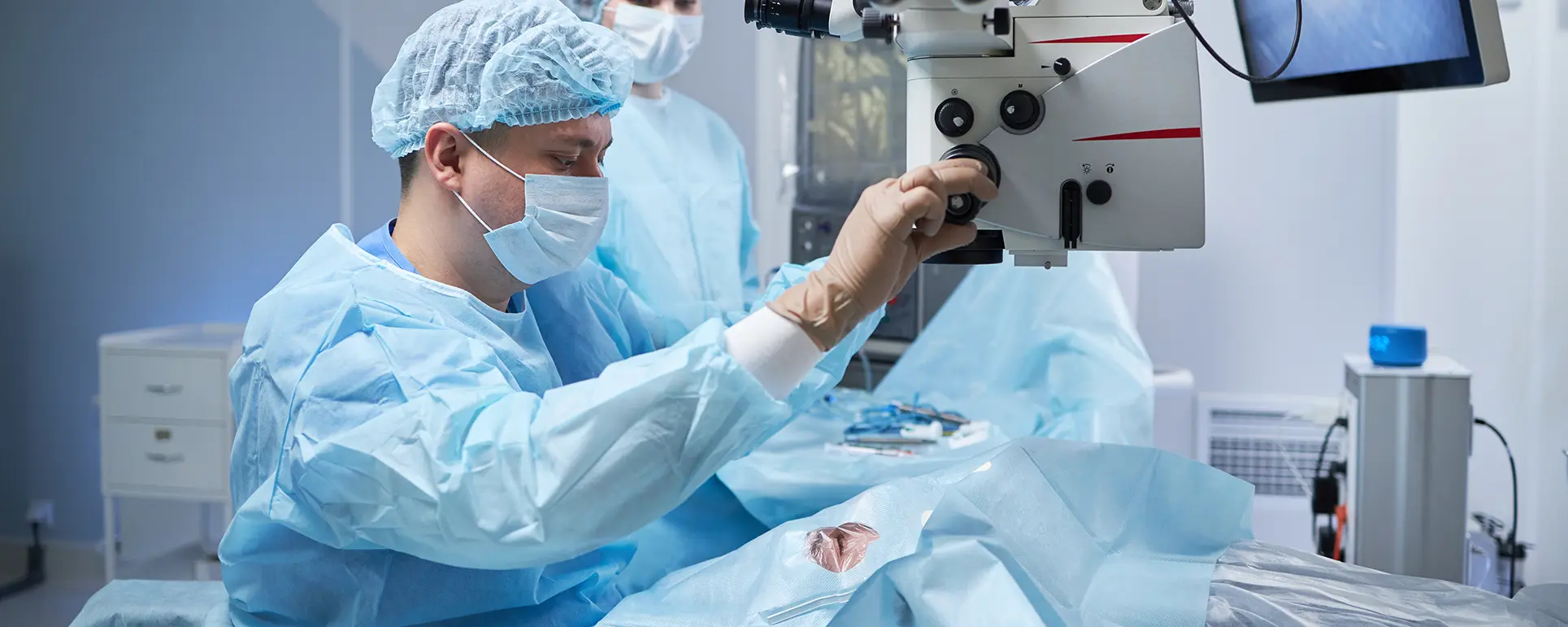
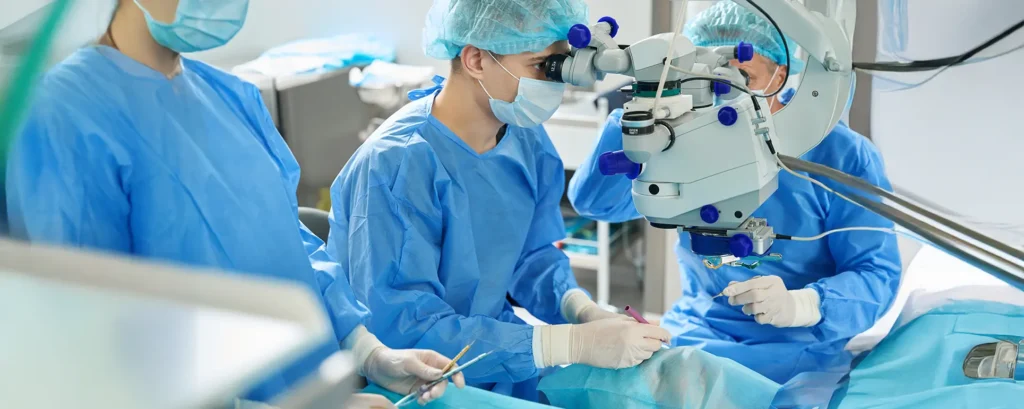
Cataract surgery for patients with epilepsy follows the same standard steps as for others, but with added precautions to reduce seizure risk. The procedure is typically brief, lasting around 10–20 minutes per eye, and is performed under local anaesthesia with light sedation if needed.
Throughout the surgery, your surgical team monitors you closely, adjusts lighting, and ensures you remain comfortable and still. With these measures in place, most people with epilepsy experience the procedure safely, without any increase in seizure activity.
Here’s what you can expect:
Before surgery: Prior to your procedure, you’ll arrive at the clinic a little early to allow for all preparations. You should take your usual anti-epileptic medication to maintain seizure control. The anaesthetic nurse will meet you, check your vitals, and review your medical history, including your seizure history, one final time. Your eyes will be dilated for proper examination, and if you’re feeling anxious, mild sedation may be offered to help you stay calm. These steps ensure your safety and comfort before the laser procedure begins.
During surgery: During the operation, you’ll notice a bright light from the surgical microscope and may feel cool fluid around your eye. Some gentle pressure or shadowing may be sensed, but you should not feel any pain because the eye is fully numbed with local anaesthetic. The surgical team takes extra precautions for patients with epilepsy: they use the lowest light intensity possible, avoid flickering illumination, maintain a calm environment, monitor your breathing and comfort, and explain each step as it happens. This careful approach helps reduce anxiety and prevents potential seizure triggers.
After surgery: Once the procedure is complete, you’ll rest for 30–60 minutes while your recovery is monitored. Eye drops will be prescribed to promote healing, and staff will remind you to continue taking your anti-epileptic medication on schedule. You’ll go home with a family member or friend, keep your eye protected with a shield, and avoid bright or flashing lights for the first day if you’re sensitive. Most patients with epilepsy recover without complications, especially when these precautions are followed.
Choosing the Right Surgical Team Matters Even More If You Have Epilepsy
Choosing the right surgical team is especially important if you have epilepsy. While the condition doesn’t automatically make cataract surgery risky, it does mean your care needs to be tailored to reduce seizure triggers and ensure safety throughout the procedure.
An experienced team can quickly recognise potential triggers, such as bright lights or sudden movements, and make real-time adjustments to minimise risk. They also ensure the surgical environment is calm and supportive, which helps reduce stress-related seizure potential.
The team’s expertise extends to anaesthetic choices and medication timing. By selecting the safest sedatives, monitoring vital signs closely, and maintaining your usual epilepsy medications, they help keep your seizure threshold stable before, during, and after surgery.
Working with a centre familiar with complex medical cases, such as the London Cataract Centre, can increase your confidence and comfort. Knowing your team understands your condition and has experience tailoring cataract surgery accordingly makes the entire process smoother, safer, and far less stressful.
FAQs:
1. Is cataract surgery safe for people with epilepsy?
Yes, cataract surgery is generally very safe for people with epilepsy, as long as the surgical team takes appropriate precautions. The procedure itself does not trigger seizures, but certain elements such as bright lights, stress, and changes in medication timing can influence your seizure threshold. When your surgeon and anaesthetist plan around your specific triggers, adjust the lighting, and ensure you remain calm, the surgery can be done smoothly and without complications. Many epilepsy patients undergo cataract surgery every year with excellent outcomes.
2. Do I need to stop my epilepsy medication before cataract surgery?
No, epilepsy medication should almost never be stopped before cataract surgery. Missing even a single dose can significantly increase your seizure risk during the procedure. Most surgeons and anaesthetists recommend taking your usual morning dose with a sip of water, keeping the timing of your tablets as close to normal as possible. If swallowing becomes difficult temporarily, your team may provide an alternative formulation so you remain fully protected throughout the perioperative period.
3. Can the bright surgical light trigger a seizure during cataract surgery?
It can be a concern for people who are sensitive to photic stimulation, but modern surgical teams are well-prepared to handle this. Surgeons can lower the intensity of the operating microscope, use diffusers to soften the light, and avoid rapid changes in brightness that might provoke a response. Flickering light is usually avoided altogether. Because the bright light is continuous rather than flashing, most patients do not experience any seizure activity related to this aspect of the procedure, especially when the settings are tailored to your needs.
4. What type of anaesthesia is safest for epilepsy patients?
Local anaesthesia with light sedation is usually considered the safest option. It numbs the eye effectively while keeping your brain activity stable, and sedation can be kept at a level that avoids altering your seizure threshold. Some anaesthetic agents even have natural anti-seizure properties, which adds an extra layer of safety. General anaesthesia is rarely required, but if it is, the anaesthetic team will choose medications that do not lower the seizure threshold and will monitor you closely from start to finish.
5. What if I have anxiety, stress triggers, or panic before surgery?
Anxiety is completely normal, and your surgical team knows that emotional stress can sometimes provoke seizures. To reduce this risk, they will guide you calmly through every stage, explain what you will see and feel, and ensure the operating environment stays quiet and steady. If needed, a mild anti-anxiety medication may be used to keep you comfortable without affecting your seizure threshold. Feeling reassured and supported makes the overall experience much smoother and safer.
6. Can sleep deprivation increase my seizure risk on the day of surgery?
Yes, lack of sleep is a well-recognised seizure trigger. That’s why your surgeon will advise you to maintain your usual sleep routine before the operation. Many people unintentionally reduce their sleep the night before surgery due to anxiety or early arrival times, but this should be avoided. A well-rested brain is much more stable, and paying attention to your sleep is one of the simplest ways to ensure a safe surgical experience.
7. How do doctors manage epilepsy medications during recovery?
After surgery, your medical team will ensure you resume your regular epilepsy medication at your normal times. If you are groggy or unable to swallow comfortably for a short period, they may provide a liquid alternative so no dose is missed. They will also review potential interactions between your eye drops and your anti-seizure medications. Consistency is key, and keeping your medication routine uninterrupted helps maintain a stable seizure threshold throughout your recovery.
8. Is cataract surgery longer or more complicated because of epilepsy?
The surgery itself usually takes the same amount of time around 10 to 15 minutes. What changes is the level of personalised planning. Your surgeon may take a few extra minutes to adjust the lighting, communicate with you throughout, and ensure that your positioning is comfortable. The recovery team may also monitor you for slightly longer just to ensure that you are fully stable. These adjustments do not make the surgery more technically difficult, but they do make it safer and more comfortable for you.
9. What can I expect after cataract surgery if I have epilepsy?
Recovery is typically smooth and very similar to that of patients without epilepsy. You may experience mild discomfort, blurred vision or light sensitivity for a short period, but these are normal post-operative effects. You will be monitored until you are fully awake and feel steady. Your surgeon will remind you to continue your usual medication schedule and to avoid bright flashing lights for the first day if you are sensitive. Having someone accompany you home is recommended, as sedation may take some time to wear off completely.
10. Should I choose a specialist centre for cataract surgery if I have epilepsy?
Choosing a centre experienced in treating patients with epilepsy can give you added reassurance. Surgeons familiar with neurological conditions understand how to manage light settings, anaesthetic choices and medication planning in a way that keeps you safe at every step. They also know how to identify your individual triggers and adapt the procedure accordingly. This expertise can make the whole journey from consultation to recovery far more comfortable and controlled.
Final Thoughts: Safe, Well-Planned Cataract Surgery for Epilepsy Patients
Living with epilepsy doesn’t mean you have to delay or avoid cataract surgery. With the right precautions, thoughtful planning and a team that understands your specific seizure triggers, the procedure can be just as safe and effective as it is for any other patient. What matters most is working with a surgeon who takes the time to adjust lighting, coordinate your medication schedule, choose the safest anaesthesia approach and create a calm, predictable environment throughout your care.
If you want additional reassurance, choosing a centre experienced in managing complex medical conditions can make the entire journey smoother and more comfortable. At the London Cataract Centre, you’ll find a team that prioritises tailored planning and patient-centred care, ensuring your individual needs are respected every step of the way. If you’re considering cataract surgery, you can contact us at the London Cataract Centre to book a consultation with one of our specialists.
References:
1. Eke, T. & Thompson, J.R. (2007) ‘The National Survey of Local Anaesthesia for Cataract Surgery in the UK’, Eye, 21(4), pp. 490–495. Available at: https://pubmed.ncbi.nlm.nih.gov/16639448/
2. Kabadayi, K., Yilmaz, H. & Yazici, A. (2017) ‘Cataract surgery under topical anaesthesia: patient anxiety and associated factors’, Journal of Ophthalmology, 2017, pp. 1–6. Available at: https://www.ncbi.nlm.nih.gov/pmc/articles/PMC5732010/
3. Fountain, N.B. (2000) ‘Pharmacological management of epilepsy: drugs that may interact with anaesthesia’, CNS Drugs, 14(4), pp. 263–282. Available at: https://pubmed.ncbi.nlm.nih.gov/10937469/
4. Benbadis, S.R. (2009) ‘The differential diagnosis of epilepsy: a critical review’, Practical Neurology, 9(6), pp. 373–382. Available at: https://www.ncbi.nlm.nih.gov/pmc/articles/PMC3613203/
5. Covington, B.P., Norat, P. & Byrne, R.W. (2020) ‘Photic-Induced Seizures: A Review of the Literature’, Brain Sciences, 10(8), p. 535. Available at: https://www.mdpi.com/2076-3425/10/8/535