



You may feel confident about refractive lens exchange before surgery, yet still wonder what happens if vision does not feel right later. This concern is common but often left unaddressed, which can allow uncertainty to grow. When permanence is misunderstood, it is easy to assume that nothing can be adjusted if expectations are not met.
We understand that refractive lens exchange is a significant and thoughtful decision. Knowing whether options exist after surgery can be reassuring, even if those options are never needed. Clear information helps reduce fear and supports truly informed consent.
This article explains what the idea of “reversal” actually means in the context of refractive lens exchange. It clarifies the difference between biological permanence and the ability to correct or optimise vision after surgery. Understanding this distinction is essential for realistic expectations.
We also outline the correction options that may be available if vision needs refinement, along with their limitations. Knowing what can and cannot be changed helps restore confidence. When options are understood clearly, decisions feel calmer, more informed, and more secure.
What Refractive Lens Exchange Permanently Changes
Refractive lens exchange involves removing your natural lens and replacing it with an artificial intraocular lens, and this part of the procedure is permanent. Once the natural lens is removed, it cannot be restored or reinserted. Understanding this permanence is essential when considering long-term vision correction.
You may hear the term “reversible” used in a casual or misleading way. In reality, what can change later relates to managing vision outcomes, not reversing the biological removal of the lens. Adjustments may be possible, but time cannot be turned back to a natural lens state.
We make this distinction clear so expectations remain realistic and informed. Permanence applies to lens removal, not to how vision is supported or optimised afterward. When permanence is properly understood, false expectations are avoided and confidence in future care improves.
What People Usually Mean by “Reversal”
When people ask whether refractive lens exchange can be reversed, they are usually asking whether visual dissatisfaction can be improved. This question is very different from the idea of biological reversal. Understanding this distinction helps set realistic expectations from the outset.
You may feel unhappy with sharpness, focus, or overall visual comfort rather than with the presence of the lens itself. These concerns are common and often have practical solutions. Many issues relate to fine-tuning vision rather than undoing what has been done.
We frame post-RLE care around correction and optimisation rather than reversal. The language used matters because it shapes expectations and confidence. While reversal is not realistic, meaningful correction is often possible and effective.
Why Vision May Feel Unsatisfactory After RLE
Visual dissatisfaction after refractive lens exchange does not usually have a single cause. Several factors can influence how vision feels, and understanding the true reason is essential before judging the outcome. Careful assessment prevents unnecessary worry and leads to more effective solutions.
- Residual refractive error can affect clarity: Small remaining prescription differences may become noticeable in specific situations such as reading or night driving. These are often mild and frequently manageable without major intervention.
- Surface health and dry eye influence visual comfort: Tear film instability can cause fluctuating clarity, particularly with screen use or prolonged focus. Treating the ocular surface often improves vision quality significantly.
- Capsule changes or neural adaptation may play a role: Capsule clouding or the brain adjusting to new optics can affect how vision is perceived. Both are well-recognised and usually straightforward to manage once identified.
Visual concerns are best approached through careful evaluation rather than assumptions. When the underlying cause is clear, reassurance or targeted treatment often restores confidence. Understanding why vision feels different supports calm decision-making and long-term satisfaction.
The Role of Adaptation After Lens Exchange
Vision after refractive lens exchange relies on neural adaptation as well as optical correction. The brain adjusts to a new visual system, especially when advanced lens designs are used. This adjustment process is a normal and expected part of recovery.
You may notice glare, halos, or changes in depth perception during the early stages. These experiences can feel unfamiliar but often improve as the brain learns to interpret new visual information. Time allows perception to settle and become more comfortable.
We allow adequate time for adaptation before considering any corrective intervention. Many early concerns resolve naturally without additional treatment. Patience supports recovery, as adaptation plays a central role in achieving stable and comfortable vision.
Posterior Capsule Opacification as a Correctable Cause
One common reason for later visual decline after refractive lens exchange is posterior capsule opacification. This happens when the thin membrane behind the implanted lens gradually becomes cloudy. It is a well recognised process and not a failure of the original surgery.
You may notice increasing blur, glare, or reduced sharpness months or even years after your procedure. These changes can feel worrying when they appear unexpectedly. However, they are usually explained by this membrane change rather than a problem with the lens itself.
We treat this condition with a simple laser procedure that restores clarity quickly and safely. The treatment does not involve replacing the lens or entering the eye surgically. This is a straightforward correction that improves vision without reversing the original outcome.
Laser Enhancement After Refractive Lens Exchange
Laser enhancement is one of the most commonly used options after refractive lens exchange to refine visual sharpness. It works by correcting small residual refractive errors when vision is close to target but not quite optimal. This fine adjustment can make everyday tasks feel clearer and more comfortable.
You may need enhancement even when overall results are good. This does not mean the original surgery was unsuccessful, but rather that vision needs a small refinement to reach its best level. Many people find this step helps bridge the gap between acceptable and optimal clarity.
We carefully assess corneal health and suitability before recommending laser enhancement. Safety and predictability guide every decision, not routine use. When appropriate, enhancement fine-tunes results and supports long-term satisfaction.
What Laser Enhancement Can and Cannot Do
Laser enhancement can improve focus and clarity by reshaping the cornea rather than altering the implanted lens. Its role is to fine-tune refractive accuracy when a small residual error is present. Understanding this purpose helps set realistic expectations.
You may expect enhancement to resolve all visual concerns, but it is most effective for correcting refractive error. Issues such as glare, contrast sensitivity, or adaptation are often influenced by other factors and may not improve with laser treatment alone. Knowing these limits prevents disappointment.
We explain the likely benefits and limitations clearly before considering enhancement. This transparency supports informed decisions and long-term satisfaction. When expectations are aligned with what enhancement can achieve, outcomes tend to feel more positive and controlled.
Lens Exchange Surgery as a Correction Option

In a small number of situations, further surgical correction may be considered after refractive lens exchange. This decision is never routine and is based on careful assessment of risk, benefit, and available alternatives. Surgery is only discussed when simpler options are unlikely to resolve the issue.
- Lens exchange can correct specific unresolved problems: The implanted lens can be removed and replaced with a different power or design when there is a clear clinical indication. This is a deliberate step, not a default solution.
- This is not a reversal of the original procedure: The natural lens cannot be restored once removed. Lens exchange represents an additional corrective surgery rather than undoing the first operation, which is important for expectation setting.
- Higher risk means careful patient selection is essential: Compared with surface treatments or non-surgical options, lens exchange carries greater risk. We reserve it for situations where safety and benefit clearly justify intervention.
Lens exchange remains a possible option, but only in carefully selected cases. Decisions are guided by caution, clarity, and long-term eye health rather than convenience. Understanding the role and limits of this option helps support confident, informed choices.
When Lens Exchange Is Usually Considered
Lens exchange is usually considered only when visual symptoms relate directly to the lens design or its optical power. Situations such as poor tolerance to multifocal optics may justify further discussion, but this remains the exception rather than the norm. The decision depends on clear cause-and-effect, not general dissatisfaction.
You may feel persistently uncomfortable even after allowing adequate time for adaptation. When symptoms continue despite appropriate adjustment and support, lens exchange may be explored as a potential option. This step is considered only after other causes have been ruled out and less invasive solutions have been assessed.
We evaluate risk and benefit very carefully before recommending any further intraocular surgery. Safety always outweighs convenience, especially when operating inside the eye again. Lens exchange is not routine and is approached with caution to protect long-term eye health.
Why Lens Exchange Is Not Always Recommended
Lens exchange involves operating inside the eye again, which increases complexity and risk compared with surface-based treatments. Because the procedure is more invasive, it requires careful consideration of whether the potential benefit justifies that added risk. This is why lens replacement is never approached lightly.
You may feel eager to find a definitive solution when vision is not meeting expectations. However, weighing risk against likely benefit is essential, especially when alternatives exist. A more invasive option is not always the most appropriate first step.
We usually explore less invasive treatments before considering further intraocular surgery. Conservative progression helps protect long-term eye health while still addressing symptoms effectively. Not every visual concern requires lens replacement to achieve a good outcome.
The Role of Glasses After RLE

Some people benefit from using glasses for specific tasks after refractive lens exchange, and this is a valid option that is often overlooked. Vision demands vary with activities such as prolonged reading, fine detail work, or low-light situations. Using glasses selectively can enhance comfort without undermining the overall success of the procedure.
You may feel disappointed if glasses are occasionally needed after choosing a surgical solution. However, this does not mean the procedure has failed or delivered a poor outcome. It reflects how vision adapts to different tasks and environments over time.
We see glasses as a practical tool rather than a setback. Flexibility allows vision to be supported where needed, instead of forcing one solution to meet every demand. When adaptability is accepted, long-term comfort and satisfaction are easier to maintain.
Contact Lenses as a Temporary or Selective Option
In some cases, contact lenses can be used as a diagnostic tool to assess whether refractive correction improves symptoms. This approach helps clarify whether blur or discomfort is truly related to focus rather than another cause. Using a reversible option allows insight without permanent change.
You may be asked to wear contact lenses temporarily to simulate correction under real-life conditions. This can help determine whether further intervention, such as laser enhancement, is likely to provide meaningful benefit. Experiencing the effect firsthand often brings clarity that testing alone cannot offer.
We use this strategy selectively and only when it adds value to decision-making. Trial correction helps guide next steps without commitment or pressure. When insight is gained safely, choices become more confident and informed.
Why True “Reversal” Is Not Possible
Refractive lens exchange permanently removes the natural lens, and no current technique can restore it. This permanence makes the decision fundamentally different from temporary or adjustable treatments. Understanding this clearly before surgery is essential for long-term confidence.
You may find this difficult to accept if expectations were not fully explored in advance. When permanence is not discussed openly, disappointment can follow even if vision is objectively good. This is why a clear explanation before surgery plays such an important role in satisfaction.
We are transparent about the permanent nature of refractive lens exchange from the outset. Honest discussion protects trust and supports informed choice. While reversal is not realistic, appropriate correction and long-term management remain possible.
Managing Expectations From the Start
Expectation management plays a critical role in long-term satisfaction after refractive lens exchange. Understanding both the benefits and the limitations of the procedure helps reduce disappointment later. When outcomes are framed realistically, confidence tends to remain strong over time.
You may expect perfect vision in every situation, but real-world vision varies with lighting, task demands, and ageing. Setting realistic goals supports long-term contentment and reduces frustration when minor adjustments are needed. Clarity about what is achievable makes adaptation easier.
We emphasise understanding over promise when discussing outcomes. Clear explanation supports acceptance and helps align expectations with lived experience. When expectations are well set, overall satisfaction is far more likely to endure.
Why Time Matters Before Deciding on Correction
After refractive lens exchange, visual changes often continue to settle for several months. During this period, adaptation and surface healing play an important role in how vision feels day to day. Early concerns do not always indicate a lasting problem.
- Neural adaptation continues over time: The visual system gradually adjusts to new optics, and clarity often improves as the brain adapts. Early visual differences may lessen without any intervention.
- Surface healing can influence early symptoms: Tear film stability and ocular comfort continue to recover for months after surgery. As the surface settles, vision often becomes clearer and more consistent.
- Waiting can prevent unnecessary intervention: Acting too quickly can lead to overtreatment of temporary changes. Allowing time helps distinguish normal adjustment from issues that truly require correction.
Time is an important part of recovery after surgery. Observation and review frequently resolve concerns on their own, supporting reassurance and better long-term outcomes without additional treatment.
How Concerns Are Assessed After RLE
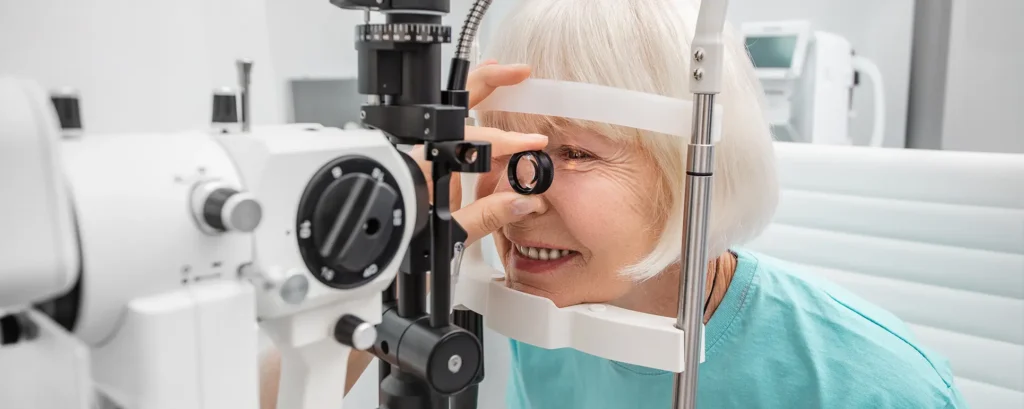
Assessment after refractive lens exchange looks at several key areas, including lens position, capsule clarity, corneal health, and retinal status. Each factor is reviewed carefully because vision depends on more than one structure. This structured approach helps ensure the true cause of any change is identified.
You may undergo imaging, surface testing, or other measurements to build an objective picture of what is happening. These findings guide recommendations more reliably than symptoms alone. Clear data reduces uncertainty and supports more precise decision-making.
We avoid assumptions and focus on accurate diagnosis before discussing solutions. When the cause is understood, management becomes more appropriate and effective. Assessment provides direction and helps you move forward with confidence.
Why Online Stories Can Be Misleading
Online accounts often focus on negative or extreme experiences, while balanced and successful outcomes receive far less attention. This can distort perception and make uncommon problems seem more frequent than they truly are. Recognising this bias helps you read such information more critically.
You may come across stories describing “failed” refractive lens exchange without any explanation of personal health factors, timing, or expectations. Individual context is rarely included, even though it plays a major role in outcomes. Without that detail, these accounts can feel more alarming than informative.
We recommend relying on professional assessment rather than online anecdotes. Personalised evaluation considers your eyes, health, and circumstances in a way general stories never can. When context is prioritised, decisions feel clearer and more confident.
Long-Term Satisfaction After RLE
Most people remain satisfied in the long term after refractive lens exchange, and the stability of the implanted lens plays a major role in this. When the lens position remains secure, vision tends to stay reliable over time. This consistency supports lasting confidence in the outcome.
You may find that you adapt more easily than expected, even if small adjustments are needed along the way. Minor changes do not usually disrupt overall satisfaction and are often accommodated naturally. Adaptation helps vision feel comfortable and dependable in everyday life.
We often see reassurance restore confidence when questions or concerns are addressed properly. Clear explanation helps place changes in perspective and reduces unnecessary worry. Overall satisfaction remains high when expectations are realistic and care continues appropriately.
When Further Advice Is Helpful
If concerns continue or begin to affect your daily activities, specialist advice can be helpful. Careful discussion allows symptoms to be explored properly and places them in the right clinical context. This clarity helps replace uncertainty with understanding.
You benefit from talking through options and possible next steps rather than guessing what changes might mean. When information is explained clearly, worries often feel more manageable. Knowing what can be done brings reassurance.
We believe informed discussion supports calm and confident decision-making. Expert guidance helps you feel supported rather than rushed. When advice is tailored and clear, reassurance follows naturally.
Looking Ahead With Confidence
Refractive lens exchange works best when viewed as one part of lifelong eye care rather than a final, fixed endpoint. Vision continues to evolve with age, health, and visual demands. Understanding this broader context helps set realistic and durable expectations.
You may approach future changes with less anxiety once you know what is normal and what options exist if adjustments are needed. Awareness reduces uncertainty and supports a calmer response to gradual change. When options are understood, confidence tends to grow.
We encourage long-term planning instead of focusing on immediate or absolute perfection. A wider perspective supports resilience and satisfaction over time. When vision care is approached as an ongoing process, outcomes feel more secure and adaptable.
FAQs:
1. Can refractive lens exchange be reversed if you are unhappy later?
Refractive lens exchange cannot be reversed because your natural lens is permanently removed. That part of the procedure cannot be undone. However, dissatisfaction does not mean nothing can be done. Correction options are often available depending on the cause.
2. What do you usually mean when you ask if refractive lens exchange can be reversed?
Most people are asking whether vision can be improved if it does not feel right. This is different from restoring the natural lens. We focus on correction and optimisation rather than reversal. Many concerns can be addressed without undoing surgery.
3. If your vision feels wrong after surgery, does that mean the procedure failed?
Visual discomfort does not automatically mean the procedure failed. Several factors can affect how vision feels after surgery. Identifying the true cause is essential before drawing conclusions. Assessment often reveals manageable or temporary issues.
4. Can laser treatment help you after refractive lens exchange?
Laser enhancement can refine vision by correcting small remaining prescription errors. It works on the cornea, not the implanted lens. This option is considered when vision is close to target but not optimal. Suitability depends on corneal health and stability.
5. Are there limits to what laser enhancement can correct for you?
Laser enhancement improves focus and sharpness rather than every visual symptom. It does not correct issues caused by adaptation, contrast sensitivity, or lens design. Understanding these limits prevents unrealistic expectations. We explain clearly what improvement is likely.
6. Could you need another lens surgery after refractive lens exchange?
Further lens surgery is possible but not routine. It is only considered when symptoms clearly relate to the implanted lens and other options are unsuitable. This is not a reversal but an additional corrective procedure. Risk and benefit are assessed very carefully.
7. Why is lens replacement not usually the first correction option for you?
Operating inside the eye again carries more risk than surface-based treatments. For this reason, safer options are explored first. Many visual concerns improve without further intraocular surgery. Caution protects long-term eye health and outcomes.
8. Can glasses still be useful for you after refractive lens exchange?
Glasses may help with specific tasks such as prolonged reading or fine detail work. This does not mean the surgery was unsuccessful. Visual demands change with time and environment. Using glasses selectively can improve comfort and confidence.
9. Why is time important before deciding on further correction for you?
Vision continues to settle after surgery due to healing and adaptation. Early concerns often improve without intervention. Acting too quickly can lead to unnecessary treatment. Allowing time helps distinguish adjustment from true correction needs.
10. How do you know which correction option is right for you?
Careful assessment identifies whether symptoms relate to focus, surface health, capsule clarity, or adaptation. Each cause requires a different approach. We base recommendations on evidence rather than assumption. Clear diagnosis leads to proportionate and effective solutions.
Final Thoughts on Correcting Vision After Refractive Lens Exchange:
Refractive lens exchange cannot be reversed in the sense of restoring the natural lens, but vision concerns after surgery can often be corrected or improved through careful assessment and appropriate intervention. Options may include laser enhancement, management of surface or capsule changes, occasional glasses, or in selected cases, lens exchange surgery.
Understanding the difference between reversal and correction helps set realistic expectations. We believe reassurance and clarity are central to long-term satisfaction. If you have concerns whether RLE surgery in London could benefit you, feel free to get in touch with us at London Cataract Centre.
References:
- Mohamed, T.A. et al. (2017) – Refractive Lens Exchange Combined with Primary Posterior Vitrectorhexis to Prevent Posterior Capsule Opacification. Available at: https://www.ncbi.nlm.nih.gov/pmc/articles/PMC5415857/
- Chan, E. (2024) – Refractive lens exchange – the evidence behind the practice. Available at: https://www.ncbi.nlm.nih.gov/pmc/articles/PMC11751179/
- Hecht, I. (2023) Secondary outcomes of lens and cataract surgery including refractive lens exchange: visual quality and dysphotopsia. Cataract and Refractive Surgery Journal. Available at: https://www.sciencedirect.com/science/article/pii/S1350946222001100
- Lee, C.Y. (2024) Comparison of visual and refractive outcomes between refractive lens exchange and keratorefractive lenticule extraction (KLEx) in moderate to high myopia patients. Diagnostics, 15(1), 43. Available at: https://www.mdpi.com/2075-4418/15/1/43
- Dick, H.B., Gross, S., Tehrani, M., Eisenmann, D. & Pfeiffer, N. (2002) Refractive lens exchange with an array multifocal intraocular lens: safety, efficacy and patient satisfaction. Journal of Refractive Surgery, 18(5), pp. 509-518. Available at: https://pubmed.ncbi.nlm.nih.gov/12361150/