


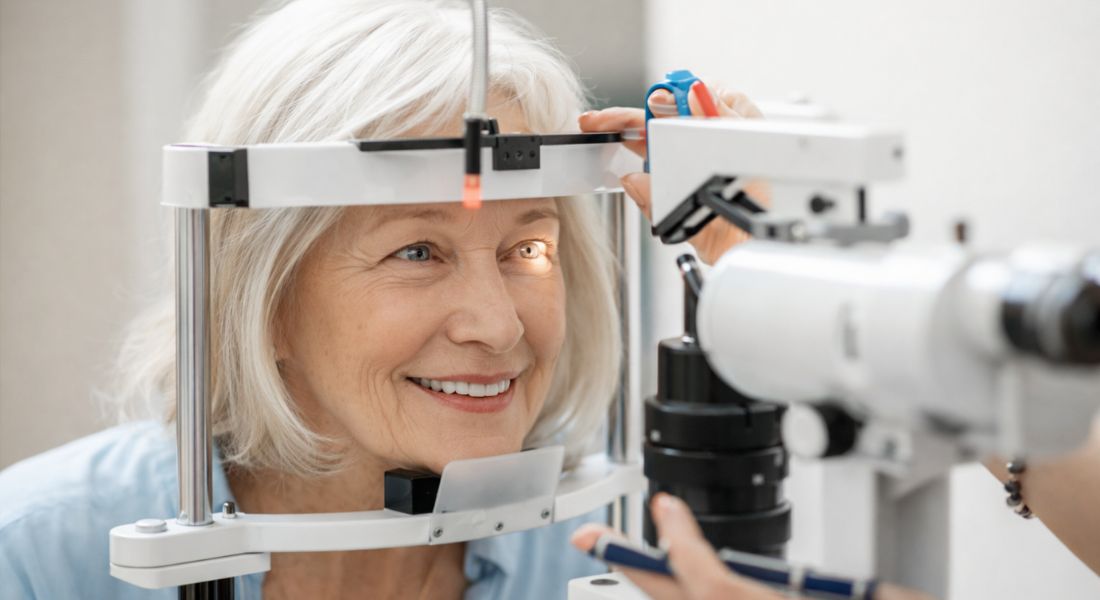
If you have glaucoma and have been advised to undergo cataract surgery, it is completely natural to feel concerned. Many patients worry that surgery could damage the optic nerve or accelerate visual field loss. These fears are common and deserve clear, evidence-based answers.
Glaucoma already makes vision feel fragile. When cataract surgery is added to the conversation, anxiety can increase. Understanding what actually happens inside the eye during and after surgery can be reassuring.
In this article, we explain whether cataract surgery can worsen glaucoma or visual field loss. We explore what research shows, how pressure changes are managed, and why test results often improve rather than deteriorate. The aim is to replace fear with clarity.
Why Patients Worry About Cataract Surgery in Glaucoma
Glaucoma slowly damages the optic nerve, often without any noticeable symptoms. Because this damage can’t be reversed, it’s completely natural to feel anxious about anything that might make it worse. The idea of having surgery inside your eye can understandably feel daunting.
You may have heard about temporary spikes in eye pressure after surgery, and it’s normal to worry that these could harm an already vulnerable optic nerve. While this concern makes sense, it’s often based on a misunderstanding of how risks are carefully managed.
In reality, modern cataract surgery is specifically adapted for people with glaucoma. Surgeons use techniques that minimise pressure fluctuations and protect your optic nerve throughout the procedure.
Understanding these adaptations can help put the risks into perspective. When you know how your surgery is tailored to your eyes, fear often eases, and you can approach the process with greater confidence.
How Cataract Surgery Affects the Eye
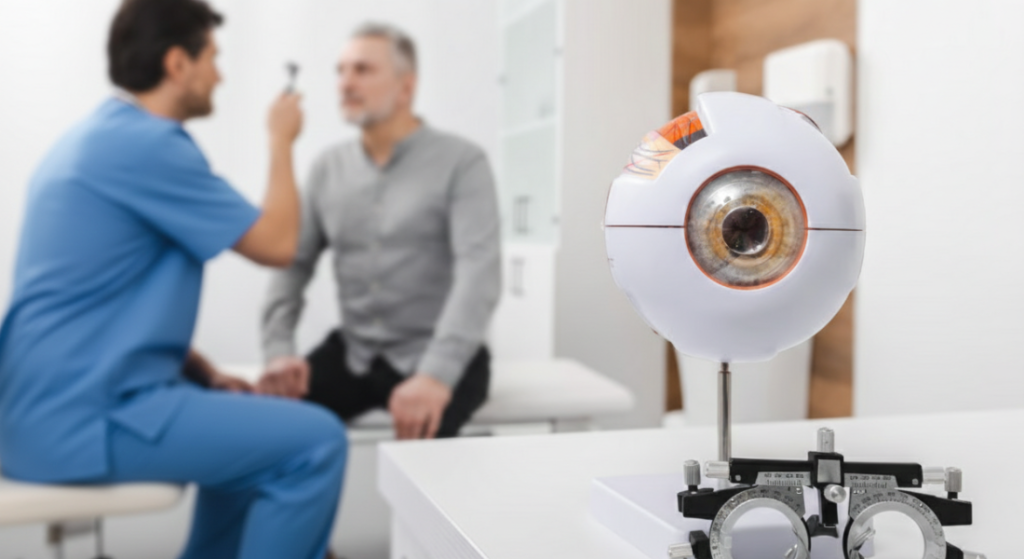
Cataract surgery involves removing your clouded natural lens and replacing it with a clear artificial one. This changes the internal structure of your eye slightly, which can influence eye pressure.
For most people, removing the cataract actually improves the flow of fluid within the eye. This can lead to a modest but lasting reduction in eye pressure, which is especially helpful in certain types of glaucoma.
It’s normal for eye pressure to fluctuate temporarily after surgery. These changes are well recognised and are actively managed by your specialist. When surgery is carefully planned, long-term worsening of eye pressure is uncommon. Proper timing and technique help ensure that the benefits outweigh the risks.
What the Evidence Says About Glaucoma Progression
Large clinical studies have looked at what happens to glaucoma after cataract surgery, and the results are reassuring. For most people, cataract surgery does not make glaucoma worse. In fact, many patients see a modest improvement in eye pressure afterwards.
You might worry about your visual fields getting worse after surgery, but deterioration is rarely caused by the procedure itself. When changes do occur, they usually reflect the natural course of glaucoma rather than any harm from the surgery, which is an important distinction to keep in mind.
Research consistently shows that cataract surgery is safe for people with glaucoma. With careful planning, proper patient selection, and ongoing monitoring, your specialist can help maintain good outcomes.
Overall, the evidence is reassuring. When your surgery and follow-up are managed correctly, cataract surgery can be safe and may even help reduce your eye pressure.
Understanding Intraocular Pressure Spikes
It’s normal for short-term spikes in eye pressure to occur in the hours or days following cataract surgery. These increases are usually mild and temporary, often caused by inflammation or leftover surgical material.
If you have glaucoma, your specialist will monitor you closely during this period. Preventive medications are often prescribed to keep pressure rises to a minimum. This proactive approach significantly reduces any potential risk.
Serious or long-lasting pressure elevation is uncommon. Should it happen, it is treated promptly to protect your optic nerve. Being aware of this possibility and having measures in place for prevention are key to achieving safe outcomes after surgery.
How Surgeons Prevent Pressure-Related Risk
When performing cataract surgery on patients with glaucoma, surgeons take specific precautions to protect the eye. Careful planning and technique adjustments help reduce stress and maintain stable eye pressure throughout the procedure.
- Surgical techniques are tailored: Methods such as controlling fluid flow, minimising operative time, and using gentle manipulation help limit pressure spikes during surgery. These adjustments are designed to protect the delicate optic nerve.
- Medication management is key: Eye drops that lower pressure may be continued or modified around the time of surgery. In some cases, short-term additional medications are prescribed to maintain safe pressure levels.
- Routine precautions for glaucoma patients: These measures are standard in glaucoma-aware cataract care, not exceptional steps. Such preparation significantly reduces the risk of complications and supports optimal long-term outcomes.
With careful technique and medication management, surgeons can perform cataract surgery safely even in eyes affected by glaucoma. These routine precautions ensure the best possible protection for your vision.
The Impact of Cataracts on Visual Field Testing
Cataracts can affect the accuracy of visual field tests. When your lens is cloudy, contrast sensitivity and light transmission are reduced, which can make your visual fields look worse than they really are. As the cataract progresses, these tests may show defects that aren’t actually caused by glaucoma. This can understandably be confusing for both you and your specialist.
Once the cataract is removed, test results usually become more reliable. Clearer optics allow a more accurate assessment of your true glaucoma status. This improved accuracy is one of the important benefits of cataract surgery, helping your specialist make better-informed decisions about your care.
Why Visual Field Results Often Improve After Surgery

Once your cataract is removed, visual field testing usually becomes more reliable. With a clear lens, you can see test targets more easily, which helps improve your performance during the test.
In many cases, visual fields may even appear better after surgery. This doesn’t mean your glaucoma has improved it simply reflects the removal of interference caused by the cataract.
This change can be reassuring, as it clarifies the difference between cataract-related visual limitations and true glaucoma progression.
More accurate test results allow your specialist to track your glaucoma more effectively. With better data, they can make informed decisions to support the long-term health of your eyes.
Optic Nerve Safety During Cataract Surgery
During cataract surgery, the optic nerve is not directly affected, as the operation is confined to the front part of the eye. This anatomical separation is a key reason why the procedure is generally safe for patients with glaucoma.
- Direct damage to the optic nerve is extremely unlikely: The surgical instruments and techniques do not reach the optic nerve. Any concern about physical injury to this nerve is largely unfounded.
- Pressure control is the main consideration: The main risk to the optic nerve comes from fluctuations in eye pressure, not direct contact. Careful monitoring and management of intraocular pressure during surgery protect nerve health.
- Modern techniques enhance safety: Advances in surgical methods and technology allow surgeons to maintain stable conditions throughout the procedure. Experienced surgeons adapt their approach based on individual risk factors, ensuring optimum protection.
With careful planning and pressure management, cataract surgery can be performed safely without compromising optic nerve health. These standard precautions help preserve vision and support long-term eye health.
Differences Between Mild and Advanced Glaucoma
The risks of cataract surgery depend on how advanced your glaucoma is. Mild, stable glaucoma carries very low risk, and outcomes are usually excellent.
Advanced glaucoma requires more caution. The optic nerve is less tolerant of pressure changes, so monitoring and preventive measures are especially important.
Even with advanced glaucoma, surgery can be done safely. The procedure is approached more carefully, with extra planning and control.
Individualised planning ensures the surgery is tailored to your specific eye health, giving you the best possible outcome.
Combined Cataract and Glaucoma Procedures
In certain cases, cataract surgery can be combined with glaucoma procedures. Doing both together may help reduce eye pressure more effectively and can offer benefits for patients whose glaucoma needs extra control. This approach can also mean fewer separate operations overall.
Minimally invasive glaucoma surgery is often performed alongside cataract removal. It is designed to improve pressure control without adding significant risk, and most patients experience a smooth recovery. Combining procedures can also make follow-up care simpler, as both conditions are addressed at the same time.
However, combined procedures aren’t necessary for everyone. The choice depends on your individual pressure targets, the stage of your glaucoma, and how quickly your condition is progressing.
A personalised assessment by your specialist ensures the approach is tailored to your needs. This careful planning helps achieve the safest and most effective outcome for both your vision and long-term eye health.
Long-Term Glaucoma Outcomes After Cataract Surgery
Long-term studies show that glaucoma control remains stable for most patients after cataract surgery. In many cases, the modest reduction in eye pressure can last for years, which may even reduce the need for some medications.
Glaucoma progression is influenced by many factors beyond surgery, including age, the amount of existing optic nerve damage, and how well eye pressure is controlled. Cataract surgery itself does not speed up the disease.
Ongoing monitoring is still essential. Cataract surgery does not replace your regular glaucoma care but forms part of a wider, long-term management plan. With careful planning and follow-up, most patients can safely enjoy clearer vision while keeping their glaucoma under control.
The Role of Follow-Up After Surgery

Post-operative follow-up is particularly important if you have glaucoma. Your eye pressure will be checked regularly, so any issues can be spotted and managed early. Once your eye has healed, visual field and optic nerve tests are repeated. This helps establish a new baseline, making it easier to track any future changes accurately.
Structured follow-up is designed to protect your vision. It’s a proactive approach rather than a reactive one, and long-term stability relies on continued care. Regular monitoring ensures that both your cataract and glaucoma are managed safely, giving you the best chance of maintaining good vision over time.
Addressing Common Patient Misconceptions
Many people assume that cataract surgery will automatically make glaucoma worse. In reality, large studies show this isn’t the case. Outcomes are generally neutral, and in some patients, eye pressure can even improve after surgery, offering an added benefit.
Some patients worry about losing vision immediately after the procedure. While complications are possible, serious harm is very rare when surgery is carefully planned and performed by an experienced team. Modern cataract surgery techniques are highly refined, making the procedure safer than ever.
Other common concerns include the need for multiple surgeries or sudden changes in visual function. Clear explanations from your specialist can help address these worries and provide a realistic understanding of what to expect.
Open communication and education play a key role in reducing anxiety. When you understand the actual risks and benefits, you can make informed choices with confidence, knowing that your care is tailored to your eye health.
When Cataract Surgery May Need Extra Caution
Some situations call for extra caution, such as very advanced glaucoma or unstable eye pressure. In these cases, surgical planning is carefully adapted to your specific needs.
Additional monitoring and medication adjustments are often used before, during, and after surgery. Sometimes, your glaucoma treatment may be optimised first to ensure the safest possible procedure.
It’s important to understand that caution doesn’t mean avoiding surgery. Rather, it means thoughtful preparation and careful management. This careful approach helps protect your vision and supports the best possible outcomes, even in higher-risk situations.
Making an Informed Decision
Deciding on cataract surgery when you have glaucoma should be a collaborative process. You should feel confident that you understand the risks, benefits, and alternatives. Shared decision-making helps you feel involved and reassured.
Asking questions is important. Knowing how your eyes will be protected before, during, and after surgery can ease anxiety, and receiving individualised advice ensures the plan suits your specific needs.
With careful planning, cataract surgery is generally safe and can be highly beneficial. Fear shouldn’t stop you from receiving appropriate treatment. The evidence shows that, for most patients, outcomes are reassuring and long-term vision is well protected.
Being informed and actively involved in decisions allows you to approach surgery with confidence and peace of mind.
FAQs:
1. Will cataract surgery make my glaucoma worse?
You might worry that having cataract surgery could damage your optic nerve or accelerate glaucoma, but in most cases, this doesn’t happen. Surgery is carefully planned to protect your eyes, and for some people, eye pressure even improves slightly afterwards. Your specialist will monitor your pressure closely before and after surgery to keep your optic nerve safe.
2. Can cataract surgery lower eye pressure?
Yes, cataract removal can sometimes lower your eye pressure, especially if you have open-angle glaucoma. However, this reduction is usually modest, so you can’t rely on cataract surgery alone to manage glaucoma if your disease needs stricter control. Your doctor may adjust your glaucoma medications accordingly to maintain safe pressure levels.
3. Are pressure spikes after surgery dangerous?
Short-term increases in pressure can happen in the hours or days following surgery, but they are generally mild and temporary. You’re closely monitored during this period, and preventive medication is often used to minimise any risk. Serious or prolonged pressure spikes are uncommon, and prompt treatment is available if they do occur.
4. Will cataract surgery affect my visual field results?
Cataracts themselves can make visual field tests less reliable by reducing contrast and clarity. After your cataract is removed, the tests often become more accurate, and you might notice that your visual field results actually improve. This improvement doesn’t mean your glaucoma has reversed it just reflects a clearer view of your true eye function.
5. Is the optic nerve at risk during cataract surgery?
The surgery takes place in the front part of your eye, far from the optic nerve, so direct damage is extremely unlikely. The main risk comes from changes in eye pressure, which your specialist carefully manages. Modern techniques and close monitoring make optic nerve safety a priority.
6. Does glaucoma severity change the risks of cataract surgery?
It does. If your glaucoma is mild and stable, the surgery carries very low risk and outcomes are excellent. For advanced glaucoma, your optic nerve is more sensitive, so your surgeon will take extra precautions and monitor pressure more closely. Even in these cases, surgery can be safe and effective with careful planning.
7. Are combined cataract and glaucoma procedures necessary?
Sometimes you may benefit from having both procedures at once, especially if your glaucoma needs surgical intervention in addition to cataract removal. Minimally invasive glaucoma surgery (MIGS) is often combined with cataract surgery to improve pressure control. However, not everyone needs this approach your doctor will personalise the plan based on your eye health.
8. Will I still need glaucoma drops after surgery?
In many cases, you will continue using your glaucoma medications. Some patients might need fewer drops, while others stay on the same treatment. The aim is always to maintain safe eye pressure rather than eliminate medication completely, so your specialist will adjust your treatment based on how your eye responds after surgery.
9. How long should I follow up after cataract surgery?
Follow-up is particularly important when you have glaucoma. Your doctor will check your eye pressure and repeat visual field and optic nerve tests once healing is complete. These follow-ups establish a new baseline and help track any future changes, keeping your vision safe over the long term.
10. Should I be afraid of cataract surgery if I have glaucoma?
Fear is natural, but most people with glaucoma have safe and successful cataract surgery. Modern techniques, careful planning, and monitoring make serious complications rare. Understanding the process, knowing the precautions, and talking openly with your specialist can help you feel confident in your decision.
Final Thoughts: Protecting Your Vision With Confidence
Deciding on cataract surgery when you have glaucoma can feel daunting, but understanding the process helps ease that uncertainty. Modern surgical techniques, careful monitoring, and personalised treatment plans make the procedure safe for most patients, even those with advanced glaucoma. Remember, cataract surgery often improves the accuracy of visual field testing and can even modestly reduce eye pressure, supporting better long-term care.
If you’re considering glaucoma treatment in London, you can get in touch with us at London Cataract Centre. Our specialists will assess your eyes in detail, explain your options clearly, and help you decide on the safest and most effective treatment plan for your individual needs. Being informed and proactive ensures you can approach surgery with confidence and peace of mind.
References:
1. Rossetti, L., et al. (2007) ‘Effect of cataract surgery for visual field in glaucoma patients’, Journal of Glaucoma, 16(6), pp. 520–525. Available at: https://pubmed.ncbi.nlm.nih.gov/17937040
2. Wang, J.N. and Liou, S.W. (2020) ‘Cataract extraction slowed visual field progression rate in patients with angle‑closure glaucoma’, Taiwan Journal of Ophthalmology, (Retrospective review). Available at: https://www.ncbi.nlm.nih.gov/pmc/articles/PMC8757517
3. Lavia, C., Dallorto, L., Maule, M., et al. (2022) ‘Cataract surgery and intraocular pressure changes: systematic review of randomized controlled trials’, Acta Ophthalmologica, Available at: https://pubmed.ncbi.nlm.nih.gov/36441227
4. Yamashita, H., et al. (2016) ‘Changes of visual‑field global indices after cataract surgery in primary open‑angle glaucoma patients’, Journal of Glaucoma, 25(8). Available at: https://pubmed.ncbi.nlm.nih.gov/27503400
5. Stein, J.D., et al. (2015) ‘Cataract surgery outcomes in glaucomatous eyes: results from the Veterans Affairs Ophthalmic Surgery Outcomes Data Project’, American Journal of Ophthalmology, 159(1), pp. 146–155. Available at: https://www.sciencedirect.com/science/article/abs/pii/S0002939415004444