


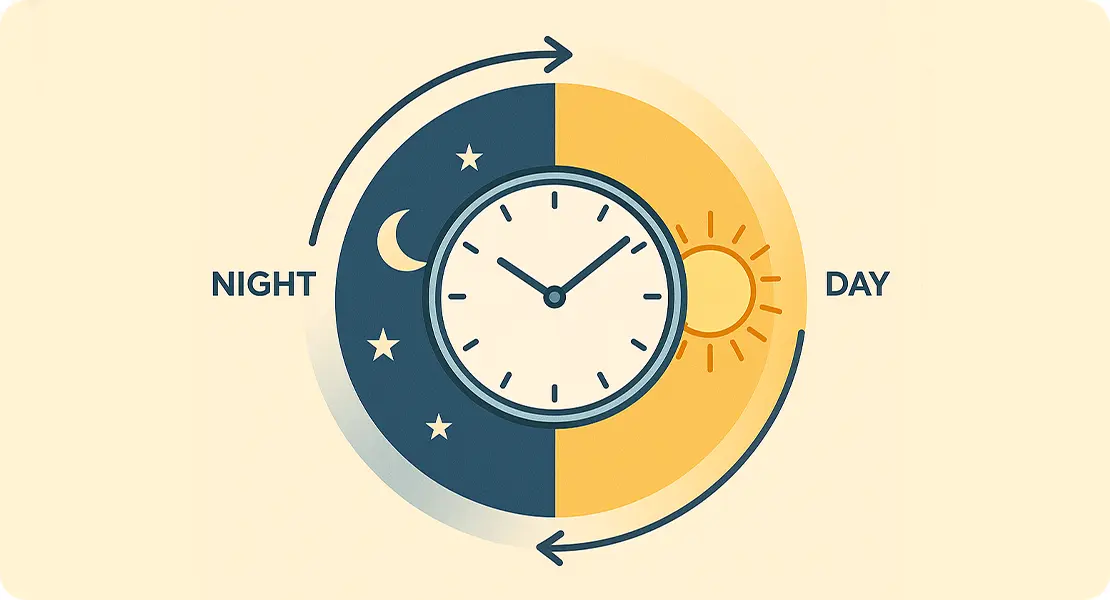
When planning for cataract surgery, you’re faced with decisions you may never have considered before and one question that often comes up is whether you should choose a blue-blocking intraocular lens (IOL). These lenses are designed to filter out a portion of short-wavelength blue light, offering potential retinal protection. But many people wonder whether this filtering might interfere with sleep quality or circadian rhythm regulation.
It’s a valid concern, especially because you’ve probably heard about blue light from screens affecting sleep. So it’s normal to ask whether filtering blue light inside the eye could shift melatonin production or alter how your internal body clock responds to day–night cycles.
In this detailed guide, I’ll walk you through everything you need to know about blue-blocking IOLs. I’ll explain how they work, what the research says about their effect on sleep, and what you can realistically expect after surgery. By the end, you’ll have a clearer picture of whether a blue-blocking lens is the right option for your visual and circadian health.
Understanding Blue Light and Why It Matters

Blue light plays a crucial role in how our eyes and brain function, far beyond just helping us see. Understanding its effects is key to appreciating how blue-blocking intraocular lenses (IOLs) can influence vision, sleep, and overall well-being. To understand how blue-blocking IOLs affect the eye and brain, you first need to know how blue light functions. Blue light refers to wavelengths approximately between 400–500 nanometres. This range contains both:
- High-energy visible (HEV) blue light, and
- Short-wavelength blue-violet light
These wavelengths do more than simply contribute to vision. They play a key role in regulating your circadian rhythm the internal clock that influences sleep, alertness, hormone release, temperature, and even mood.
When blue light reaches special cells in the retina known as intrinsically photosensitive retinal ganglion cells (ipRGCs), it triggers signals to the brain’s master clock, the suprachiasmatic nucleus (SCN). This exposure suppresses melatonin production and helps keep you awake during the day.
At night, when blue light naturally decreases, melatonin rises and prepares your body for sleep. In other words, blue light helps regulate your sleep–wake cycle.
What Are Blue-Blocking IOLs?
During cataract surgery, your natural lens is replaced with an artificial intraocular lens. Some IOLs are designed to mimic the natural lenses found in people before cataracts developed. These include:
1. Standard UV-blocking IOLs
These filter ultraviolet light but transmit almost all blue wavelengths.
2. Blue-blocking (or blue-filtering) IOLs
These are sometimes called “yellow-tinted IOLs.” They filter UV light and selectively reduce a portion of short-wavelength blue light.
The goal of blue-blocking IOLs is to:
- Reduce retinal exposure to high-energy blue light
- Potentially lower the risk of macular degeneration
- Improve visual comfort in bright, high-blue-light environments
Because cataracts naturally block blue light, removing the cloudy lens increases blue light reaching the retina. Blue-blocking IOLs are designed to bring transmission more in line with youthful, pre-cataract eyes.
Why Some People Worry About Circadian Rhythm Disruption

Blue light plays an important role in regulating circadian rhythms, so it’s natural to wonder whether filtering it through a lens could alter sleep signals. Some common concerns include reduced blue light transmission during daylight, a possible decrease in melatonin suppression, and potential shifts in sleep timing or daytime alertness.
People often associate blue-blocking glasses with improved sleep at night, so the idea of a permanent blue filter inside the eye can seem confusing. The question arises: if blocking blue light at night helps with sleep, could blocking it during the day have the opposite effect?
It’s important to consider that the amount of blue light transmitted by modern IOLs is carefully calibrated. The goal is to filter harmful high-energy wavelengths while still allowing enough blue light to support natural circadian signalling during the day.
Research shows that most patients with blue-filtering IOLs do not experience significant disruptions to sleep patterns. The body typically continues to receive sufficient cues from natural daylight to maintain healthy circadian rhythms, even with these lenses in place.
What the Research Says About Blue-Blocking IOLs and Circadian Rhythms
Over the last decade, several large studies have examined how blue-filtering implants influence sleep and circadian health. The findings are far more reassuring than you might expect.
1. Most Blue-Blocking IOLs Do Not Block Enough Blue Light to Affect Circadian Signalling
Circadian regulation relies heavily on light around 460–480 nm the wavelength most important for signalling wakefulness. Modern blue-filtering lenses allow the majority of this light to pass through. Most blue-blocking IOLs filter only a small portion of the higher-energy 400–450 nm range, which is not the main circadian driver.
2. Multiple studies show no negative impact on melatonin rhythms
Multiple studies show that blue-blocking lenses do not disrupt your body’s natural sleep–wake cycle. Research indicates no significant changes in melatonin levels, circadian timing, or sleep quality, with patients experiencing sleep patterns similar to those with standard IOLs.
3. Some studies show improved sleep after surgery regardless of IOL type
Research suggests that many patients experience noticeable improvements in sleep quality following cataract surgery, and this benefit appears to occur regardless of whether they receive standard UV-blocking lenses or blue-blocking IOLs. Cataracts naturally reduce the amount of light reaching the retina, including the specific wavelengths that help regulate the body’s circadian rhythm.
4. Patients with severe cataracts often experience circadian disruption before surgery
Patients with advanced cataracts often experience disrupted circadian rhythms even before surgery. Dense cataracts block significant amounts of blue light far more than any blue-blocking lens leading to reduced melatonin suppression, fragmented sleep, decreased daytime alertness, and sometimes mood changes. Cataract surgery restores normal light transmission to the retina, supporting proper circadian function and improving sleep, rather than causing disruption.
5. Blue-blocking IOLs mimic the natural lens more closely
Blue-blocking IOLs are designed to mimic the natural lens more closely. As we age, the human lens gradually becomes yellow, blocking more blue light over time. Blue-blocking IOLs restore a transmission profile similar to that of a healthy middle-aged lens, rather than eliminating blue light entirely.
This natural balance helps support both retinal protection and circadian function, without compromising one for the other.
How Blue-Blocking IOLs Affect Vision and Daily Comfort

While the circadian impact of blue-blocking IOLs is minimal, their visual benefits can be significant for some people.
Here’s what many patients report:
1. Reduced glare and light sensitivity: One key benefit of blue-blocking IOLs is reduced glare and light sensitivity. By filtering the highest-energy blue wavelengths, these lenses can improve contrast, minimise scattered light, and provide clearer vision in bright environments. This is especially helpful for activities like night driving, working under fluorescent lighting, or extended screen use.
2. More natural colour perception: Another advantage of modern blue-blocking IOLs is that they preserve natural colour perception. While the lenses filter high-energy blue light, the subtle tint is usually unnoticeable, allowing whites to appear slightly warmer, blues to remain clear, and overall colours to look natural and comfortable.
3. Potential retinal protection: Blue-blocking IOLs may also offer potential long-term retinal protection. By reducing exposure to the highest-energy blue wavelengths, these lenses could help limit oxidative stress in the retina, which is particularly relevant for people with a family history of macular degeneration, those frequently in bright sunlight, or individuals with thinner macular profiles. Although research is still ongoing, this potential benefit has contributed to the growing popularity of blue-filtering IOL designs.
Do Blue-Blocking IOLs Affect Night Vision?
A common concern about blue-blocking IOLs is whether filtering blue light might reduce night vision. Fortunately, research indicates that these lenses do not significantly affect low-light performance. Patients are generally able to perform scotopic (night-time) visual tasks without difficulty, and dark colour discrimination remains intact.
Most night-vision problems after cataract surgery are usually caused by other factors. These include posterior capsule opacification (PCO), residual refractive error, corneal dryness, or design differences in the IOL, particularly with multifocal lenses.
Blue-blocking technology itself is not responsible for night-vision issues. Modern IOLs are carefully designed to balance protection from high-energy blue light while preserving visual performance in dim environments.
Understanding this distinction can help patients feel more confident about choosing a blue-filtering IOL, knowing it is unlikely to compromise their ability to see clearly at night.
Choosing Between Standard UV-Blocking and Blue-Blocking IOLs
Deciding between a standard UV-blocking IOL and a blue-blocking IOL depends on your visual goals, lifestyle, eye health, and personal preference. Each type offers distinct benefits, and understanding these can help you make an informed choice.
You might prefer a blue-blocking IOL if you have high sunlight exposure, want protection against high-energy visible light, or are sensitive to glare. Other reasons include a family history of macular degeneration, a preference for a slightly warmer, more natural colour tone, or experiencing headaches from bright lights or LED screens.
On the other hand, a standard UV-blocking IOL may be the right choice if you want maximum light transmission, including all blue light, work in environments where colour precision is critical, or simply prefer no tint at all. These lenses prioritise the brightest possible vision without altering colour perception.
Your surgeon can help weigh these factors based on your daily activities and visual priorities, ensuring you choose the lens that best balances protection, clarity, and comfort for your eyes.
The Difference Between Blue-Blocking IOLs and Blue-Blocking Glasses
It’s important to understand that blue-filtering IOLs are not the same as blue-blocking computer glasses. While both involve blue-light reduction, their purpose and effect differ significantly.
Blue-light glasses are typically worn in the evening to reduce exposure from screens, helping to regulate melatonin production and support healthy sleep patterns. They are temporary and only affect light during use.
In contrast, blue-filtering IOLs are permanently implanted inside the eye. They filter only a small portion of blue-violet wavelengths while still allowing the circadian-active blue light to pass through, ensuring that your body continues to receive natural signals for sleep and alertness.
This selective filtering is why research consistently shows that blue-blocking IOLs do not cause significant circadian disruption after cataract surgery. Patients can enjoy the protective benefits without affecting their natural sleep-wake cycle.
How Cataracts Themselves Affect Sleep And Why Surgery Helps
As the natural lens becomes cloudy due to cataracts, less light reaches the retina, and blue wavelengths which play a key role in regulating circadian rhythms are particularly affected. This reduction weakens the signals your body relies on to maintain a healthy sleep-wake cycle.
People with cataracts often notice daytime sleepiness, difficulty waking, fragmented sleep patterns, and overall poor sleep quality. These issues are a direct result of impaired light transmission rather than other health problems.
Cataract surgery restores clear light passage to the retina, including blue light, which helps strengthen circadian signalling. This improvement can lead to better sleep quality, increased alertness during the day, and a more consistent sleep schedule.
Importantly, these benefits occur regardless of the IOL type implanted. Whether you have a standard UV-blocking or a blue-filtering lens, cataract surgery itself helps your body receive the light cues it needs for healthy sleep.
Addressing Common Myths About Blue-Blocking IOLs
There are several myths circulating about blue-filtering lenses, so let’s clear up the confusion.
Myth 1: Blue-blocking IOLs eliminate all blue light
Reality: They filter only a small portion, allowing adequate circadian-active wavelengths to pass.
Myth 2: They cause sleep disturbances
Reality: Research repeatedly shows no measurable impact on sleep.
Myth 3: Colours look unnatural
Reality: Colours remain accurate, with only subtle warmth in bright lighting.
Myth 4: They reduce night vision
Reality: Studies do not support this. Any night-vision issues typically relate to other postoperative factors.
Myth 5: They are unnecessary for most people
Reality: They can meaningfully reduce glare and enhance comfort, particularly for sensitive patients.
FAQs:
1. What exactly are blue-blocking IOLs?
Blue-blocking intraocular lenses (IOLs) are artificial lenses implanted during cataract surgery that filter out a portion of high-energy blue light. Unlike standard UV-blocking lenses, which only block ultraviolet light, blue-blocking lenses reduce certain short-wavelength blue-violet light. The goal is to offer retinal protection, improve visual comfort in bright environments, and mimic the natural lens’s yellowing that occurs with age, without disrupting your circadian rhythm.
2. Do blue-blocking IOLs interfere with sleep?
No, research shows that blue-blocking IOLs do not negatively affect sleep. The lenses filter only a small portion of the blue light spectrum, mostly in the 400–450 nm range, which is not the key wavelength for circadian regulation. The brain still receives enough light around 460–480 nm to maintain normal melatonin production and support your sleep–wake cycle. Most patients experience sleep quality similar to those with standard IOLs, and many notice improved sleep after cataract surgery due to restored light transmission.
3. How do blue-blocking IOLs affect colour perception?
While some people worry about colour distortion, modern blue-filtering IOLs maintain natural colour perception. Whites may appear slightly warmer, but blues and other colours remain clear and accurate. For most patients, the tint is subtle and unnoticeable in daily life, providing comfortable vision without compromising the ability to distinguish colours in work, leisure, or digital screen use.
4. Will blue-blocking IOLs reduce my night vision?
No, studies indicate that these lenses do not significantly impair night vision. Low-light performance and scotopic tasks, such as driving at night, remain unaffected. Any difficulties with night vision after cataract surgery usually relate to factors like posterior capsule opacification, residual refractive error, corneal dryness, or multifocal lens design, not the blue-filtering technology itself.
5. Can blue-blocking IOLs help with glare or light sensitivity?
Yes, they often reduce glare and light sensitivity. High-energy blue light scatters more within the eye, particularly under bright sunlight or artificial lighting. Filtering this portion of the spectrum can improve contrast and visual comfort, making activities like driving at night, working under fluorescent lights, or extended screen use more comfortable for sensitive eyes.
6. Who might benefit most from blue-blocking IOLs?
Patients with high sunlight exposure, a family history of macular degeneration, sensitivity to glare, or discomfort from bright screens may find blue-blocking lenses particularly beneficial. They are also a good option for those seeking a slightly warmer colour tone or additional retinal protection. These lenses provide benefits without disrupting circadian rhythm, making them suitable for a wide range of patients.
7. How do blue-blocking IOLs compare to blue-blocking glasses?
Blue-blocking glasses are designed to reduce blue light exposure in the evening, mainly to support melatonin production and improve sleep. Blue-blocking IOLs, on the other hand, remain permanently inside the eye and filter only a small portion of the blue-violet spectrum. Unlike glasses, they do not interfere with circadian signalling, so the benefits of blue-light filtering glasses do not directly translate to IOLs.
8. Can cataracts themselves affect sleep?
Yes, cataracts reduce light transmission, especially in the blue spectrum that regulates circadian rhythms. This reduction can weaken melatonin signalling, causing daytime sleepiness, fragmented sleep, and difficulty waking. Cataract surgery restores light transmission, improving circadian function and sleep quality regardless of whether a standard or blue-blocking lens is used.
9. Are there myths about blue-blocking IOLs I should know?
Several misconceptions exist. Some believe blue-blocking lenses eliminate all blue light, cause sleep disturbances, distort colours, or reduce night vision. In reality, they filter only a small portion of blue-violet light, have no measurable impact on sleep, maintain accurate colours with subtle warmth, and do not compromise night vision. They are particularly useful for reducing glare and enhancing visual comfort in sensitive patients.
10. How should I choose between standard UV-blocking and blue-blocking IOLs?
The decision depends on lifestyle, visual goals, and personal preference. A blue-blocking IOL may be ideal if you want extra retinal protection, reduced glare, or slightly warmer colours. A standard UV-blocking lens may be preferred if you want maximum light transmission, require precise colour perception for work, or simply prefer no tint. Discussing your daily habits, visual needs, and family history of eye conditions with your ophthalmologist can help guide the right choice.
Final Thoughts: Take Charge of Lens Health
Cataracts may seem like an inevitable part of ageing, but understanding how to protect your lenses and overall eye health shows that there are ways to preserve your vision. Maintaining a healthy lifestyle including quitting smoking, managing blood sugar, eating antioxidant-rich foods, and shielding your eyes from UV exposure can all help reduce oxidative stress and slow lens clouding. Emerging therapies, such as antioxidant eye drops, hypoxia-modulating treatments, and mitochondrial support supplements, also offer promising avenues to maintain lens clarity for longer.
If you’re concerned about your eye health or notice early signs of cataract formation, seeking professional guidance is crucial. If you’re looking to enhance your vision or need personalised guidance, our specialist team at the London Cataract Centre is here to help. They can assess your lens health, recommend protective strategies, and discuss potential interventions to maintain clear vision well into later life. Early awareness and proactive care make a significant difference in keeping your eyes healthy and your vision sharp.
References:
1. Popov, I., Tauskova, V., Gazova, I., Vida, R. & Hodálová, M. (2021) ‘Effect of Blue Light Filtering Intraocular Lenses on Visual Perception’, Medicina (Kaunas), 57(6), p. 559. Available at: https://www.mdpi.com/1648‑9144/57/6/559
2. Antemie, R.G., et al. (2023) ‘Blue Light Ocular and Systemic Damaging Effects’, International Journal of Molecular Sciences, 24(6), p. 5998. Available at: https://www.mdpi.com/1422‑0067/24/6/5998
3. Wei, X., She, C., Chen, D., Yan, F., Zeng, J. & Zeng, L. (2013) ‘Blue‑Light‑Blocking Intraocular Lens Implantation Improves the Sleep Quality of Cataract Patients’, Journal of Clinical Sleep Medicine, 9(8), pp. Available at: https://pmc.ncbi.nlm.nih.gov/articles/PMC3716663/
4. Kohnen, T., et al. (2024) ‘Blue Light Filtration in Intraocular Lenses: Effects on Visual and Circadian Outcomes’, [journal name]. Available at: https://pmc.ncbi.nlm.nih.gov/articles/PMC11149638/ 5. Henderson, B.A. (2010) ‘Blue‑blocking IOLs: a complete review of the literature’, Survey of Ophthalmology, 55, pp. 284‑289. Available at: https://pubmed.ncbi.nlm.nih.gov/20499436/