


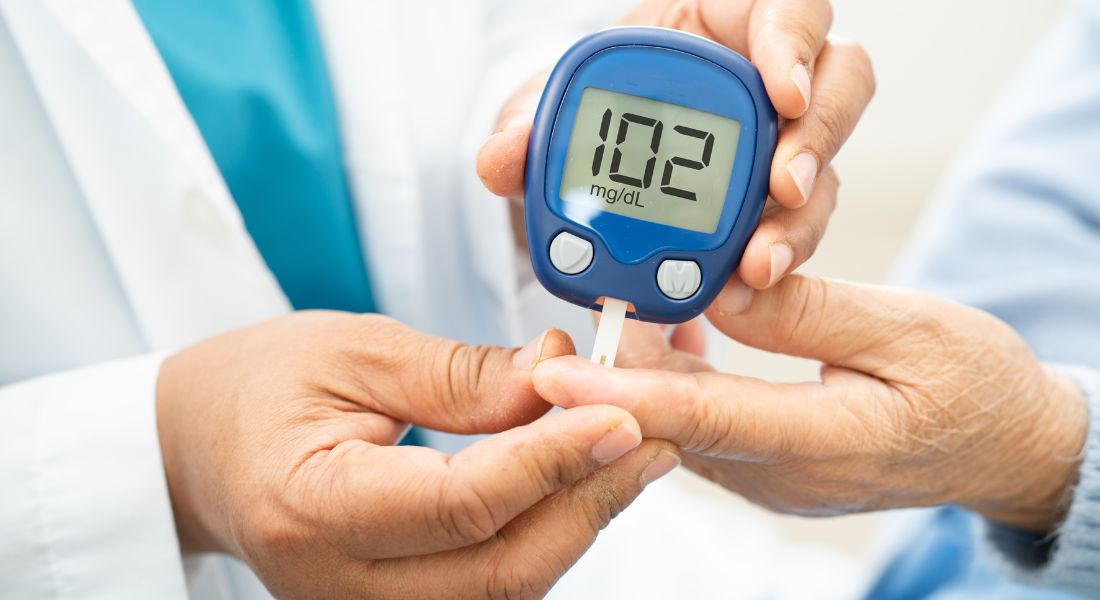
This can feel confusing, especially if your vision is already being affected by cataracts and you’re eager to move forward with treatment. You may wonder whether diabetes automatically makes surgery riskier or whether good control really makes a difference.
In this article, I’ll explain how blood sugar control affects cataract surgery results in practical terms. You’ll learn how it influences healing, infection risk, refractive accuracy, and long-term visual stability, as well as what surgeons usually look for before proceeding.
Why Blood Sugar Levels Matter Before Cataract Surgery
Cataract surgery is highly successful, but it still depends on the body’s natural healing ability. Blood sugar levels play a key role in tissue recovery after any surgical procedure. Maintaining healthy glucose levels helps the eye heal efficiently and safely.
When blood sugar is consistently high, the body’s repair mechanisms slow down. This can lead to delayed or uneven healing after surgery. Proper control supports a smoother, more predictable recovery.
Good blood sugar management does more than reduce complications. It actively contributes to better visual outcomes. Patients with well-controlled glucose often experience faster healing and greater overall satisfaction.
Ultimately, monitoring and managing blood sugar before surgery is an essential step. It sets the foundation for safe, effective, and reliable results.
What HbA1c Actually Measures
HbA1c is a blood test that shows your average blood sugar over the past two to three months. Unlike daily glucose readings, it provides a broader view of long-term control. This measure helps surgeons understand overall metabolic stability rather than isolated numbers.
Stability is important because cataract surgery outcomes rely on consistent healing ability. A single normal glucose reading on surgery day may not reflect true long-term control. HbA1c helps surgeons determine the safest timing for the procedure.
By assessing HbA1c, surgeons can predict how reliably the eye is likely to heal. It guides both preoperative planning and postoperative care. This ensures recovery is smoother and outcomes are more predictable.
How Poor Blood Sugar Control Affects Healing

Recovery after cataract surgery relies on the body’s ability to repair the cornea, incision site, and internal eye tissues efficiently. Elevated blood sugar levels can disrupt these healing processes, affecting the speed and quality of recovery. Understanding how blood sugar impacts healing helps patients take proactive steps to support optimal outcomes.
Key ways high blood sugar can affect recovery include:
Reduced microvascular blood flow: Elevated glucose levels can narrow and damage small blood vessels, limiting the supply of oxygen and nutrients to healing tissues. This can slow the natural repair processes and prolong recovery.
Impaired immune response: High blood sugar affects immune cell function, making it harder for the body to control inflammation and fight minor infections. This can increase the risk of prolonged irritation or delayed healing at the surgical site.
Extended recovery and persistent symptoms: Patients with uncontrolled blood sugar may notice blurred vision, discomfort, or mild swelling lasting longer than usual. Careful monitoring and good blood sugar management can help minimise these effects and support a smoother recovery.
By managing blood sugar effectively before and after surgery, patients can enhance healing, reduce complications, and achieve the best possible visual outcomes.
Infection Risk and Diabetes
Infection after cataract surgery is uncommon, but it can be serious when it occurs. Diabetes increases the risk, especially if blood sugar is poorly controlled. Careful monitoring and preparation are essential to minimise complications.
High glucose levels create conditions that favour bacterial growth and weaken immune responses. This doesn’t make surgery unsafe, but it does require additional vigilance. Surgeons may take extra precautions to protect the eye during and after the procedure.
Maintaining good blood sugar control both before and after surgery lowers the risk of infection. It also supports faster and more predictable healing. Patients who manage their diabetes effectively generally experience smoother recoveries.
Ultimately, proactive diabetes management enhances both safety and outcomes. By reducing infection risk, it contributes to the overall success of cataract surgery.
Blood Sugar and Visual Accuracy After Surgery
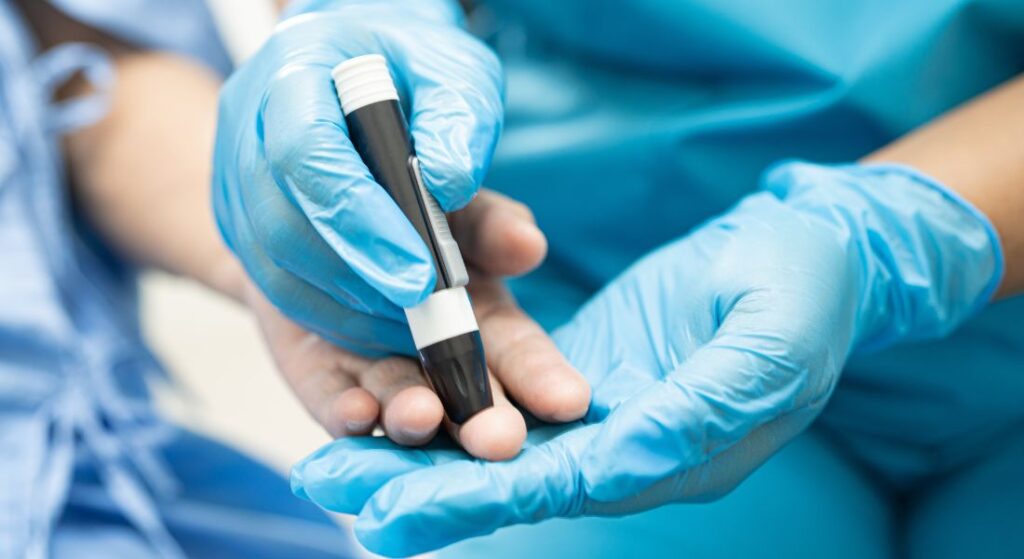
A key goal of modern cataract surgery is achieving accurate visual correction. Lens power is calculated using preoperative measurements of the eye. These measurements need to reflect the eye’s true shape and focusing ability for the best outcomes.
Blood sugar fluctuations can temporarily alter the eye’s shape and focusing power. If glucose levels are unstable, preoperative measurements may be less reliable. This can affect how well the implanted lens corrects vision.
Maintaining stable blood sugar before surgery ensures that measurements accurately represent your visual needs. Reliable readings support precise lens selection and optimal refractive results. Patients with well-controlled glucose levels tend to achieve better visual accuracy.
Ultimately, blood sugar stability contributes directly to sharper, more predictable vision after cataract surgery. It is a simple but crucial step in planning for the best possible outcome.
Why Vision Can Fluctuate With Poor Control
For patients with diabetes, fluctuations in blood sugar can directly affect vision. Changes in glucose levels influence the fluid balance within the eye’s lens and cornea, temporarily altering focus and clarity. Understanding this helps patients recognise why vision may feel inconsistent, particularly around the time of cataract surgery.
Key factors include:
Lens and corneal changes – Elevated or rapidly changing blood sugar levels can cause the lens and cornea to swell slightly. This alters how light is focused on the retina, leading to temporary blurred or fluctuating vision.
Unstable vision during recovery – If blood sugar is not well controlled around surgery, these fluctuations may continue into the healing period. This can make it harder to judge when vision has fully stabilised and may delay the perception of final outcomes.
Benefits of good blood sugar management – Maintaining stable glucose levels helps minimise these temporary fluctuations. Consistent control supports predictable visual recovery and allows patients to experience clearer, more reliable vision sooner.
By managing blood sugar carefully before and after surgery, patients can reduce variability in vision and support a smoother, more stable recovery process.
The Relationship Between Diabetes and the Retina
Diabetes affects more than just the lens of the eye; it can also impact the retina. Diabetic retinopathy is a common complication that may influence vision and surgical planning. Understanding retinal health is crucial before proceeding with cataract surgery.
If retinopathy is present, surgeons may adjust the timing or approach to surgery. In some cases, retinal treatment is recommended before or alongside the cataract procedure. This ensures both safety and the best possible visual outcomes.
A thorough retinal assessment is therefore a key part of preoperative evaluation for diabetic patients. Detecting and managing retinal changes early supports smoother recovery. It also helps optimise long-term vision after surgery.
What Surgeons Usually Look for Before Proceeding
Surgeons don’t expect perfect blood sugar control, but they do look for reasonable stability over time. Decisions are guided by overall trends rather than isolated readings. This approach helps ensure that the eye can heal effectively after surgery.
Common factors considered include HbA1c levels and recent trends, the patient’s history of blood sugar stability, presence or absence of diabetic eye disease, and general health and healing capacity. Evaluating these aspects helps identify the safest timing for surgery. The aim is to maximise both safety and predictability of outcomes.
By assessing these key factors, surgeons can plan procedures more confidently. Patients benefit from reduced risk and smoother recovery. Careful preoperative evaluation is central to successful cataract surgery in diabetic individuals.
Ultimately, timing surgery when the body is most ready supports the best possible visual results. Stability and overall health are as important as surgical skill in achieving optimal outcomes.
Is There a “Safe” HbA1c Level for Surgery?
There isn’t a single HbA1c value that is safe for all patients. Surgeons evaluate whether your blood sugar is well-controlled and stable over time. Individual trends are more important than hitting a universal number.
Moderately elevated but consistent levels may be acceptable, whereas rapidly fluctuating or very high readings could lead to postponing surgery. Decisions are personalised to each patient’s situation. The goal is always to minimise risk and support optimal healing.
Focusing on stability rather than a fixed target helps ensure safer outcomes. This approach allows surgery to proceed when the body is most prepared. Personalised assessment is key to balancing safety with timely intervention.
Can Cataract Surgery Be Delayed to Improve Control?
In some situations, surgery can be safely postponed to allow better blood sugar management. Improving stability before the procedure can significantly enhance healing and visual outcomes. This proactive approach prioritises patient safety over speed.
Delaying surgery is not a punishment or denial of care. It is a protective measure aimed at reducing complications and supporting optimal recovery. Even modest improvements in blood sugar control can make a noticeable difference in results.
Many patients experience smoother healing and clearer vision when surgery is timed around better metabolic control. This strategy ensures both safety and long-term satisfaction.
Ultimately, short-term delay for improved control is an investment in safer, more predictable cataract surgery outcomes. It balances timing with the best possible results for the patient.
Does Good Control Guarantee Perfect Results?
Maintaining good blood sugar control significantly improves the likelihood of a smooth and predictable recovery after cataract surgery. However, it cannot remove all factors that influence healing, and individual responses still vary. Understanding the benefits and limitations of blood sugar management helps set realistic expectations for recovery.
Key points include:
Improved healing and predictable outcomes: Well-controlled blood sugar supports efficient tissue repair, reduces inflammation, and lowers the risk of infection. This creates conditions similar to those experienced by patients without diabetes, allowing for a smoother recovery.
Vision stabilisation is more reliable: Patients with stable glucose levels tend to experience fewer fluctuations in vision during the healing period. This means they can reach their final visual outcome more quickly and with greater consistency.
Control increases the likelihood of success: While perfection cannot be guaranteed, good blood sugar management shifts the odds strongly in the patient’s favour. It enhances safety, reduces complications, and supports optimal surgical results.
By maintaining careful blood sugar control, patients give themselves the best chance for a successful, predictable, and satisfying visual recovery.
Long-Term Vision Stability After Cataract Surgery

Long-term visual stability relies not only on the success of the cataract surgery but also on ongoing eye and overall health. Continued blood sugar management plays a key role in maintaining this stability. Consistent care helps preserve the benefits of surgery over time.
Poor glucose control can affect the retina, even after a technically successful procedure. Retinal changes may gradually impact vision years later. Maintaining stable blood sugar helps prevent such complications and supports lasting outcomes.
Good diabetic management protects the investment made in your eyesight. It reduces the risk of future vision problems and ensures the benefits of surgery are maintained. Patients who prioritise ongoing control tend to enjoy clearer, more reliable vision long-term.
Ultimately, long-term vision after cataract surgery is a combination of surgical success and proactive health management. Stable blood sugar is central to preserving the clarity and quality of your vision.
The Importance of a Specialist Assessment
Patients with diabetes benefit from an approach that considers the entire eye, not just the lens. A thorough retinal evaluation and personalised surgical planning are essential for safe and effective outcomes. Specialist assessment ensures all factors affecting vision are taken into account.
Centres experienced in managing diabetes-related eye conditions understand these complexities. Many patients choose specialist services, such as the London Cataract Centre, where care is tailored to diabetic eye health. This expertise supports better surgical planning and recovery.
Individualised care enhances both safety and predictability of outcomes. By addressing each patient’s unique needs, surgeons can optimise vision while minimising risks. Specialist attention ensures that long-term eye health is preserved alongside surgical success.
What You Can Do to Prepare
For patients with diabetes, preparing for cataract surgery is an important part of ensuring a smooth recovery and optimal visual outcome. Supporting your body and stabilising your health before the procedure can make a meaningful difference in healing and post-operative comfort. Taking proactive steps helps you feel more confident and in control of the process.
Key preparation steps include:
Working with your GP or diabetic team: Collaborate with your healthcare providers to stabilise blood sugar levels in the weeks leading up to surgery. Consistent monitoring and adjustment of medications can reduce the risk of complications and support faster healing.
Attending all pre-operative eye assessments: Thorough assessments help the surgical team plan accurately and identify any potential issues in advance. These appointments ensure the surgery is tailored to your eyes and your overall health.
Following medication and aftercare advice closely: Adhering to pre- and post-operative instructions such as using prescribed eye drops and attending follow-up visits supports recovery and maximises the effectiveness of the procedure. Proper aftercare helps prevent infection, inflammation, and other complications.
By taking these steps, you actively contribute to a smoother recovery and better visual results, giving yourself the best possible outcome from cataract surgery.
FAQs:
1. Why is blood sugar control important before cataract surgery?
Blood sugar control is important because it directly affects the body’s ability to heal after surgery. When glucose levels are well-managed, tissue repair occurs more efficiently, the risk of infection is reduced, and visual outcomes are generally more reliable. Consistent control provides a smoother recovery and helps ensure that the surgical procedure is as safe and effective as possible.
2. What does the HbA1c test measure and why does it matter for surgery?
The HbA1c test measures a patient’s average blood sugar over the previous two to three months, offering insight into long-term glucose control rather than just daily fluctuations. Surgeons use this information to assess metabolic stability, predict the likelihood of effective healing, and determine the safest timing for cataract surgery, which contributes to more predictable postoperative results.
3. How can high blood sugar affect healing after cataract surgery?
High blood sugar can impair the body’s natural healing processes by reducing blood flow through small vessels, limiting oxygen and nutrient delivery to tissues, and weakening the immune response. This can lead to slower recovery, prolonged discomfort, and increased susceptibility to minor infections, making careful blood sugar management essential for achieving optimal healing and visual outcomes.
4. Does diabetes increase the risk of infection following cataract surgery?
Diabetes can increase the risk of infection, especially when blood sugar is poorly controlled, because elevated glucose levels create conditions that encourage bacterial growth and reduce the effectiveness of the immune system. Patients who manage their diabetes carefully both before and after surgery tend to experience lower infection rates and more predictable recovery, making proactive management a critical part of safe surgical care.
5. How does blood sugar stability affect visual accuracy after surgery?
Blood sugar fluctuations can temporarily alter the shape and focusing ability of the eye, which may lead to less reliable preoperative measurements and affect lens selection during cataract surgery. Maintaining stable glucose levels ensures that measurements accurately reflect the eye’s visual requirements, which contributes to sharper, more predictable vision once the surgery is complete.
6. Why can vision fluctuate in patients with diabetes?
Vision can fluctuate because changes in blood sugar affect the fluid balance within the lens and cornea, causing temporary swelling and altering how light is focused on the retina. These fluctuations may continue into the recovery period if glucose levels are unstable, making it more difficult to determine when vision has fully stabilised, whereas careful control reduces variability and supports a clearer, more consistent visual outcome.
7. How does retinal health influence cataract surgery planning for diabetic patients?
Retinal health is a key consideration because conditions such as diabetic retinopathy can affect surgical safety and the likelihood of achieving optimal visual results. Surgeons may adjust the timing or technique of cataract surgery based on the state of the retina and may recommend treating retinal issues before or alongside the cataract procedure to support better long-term vision and smoother recovery.
8. Is there a specific HbA1c level that is considered safe for cataract surgery?
There is no single HbA1c value that guarantees safety for all patients because individual blood sugar trends and stability are more important than a fixed number. Surgeons assess whether glucose levels are reasonably stable over time, and moderately elevated but consistent levels may be acceptable, while rapidly fluctuating or very high readings may require delaying surgery to reduce risks and ensure better healing.
9. Can cataract surgery be postponed to improve blood sugar control, and is this safe?
Cataract surgery can sometimes be safely delayed to allow patients to stabilise their blood sugar, which significantly enhances healing and visual outcomes. This approach prioritises patient safety over immediate intervention, and even modest improvements in glucose control before surgery can make a noticeable difference in recovery, demonstrating that timing surgery around better metabolic control is a proactive measure rather than a restriction.
10. Does good blood sugar control guarantee perfect results from cataract surgery?
Although maintaining stable blood sugar greatly improves the likelihood of a smooth and predictable recovery, it cannot eliminate all factors that influence healing, and individual responses may still vary. Good control supports efficient tissue repair, reduces inflammation, lowers the risk of infection, and stabilises vision during recovery, which increases the chances of successful surgical outcomes, but perfection cannot be assured, and realistic expectations are essential.
Final Thoughts: Ensuring the Best Outcomes: Blood Sugar and Cataract Surgery
Managing blood sugar effectively is a crucial step for achieving safe and predictable cataract surgery outcomes. Stable glucose levels support faster healing, reduce the risk of infection, and improve the accuracy of visual correction, helping patients enjoy clearer and more reliable vision. While good control does not guarantee perfection, it significantly increases the likelihood of a smooth and successful recovery.
If you’re looking to enhance your vision or need personalised guidance, our specialist team at the London Cataract Centre is here to help. If you’re looking to enhance your vision or need personalised guidance, our specialist team at the London Cataract Centre is here to help.
References:
1. Ciorba A‑L, Roiu G, Abdelhamid AM, Saber S, Cavalu S. Evaluation of the corneal endothelium following cataract surgery in diabetic and non‑diabetic patients: impact of glycaemic control and structural changes. https://www.mdpi.com/2075-4418/13/6/1115
2. Risk factors for cataracts in patients with diabetes mellitus. J Clin Med. 2023;13(23):7005. https://www.mdpi.com/2077-0383/13/23/7005
3. Cataract surgery in diabetes mellitus: a systematic review. https://pmc.ncbi.nlm.nih.gov/articles/PMC6173035/
4. Diabetes and phacoemulsification cataract surgery. PMC. A detailed overview of diabetes‑related surgical challenges. https://pmc.ncbi.nlm.nih.gov/articles/PMC6572121/
5. Bar‑Oz D, et al. Glycemic control and quality of life following cataract surgery in patients with type 2 diabetes and without maculopathy. https://pubmed.ncbi.nlm.nih.gov/29111818/