


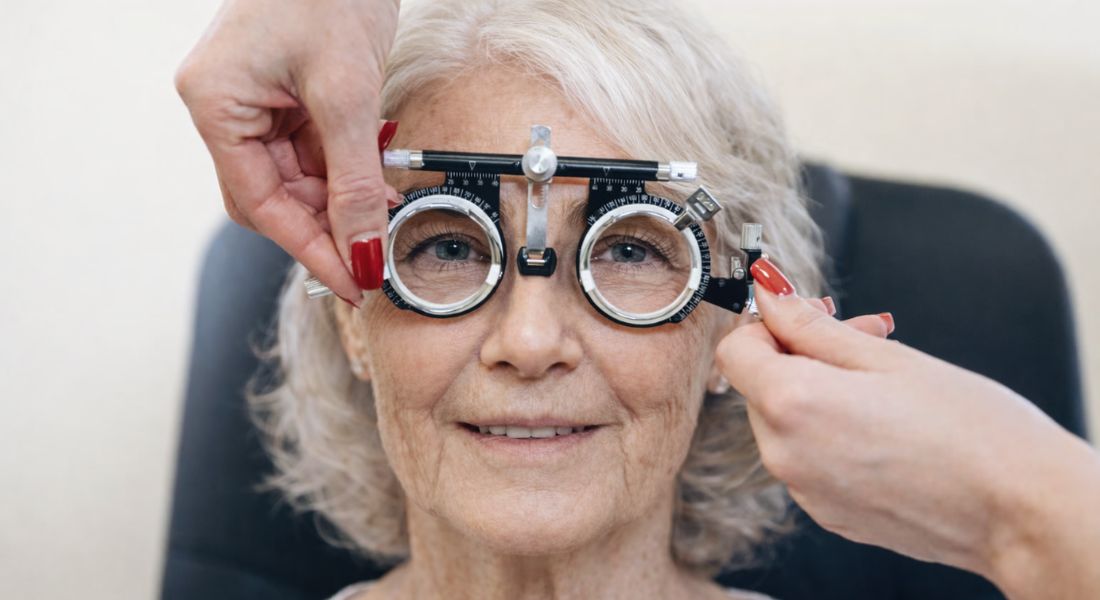
When you consider refractive lens exchange, you are usually aiming for clear vision without relying on glasses. We understand that you may want to read comfortably, drive with confidence and reduce dependence on spectacles altogether. Achieving that standard of clarity requires more than simply replacing the natural lens.
Astigmatism plays a central role in determining how sharply you see. You may not realise that even small amounts can influence how light focuses on your retina. We know that if it is not corrected precisely during surgery, the outcome may not fully meet your expectations.
You benefit from understanding how astigmatism is carefully assessed before surgery. We use detailed measurements to determine both its strength and exact axis. Accurate planning ensures that correction is tailored specifically to your eye.
You will also appreciate why toric lens alignment is so important for optimal results. We explain how precise positioning supports consistent clarity across all distances. Addressing even low levels of astigmatism helps you achieve the high-quality, glasses-free vision you are seeking.
What Astigmatism Actually Means
Astigmatism is a refractive condition that arises from uneven corneal curvature. You may have a cornea that is steeper in one meridian and flatter in another rather than perfectly round. We recognise that this irregular shape bends incoming light unevenly.
When light fails to focus at a single point on your retina, vision can appear blurred or distorted. You might notice ghosting, shadowed edges or reduced sharpness at certain angles. We understand that these effects can influence both distance and near tasks.
Astigmatism is very common and often exists alongside short-sightedness or long-sightedness. You are affected at multiple distances because clarity is disrupted throughout the visual range. We ensure that precise correction forms a central part of refractive lens exchange planning.
Why Small Degrees of Astigmatism Matter
When you choose refractive lens exchange, you often expect precise and dependable visual clarity. Small optical details that once felt insignificant can become more noticeable when you aim for spectacle independence. Careful planning helps ensure that subtle refractive errors do not compromise your overall result.
- Significance of Low Astigmatism: Even minor astigmatism can soften visual sharpness after surgery. Small imperfections may feel more apparent when you expect glasses-free vision.
- Permanent Nature of the Intraocular Lens: Once implanted, the artificial lens remains fixed in position. Residual astigmatism cannot be adjusted externally like spectacles.
- Precision with Premium Lenses: Patients choosing premium lenses often seek crisp, high-definition clarity. Addressing even low astigmatic errors supports satisfaction and visual quality.
By correcting astigmatism thoughtfully during surgical planning, we align outcomes with your expectations. Attention to small details often makes a meaningful difference in perceived clarity. Careful preparation strengthens confidence in your final visual result.
Measuring Astigmatism Before Surgery
Accurate correction starts with comprehensive diagnostic assessment. You undergo advanced testing that analyses corneal curvature across multiple meridians. We use these readings to determine both the strength and precise orientation of your astigmatism.
Corneal topography produces a detailed colour map highlighting steep and flat zones. You also have keratometry values recorded to guide lens power selection. We combine this with biometry, which measures eye length and internal dimensions to refine calculations.
Consistency across all measurements is essential for dependable planning. You may have multiple scans performed to confirm stability and repeatability. We rely on this verified data before finalising your surgical strategy.
Understanding the Astigmatic Axis
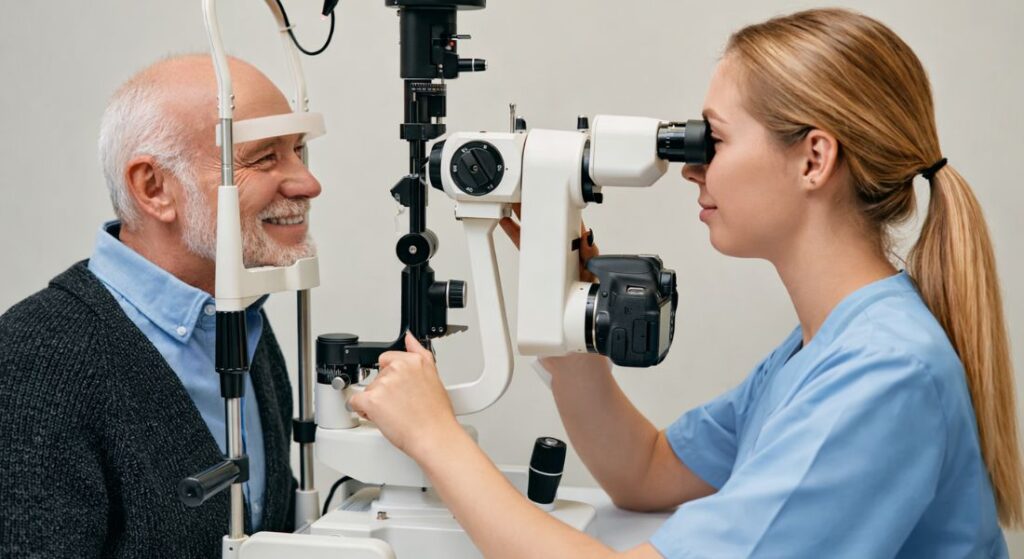
Astigmatism is characterised by both its magnitude and its axis. You should understand that the axis defines the precise orientation of corneal curvature. We recognise that identifying this angle accurately is essential for effective correction.
If alignment is inaccurate, you may experience reduced visual clarity after surgery. We know that even small axis deviations can meaningfully affect the final result. Precise positioning therefore remains a central focus during surgical planning.
To support accuracy, you may undergo pre-operative marking or benefit from digital guidance systems. We use these tools to confirm exact orientation during the procedure. Careful intraoperative alignment helps secure optimal postoperative clarity.
What Is a Toric Intraocular Lens?
A toric intraocular lens is created specifically to correct astigmatism. You receive a lens that contains varying optical powers in different meridians rather than a uniform design. We use this structure to compensate for corneal irregularity and refine focus.
When the lens is implanted at the correct axis, it counteracts astigmatic distortion. You benefit from sharper and more balanced vision across the visual field. We aim to reduce your dependence on glasses after surgery through precise alignment.
You may not require a toric lens in every case. We determine suitability based on the measured degree of astigmatism and your visual priorities. Careful assessment ensures that the chosen approach matches your expected outcome.
How Toric Lens Planning Works
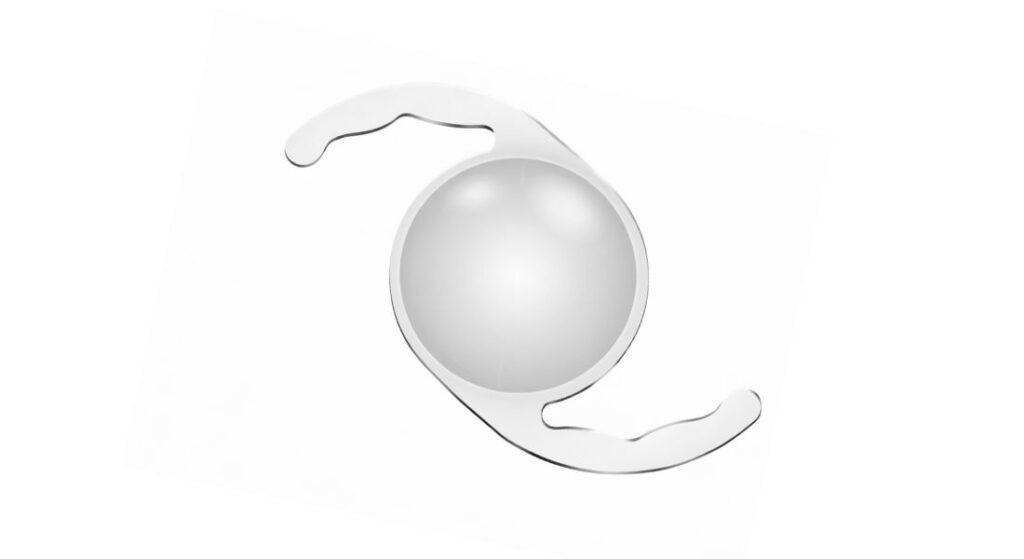
Toric lens planning integrates detailed corneal measurements with full biometric analysis. You have specialised software calculating both the spherical and cylindrical power required for your eye. We use this data to create a personalised optical solution tailored precisely to your anatomy.
You benefit when both anterior and posterior corneal curvature are assessed. We recognise that overlooking the back surface can result in under- or over-correction. A comprehensive evaluation strengthens the accuracy of astigmatism management.
Your final surgical plan includes the selected lens power and exact axis alignment. You can expect each parameter to be carefully defined before surgery. We understand that attention to every detail directly influences your postoperative clarity.
Surgical Alignment Accuracy
Accurate alignment during surgery is essential for toric lens performance. You should understand that if the lens shifts away from its planned axis, the astigmatic correction weakens. We know that even a few degrees of rotation can noticeably reduce effectiveness.
To optimise positioning, we use digital imaging platforms and intraoperative guidance systems. You may benefit from technologies that project alignment markers directly during the procedure. These tools enhance precision and improve overall consistency.
Once the lens is placed correctly, it usually settles securely within the capsular bag. You can expect stability as healing progresses. We rely on careful technique to minimise the risk of postoperative rotation.
What Happens If the Lens Rotates?
After toric lens implantation, stability is usually excellent. However, in the early healing phase, small positional changes can occasionally occur. Understanding this possibility helps you feel prepared rather than concerned.
- Early Lens Rotation: Slight rotation can occur in the initial period after surgery.
If alignment shifts significantly, you may notice reduced sharpness due to residual astigmatism. - Repositioning When Necessary: In rare cases, a brief repositioning procedure can restore correct alignment. When addressed promptly, this adjustment is typically straightforward and effective.
- Importance of Follow-Up: Regular appointments allow early detection of rotational changes. Close monitoring ensures that clarity and precision are protected.
Most toric lenses remain stable long term without any further intervention. We review you carefully during the early recovery phase so that any issue is managed quickly. Prompt action preserves the sharp, balanced vision you expect from surgery.
Alternative Astigmatism Correction Methods
For very low levels of astigmatism, you may be offered limbal relaxing incisions as an option. We create small corneal cuts to gently flatten the steeper meridian. You should understand that this approach is typically less precise than using a toric lens.
The predictability of incisional correction can vary from person to person. You may be suitable for this technique in carefully selected circumstances. We generally prefer toric lenses when astigmatism is moderate or higher because they provide more consistent accuracy.
Choosing the most appropriate method depends on your corneal shape and visual goals. You benefit when anatomy and expectations are considered together. We allow precision to guide every stage of the decision-making process.
Interaction with Multifocal and Premium Lenses
Premium intraocular lenses divide incoming light into several focal points to support vision at different distances. You may notice that uncorrected astigmatism interferes with this delicate optical balance. We understand that even a small residual cylinder can reduce contrast and affect clarity.
When your astigmatism is corrected precisely, multifocal optics tend to perform more efficiently. You benefit from clearer reading, smoother intermediate focus and sharper distance vision. We see that accurate alignment strengthens the goal of reducing reliance on spectacles.
If you are choosing advanced lens technology, addressing astigmatism becomes a central priority. You deserve to experience the full potential of premium optics. We ensure that careful correction supports the maximum visual benefit from your investment.
The Role of Technology in Precision
Modern refractive lens exchange incorporates advanced imaging platforms to enhance precision. You benefit from digital marking systems that guide accurate axis alignment. We may also use intraoperative aberrometry to confirm measurements in real time.
These technologies extend accuracy beyond traditional manual estimation. You experience greater predictability because variability is reduced. We have seen significant improvements in astigmatism correction outcomes in recent years.
Technology works alongside surgical expertise rather than replacing it. You gain the greatest advantage when refined tools and clinical skill are combined. We rely on both to support consistent and dependable results.
Postoperative Stability and Healing
After surgery, you need to allow time for your eye to settle and stabilise. We often see mild visual fluctuations during the early healing phase. As swelling reduces, your clarity gradually becomes sharper and more consistent.
Toric lenses are designed to sit securely within the capsular bag. You can usually expect them to stabilise within a few weeks. We find that once alignment is established, the correction remains steady.
Regular follow-up appointments confirm that positioning and visual accuracy remain optimal. You gain reassurance through ongoing monitoring and structured review. We ensure that your recovery progresses smoothly and predictably.
Managing Residual Astigmatism
Even with meticulous planning, small refractive variations can occasionally remain after surgery. You are guided clearly about what this means and whether it truly affects your day-to-day vision. Transparent discussion helps you feel reassured rather than uncertain.
- Residual Astigmatism: A small amount of astigmatism may occasionally persist despite detailed calculations. Enhancement options, such as laser refinement or minor optical adjustment, can be considered if needed.
- Personal Satisfaction Matters: The decision to proceed with further correction depends on how you feel about your vision. Many patients function comfortably with minimal residual error that does not disrupt daily life.
- Realistic Expectations and Communication: Open dialogue ensures your expectations remain balanced and informed. Most patients achieve highly satisfactory outcomes without requiring additional treatment.
Clear communication supports confidence in every stage of your care. We focus not only on measurements but also on how you experience your vision. Careful review ensures that any decision about enhancement is thoughtful and appropriate for you.
Why Careful Screening Is Essential
Astigmatism correction depends on precise measurements and a stable ocular surface. You may experience distorted readings if severe dryness or corneal irregularity is present. We focus on optimising surface health first to ensure dependable data.
You may require repeated measurements to confirm consistency and accuracy. We avoid rushing the assessment process because haste increases the risk of error. Careful preparation safeguards your visual outcome and supports predictable correction.
Attention to detail begins well before surgery takes place. You benefit when every parameter is checked thoroughly and methodically. We recognise that true precision starts long before you enter the operating theatre.
Long-Term Visual Quality

Once your astigmatism is corrected precisely, it typically remains stable over the long term. You benefit from the fact that the artificial lens does not alter its shape with age. We highlight this durability as a key factor supporting consistent visual clarity.
Natural ageing does not usually recreate corneal irregularity after correction. You should understand, however, that other eye conditions may influence overall vision many years later. We therefore continue to recommend regular review to maintain ongoing visual health.
When your astigmatism correction remains stable, you gain greater confidence in everyday activities. We see that reliable clarity strengthens your sense of independence. Long-term stability allows you to rely on your vision with reassurance.
FAQs:
1. How do you know if you need astigmatism correction during lens exchange?
You will undergo detailed corneal measurements before surgery to determine whether astigmatism is present and how significant it is. We analyse both the strength and direction of curvature irregularity. If it is likely to affect your clarity after surgery, specific correction is planned.
2. Can mild astigmatism be left untreated during surgery?
You may technically proceed without correction if the degree is very small, but even minor irregularity can soften visual sharpness. We discuss whether leaving it uncorrected would compromise your goal of reducing glasses. The decision depends on how precise you want your final outcome to be.
3. What makes toric lenses different from standard lenses?
You receive a toric lens when correction for astigmatism is required, as it contains built-in cylindrical power. We align it carefully to counteract uneven curvature in your cornea. A standard lens does not address this directional refractive imbalance.
4. How precise does toric lens alignment need to be?
You should understand that even small rotational shifts can reduce the effectiveness of astigmatism correction. We therefore use detailed marking and digital guidance to maximise alignment accuracy. Precision during placement plays a direct role in visual sharpness.
5. Will correcting astigmatism remove the need for glasses completely?
You may significantly reduce your dependence on spectacles when astigmatism is corrected accurately. We explain that results also depend on other refractive factors and lens type. Some patients still prefer occasional glasses for specific tasks.
6. Does astigmatism correction increase surgical risk?
You are not exposed to major additional risk when a toric lens is used appropriately. We incorporate correction into the same surgical framework as standard lens replacement. Careful planning ensures safety and predictability remain central.
7. Can astigmatism return after refractive lens exchange?
You will not typically see astigmatism return from the implanted lens itself, as it remains stable once positioned. We monitor corneal health over time, but significant new irregularity is uncommon. Long-term clarity is generally consistent when alignment is secure.
8. What if you are unsure about choosing a toric lens?
You should discuss your lifestyle priorities and visual expectations openly before making a decision. We explain the benefits and limitations clearly so you can weigh precision against cost or preference. Informed choice supports long-term satisfaction.
9. Is laser enhancement ever needed after toric lens surgery?
You may occasionally consider laser refinement if a small residual error remains. We assess whether it meaningfully affects your daily vision before recommending further treatment. Many patients achieve excellent results without needing enhancement.
10. How soon will you notice the effect of astigmatism correction?
You often experience clearer and more balanced vision soon after surgery, though mild fluctuations can occur during healing. We allow time for stabilisation before assessing the final outcome. As recovery progresses, sharpness usually becomes more consistent and dependable.
Final Thought: Astigmatism Correction in Refractive Lens Exchange
Astigmatism correction is a critical component of achieving sharp, high-quality vision after refractive lens exchange. Even low levels of corneal irregularity can influence clarity, particularly for patients seeking spectacle independence. Accurate measurement, toric lens selection, and precise alignment work together to optimise outcomes. Attention to detail at every stage ensures that visual goals are realistically and safely achieved.
The situation is addressed through advanced corneal mapping, personalised toric planning, and structured postoperative monitoring to confirm stability. Alignment accuracy and careful surface optimisation reduce the likelihood of residual error. If you are concerned whether RLE surgery in London could benefit you, feel free to get in touch with us at London Cataract Centre.
References:
- Razmjoo, H. (2017) Toric intraocular lens for astigmatism correction in cataract surgery, Advances in Biomedical Research, 6, p.123. Available at: https://www.ncbi.nlm.nih.gov/pmc/articles/PMC5672645/
- McAlinden, C. (2021) Toric intraocular lenses for the management of corneal astigmatism, Eye and Vision, 8, 44. Available at: https://www.ncbi.nlm.nih.gov/pmc/articles/PMC8710165/
- Al-Mohtaseb, Z. (2024) ‘Toric monofocal intraocular lenses for the correction of astigmatism’, Journal of Cataract and Refractive Surgery Review, X(X), pp. XX–XX. Available at: https://www.sciencedirect.com/science/article/abs/pii/S0161642023007224
- Miyake, T. (2014) ‘Long-term clinical outcomes of toric intraocular lens implantation for astigmatism correction’, Ophthalmic Research Journal, XX(XX), pp. XX–XX. Available at: https://www.sciencedirect.com/science/article/abs/pii/S0886335014009420
- Zhang, J., Tan, H. and Ding, L. (2023) Epidemiology and burden of astigmatism: a systematic review, Clinical & Experimental Ophthalmology, PMID: 36749017. Available at: https://pubmed.ncbi.nlm.nih.gov/36749017/