



If you have been informed that you do not currently meet the criteria for NHS cataract surgery, you may feel frustrated or uncertain. You might believe your vision is clearly affecting daily life, yet the decision indicates otherwise. We understand that this situation can feel difficult to accept.
Cataract surgery within the NHS is guided by regional eligibility policies. You should know that these are usually based on visual acuity thresholds and documented functional impact. We recognise that not every individual experience fits neatly within a numerical framework.
You may wonder whether there is any opportunity to challenge or review the decision. We explain that an appeal process does exist in certain circumstances. Understanding how it works helps you approach the situation with greater clarity.
In this guide, you will learn whether an appeal is possible, how the process operates and what evidence strengthens your case. We outline what outcomes are realistically achievable so that expectations remain balanced and informed.
Why NHS Cataract Surgery Is Sometimes Declined
NHS cataract services operate within specific commissioning guidelines. You should understand that these frameworks prioritise patients whose vision loss significantly affects daily function. We recognise that funding decisions are therefore shaped by defined and measurable criteria.
In many regions, your visual acuity must fall below a set threshold before surgery is approved. You may also be assessed on how cataracts affect driving, employment or independence. We know that if your results do not meet these benchmarks, approval can be delayed.
A declined decision does not automatically mean your symptoms are ignored. You may simply not have reached the required clinical level at that time. We encourage you to view this as a measurement-based outcome rather than a dismissal of your concerns.
Understanding Visual Acuity Thresholds
Visual acuity is one of the most familiar measures of eyesight. You often see it assessed using a standard letter chart during routine examinations. While it provides useful clinical information, it does not always reflect the full picture of how you function in daily life.
- Understanding Visual Acuity: It measures how clearly you can read letters on a standard eye chart. NHS guidelines frequently begin with these results when assessing eligibility.
- Limitations of Chart Testing: Good chart performance does not always mean comfortable real-world vision. Glare, reduced contrast, and night driving difficulty may still affect you.
- Supporting an Appeal: Explaining functional impact alongside test scores strengthens your case. Clear documentation of daily challenges can be as important as numerical thresholds.
When you understand how assessment criteria are applied, you approach the process with greater clarity. We encourage you to communicate practical difficulties openly and thoroughly. Balanced explanation ensures that your real-world visual experience is properly recognised.
What Is an Appeal?
An appeal is a formal request asking for a funding or treatment decision to be reviewed. You are inviting the commissioning body to reconsider the case in light of additional evidence. We clarify that this process does not guarantee automatic approval.
Your appeal is usually examined by a panel that includes both clinical and administrative representatives. You are assessed against defined exceptional circumstances criteria rather than personal preference. We emphasise that strong supporting documentation is essential at this stage.
The purpose of the review is to decide whether your circumstances justify surgery despite not meeting standard guidelines. You must demonstrate clear clinical or functional impact. We ensure that the submission focuses on objective findings and structured explanation.
Who Reviews the Appeal?
Your appeal is usually reviewed by your local commissioning body, often the Integrated Care Board, which oversees regional NHS funding decisions. You should understand that these decisions balance clinical needs with local policy and resource planning. We recognise that the process can feel formal because it follows set criteria.
The review panel may include clinicians and administrative decision-makers, such as ophthalmologists and GPs. You are typically assessed through your written evidence rather than a fresh face-to-face examination. We therefore focus on making sure the submission clearly reflects your clinical findings and daily impact.
Because the review is document-led, clarity and completeness matter a great deal. You strengthen your position when evidence is well organised and directly linked to functional difficulties. We ensure your case is presented in a structured way, with objective results supporting your experience.
What Supporting Evidence Is Helpful?
Strong supporting evidence increases the chance that your case will be reconsidered. You may include updated visual acuity results and contrast sensitivity measurements. We also find that detailed clinical notes from your optometrist or ophthalmologist add important clarity.
You strengthen your appeal by explaining how cataracts affect your work, driving or independence. We recognise that documented safety concerns, such as increased risk of falls, can be particularly relevant. Clear examples of daily impact help panels understand the practical consequences.
Objective findings combined with functional explanation carry more influence than general expressions of frustration. You improve credibility when measurable data supports your experience. We encourage structured, evidence-based submissions rather than broad statements of inconvenience.
The Role of Your GP and Optometrist

Your GP or optometrist often plays a valuable role in the appeal process. You may benefit from a written summary describing how your cataract affects daily tasks. We recognise that professional observations add clinical weight and credibility to your case.
Updated eye examination reports can show whether your vision has deteriorated since the original decision. You strengthen your position if measurable changes in visual acuity are documented. We ensure that any progression is clearly recorded and explained.
Clear communication between healthcare professionals supports a thorough submission. You gain advantage when documentation is coordinated and consistent. We emphasise structured evidence to present a comprehensive and persuasive appeal.
How Long Does the Appeal Process Take?
Appeal timelines can vary depending on where you live and how busy the local commissioning body is. You may receive a response within weeks, or you may need to wait several months. Understanding this variability helps you prepare for a potentially gradual process.
- Variation in Review Timeframes: Decisions depend on regional procedures and administrative workload. Some appeals are processed quickly, while others take considerably longer.
- Monitoring During the Waiting Period: Your cataract may continue to progress while the appeal is under review. Regular assessments allow updated findings to be documented and submitted if needed.
- Balanced Persistence: Patience is often required while administrative processes unfold. Polite and consistent follow-up can help keep your case visible.
Staying informed and proactive supports your position during the review period. We encourage careful documentation and steady communication rather than frustration. Measured persistence, combined with clinical updates, strengthens your case while the process runs its course.
Possible Outcomes of an Appeal
An appeal may lead to approval, continued rejection or a request for further information. If approval is granted, you can proceed with NHS cataract surgery. We explain that rejection means the eligibility criteria are still not considered to be met.
If additional evidence is requested, you may need updated visual tests or supporting documentation. We view this stage as an opportunity to clarify how your vision affects daily function. Providing structured information can strengthen reassessment.
Understanding these possible outcomes helps you maintain realistic expectations. You should recognise that an appeal does not automatically reverse the original decision. We encourage a balanced approach based on clear evidence and policy guidance.
When an Appeal May Be More Likely to Succeed
Appeals are more likely to succeed when you can demonstrate clear exceptional circumstances. You may strengthen your case if vision is significantly affecting employment or if there are documented safety concerns. We also find that showing measurable progression since the original assessment can be influential.
If your visual acuity is close to the eligibility threshold, further documented decline may alter the outcome. You may benefit from detailed reports describing glare, reduced contrast or functional limitations. We ensure that any supporting evidence is presented clearly and objectively.
Each case is reviewed on an individual basis rather than automatically approved or refused. You improve your prospects when documentation is thorough and precise. We emphasise clarity and structured evidence to support reconsideration.
Situations Where Appeals Are Less Likely to Change Outcome
If your visual acuity remains well above the required threshold and functional impact is limited, approval is unlikely to change. You should understand that review panels depend on measurable clinical criteria. We recognise that without documented decline, reversal of a decision is uncommon.
General dissatisfaction alone is rarely sufficient to secure funding. You need objective evidence showing how vision is affecting daily activities. We follow policy-based frameworks rather than personal preference when decisions are made.
When you understand this structure, you reduce unnecessary frustration. We encourage realistic expectations based on clear criteria. Informed awareness supports more confident and practical decision-making.
Monitoring While Waiting
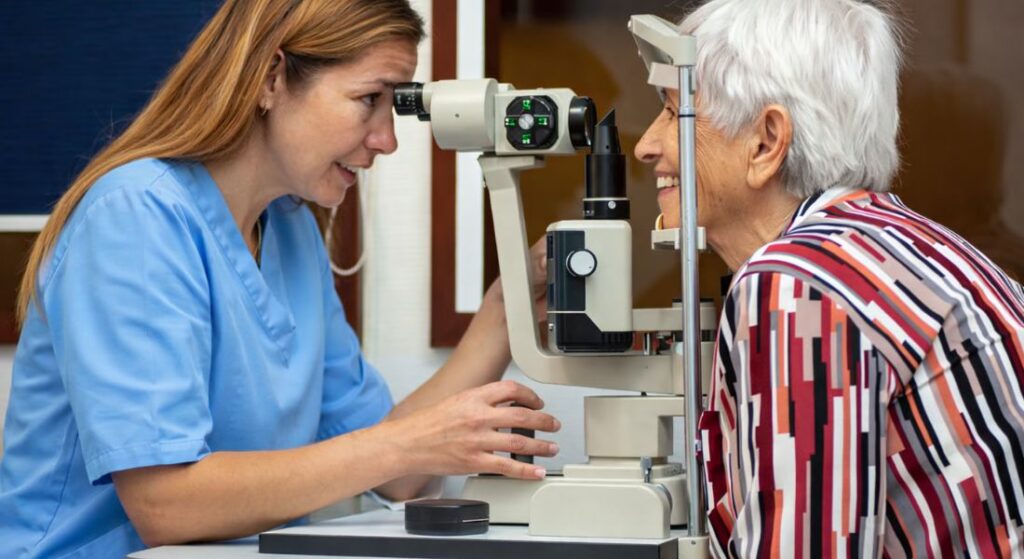
If your surgery is not approved straight away, continued monitoring remains essential. You should remember that cataracts usually progress gradually over time. We rely on regular eye examinations to track changes in your vision objectively.
Careful documentation of any deterioration can strengthen a future application. You may find that updated visual acuity and contrast sensitivity results eventually meet the required criteria. We ensure that each assessment is recorded clearly to support reassessment when appropriate.
Maintaining regular communication with your optometrist allows timely review of any changes. You benefit from structured follow-up that protects your long-term visual health. We encourage proactive monitoring rather than waiting for symptoms to worsen significantly.
Emotional Impact of a Declined Decision
Receiving news that you are not currently eligible for surgery can feel disappointing. You may question whether your symptoms have been fully understood. We recognise that this response is natural and deserves thoughtful acknowledgement.
- Emotional Impact of Ineligibility: Being declined can feel discouraging and unsettling. You may worry that your concerns have not been properly recognised.
- Understanding Eligibility Criteria: Decisions are based on established clinical policies rather than personal opinion. Clear explanation of these standards can reduce frustration and confusion.
- Value of Open Discussion: You are entitled to request further clarification from your clinician. Constructive dialogue supports informed and confident next steps.
When you understand the reasoning behind a decision, uncertainty often becomes easier to manage. We encourage respectful conversation and transparent communication at every stage. Clear guidance helps you move forward with confidence and realistic expectations.
Considering Private Treatment
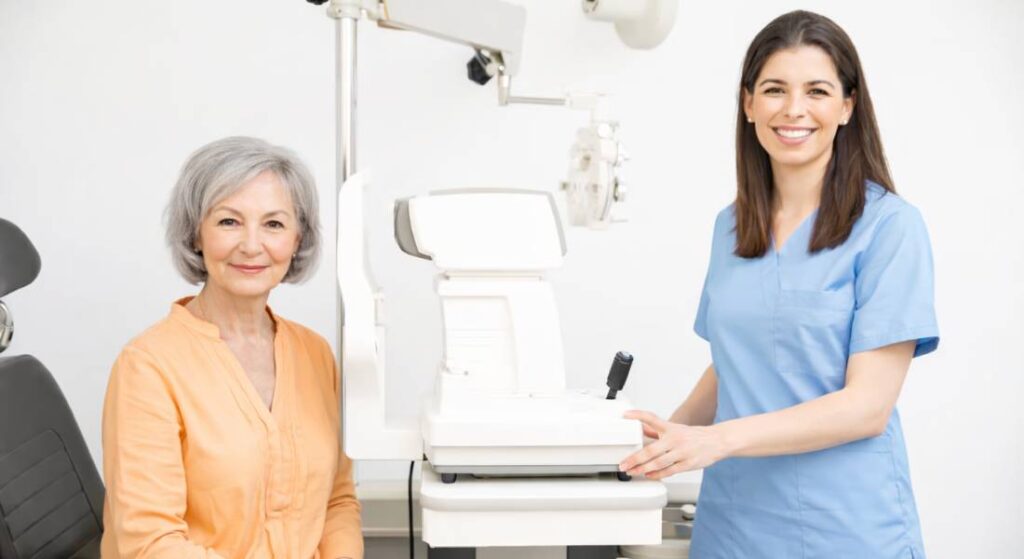
If your appeal is unsuccessful and your symptoms continue to affect daily life, you may consider private cataract surgery. We recognise that this pathway offers greater flexibility in timing and scheduling. You are not restricted by eligibility thresholds that apply within standard systems.
A private consultation allows you to explore premium lens options in more detail. We can tailor surgical planning to your visual priorities and lifestyle needs. You benefit from personalised discussion rather than fixed criteria.
Some patients choose this route when waiting times feel prolonged or when access requirements are limiting. You may value the ability to proceed at a time that suits you. We ensure that you understand both the benefits and responsibilities involved in this decision.
FAQs:
1. Can you request a second opinion before submitting an appeal?
You can seek an independent clinical opinion if you feel your visual difficulties have not been fully reflected in the original assessment. We often find that updated evaluation can clarify the extent of functional limitation. A second perspective may strengthen the evidence you present.
2. Do you need a solicitor to appeal an NHS cataract decision?
You do not usually require legal representation to request a review. We explain that most appeals are handled through structured clinical documentation rather than legal argument. Clear medical evidence is far more influential than formal legal involvement.
3. Can worsening night vision support your appeal?
You may strengthen your case if night driving or glare significantly affects safety and independence. We encourage you to describe specific real-world difficulties rather than general discomfort. Clear examples help decision-makers understand daily impact beyond chart readings.
4. Will age alone make you eligible for surgery on appeal?
You should understand that age itself is not normally considered a qualifying factor. We focus instead on measurable vision change and documented functional restriction. Eligibility is based on clinical criteria rather than demographic characteristics.
5. Can you appeal more than once if declined again?
You may be able to reapply if your vision deteriorates further over time. We often advise continued monitoring so any progression is properly recorded. A future submission may carry stronger evidence if circumstances change.
6. Does the appeal involve another eye examination?
You are usually assessed based on submitted documentation rather than automatic re-examination. We recommend ensuring that your most recent test results are included in the paperwork. Updated findings can make your submission more persuasive.
7. Can you continue normal activities while waiting for a decision?
You can generally maintain routine tasks unless your vision creates safety concerns. We advise caution with driving if clarity is reduced. Ongoing eye reviews help ensure your condition is monitored responsibly during the waiting period.
8. Will appealing affect your relationship with your clinician?
You should not worry that requesting a review will negatively influence your care. We see appeals as part of the structured NHS process rather than personal disagreement. Open discussion usually strengthens communication rather than undermines it.
9. What if your appeal is approved but waiting times are long?
You may still need to wait for a surgical slot depending on local service demand. We encourage maintaining regular follow-up during this period. Continued documentation ensures any further change in vision is recognised.
10. How do you know whether appealing is worthwhile?
You should consider whether your daily functioning is clearly affected and whether new evidence is available. We advise weighing measurable decline against established eligibility criteria. A realistic understanding of thresholds helps you decide whether review is appropriate.
Final Thought: Appealing an NHS Cataract Surgery Decision
Appealing an NHS cataract surgery decision is possible, but success depends on clear evidence and realistic expectations. Visual acuity thresholds and functional impact are central to funding decisions. Strong documentation from healthcare professionals can strengthen your case, though approval is not guaranteed. Understanding the review process helps you approach it calmly and strategically.
The situation can be addressed through updated clinical testing, detailed functional reports, and continued monitoring of cataract progression. If eligibility criteria remain unmet, alternative pathways may be explored to avoid prolonged visual impairment. If you are concerned whether cataract surgery in London could benefit you, feel free to get in touch with us at London Cataract Centre.
References:
- Hodge, W. (2007) The consequences of waiting for cataract surgery, BMJ Open, 2007. Available at: https://www.ncbi.nlm.nih.gov/pmc/articles/PMC1852875/
- Gupta, S. (2025) Changing patterns in cataract surgery indications, visual acuity outcomes and trends across 3.6 million operations, Journal of Cataract & Refractive Surgery, (online). Available at: https://www.sciencedirect.com/science/article/pii/S2772368225000010
- Hecht, I. and Tuuminen, R. (2023) Secondary outcomes of lens and cataract surgery: visual function, quality of vision and broader impacts beyond visual acuity, Progress in Retinal and Eye Research, (online). Available at: https://www.sciencedirect.com/science/article/pii/S1350946222001100
- Shoshi, F. et al. (2024) Refractive outcomes after cataract surgery: impact on postoperative visual results, Journal of Clinical Medicine, 13(23), 7013. Available at: https://www.mdpi.com/2077-0383/13/23/7013
- Amesbury, E.C., Grossberg, A.L., Hong, D.M. & Miller, K.M. (2009) Functional visual outcomes of cataract surgery in patients with 20/20 or better preoperative visual acuity, Journal of Cataract & Refractive Surgery, 35(9), pp.1505–1508. Available at: https://pubmed.ncbi.nlm.nih.gov/19683145/