



When you first consider lens replacement surgery, it can feel overwhelming to know whether you are a good candidate. Your suitability depends on a mix of factors, including your age, the strength and type of your prescription, the overall health of your eyes, and your daily activities. It’s important to remember that while this procedure, also called refractive lens exchange (RLE), can reduce or even remove your dependence on glasses or contact lenses, it isn’t suitable for everyone. Taking the time to understand your individual situation is crucial before making any decisions.
Your lifestyle and personal expectations also play a big role in determining whether RLE is right for you. For instance, if you lead an active life, work long hours at a computer, or have hobbies that rely heavily on sharp vision, these factors may influence the outcomes of surgery. Some patients prioritise perfect distance vision, while others are more concerned about reading or close work. Knowing what matters most to you helps shape a treatment plan that meets your needs.
It’s equally important to understand the science behind lens replacement surgery and what it can realistically achieve. The procedure involves replacing your natural lens with a clear artificial lens, which can correct short-sightedness, long-sightedness, or age-related changes like presbyopia. While most patients experience a significant improvement in vision, results can vary depending on your eyes and the type of lens chosen. Being informed about how the surgery works helps set realistic expectations and reduce uncertainty.
Finally, understanding the potential risks, recovery process, and hearing real-life experiences can give you confidence in your decision. Some patients experience mild discomfort, temporary blurred vision, or light sensitivity during recovery, but most recover quickly and safely. By exploring these aspects in detail, you can weigh the benefits and risks for yourself. By the end of this guide, you should feel well-informed and able to decide whether lens replacement surgery is a suitable option for you.
What is Lens Replacement Surgery?
Lens replacement surgery is a procedure where the eye’s natural lens is removed and replaced with an artificial intraocular lens (IOL). While similar to cataract surgery, it is often performed before the natural lens becomes cloudy, with the primary goal of correcting refractive errors. Unlike laser eye surgery, which reshapes the cornea, lens replacement addresses vision at its source the natural lens providing more stable and predictable results.
- Myopia (Short-Sightedness): Myopia makes it difficult to see objects clearly at a distance. Lens replacement corrects this by using an IOL that focuses light properly on the retina, providing clear distance vision without glasses.
- Hyperopia (Long-Sightedness): Hyperopia causes difficulty focusing on near objects. Replacing the natural lens with an appropriately powered IOL restores near focus, improving tasks like reading or close-up work.
- Presbyopia (Age-Related Near Vision Loss): Presbyopia usually begins in the 40s and affects near vision. Lens replacement can use multifocal or extended depth-of-focus lenses to restore reading ability and intermediate vision, reducing reliance on reading glasses.
- Astigmatism: Astigmatism results from irregular corneal curvature, causing distorted or blurred vision. Toric IOLs correct this irregularity, delivering sharper and clearer vision across distances.
In conclusion, lens replacement surgery replaces the natural lens to correct myopia, hyperopia, presbyopia, and astigmatism. By addressing vision at its source rather than reshaping the cornea, it provides stable, long-term correction, particularly beneficial for patients with high prescriptions or age-related visual changes.
How the Natural Lens Works
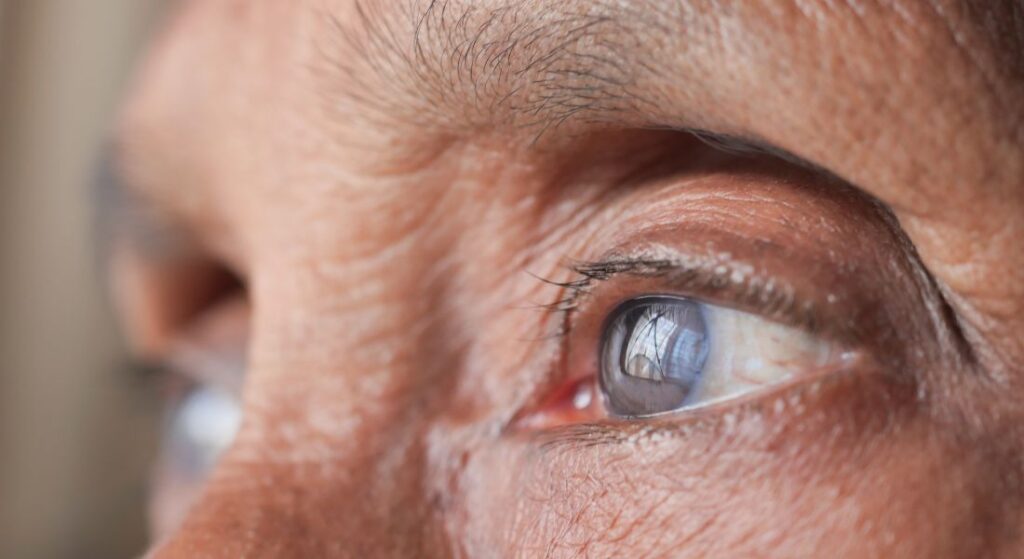
Your natural lens is a remarkable part of your eye. It is soft and flexible, which allows it to change shape and focus light directly onto your retina. This ability helps you see clearly at different distances, whether you are reading up close or looking at something far away. Over time, however, the lens gradually loses its flexibility, a process called presbyopia, and it can also become cloudy, forming cataracts.
When your lens stiffens or becomes cloudy, everyday tasks can become more difficult. You may notice blurred vision, trouble reading small print, or difficulty driving at night. These changes are a normal part of ageing, but they can have a real impact on your daily life and comfort.
Artificial lenses, known as intraocular lenses (IOLs), are designed to replace your natural lens while restoring clear vision. Some IOLs focus at a single distance, while advanced versions can provide a continuous range of vision and even correct astigmatism. By understanding how your natural lens works, you can better appreciate how modern IOLs help you see clearly and reduce your dependence on glasses or contacts.
Age Considerations for Lens Replacement Surgery
Age is an important factor when deciding whether lens replacement surgery is right for you. If you are under 40, this procedure is less common because your natural lens is still highly flexible. In younger patients, other options such as LASIK or phakic intraocular lenses (IOLs) may be more suitable for correcting vision without removing the natural lens.
For those in their 40s and 50s, presbyopia often starts to affect near vision, making everyday tasks like reading or using a smartphone more challenging. Lens replacement surgery can be particularly helpful in this age group, as it can correct both distance and near vision at the same time. This dual benefit can significantly reduce your dependence on glasses or contact lenses.
If you are over 60, you may already have early cataracts forming in your eyes. In this case, lens replacement surgery offers a twofold advantage: it corrects your refractive errors while also removing the cataracts. However, age is only one part of the decision. Your overall eye health, the stability of your prescription, and your personal vision goals are equally important in determining whether surgery is suitable for you.
Prescription Factors
Your current prescription plays a significant role in determining whether lens replacement surgery is the best option for you. Some refractive errors are more reliably corrected with an intraocular lens than with corneal laser procedures. By evaluating your prescription alongside your lifestyle and visual needs, we can ensure the procedure delivers safe, predictable, and satisfying results.
- High Myopia: Severe short-sightedness may not respond well to LASIK or PRK. Lens replacement offers a reliable alternative, providing stable distance vision for patients with high myopia.
- High Hyperopia: Long-sighted patients often achieve better long-term results with lens replacement than with corneal laser surgery. The procedure corrects near and intermediate focus without relying on corneal reshaping.
- Presbyopia: Age-related near vision loss can be addressed with multifocal or extended depth-of-focus IOLs. This allows patients to read, use digital devices, and perform close-up tasks with reduced dependence on reading glasses.
- Astigmatism: Toric lenses correct irregular corneal curvature, producing sharper and clearer vision across distances. Patients with astigmatism often experience a significant improvement in visual clarity without relying on corrective eyewear.
In summary, prescription factors guide the choice of lens replacement surgery over other vision correction options. Evaluating your degree of myopia, hyperopia, presbyopia, and astigmatism, in combination with lifestyle considerations, ensures a personalised plan that meets your visual goals safely and effectively.
Eye Health Requirements
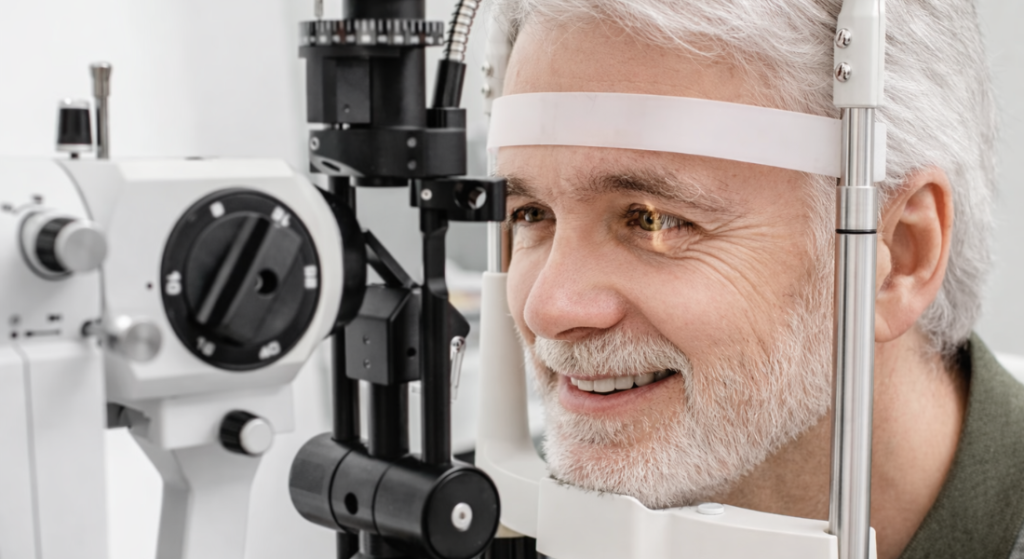
Good eye health is essential for achieving the best results from lens replacement surgery. If your eyes have certain conditions, the procedure may not be suitable for you. Ensuring your eyes are healthy helps reduce the risk of complications and improves the chances of a successful outcome.
Some of the key issues that can affect suitability include retinal problems, such as diabetic retinopathy or a history of retinal detachment. These conditions can increase the risk during surgery and may require specialist care beforehand. Glaucoma is another important factor, as elevated eye pressure or damage to the optic nerve can influence both the safety and effectiveness of the procedure.
Other considerations include corneal irregularities, like scarring, thinning, or disease, which can impact visual outcomes. Previous eye surgeries may also complicate lens replacement and need careful evaluation. A thorough preoperative assessment is essential, as it identifies these factors and helps your surgeon determine whether the surgery is right for you.
Lifestyle Considerations
Your lifestyle plays an important role in both the type of lens chosen and the overall success of lens replacement surgery. Certain activities, habits, and daily routines can influence how well you adjust to new lenses and how satisfied you are with the results. Considering these factors beforehand helps ensure the procedure meets your personal needs.
If you enjoy sports or other active hobbies, reducing your reliance on glasses can make a big difference. Lens replacement surgery can provide clearer, more stable vision, allowing you to participate comfortably in activities like cycling, swimming, or tennis without worrying about spectacles or contact lenses.
Your work and daily tasks are also important to consider. Multifocal or extended depth-of-focus (EDOF) lenses can help with reading, computer use, and other close-up tasks, while some lenses may cause mild glare or halos during night-time driving. That’s why we carefully discuss your daily activities to make sure your lens selection matches your lifestyle and vision goals.
Types of Intraocular Lenses (IOLs)
The choice of intraocular lens (IOL) has a direct impact on both visual outcomes and overall satisfaction after lens replacement surgery. Different IOL types are designed to meet specific vision needs, so selecting the right one depends on your lifestyle, daily tasks, and eye health. Personalised lens selection helps ensure optimal clarity, comfort, and long-term functionality.
- Monofocal Lenses: Monofocal lenses provide clear vision at a single distance, typically for distance vision. Reading glasses are usually required for near tasks, making them ideal for patients who prioritise sharp distance clarity, such as driving or outdoor activities.
- Multifocal Lenses: Multifocal lenses offer near, intermediate, and distance vision, significantly reducing dependence on glasses. Some patients may experience minor visual disturbances, such as halos around lights, but many appreciate the convenience of comprehensive vision correction.
- Extended Depth-of-Focus (EDOF) Lenses: EDOF lenses provide a continuous range of vision with fewer visual side effects than multifocals. They are particularly suited for patients who frequently use digital devices or require intermediate vision for work and daily tasks.
- Toric Lenses: Toric lenses are designed to correct astigmatism by compensating for irregular corneal curvature. They provide sharper, clearer vision and are essential for patients with corneal irregularities who want to minimise reliance on corrective eyewear.
In summary, choosing the right IOL is key to achieving personalised visual outcomes. Matching lens type to your eyes and lifestyle ensures clarity, comfort, and satisfaction, whether your priority is distance vision, near tasks, or a continuous range of focus.
Step-by-Step Procedure
Lens replacement surgery is a precise and minimally invasive procedure designed to restore clear vision. Before the operation, you will undergo a thorough preoperative assessment, which includes detailed measurements of your eyes, a review of your medical history, and a discussion about the best lens choice for your needs. This preparation ensures the surgery is tailored to you and maximises the chances of a successful outcome.
During the procedure itself, local anaesthetic is applied to keep your eyes comfortable, and a tiny incision is made to remove your natural lens. The intraocular lens (IOL) is then carefully inserted in its place. Each eye usually takes around 20–30 minutes, and most patients find the process painless, although it’s completely normal to feel a little nervous beforehand.
After surgery, mild discomfort, watery eyes, or light sensitivity is common, and eye drops are prescribed to prevent infection and reduce inflammation. Follow-up visits are essential to monitor your vision, check eye pressure, and confirm the lens is correctly positioned. Most patients experience full visual stabilisation within six to eight weeks, after which daily activities can usually be resumed comfortably.
Recovery Timeline
The first 24 hours after lens replacement surgery are usually the most noticeable. You may experience mild discomfort, watery eyes, or sensitivity to light, and it’s important to avoid rubbing your eyes. Taking things easy during this initial period helps your eyes begin healing safely.
During the first week, your vision may fluctuate as your eyes adjust to the new lens. Continuing your prescribed eye drops is essential to prevent infection and reduce inflammation. You may notice small changes in clarity from day to day, but this is a normal part of the recovery process.
Over the following 2–4 weeks, your vision typically continues to improve, though minor glare or halos may still appear occasionally, especially at night. By six to eight weeks, your eyes are usually fully stabilised, and most daily activities can be resumed comfortably. Following all post-operative instructions carefully is crucial to achieving the best results and minimising any risk of complications.
Comparing Lens Replacement with Other Procedures
When considering vision correction, it’s important to understand how lens replacement surgery compares with alternative procedures. Each method has its own strengths and limitations, so choosing the right option depends on prescription strength, age, and long-term vision goals. Lens replacement stands out for its ability to provide comprehensive, lasting correction while addressing age-related changes in the lens.
- LASIK and PRK: These laser procedures reshape the cornea to correct refractive errors, making them ideal for low-to-moderate prescriptions. However, they do not prevent cataracts or address presbyopia, meaning future vision changes may still require corrective lenses or additional procedures.
- Phakic IOLs: Phakic intraocular lenses are implanted without removing the natural lens and are suitable for younger patients with high prescriptions. While effective for distance vision, they do not correct presbyopia or prevent cataracts, limiting long-term benefits for some patients.
- Cataract Surgery: Cataract surgery closely resembles lens replacement but is typically performed when the natural lens has become cloudy. It provides the dual benefit of vision correction and cataract removal, making it both therapeutic and refractive in purpose.
In summary, lens replacement surgery offers a comprehensive long-term solution, particularly for patients with high prescriptions, presbyopia, or those seeking cataract prevention. Its ability to address multiple vision concerns in a single procedure sets it apart from LASIK, PRK, and phakic IOLs.
Potential Side Effects and Risks
Lens replacement surgery is generally very safe, but like any procedure, it carries some potential risks. Being aware of these helps you set realistic expectations and prepare for recovery. Most side effects are mild and temporary, while serious complications are rare.
One common issue is glare or halos, which are often most noticeable at night. These usually improve gradually over a few months as your eyes adjust to the new lens. Some patients may also experience subtle changes in contrast sensitivity, making it slightly harder to distinguish between shades, but advanced lenses such as EDOF options can help minimise this effect.
Although rare, infection or inflammation can occur after surgery, but these are usually manageable with prescribed medication. Very uncommon complications include retinal detachment or lens dislocation, which are largely prevented by careful surgical technique and proper post-operative care. Understanding these risks allows you to make an informed decision and approach the procedure with confidence.
Lifestyle Benefits

Lens replacement surgery can offer significant lifestyle improvements, helping you feel more independent in daily life. With clearer vision, you can enjoy sports, work, and travel without the constant need for glasses or contact lenses. This freedom makes everyday activities simpler and more enjoyable.
Improved vision also enhances safety, particularly when moving around or driving at night. Being able to see clearly reduces the risk of accidents and allows you to navigate your environment with greater confidence. For many patients, this added clarity brings peace of mind and reassurance.
Convenience is another major benefit. You no longer need to spend time cleaning, maintaining, or replacing glasses or contact lenses. Many patients also report feeling more confident socially and professionally, as clear vision often boosts self-assurance and overall quality of life.
Financial Considerations
Lens replacement surgery is an elective procedure, which means cost is an important factor to consider. Premium lenses may increase the initial expense, but they often reduce or even eliminate your need for glasses and contact lenses. For many patients, this long-term convenience makes the investment worthwhile.
Over time, the money you would normally spend on new glasses, contact lenses, and their maintenance can offset some of the cost of surgery. This can make lens replacement not only a vision-improving choice but also a practical financial decision in the long run.
It’s also worth noting that insurance coverage for this procedure is usually limited unless there is a clear medical need, such as cataracts affecting vision. Weighing both the financial and lifestyle benefits carefully is key to deciding whether lens replacement surgery is right for you.
Lens Surgery in London
If you are thinking about lens replacement surgery, choosing an experienced clinic is essential. The right team can ensure your procedure is safe, effective, and tailored to your individual needs. A thorough assessment before surgery helps identify the best lens option and plan for a smooth recovery.
At the London Cataract Centre, patients benefit from personalised assessments that consider your eyes, lifestyle, and vision goals. Advanced technology is used throughout the process to maximise precision and improve outcomes. This attention to detail helps reduce risks and optimise your vision results.
Highly experienced surgeons perform the procedure, guiding you through every stage from consultation to post-operative care. Knowing you are in skilled hands can make the experience less stressful and give you confidence that your vision is being restored safely and effectively.
Future Innovations in Lens Replacement
Lens replacement technology continues to evolve, offering even more options for patients in the future. Accommodating intraocular lenses (IOLs) are being developed to mimic the natural lens, adjusting focus dynamically to allow clearer vision at different distances. This could further reduce the need for glasses after surgery.
Premium multifocal IOLs are also improving, with designs that reduce glare, enhance contrast, and provide a more natural visual experience. These lenses aim to give sharper vision across a wider range of activities, including reading, computer work, and night-time driving.
Looking further ahead, “smart lenses” are being explored, which could potentially adjust focus automatically depending on where you are looking. Such innovations promise to expand the number of patients who can benefit from lens replacement surgery and to improve overall outcomes, making clear, flexible vision more accessible than ever.
FAQs:
1. What is lens replacement surgery?
Lens replacement surgery, also called refractive lens exchange (RLE), removes your natural lens and replaces it with an artificial intraocular lens (IOL) to correct refractive errors like myopia, hyperopia, presbyopia, and astigmatism. Unlike LASIK, it addresses vision at the lens rather than reshaping the cornea.
2. Who is a suitable candidate for lens replacement surgery?
Ideal candidates are usually over 40, experiencing presbyopia or high prescriptions, and have good overall eye health. Patients should also have realistic expectations and be seeking reduced dependence on glasses or contact lenses.
3. How does age affect suitability for surgery?
Patients under 40 usually retain flexible natural lenses, making alternatives like LASIK or phakic IOLs more appropriate. Those in their 40s–50s often benefit from correcting presbyopia and distance vision, while patients over 60 may gain both refractive correction and early cataract removal.
4. What prescription factors influence eligibility?
High myopia, hyperopia, presbyopia, and astigmatism can make lens replacement a better option than corneal laser surgery. The procedure provides stable, long-term correction for patients with significant refractive errors.
5. What eye health conditions may affect candidacy?
Retinal diseases (e.g., diabetic retinopathy), glaucoma, corneal irregularities, or previous eye surgeries may complicate lens replacement. A thorough preoperative assessment is essential to ensure safety and optimal outcomes.
6. How do lifestyle factors influence lens choice?
Daily activities, work, hobbies, and visual priorities help determine the most suitable IOL. Multifocal or EDOF lenses benefit near and intermediate tasks, while toric lenses help with astigmatism; lens selection should align with your lifestyle.
7. What types of intraocular lenses are available?
Options include monofocal (single distance), multifocal (near, intermediate, distance), EDOF (continuous range with fewer visual side effects), and toric lenses (astigmatism correction). Personalized selection maximizes visual clarity and satisfaction.
8. What does the surgery involve and how long does it take?
The procedure is minimally invasive, performed under local anaesthetic. A small incision allows removal of the natural lens and insertion of the IOL, typically taking 20–30 minutes per eye. Recovery involves eye drops and follow-up visits for monitoring.
9. What are the potential risks or side effects?
Common side effects include mild glare, halos, fluctuating vision, or light sensitivity during recovery. Rare complications include infection, retinal detachment, or lens misalignment. Careful surgical technique and postoperative care minimise these risks.
10. How does lens replacement compare to LASIK or other alternatives?
LASIK reshapes the cornea and suits low-to-moderate prescriptions, but cannot prevent presbyopia or cataracts. Lens replacement offers long-term correction, presbyopia management, and cataract prevention, making it ideal for older patients or those with high prescriptions.
Final Thoughts: Determining Your Suitability for Lens Replacement Surgery
Lens replacement surgery can be a life-changing solution for those looking to reduce dependence on glasses or contact lenses, correct high prescriptions, or address age-related vision changes. Understanding your age, prescription, eye health, lifestyle, and visual priorities is key to determining whether you are a suitable candidate. While the procedure is generally safe and effective, careful evaluation and personalised lens selection ensure the best possible outcomes for long-term vision and daily comfort.
If you’re looking for Lens Surgery in London, you can get in touch with us at London Cataract Centre to discuss a personalised assessment, explore the most suitable intraocular lens options, and plan a safe, effective path to clearer, long-lasting vision.
References:
- Alio, J.L., Pederzolli, M. and Grzybowski, A. (2020) Review of current status of refractive lens exchange and role of dysfunctional lens index, Indian Journal of Ophthalmology, https://pmc.ncbi.nlm.nih.gov/articles/PMC7856935/
- Katsanevaki, V.J. and Tuft, S.J. (2007) Refractive surgery: what patients need to know, British Medical Bulletin https://academic.oup.com/bmb/article-abstract/83/1/325/384535
- Chan, E. & Varma, S. (2025) Refractive lens exchange the evidence behind the practise, Eye (London), https://pmc.ncbi.nlm.nih.gov/articles/PMC11751179/
- Li, K., Chen, X., Bian, Y., Xing, Y., Li, X., Liu, D. and Liu, Y. (2023) Design and Optical Analysis of a Refractive Aspheric Intraocular Lens with Extended Depth of Focus, https://www.mdpi.com/2673-3269/4/1/11
- Baur, I.D., Mueller, A., Labuz, G., Naujokaitis, T., Auffarth, G.U. and Khoramnia, R. (2024) Refractive lens exchange: a review, Klinische Monatsblätter für Augenheilkunde, https://pubmed.ncbi.nlm.nih.gov/39146574/