



Deciding whether ICL surgery is right for you begins with understanding the key criteria that determine suitability. ICL (Implantable Collamer Lens) is particularly appealing for people with high prescriptions, thin corneas, or other conditions that make LASIK less suitable. It offers a reversible, long-term solution for vision correction and can deliver excellent clarity without altering the cornea.
Eye health is the first critical consideration. Healthy corneas, adequate anterior chamber depth, and stable prescriptions are essential for safe lens implantation. Pre-existing conditions such as glaucoma, cataracts, or severe dry eye may influence candidacy and require careful evaluation before proceeding.
Age and lifestyle also matter. While ICL can be performed across a wide age range, your visual needs, night vision requirements, and occupation can affect the choice of lens and the expected outcome. Patients with active lifestyles or those who frequently drive at night benefit from discussing these specifics with their surgeon.
Finally, a comprehensive consultation in London with an experienced ICL specialist is vital. This allows for detailed measurements, personalised recommendations, and realistic expectations. Understanding the procedure, recovery, and potential risks ensures that you are fully prepared and confident in your decision.
1. Age Considerations
Age is a fundamental factor when considering ICL surgery. Generally, the procedure is recommended for adults between 21 and 45 years old. This range ensures that your prescription has stabilised, as changing vision can reduce the long-term effectiveness of the lens.
For younger adults, waiting until the early twenties allows the eyes to mature and minimises the risk of needing further correction later. For older patients, ICL can still be performed, but natural lens changes or early cataracts may influence the choice of lens or timing of surgery.
Age itself is not an absolute barrier, but it guides the evaluation process. A thorough assessment is essential to determine how your age, visual needs, and ocular health interact, ensuring the procedure delivers safe and lasting results.
2. Prescription Range
One of the major advantages of ICL surgery is its ability to correct higher prescriptions than many corneal procedures like LASIK. This makes it an excellent option for patients with strong myopia, hyperopia, or astigmatism who may not be suitable candidates for laser-based correction. Understanding the limits of ICL correction and the stability of your prescription helps ensure optimal and predictable outcomes.
- Myopia (Short-Sightedness): ICL can correct myopia up to approximately -20 diopters. This makes it particularly suitable for patients with high nearsightedness who may not achieve adequate results with LASIK. Strong myopic prescriptions are corrected with precision, improving both distance vision and overall quality of life.
- Hyperopia (Long-Sightedness): Hyperopia of up to +10 diopters can be effectively treated with ICL. Patients with long-sightedness benefit from improved clarity for both near and far vision. This range surpasses what most laser-based procedures can safely correct.
- Astigmatism: Astigmatism up to 6 diopters can be addressed using toric ICL lenses. These lenses reduce dependence on glasses and provide sharper vision for patients with irregular corneal curvature. Combining astigmatism correction with high myopia or hyperopia makes ICL versatile for complex prescriptions.
It is also crucial to consider how stable your prescription has been over the past year. Significant fluctuations can affect the accuracy and longevity of the results. If your prescription falls within the suitable range and has remained stable, ICL offers a precise and highly reliable solution for vision correction.
3. Corneal Thickness
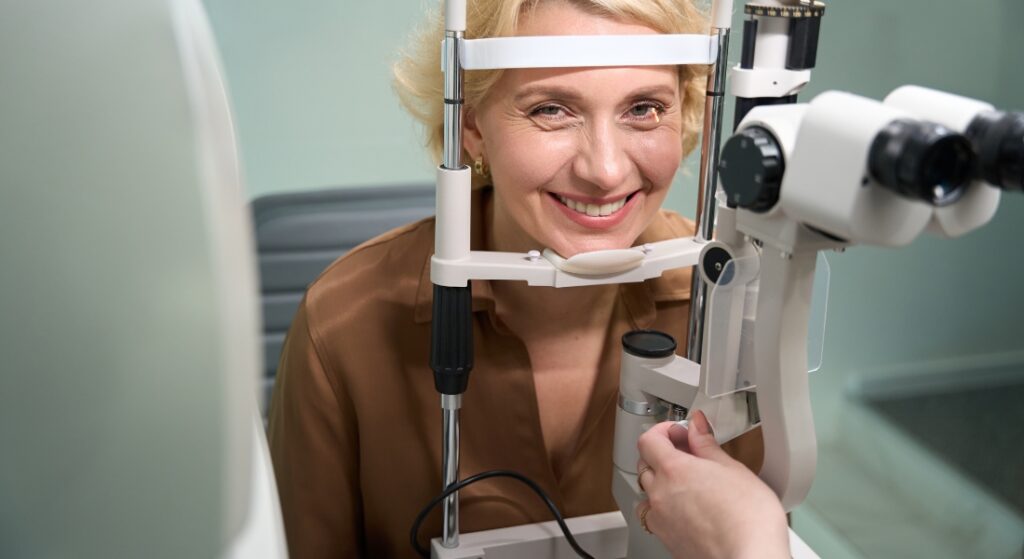
One of the advantages of ICL surgery over LASIK is that it doesn’t require removing corneal tissue, making it particularly suitable for patients with thinner corneas. However, corneal health remains important, and any underlying disease must be ruled out before proceeding.
A specialist will measure corneal thickness precisely to ensure there’s enough structural integrity to support safe lens implantation. Even in cases where the cornea is thinner or slightly irregular, ICL may still be an option, but it requires careful evaluation and planning.
For many patients who are unsuitable for LASIK due to corneal limitations, ICL provides a reliable alternative. By preserving the natural cornea, it maintains optical quality while offering excellent vision correction, making it a preferred choice for those concerned about corneal safety.
4. Anterior Chamber Depth
Anterior chamber depth is a key factor in determining ICL suitability. This is the space between your cornea and natural lens, and it needs to be deep enough ideally at least 2.8 mm to safely accommodate the implantable lens.
If the anterior chamber is too shallow, there may not be sufficient room for the lens, increasing the risk of complications such as elevated intraocular pressure or contact with the natural lens. Precise measurement is therefore essential to ensure safety.
During your consultation, your surgeon will carefully evaluate this space using advanced imaging. Confirming adequate anterior chamber depth helps protect your eyes and ensures the ICL can provide optimal vision correction without compromising long-term ocular health.
5. Eye Health
Good eye health is essential for safe and effective ICL surgery. Your eyes must be free from active disease or inflammation, as conditions like glaucoma, cataracts, or uveitis can make the procedure unsuitable or increase the risk of complications.
Even milder issues, such as chronic dry eye or recurrent infections, can influence candidacy. These conditions may affect healing, comfort, or long-term outcomes, so they must be addressed before surgery.
A comprehensive eye examination is crucial to identify any underlying problems and ensure your eyes are in optimal condition. Healthy eyes form the foundation for a successful ICL procedure, supporting both safety and long-lasting visual improvement.
6. Pupil Size
Pupil size is an important consideration for ICL surgery, particularly because it can influence night vision after the procedure. Patients with unusually large pupils may have a slightly higher risk of experiencing halos or glare in low-light conditions, such as driving at night.
This factor doesn’t automatically disqualify you from surgery, but it requires careful assessment. Your surgeon may recommend specific lens types or positioning adjustments to minimise optical side effects and optimise visual outcomes.
By evaluating pupil size during your consultation, your surgeon can tailor the procedure to your eyes, ensuring clearer vision both during the day and at night. Proper planning helps reduce potential visual disturbances and maximises long-term satisfaction.
7. Lifestyle Factors
Lifestyle factors are an important part of determining whether ICL surgery is right for you. The procedure is ideal for athletes, divers, or anyone with an active lifestyle who wants a long-term alternative to glasses or contact lenses. It allows for clear vision without the limitations or inconvenience of corrective eyewear.
However, certain occupations or activities that carry a high risk of eye trauma require careful consideration. While ICL lenses are durable and designed to last many years, extreme impact or injury could potentially lead to complications.
Discussing your lifestyle during the consultation allows your surgeon to tailor the approach to your specific needs. This ensures both safety and optimal visual outcomes, giving you confidence that the procedure fits seamlessly with your day-to-day activities.
8. Expectation Management
Managing expectations is a key part of ICL surgery. While the procedure can dramatically improve vision often achieving 20/20 clarity or better it does not guarantee perfect vision in every situation. Factors like lighting, prescription strength, and individual healing can influence outcomes.
Patients should also be aware of potential side effects, such as temporary glare, halos, or brief blurring during the recovery period. Understanding these possibilities helps prevent unnecessary worry and supports a smoother adjustment to your new vision.
I always emphasise that success is measured by improved quality of life, not flawless optics in every condition. Realistic expectations allow patients to appreciate the benefits of ICL while remaining informed about the minor limitations that may arise.
9. General Health
General health is an important consideration for ICL surgery, as systemic conditions can affect both safety and recovery. Chronic issues such as diabetes, autoimmune disorders, or blood clotting problems may increase surgical risks or influence healing.
Many patients with well-controlled conditions can still safely undergo ICL surgery, but each case requires careful evaluation. Your surgeon will review your full medical history and may recommend additional tests to ensure the procedure is appropriate for you.
By assessing overall health alongside eye-specific factors, your surgical team can minimise risks, plan for a smooth recovery, and ensure the best possible long-term visual outcomes.
10. Pregnancy and Hormonal Changes
Pregnancy and hormonal changes are important factors when considering ICL surgery. Both pregnancy and recent hormonal fluctuations can temporarily affect vision, sometimes causing shifts in your prescription.
For this reason, ICL surgery is typically postponed until after pregnancy and breastfeeding, and once your vision has stabilised. Performing surgery during a period of hormonal change could reduce the longevity and accuracy of the correction.
Waiting ensures that the implanted lens provides long-term vision improvement without the need for early adjustments. It also helps protect both your eyes and overall health, giving you the best possible outcome from the procedure.
How the Suitability Assessment Works

Before undergoing ICL surgery, a comprehensive suitability assessment is essential to ensure safety and optimal results. This evaluation combines clinical measurements, medical history, and lifestyle considerations to determine whether ICL is the best option for each individual. A thorough assessment reduces the risk of complications and maximises the likelihood of achieving excellent vision. Understanding how this process works helps patients feel confident and informed before committing to surgery.
- Comprehensive Eye Exam: Your surgeon will measure corneal thickness, anterior chamber depth, pupil size, and prescription stability. These factors are critical for determining whether the eye can safely accommodate the lens. Accurate measurements ensure both safety and the best possible visual outcome.
- Medical History Review: A review of systemic and ocular health ensures no conditions interfere with surgery or healing. Conditions such as uncontrolled diabetes or glaucoma may influence suitability. Addressing these beforehand protects both safety and surgical success.
- Lifestyle and Expectation Discussion: Your daily activities, visual needs, and tolerance for potential downtime are considered. Understanding your goals ensures that the procedure aligns with lifestyle priorities. This discussion helps the surgeon recommend a personalised treatment plan.
- Detailed Explanation of Options: Your surgeon will explain the available options and confirm that ICL is the safest and most effective choice for your circumstances. Informed consent is emphasised, ensuring patients fully understand the procedure and expected outcomes.
This structured assessment ensures that only suitable candidates proceed with ICL surgery. By combining precise measurements, health considerations, and personalised planning, patients achieve both safe and highly effective vision correction outcomes.
When ICL May Not Be Appropriate
Even if most eligibility criteria are met, ICL surgery may not be appropriate in certain situations. An unstable prescription, where vision is still changing, can increase the likelihood of needing additional corrections and reduce the long-term benefit of the lens.
Active eye diseases, such as glaucoma, severe dry eye, or retinal problems, may make surgery unsafe or complicate recovery. Similarly, pregnancy or recent hormonal fluctuations can temporarily alter vision, making timing critical for optimal outcomes.
Inadequate anterior chamber depth is another reason ICL may be declined, as insufficient space increases the risk of complications. It’s important to remember that being unsuitable for ICL doesn’t mean you have no options procedures like LASIK, PRK, or other refractive treatments may still be viable depending on your individual eye profile and lifestyle needs.
The Consultation: What to Expect

When you schedule a consultation for ICL surgery in London, you can expect a highly personalised session focused entirely on your eyes and vision needs. Your surgeon will take precise measurements, assess your eye health, and review your prescription stability, pupil size, anterior chamber depth, and corneal status.
Lifestyle factors, such as night driving, sports, or occupational demands, are also discussed to ensure the chosen lens and procedure fit seamlessly with your daily life. Your surgeon will explain the procedure step by step, including the surgery itself, recovery expectations, and potential risks or side effects.
Many patients find this consultation reassuring, as it provides clarity and confidence. By the end of the session, you should have a full understanding of your suitability, the anticipated visual outcomes, and how ICL surgery can improve your quality of life, allowing you to make an informed decision.
Benefits of Being a Suitable Candidate
If you meet the key criteria for ICL surgery, the benefits can be significant and life-changing. Patients often achieve excellent vision correction, particularly those with high prescriptions that exceed LASIK’s safe limits. Unlike corneal laser procedures, ICL preserves the cornea, maintaining natural structure and optical quality.
Another advantage is reversibility. The lens can be removed or replaced if necessary, providing flexibility that other permanent procedures don’t offer. Recovery is also typically quick, with many patients noticing improved vision within just a day or two.
Being a suitable candidate not only maximises these benefits but also minimises potential risks. It allows you to approach surgery with realistic expectations, which is essential for achieving long-term satisfaction and fully appreciating the improvements in your vision and quality of life.
Reducing Risks and Optimising Results
Even for patients who are ideal candidates for ICL surgery, careful planning and proactive care are essential for achieving the best outcomes. Attention to pre- and post-operative instructions, monitoring recovery, and maintaining overall eye health all contribute to a safer procedure and smoother healing. By understanding practical ways to reduce risks, patients can maximise the effectiveness of their surgery and minimise potential complications.
- Follow Pre-Op Instructions: Avoid eye makeup, contact lenses, and certain medications as directed by your surgeon. These steps reduce the risk of infection and ensure the eyes are in optimal condition for surgery. Proper preparation supports safer procedures and better outcomes.
- Attend All Follow-Ups: Regular post-operative appointments allow the surgeon to monitor healing and detect any early issues. Prompt intervention can prevent minor concerns from becoming major complications. Follow-ups are key to ensuring long-term success.
- Maintain Eye Health: Keep your eyes hydrated and free from infection before and after surgery. Healthy eyes respond better to the procedure and recover more quickly. Preventive care supports stable vision and reduces discomfort during healing.
- Communicate Openly: Report any discomfort, blurred vision, or unusual symptoms immediately. Early communication allows timely management of potential complications. Being proactive helps protect both your vision and overall surgical results.
By taking these steps seriously, patients can significantly reduce the risk of complications and enjoy the full benefits of ICL surgery. Proper planning, diligent care, and open communication are the foundations of a safe, successful, and satisfying visual outcome.
Understanding the Recovery Process
Recovery after ICL surgery is generally swift and uncomplicated for patients who meet the key suitability criteria. Many notice a marked improvement in vision as early as the day after the procedure, and most achieve full visual stability within one to two weeks. The speed of recovery is one of the advantages of ICL compared with other refractive surgeries, allowing patients to return to daily activities relatively quickly.
During the initial days, mild discomfort, light sensitivity, or temporary fluctuations in vision are normal. These sensations are usually short-lived as your eyes adapt to the lens, and most patients find that any irritation resolves naturally within a few days. Proper rest and avoiding activities that strain the eyes can also help smooth the healing process.
Following your surgeon’s post-operative care instructions is essential for optimal results. This includes using prescribed eye drops, attending follow-up appointments, and taking precautions to avoid eye trauma or infection. By adhering to these guidelines, you support safe healing, reduce the risk of complications, and maximise the long-term benefits of ICL surgery, ensuring clear and stable vision for years to come.
The Role of Lifestyle After Surgery
Your lifestyle plays an important role even after successful ICL surgery. Protecting your eyes from UV exposure with quality sunglasses, practising good hygiene, and avoiding situations that could cause eye trauma all help maintain the health of your eyes and the longevity of the lens.
Routine eye exams remain essential, even when vision correction is excellent. Your eyes naturally continue to age, and ongoing monitoring allows your surgeon to detect any changes early, manage intraocular pressure, and ensure the lens remains well-positioned.
By combining careful post-operative habits with regular check-ups, you can preserve the benefits of ICL surgery and enjoy clear, stable vision for many years. Long-term care is not complicated, but it is key to maintaining both eye health and visual quality.
ICL vs Other Refractive Surgeries
Many patients considering vision correction often ask how ICL compares with LASIK or PRK. The right procedure usually depends on individual suitability, including prescription strength, corneal thickness, and lifestyle needs.
LASIK is generally best for patients with moderate prescriptions and adequate corneal thickness, offering rapid recovery and excellent visual outcomes. PRK can be suitable for those with thinner corneas, but it typically involves a longer recovery period and initial discomfort.
ICL stands out for patients with high prescriptions, thin corneas, or those seeking a reversible, long-term solution. Understanding your candidacy for each procedure allows you to make an informed decision, ensuring the chosen surgery aligns with both your eyes and your lifestyle for optimal results.
The Psychological Aspect
Being a suitable candidate for ICL surgery often brings benefits beyond improved vision it can positively impact confidence and overall quality of life. Clear, unaided vision allows you to navigate daily activities without relying on glasses or contact lenses, which can influence how you perceive yourself and interact with others.
Mental preparedness is just as important as physical suitability. Understanding the procedure, recovery timeline, and potential side effects helps ensure you approach surgery with realistic expectations and a calm mindset.
Patients who are informed and mentally ready tend to feel more confident throughout the process. Combining psychological readiness with the physical criteria for suitability maximises satisfaction, helping you enjoy both the visual and lifestyle advantages of ICL surgery.
FAQs
1. What is ICL surgery, and who is it for?
ICL (Implantable Collamer Lens) is a reversible lens implantation procedure for vision correction. It’s particularly suitable for patients with high prescriptions, thin corneas, or conditions that make LASIK less ideal.
2. What age range is recommended for ICL surgery?
ICL is generally recommended for adults between 21 and 45 years old, ensuring that prescriptions are stable. Older patients may still be eligible but may need additional evaluation for natural lens changes or early cataracts.
3. What prescription ranges can ICL correct?
ICL can correct high myopia (up to -20 D), hyperopia (up to +10 D), and astigmatism (up to 6 D with toric lenses). Prescription stability over the past year is essential for predictable outcomes.
4. Does corneal thickness affect suitability?
ICL doesn’t remove corneal tissue, making it suitable for thinner corneas. However, the cornea must be healthy and free from disease to safely support the lens.
5. Why is anterior chamber depth important?
The space between the cornea and natural lens must be adequate typically at least 2.8 mm for safe lens implantation. Insufficient depth increases the risk of complications such as elevated eye pressure.
6. How does pupil size affect ICL outcomes?
Large pupils may increase the likelihood of halos or glare at night. Assessment during consultation helps your surgeon choose the best lens type and positioning for optimal vision.
7. Can lifestyle affect suitability?
Yes. Active lifestyles, sports, and occupational demands are considered to ensure the lens fits your daily life safely. Extreme eye trauma risk may require additional precautions.
8. How do general health and pregnancy impact candidacy?
Chronic conditions (e.g., diabetes, autoimmune disorders) and recent pregnancy or hormonal changes can affect safety and vision stability. Surgery is often postponed until vision is stable and health conditions are controlled.
9. What eye health issues may prevent ICL surgery?
Active eye diseases like glaucoma, cataracts, uveitis, severe dry eye, or retinal problems may make surgery unsafe or complicate recovery. A full eye examination is crucial before proceeding.
10. How is suitability assessed?
A comprehensive consultation evaluates corneal thickness, anterior chamber depth, pupil size, prescription stability, medical history, lifestyle, and expectations. This ensures the procedure is safe and tailored to your needs.
Final Thoughts: Making an Informed Choice for ICL Surgery
Determining your suitability for ICL surgery requires careful evaluation of eye health, prescription stability, corneal structure, anterior chamber depth, and lifestyle factors. When these criteria are met, ICL can offer excellent vision correction, reversibility, and long-term benefits, particularly for patients with high prescriptions or thin corneas. A thorough consultation ensures personalised recommendations, realistic expectations, and a clear understanding of recovery, helping you approach surgery with confidence.
Proper planning and adherence to pre- and post-operative guidance are key to minimising risks and optimising results. Patients who are informed, prepared, and supported tend to achieve the best outcomes and long-term satisfaction. By considering both physical suitability and lifestyle needs, you can ensure that ICL surgery delivers safe, reliable, and life-enhancing vision improvement. If you’re thinking about ICL surgery in London, you can get in touch with us at the London Cataract Centre to discuss a personalised assessment and treatment plan.
References
- Del Risco, N.E., Talbot, C.L., Moin, K.A., Manion, G.N., Brown, A.H., Walker, S.M., Zhong, P.-S., Zhang, H., Hoopes, P.C. and Moshirfar, M., 2024. Visual outcomes of cataract surgery in patients with previous history of Implantable Collamer Lens. Journal of Clinical Medicine https://www.mdpi.com/2077-0383/13/15/4292
- Igarashi, A., Shimizu, K. and Kamiya, K., 2018. Posterior Chamber Phakic Intraocular Lens Implantation in Eyes with an Anterior Chamber Depth of Less Than 3 mm: A Multicenter Study. Scientific Reports, https://pubmed.ncbi.nlm.nih.gov/30190562/
- Zhou, Y., Lai, K.H.W. and Wang, X.Y., 2025. Controversies, consensuses and guidelines on posterior chamber phakic intraocular lens for the correction of myopia and myopic astigmatism. Journal of Cataract & Refractive Surgery. https://www.sciencedirect.com/science/article/pii/S2162098925000891
- Zhang, H., Gong, R. and Zhang, X., 2025. Characteristics of biological parameters and ICL size selection in moderate, high, and super-high myopia eyes. BMC Ophthalmology. https://pmc.ncbi.nlm.nih.gov/articles/PMC11874806/
- Kamiya, K., Shimizu, K. and Igarashi, A., 2017. Anterior Chamber Changes After Implantable Collamer Lens Implantation in High Myopia Using Pentacam: A Prospective Study. Journal of Cataract & Refractive Surgery. https://pubmed.ncbi.nlm.nih.gov/28933042/