



Intermediate vision is one of the most important parts of your eyesight, although many people do not fully understand its role until, they begin noticing changes in their vision. This type of vision allows you to clearly see objects that are positioned at a middle distance, usually around an arm’s length away from your eyes. You rely on it every day for activities such as using a computer, cooking meals, shopping, reading labels, and having conversations with people nearby. Because these tasks feel so natural and routine, you may not realise how much you depend on intermediate vision until it starts becoming harder to focus clearly.
In today’s technology-driven world, intermediate vision matters more than ever before. Many people spend several hours each day using laptops, tablets, smartphones, and other digital devices that sit within the intermediate viewing range. If this part of your vision is not functioning properly, everyday tasks can quickly become tiring and uncomfortable. You may experience symptoms such as eye strain, blurred vision, headaches, or difficulty concentrating for long periods of time.
Strong intermediate vision can improve both your comfort and your overall quality of life. It helps you work more productively, move around confidently, and complete daily tasks with greater ease and accuracy. Clear middle-distance vision also supports safer driving, better communication, and a more enjoyable experience when using technology or taking part in hobbies. As modern lifestyles continue to depend heavily on screens and close interaction with digital devices, maintaining healthy intermediate vision has become increasingly important for people of all ages.
What Is Intermediate Vision?
Intermediate vision refers to the range of sight that sits between close-up vision and far-distance vision. In most situations, this means being able to see objects clearly at around an arm’s length away, usually between 50 and 100 centimetres from your eyes. This range allows you to focus comfortably on objects that are neither too close nor too far away. It plays a major role in helping you complete many everyday tasks smoothly and without strain.
You rely on intermediate vision far more often than you may realise throughout the day. Activities such as using a computer, reading information on a tablet, checking your car dashboard, preparing meals, or speaking with someone across a table all depend heavily on clear middle-distance vision. Even simple household tasks, office work, and social interactions require your eyes to focus within this important visual range. When intermediate vision becomes blurry or uncomfortable, daily routines can quickly feel more difficult and tiring.
Although many people are familiar with near vision and distance vision, intermediate vision is often overlooked until problems begin to appear. This is partly because modern lifestyles now revolve around digital screens, indoor environments, and middle-distance activities more than ever before. Many jobs require long hours in front of computers, while personal time is often spent using smartphones, televisions, and tablets.
How Intermediate Vision Differs from Near Vision
Near vision is used for activities that take place very close to your face, such as reading books, sending text messages on your phone, writing, or sewing. These tasks are normally performed within about 30 to 40 centimetres of your eyes and require your eyes to focus at a very short distance. Clear near vision is essential for seeing fine details, small print, and close-up objects comfortably. When near vision becomes weaker, you may notice difficulty reading small text or focusing on objects held close to your face.
Intermediate vision works slightly differently because it focuses on objects positioned further away than close reading distance. You use this range for tasks that happen at around an arm’s length, including working on a desktop computer, preparing food in the kitchen, viewing your car dashboard, or speaking with someone sitting across a table. These activities require your eyes to focus within a middle-distance range rather than extremely close up. Since the viewing distance changes, the type of visual correction needed can also differ quite significantly.
This is one reason why some people find that ordinary reading glasses do not completely solve discomfort caused by screen use or computer work. Glasses designed mainly for close reading may provide sharp focus for books or mobile phones, but they may not offer the ideal clarity needed for intermediate tasks. As a result, you might still experience blurred vision, eye strain, headaches, or discomfort while using digital devices for long periods. Proper support for intermediate vision can make daily activities far more comfortable and reduce unnecessary stress on your eyes.
Understanding Distance Vision
Distance vision allows you to see objects clearly when they are far away from you. This includes everyday activities such as driving, watching television, recognising people across a room, reading road signs, or viewing presentations from a distance. Clear distance vision helps you move around safely and comfortably in different environments. It is especially important for outdoor activities, travelling, and situations where quick visual awareness is needed.
Many traditional eye examinations focus heavily on distance vision because it plays a major role in safety, particularly while driving. Eye charts used during routine tests are often designed to measure how clearly you can see letters and objects from a distance. Good distance vision helps you react quickly to hazards on the road and improves your overall awareness of your surroundings. However, modern lifestyles now place much greater demands on your eyesight than simply being able to see far-away objects clearly.
Today, you may actually spend more time using intermediate vision than distance vision during a typical day. This is especially true if you work indoors, spend long hours on a computer, or regularly use smartphones and tablets. Many daily tasks now take place within the middle-distance range rather than across large distances. As a result, maintaining balanced vision for both distance and intermediate activities have become increasingly important for comfort, productivity, and everyday life.
Why Intermediate Vision Matters More Today
Modern lifestyles have significantly changed the way people use their eyes every day. In the past, many daily activities focused more on distance vision, especially for outdoor tasks and physical work. Today, digital devices such as computers, smartphones, tablets, and televisions are a major part of everyday life. Since these screens are usually viewed within the intermediate visual range, your eyes now rely heavily on this area of focus throughout the day.
- Increased Screen Usage: Modern technology has made screens unavoidable in both personal and professional life. People spend several hours each day using computers, mobile phones, and tablets, all of which require strong intermediate vision for comfortable viewing.
- Greater Importance in the Workplace: Many jobs now involve desk-based tasks that depend on viewing monitors and digital displays for long periods. Poor intermediate vision can lead to eye strain, headaches, and reduced productivity during working hours.
- Impact on Daily Comfort: Intermediate vision is important for many routine activities, including cooking, shopping, reading labels, and using household devices. Difficulty focusing at this distance can make simple tasks feel tiring and frustrating.
- Connection to Confidence and Wellbeing: Clear vision at intermediate distances can improve confidence in social and professional settings. When vision problems interfere with communication or daily interactions, they may also affect overall wellbeing and quality of life.
In today’s digital world, intermediate vision plays a far greater role than it did in previous generations. As more activities depend on viewing objects at arm’s length, maintaining clear and comfortable focus has become increasingly important. Good intermediate vision supports productivity, reduces eye strain, and improves everyday experiences. Understanding its importance can help people make better decisions about their long-term eye health.
The Connection Between Intermediate Vision and Screen Use
One of the main reasons intermediate visions has become increasingly important is the large amount of time people now spend using digital screens every day. Computer monitors, laptops, and tablets are usually positioned at an intermediate viewing distance, meaning your eyes must maintain steady focus for long periods at a time. Whether you are working, studying, shopping online, or watching content, many screen-based activities rely heavily on clear middle-distance vision. As technology continues to play a central role in daily life, the demand on your intermediate vision has increased significantly.
If your intermediate vision is not functioning properly, digital tasks can quickly become tiring and uncomfortable. You may begin to notice blurry text, eye strain, headaches, dry eyes, or difficulty concentrating after even short periods of screen use. Some people also experience frequent refocusing problems when moving their eyes between different distances throughout the day. These symptoms can affect both your comfort and productivity, particularly if your work depends heavily on computers or other digital devices.
Many people also lean forwards towards screens without even realising they are doing it. This often happens because your eyes are struggling to maintain clear focus, causing you to move closer in an attempt to see more comfortably. Over time, poor posture during screen use can contribute to neck pain, shoulder tension, back discomfort, and general physical strain. Maintaining strong intermediate vision can help support better posture, reduce unnecessary stress on your body, and make screen use far more comfortable overall.
How Ageing Changes Intermediate Vision
As you age, the natural lens inside your eye slowly becomes less flexible over time. This common age-related change is known as presbyopia, and it typically starts affecting people during their forties, although some may notice symptoms slightly earlier or later. A healthy lens normally changes shape easily to help your eyes focus at different distances throughout the day. As flexibility reduces with age, this focusing process becomes more difficult and less comfortable.
When the lens loses its ability to adjust smoothly, your eyes may struggle to switch focus between near, intermediate, and distance vision. Many people first notice problems when reading small print, menus, or messages on their phones, but intermediate vision is often affected at the same time. Tasks such as using a computer, viewing a laptop screen, or checking your car dashboard may start feeling more tiring than before. You might also notice blurred vision or the need to hold objects at a different distance to see them clearly.
These changes usually develop gradually, which is why many people initially ignore the symptoms or assume they are simply tired. Over time, however, you may begin experiencing frequent eye strain, headaches, or difficulty focusing comfortably for long periods. Switching focus between close and middle-distance objects can also become slower and less natural than it once felt. Understanding how ageing affects intermediate vision can help you recognise the early signs and seek the right visual support before daily tasks become more frustrating.
Early Signs of Intermediate Vision Problems
Intermediate vision changes often develop gradually, which means they can be easy to overlook in the early stages. Many people unconsciously adjust their habits before fully realising that their eyesight has changed. You might move screens closer, enlarge text on digital devices, or sit differently while working without giving it much thought. Because these small adjustments happen naturally over time, the signs of intermediate vision problems can remain unnoticed for quite a while.
One of the most common symptoms is difficulty focusing comfortably on a computer monitor or other digital screen. You may notice blurred vision at arm’s length, frequent headaches, tired eyes, or discomfort after spending time on visual tasks. Some people also experience dry eyes, difficulty maintaining concentration, or increased sensitivity to bright screens and glare. These symptoms often become more noticeable after long periods of reading, office work, or device use.
Another early sign is the need for brighter lighting, particularly while working indoors or using screens in dim environments. Tasks that once felt easy may begin requiring more effort and concentration than before. Some people find that their eyes become fatigued much more quickly, making it harder to stay productive throughout the day. Recognising these early symptoms can help you address vision changes sooner and reduce unnecessary strain on your eyes.
Why Computer Work Becomes Difficult
If your intermediate vision is not properly corrected, working on a computer can quickly become tiring and uncomfortable. Computer screens are usually positioned at an intermediate viewing distance, which means your eyes must maintain steady focus for long periods throughout the day. This continuous effort places extra strain on your eye muscles, especially during extended working hours or detailed tasks. Over time, even simple screen-based activities may begin to feel exhausting.
Blurred text and visual discomfort can affect both your concentration and overall productivity. You may find yourself rereading information, struggling to stay focused, or taking frequent breaks because your eyes feel strained and fatigued. Some people also experience headaches, dry eyes, or difficulty switching focus between different screens and documents. These symptoms can make every day work tasks slower, more frustrating, and mentally draining.
Poor intermediate focus can also influence your posture without you fully noticing it. Many people lean forwards or move closer to screens in an attempt to see text more clearly, especially when their vision becomes blurry at arm’s length. Over time, this habit may contribute to neck pain, shoulder tension, back discomfort, and recurring headaches. Correcting intermediate vision properly can improve both visual comfort and physical posture, helping you work more comfortably and efficiently throughout the day.
How Cataracts Affect Intermediate Vision
Cataracts develop when the natural lens inside your eye gradually becomes cloudy over time. This cloudiness affects the way light passes through the eye, making vision appear blurred, dull, or less sharp than before. As cataracts continue to develop, they can reduce visual quality at near, intermediate, and distance ranges. Colours may also seem faded, and bright lights can become increasingly uncomfortable to look at.
Intermediate tasks are often among the first daily activities affected by cataracts. You may begin noticing that computer screens appear blurrier, digital text becomes harder to read, or glare from monitors and indoor lighting feels more intense than usual. Activities such as using a laptop, checking your car dashboard, preparing meals, or viewing objects at arm’s length may suddenly require more effort and concentration. Even well-lit indoor environments can start feeling visually uncomfortable as the cloudiness inside the lens increases.
Many people first become aware of cataracts because modern digital activities begin feeling noticeably more difficult. Tasks such as following online recipes while cooking, reading information on tablets, or viewing dashboard displays while driving may become frustrating long before vision becomes severely impaired. Because these changes often happen slowly, people may assume the problem is simply tiredness or normal ageing at first. Recognising how cataracts can affect intermediate vision early may help you seek treatment before the condition starts interfering more seriously with daily life.
Intermediate Vision After Cataract Surgery
Modern cataract surgery can greatly improve the clarity of your intermediate vision as well as your overall eyesight. During the procedure, the cloudy natural lens inside your eye is carefully removed and replaced with an artificial intraocular lens, commonly known as an IOL. Once the cloudy lens has been replaced, light can pass through the eye more clearly, helping improve focus and visual sharpness. Many patients notice that everyday activities become brighter, clearer, and more comfortable after recovery.
Different types of intraocular lenses can provide different visual results depending on your individual needs and lifestyle. Some lenses are mainly designed to improve distance vision, while others support a wider range of focus, including intermediate and near vision. Certain advanced lens options may reduce your dependence on glasses for tasks such as computer use, cooking, reading menus, or viewing digital screens. Because every person uses their eyesight differently, choosing the most suitable lens requires careful consideration of your daily routines and visual priorities.
Someone who spends most of the day working on computers may require stronger intermediate vision support than a person focused mainly on driving or outdoor activities. Understanding how you use your vision each day can help your surgeon recommend the most appropriate lens for your long-term comfort and satisfaction. Taking the time to choose the right lens can make a significant difference to your quality of life after cataract surgery.
Understanding Multifocal Lens Technology
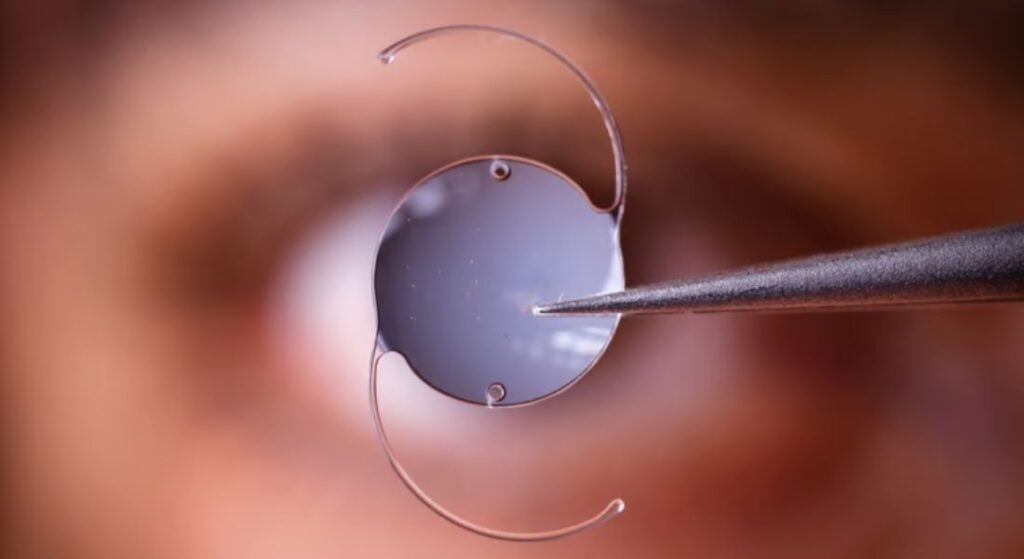
Multifocal lenses are designed to provide clearer vision at multiple distances within a single lens. Their main purpose is to reduce the need for separate glasses by supporting near, intermediate, and distance vision simultaneously. Many people consider these lenses because they offer greater convenience during daily activities such as reading, computer use, cooking, and driving. As visual demands continue to increase in modern life, multifocal lens technology has become an increasingly popular option for achieving more flexible vision correction.
- Designed for Multiple Viewing Distances: Multifocal lenses work by combining different focusing zones into one lens. This allows the eyes to transition more smoothly between near, intermediate, and distance tasks without constantly changing glasses.
- Supports Everyday Convenience: Many routine activities require vision at different distances throughout the day. Multifocal lenses can make tasks such as using digital devices, reading menus, and driving more comfortable and practical.
- May Reduce Dependence on Glasses: One of the main benefits of multifocal lenses is the potential to decrease reliance on reading glasses or separate prescription eyewear. This added convenience is often appealing to people with busy and active lifestyles.
- Not Suitable for Every Patient: Although multifocal lenses offer many advantages, they are not the best option for everyone. Factors such as eye health, lifestyle habits, and personal visual expectations all play an important role in determining suitability.
Multifocal lens technology continues to evolve as more people seek flexible and convenient vision solutions. These lenses can improve comfort and visual performance across a range of daily activities when chosen appropriately. However, achieving the best results depends on careful assessment of individual needs and eye health. Understanding both the benefits and limitations of multifocal lenses is essential before deciding if they are the right choice for you.
What Is Extended Depth of Focus Lenses?
Extended depth of focus lenses, often known as EDOF lenses, are a modern type of intraocular lens used during cataract surgery. These lenses are designed to create a smoother and more continuous range of vision between different distances rather than focusing strongly on only one point. Instead of separating vision into distinct near and far zones, EDOF technology aims to extend the area of clear focus more naturally. This can help improve visual comfort during many everyday activities that involve shifting focus throughout the day.
EDOF lenses are particularly popular among people who rely heavily on intermediate vision for daily tasks. Activities such as computer work, using digital devices, cooking, shopping, and viewing car dashboards often fall within the intermediate viewing range supported by these lenses. Many patients find that EDOF lenses provide strong middle-distance performance while still maintaining good distance vision for activities such as driving or watching television. This balance can make day-to-day life feel more convenient and comfortable, especially for people with technology-focused lifestyles.
Although EDOF lenses may reduce your dependence on glasses, the results can vary from person to person depending on your eyes, lifestyle, and visual expectations. Some people achieve excellent intermediate vision with minimal need for glasses, while others may still require additional visual correction for certain tasks. A detailed consultation and eye assessment are important to determine whether this type of lens is suitable for your specific visual goals and daily routines. Understanding both the potential benefits and limitations of EDOF lenses can help you make a more informed decision about your cataract surgery options.
Everyday Activities That Depend on Intermediate Vision
You may not realise how many everyday activities rely on intermediate vision until this range starts becoming blurry or uncomfortable. From the moment you wake up until the end of the day, your eyes repeatedly use middle-distance focus during normal routines. Tasks such as checking your phone, using a computer, reading labels, shopping, and organising household items all depend heavily on clear intermediate vision. Because these activities feel so routine, many people only recognise the importance of this visual range once problems begin to appear.
Cooking is one clear example of how often intermediate vision is used throughout the day. You rely on it while preparing ingredients, reading recipes, checking oven settings, organising kitchen tools, and monitoring food while it cooks. Many kitchen tasks involve looking at objects positioned around arm’s length away, which places constant demand on your middle-distance focus. If this vision becomes blurred, meal preparation can feel slower, more tiring, and far less comfortable than before.
Social interaction also depends greatly on strong intermediate vision. Most face-to-face conversations happen within this visual zone, allowing you to clearly see facial expressions, gestures, and body language while speaking with others. Clear middle-distance vision can help improve communication, confidence, and comfort during social situations at home, work, or public places. When intermediate vision becomes weaker, even simple daily interactions may start feeling more visually demanding and mentally tiring.
The Link Between Intermediate Vision and Driving
Although distance vision is essential for driving safely, intermediate vision also plays a very important role during everyday journeys. Modern driving involves much more than simply seeing the road ahead clearly. Many features inside today’s vehicles are positioned within the intermediate viewing range, requiring your eyes to switch focus constantly between different distances. Clear middle-distance vision helps you respond comfortably and confidently while driving in both daytime and night-time conditions.
You rely on intermediate vision whenever you check your speedometer, navigation system, dashboard displays, mirrors, or in-car controls. These features are usually located at an arm’s length away, placing them directly within the intermediate visual zone. If this range becomes blurry, you may find yourself struggling to refocus quickly between the road and your vehicle’s interior displays. Over time, this extra visual effort can make driving feel more tiring, uncomfortable, and mentally demanding.
As modern vehicles continue introducing larger digital screens, touch controls, and advanced technology systems, intermediate visual clarity is becoming increasingly important for safe and comfortable driving. Drivers now spend more time interacting with navigation tools, reversing cameras, entertainment systems, and digital dashboards than ever before. Poor intermediate vision may reduce comfort and increase visual fatigue during long journeys or busy traffic conditions. Maintaining clear middle-distance vision can help support better concentration, faster visual response, and a more relaxed driving experience overall.
Digital Eye Strain and Visual Fatigue

Digital eye strain has become increasingly common in today’s screen-focused lifestyle. Many people spend long hours working on computers, using smartphones, or watching digital displays without adequate visual breaks. When intermediate vision is not properly corrected, the eyes are forced to work harder to maintain clear focus at typical screen distances. Over time, this constant effort can lead to discomfort and reduced visual efficiency during daily tasks.
- Increased Eye Effort During Screen Use: When intermediate vision is not well supported, the eyes struggle to maintain focus on digital screens. This extra effort can quickly lead to fatigue, especially during prolonged computer or mobile phone use.
- Common Physical Symptoms: Digital eye strain often causes symptoms such as dryness, headaches, blurred vision, and burning sensations. These discomforts tend to worsen with continued screen exposure without proper visual correction or rest.
- Reduced Concentration and Productivity: As eye strain builds up, it can become harder to stay focused on tasks. Many individuals experience decreased concentration and mental fatigue after long periods of uninterrupted screen time.
- Importance of Proper Visual Support: Correcting intermediate vision can help reduce strain during digital activities. When the eyes are properly supported, everyday screen use becomes more comfortable and less physically demanding.
Digital eye strain is now a frequent concern due to the amount of time people spend on digital devices. The symptoms can affect both comfort and performance in daily life if not properly managed. Ensuring that intermediate vision is well corrected plays a key role in reducing visual fatigue. With the right support, the eyes can function more efficiently during extended screen use.
How Intermediate Vision Affects Quality of Life
Clear intermediate vision affects much more than just how comfortably you can look at screens. It plays an important role in your independence, confidence, productivity, and overall day-to-day quality of life. Because so many modern activities take place at middle-distance range, your ability to see clearly at this level directly influences how easily you move through daily routines. When this vision is strong, everyday tasks feel smoother and less effortful.
When intermediate focus becomes blurry, even simple activities can start to feel frustrating or tiring. You may avoid longer periods of computer work, find hobbies less enjoyable, or feel less comfortable during face-to-face conversations. Tasks that once felt natural, such as working, cooking, or organising daily responsibilities, may begin to require more concentration and effort. Over time, this can affect your motivation and reduce your willingness to engage in activities you normally enjoy.
Improving intermediate vision often helps restore a sense of ease and confidence in daily life. Once your visual needs are properly addressed, many people notice they feel more relaxed, productive, and independent throughout the day. Everyday tasks become clearer and less draining, allowing you to focus more comfortably for longer periods. As a result, better intermediate vision can have a meaningful positive impact on both your physical comfort and overall wellbeing.
The Future Importance of Intermediate Vision
As technology continues to evolve, intermediate vision is likely to become even more important in everyday life. Digital devices are now deeply integrated into almost every part of modern living, including communication, entertainment, healthcare, education, and work. This means that a large portion of daily visual tasks naturally falls within the middle-distance range. As a result, your eyes are being used more consistently for intermediate focus than ever before.
Eye care professionals are increasingly recognising that functional vision across multiple distances is more important than relying only on traditional distance vision testing. Many patients now expect eyesight solutions that support real-life activities, not just the ability to read an eye chart from a distance. This shift reflects how daily life has changed, with more emphasis on screens, indoor environments, and tasks that require sustained intermediate focus. Good vision care today aims to support comfort and performance across all visual ranges.
This growing focus on intermediate vision is also influencing the future of cataract surgery, lens technology, and personalised eye care treatments. Modern lens designs are increasingly developed to support a wider range of vision, helping patients maintain clearer sight during everyday activities. Understanding how your eyes function in real-world situations is now a key part of achieving long-term visual comfort and satisfaction. As lifestyles continue to change, intermediate vision will remain a central part of maintaining healthy, practical, and effective eyesight.
Why Regular Eye Tests Are Important
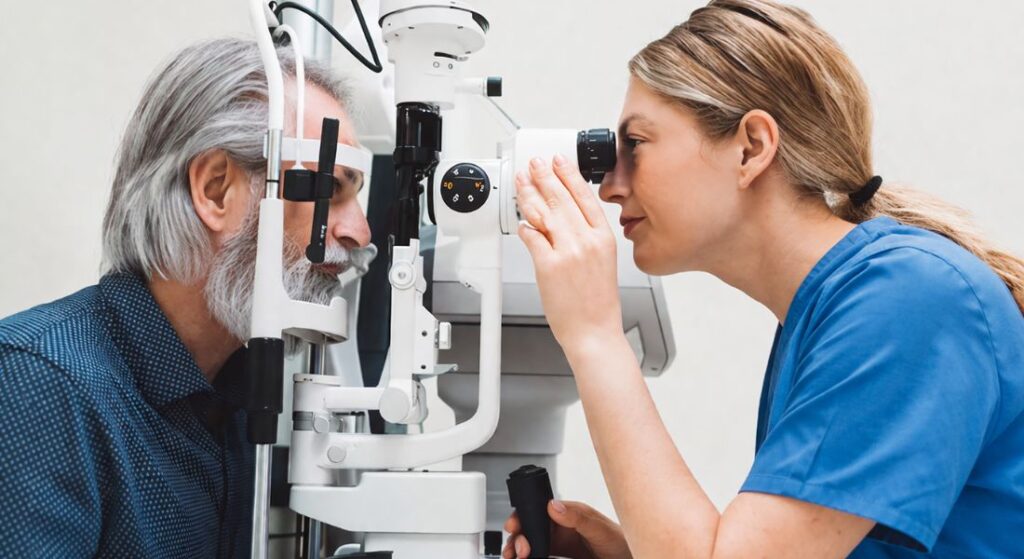
Intermediate vision problems often develop slowly, which means they can be easy to miss in the early stages. Many people gradually adjust to changes in their eyesight without fully realising how much their vision has changed. You might find yourself moving screens closer, squinting more often, or feeling more tired after visual tasks without recognising the underlying cause. Because these changes happen subtly, they are often only identified once they start affecting daily comfort and performance.
A regular eye test can help identify a range of issues that affect visual clarity, including presbyopia, cataracts, refractive errors, and other eye conditions. These problems can influence near, intermediate, and distance vision, often in different ways. Even small changes in your prescription can make a noticeable difference to how clearly and comfortably you see throughout the day. Correcting these issues properly can improve your ability to work, read, drive, and use digital devices with far less strain.
Routine eye care is also important for monitoring your long-term eye health. Regular examinations allow opticians to detect changes early, often before symptoms become severe or disruptive. Early detection usually leads to more effective treatment options and better visual outcomes over time. By staying consistent with eye tests, you can protect your vision, maintain comfort in daily activities, and reduce the risk of more serious complications developing in the future.
FAQs:
1. What exactly is intermediate vision?
Intermediate vision is the ability to see objects clearly at a middle distance, typically around an arm’s length (about 50–100 cm). It is commonly used for activities like using a computer, cooking, or interacting with people across a table.
2. Why is intermediate vision so important in daily life?
It supports many everyday tasks such as working on screens, reading labels, driving dashboards, and cooking. Because modern life involves frequent screen use, intermediate vision is now essential for comfort and productivity.
3. How is intermediate vision different from near and distance vision?
Near vision is used for close tasks like reading or phone use, distance vision is for far objects like driving or watching TV, and intermediate vision sits between the two, covering arm’s-length activities like computer work.
4. What are the common signs of intermediate vision problems?
Blurred vision at screen distance, eye strain, headaches, difficulty focusing on computers, and tired eyes after short periods of work are common signs.
5. Can poor intermediate vision cause headaches?
Yes. When your eyes strain to focus on intermediate-distance tasks like screen use, it can lead to tension headaches, especially after prolonged computer work.
6. Why do reading glasses not always help with screen use?
Reading glasses are designed for near vision. They may not provide the correct focus for intermediate distances, which is why screen work can still feel blurry or uncomfortable.
7. How does ageing affect intermediate vision?
With age, the eye’s natural lens becomes less flexible (a condition called presbyopia). This makes it harder to focus on intermediate distances, often starting in your 40s.
8. Can cataracts affect intermediate vision?
Yes. Cataracts cloud the eye’s natural lens, causing blurred or hazy vision at all distances, including intermediate vision used for screens and daily tasks.
9. How does cataract surgery improve intermediate vision?
Cataract surgery replaces the cloudy lens with an artificial intraocular lens. Some lens types, such as multifocal or EDOF lenses, can improve intermediate vision significantly.
10. What can I do to protect my intermediate vision?
Regular eye tests, proper lighting when using screens, taking frequent breaks, and using the correct prescription glasses can all help maintain healthy intermediate vision.
Final Thoughts: Why Intermediate Vision Matters More Than Ever
Intermediate vision plays a central role in modern life, even though it often goes unnoticed until problems begin to appear. From working on computers and using smartphones to cooking, shopping, and everyday conversations, this middle-distance focus supports most daily activities. When it starts to weaken, people often experience eye strain, blurred vision, and reduced comfort in routine tasks.
With increasing screen use and digitally driven lifestyles, the demand on intermediate vision has never been higher. Supporting this range of sight is essential for maintaining productivity, comfort, and overall wellbeing. Whether through the right prescription or advanced lens solutions, addressing intermediate vision can significantly improve daily visual experience. If you’re looking to enhance your vision or need personalised guidance, our specialist team at the London Cataract Centre is here to help.
References:
- Han, X. et al. (2023) Real-world visual outcomes of cataract surgery based on population-based studies: a systematic review. British Journal of Ophthalmology. Available at: https://pubmed.ncbi.nlm.nih.gov/35410876/
- Cho, J.-Y. et al. (2022), Visual outcomes and optical quality of accommodative, multifocal, extended depth-of-focus, and monofocal intraocular lenses in presbyopia-correcting cataract surgery. JAMA Ophthalmology. Available at: https://pubmed.ncbi.nlm.nih.gov/36136323/
- Kim, D.Y. et al. (2025), Comparative outcomes of extended depth-of-focus and monofocal intraocular lenses in cataract surgery. Journal of Clinical Medicine, 14(14), 4967. Available at: https://www.mdpi.com/2077-0383/14/14/4967
- Davis, G. (2016), Surgical interventions for age-related cataract. Cochrane Database of Systematic. Available at: https://pmc.ncbi.nlm.nih.gov/articles/PMC7096771/
- Wang, X. et al. (2021), Posterior capsule opacification after cataract surgery: mechanisms and clinical outcomes. International Journal of Ophthalmology, Available at: https://pmc.ncbi.nlm.nih.gov/articles/PMC8269180/