



When I speak to you before RLE surgery, one of the most common worries I hear is about relaxation. Many of you quietly wonder what will happen if you feel too nervous or struggle to stay calm during the procedure. I want to reassure you straight away that this is completely normal. You are certainly not the first person to feel this way, and it is something I see very often in practice.
The important thing to understand is that RLE surgery does not depend on you being perfectly relaxed. Instead, the entire process is designed to support you even if you feel anxious or tense. You are guided step by step throughout the procedure, so you are never left to manage anything on your own. This structured approach ensures everything remains safe, steady, and controlled at all times.
There is no expectation for you to get everything right or to achieve a perfect state of calm. If you feel nervous, that is absolutely fine, and the surgical team will continue to support you throughout. You are constantly monitored and gently guided, no matter how you are feeling at that moment. The process is built to adapt to your comfort level, not the other way around.
In some cases, a short pause can be taken if you need a moment to settle or breathe. Nothing is rushed, and there is always time to help you feel more comfortable again. The goal is to make the experience as manageable as possible for you. Overall, even if relaxation feels difficult, you are still in safe and experienced hands at every stage.
Understanding the Nature of RLE Surgery
RLE surgery involves carefully replacing the natural lens of your eye with an artificial lens to improve your vision. This is done as a precise and well-established procedure. The goal is to provide clearer sight and reduce your dependence on glasses. It is very similar in approach to cataract surgery.
The procedure is carried out using local anaesthetic eye drops, which means your eye is fully numbed while you remain awake and aware. You will not feel pain during the surgery, as the anaesthetic blocks any discomfort. You may still notice light or gentle sensations, but nothing should feel painful. This helps make the experience more controlled and comfortable.
Because there is no pain involved, most patients find the experience more manageable than they initially expected. You remain conscious throughout, but without exposure to discomfort. This significantly reduces one of the main sources of anxiety for many people. As a result, the procedure often feels calmer and easier than anticipated.
Why Relaxation Feels Difficult for Many Patients
Feeling unable to relax during surgery is often linked to a fear of the unknown. When you are not fully sure what to expect, your mind naturally becomes more alert and cautious. This heightened awareness can make it harder for you to relax in the way you normally would. It is a very common response before RLE surgery.
Another reason is the natural sensitivity you have around your eyes. Even the thought of eye surgery can create tension and make you feel more on edge. This is a completely normal reaction, and it is something I see very often in clinical practice. Many patients experience the same feelings before the procedure begins.
Understanding these reactions can help you feel more reassured and less alone in your experience. Once you know that these feelings are expected, they often become easier to manage. The procedure is designed with this in mind, so you are supported throughout.
You Are Not Expected to Force Relaxation
One of the most important things I want you to remember is that you do not need to force yourself to relax during RLE surgery. In fact, trying too hard to relax can sometimes have the opposite effect and make you feel more tense. This is a very common experience, and there is nothing wrong with it. The key is to avoid putting pressure on yourself.
Instead, the aim is simply to allow the procedure to happen while you are fully supported by the surgical team. You do not need to manage your thoughts, feelings, or body in a perfect way. Everything is already being carefully controlled for you. This helps remove the burden of feeling like you need to “do” anything during the surgery.
Your role is simply to follow gentle guidance when given and let the team take care of the rest. You are continuously monitored and supported at every stage. This means you are never left on your own to manage the process. The entire experience is designed to make things as simple and calm for you as possible.
What Happens If You Feel Nervous During Surgery
If you begin to feel nervous during RLE surgery, nothing sudden or alarming will happen. The procedure does not continue at full speed regardless of how you are feeling. Instead, I can pause if needed and speak to you calmly to help you settle. You are always supported, and there is no pressure to push through discomfort or anxiety.
There is always time to take a moment, breathe slowly, and regain your comfort before continuing. You are not rushed at any point during the procedure, and everything moves at a steady, controlled pace. If you need a short break, it can be given without any hesitation. This helps you feel more in control and reassured throughout the experience.
The surgery is never rushed, and your emotional state is always taken into account at every stage. The entire process is designed to be flexible and responsive to how you are feeling in the moment. You are continuously guided, monitored, and reassured so you are never left on your own. This approach helps make the experience as calm, safe, and manageable as possible.
The Support You Receive in the Operating Room
You are never alone during RLE surgery. A fully trained surgical team is present with you throughout the entire procedure to ensure you remain comfortable, safe, and well supported. Every member of the team has a clear role in looking after both the technical and personal aspects of your experience. This combined approach helps create a reassuring environment.
Their focus is not only on the surgical precision but also on how you are feeling during the procedure. They are continuously attentive to your comfort and respond quickly if you need reassurance or guidance. You are gently supported through each stage so you always know what is happening. This helps reduce uncertainty and builds confidence throughout.
This level of care creates a calm, controlled, and well-managed environment in the operating room. You are never left to cope on your own or figure things out independently. Instead, you are constantly supported, guided, and reassured from start to finish. The aim is to make the entire experience as smooth and comfortable as possible for you.
Communication Helps You Stay Grounded
One of the most important tools used during RLE surgery is clear and calm communication. I will speak to you throughout the procedure in a reassuring tone, offering simple instructions that help keep you grounded. These instructions are easy to follow and designed to support you at every stage. This helps create a sense of stability during the surgery.
Hearing a steady and familiar voice during the procedure can significantly reduce uncertainty. It gives you gentle direction so you always know what to do and what is happening next. This helps prevent confusion and keeps your mind focused in a calm way. Even small reminders can make a big difference to how comfortable you feel.
Even if you feel nervous at times, this ongoing communication helps you feel more secure and supported. It provides reassurance in real time, which can ease tension and anxiety. You are never left in silence or unsure of what is going on. This constant guidance helps you feel safe, aware, and more at ease throughout the entire procedure.
You Do Not Need to Control Your Thoughts
Many patients believe they must control their thoughts in order to stay calm during RLE surgery, but this is not necessary at all. It is completely normal for your mind to feel active, or to wander at different points during the procedure. This does not affect the safety or success of the surgery. You are not expected to manage every thought that comes up.
Instead of trying to suppress or control your thoughts, I encourage you to simply let them come and go naturally. Thoughts often settle on their own when you stop putting pressure on them. The more you try to force your mind to be quiet, the more tense you may feel. Allowing things to be as they are is often much more helpful.
The less pressure you place on yourself, the easier it becomes to feel settled during the procedure. You are already supported by the surgical team at every stage, so you do not need to manage your inner experience perfectly. Your role is simply to be comfortable and follow gentle guidance when needed. This approach helps the whole experience feel calmer and more manageable.
What Happens If You Struggle to Stay Still
If you find it difficult to stay still during RLE surgery, there is no need to worry. This is something many patients are concerned about beforehand, and it is completely understandable. You are not expected to be perfectly motionless throughout the procedure. The experience is designed to work with natural human behaviour.
Small movements are expected and can be easily managed by the surgical team. The setup used during the procedure is specifically designed to maintain safety and precision even when minor movement occurs. This means the surgery can continue smoothly without disruption. Everything is carefully controlled at all times.
If any movement does happen, I can pause the procedure immediately and gently help you return to a comfortable position. There is no urgency or pressure at any stage of the surgery. You are always guided calmly and reassured throughout. The focus is on keeping you safe, comfortable, and at ease from start to finish.
Why Anaesthetic Drops Help You Stay Calm

The anaesthetic drops used before RLE surgery do more than simply numb your eye. They play an important role in making the overall experience more comfortable and controlled. By reducing sensation in the eye, they help create a calmer physical response during the procedure. This supports a smoother surgical experience.
Because your eye is fully numbed, you do not feel pain or any sharp sensations during the surgery. This significantly reduces your body’s natural stress response, as there is no discomfort to react to. When there is no pain, your system is less likely to become tense or alert. This helps you remain more settled throughout the procedure.
As a result, relaxation becomes much easier even for you if you feel anxious beforehand. The absence of discomfort allows your mind and body to stay more at ease. This is one of the key reasons anaesthetic drops are so important in eye surgery. They help ensure the experience feels calm, safe, and manageable from start to finish.
What You Should Focus On Instead of Relaxing
Instead of trying to force yourself to relax during RLE surgery, it is often more helpful to gently focus your attention on simple anchors. This removes pressure and gives your mind something steady to hold onto. It is a more natural and effective way to stay calm during the procedure.
You might choose to focus on the fixation light, your breathing, or the sound of my voice guiding you through each step. These simple points of focus are easy to follow and do not require any effort. They help keep your attention steady without overwhelming your mind. This makes the experience feel more manageable.
These anchors help your mind stay balanced without needing you to actively “try” to relax. They give your brain something clear and simple to follow, which naturally reduces anxiety. Over time, this helps you feel more settled and comfortable throughout the surgery.
If You Feel Panicky During Surgery
Feeling panicky during RLE surgery can sometimes happen, especially if you are naturally anxious in medical environments. However, it is important to understand that this is a normal response and it is fully manageable. The surgical team is trained to recognise signs of discomfort immediately and respond in a calm, controlled way. At no point does panic put you in danger, as the procedure is designed with safety and patient comfort as top priorities.
- The Procedure Will Pause Immediately: If you feel panicked, the surgery can be stopped straight away without any risk. This allows everything to be brought to a calm and stable point before continuing. Nothing proceeds until you feel comfortable again.
- Reassurance and Calm Guidance Are Provided: The surgical team will speak to you in a calm and reassuring manner to help settle your anxiety. Simple instructions and a steady voice can quickly help ground you. This supportive communication is a key part of the process.
- Most Patients Recover Calm Quickly: In most cases, any feeling of panic reduces very quickly once patients are reassured. Understanding what is happening and hearing calm guidance often helps restore confidence. The unfamiliar environment becomes easier to tolerate within moments.
- The Environment Is Designed for Comfort: The operating setting is structured to minimise stress and support emotional stability. Everything is done at a controlled pace, without rushing or pressure. This allows you time to regain calm before the procedure continues.
In conclusion, feeling panicky during RLE surgery is something that can be safely managed without affecting the outcome. The procedure can be paused instantly, and support is always available to help you feel settled again. Most patients find that reassurance alone is enough to quickly reduce anxiety. Overall, the environment and team are fully focused on keeping you safe, calm, and comfortable throughout.
Breathing Plays a Key Role in Calmness
Breathing is one of the simplest and most effective ways to support a sense of calm during RLE surgery. When your breathing is slow and steady, it naturally helps reduce physical tension in your body. It also gently brings your attention back to the present moment. This can make the experience feel more settled and manageable.
You do not need to follow any special breathing technique or pattern during the procedure. There is no requirement to control it in a precise way. Instead, simply allowing your breathing to remain natural and unforced is more than enough. This relaxed approach is often the most helpful.
As your breathing stays calm and easy, your body is more likely to remain relaxed overall. This supports a smoother surgical experience without adding any pressure on you. It is a simple but powerful way to stay grounded during the procedure.
The Environment Is Designed to Keep You Calm
The operating theatre is carefully designed to feel calm, controlled, and reassuring for you throughout RLE surgery. Everything in the environment is arranged with purpose to support your comfort. Nothing is rushed or chaotic at any stage. This helps create a steady and predictable setting.
The lighting is kept consistent so there are no sudden changes that might startle you. Noise levels are minimal, and any sounds you hear are kept as calm and unobtrusive as possible. Every movement around you is deliberate and gentle, with the surgical team working in a smooth and coordinated way. This all contributes to a very controlled atmosphere.
This carefully managed environment plays a major role in reducing anxiety before and during the procedure. When your surroundings feel stable and predictable, your mind naturally feels safer. This sense of safety supports relaxation, even if you arrive feeling nervous at the beginning. Over time, the environment itself helps you feel more at ease.
Sedation May Be an Option If Needed
In some cases where anxiety is higher, mild sedation may be offered as an additional option. This is not always required for RLE surgery, but it can be helpful in making you feel more relaxed and comfortable during the procedure. The decision is always based on your individual needs.
If sedation is considered appropriate for you, it will be discussed carefully with you beforehand so you fully understand how it works. This ensures you feel informed and reassured before making any decisions. Nothing is given without your awareness and consent. The aim is always to support your comfort in the safest way possible.
If sedation is used, it is closely monitored throughout the entire procedure to ensure your safety at all times. The surgical team continuously observes your condition and adjusts care as needed. This provides an extra layer of reassurance if you feel particularly anxious. Overall, it is simply another tool to help make the experience calmer and more manageable for you.
You Only Need to Stay Calm in Short Moments
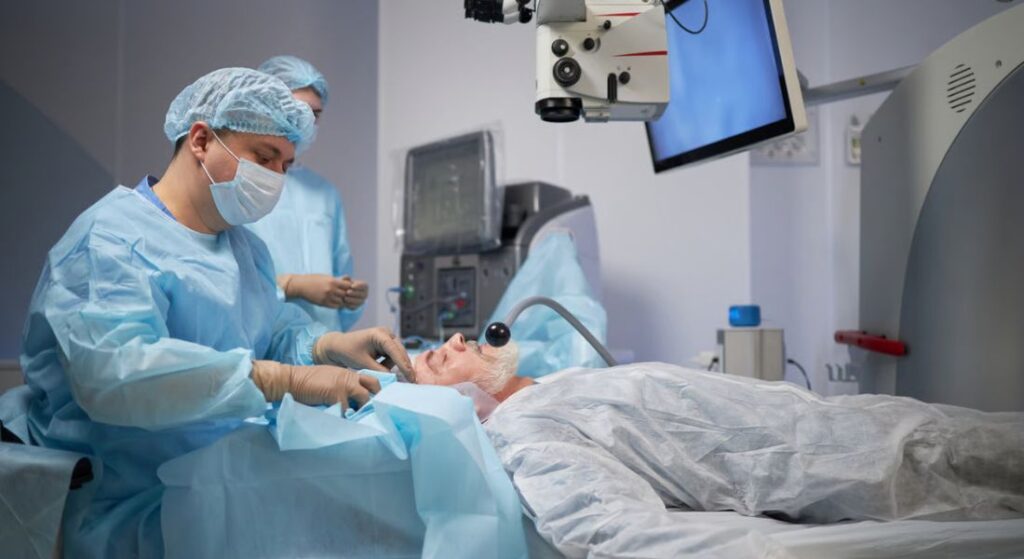
Another reassuring point is that you are not required to stay calm for long periods during RLE surgery. The procedure is carefully divided into short, structured stages, and each stage only lasts a brief amount of time. This makes it much easier for you to manage mentally and physically. You are never expected to maintain constant focus or calmness for an extended duration.
Between these stages, there are natural pauses where you can relax, reset, and feel more comfortable again. These breaks give your mind and body a chance to settle before the next step begins. This step-by-step approach helps reduce pressure and makes the experience feel more controlled. Everything is paced in a way that supports your comfort throughout.
Because of this structured approach, the overall experience is much more manageable than many of you might initially imagine. You are supported at every stage, so you never feel overwhelmed. The combination of short steps and regular pauses helps the procedure feel calm, steady, and well controlled from start to finish.
What I Do If You Cannot Relax Easily
If I notice that you are finding it difficult to relax during RLE surgery, I do not simply continue with the procedure as normal. Instead, I slow everything down and make adjustments to ensure you feel safe and comfortable. Your emotional state is an important part of the process, and it is always taken into account. The goal is to help you feel calm before moving forward, not to rush through any step.
- The Procedure Is Slowed Down: If you are feeling tense or unsettled, the surgical pace is immediately reduced. This gives you more time to adjust and regain comfort. Nothing is rushed, and the focus shifts entirely to your wellbeing.
- Calm Communication Is Maintained: I will speak to you in a steady, reassuring tone to help reduce anxiety. Simple explanations and gentle guidance can make a significant difference in helping you relax. This supportive communication helps create a sense of control and reassurance.
- Time Is Given to Settle: You are given as much time as needed to feel comfortable again before continuing. There is no pressure to proceed until you are ready. This pause helps restore calmness naturally.
- Flexibility Is Built Into the Process: The entire procedure is designed to adapt to your comfort level. Your relaxation and safety always determine the pace of surgery. This ensures that the experience remains controlled and patient-centred.
In conclusion, if relaxation becomes difficult, the surgical approach is immediately adjusted to support you. The procedure slows down, communication increases, and you are given time to settle. Everything is flexible and responsive to your needs. Ultimately, your comfort always comes first, and the surgery only progresses when you are ready.
Trust Builds Comfort During Surgery
Trust is one of the most important factors in helping you feel relaxed during RLE surgery. When you fully understand that you are safe, well supported, and not expected to manage anything on your own, your anxiety naturally begins to reduce. This sense of reassurance can make a significant difference to how you experience the procedure. It allows you to feel more at ease from the very beginning.
Most patients find that their confidence grows quite quickly once the surgery begins. As you start to see how calm, controlled, and carefully structured everything is, your initial worries often begin to fade. The steady communication, gentle guidance, and organised environment all work together to create a strong sense of safety. Over time, this helps you settle into the procedure more comfortably.
As trust builds, your mind becomes less focused on worry and more able to simply follow the process. You start to realise that everything is being managed for you at every stage. This naturally reduces tension and helps your body remain more relaxed without effort. Many patients are surprised at how quickly this shift happens once the procedure is underway.
What Patients Usually Experience Afterwards
After RLE surgery, many patients are often surprised by how manageable the whole experience actually feels in hindsight. It is very common to hear you say that the worry beforehand felt much greater than what you experienced during the procedure itself. This shift in perspective is something I see regularly in practice. It often brings a strong sense of relief once everything is complete.
Most patients report feeling calm, relieved, and even slightly surprised at how quickly everything was finished. The structured, step-by-step approach of the surgery often feels much smoother than expected once you have gone through it. Many people realise that the process was more controlled and comfortable than they had imagined beforehand. This can be very reassuring when reflecting back on the experience.
This reassurance often helps reduce anxiety not only for recovery, but also for any future procedures or follow-up appointments. Once you have experienced it, the fear of the unknown is usually much less intense. Over time, this builds greater confidence in medical care and the surgical process. Overall, patients tend to leave feeling reassured and more at ease than they expected.
Final Stage of Surgery and Emotional Relief
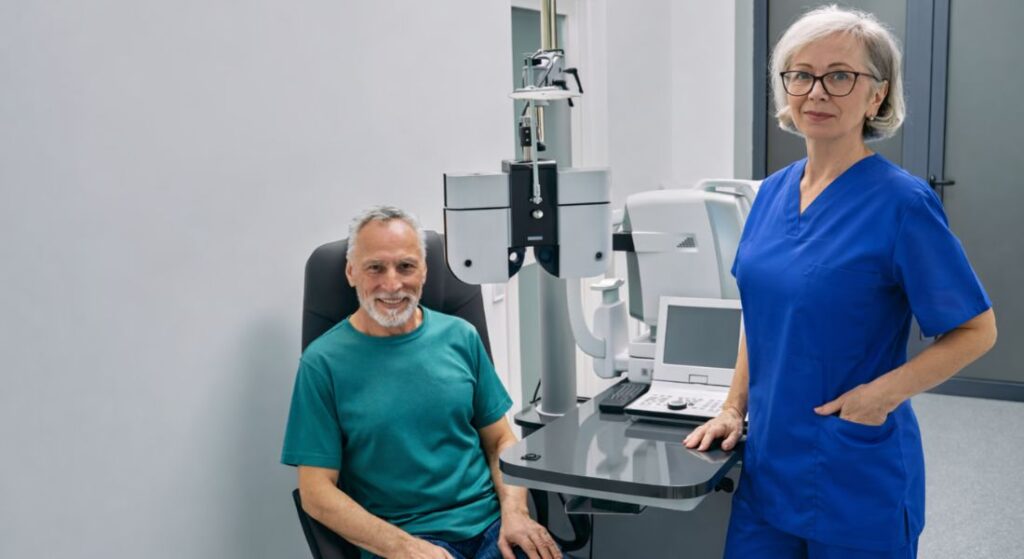
As the RLE procedure comes to an end, the final steps are carried out gently and efficiently. Your eye is carefully checked, and the surgery is completed within a short period of time. At this stage, there is no longer any need for you to focus on instructions or manage your eye position. The active part of the procedure is over, and the experience begins to feel much more relaxed.
- Gentle Final Checks: The surgeon performs a careful final inspection of the eye to ensure everything is correctly positioned. These checks are quick, precise, and completely painless. They confirm that the procedure has been completed successfully.
- No Further Action Required from You: Once the main procedure is finished, you are no longer asked to follow any visual instructions. There is nothing you need to do or concentrate on. This allows your body and mind to fully relax.
- Physical and Mental Relaxation: As the procedure ends, any tension you may have been holding naturally starts to ease. Your body can settle, and the sense of pressure gradually reduces. Many patients notice an immediate feeling of relief.
- Emotional Sense of Relief: For many people, this stage brings a strong emotional release, especially if they were anxious beforehand. The realisation that the procedure is complete often brings calm and reassurance. It can feel like a significant moment of accomplishment and relief.
In conclusion, the final stage of RLE surgery is calm, brief, and reassuring. You are no longer required to focus or participate, allowing complete relaxation. Any anxiety or tension usually fades quickly as the procedure concludes. Overall, it is often experienced as a positive and emotionally relieving end to the surgical journey.
FAQs:
1. What happens if I cannot relax during RLE surgery?
If you find it difficult to relax, the surgical team will slow the procedure, provide reassurance, and support you throughout. The surgery is designed to adapt to your comfort level, so you are never rushed or left to cope alone.
2. Is it a problem if I feel nervous during the procedure?
No, feeling nervous is completely normal. The team expects this and is trained to help you stay calm through gentle communication, pauses if needed, and continuous support.
3. Will I feel pain if I am anxious during surgery?
No. Local anaesthetic eye drops numb the eye completely, so you should not feel pain even if you feel anxious. You may notice sensations, but they are not painful.
4. Can the surgery be paused if I feel overwhelmed?
Yes, the procedure can be paused at any time. The surgeon can stop briefly to allow you to settle, breathe, and feel more comfortable before continuing.
5. What if I move or cannot stay still?
Small movements are expected and managed easily. The surgical team is trained to work safely even with minor movement, and they can pause the procedure if needed.
6. Do I need to actively try to relax during RLE surgery?
No, you do not need to force relaxation. Trying too hard can sometimes increase tension. Simply following guidance and allowing the team to support you is enough.
7. What support will I receive during surgery?
You will be continuously supported by a trained surgical team who guide you verbally, monitor your comfort, and ensure you feel safe throughout the procedure.
8. Can I speak or communicate during the operation?
Yes, you can communicate at any time. The surgical team will speak to you throughout and you can respond if you need reassurance or have concerns.
9. What if I feel panicky during RLE surgery?
If panic occurs, the procedure can be stopped immediately. The team will calm you with reassurance and only continue once you feel settled again.
10. Will I remember feeling anxious afterwards?
Most patients remember the experience as much easier than expected. Even if you feel anxious during surgery, it often feels very manageable in hindsight due to the support provided.
Final Thoughts: Staying Calm and Supported During RLE Surgery
The most important thing to understand is that you do not need to achieve perfect relaxation for RLE surgery to be safe or successful. Feeling nervous, tense, or uncertain is completely normal, and the surgical process is designed to fully support you through it. With calm communication, the ability to pause when needed, and a highly controlled environment, you are never expected to cope alone or “get everything right” on your own.
What matters most is that you are guided step by step and allowed to settle at your own pace. Once the procedure begins, many patients find their anxiety naturally reduces as they realise how structured and supported everything is. If you’re thinking about RLE surgery in London, you can get in touch with us at London Cataract Centre.
References:
- Floros, G., Kandarakis, S., Glynatsis, N., Glynatsis, F. and Mylona, I. (2024) Significant preoperative anxiety associated with perceived risk and gender in cataract surgery. Journal of Clinical Medicine, 13(17), 5317. Available at: https://www.mdpi.com/2077-0383/13/17/5317
- Ramirez, D.A., Brodie, F.L., Rose-Nussbaumer, J. and Ramanathan, S. (2017) Anxiety in patients undergoing cataract surgery: a pre- and postoperative comparison. Clinical Ophthalmology, 11, pp. 1979–1986. Available at: https://pubmed.ncbi.nlm.nih.gov/29184388/
- Habib, M.S., Morgan, J.E. and Wormald, R. (2004) Effect of midazolam on anxiety level and pain perception in cataract surgery with topical anesthesia. Journal of Cataract & Refractive Surgery, 30(2), pp. 437–443. Available at: https://www.sciencedirect.com/science/article/abs/pii/S0886335003005571
- Katsanevaki, V.J. and Tuft, S.J. (2007) Refractive surgery: what patients need to know, British Medical Bulletin, 83(1), pp. 325–339. Available at: https://academic.oup.com/bmb/article-abstract/83/1/325/384535
- Apil, A. (2014) Topical anesthesia for cataract surgery: the patients perspective, Clinical Ophthalmology, 8, pp. 1907–1912. Available at: https://pmc.ncbi.nlm.nih.gov/articles/PMC4094730/