



If you’re getting ready for refractive lens exchange (RLE) surgery, it’s completely normal to feel a bit anxious about the procedure. One concern many people have is whether coughing or sneezing could interfere with the surgery. The thought of moving your eye, even slightly, can feel worrying because the eye is such a delicate structure. It’s natural to have these questions before your treatment.
The good news is that RLE surgery is carefully planned and performed using advanced technology. Surgeons are trained to manage unexpected situations, including sudden movements like a cough or sneeze. You can feel reassured knowing that safety measures are in place at every stage of the procedure. The teams are prepared to keep your eye safe no matter what happens.
During the surgery, your head and eye are stabilised to reduce movement as much as possible. If you do sneeze or cough, the surgeon can pause or adjust as needed to maintain precision. You don’t need to feel overly worried, as these moments are anticipated and managed carefully. The focus is always on keeping the procedure safe and effective.
Understanding how surgeons handle these situations can help you feel calmer going into surgery. Knowing that there are protocols in place for sudden movements can ease your anxiety. When you feel informed and prepared, you’re more likely to stay relaxed, which actually helps the procedure go smoothly. Ultimately, your safety and comfort are the priority throughout the entire process.
What Is RLE Surgery?
Refractive lens exchange (RLE) is a procedure where your natural lens is replaced with an artificial intraocular lens. It’s similar to cataract surgery, but the main goal is to correct vision problems like long-sightedness or presbyopia. This means you can improve your eyesight and rely less on glasses or contact lenses. Understanding what the surgery does can help you feel more confident about the process.
The procedure is usually done under local anaesthetic with just a few eye drops, so you stay awake but comfortable. You’ll be aware of what’s happening, but you shouldn’t feel any pain. The surgery is very precise and often doesn’t take long, so you’re in and out fairly quickly.
Even though your eye is numbed, you may still notice light and movement during the procedure. This is completely normal and nothing to worry about. Knowing what to expect can help you stay relaxed and calm, which makes the experience easier and less stressful.
Are You Fully Awake During Surgery?
Yes, you’re usually awake during RLE surgery, but the environment is calm and controlled to keep you comfortable. Sometimes mild sedation is offered to help you feel more relaxed, so you can stay at ease throughout the procedure. Most patients find that they remain comfortable and at ease the entire time.
Even though you’re awake, your eye is carefully stabilised using specialised instruments. These help prevent blinking and keep the eye steady, reducing the effect of any small movements you might make. You don’t need to worry about accidental movements affecting the surgery. The tools and techniques used are designed to keep everything precise.
The surgical team keeps a close watch on you throughout the procedure. If there’s any unexpected movement, they can respond immediately to manage it safely. You’re never left unsupported, and your safety is the priority from start to finish. Knowing this can help you feel more confident and relaxed before your surgery.
Can You Actually Cough or Sneeze During Surgery?

It is possible, although quite uncommon, for you to feel the urge to cough or sneeze during surgery. The environment is carefully controlled, and you’re usually relaxed, which makes this less likely to happen. Even so, surgeons are always prepared for this kind of situation. Knowing this can help you feel a bit more at ease before your procedure.
If you do feel the urge to cough or sneeze, you can usually let the surgical team know. They encourage communication, so you won’t feel like you have to stay silent. If needed, the surgeon can pause the procedure to keep everything safe and controlled. This means you’re always supported, even in unexpected moments.
Understanding that this situation is manageable can really help reduce any anxiety you might have. The procedure is designed with safety in mind, including how to handle sudden movements. You’re in a setting where everything is planned and monitored closely. This reassurance can help you feel more calm and confident going into surgery.
What Happens If You Cough During RLE Surgery?
If you happen to cough during the procedure, the surgeon can pause straight away. The instruments are carefully stabilised or gently withdrawn if needed to protect your eye. Everything is handled with precision, so you don’t need to worry about sudden movement causing harm. You’re always in safe hands throughout the process.
The surgical team stays calm and follows well-established protocols in these situations. They’re trained to expect and manage unexpected movements, including coughing. This means they can respond quickly and safely without any disruption. Knowing this can help you feel more reassured before your surgery.
Once you feel comfortable again, the procedure can continue as planned. A brief pause like this doesn’t usually affect the final outcome of your surgery. Your safety is always the top priority at every stage. Understanding this can help you feel more relaxed and confident going into the procedure.
What Happens If You Sneeze During Surgery?
If you’re worried about sneezing during surgery, you’re definitely not alone. It’s a common concern, especially when the procedure involves your eyes. The good news is that sneezing is quite rare, and even if it does happen, your surgical team is fully prepared to manage it safely. You’re carefully monitored throughout, so your safety is always the top priority.
- The procedure is paused immediately: If you happen to sneeze, your surgeon will stop the procedure straight away. This quick response helps prevent any sudden movement from affecting the surgical area. You can feel reassured knowing that nothing continues unless it’s completely safe to do so.
- Surgical instruments are secured: During that brief pause, all instruments are carefully stabilised or gently withdrawn if needed. This reduces any risk to your eye and ensures everything stays under control. The team works with precision, even in unexpected moments.
- Your eye is stabilised and protected: Your eye is kept steady using specialised techniques and equipment. The surgical team focuses on maintaining a safe and controlled environment at all times. Even if there’s a sudden reaction like a sneeze, your eye remains protected.
- The procedure resumes only when it’s safe: Once you’re comfortable again and everything is back to normal, the surgeon will continue with the procedure. These short pauses don’t usually affect the overall outcome. Everything is done at a pace that prioritises your safety.
In the end, you can trust that your surgeon is trained to handle situations like this calmly and effectively. Even something unexpected like a sneeze is managed with care and precision. You’re in safe hands throughout the procedure, with every step planned to protect your vision.
How Surgeons Prepare for Sudden Movements
Surgeons are highly trained to anticipate and manage sudden movements during procedures like RLE. They use specific techniques that allow them to respond quickly and safely if anything unexpected happens. This includes maintaining steady control of their instruments and carefully positioning everything throughout the surgery. Knowing this can help you feel more confident about how well prepared they are.
The operating environment is also designed to minimise any risk. Advanced equipment is used to help stabilise your eye and keep everything as steady as possible. This means that even if there is a small movement, its impact is greatly reduced. You’re in a setting where every detail is planned with your safety in mind.
Preparation plays a huge role in keeping the procedure safe and controlled. The surgical team follows strict protocols to handle any unexpected situations effectively. Everyone in the room knows exactly what to do, which helps things run smoothly. This level of planning can reassure you that you’re in safe and capable hands throughout your surgery.
The Role of Eye Stabilisation
During RLE surgery, a small device is used to gently keep your eyelids open. This means you won’t need to worry about blinking during the procedure. It helps maintain a clear view for the surgeon and keeps everything steady. You might find it reassuring to know that this is a standard and carefully controlled part of the process.
Your eye itself is also gently stabilised so the surgeon can work with precision. Even if you make a slight movement, your eye remains well controlled throughout. This allows the procedure to continue safely without unnecessary risk. You’re supported at every step to ensure everything stays on track.
This stabilisation plays an important role in keeping the surgery safe and accurate. It helps the surgeon carry out each step with confidence and precision. The entire setup is designed to support the best possible outcome for you. Knowing this can help you feel more relaxed and reassured before your treatment.
The Importance of Communication

Communication between you and the surgical team is really important during RLE surgery. If you feel uncomfortable or sense that you might need to cough or sneeze, you can let them know straight away. You’re not expected to stay silent or push through discomfort. The team is there to listen and respond immediately to keep everything safe.
You’ll also be encouraged to stay as relaxed as possible and follow simple instructions throughout the procedure. This might include focusing on a light or keeping your gaze steady. These small steps help maintain stability and allow the surgeon to work more precisely. You’ll be guided gently the whole time, so you won’t feel unsure about what to do.
Clear communication can make a big difference to how calm and confident you feel. When you know you can speak up, it takes away a lot of the pressure. You’re not going through the procedure alone there’s a team actively supporting you at every step. This reassurance can help ease any anxiety you might have.
At every stage, your comfort and safety are the priority. The team is trained to respond quickly to anything you might need. By keeping communication open, you help ensure the procedure runs as smoothly as possible. It’s a simple but powerful way to make the experience feel more controlled and reassuring.
Sedation and Relaxation Techniques
Mild sedation may be used during your surgery to help you feel calm and relaxed. It takes the edge off any anxiety and reduces the chances of sudden movements, like coughing or sneezing. You’ll still be awake, but much more at ease throughout the procedure. This relaxed state helps everything go more smoothly.
You’ll also be guided to breathe normally and stay as still as possible during the surgery. The environment is designed to feel calm and reassuring, which helps you feel more comfortable. Simple instructions, like focusing on your breathing, can make a big difference. You’re supported the entire time so you don’t feel unsure or tense.
Relaxation techniques play an important role in reducing the likelihood of unexpected movements. They also make the overall experience feel much more manageable for you. When you’re calm, your body is less likely to react suddenly. Keeping you comfortable and at ease is always a top priority throughout the procedure.
How Long the Procedure Takes
RLE surgery is usually quite quick, often taking around 15 to 30 minutes per eye. Because the procedure doesn’t last very long, the chances of needing to cough or sneeze during it are reduced. This shorter timeframe helps keep everything more controlled and manageable. Knowing it’s a relatively quick process can make it feel less daunting for you.
The surgical team works efficiently while still maintaining a high level of precision. Every step is carefully planned to minimise any potential disruptions. You’ll find that everything moves smoothly without feeling rushed. This balance between speed and accuracy helps ensure a safe and effective procedure.
Understanding how long the surgery takes can really help ease your concerns. When you know what to expect, it’s easier to stay calm and relaxed. The entire process is designed to be controlled, efficient, and patient-focused. This helps create a smoother, more comfortable experience for you overall.
What If You Feel Unwell During Surgery?
If you start to feel unwell at any point during the procedure, you can let the surgical team know straight away. You’re not expected to push through discomfort or stay quiet. The procedure can be paused if needed, giving you time to feel better. Your comfort and safety always come first.
The team is trained to respond quickly and calmly to anything you might be feeling. They’ll make sure you’re stable and comfortable before deciding to continue. You’re constantly monitored, so nothing goes unnoticed. This level of care helps ensure everything stays safe and controlled.
Knowing this in advance can really help ease any anxiety you might have. You’re never forced to continue if you’re uncomfortable or unsure. There’s always support available, and the team is there to look after you throughout. This reassurance can help you feel more relaxed and confident going into your surgery.
Are There Risks from Sudden Movements?
While sudden movements might sound worrying, the actual risk during RLE surgery is very low. This is because a range of precautions are in place to keep everything controlled. Surgeons are trained to manage these situations calmly and safely. Knowing this can help you feel more reassured about the procedure.
A combination of eye stabilisation, continuous monitoring, and quick response helps keep you safe at all times. Even if something unexpected happens, it’s handled in a controlled and careful way. The equipment used is specifically designed to minimise any impact from small movements. You’re supported by both technology and an experienced surgical team.
Understanding how these safeguards work can really help reduce any fear you might have. The entire procedure is designed with your safety as the top priority. Every step is planned to protect you and ensure the best possible outcome. This preparation allows you to feel more confident and at ease going into surgery.
How Technology Improves Safety
Modern surgical technology plays a big role in keeping your procedure safe. Advanced microscopes and precision instruments allow the surgeon to work with a high level of accuracy. This means every step is carefully controlled, reducing the risk of complications. You can feel reassured knowing that the latest technology is supporting your treatment.
Technology also helps the surgical team respond quickly if there’s any movement. Instruments can be stabilised or gently withdrawn almost instantly if needed. This added level of control helps keep everything safe, even in unexpected situations. You’re supported by systems that are designed to react quickly and effectively.
Ongoing innovation continues to improve patient safety and outcomes. New advances make procedures like RLE more reliable and predictable. This means you benefit from safer techniques and better results over time. Technology is a key part of making your experience as smooth and secure as possible.
Patient Positioning During Surgery
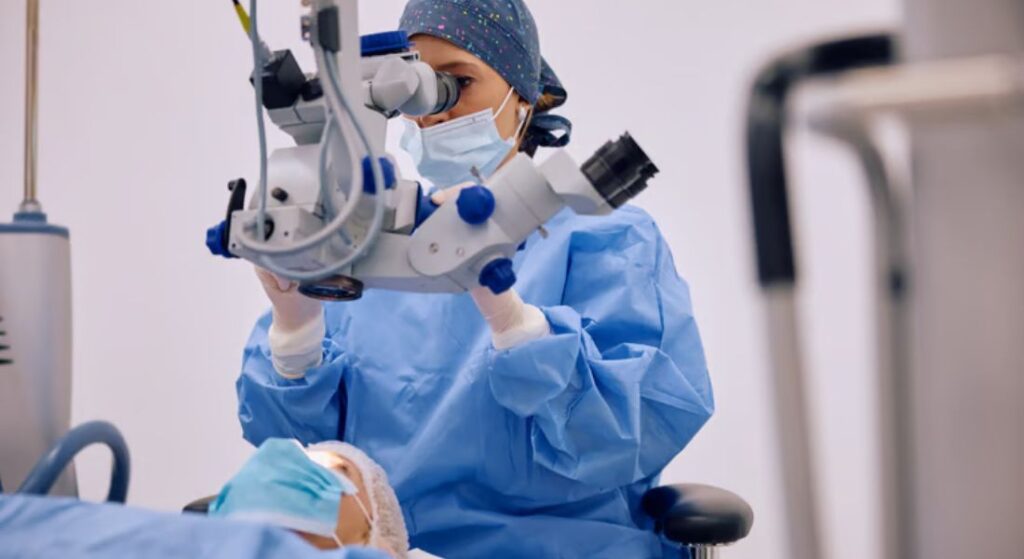
When you’re preparing for surgery, your comfort and stability are carefully considered from the very start. You’ll be gently positioned on your back, which is the safest and most effective position for the procedure. This setup not only keeps you comfortable but also helps reduce the chances of sudden movements like coughing or sneezing. Everything is arranged to help you stay relaxed and supported throughout.
- You’re positioned comfortably on your back: You’ll be asked to lie on your back in a relaxed position, which helps your body stay still naturally. This position also makes it easier for you to breathe steadily and remain calm during the procedure. By keeping you comfortable, it reduces the likelihood of sudden reactions like coughing or sneezing.
- Your head is carefully supported: Your head will be gently supported using specialised equipment to keep it stable. This support helps minimise any unwanted movement, even small ones. You don’t have to worry about holding still on your own the setup does most of the work for you.
- Your eye is kept properly aligned: Proper positioning ensures that your eye stays in the correct position throughout the procedure. This alignment is important for accuracy and allows the surgeon to work with precision. Everything is adjusted carefully to maintain this stability at all times.
- Comfort helps you stay still and relaxed: When you’re comfortable, it’s much easier to remain still without effort. Reducing physical strain means you’re less likely to move unintentionally. This steady position supports the surgeon in performing the procedure safely and accurately.
Overall, the way you’re positioned plays a key role in making the procedure smooth and controlled. You’ll be supported at every step, so you don’t have to worry about staying perfectly still on your own. With the right positioning, you can feel more at ease, knowing everything is designed with your safety and comfort in mind.
Pre-Surgery Instructions to Reduce Risk
Before your surgery, you may be given a few simple instructions to help reduce the chances of coughing or sneezing during the procedure. This could include avoiding heavy meals beforehand or managing any allergies you might have. These small steps can make a big difference in keeping everything smooth and controlled. Taking preparation seriously helps set you up for a better experience.
If you have a cold or start to feel unwell before your surgery, it’s important to let your doctor know. You don’t need to push through it, as your safety always comes first. In some cases, the procedure may be postponed to avoid any unnecessary risks. This ensures that you’re in the best possible condition for surgery.
Following the advice you’re given before surgery helps minimise potential risks. When you prepare properly, the procedure is more likely to go smoothly and comfortably. You’re playing an important role in supporting your own safety. Careful planning and preparation really do make a difference to your overall experience.
Managing Anxiety Before Surgery
It’s completely normal to feel anxious before surgery, but managing that stress can really help your experience. When you’re feeling tense, your body is more likely to react in ways like coughing or restlessness. Finding ways to relax beforehand can make a noticeable difference. Simple techniques like deep breathing or gentle distraction can help you feel more at ease.
Talking to your doctor about any concerns you have can be very reassuring. When you understand what’s going to happen, it often feels much less intimidating. You’ll likely find that your confidence grows as your worries are addressed. Feeling informed helps you stay calmer and more comfortable on the day.
A calm mindset can support a smoother and more positive experience overall. When you feel prepared, you’re more likely to stay relaxed during the procedure. This sense of control can make a big difference to how you feel before and during surgery. Taking care of your emotional wellbeing is just as important as the physical preparation.
Recovery After the Procedure
Modern surgical technology plays a big role in keeping your procedure safe. Advanced microscopes and precision instruments allow the surgeon to work with a high level of accuracy. This means every step is carefully controlled, reducing the risk of complications. You can feel reassured knowing that the latest technology is supporting your treatment.
Technology also helps the surgical team respond quickly if there’s any movement. Instruments can be stabilised or gently withdrawn almost instantly if needed. This added level of control helps keep everything safe, even in unexpected situations. You’re supported by systems that are designed to react quickly and effectively.
Ongoing innovation continues to improve patient safety and outcomes. New advances make procedures like RLE more reliable and predictable. This means you benefit from safer techniques and better results over time. Technology is a key part of making your experience as smooth and secure as possible.
Real Patient Experiences
It’s completely natural to wonder what actually happens during surgery, especially when it comes to things like coughing or sneezing. In reality, most patients don’t experience this at all. And if it does happen, it’s handled quickly and calmly by the surgical team. You can feel reassured knowing that the procedure is designed to continue safely, even in unexpected moments.
- Most patients don’t experience coughing or sneezing: For the majority of people, the procedure goes smoothly without any sudden reactions. You’ll be in a relaxed and controlled environment, which helps minimise these reflexes. This means you’re unlikely to face any interruptions at all.
- Any unexpected reactions are managed smoothly: If something like a cough or sneeze does happen, the surgical team responds immediately. They follow well-practised protocols to keep everything safe and under control. You won’t need to worry, as these situations are anticipated and handled with care.
- Safety protocols are highly effective: Real patient experiences show just how well these procedures are managed. Every step is planned with safety in mind, ensuring that even unexpected events don’t affect the outcome. This level of preparation helps maintain a smooth surgical process.
- Experienced surgeons handle situations with confidence: Surgeons are trained to deal with a wide range of scenarios, including sudden movements. Their calm and confident approach helps keep everything on track. Knowing this can help you feel more at ease going into the procedure.
Hearing about real patient experiences can make a big difference in how you feel. It shows you that everything is carefully controlled and that your safety is always the priority. With the right team and preparation, you can approach your procedure with greater confidence and peace of mind.
Why These Concerns Are Common
It’s completely natural for you to worry about sudden movements during eye surgery. The idea of being awake while something so delicate is happening can feel a bit unfamiliar. You might find yourself imagining worst-case scenarios, which is very common. You’re definitely not alone in having these concerns before your procedure.
Understanding how the surgery is managed can really help ease those worries. When you know what to expect and how situations are handled, it replaces uncertainty with reassurance. You’ll likely feel more confident once everything is clearly explained to you. This sense of clarity can make the whole experience feel much less daunting.
Doctors are very used to hearing these kinds of concerns and take them seriously. They’ll take the time to explain everything in a way that helps you feel comfortable and informed. You’re encouraged to ask questions and share any worries you have. Support is always there, which can help you feel more at ease going into your surgery.
Why You Can Feel Reassured
RLE surgery is designed with several layers of safety to keep you protected throughout. From eye stabilisation to advanced technology, every step is carefully controlled and monitored. You’re cared for by a highly trained surgical team who know exactly how to handle any unexpected situation. This structured approach helps ensure that everything runs smoothly.
Even if you were to cough or sneeze, the procedure can be paused immediately. Your surgeon can safely stabilise or withdraw instruments to protect your eye. You’re never rushed, and your safety always comes first. Once you’re comfortable again, the procedure can continue without affecting the outcome.
Understanding these safety measures can help you feel much more at ease. You can trust that the process is controlled, precise, and well-managed. Knowing you’re in experienced hands makes a big difference to your confidence. Overall, you can feel reassured that your care and safety are the top priorities throughout.
FAQs:
1. What happens if I cough during RLE surgery?
If you happen to cough during the procedure, your surgeon will pause immediately. The instruments are carefully stabilised or gently withdrawn to protect your eye. The team is trained to handle this calmly, so there’s no need to panic. Once you feel comfortable again, the surgery continues safely.
2. What if I sneeze during RLE surgery?
Sneezing during surgery is quite rare, but if it does happen, the procedure is stopped straight away. Your surgeon will ensure everything is secure and your eye remains protected. You’ll be monitored closely until you’re ready to continue. These brief pauses don’t usually affect your results.
3. Am I awake during RLE surgery?
Yes, you’re usually awake, but your eye is fully numbed with anaesthetic drops. You may also be given mild sedation to help you feel relaxed. Most people feel calm and comfortable throughout the procedure. You won’t feel pain, just some light or movement.
4. Can I control the urge to cough or sneeze during surgery?
In most cases, you’ll feel relaxed enough that the urge doesn’t come up. However, if you do feel it, you can let the surgical team know straight away. They encourage communication, so you’re not expected to stay silent. This helps them pause and manage everything safely.
5. How do surgeons keep my eye still during the procedure?
Your eye is gently stabilised using specialised instruments to prevent blinking or sudden movement. Your head is also supported to keep everything steady. This setup allows the surgeon to work with precision. Even if you move slightly, the impact is minimal.
6. Is coughing or sneezing during RLE surgery dangerous?
It might sound worrying, but the actual risk is very low. Surgeons are trained to handle these situations quickly and safely. The procedure is designed with multiple safety measures in place. You’re constantly monitored to ensure everything stays under control.
7. Will the surgery be affected if there’s a sudden movement?
In most cases, no. If there’s any movement, the surgeon simply pauses and resumes once it’s safe. These short interruptions don’t usually affect the outcome of your surgery. The focus is always on maintaining precision and safety.
8. How long does RLE surgery take?
RLE surgery is usually quite quick, often taking around 15 to 30 minutes per eye. Because it’s a short procedure, the chances of needing to cough or sneeze are reduced. The team works efficiently while maintaining full control. This helps make the experience feel more manageable for you.
9. What should I do if I feel unwell during surgery?
If you feel unwell at any point, you can tell the surgical team straight away. They will pause the procedure and make sure you’re comfortable before continuing. You’re never expected to push through discomfort. Your safety and wellbeing always come first.
10. Should I be worried about coughing or sneezing during RLE surgery?
It’s completely normal to worry about this, but you don’t need to be overly concerned. These situations are rare and fully planned for by the surgical team. With proper stabilisation, monitoring, and quick responses, everything is kept safe. Knowing this can help you feel much more relaxed going into your surgery.
Final Thoughts: Safety and Control During RLE Surgery
Understanding how coughing or sneezing is managed during RLE surgery can help you feel more confident about the procedure. Advanced stabilisation techniques, precise surgical control, and well-established safety protocols ensure that even unexpected movements are handled quickly and effectively. This controlled approach helps protect your eye, maintain accuracy, and support safe, reliable outcomes.
RLE surgery is designed with multiple layers of safety, from careful patient positioning to continuous monitoring throughout the procedure. Even if a sudden movement occurs, the surgeon can pause and respond immediately without compromising the outcome. This level of preparation and expertise allows the procedure to remain smooth, controlled, and focused on your wellbeing.
If you’re considering RLE surgery in London, you can get in touch with us at London Cataract Centre. Expert care ensures your procedure is carefully planned, your safety is prioritised at every stage, and your treatment is tailored to achieve the best possible visual results.
References:
- Vajpayee, R.B., Sharma, N., Dada, T. and Gupta, V. (2016) Modern phacoemulsification and intraocular lens implantation (refractive lens exchange) is safe and effective in treating high myopia, Asia-Pacific Journal of Ophthalmology, 5(6), pp. 438–444. Available at: https://www.sciencedirect.com/science/article/pii/S2162098923003420
- Alió, J.L., Plaza-Puche, A.B., Piñero, D.P. and Amparo, F. (2017) Refractive lens exchange with multifocal intraocular lenses: outcomes and patient satisfaction, Journal of Clinical Medicine, 6(6), p. 60. Available at: https://www.mdpi.com/2077-0383/6/6/60
- Katsanevaki, V.J. and Tuft, S.J. (2007) Refractive surgery: what patients need to know, British Medical Bulletin, 83(1), pp. 325–339. Available at: https://academic.oup.com/bmb/article-abstract/83/1/325/384535
- Baur, I.D., Mueller, A., Labuz, G., Naujokaitis, T., Auffarth, G.U. and Khoramnia, R. (2024) Refractive lens exchange: A review, Klinische Monatsblätter für Augenheilkunde, 241(8), pp. 893–904. Available at: https://pubmed.ncbi.nlm.nih.gov/39146574/
- Chan, E. and Varma, S. (2024) Refractive lens exchange the evidence behind the practice, Eye, 39(2), pp. 208–209. Available at: https://pmc.ncbi.nlm.nih.gov/articles/PMC11751179/