


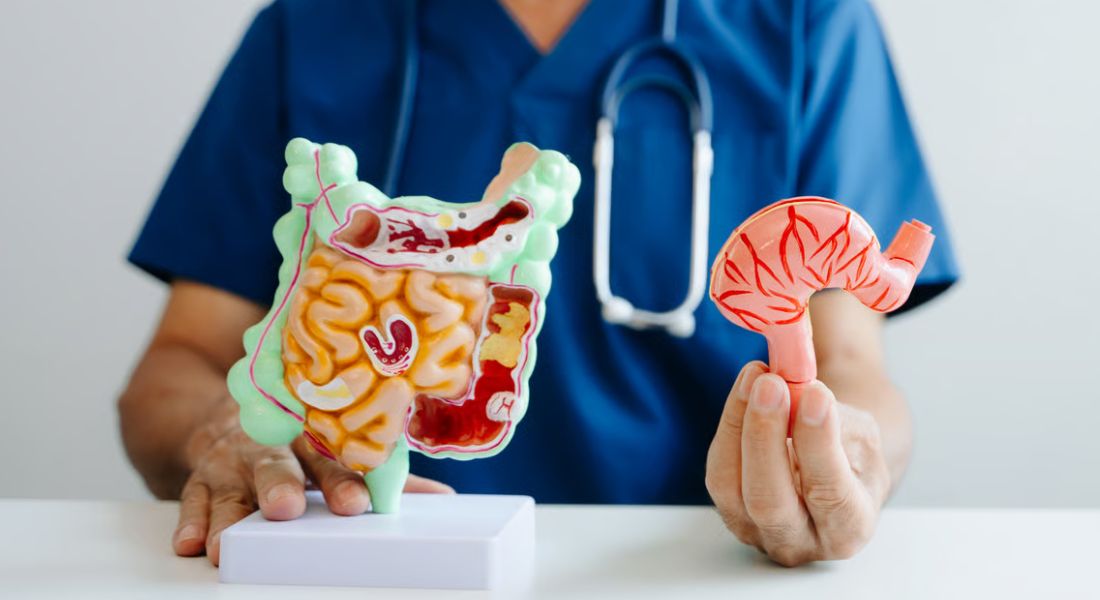
If you have ulcerative colitis (UC) and are considering refractive lens exchange (RLE) surgery, you are likely weighing the benefits of clearer vision against concerns linked to your long-term condition. UC is a type of inflammatory bowel disease that mainly affects the colon, but it can also influence your immune system, healing response, and how your body reacts to surgery. This means you need to think more carefully before moving forward with any procedure. Understanding these factors helps you feel more prepared and in control of your decision.
When you live with UC, your body may respond differently to stress, including surgical procedures. Flare-ups, inflammation, and fatigue can all affect how well you recover after surgery. This is why it is important to assess whether your condition is stable before planning RLE. Taking the time to evaluate your overall health can help reduce potential risks and support a smoother recovery.
RLE surgery can provide noticeable improvements in visual clarity and may reduce your dependence on glasses or contact lenses. This can make everyday activities easier and more comfortable for you. However, your current medications and treatment plan for UC may need to be reviewed before surgery. Making sure everything is well coordinated helps ensure the procedure is as safe as possible.
Careful planning plays a key role when you are combining RLE surgery with a chronic condition like UC. You may need input from both your eye specialist and the doctor managing your UC to choose the right timing and approach. By understanding how your condition interacts with eye surgery, you can make confident and informed decisions. This allows you to move forward with greater reassurance and clarity.
Understanding Ulcerative Colitis and Its Implications
Ulcerative colitis is a long-term condition that causes ongoing inflammation in the lining of your colon. You may experience symptoms such as diarrhoea, abdominal discomfort, and fatigue, which can vary in severity. Although it mainly affects your digestive system, it can also influence your overall immune response. This means your body may react differently to stress, including surgical procedures.
Like Crohn’s disease, ulcerative colitis can have effects beyond the digestive tract and may impact other areas of your body. When you are considering RLE surgery, one of the main concerns is how chronic inflammation might affect the healing of your eye. Your medications, particularly immunosuppressants and corticosteroids, can also play a role in how well you recover. These treatments may slow healing or increase the risk of infection, which needs careful evaluation.
It is also important to consider whether your condition has led to any nutritional deficiencies or related complications. These factors can influence how your body responds to surgery and how smoothly you recover afterwards. A thorough pre-surgical assessment helps identify any potential risks early on. By understanding these aspects, your surgical team can plan an approach that supports both safety and successful outcomes.
Why RLE Surgery Can Be Safe for UC Patients
Even though ulcerative colitis (UC) can present certain challenges, it does not automatically mean you cannot have refractive lens exchange (RLE) surgery. The procedure itself is minimally invasive, and modern surgical techniques are designed to reduce the risk of complications. With the right preparation, many people with UC can undergo RLE safely and successfully. Careful planning helps ensure your condition is well managed before moving forward.
A key part of this process involves making sure your UC is stable before surgery takes place. Working closely with your gastroenterologist allows your eye specialist to understand your current health and treatment plan. This collaboration helps reduce potential risks linked to inflammation or medication use. When your condition is well controlled, your body is generally better prepared for both the procedure and recovery.
It is also important to remember that your situation is unique, and no two patients with UC are exactly the same. Factors such as the severity of your condition, the medications you are taking, and your overall health all play a role in surgical planning. By tailoring the approach to suit your needs, your medical team can minimise risks and improve outcomes. This personalised care helps you move forward with greater confidence and reassurance.
Pre-Operative Assessment: Preparing for Surgery
Before undergoing surgery, a thorough pre-operative assessment is essential to ensure both safety and optimal outcomes. For individuals with ulcerative colitis (UC), this stage becomes even more important, as systemic health can directly influence healing and recovery. The process involves evaluating disease stability, reviewing medications, and assessing overall health. By taking a comprehensive approach, clinicians can minimise risks and ensure the body is well-prepared for the procedure.
- Review of Disease Activity and Flare-Ups: Understanding the current state of UC is critical before surgery. Recent flare-ups or active inflammation may increase the risk of complications and delay healing. Ensuring the condition is stable helps create a safer surgical environment.
- Medication Assessment: Many UC patients take medications such as immunosuppressants, biologics, or corticosteroids. These treatments can affect the immune system and influence how the body responds to surgery and heals afterwards. Careful evaluation allows doctors to adjust medications if needed to reduce risks.
- Nutritional Status and General Health: Good nutrition plays a vital role in recovery and tissue healing. Patients with UC may experience deficiencies that could impact surgical outcomes. Assessing overall health markers ensures the body is strong enough to handle the procedure.
- Collaboration with a Gastroenterologist: Working closely with a gastroenterologist ensures that UC is well-managed before surgery. Their input helps confirm that the patient is stable and ready for the procedure. This multidisciplinary approach enhances both safety and confidence in the treatment plan.
A detailed pre-operative assessment is a crucial step in preparing UC patients for surgery. By carefully reviewing disease activity, medications, and overall health, doctors can identify and address potential risks early. Collaboration between specialists further strengthens the preparation process. Ultimately, this thorough approach helps ensure a smoother procedure and supports better recovery outcomes.
Medication Considerations

Medications used to manage ulcerative colitis (UC) play an important role in controlling inflammation, but they can also influence surgical outcomes. Some treatments may affect how the body heals or responds to infection following a procedure. This makes it essential to carefully review all medications before surgery. A coordinated approach ensures that risks are minimised while maintaining control of the underlying condition.
- Corticosteroids: Corticosteroids are effective in reducing inflammation and managing flare-ups. However, they can slow down tissue repair and may delay the healing process after surgery. Careful planning is often required to balance their benefits with potential surgical risks.
- Immunosuppressants or Biologics: These medications work by dampening the immune system to control UC symptoms. While beneficial for disease management, they can increase susceptibility to post-operative infections. Adjusting timing or dosage may help reduce this risk without triggering a flare-up.
- Other Anti-Inflammatory Drugs: Many other anti-inflammatory treatments are generally considered safe in the surgical setting. However, they may still require monitoring to ensure they do not interfere with recovery. Individual responses can vary, so personalised evaluation is important.
Managing medications carefully is a key part of surgical preparation for UC patients. By reviewing each treatment and understanding its potential effects, healthcare providers can make informed adjustments where necessary. Close collaboration between your ophthalmologist and gastroenterologist ensures a balanced and safe approach. Open communication about your medication plan ultimately supports better outcomes and reduces the risk of complications.
Managing the Immune Response
Ulcerative colitis (UC) can affect how your immune system functions and how your body responds to inflammation. This is important when you are preparing for RLE surgery, as your healing process may not follow the typical pattern. Your body might take slightly longer to recover, particularly in delicate areas such as the cornea and lens capsule. Being aware of this helps you set realistic expectations for your recovery.
You may also notice that post-operative inflammation is more pronounced compared to someone without UC. This does not necessarily mean there will be complications, but it does require closer monitoring. Your surgeon may adjust your treatment plan to manage this response more effectively. This can include more frequent check-ups or tailored aftercare instructions.
In some cases, you may need additional support such as anti-inflammatory eye drops or other medications to control inflammation. Following your prescribed treatment carefully is essential for protecting your eye and ensuring proper healing. Your medical team will guide you on how to use these treatments safely alongside your UC medications. By closely managing your immune response, you can reduce risks and support a smoother, more comfortable recovery.
Nutritional Status and Healing

Ulcerative colitis (UC) can affect how well your body absorbs nutrients, which plays an important role in tissue repair and recovery. After RLE surgery, your body relies on key nutrients such as protein, vitamin C, vitamin A, and zinc to heal properly. If these levels are low, your healing process may be slower or less efficient. This is why paying attention to your nutritional status before surgery is especially important.
You may be advised to optimise your nutrition in the weeks leading up to your procedure. Blood tests can help identify any deficiencies, such as anaemia, low vitamin B12, or iron deficiency, which could affect your recovery. Addressing these issues early allows your body to be in a stronger position for healing. Small adjustments to your diet or supplements can make a meaningful difference.
Working with a dietitian can provide you with personalised guidance based on your condition and nutritional needs. They can help you build a plan that supports both your UC management and surgical recovery. This ensures your body has the right balance of nutrients to heal effectively. Taking these steps can improve your overall outcome and support a smoother recovery process.
Choosing the Right Surgical Team
Selecting an ophthalmologist who has experience treating patients with chronic inflammatory conditions is an important step when you are planning RLE surgery. You want someone who understands how ulcerative colitis (UC) may influence healing and recovery. This knowledge allows them to adjust their approach based on your individual needs. Feeling confident in your surgeon’s experience can also give you greater reassurance throughout the process.
It is helpful to choose a specialist who is familiar with managing patients who are taking immunosuppressive medications. These treatments can affect how your body heals and responds after surgery, so they need to be carefully considered. A well-informed surgeon will take these factors into account when planning your procedure and aftercare. They will also be prepared to adapt techniques or treatments to reduce potential risks.
Coordination between your ophthalmologist and gastroenterologist is another key part of safe surgical planning. This teamwork ensures that your UC is well managed and that all aspects of your health are considered. You should feel comfortable asking about your surgeon’s experience with UC patients and how they tailor their approach. An experienced and collaborative team can make a meaningful difference to both your outcome and peace of mind.
Intraoperative Precautions
During RLE surgery, your surgeon may take extra precautions to account for the effects of ulcerative colitis (UC) on your body. These adjustments are designed to reduce stress on your tissues and support better healing. Even though the procedure is already minimally invasive, small refinements can make it even safer for you. This careful approach helps lower the risk of complications during and after surgery.
One common strategy is the use of micro-incisions, which reduce tissue disruption and promote quicker recovery. Your surgeon will also handle the delicate structures of your eye with great care to minimise any inflammatory response. This is particularly important if your body is already more prone to inflammation due to UC. Such precision can make a noticeable difference in how smoothly you heal.
Strict sterility is another key focus, especially if you are taking immunosuppressive medications. These treatments can make you more vulnerable to infection, so maintaining a highly controlled surgical environment is essential. Your medical team will follow rigorous protocols to protect you throughout the procedure. These small but important measures work together to improve safety and support a successful outcome.
Post-Operative Care and Recovery
After refractive lens exchange (RLE), careful post-operative care is essential to support healing and achieve the best possible outcome. For patients with ulcerative colitis (UC), additional monitoring may be required due to the potential impact of systemic inflammation and medications. The recovery phase focuses on preventing complications such as infection or delayed healing. Following a structured care plan helps ensure a smooth and safe recovery process.
- Frequent Follow-Ups: Regular check-ups allow your doctor to monitor healing closely and identify any early signs of inflammation or infection. This is particularly important for UC patients, as their immune response may be altered. Early detection ensures that any issues can be managed promptly.
- Tailored Anti-Inflammatory Treatment: Specially prescribed eye drops or medications help control inflammation and support healing. These treatments may be adjusted based on your individual health profile and UC management plan. Personalised care helps reduce discomfort and improve recovery outcomes.
- Activity Restrictions During Recovery: Patients are usually advised to avoid activities that could strain the eyes, such as heavy lifting or excessive screen time. These precautions help protect the while it heals and reduce the risk of complications. Gradually resuming normal activities ensures a safer recovery.
Post-operative care plays a vital role in the success of RLE surgery, particularly for patients with UC. With careful monitoring, tailored treatments, and adherence to recovery guidelines, most patients can heal effectively. Close communication with your healthcare team further enhances safety during this period. Ultimately, following these recommendations helps minimise risks and supports a smooth recovery journey.
Timing Surgery Around Disease Activity
Planning the timing of your RLE surgery is especially important when you are living with ulcerative colitis (UC). It is generally recommended to schedule the procedure during a period of remission, when your condition is stable and well controlled. Having surgery during an active flare can increase the risk of delayed healing or infection. Choosing the right time helps your body respond more effectively to the procedure.
Before moving ahead, your medical team will usually assess how stable your UC is and whether any adjustments are needed. This may involve reviewing your symptoms, medications, and overall health. After surgery, it is equally important to monitor for any early signs of a flare-up and report them promptly. Quick communication allows your healthcare team to respond and make any necessary changes to your care.
You may also need small adjustments to your medications or follow-up schedule to support a safe recovery. These changes are made to keep your condition under control while your eyes heal. Staying consistent with your treatment plan plays a key role in avoiding complications. With proper timing and careful management, your recovery can progress more smoothly without interference from inflammation.
Special Considerations for Biologic Therapy
If you are living with ulcerative colitis (UC), you may be taking biologic medications such as Infliximab or Vedolizumab to help control inflammation. These treatments work by modifying your immune response, which can slightly increase your risk of infection. While they are essential for managing your condition, they do require extra consideration when planning RLE surgery. Understanding how these medications affect your body helps ensure a safer surgical experience.
One important step is timing your surgery around your biologic dosing schedule. Your medical team may recommend scheduling the procedure at a point where the medication’s effects are balanced to reduce infection risk while still controlling your UC. This requires careful coordination between your ophthalmologist and gastroenterologist. Such planning helps avoid unnecessary interruptions to your treatment.
Additional precautions may also be taken to reduce the risk of infection and support proper healing. You may have more frequent follow-up appointments so your recovery can be closely monitored. Any early signs of complications can then be addressed quickly and effectively. This personalised approach allows you to undergo RLE safely while continuing the treatment that keeps your UC under control.
Potential Risks and Complications
While RLE surgery is generally considered safe, living with ulcerative colitis (UC) means there are some additional risks you should be aware of. Your body’s response to surgery may be slightly different due to ongoing inflammation or the effects of medication. This does not mean complications will occur, but it does highlight the importance of careful planning. Being informed helps you approach the procedure with realistic expectations.
One possible concern is slower wound healing, particularly in delicate areas such as the cornea or lens capsule. You may also experience a slightly higher level of post-operative inflammation compared to someone without UC. If you are taking immunosuppressive medications, your susceptibility to infection may be increased. These factors require closer monitoring to ensure your recovery stays on track.
In rare cases, impaired healing could affect your visual outcome, although this is uncommon with proper care. Your surgical team will take proactive steps to reduce these risks, including tailoring your treatment and follow-up plan. Attending all post-operative appointments and following medical advice is essential for a smooth recovery. Understanding these potential complications allows you to make a confident and well-informed decision about your surgery.
Benefits of RLE Surgery
Despite the additional considerations linked to ulcerative colitis (UC), RLE surgery can offer meaningful and often life-changing benefits. One of the main advantages is the potential freedom from glasses or contact lenses, which can make daily life more convenient. You may find it easier to carry out routine activities without relying on visual aids. This added independence can have a positive impact on your overall comfort and confidence.
RLE can also correct common vision problems such as presbyopia, myopia, and hyperopia. This means you may notice clearer vision at different distances, whether you are reading, working, or focusing on objects far away. Improved visual clarity can reduce eye strain and make everyday tasks feel less demanding. Over time, this can contribute to a more comfortable and efficient lifestyle.
For many people living with UC, the benefits of improved vision can outweigh the need for careful planning and preparation. With the right medical guidance, the procedure can be carried out safely and effectively. A well-coordinated approach ensures that both your eye health and your overall condition are properly managed. This allows you to enjoy the advantages of RLE with greater peace of mind.
Multidisciplinary Care: Essential for UC Patients
When you are living with ulcerative colitis (UC), a coordinated approach to care is essential for achieving the best results from RLE surgery. This means your ophthalmologist, gastroenterologist, and nursing team should work closely together throughout your treatment. Each specialist brings a different perspective, helping to ensure that both your eye health and overall condition are carefully managed. This level of collaboration can make your surgical experience safer and more reassuring.
One of the main benefits of multidisciplinary care is the ability to adjust your medication schedule in a controlled and safe way. Your team can also plan the timing of your surgery to coincide with a stable phase of your condition. If any concerns arise after the procedure, they can respond quickly with the appropriate treatment. This proactive approach helps reduce the likelihood of complications.
Regular communication between your healthcare providers also ensures that no aspect of your care is overlooked. You receive consistent advice that takes all parts of your health into account. This can make it easier for you to follow your treatment plan with confidence. A team-based approach not only supports better healing but also provides reassurance throughout your entire journey.
Practical Tips for UC Patients Considering RLE
If you are living with ulcerative colitis (UC) and thinking about RLE surgery, a few practical steps can help make the process safer and more manageable. One of the most important things you can do is plan your surgery during a period when your condition is in remission. This reduces the chances of complications and supports better healing. Careful timing gives your body the best opportunity to recover smoothly.
It is also essential to share your full medical history with your surgical team, including all medications and any past flare-ups. This information allows your doctors to plan your care more effectively and avoid potential risks. You should also focus on optimising your nutrition before surgery, as this plays a key role in healing. Simple steps like improving your diet or addressing deficiencies can make a noticeable difference.
After your procedure, attending all follow-up appointments is crucial for close monitoring of your recovery. These visits allow your doctor to detect and manage any issues early. If you notice unusual symptoms such as pain, redness, or changes in your vision, you should report them immediately. Taking these steps helps ensure a safer and more comfortable surgical experience.
Lifestyle Considerations
Your daily habits can have a meaningful impact on how well you recover after RLE surgery, especially when you are managing ulcerative colitis (UC). Making a few thoughtful adjustments can support both healing and overall comfort. While the procedure itself is quick, your recovery depends on how well you care for your body afterwards. Paying attention to your lifestyle can help you achieve better results.
It is important to avoid strenuous activity or heavy lifting during the early stages of recovery. Giving your body time to rest allows the eye to heal properly and reduces the risk of complications. You should also focus on maintaining a nutrient-rich diet, as this supports tissue repair and strengthens your immune response. Simple, balanced meals can play a key role in how smoothly you recover.
Managing stress is another important factor, as it can influence both your healing process and the likelihood of UC flare-ups. Finding ways to stay calm and relaxed can support your overall wellbeing during this time. Even small changes, such as improving your routine or getting enough rest, can make a noticeable difference. These simple steps can help you feel more comfortable and promote a steadier recovery.
Patient Experiences

Many people living with ulcerative colitis (UC) have successfully undergone RLE surgery and achieved positive results. Their experiences often show that having a clear plan in place before surgery makes a meaningful difference. When you take the time to prepare properly, you are more likely to feel confident and supported throughout the process. This preparation can also help reduce anxiety and improve your overall experience.
A common theme among these patients is the importance of following medical advice closely. Sticking to prescribed medications, attending appointments, and reporting any concerns early all contribute to a smoother recovery. You may find that being proactive about your care helps prevent minor issues from becoming more serious. This level of involvement plays a key role in achieving a successful outcome.
Strong support from a multidisciplinary medical team is another factor that stands out in many patient experiences. When your specialists communicate and work together, your care becomes more coordinated and effective. These shared experiences show that, with the right precautions in place, RLE can be both safe and beneficial. This can offer reassurance as you consider your own treatment options.
When Surgery May Be Delayed
There are situations where it may be safer to delay your RLE surgery, particularly if your ulcerative colitis (UC) is not well controlled. If you are experiencing an active flare, your body may not heal as effectively after the procedure. Waiting until your condition is stable can significantly reduce the risk of complications. This approach helps ensure your body is in the best possible state for recovery.
Surgery may also be postponed if you have any nutritional deficiencies that need to be addressed. Low levels of essential nutrients can affect how well your tissues repair after surgery. In addition, recent infections or other health concerns may interfere with proper healing. Taking the time to resolve these issues can improve your overall outcome.
Your healthcare team will carefully assess your condition before deciding on the right time for surgery. They will consider your symptoms, treatment plan, and general health to make an informed recommendation. This personalised approach is designed to maximise both safety and effectiveness. By waiting when necessary, you give yourself the best chance of a smooth and successful recovery.
Technological Advances in RLE
Advances in surgical technology have made RLE a safer and more precise option, even if you are living with ulcerative colitis (UC). Modern techniques are designed to reduce strain on your eye and support faster, more reliable healing. This means the procedure is now more predictable and controlled than ever before. As a result, you can approach surgery with greater confidence in its safety.
One key improvement is the use of smaller and more precise incisions, which help minimise tissue disruption and support quicker recovery. Advanced imaging systems also allow your surgeon to plan and perform the procedure with a high level of accuracy. This reduces the likelihood of complications and improves overall outcomes. These innovations make the surgical process smoother and more efficient for you.
Refined anaesthetic techniques are another important development, as they help reduce stress on your eye during the procedure. This can be particularly beneficial if your body is more sensitive due to UC or its treatments. Your comfort and safety are prioritised throughout the surgery. Together, these advancements allow you to undergo RLE with increased reassurance and improved expectations for recovery.
Communicating Effectively With Your Healthcare Team
Clear and open communication plays a vital role when you are planning RLE surgery while managing ulcerative colitis (UC). It is important that both your ophthalmologist and gastroenterologist fully understand your medical history, including your medications and any recent flare-ups. Sharing accurate and complete information allows your team to plan your care more safely and effectively. This helps ensure that no important detail is overlooked.
You should feel comfortable asking questions about every stage of the process, from the procedure itself to the risks and recovery period. Taking the time to understand what to expect can help reduce uncertainty and build your confidence. If anything is unclear, do not hesitate to ask for further explanation. Being actively involved in these discussions helps you feel more in control of your treatment.
When you are well informed, you are better equipped to follow your care plan and recognise any early signs of concern. This can make a meaningful difference to your recovery and overall outcome. Good communication also strengthens the relationship between you and your healthcare team. Together, this approach supports a safer and smoother surgical experience.
FAQs:
1. Can you have RLE surgery if you have ulcerative colitis?
Yes, you can have RLE surgery if you have ulcerative colitis, provided your condition is stable. Careful pre-operative assessment and coordination between your ophthalmologist and gastroenterologist help ensure the procedure is safe.
2. Is RLE surgery riskier for people with ulcerative colitis?
RLE is generally safe, but UC may slightly increase risks such as slower healing, inflammation, or infection especially if you are on immunosuppressive medication. Proper planning significantly reduces these risks.
3. Should ulcerative colitis be in remission before RLE surgery?
Yes, it is strongly recommended to undergo RLE during a period of remission. Active flare-ups can increase the risk of complications and delay recovery.
4. Do UC medications affect RLE surgery outcomes?
Some medications, such as corticosteroids and biologics, can affect healing and immune response. Your medical team may adjust timing or dosage to minimise surgical risks.
5. How does ulcerative colitis affect healing after RLE surgery?
UC can influence your immune response, potentially leading to slower healing or increased inflammation. However, with proper care and monitoring, most patients recover well.
6. Will I need extra monitoring after RLE surgery if I have UC?
Yes, additional follow-up appointments may be recommended to monitor healing, detect inflammation early, and ensure there are no complications.
7. Can biologic therapies like infliximab impact RLE surgery?
Yes, biologics can slightly increase infection risk. Your doctor may schedule surgery around your dosing cycle to balance UC control with surgical safety
8. What role does nutrition play in recovery after RLE surgery?
Good nutrition is essential for healing. Nutrient deficiencies, which are common in UC patients, should be addressed before surgery to support optimal recovery.
9. How long does recovery take for UC patients after RLE surgery?
Recovery time is usually similar to other patients, but some individuals with UC may heal slightly more slowly. Close adherence to aftercare instructions helps ensure smooth recovery.
10. What are the benefits of RLE surgery for patients with ulcerative colitis?
RLE can reduce or eliminate the need for glasses or contact lenses and improve vision clarity. With proper planning, UC patients can safely enjoy these long-term visual benefits.
Final Thoughts: Making a Confident, Well-Informed Decision
Living with ulcerative colitis does not mean you have to rule out RLE surgery, but it does mean you should approach the decision with careful planning. Ensuring your condition is stable, reviewing your medications, and coordinating with both your ophthalmologist and gastroenterologist can significantly reduce risks and support a smoother recovery. With the right preparation and personalised care, many patients with UC undergo RLE safely and achieve excellent visual outcomes.
Every patient’s situation is unique, so taking the time to understand your health and follow professional advice is essential. Staying proactive with your care, attending follow-ups, and maintaining good overall health can make a meaningful difference to your results. If you’re considering RLE surgery in London, you can get in touch with us at London Cataract Centre.
References:
- Licona Vera, E., Betancur Vasquez, C., Peinado Acevedo, J.S. and Rivera Bustamante, T. (2023) Ocular manifestations of inflammatory bowel disease, Cureus, 15(6), e40299. Available at: https://pmc.ncbi.nlm.nih.gov/articles/PMC10337643/
- Richardson, H., Yoon, G., Moussa, G. and Kumar, A. (2024) Ocular manifestations of IBD: pathophysiology, epidemiology, and iatrogenic associations, Biomedicines, 12(12), p. 2856. Available at: https://pubmed.ncbi.nlm.nih.gov/39767762/
- Richardson, H., Yoon, G., Moussa, G., Kumar, A. and Harvey, P. (2024) Ocular manifestations of inflammatory bowel disease: pathophysiology, epidemiology, and iatrogenic associations of emerging treatment strategies, Biomedicines, 12(12), p. 2856. Available at: https://www.mdpi.com/2227-9059/12/12/2856
- Foster, C.S., Vitale, A.T. and Chu, D. (1994) Treatment strategies for scleritis and uveitis associated with inflammatory bowel disease, American Journal of Ophthalmology, 118(5), pp. 601–611. Available at: https://www.sciencedirect.com/science/article/abs/pii/S0002939414765754
- Shah, J., Shah, A., Hassman, L. and Gutierrez, A. (2021) Ocular manifestations of inflammatory bowel disease, Inflammatory Bowel Diseases, 27(11), pp. 1832–1838. Available at: https://academic.oup.com/ibdjournal/article-abstract/27/11/1832/6121235