


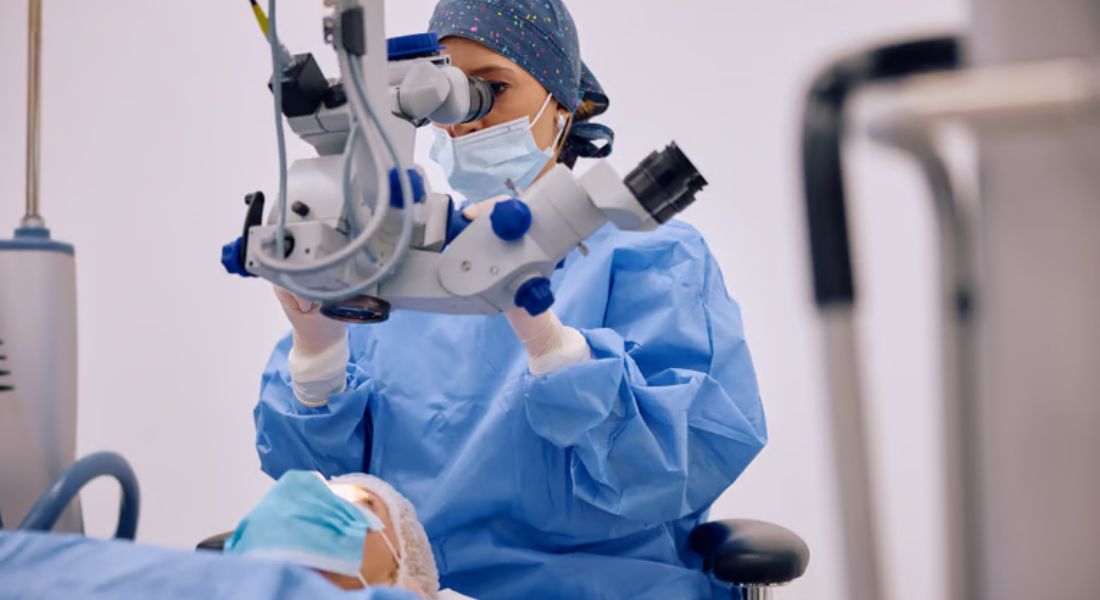
If you are living with Crohn’s disease, the idea of having refractive lens exchange (RLE) surgery may feel daunting. This condition can affect your immune system, your digestive health, and sometimes other parts of your body. Because of this, you may be concerned about how well you will heal after surgery. These concerns are completely understandable and worth discussing in detail.
Crohn’s disease can influence your body’s response to stress, including surgical procedures. Factors such as inflammation levels and the medications you take may affect recovery. This is why your overall health needs to be carefully assessed before moving forward. A well-planned approach can help reduce potential risks.
It is important to know that having a chronic condition does not automatically rule out RLE surgery. With proper planning and support, many people with Crohn’s disease can still be suitable candidates. Your care will need to be tailored to your specific situation. This ensures that both your eye health and general health are protected.
Working closely with your gastroenterologist and ophthalmologist is key. They will coordinate your care and recommend any necessary precautions before and after surgery. This collaborative approach helps improve safety and outcomes. With the right guidance, you can make a confident and informed decision about your treatment.
Understanding Crohn’s Disease and Its Implications
Crohn’s disease is a type of inflammatory bowel disease that causes ongoing inflammation in your digestive tract. It can lead to symptoms such as abdominal pain, diarrhoea, fatigue, and weight loss. In some cases, the inflammation can also affect other parts of your body, including your eyes. This wider impact is important to consider when planning any surgery.
When you are thinking about RLE surgery, there are several key factors to keep in mind. Your condition and any systemic inflammation may influence how well your body heals after the procedure. The medications you take, especially immunosuppressants or corticosteroids, can also affect your recovery. Your nutritional status is another important aspect, as poor nutrition can slow down healing.
Understanding these factors allows you and your medical team to prepare more effectively. Your care can be adjusted to suit your specific health needs. This helps reduce potential risks and supports a smoother recovery. With the right planning, you can approach the procedure with greater confidence.
Why RLE Surgery Can Be Safe for Crohn’s Patients
Although Crohn’s disease brings additional considerations, it does not automatically rule out RLE surgery. Modern eye procedures are minimally invasive and generally have a low risk of complications. With the right preparation, many risks can be effectively managed. This means the procedure may still be a suitable option for you.
Your safety can be improved by making sure your condition is stable before surgery. Your doctors may adjust your medications if needed to support better healing. After the procedure, your recovery will be monitored closely to detect any issues early. These steps help create a safer and more controlled experience.
With these precautions in place, many people with Crohn’s disease achieve very good results from RLE surgery. You may experience clearer vision and less dependence on glasses or contact lenses. This can make everyday activities easier and more comfortable. Careful planning allows you to enjoy these benefits while protecting your health.
Pre-Operative Assessment: Setting the Stage
Before your RLE surgery, your ophthalmologist will carry out a detailed pre-operative assessment. This involves more than simply checking your eyesight. If you have Crohn’s disease, your overall health will be reviewed carefully. This helps ensure that you are in the best possible condition for surgery.
Your doctor will look at your recent disease activity, including any flare-ups. They will also review the medications you are taking, particularly immunosuppressants or steroids. Your general health will be assessed, including your nutritional status and any symptoms affecting other parts of your body. These factors can all influence how well you recover after the procedure.
Your ophthalmologist will also work closely with your gastroenterologist to coordinate your care. Together, they will confirm that your condition is stable enough for surgery. This collaborative approach allows for better planning and safer outcomes. It ensures that every important detail is considered before moving forward.
Medication Considerations

For patients with Crohn’s disease considering surgery, understanding how medications may influence healing and recovery is essential. Many commonly prescribed treatments help control inflammation and manage symptoms but can also affect the body’s natural healing processes. This makes it especially important for your healthcare team to carefully evaluate your current medication regimen. With proper planning and communication, potential risks can be effectively managed to ensure a safer surgical experience.
- Corticosteroids and Healing Delays: Corticosteroids are often used to reduce inflammation, but they can slow down the body’s ability to heal after surgery. This may increase the time needed for recovery and slightly raise the risk of complications. Doctors may adjust dosage or timing to minimise these effects while still controlling symptoms.
- Immunosuppressants and Infection Risk: Medications such as azathioprine or biologics work by suppressing the immune system, which can increase susceptibility to infections. This is particularly important during and after surgery when the body is more vulnerable. Careful monitoring and preventive measures help reduce this risk significantly.
- Impact of Anti-Inflammatory Medications: While generally considered safe, some anti-inflammatory drugs may have minor effects on tissue repair. These effects are usually manageable but still require attention during surgical planning. Your doctor will evaluate whether any adjustments are necessary before the procedure.
- Importance of Medication Management: Your healthcare team may modify the timing or dosage of certain medications to optimise surgical outcomes. This ensures that the benefits of treatment are maintained while minimising potential complications. Close coordination between specialists is key to achieving the best results.
In conclusion, medication management plays a vital role in ensuring safe and successful surgery for patients with Crohn’s disease. While some treatments may influence healing or infection risk, these challenges can be effectively addressed through careful planning and medical supervision. Open communication with your doctors allows for timely adjustments and better preparation. Ultimately, a well-coordinated approach helps balance disease control with optimal surgical recovery.
Managing Systemic Inflammation
Crohn’s disease is linked to systemic inflammation, which can affect how your body heals and responds to surgery. It may influence your blood vessels, tissue repair, and overall immune response. This is an important factor when planning RLE surgery. Your ophthalmologist will take this into account to help reduce potential risks.
They will consider whether your healing process may be slower, particularly in the cornea and surrounding eye tissue. They will also assess how inflammation could increase the risk of complications after the procedure. In some cases, you may be given anti-inflammatory eye drops or other treatments to support recovery. These measures are designed to protect your eye and improve healing.
By carefully reviewing these factors, your surgical team can create a plan tailored to your needs. This personalised approach helps manage inflammation more effectively. It also improves the chances of a smooth recovery. With the right care, you can move forward with greater confidence.
Nutritional Status and Healing
Crohn’s disease can sometimes lead to malnutrition, which may slow your recovery after surgery. Your body needs enough protein, vitamins, and minerals to repair tissue effectively. If these levels are low, healing can take longer than expected. This is why your nutritional status is an important part of your surgical planning.
Your surgeon may advise you to improve your nutrition before the procedure. This could include checking blood markers such as haemoglobin, vitamin B12, and iron levels. In some cases, you may be referred to a dietitian for additional support. These steps help ensure your body is well prepared for recovery.
By addressing nutrition early, you create a better environment for healing after RLE surgery. Your eyes will have the support they need to recover more efficiently. This can also reduce the risk of complications. With the right preparation, you can approach the procedure with greater confidence.
Choosing the Right Surgical Team
Selecting the right surgical team is a critical step for patients with Crohn’s disease considering eye surgery. Because Crohn’s is a systemic inflammatory condition, it can influence healing, infection risk, and overall surgical outcomes. An experienced ophthalmologist who understands these complexities can significantly improve both safety and results. Taking the time to evaluate your surgical team ensures that your care is tailored to your specific medical needs.
- Understanding of Systemic Inflammatory Conditions: Your ophthalmologist should have a clear understanding of how Crohn’s disease affects the body beyond the digestive system. This knowledge helps them anticipate potential complications related to inflammation and healing. A well-informed surgeon can adapt their approach to reduce these risks effectively.
- Experience with Immunosuppressive Therapy: It’s important to choose a team familiar with patients who are on immunosuppressive medications. These drugs can impact infection risk and recovery, requiring special precautions during and after surgery. Experienced surgeons will know how to manage these challenges safely.
- Coordination with Your Gastroenterologist: A collaborative approach between your ophthalmologist and gastroenterologist is essential. This ensures that your Crohn’s treatment plan aligns with your surgical needs. Effective communication between specialists leads to better planning and safer outcomes.
- Discussing Experience and Surgical Approach: When consulting your surgeon, ask about their experience treating patients with chronic inflammatory diseases. Understanding how they modify surgical techniques to minimise risks can provide reassurance. This conversation also helps you gauge their expertise and confidence in managing your condition.
In conclusion, choosing the right surgical team plays a vital role in ensuring a safe and successful outcome for patients with Crohn’s disease. A knowledgeable and experienced team can effectively manage the unique challenges associated with systemic inflammation and immunosuppressive therapy. Open communication and coordinated care further enhance safety and confidence throughout the process. Ultimately, selecting the right professionals helps create a smoother surgical journey and better long-term results.
Intraoperative Considerations
RLE surgery is minimally invasive, but if you have Crohn’s disease, certain precautions may be taken to support your safety. Your surgeon will aim to minimise trauma to your eye tissues to reduce the inflammatory response. This careful approach helps protect delicate structures during the procedure. It also supports a smoother healing process afterwards.
Precise micro-incisions are used to encourage faster and more effective healing. These small incisions reduce disruption to the eye and lower the risk of complications. Maintaining a sterile environment is also essential, particularly if your immune system is affected by medication. This helps reduce the chance of infection during and after surgery.
Although these adjustments may seem small, they can make a meaningful difference to your outcome. Each step is designed to suit your individual health needs. Your surgical team will plan the procedure with these factors in mind. This ensures a safer and more controlled experience for you.
Post-Operative Care and Monitoring
After your RLE surgery, you may need extra attention to ensure your eye heals properly. If you have Crohn’s disease, your recovery plan will be carefully tailored to your needs. This helps reduce the risk of complications and supports a smoother healing process. Close monitoring is especially important in the early stages.
Your care plan may include regular checks for signs of inflammation or infection. You may also be given anti-inflammatory eye drops suited to your condition. In some cases, your follow-up appointments may be scheduled more frequently. These steps allow your doctor to track your progress and respond quickly if needed.
By following your ophthalmologist’s instructions carefully, you can support a safe recovery. It is important to attend all appointments and report any unusual symptoms. Staying aware of changes in your eye can make a big difference. With the right care, you can reduce risks and heal more confidently.
Dealing with Crohn’s Flares
One challenge you may face with Crohn’s disease is the possibility of flare-ups. While a flare does not automatically prevent you from having RLE surgery, it is usually best to plan the procedure when your condition is stable. This helps reduce the risk of delayed healing or infection. Careful timing plays an important role in achieving a safer outcome.
Your medical team will assess your condition before scheduling surgery. They will aim to choose a time when inflammation is well controlled. This allows your body to respond better to the procedure and recover more effectively. A stable phase of your condition supports smoother healing.
If a flare occurs after your surgery, your healthcare team will take steps to manage it quickly. They may adjust your medications and monitor your recovery more closely. Additional support will be provided to protect your healing process. With the right care, you can still achieve a positive outcome.
Special Considerations for Biologic Therapy
If you are taking biologic therapies for Crohn’s disease, such as infliximab or adalimumab, your surgical plan may need extra attention. These medications affect your immune system and can slightly increase the risk of infection. This does not mean you cannot have RLE surgery, but it does require careful planning. Your medical team will take this into account when preparing for your procedure.
They may choose to schedule your surgery at a specific point in your treatment cycle to reduce risk. Additional precautions may also be taken in the operating theatre to prevent infection. After the procedure, your healing will be monitored more closely during follow-up visits. These steps help ensure that any concerns are identified and managed early.
With the right adjustments, you can safely undergo RLE without interrupting your essential Crohn’s treatment. Your care will be tailored to balance both your eye health and your overall condition. This coordinated approach supports better outcomes. It also allows you to move forward with greater confidence.
Potential Risks and Complications
While RLE surgery is widely regarded as safe, patients with Crohn’s disease should be mindful of certain risks that may arise due to underlying inflammation and medication use. The condition can influence how the body heals and responds after surgery, making careful monitoring essential. Although these complications are not common, awareness helps ensure timely intervention if needed. With proper precautions and expert care, most risks can be effectively managed.
- Slower Healing of Surgical Incisions: Crohn’s disease and certain medications can slow the healing of corneal or lens capsule incisions. This may slightly extend the recovery period compared to other patients. Close follow-up care helps ensure that healing progresses as expected.
- Increased Post-Operative Inflammation: Patients may experience a higher likelihood of inflammation after surgery due to the body’s underlying inflammatory response. This can cause discomfort or temporary visual disturbances. Anti-inflammatory treatments are typically effective in controlling these symptoms.
- Higher Susceptibility to Infection: If you are on immunosuppressive therapy, your immune system may be less effective at fighting infections. This can slightly increase the risk of post-surgical infection. Preventive measures and careful hygiene significantly reduce this risk.
- Rare Vision-Related Complications: In rare cases, impaired healing may lead to temporary or lasting vision issues. These complications are uncommon and often preventable with proper medical management. Early detection and prompt treatment are key to protecting vision.
In conclusion, understanding the potential risks and complications associated with RLE surgery in Crohn’s patients is an important part of informed decision-making. While certain factors may slightly increase risk, they are generally well-controlled with modern medical practices. Careful monitoring, appropriate medication management, and expert surgical care all contribute to positive outcomes. Ultimately, being aware and prepared allows you to approach the procedure with greater confidence and peace of mind.
Why RLE Surgery Might Be Worth Considering
Even with the extra considerations, RLE surgery can offer meaningful benefits for you. It is natural to question whether the additional planning is worthwhile. However, understanding the potential improvements can help you make a more informed decision. For many people, the results can have a positive impact on daily life.
One of the main advantages is the freedom from relying on glasses or contact lenses. The procedure can also correct vision issues such as presbyopia, myopia, or hyperopia. This can make everyday tasks like reading, driving, and using digital devices much easier. Over time, this added convenience can improve your overall comfort and independence.
For many people living with Crohn’s disease, these benefits can outweigh the need for extra preparation. With careful management and the right medical support, risks can be reduced effectively. Your care will be tailored to suit your condition. This allows you to enjoy the benefits of clearer vision while protecting your health.
Lifestyle Considerations

Before and after RLE surgery, your lifestyle choices can have a real impact on healing. Avoiding heavy lifting or strenuous exercise immediately after the procedure helps protect your eyes. Gentle activity allows your body to focus on recovery without added stress. These small adjustments can make a significant difference to your comfort.
Eating a balanced diet rich in protein, vitamins, and minerals is also important. Good nutrition supports tissue repair and overall healing. Managing stress is another key factor, as stress can worsen Crohn’s symptoms and indirectly slow recovery. Paying attention to these areas helps your body respond better to surgery.
By making these practical changes, you can support a smoother recovery and reduce complications. Following your medical team’s advice closely will help you stay on track. Over time, these adjustments contribute to a faster, safer healing process and improved overall wellbeing.
Multidisciplinary Care: The Key to Success
The best outcomes for people with Crohn’s disease are achieved through a coordinated, team-based approach. Your ophthalmologist, gastroenterologist, and nursing staff should communicate closely throughout the process. This ensures that every aspect of your care is considered and managed effectively. Collaboration like this helps keep you safe before, during, and after surgery.
A multidisciplinary team can adjust your medication schedules to support healing. They can also plan the timing of surgery to coincide with periods when your disease is stable. If any post-operative concerns arise, the team can respond quickly and appropriately. These coordinated efforts reduce risks and help ensure a smoother recovery.
Working with a connected team gives you the reassurance that all your needs are being considered. You benefit from expertise in both eye health and Crohn’s disease management. This approach not only enhances safety but also supports a better overall experience. With this level of care, you can feel more confident about proceeding with RLE surgery.
Practical Tips for Crohn’s Patients Considering RLE
For patients with Crohn’s disease, careful preparation can make the RLE surgery experience safer and more comfortable. Because the condition and its treatments can affect healing and infection risk, proactive steps before and after surgery are crucial. Being organized, informed, and engaged with your healthcare team helps ensure a smoother procedure and recovery. By following practical guidelines, you can take an active role in protecting your vision and overall health.
- Schedule Surgery During Stable Disease: It’s best to undergo surgery when Crohn’s disease is well-controlled and flare-ups are minimal. This reduces the risk of complications related to inflammation or immune response. Planning surgery during stable periods helps optimise healing and recovery.
- Share Complete Medical History: Provide your surgical team with full details about medications, prior surgeries, and disease severity. This information allows doctors to anticipate potential challenges and tailor the surgical plan accordingly. Full disclosure ensures safer, more personalised care.
- Follow Pre-Operative Instructions Closely: Adhering to guidance on nutrition, medication, and eye preparation is critical. Proper preparation helps reduce surgical risks and supports better healing. Following instructions also ensures that your body is in the best possible condition for the procedure.
- Attend All Follow-Up Appointments: Regular post-operative check-ins allow your doctors to monitor healing and catch any issues early. Close follow-up is especially important for patients on immunosuppressive therapy or with active inflammatory conditions. This vigilance contributes to optimal outcomes and peace of mind.
- Report Symptoms Promptly: Unusual pain, redness, or changes in vision should be reported immediately. Early intervention can prevent minor issues from becoming serious complications. Prompt communication with your surgical team ensures rapid, effective management.
In conclusion, taking practical, proactive steps can greatly improve the safety and success of RLE surgery for Crohn’s patients. By scheduling surgery thoughtfully, sharing full medical information, and adhering to medical guidance, you actively support your recovery. Regular monitoring and timely reporting of symptoms further protect your vision and health. Ultimately, being engaged and prepared empowers you to navigate surgery with confidence and achieve the best possible outcome.
When Surgery May Be Delayed
There are times when RLE surgery may need to be postponed to ensure your safety. For example, if you are experiencing an active Crohn’s flare-up, it is usually best to wait until your condition is stable. Surgery may also be delayed if nutritional deficiencies need to be corrected, as proper nutrition supports healing.
Other factors, such as recent infections or medical conditions that could affect recovery, are also taken into consideration. Your medical team will carefully assess all these elements before scheduling the procedure. Their goal is to reduce risks and create the safest possible environment for your surgery.
By delaying surgery when necessary, your doctors can optimise both safety and outcomes. This ensures that you are in the best condition to heal effectively. Careful timing is a key part of a successful RLE experience.
Technological Advances in RLE
Recent advancements in Refractive Lens Exchange (RLE) surgery have greatly improved safety, precision, and recovery, particularly for patients with chronic conditions. Modern techniques allow surgeons to perform procedures with greater accuracy while minimising trauma to the eye. For patients with systemic conditions such as Crohn’s disease, these innovations reduce risks associated with inflammation, slower healing, and immune suppression. Overall, technology has made RLE more accessible and safer for a wider range of patients.
- Smaller, Precise Incisions: Modern RLE uses smaller, highly precise incisions that heal more quickly and with less inflammation. This reduces the risk of post-operative complications and promotes faster visual recovery. Patients benefit from less discomfort and a smoother healing process.
- Advanced Imaging for Accuracy: Sophisticated imaging systems guide surgeons during the procedure, ensuring exact placement and alignment of the intraocular lens. This improves surgical precision and outcomes. Accurate imaging also helps detect potential issues before and during surgery, enhancing safety.
- Refined Anaesthetic Approaches: Updated anaesthetic techniques minimise stress on the eye and reduce intraoperative complications. Patients experience greater comfort during surgery, and the risk of bleeding or inflammation is lowered. Tailored anaesthesia is especially beneficial for those with chronic or systemic conditions.
In conclusion, technological innovations in RLE have transformed the procedure into a safer and more predictable experience, even for patients with chronic conditions like Crohn’s disease. Smaller incisions, precise imaging, and advanced anaesthetic methods all contribute to faster healing and improved outcomes. These advancements ensure that more patients can benefit from vision correction safely and effectively. By leveraging modern techniques, surgeons can provide care that is both highly effective and tailored to individual patient needs.
Patient Experiences and Reassurance

Many people with Crohn’s disease have successfully undergone RLE surgery. Their experiences often emphasise the importance of careful planning and following medical guidance closely. Working with a coordinated team of specialists is also frequently highlighted as a key factor in achieving good outcomes.
Reading these stories can be very reassuring. They show that, with the right preparation, surgery can be safe and effective even for patients with chronic conditions. Understanding how others have navigated the process can help reduce your anxiety and give you confidence in your own journey.
Hearing real-life experiences reminds you that challenges can be managed with proper support. It also highlights the benefits of RLE, such as improved vision and greater independence. This reassurance can make the decision-making process feel less daunting and more informed.
Communicating Effectively with Your Healthcare Team
Open and clear communication with your healthcare team is essential when planning RLE surgery. You should ensure that both your ophthalmologist and gastroenterologist are fully aware of your condition, medications, and recent disease activity. Sharing this information helps them tailor your care to your specific needs.
It is important to ask questions until you feel confident about the procedure, the risks involved, and what to expect during recovery. Understanding each stage of your treatment allows you to participate actively in your care. Being well informed can reduce anxiety and help you make better decisions.
Effective communication also contributes directly to a safer and smoother surgical experience. When your team has all the relevant information, they can respond quickly to any concerns. This collaboration enhances both safety and confidence throughout your RLE journey.
FAQs:
1. Can people with Crohn’s disease safely have RLE surgery?
Yes, many people with Crohn’s disease can safely undergo RLE surgery with proper planning, stable disease, and coordinated care between your ophthalmologist and gastroenterologist.
2. How does Crohn’s disease affect healing after RLE surgery?
Crohn’s disease can slow healing due to systemic inflammation or nutritional deficiencies. Close monitoring and pre-operative preparation help support proper recovery.
3. Do medications for Crohn’s disease impact RLE surgery?
Yes, corticosteroids, immunosuppressants, and biologics may influence healing or infection risk. Your medical team may adjust timing or dosage to reduce complications.
4. When is the best time to schedule RLE surgery if I have Crohn’s disease?
It is generally safest to have surgery during a stable period when disease activity is low and flare-ups are minimal.
5. Will I need special post-operative care after RLE surgery?
Yes, patients with Crohn’s disease may need closer monitoring for inflammation, infection, or delayed healing. Additional follow-up visits may be scheduled.
6. Can poor nutrition affect recovery from RLE surgery?
Yes, malnutrition can slow tissue repair. Optimizing protein, vitamin, and mineral intake before surgery helps support faster and safer recovery.
7. Do biologic therapies prevent me from having RLE surgery?
No, biologics do not prevent surgery, but timing and precautions may be adjusted to reduce infection risk and support healing.
8. What are the potential complications of RLE surgery in Crohn’s patients?
Possible issues include slower healing of incisions, increased inflammation, higher infection risk, and rarely, temporary or lasting vision changes. Careful planning minimizes these risks.
9. How important is a multidisciplinary approach for Crohn’s patients having RLE?
It is very important. Coordination between your ophthalmologist, gastroenterologist, and nursing staff ensures medications, inflammation, and overall health are managed safely.
10. Will I experience the same benefits from RLE surgery as someone without Crohn’s disease?
Yes, with careful preparation and monitoring, Crohn’s patients can achieve improved vision, reduced dependence on glasses, and enhanced quality of life similar to other patients.
Final Thought: Confidently Navigating RLE Surgery with Crohn’s Disease
Undergoing RLE surgery when you have Crohn’s disease may feel complex, but with careful planning, expert medical guidance, and a coordinated, multidisciplinary approach, it can be performed safely and effectively. Understanding your condition, managing medications, optimizing nutrition, and scheduling surgery during stable periods all contribute to a smoother recovery and better outcomes. Modern surgical techniques, including precise micro-incisions and advanced imaging, further reduce risks and support faster healing.
By actively communicating with your healthcare team and following their advice, you can approach the procedure with confidence, knowing that your eye health and overall wellbeing are being carefully managed. If you’re looking for RLE surgery in London, you can get in touch with us at London Cataract Centre.
References:
- Olson, S. (2024) Perioperative considerations for the surgical treatment of Crohn’s disease: gut dysbiosis, antibiotics, and clinical management, Antibiotics, 13(4), p. 317. Available at: https://www.mdpi.com/2079-6382/13/4/317
- Troncoso, L.L., Biancardi, A.L., Moraes Jr, H.V. and Zaltman, C. (2017) Ophthalmic manifestations in patients with inflammatory bowel disease: a review, World Journal of Gastroenterology, 23(32), pp. 5836–5848. Available at: https://pubmed.ncbi.nlm.nih.gov/28932076/
- Moshirfar, M., Fuhriman, D.A., Ali, A., Odayar, V., Ronquillo, Y.C. and Hoopes, P.C. (2022) Inflammatory bowel disease guidelines for corneal refractive surgery evaluation, Journal of Clinical Medicine, 11(16), 4861. Available at: https://pmc.ncbi.nlm.nih.gov/articles/PMC9409909/
- Chang, D.F., Campbell, J.R., Masket, S., Werner, L. and Vasavada, A. (2023) Immediate sequential bilateral refractive lens exchange: clinical outcomes and adverse events in a large cohort, Ophthalmology, 130(8), pp. 1023–1032. Available at: https://www.sciencedirect.com/science/article/pii/S0161642023002798
- Lightner, A.L. and Shen, B. (2017) Perioperative use of immunosuppressive medications in patients with Crohn’s disease in the new biological era, Gastroenterology Report, 5(3), pp. 165–177. Available at: https://academic.oup.com/gastro/article/5/3/165/3112130