



If you are living with diabetes and thinking about vision correction, you may be wondering whether ICL surgery is safe for you. This is a very sensible question to ask, and you are right to consider it carefully. Your eyesight is precious, and any decision about surgery should feel fully informed. You deserve clear answers before moving forward.
Your eyes are delicate structures, and diabetes can affect them in subtle and sometimes serious ways. Changes in blood sugar levels can influence the health of the retina and other important parts of the eye. Because of this, elective procedures must be assessed with extra care. It is important that you understand both the potential risks and the protective steps taken to reduce them.
In this guide, you will learn how diabetes influences eligibility for implantable collamer lens surgery. You will understand what your surgeon looks for during assessment and how blood sugar control can affect healing. You will also see why detailed retinal screening is essential before treatment. In addition, you will learn about the extra safety checks that may be recommended in your case.
Most importantly, you will gain clarity about whether ICL surgery is realistic for you. You will also discover practical steps you can take to improve your suitability, such as maintaining stable blood sugar levels. With the right preparation and careful evaluation, many people with well-controlled diabetes may still be suitable candidates. The key is thorough assessment and personalised advice before making your decision.
Understanding ICL Surgery
Before you look at diabetes specifically, it is important to understand what ICL surgery involves. This helps you see how the procedure works and why your overall eye health matters. When you know the basics, you can better understand how certain medical conditions may affect your suitability.
ICL stands for implantable collamer lens, which is a soft and biocompatible lens placed inside your eye. It sits behind your iris and in front of your natural lens, working with your eye’s structure. Unlike laser vision correction, this procedure does not remove any corneal tissue, as it improves your vision by adding a corrective lens inside your eye to reduce short-sightedness, long-sightedness, or astigmatism.
Once the lens is inserted, it becomes invisible and you will not be able to feel it during normal activities. The procedure is designed to be safe and effective, while also offering flexibility if your medical needs change. If ever medically necessary, the lens can be removed safely, and you can explore more detailed information about ICL surgery in London before focusing on how diabetes may affect your suitability.
How Diabetes Affects the Eyes
Diabetes is not only about managing your blood sugar levels. Over time, it can affect blood vessels throughout your body, including the tiny and delicate vessels inside your eyes. When your blood sugar remains high for long periods, these small vessels can become damaged and stop working properly.
This damage to the retinal blood vessels is known as diabetic retinopathy. In the early stages, you may not notice any symptoms at all, which makes regular eye examinations very important. As the condition progresses, you could experience blurred vision, bleeding inside your eye, swelling of the retina, or even vision loss.
Diabetes can also increase your risk of macular oedema, early cataract formation, glaucoma, and fluctuating prescription changes. These issues can affect both your vision and your suitability for certain procedures. That is why your overall eye health is just as important as your glasses prescription when you are considering surgery.
Does Having Diabetes Automatically Rule Out ICL Surgery?

The short answer is no. Having diabetes does not automatically disqualify you from ICL surgery, and many individuals with well-controlled blood sugar levels can safely undergo the procedure. However, careful evaluation is essential before making a decision. Since ICL surgery is elective, it is only recommended when it is clearly safe and appropriate for the patient’s overall eye health.
- Blood Sugar Control: Well-controlled blood sugar is one of the most important factors in determining eligibility. Consistently high glucose levels can affect healing and increase the risk of complications. If diabetes is stable and managed properly, the chances of a safe surgical outcome improve significantly.
- Presence of Diabetic Eye Disease: Conditions such as diabetic retinopathy must be carefully assessed before surgery. If there is existing retinal damage or active eye disease, proceeding with ICL surgery may not be advisable. Protecting long-term vision always takes priority over elective correction procedures.
- Stability of Eye Prescription: Your glasses or contact lens prescription should be stable before considering ICL surgery. Frequent changes in prescription may indicate fluctuating blood sugar levels. Stability ensures more predictable and lasting visual outcomes.
- Overall Ocular Health: Apart from diabetes, the overall health of the cornea, retina, and internal eye structures must be evaluated. Any underlying condition that could increase surgical risk needs to be addressed first. A comprehensive eye examination helps determine whether proceeding is safe.
In conclusion, diabetes alone does not rule out ICL surgery, but it does require thorough screening and careful planning. Patients with well-managed diabetes and healthy eyes may still be excellent candidates. The key is ensuring that the procedure will not compromise long-term eye health. Safety always comes first, and surgery is only performed when the benefits clearly outweigh any potential risks.
Why Blood Sugar Control Matters
One of the most important factors to consider is how stable your blood sugar levels are. If your diabetes is not well controlled, it can affect how your body heals after a procedure. Following ICL implantation, your eye needs time to recover properly and settle into its new state.
If your blood glucose levels are unstable, your recovery may not be as smooth as expected. You could experience slower wound healing, a higher risk of infection, increased inflammation, or fluctuating vision during the healing period. These issues can affect both your comfort and your final visual outcome.
Good glycaemic control significantly reduces these risks and supports a safer recovery. You would usually need to show consistent HbA1c levels within an acceptable range before surgery is considered. If your levels are high or unpredictable, it is advisable to stabilise them first before moving forward.
The Importance of Retinal Screening
Your retinal health plays a central role in deciding whether ICL surgery is suitable for you. Before the procedure, you will undergo a detailed retinal examination to assess the overall condition of your eyes. This usually includes dilated fundoscopy and, in many cases, advanced imaging such as OCT scanning.
During this assessment, your specialist will look for signs of diabetic retinopathy, macular swelling, microaneurysms, retinal haemorrhages, or areas of poor blood supply. These changes can affect both your current vision and the safety of surgery. Careful screening helps ensure that any underlying issues are identified early.
If you have active or progressive diabetic retinopathy, elective refractive surgery is usually postponed. In some cases, you may require treatment, such as laser therapy or injections, before surgery can even be considered. However, if your retina is healthy and stable, the procedure may still be possible for you.
Stability of Your Prescription
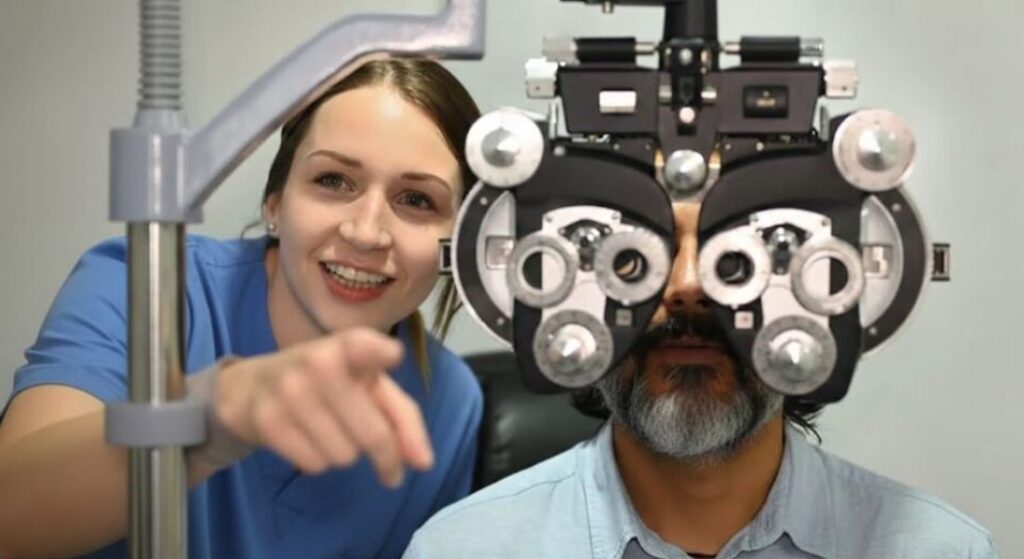
Another important consideration with diabetes is fluctuating vision. When your blood sugar levels are high, they can temporarily change the shape of your natural lens. This may cause short-term shifts in your prescription, even if your eyes are otherwise healthy.
If your prescription changes frequently, placing a permanent corrective lens inside your eye may not be appropriate at that time. For ICL surgery to be accurate and effective, your vision needs to be stable. Ongoing fluctuations can affect the long-term result of the procedure.
You would usually need to show prescription stability for at least 12 months before surgery is considered. This ensures the implanted correction reflects your true refractive state. If your diabetes is well controlled, these prescription changes are far less likely to occur.
Healing Considerations After ICL Surgery
ICL surgery is a minimally invasive procedure performed through a very small, self-sealing incision. Because the surgical entry point is small, recovery is typically quick and comfortable for most patients. However, even minor incisions require proper healing and careful follow-up. In patients with diabetes, we take additional precautions to ensure recovery progresses smoothly and safely.
- Corneal Healing: The cornea must heal properly after the small incision is made during surgery. In individuals with diabetes, healing can sometimes be slightly slower due to changes in tissue repair mechanisms. Careful monitoring ensures the incision seals well and the cornea remains clear and healthy.
- Risk of Infection: Diabetes can increase susceptibility to infections if blood sugar levels are not well controlled. Although infection after ICL surgery is rare, preventive measures and prescribed medications are extremely important. Strict hygiene and proper use of post-operative eye drops significantly reduce this risk.
- Inflammatory Response: Some patients with diabetes may experience a stronger or prolonged inflammatory response. Anti-inflammatory medications are routinely prescribed to control swelling and promote comfort. Regular follow-up visits allow early detection and prompt management if inflammation persists.
- Intraocular Pressure Control: Monitoring eye pressure after surgery is essential for all patients. In diabetic individuals, careful pressure assessment helps prevent complications such as optic nerve stress. If any fluctuation occurs, it can be addressed quickly with medication or adjustments in care.
In conclusion, while ICL surgery is generally safe and minimally invasive, proper healing remains a key priority. Patients with diabetes may require slightly closer follow-up in the early post-operative period, not because complications are expected, but because prevention is always better than cure. With careful monitoring and adherence to post-surgical instructions, recovery is typically smooth and successful.
Risk of Infection: Is It Higher?
Poorly controlled diabetes can increase your risk of infection in many types of surgery. This is because high blood sugar levels can weaken your body’s natural defence mechanisms. As a result, your ability to fight infection may be reduced.
In eye surgery, infection inside your eye is extremely rare. Modern sterile techniques and careful surgical protocols make it uncommon, but it is never completely dismissed. Every precaution is taken to keep the risk as low as possible.
If your diabetes is well managed, any additional infection risk is minimal. However, if your blood sugar is poorly controlled, the overall risk profile changes. That is why stability and good diabetic control are essential before proceeding with surgery.
What About Diabetic Retinopathy?
If you have mild background diabetic retinopathy that is stable, you may still be suitable for ICL surgery. Careful assessment is essential to confirm that there is no active progression. When the condition is mild and well monitored, surgery may remain an option.
If you have moderate to severe retinopathy, particularly if it is active, ICL surgery is usually not recommended. In cases of proliferative diabetic retinopathy or macular oedema, vision correction surgery will not treat the underlying retinal problem. The focus must first be on managing and stabilising the retinal condition itself.
In these situations, your priority should always be retinal treatment and the preservation of your sight. Refractive surgery is only considered once your retina is healthy and stable. Ensuring long-term eye health is far more important than reducing your dependence on glasses.
Does ICL Surgery Worsen Diabetic Eye Disease?
This is a completely understandable concern, and it is important to address it clearly. At present, there is no strong evidence to suggest that ICL surgery directly worsens diabetic retinopathy. When your eyes are carefully assessed beforehand, the procedure is generally considered safe in suitable candidates.
However, any intraocular procedure can theoretically cause some degree of inflammation. If your eye is already vulnerable due to diabetes, that inflammation could have a greater impact than it would in a non-diabetic eye. This is why careful evaluation and risk assessment are essential before proceeding.
If your retina is healthy and stable, the procedure itself does not typically accelerate diabetic eye disease. Thorough screening and appropriate case selection help minimise risk. Your long-term retinal health always remains the priority.
Comparison with Laser Vision Correction
Some patients with diabetes wonder whether laser-based procedures like LASIK or SMILE might be a safer alternative to ICL surgery. Laser vision correction reshapes the cornea to improve focusing power, while ICL surgery works by placing a lens inside the eye without significantly altering the corneal structure. Each option has its own advantages depending on the patient’s eye condition. The choice ultimately depends on overall ocular health and systemic stability rather than diabetes alone.
- Corneal Impact: Laser procedures such as LASIK and SMILE permanently reshape the cornea to correct vision. In contrast, ICL surgery leaves the cornea largely untouched, preserving its natural structure. For patients with thin corneas or certain corneal irregularities, ICL may offer structural advantages.
- Dry Eye Considerations: Laser procedures can sometimes worsen pre-existing dry eye symptoms because corneal nerves are temporarily affected. Since ICL does not significantly disturb the corneal surface, it may be preferable for patients already experiencing dryness. Proper evaluation helps determine which approach minimizes post-operative discomfort.
- Eligibility Criteria Remain the Same: Regardless of the procedure chosen, stable blood sugar levels are essential. Active diabetic retinopathy or fluctuating glucose levels may delay or prevent surgery. A stable prescription and healthy retina remain key requirements across all refractive options.
- Overall Eye Health Priority: Good corneal clarity, controlled intraocular pressure, and healthy retinal status are crucial for any vision correction surgery. Diabetes affects healing and inflammation in similar ways across procedures. Therefore, thorough pre-operative screening is critical before deciding on the most suitable method.
In conclusion, diabetes does not automatically make one refractive procedure safer than another. Both laser vision correction and ICL surgery require stable systemic and ocular conditions. In some cases, ICL may actually be preferable, especially for patients with thin corneas or dry eye concerns. The most important factor is ensuring that whichever procedure is chosen, it is performed under safe and well-controlled medical conditions.
Additional Safety Assessments You Can Expect
If you have diabetes, your pre-operative assessment will be more detailed and thorough. This is to ensure that every aspect of your eye health is carefully evaluated before surgery is considered. A more comprehensive review helps reduce risks and protect your long-term vision.
You can expect a recent HbA1c review, full retinal imaging, and an OCT macula scan to assess the back of your eye. Your corneal health will be evaluated, and measurements such as anterior chamber depth and intraocular pressure will also be checked. These tests provide a complete picture of how suitable your eyes are for the procedure.
In some cases, we may also liaise with your GP or diabetic specialist if further clarification is needed. The goal is not to exclude you unnecessarily or create barriers to treatment. It is to ensure your safety and protect your long-term visual health.
How Long Should Your Diabetes Be Stable?
There is no single universal timeframe, but certain general guidelines are followed. Your HbA1c should be stable for several months before surgery is considered. This helps show that your blood sugar control is consistent and well managed.
You should not have had any recent medication changes that significantly affect your glucose levels. There should also be no recent episodes of severe hypoglycaemia or hyperglycaemia, and your prescription should be stable for at least 12 months. These factors help ensure that your visual correction reflects your true refractive state.
Consistency is what matters most when assessing suitability. If you have been recently diagnosed and are still adjusting your medication, it may be sensible to wait. Allowing time for stability can improve both safety and long-term results.
Type 1 vs Type 2 Diabetes: Does It Make a Difference?
Both type 1 and type 2 diabetes can affect your eligibility for ICL surgery. The diagnosis itself does not automatically exclude you from treatment. What matters more is how the condition has affected your eyes and overall health.
Type 1 diabetes often has a longer duration by adulthood, which may increase your cumulative retinal risk over time. Type 2 diabetes can vary widely, as some people have minimal impact on their eyes, while others may develop retinopathy earlier. The course of the condition is highly individual.
The deciding factor is not the label of the type of diabetes you have. It is the current condition of your retina and the stability of your blood sugar control. Careful assessment ensures that any decision is based on your specific eye health rather than the diagnosis alone.
Age Considerations
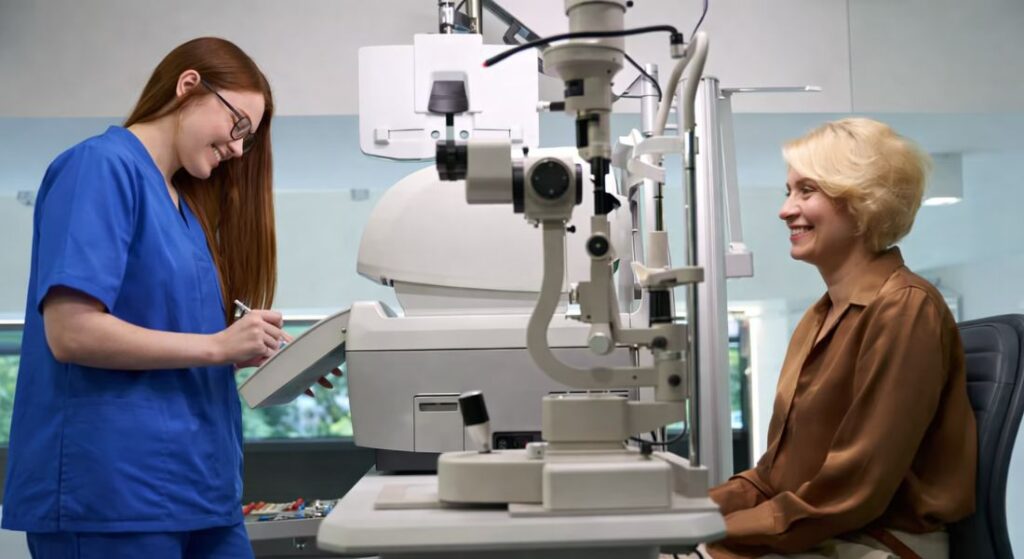
Many people considering ICL surgery are in their 20s, 30s, or 40s. Your age on its own does not determine whether you are suitable for treatment. However, it does provide important context when assessing your eye health alongside diabetes.
If you developed diabetes at a young age, careful and regular retinal screening becomes especially important. A longer duration of diabetes can increase the risk of subtle retinal changes over time. Early and thorough assessment helps ensure that any issues are detected promptly.
If you are older and have lived with diabetes for many years, cumulative vascular changes need to be assessed carefully. Age alone does not disqualify you from surgery. It simply means your retinal health must be evaluated with appropriate care and attention.
What If You Develop Diabetic Eye Disease Later?
ICL lenses can be removed in the future if it ever becomes medically necessary. Although removal is uncommon, the option does provide reassurance. The procedure is designed to offer flexibility should your eye health change over time.
If you were to develop diabetic eye disease years after implantation, retinal treatment can still be carried out. The presence of an ICL does not prevent you from receiving laser therapy or eye injections if they are required. Your retinal specialist would still be able to manage your condition effectively.
This flexibility is reassuring for many patients considering surgery. It means that choosing ICL does not close the door to future retinal care. Your long-term eye health can continue to be monitored and treated appropriately if needed.
Psychological Considerations
Living with diabetes already requires ongoing attention and careful management. You may question whether adding elective surgery feels like an unnecessary risk. These thoughts are completely understandable and should not be dismissed.
It is important that any decision about surgery feels calm and well considered. Elective procedures should feel empowering and positive, not pressured or stressful. Taking time to reflect and ask questions is always appropriate.
If your diabetes is stable and your retinal health is excellent, ICL surgery can be considered safely. However, if there is any uncertainty about your control or eye health, choosing to wait is entirely reasonable. Your confidence and peace of mind are just as important as the clinical assessment.
Situations Where Surgery Is Usually Not Recommended
There are certain situations where ICL surgery is generally not advised. If you have active proliferative diabetic retinopathy or diabetic macular oedema, refractive surgery would not address the underlying retinal condition. In these cases, your eye health must take priority over vision correction.
Surgery is also usually avoided if your blood sugar is poorly controlled or if your prescription is changing rapidly. These factors can affect healing, visual accuracy, and overall safety. Significant ocular surface disease may also need to be treated before any intraocular procedure is considered.
In all of these situations, the focus should be on stabilising your eye health first. Once your condition is well managed and stable, suitability can be reassessed. Protecting your long-term vision is always the primary goal.
Can Improving Blood Sugar Control Change Eligibility?
Yes, absolutely, improving your blood sugar control can change your eligibility. If you are currently not suitable because your diabetes is unstable, this does not always mean surgery is permanently ruled out. Your situation can improve with better medical management.
When your glycaemic control becomes more consistent, your body’s healing capacity also improves. Stable blood sugar levels reduce the risk of infection and may slow the progression of retinal changes. This creates a safer foundation for considering elective eye surgery.
Many patients who were initially unsuitable later become appropriate candidates after medical optimisation. Careful monitoring and collaboration with your healthcare team can make a meaningful difference. Suitability is often about timing rather than permanent exclusion.
Recovery Expectations for Diabetic Patients
If your diabetes is well controlled, your recovery is usually very similar to that of a non-diabetic patient. Most people notice a significant improvement in vision within a few days of the procedure. Early recovery is typically smooth when blood sugar levels are stable.
You may require slightly more frequent follow-up visits in the initial period. This allows careful monitoring of your eye pressure, healing response, and overall stability. These additional checks are precautionary and help ensure everything progresses as expected.
In well-selected individuals with stable diabetes and healthy retinas, long-term outcomes are generally excellent. Good glycaemic control plays a key role in maintaining these results. With proper monitoring, you can expect a positive and predictable recovery.
Long-Term Outlook
ICL lenses are designed to remain safely in place for many years. They provide long-term correction of your refractive error without altering the natural structure of your cornea. For most suitable patients, the results are stable and lasting.
Diabetes management, however, is a lifelong commitment. Even if your vision has been corrected with surgery, your underlying diabetic risk does not disappear. Ongoing care and medical follow-up remain essential for protecting your sight.
ICL surgery corrects refractive error, but it does not prevent or treat diabetic eye disease. You must continue attending your annual diabetic eye screening without fail. Regular monitoring ensures that any retinal changes are detected and treated early.
FAQs:
1. Can I have ICL surgery if I have diabetes?
Yes, in many cases you can. Having diabetes does not automatically exclude you from ICL surgery. The most important factors are stable blood sugar control, a healthy retina, and a stable prescription. If your diabetes is well managed and there is no active diabetic eye disease, you may still be a suitable candidate after thorough assessment.
2. Does diabetes increase the risk of complications after ICL surgery?
It can, particularly if blood sugar levels are poorly controlled. Unstable glucose levels may increase the risk of slower healing, inflammation, or infection. However, when diabetes is well controlled and properly monitored, the additional risk is usually minimal and outcomes are often comparable to those in non-diabetic patients.
3. What HbA1c level is considered safe before surgery?
There is no single universal cut-off value. What matters most is that your HbA1c is stable and within an acceptable clinical range for several months before surgery. Consistency over time is more important than a single reading, especially if there have been no recent severe episodes of hypoglycaemia or hyperglycaemia.
4. Can I have ICL surgery if I have diabetic retinopathy?
It depends on the severity and stability of the condition. Mild, stable background retinopathy may still allow surgery after careful retinal assessment. However, moderate, severe, or proliferative retinopathy usually means surgery is postponed or not recommended. Protecting your long-term retinal health always takes priority over elective vision correction.
5. Will ICL surgery make diabetic eye disease worse?
Current evidence does not suggest that Implantable Collamer Lens surgery directly worsens diabetic retinopathy when patients are appropriately screened and selected. However, because it is an intraocular procedure, careful retinal evaluation is essential before proceeding in order to minimise any theoretical risk.
6. How long must my prescription be stable before surgery?
Your prescription would usually need to be stable for at least 12 months. Frequent changes in glasses or contact lens power can indicate fluctuating blood sugar levels, which may affect surgical accuracy and long-term visual results. Stability helps ensure that the implanted correction reflects your true refractive state.
7. Is ICL safer than LASIK or SMILE if I have diabetes?
It is not automatically safer, but in some cases it may be more suitable. Procedures such as LASIK and SMILE reshape the cornea, whereas Implantable Collamer Lens surgery places a lens inside the eye without significantly altering corneal structure. For patients with thin corneas or dry eye concerns, ICL may offer advantages. However, the same principles apply to all refractive procedures, including stable blood sugar, absence of active retinopathy, and overall good ocular health.
8. Will my recovery be slower because I have diabetes?
If your diabetes is well controlled, recovery is usually very similar to that of a non-diabetic patient. Most people notice significant improvement in vision within a few days. You may have slightly closer follow-up monitoring in the early post-operative period, but this is precautionary rather than because complications are expected.
9. What extra tests will I need before surgery?
If you have diabetes, your pre-operative assessment is typically more detailed. This may include a recent HbA1c review, dilated retinal examination, OCT macula scanning, intraocular pressure measurement, and evaluation of anterior chamber depth. These tests provide a comprehensive understanding of your eye health and help ensure surgery is safe.
10. If I am not eligible now, can I become eligible later?
Yes, in many cases you can. If you are currently unsuitable due to unstable blood sugar levels or active retinal changes, this does not necessarily mean surgery is permanently ruled out. Improving glycaemic control and stabilising your eye health can change your eligibility over time. Suitability is often about timing and stability rather than permanent exclusion.
Final Thoughts: Making a Safe and Informed Decision About ICL Surgery with Diabetes
Living with diabetes does not automatically rule you out for Implantable Collamer Lens surgery, but it does mean that careful assessment is essential. The most important factors are stable blood sugar control, a healthy and well-monitored retina, and a consistent prescription. When these conditions are met, many patients with well-managed diabetes can safely achieve excellent visual outcomes. The key is thorough screening, detailed retinal evaluation, and ensuring that long-term eye health is always prioritised over convenience.
It is also important to remember that while surgery can correct refractive error, it does not replace ongoing diabetic eye care. Regular retinal screening and continued glycaemic control remain vital for protecting your sight in the years ahead. If you’re considering ICL Surgery in London, you can get in touch with us at London Cataract Centre. A personalised consultation will help determine your suitability with clarity, safety, and confidence.
References:
- Lee, K., Kim, M., Park, J. and Choi, S. (2024) ‘Glycemic control and retinal microvascular changes in type 2 diabetes mellitus patients without clinical retinopathy. https://pubmed.ncbi.nlm.nih.gov/38479350/
- Dolar-Szczasny, J., Drab, A. and Rejdak, R. (2024) ‘Biochemical changes in the anterior chamber of the eye in diabetic patients: a review. https://www.mdpi.com/2077-0383/13/9/2581
- Morya, A.K. (2024) ‘Intraocular lens selection in diabetic patients: how to increase surgical success and outcomes. https://pmc.ncbi.nlm.nih.gov/articles/PMC11229963/
- Wong, T.Y., Sun, J., Kawasaki, R., Ruamviboonsuk, P., Gupta, N., Lansingh, V.C., Maia, M., Mathenge, W., Munezero, E., Peto, T. and others (2024) Diabetic retinopathy: New concepts of screening, monitoring, and interventions, Survey of Ophthalmology. https://www.sciencedirect.com/science/article/pii/S0039625724000778
- Sivaraj, R.R. and Gibson, J.M. (2020) Ophthalmic treatment of diabetic retinopathy, in Diabetic Retinopathy: Screening to Treatment, Oxford Diabetes Library, Oxford Academic. https://academic.oup.com/book/29884/chapter-abstract/253189638