



Toric ICLs have become a go-to option for patients wanting permanent astigmatism correction alongside myopia or hyperopia. The key advantage is their ability to target both spherical and cylindrical errors in a single procedure. I emphasise to patients that the lens’s rotational stability is what determines how sharp and consistent their vision will be over time.
Pre-operative planning is where long-term success is set. I measure the eye’s anatomy meticulously, focusing on sulcus-to-sulcus diameter, anterior chamber depth, and lens vault. Correct sizing is essential too small or too large a lens increases the risk of rotation, which can compromise vision. I make these calculations non-negotiable, because even a small misalignment matters.
During surgery, I take steps to ensure the lens seats perfectly. Gentle handling and precise alignment along the intended axis minimise rotational forces. Once in place, the ICL’s haptic design helps it remain stable, and I always confirm orientation before finishing the procedure. Patients notice the difference immediately in clarity and comfort.
Post-operative monitoring completes the picture. I schedule follow-ups to check lens position, vault, and intraocular pressure. In my experience, once the toric ICL settles, it rarely rotates, and patients enjoy years of consistent, crisp vision. For most, it’s a low-maintenance, long-term solution that effectively manages both refractive errors and astigmatism.
Understanding Toric ICLs
You should know that toric ICLs are specialised lenses implanted inside the eye, sitting behind the iris and in front of the natural lens. Unlike laser procedures that permanently reshape the cornea, toric ICLs physically correct refractive errors caused by myopia, hyperopia, or astigmatism. The “toric” design means the lens has different curvatures along two axes, allowing it to counteract the uneven corneal shape responsible for astigmatism.
For patients, this translates to sharper, clearer vision at all distances without permanently altering the cornea. The correction is highly precise, so proper alignment along the astigmatic axis is crucial. Even minor rotational misalignment can reduce the effectiveness of the lens, making accurate implantation and pre-operative planning vital.
Understanding long-term stability is equally important before committing to surgery. The lens must remain correctly positioned over time to maintain consistent vision. By considering both alignment and stability, patients can achieve reliable, high-quality visual outcomes that meet their daily needs.
Why Rotational Stability Matters
You should understand that astigmatism correction with a toric ICL relies entirely on the lens remaining aligned with the eye’s astigmatic axis. Even a rotation of just 10 degrees can reduce the corrective effect by around one-third, while a rotation beyond 30 degrees can essentially cancel the astigmatic correction entirely. Precision is therefore critical for achieving the intended visual outcome.
From my perspective, ensuring rotational stability is influenced not only by surgical technique but also by patient-specific anatomy. The shape and size of the anterior chamber, the vault between the implanted lens and the natural lens, and even habitual eye movements all play a role in how well the lens remains in place over time.
By considering these anatomical factors pre-operatively and carefully positioning the lens during surgery, you can maximise long-term stability. This attention to detail is what allows toric ICLs to provide consistent, reliable astigmatism correction without compromising visual quality.
Surgical Planning for Stability
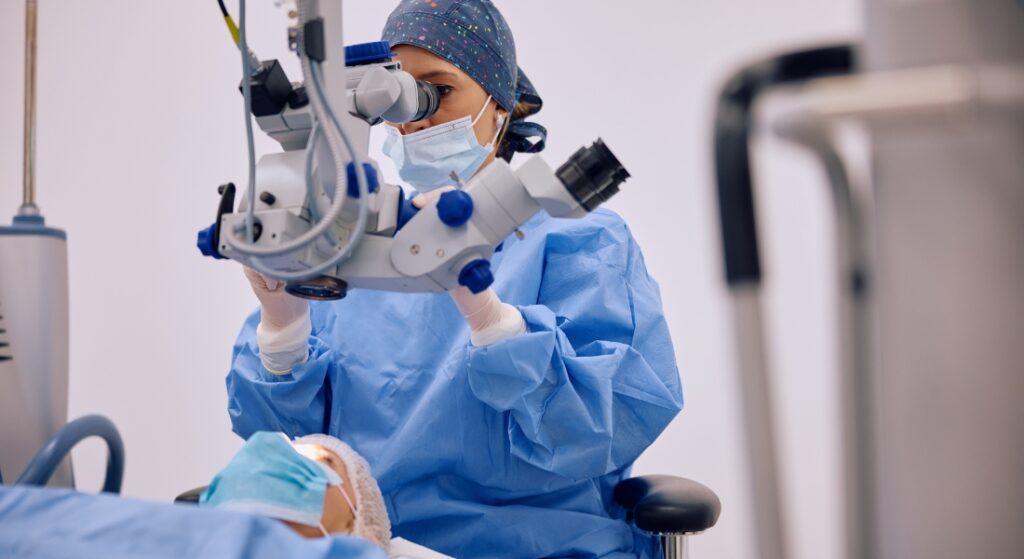
Achieving stable, predictable results with toric ICLs begins long before surgery. I treat pre-operative assessment as a multi-step, data-driven process, because even a perfectly manufactured lens can underperform if sizing or alignment is off. Stability isn’t accidental it’s the result of careful measurement, mapping, and planning tailored to each eye’s anatomy. Attention to detail here directly translates into consistent visual outcomes and patient satisfaction.
- Measuring anterior chamber depth and lens vault: Accurate assessment ensures the ICL fits comfortably without contacting the natural lens. Too shallow a vault increases the risk of cataract formation, while too deep can affect rotational stability. Proper measurement is essential for both safety and functional performance.
- Mapping corneal astigmatism: Identifying the precise axis and degree of astigmatism guides toric lens alignment. Small errors in axis determination can significantly reduce post-operative visual clarity. Detailed mapping ensures the lens neutralises astigmatism as intended.
- Calculating lens size: Lens sizing determines rotational stability and vault behaviour. A lens that’s too small or too large can rotate or vault, compromising vision and sometimes requiring secondary procedures. Correct sizing from the outset minimises intervention and improves longevity.
- Assessing endothelial cell count: Confirming corneal health is essential for long-term safety. Low cell density increases risk of corneal decompensation over time. This step safeguards against delayed complications and ensures the eye can tolerate the implant over decades.
Surgical stability with toric ICLs is a product of meticulous planning rather than chance. Every measurement from chamber depth to corneal mapping and cell counts feeds into a lens selection and placement strategy designed for predictable performance. Ignoring any step increases the risk of rotation, vaulting issues, or reduced visual outcomes. When planning is precise, even complex lenses perform reliably, delivering optimal and lasting vision.
Surgical Technique and Its Role in Stability
You should know that toric ICL surgery is typically brief, taking less than 20 minutes per eye under local anaesthetic. I use precision corneal markings to guide alignment of the lens, ensuring it sits accurately along the astigmatic axis. In many cases, digital guidance systems enhance these measurements, allowing for even greater intraoperative accuracy.
Once in place, the haptics the tiny supporting legs of the lens grip the ciliary sulcus to maintain orientation over time. Correct placement during surgery is critical, as even small adjustments can have a significant impact on rotational stability and the long-term effectiveness of astigmatic correction.
By combining careful pre-operative planning with precise surgical execution, you can achieve predictable, durable outcomes. Proper technique ensures the toric ICL remains stable, providing consistently sharp vision at all distances while minimising the risk of post-operative misalignment.
Evidence on Long-Term Rotational Stability
You should know that long-term studies of toric ICLs, tracked over five to ten years, demonstrate excellent rotational stability. In most cases, lenses rotate less than 5 degrees from their original position, which is well within the range that maintains sharp vision and effective astigmatic correction.
From my own clinical experience, secondary interventions for rotational adjustment are rare. When rotation does occur, it is usually within the first month after surgery and can often be corrected with a minor procedure.
Beyond the early post-operative period, the lens typically remains stable indefinitely. This predictable behaviour is why toric ICLs are such a reliable solution for patients seeking precise, long-term correction of astigmatism and refractive errors.
Factors That Can Affect Stability
Even with toric ICLs’ proven reliability, certain anatomical and technical factors can influence rotational stability. Misjudging lens size, underestimating chamber depth, or overlooking surgical technique nuances can compromise alignment. Recognising these variables before surgery allows for proactive adjustments, reducing the need for corrective interventions later. Stability is built in, not corrected after the fact.
- Incorrect lens sizing: A lens that is too small may rotate, while an oversized lens can vault excessively or press against the iris. Both scenarios compromise vision and may require secondary procedures. Correct sizing upfront is the most critical determinant of long-term stability.
- Shallow anterior chamber: Limited space restricts proper lens placement and can increase the risk of rotation or contact with surrounding structures. Awareness of chamber depth informs whether an ICL is appropriate or if additional precautions are needed. Planning around this avoids avoidable complications.
- High astigmatism considerations: Higher toric powers are less forgiving; even minor rotational shifts can significantly reduce visual quality. Precise axis mapping and lens placement are essential to ensure the desired correction is achieved. Small errors translate into noticeable blur for patients with significant astigmatism.
- Surgical technique and haptic placement: Improper haptic positioning can allow the lens to rotate post-operatively. Ensuring each haptic sits securely in the ciliary sulcus maximises lens stability. Technique-driven adjustments often prevent problems that cannot be corrected easily after surgery.
Rotational stability depends on anticipating anatomical and procedural variables rather than reacting to them post-operatively. Lens sizing, chamber depth, astigmatism level, and meticulous haptic placement all influence outcomes. By addressing these factors in assessment and planning, I ensure that toric ICLs remain aligned and effective over the long term. Stability starts before surgery and is maintained through careful, informed execution.
What Patients Can Expect Visually
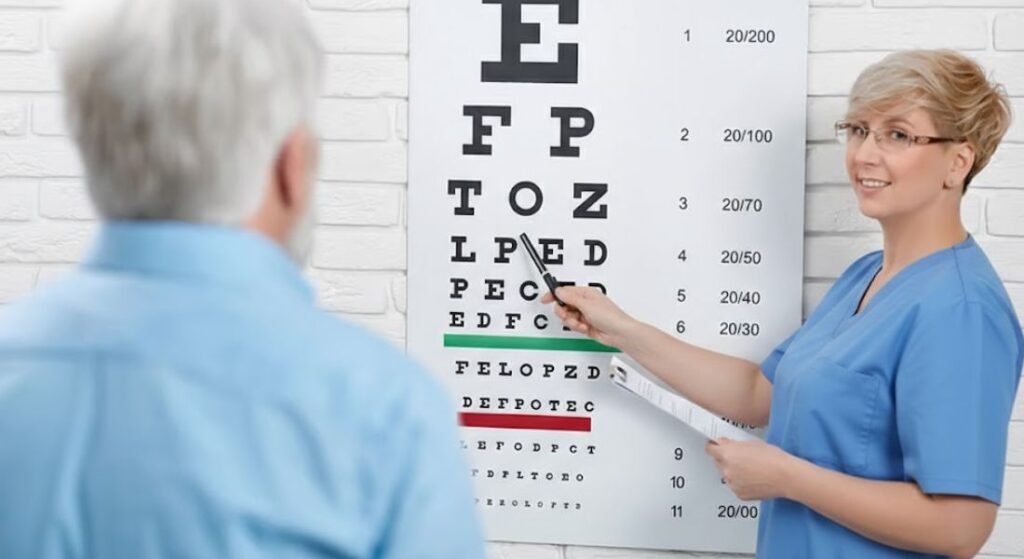
You should expect a noticeable improvement in visual clarity once a toric ICL is correctly positioned. Distance vision is often sharp as soon as the day after surgery, and many patients experience a dramatic reduction in their reliance on glasses or contact lenses for both near and distance tasks. This immediate functional improvement is one of the key advantages of toric ICLs over other corrective procedures.
I always caution that minor fluctuations in vision may occur as the eye heals. Some patients notice slight halos, glare, or subtle changes in contrast during the first few weeks, but these typically resolve as the lens settles and the cornea recovers from the surgical procedure. Understanding that these effects are temporary helps manage expectations and reduces unnecessary anxiety.
By appreciating the healing timeline and following post-operative guidance, you can maximise the stability and quality of your vision. Once the lens is fully settled, most patients enjoy consistently sharp, stable vision across all distances, with minimal dependence on additional corrective devices. This combination of immediate benefit and long-term stability makes toric ICLs a highly reliable solution for astigmatism correction.
Monitoring and Follow-Up
You should know that post-operative follow-up is essential to ensure both safety and optimal visual outcomes. I monitor lens position, vault, and intraocular pressure at multiple intervals to track healing and stability. This includes checks on day 1 for initial alignment and early healing, week 1 to assess vault and rotation, a full visual assessment at month 1, and annual reviews to confirm long-term performance.
Early detection of even minor lens rotation allows for timely surgical realignment, restoring precise vision before any functional issues develop. Beyond the first month, rotation is uncommon, and the lens generally remains stable for the long term.
By adhering to this structured follow-up schedule, you can feel confident that any potential issues are identified and addressed promptly. Continuous monitoring ensures your toric ICL delivers consistent, sharp vision while maintaining eye health over time.
Comparing Toric ICLs to Other Options
When patients consider astigmatism correction, they often compare toric ICLs with laser-based procedures like LASIK or SMILE. Each method has strengths, but toric ICLs offer unique advantages in terms of reversibility, precision, and the range of correctable refractive errors. Understanding these differences helps patients make an informed choice aligned with their anatomy, lifestyle, and long-term visual goals.
- Reversibility: Unlike laser procedures, toric ICLs can be removed or replaced if necessary. This flexibility provides a safety net for patients who may experience changes in vision over time. It also allows for adjustments that laser surgery cannot offer once corneal tissue is reshaped.
- Predictable astigmatism correction: Toric ICLs deliver precise correction that is less influenced by corneal healing variability. Laser outcomes can fluctuate depending on healing patterns, corneal thickness, or flap-related factors. The lens approach ensures a more consistent refractive result across a wide patient population.
- Range of correction: High myopia or significant astigmatism may exceed safe laser correction limits. Toric ICLs can address these higher degrees safely, expanding eligibility for patients who might not be suitable for LASIK or SMILE. This makes them an attractive option for complex refractive needs.
- Dependence on rotational stability: The effectiveness of toric ICLs hinges on maintaining proper orientation within the eye. Careful pre-operative planning and meticulous surgical technique are critical to ensure the lens remains aligned and performs as intended. Stability is the cornerstone of the lens’ predictable success.
Toric ICLs offer distinct advantages over laser-based alternatives, especially for patients requiring high degrees of correction or seeking reversible solutions. Predictability, range, and adaptability make them a compelling choice when anatomy and lifestyle are considered. However, achieving these benefits depends entirely on careful planning and precise execution. When stability is ensured, toric ICLs provide a level of control and versatility that laser procedures cannot match.
Long-Term Outcomes Data
You should know that multiple peer-reviewed studies support the long-term reliability of toric ICLs. Data show that 95–98% of lenses remain within 5 degrees of their intended axis at five years, ensuring stable and precise astigmatic correction. Patient satisfaction is consistently high, with over 90% reporting clear distance vision and reduced dependence on glasses or contact lenses.
Complication rates are low, and issues such as cataract formation or intraocular pressure changes are rare and generally manageable when identified early. This demonstrates that toric ICLs are both safe and effective for long-term vision correction.
In my own practice, I see these outcomes mirrored consistently. The combination of precise surgical technique, careful patient selection, and diligent follow-up reinforces why toric ICLs are a dependable solution for patients seeking predictable, high-quality visual results.
Lifestyle Considerations
You should consider how your lifestyle interacts with toric ICLs. Patients with active or contact-heavy hobbies often benefit from the stability and predictability of an implanted lens compared to daily contact lenses, which can shift or dry out during activity.
Night-time drivers or those sensitive to astigmatic blur gain particular advantage from the precise correction that a properly aligned toric ICL provides. The lens maintains consistent visual quality across different lighting conditions, reducing glare and improving contrast where it matters most.
By factoring in these lifestyle considerations alongside anatomical measurements, you can choose a solution that not only corrects your vision accurately but also supports your daily activities comfortably. This ensures your visual needs are met in both performance and convenience.
Patient Communication and Expectations

You should always set realistic expectations before toric ICL surgery. These lenses can deliver excellent visual outcomes, but achieving optimal results depends on precise alignment, your unique ocular anatomy, and proper post-operative healing. While minor adjustments may occasionally be required, the risk of significant rotational issues is low when thorough pre-operative planning and careful surgical technique are applied.
I make it a point to explain the lens’s function, why alignment is critical, and what long-term stability entails. Patients often appreciate understanding how these factors interact to affect vision, and it significantly reduces anxiety after the procedure. Clear communication about potential early visual fluctuations, like temporary halos or glare, helps them feel prepared and reassured.
Most patients are pleasantly surprised at how quickly they regain sharp, functional vision. By combining technical precision with detailed patient education, you not only maximise satisfaction but also build trust. Being informed allows patients to appreciate the advantages of toric ICLs and feel confident that their choice supports both clarity and long-term visual comfort.
Advanced Planning and Technology Integration
You should know that modern technologies allow me to simulate toric ICL outcomes using detailed biometric data. By integrating measurements such as anterior chamber depth, corneal curvature, and pupil size into lens selection software, I can predict how the lens will sit and rotate within the eye. This digital planning reduces unexpected results and increases the likelihood of precise, reliable visual outcomes.
I also use topography-guided corneal markings and intraoperative imaging when necessary, which further enhances placement accuracy. These tools allow me to verify alignment in real time and minimise the risk of post-operative rotation.
By combining advanced simulations with meticulous intraoperative guidance, I can deliver toric ICL results that are both predictable and customised to each patient’s anatomy. This integration of technology and surgical skill ensures long-term stability, sharp vision, and high patient satisfaction.
When Secondary Intervention Is Needed
You should know that secondary interventions for toric ICLs are rare but sometimes necessary. These usually involve minor repositioning of the lens, which is straightforward and can be performed under local anaesthesia. Early detection of any rotation, typically within the first month, makes the adjustment simple and highly effective.
After the first year, long-term rotations are exceedingly uncommon, and the lens generally remains stable indefinitely. Monitoring during the early post-operative period is therefore key to ensuring predictable outcomes.
By addressing any minor misalignment promptly, you can maintain optimal astigmatic correction and visual clarity. This approach reinforces the reliability of toric ICLs and gives patients confidence in both the procedure and the long-term results.
Integrating ICL Surgery in London Practices
You should know that choosing an experienced surgeon is essential when considering toric ICLs. In London, many clinics offer ICL surgery, but not all provide a full pre-operative biometric assessment, including rotational stability analysis and detailed angle measurements.
Comprehensive evaluation ensures that lens selection, placement, and alignment are tailored to your individual anatomy, maximising visual outcomes and minimising the risk of post-operative complications. Working with a surgeon who prioritises this level of planning is key to achieving predictable, high-quality results.
For personalised guidance and precise lens selection, I recommend seeking a clinic specialising in ICL surgery in London. This approach ensures that your procedure is supported by advanced technology, detailed planning, and experienced surgical expertise.
FAQs:
1. What makes a toric ICL different from a standard ICL?
A toric ICL corrects both myopia or hyperopia and astigmatism. Its two-axis curvature neutralises uneven corneal shape, providing sharper vision without permanently reshaping the cornea.
2. Why is rotational stability important?
Astigmatic correction depends on precise alignment. A rotation of just 10 degrees can reduce effect by a third, while 30 degrees or more may nullify correction. Stability is crucial for predictable, consistent vision.
3. How is the lens sized for each patient?
I measure sulcus-to-sulcus diameter, anterior chamber depth, and lens vault. Correct sizing ensures the lens sits securely, minimising rotation risk and maintaining both safety and optical performance.
4. What surgical steps support stability?
The lens is handled gently and aligned along the intended axis. Haptics grip the ciliary sulcus, and digital or topography-guided markings may be used for precision, ensuring long-term orientation.
5. Can toric ICLs rotate after surgery?
Rotation is rare once the lens settles. Most movement occurs in the first month and can often be corrected with a minor, simple procedure. Beyond this period, the lens generally remains stable indefinitely.
6. How long does visual improvement take?
Distance vision is typically clear the day after surgery. Minor halos or glare may occur initially but resolve as healing progresses and the lens settles, giving consistent, sharp vision thereafter.
7. How does toric ICL compare with LASIK or SMILE?
Toric ICLs offer reversibility, high precision, and correction for higher refractive errors that laser procedures may not safely address. Predictable astigmatic correction is maintained, unlike laser outcomes which can vary due to healing differences.
8. Are there risks that affect long-term stability?
Yes incorrect lens size, shallow anterior chamber, high astigmatism, or improper haptic placement can compromise alignment. Careful pre-operative planning and surgical technique mitigate these risks.
9. What follow-up is required?
Structured follow-ups on day 1, week 1, month 1, and annually monitor lens position, vault, and intraocular pressure. Early detection of rotation allows minor adjustment, ensuring reliable visual outcomes.
10. What can patients realistically expect?
With proper planning and precise surgery, toric ICLs deliver stable, high-quality vision across all distances, minimise dependence on corrective lenses, and maintain clarity and comfort long term. This makes them a reliable choice for managing astigmatism effectively.
Final Thoughts: Predictable Vision with Toric ICLs
Toric ICLs provide a precise, long-term solution for astigmatism, combining stability, reversibility, and predictable visual outcomes. By carefully measuring eye anatomy, selecting the correct lens size, and using meticulous surgical technique, I ensure the lens remains aligned with the astigmatic axis, minimising rotation and maximising clarity. Post-operative follow-up confirms stability, allowing patients to enjoy sharp, comfortable vision across all distances with minimal reliance on glasses or contacts.
If you’re thinking about ICL Surgery in London, you can get in touch with us at London Cataract Centre, where each procedure is tailored to your eye’s unique anatomy and lifestyle needs. By integrating advanced planning, surgical precision, and continuous monitoring, we deliver outcomes that are both reliable and high-quality. Book a consultation to discover how toric ICLs can give you clear, stable vision for years to come.
References:
- Li, E.S. et al., 2024. Rotational stability of toric intraocular lenses by lens model and haptic design: systematic review and meta‑analysis. J Cataract Refract Surg, https://pubmed.ncbi.nlm.nih.gov/38768060/
- Cano‑Ortiz, A. et al., 2025. Objective Rotational Analysis of EVO Toric ICLs Using Infrared Imaging. https://pmc.ncbi.nlm.nih.gov/articles/PMC12072689/
- Mahmoud, M.S.E. & AttaAllah, H.R., 2022. Clinical Outcomes of Toric Implantable Collamer Lens (T‑ICL) and Toric IPCL in High Myopia With Astigmatism. Open Ophthalmology Journal https://www.sciencedirect.com/org/science/article/pii/S1874364122000054
- Chen, X., 2023. Effect of long‑term rotation on astigmatism following EVO‑toric intraocular collamer lens implantation https://pmc.ncbi.nlm.nih.gov/articles/PMC10375410/
- Zhang, Z., Li, Y., Liu, Y. and Qian, Y. (2024) Long‑term rotational stability and refractive outcomes after EVO‑Toric Implantable Collamer Lens implantation: a three‑year prospective study, Clinical Ophthalmology https://pmc.ncbi.nlm.nih.gov/articles/PMC10375410/