


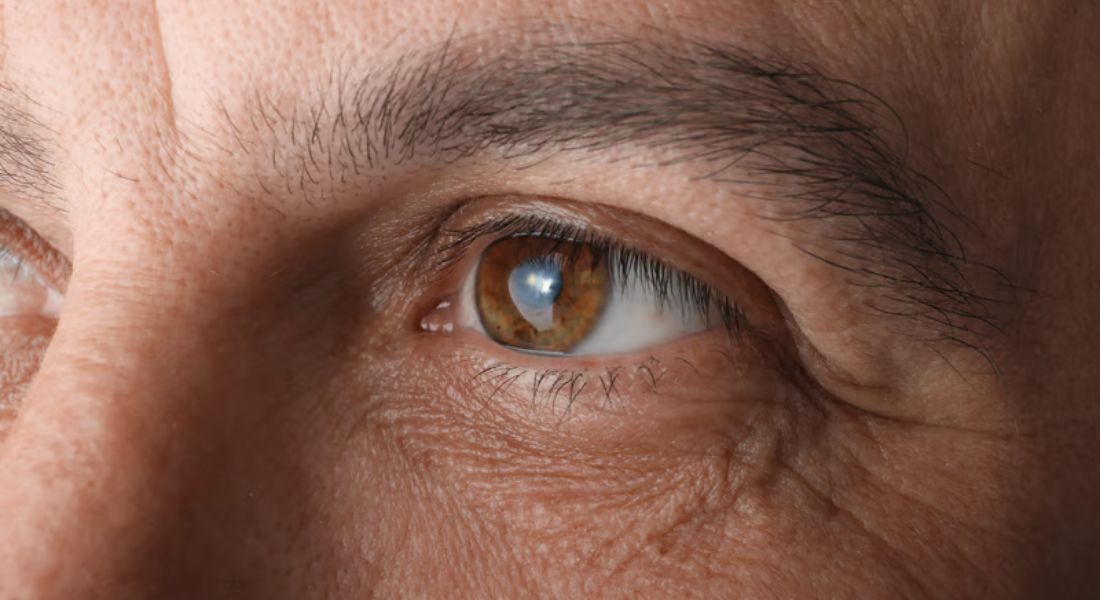
Living with very high myopia can be a daily struggle. Thick glasses often distort vision, and contact lenses can feel uncomfortable, dry, or even risky for prolonged wear. Many patients are told that LASIK isn’t suitable for them because their prescription is too strong, leaving them frustrated and searching for alternative solutions that actually work.
ICL surgery in London presents a highly effective option for those with strong prescriptions. The procedure involves implanting a thin, flexible lens behind the iris, correcting vision without removing corneal tissue. This approach preserves the natural structure of the eye, offers predictable results, and is reversible if necessary benefits that are particularly valuable for patients with very high myopia.
Understanding suitability is key. Not everyone is automatically a candidate for ICL, as factors such as anterior chamber depth, overall eye health, and lifestyle play a role. A thorough consultation ensures the procedure aligns with your anatomy, prescription, and visual goals, maximising both safety and outcomes.
Recovery and adaptation are generally straightforward, with most patients noticing significant improvements in vision within days. While minor halos or glare may occur initially, these usually subside over a few weeks. By the end of the process, many patients experience life-changing clarity, freedom from thick glasses or uncomfortable contact lenses, and the confidence that comes with stable, long-term vision correction.
Introduction: Life with Very High Myopia
Living with very high myopia usually above 8 diopters can make everyday life feel restricted. Thick glasses are heavy and can distort your face, while contact lenses may be uncomfortable or dry. Even simple tasks like reading fine print or driving at night can feel challenging, leaving many patients feeling like they are “constantly adapting” just to see clearly.
Beyond these practical challenges, high myopia can affect self-confidence and limit participation in sports or social activities. Dependence on corrective lenses may create frustration or stress, especially in situations where sharp vision is critical. The emotional impact can be just as significant as the physical inconvenience, influencing how patients navigate daily life.
ICL surgery offers a transformative solution for those struggling with very high prescriptions. By implanting a lens inside the eye, it provides clear, stable vision without relying solely on glasses or contact lenses. This procedure preserves corneal tissue, offers predictable long-term results, and can greatly improve both visual function and quality of life for patients who have previously felt limited by their high myopia.
Understanding Very High Myopia
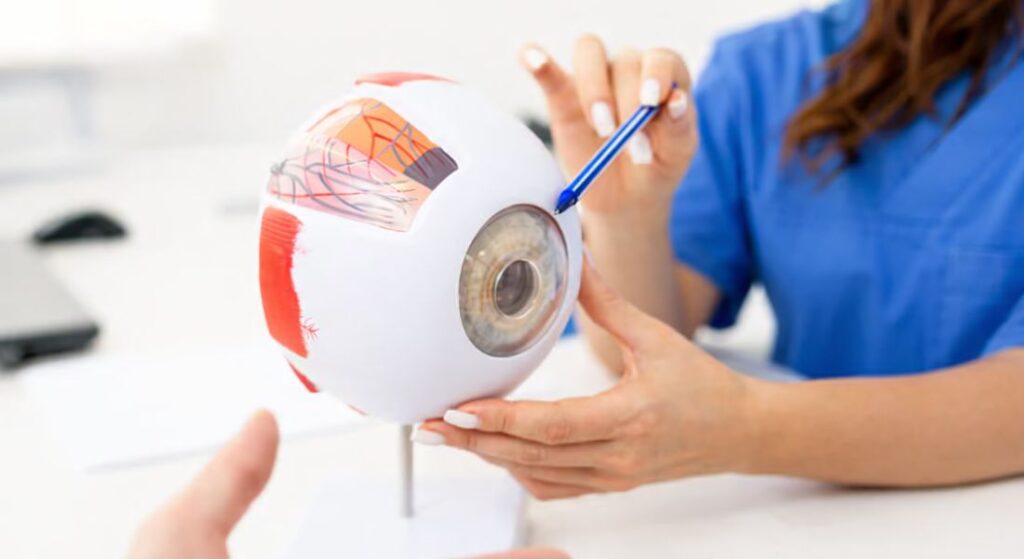
Very high myopia occurs when the eyeball is longer than average or the cornea is excessively curved, causing light to focus in front of the retina. Prescriptions beyond -8 diopters and sometimes exceeding -20 diopters are considered very high myopia. Beyond impacting clarity of vision, very high myopia carries significant long-term risks that make effective correction an important part of eye health management.
- Retinal Detachment: The elongated shape of the eye stretches the retina, increasing the risk of tears or detachment. Early detection and preventive measures are crucial to avoid serious vision loss.
- Glaucoma: Eyes with high myopia are more susceptible to elevated intraocular pressure and glaucoma. Regular monitoring helps protect optic nerve health and long-term vision.
- Early Cataracts: The lens can change earlier than in eyes with normal prescription, leading to premature cataract formation. Corrective procedures can help maintain both visual clarity and long-term eye health.
Correcting very high myopia is not only about improving sight but also about reducing long-term risks to eye health. Appropriate interventions like ICL or lens-based surgeries can provide both clarity and structural protection for high-risk eyes.
Why LASIK Isn’t Always an Option
LASIK reshapes the cornea to correct vision, which works well for moderate prescriptions. However, with very high myopia, the amount of corneal tissue that must be removed can compromise structural integrity, increasing the risk of weakening the cornea.
Patients with strong prescriptions also face a higher chance of regression, where vision partially reverts over time. Post-operative dry eye is more pronounced in these cases, making recovery less comfortable and visual outcomes less predictable.
Additionally, thin or irregular corneas may disqualify patients from LASIK altogether. For those with very strong prescriptions, LASIK often isn’t a safe or effective option, highlighting the need for alternative procedures like ICL surgery that preserve corneal tissue while providing reliable vision correction.
What is ICL Surgery?
ICL surgery, or Implantable Collamer Lens surgery, involves placing a thin, flexible lens inside the eye, specifically between your natural lens and the iris. This approach leaves the cornea completely untouched, preserving its natural structure.
Unlike LASIK, which reshapes the cornea to correct vision, ICL works from within the eye to provide optical correction. This makes it particularly suitable for patients with very high prescriptions, thin corneas, or irregular corneal shapes.
Another advantage of ICL surgery is reversibility. If needed, the lens can be removed or replaced, offering flexibility and long-term safety that laser-based procedures cannot provide. This combination of effectiveness, safety, and reversibility makes ICL an appealing option for many patients with strong prescriptions.
How ICL Corrects High Prescriptions
ICL corrects high prescriptions by placing a corrective lens directly inside the eye, between the iris and natural lens. This allows light to focus precisely onto the retina, effectively correcting myopia and, in many cases, astigmatism.
Because the procedure doesn’t remove any corneal tissue, the structural integrity of the eye remains intact. This is a major advantage over LASIK for patients with very strong prescriptions, thin corneas, or irregular corneal shapes.
By working from within the eye, ICL provides stable, predictable vision correction while minimising risks associated with corneal thinning or regression. It’s a solution that combines effectiveness, safety, and long-term reliability for those with high prescriptions.
Who is Suitable for ICL?

ICL surgery isn’t suitable for every patient, and careful assessment is essential to ensure safety and optimal results. Ideal candidates are usually between 21 and 45 years old, with a stable prescription that is not still changing.
Healthy corneas are required, free from scarring or disease, and there must be sufficient anterior chamber depth the space between the cornea and natural lens to safely accommodate the implantable lens. Eye health is also critical; patients should have no active infections, glaucoma, or significant cataracts that could interfere with the procedure or recovery.
Prescription stability is another key factor. Vision should be stable for at least a year to ensure long-term effectiveness. By meeting these criteria, patients can maximise the benefits of ICL surgery while minimising potential risks.
Pre-Operative Assessment
Before undergoing ICL surgery, a comprehensive pre-operative assessment is critical to ensure safety and the best possible outcomes. Corneal measurements are taken to confirm that the eye can safely accommodate the lens without compromising its structural integrity. These measurements help determine the appropriate lens size and ensure that the cornea remains healthy throughout the procedure.
The anterior chamber depth is carefully evaluated, as sufficient space between the cornea and the natural lens is essential for safe implantation. Retinal health is also assessed to identify any predisposition to retinal detachment or other underlying conditions that could increase surgical risk. Additionally, intraocular pressure is measured to help prevent post-operative complications, such as glaucoma or pressure spikes, which could affect long-term vision.
This detailed pre-operative evaluation not only determines whether ICL is suitable for you but also allows your surgeon to customise the procedure for your eyes. By addressing anatomical, functional, and health considerations beforehand, the assessment maximises both safety and the likelihood of achieving excellent, long-lasting visual outcomes.
ICL Surgery Procedure Step-by-Step
ICL surgery is a quick, minimally invasive procedure that provides precise vision correction with minimal downtime. Each step is carefully planned to ensure safety, comfort, and optimal visual outcomes. Understanding the process helps patients feel prepared and confident going into surgery.
- Preparation: Numbing drops are applied, and pupils are dilated to prepare the eye for the procedure. This ensures comfort and allows the surgeon clear access to the internal structures of the eye.
- Incision: A tiny incision, usually under 3mm, is made in the cornea. Its small size reduces trauma, promotes faster healing, and often does not require sutures.
- Insertion: The ICL lens is gently inserted and positioned behind the iris. This precise placement allows immediate correction of refractive errors.
- Positioning: The lens is carefully aligned to ensure it sits perfectly within the eye. Proper positioning provides sharp vision and stability right after the procedure.
- Post-Op Care: Antibiotic and anti-inflammatory eye drops are applied to prevent infection and reduce inflammation. Most patients can go home the same day with clear post-operative instructions.
ICL surgery combines precision, efficiency, and minimal disruption, offering patients rapid recovery and immediate visual improvement.
Immediate Post-Op Experience
In the first 24–48 hours after ICL surgery, mild watering, a gritty sensation, or light sensitivity is common and generally expected as your eyes begin to heal. Vision may fluctuate during this period, but many patients notice rapid improvement and a significant boost in clarity compared with pre-surgery vision.
Using protective glasses as advised and following the prescribed eye drop regimen is essential to prevent infection, reduce inflammation, and support smooth recovery. These early precautions help your eyes adapt safely to the new lens.
Despite minor discomfort or temporary fluctuations, most patients experience a noticeable improvement almost immediately, which can be both encouraging and confidence-boosting as they adjust to clearer, sharper vision.
Recovery Timeline for High Myopia
Recovery after ICL surgery for high myopia follows a predictable timeline, allowing patients to plan their daily activities and set realistic expectations. On day 1–2, mild discomfort, blurry vision, and light sensitivity are common as the eyes begin adapting to the implanted lens. Using prescribed drops and protective glasses during this phase is essential to support healing.
Between day 3–7, vision continues to improve, though minor halos or glare may be noticeable, especially in low-light conditions. Most patients can perform light daily activities but should avoid strenuous exercise or environments that could increase eye pressure.
From week 2–4, vision stabilises further, and normal activities including work, reading, and moderate exercise can generally be resumed. By month 1 and beyond, vision is usually fully stable, and follow-up appointments ensure proper lens positioning and ongoing eye health, giving patients long-term confidence in their improved visual clarity.
Expected Visual Outcomes
Patients undergoing ICL surgery can often achieve 20/20 vision or better, even with very high prescriptions that would be difficult or unsafe to correct with LASIK. The implanted lens allows light to focus precisely on the retina, providing sharp, stable vision for both near and distance tasks. Many patients report immediate improvements in clarity, which continues to refine as the eyes adapt over the first few days.
Night vision is generally excellent, though minor halos or glare around lights may occur initially, particularly in dim environments. These visual disturbances usually diminish over several weeks as the brain and eyes adjust to the new lens, and they rarely persist long-term. This gradual adaptation is a normal part of the healing process and typically does not affect overall satisfaction.
A major advantage of ICL surgery, especially for very high prescriptions, is its long-term stability. Unlike LASIK, where regression is more common in stronger prescriptions, ICL results are predictable and durable. This stability means patients can enjoy lasting visual clarity without frequent adjustments, enhancing both convenience and confidence in their daily life.
Benefits of ICL Over LASIK
ICL surgery offers several advantages over LASIK, particularly for patients with very high prescriptions or corneal limitations. One of the biggest benefits is its high prescription range, allowing correction of up to 20 diopters far beyond what LASIK can safely treat.
Another key advantage is corneal preservation. Unlike LASIK, ICL does not remove corneal tissue, maintaining the eye’s structural integrity and reducing the risk of complications related to thinning or weakening of the cornea. This also contributes to reduced dry-eye issues, as the corneal nerves remain intact, which is especially important for patients prone to dryness.
ICL is also reversible the lens can be replaced or removed if vision changes in the future providing flexibility that laser-based procedures cannot offer. Combined with predictable, long-term results, these benefits make ICL a highly effective and reliable solution for patients with strong prescriptions who seek safe, lasting vision correction
Patient Experiences
Patients who undergo ICL surgery often describe a transformative improvement in their daily lives. Many notice clear vision almost immediately, allowing them to read, drive, and engage in activities without relying on thick glasses or uncomfortable contact lenses.
Beyond the practical benefits, patients frequently report a boost in confidence, both socially and professionally. The freedom from heavy, distorting glasses can feel liberating, improving self-image and comfort in public settings.
For example, one patient with –18 diopters described the experience as “absolutely surreal I finally see the world clearly.” Stories like this highlight how ICL surgery not only corrects vision but can profoundly enhance quality of life and overall well-being.
Lifestyle Impact

ICL surgery can have a major positive impact on everyday life, going far beyond just clearer vision. For those with an active lifestyle, activities such as sports, swimming, and outdoor adventures become easier and more enjoyable, as there’s no need to worry about glasses slipping or contact lenses drying out.
Travel becomes more convenient too patients no longer have to manage spare lenses or deal with the hassle of correcting vision on the go. At work or during reading, stable vision reduceseye strain, making prolonged focus more comfortable and efficient.
Many patients also experience a noticeable boost in confidence and self-esteem, feeling more comfortable in social settings and daily interactions. Overall, ICL surgery enhances both functionality and quality of life, making routine tasks and leisure activities far more enjoyable.
Common Questions and Misconceptions
Patients often have questions or misconceptions about ICL surgery, and it helps to address them clearly. Many wonder if they will achieve perfect vision. In most cases, patients reach 20/20 or better, though individual results can vary slightly depending on eye anatomy and prescription.
Concerns about long-term safety are common. With proper pre-operative assessment and routine post-operative monitoring, ICL is considered safe and reliable over the long term. Unlike laser procedures, the lens can also be replaced or removed if the prescription changes, providing flexibility that few other treatments offer.
Some patients ask whether ICL can be combined with other procedures, such as cataract surgery or refractive enhancements. In select cases, this is possible, but any combination must be carefully planned by the surgeon to ensure safety and optimal outcomes. Addressing these questions upfront helps patients make informed, confident decisions.
Risks and Complications
ICL surgery is generally safe, but like any procedure, it carries potential risks and complications, even if they are uncommon. Some patients may experience temporary halos or glare, especially at night, which usually improve over time as the eyes adjust.
A slight increase in intraocular pressure can occur in some cases, and although rare, cataract formation is a possible long-term risk. There is also a minimal chance of infection or lens misplacement, which is why careful surgical technique and adherence to post-operative care are essential.
Choosing an experienced surgeon and attending all recommended follow-up appointments significantly reduces these risks. Proper monitoring ensures that any issues are identified and addressed early, helping maintain both safety and the quality of visual outcomes.
Long-Term Stability
ICL lenses are designed for long-term stability and can last for several decades, making them a reliable option for patients with very high prescriptions. Because the procedure does not alter the cornea, the risk of regression is minimal compared with laser-based corrections, and the structural integrity of the eye is preserved. This preservation also helps reduce the likelihood of dry-eye issues, which can be more common after LASIK.
Routine follow-up appointments are an essential part of long-term care. During these visits, the surgeon checks the lens position, monitors intraocular pressure, and assesses overall retinal health. These evaluations help catch any potential issues early and ensure that the lens continues to function optimally, maintaining consistent vision over time.
With careful monitoring and proper post-operative care, patients can enjoy stable, high-quality vision for many years. The combination of durability, predictability, and reversibility makes ICL a particularly appealing solution for those with strong prescriptions who want a long-term alternative to glasses or contact lenses.
Cost Considerations and Value
ICL surgery typically has a higher upfront cost compared with LASIK or the ongoing expense of contact lenses and glasses. This can make the initial investment seem significant, especially for patients comparing different vision correction options.
However, the value of ICL goes beyond the price tag. Its ability to safely correct very high prescriptions, preserve corneal tissue, and provide long-term, stable results makes it a durable solution that can reduce the need for future corrective procedures. The reversibility of the lens also adds flexibility, allowing adjustments if prescriptions change over time.
Many patients find that the combination of immediate vision improvement, long-term stability, and freedom from glasses or contact lenses makes ICL a worthwhile investment. When viewed in terms of quality of life, convenience, and safety, the procedure often provides benefits that extend well beyond the initial cost.
ICL for Special Cases
ICL surgery is highly versatile and can be tailored for patients with unique ocular considerations that make traditional laser procedures less suitable. For individuals with specific corneal, refractive, or surgical histories, ICL often provides a safer and more effective alternative. Understanding these special scenarios helps patients and surgeons select a personalised approach, maximising both safety and visual outcomes.
- Thin Corneas: Patients with thin corneas may not be ideal candidates for LASIK, which removes corneal tissue to reshape the eye. ICL avoids corneal reshaping altogether, preserving the structural integrity of the eye. This makes it particularly valuable for those who want to correct high prescriptions safely without compromising corneal strength.
- Astigmatism: Toric ICL lenses can correct astigmatism in addition to myopia or hyperopia. By addressing irregular curvature, these lenses provide sharper vision and reduce dependence on glasses or contact lenses. Patients with moderate to high astigmatism often achieve results that are difficult to replicate with corneal laser procedures alone.
- Previous Eye Surgeries: ICL can be a safe option for patients who have undergone prior laser procedures or other ocular surgeries, depending on individual assessment. When the cornea has already been altered or is not suitable for further reshaping, ICL offers a highly effective solution for restoring vision. Careful evaluation ensures compatibility and long-term stability.
For patients with thin corneas, astigmatism, or previous eye surgeries, ICL offers a precise, customizable, and reliable method for achieving sharp, stable vision. Its flexibility and safety make it a preferred choice for complex cases where traditional laser procedures may not be ideal.
FAQs
1. Can ICL correct extremely high prescriptions?
Yes. ICL is suitable for very high myopia, often up to -20 diopters, and can also correct astigmatism with toric lenses. It’s ideal when LASIK is unsafe or unsuitable due to corneal thickness or irregularities.
2. How quickly will I see improvements after ICL surgery?
Many patients notice improved vision immediately or within the first 24–48 hours. Vision continues to stabilise over the next few weeks, and mild halos or glare may occur initially.
3. Is ICL surgery painful?
ICL surgery is minimally invasive and performed under numbing eye drops. Most patients experience only mild discomfort, such as a gritty or watery sensation, which usually resolves within a day or two.
4. How long does the recovery take?
Initial recovery is quick, with most patients resuming light activities within a few days. Full visual stability usually occurs within 4 weeks, and normal work, reading, and moderate exercise can often resume during this period.
5. Are there any risks or complications?
ICL is generally safe, but potential risks include temporary halos or glare, mild increases in intraocular pressure, infection, or very rarely, cataract formation. Careful surgical technique and adherence to post-operative instructions minimise these risks.
6. Is the procedure reversible?
Yes. One of ICL’s advantages is reversibility. The lens can be removed or replaced if prescriptions change or if complications arise.
7. Can ICL be used if I have thin corneas?
Absolutely. Unlike LASIK, ICL does not remove corneal tissue, making it a safer alternative for patients with thin or irregular corneas.
8. Can ICL correct astigmatism?
Yes. Toric ICL lenses are specifically designed to correct astigmatism along with myopia, providing sharper vision for patients with irregular corneal curvature.
9. Will I still need glasses after ICL surgery?
Most patients achieve clear vision without glasses for everyday tasks. Some may require glasses for specific tasks like reading fine print if presbyopia develops with age.
10. Can I undergo ICL surgery if I’ve had previous eye surgery?
In many cases, yes. Patients with prior laser procedures or other ocular surgeries may still be candidates, though careful evaluation is required to ensure compatibility and safety.
Final Thoughts: Achieving Clear Vision with ICL for High Myopia
ICL surgery offers a highly effective, safe, and predictable solution for patients with very high myopia, especially when LASIK or other laser procedures aren’t suitable. From immediate improvements in clarity to long-term stability, the procedure can transform daily life by reducing dependence on thick glasses or uncomfortable contact lenses, while preserving the natural structure of the eye. With careful pre-operative assessment, adherence to post-operative care, and regular follow-ups, patients can enjoy lasting, high-quality vision with minimal complications.
For those with very strong prescriptions, complex eye conditions, or prior ocular surgeries, ICL provides flexibility, reversibility, and personalised correction, making it a valuable option for achieving sharp, stable vision. If you’re considering ICL Surgery in London, you can get in touch with us at the London Cataract Centre to explore a tailored solution for your eyes and prescription.
References
- Kim, Y.H., Yoon, C.H. and Kim, M.K., 2025. Long‑term outcome and related risk factors in implantable collamer lens implantation of high myopia. Korean Journal of Ophthalmology https://pubmed.ncbi.nlm.nih.gov/40007092/
- Kapoor, G., 2025. Objective and subjective outcomes following implantable collamer lens (ICL) implantation for the correction of myopia https://pmc.ncbi.nlm.nih.gov/articles/PMC12258833/
- Article Title Eight‑Year Follow‑up of Posterior Chamber Phakic Intraocular Lens Implantation for Moderate to High Myopia, 2014. American Journal of Ophthalmology, https://www.sciencedirect.com/science/article/abs/pii/S0002939413007289
- Serra, P., Posterior Chamber Phakic Intraocular Lenses for the Correction of Myopia: Factors Influencing the Postoperative Refraction, Vision https://www.mdpi.com/2673-3269/2/4/28
- Shimizu, K., Kamiya, K., Takahashi, M., Eight‑Year Outcomes of Implantation of Posterior Chamber Phakic Intraocular Lens With a Central Port for Moderate to High Ametropia, Journal of Cataract & Refractive Surgery, https://pubmed.ncbi.nlm.nih.gov/34977099/