


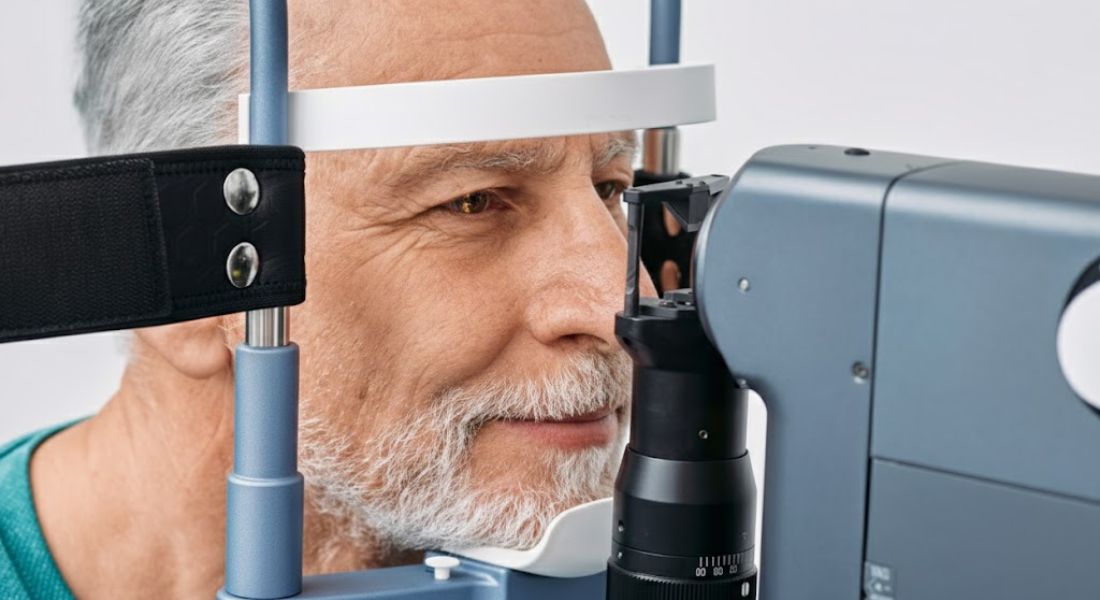
Recovery after ICL surgery is generally quick, but understanding the day-by-day process can help you plan and feel more confident. In the first 24 hours, many patients notice an immediate improvement in vision, although it may still feel slightly blurry or hazy. Mild discomfort, light sensitivity, and watery eyes are common, so resting and avoiding screen strain or heavy activity is recommended during this initial period.
During the first few days, your vision gradually stabilises. You may notice minor fluctuations in clarity, occasional halos around lights, or mild dryness. Eye drops prescribed by your surgeon help manage inflammation and reduce the risk of infection. It’s also important to avoid rubbing your eyes and to follow all activity restrictions to ensure smooth healing.
By the end of the first week, most patients see a noticeable improvement in comfort and visual stability. Follow-up appointments allow your surgeon to check lens positioning, intraocular pressure, and overall eye health. Any residual mild irritation or sensitivity is typically resolving, and daily activities can be resumed carefully.
Within the first month, vision generally becomes fully stable. Temporary visual effects, such as halos or glare, usually diminish, and you can safely return to normal routines, including work, exercise, and driving. Maintaining post-operative care, attending scheduled check-ups, and protecting your eyes from trauma or excessive strain ensures long-term success and maximises the benefits of ICL surgery.
The Day of Surgery: First 24 Hours
The first 24 hours after ICL surgery are primarily focused on rest and protecting your eyes. Immediately after the procedure, it’s normal to feel a gritty or watery sensation, along with mild blurring and fluctuating vision as the lens settles. Most patients experience only minor discomfort, which is usually manageable with rest and careful attention.
Prescribed eye drops, including anti-inflammatory and antibiotic medications, are started right away. These are essential for preventing infection, reducing swelling, and supporting smooth healing. Following the dosing schedule precisely is critical to ensure a safe recovery and optimal early results.
During this initial period, it’s important to avoid screens, bright lights, or strenuous activity, and to wear protective glasses as recommended to prevent accidental rubbing or irritation. By the end of the day, your vision may already feel clearer, but some haziness or slight double vision is normal and part of the natural healing process.
Day 1–2: Early Healing and Adjustment
The first couple of days after ICL surgery are focused on initial healing and visual adjustment. During this period, your eyes are adapting to the new lens, and minor fluctuations in vision or comfort are normal. Close adherence to post-operative instructions is critical to protect the eye, support proper lens positioning, and reduce the risk of complications. Understanding what to expect helps patients navigate the early recovery phase with confidence.
- Vision Fluctuations: Sharpness and clarity may improve and regress several times as fluid levels within the eye stabilise. These fluctuations are a normal part of the early healing process. Patients should remain patient, as vision typically stabilises over the coming days.
- Mild Discomfort: Mild itching, tearing, or light sensitivity is common during the first 48 hours. It’s important to avoid rubbing the eyes, which could disrupt lens placement or introduce infection. Gentle care and adherence to instructions help minimise discomfort.
- Rest and Hydration: Protecting the eyes and resting in a calm environment supports healing. Using artificial tears as directed can reduce dryness and irritation. Maintaining a relaxed routine during this phase promotes optimal recovery.
Following all post-operative instructions precisely during the first two days ensures that the lens remains correctly positioned and lowers the risk of infection. Early compliance sets the foundation for smooth healing and stable vision in the days and weeks ahead.
Day 3–4: Settling of Vision
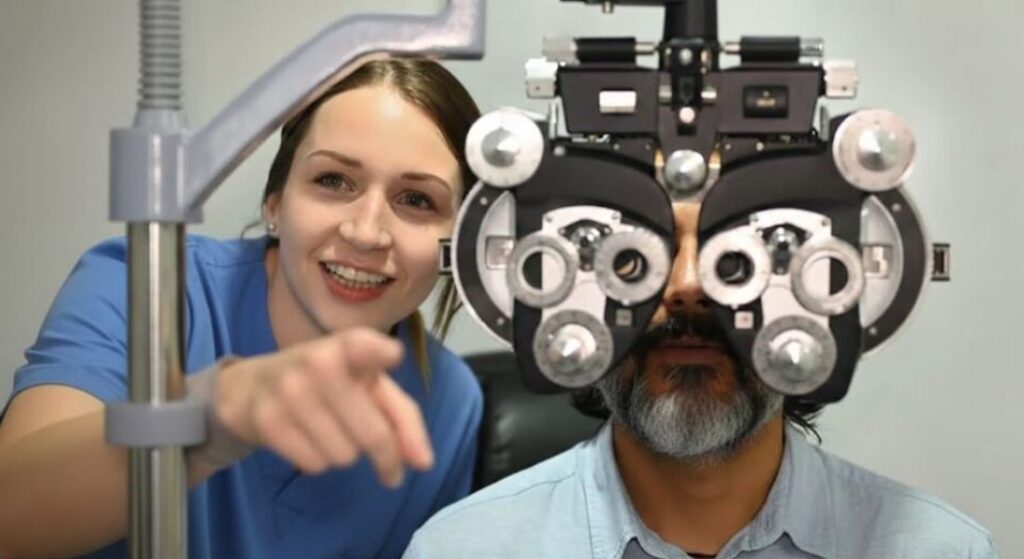
By days three and four after ICL surgery, most patients notice gradual improvements in visual clarity, although mild blurring or fluctuations may still be present. During this phase, your brain is continuing to adapt to the new optics, so objects may temporarily appear slightly larger, smaller, or distorted as your visual system adjusts to the implanted lens.
Sensitivity to bright lights or glare can persist, making sunglasses outdoors helpful for comfort and protection while your eyes continue to heal. These measures reduce strain and support a smoother adaptation process.
Most normal daily activities can be resumed, but heavy lifting or strenuous exercise should still be avoided to prevent increases in eye pressure. Patience is essential during this period, as the lens itself is stable, but your visual system is still settling into its optimal function for long-term clarity.
Day 5–7: First Week Overview
The first week after ICL surgery is a crucial period for monitoring your eyes and confirming proper healing. By days five to seven, most patients notice a significant improvement in visual clarity. While vision may not yet be perfectly stable, it is often close to the expected outcome, giving a clear sense of the benefits of the procedure.
A post-operative follow-up appointment during this week allows your surgeon to check lens positioning, intraocular pressure, and overall eye health. Mild side effects, such as temporary halos or glare especially at night may still occur but typically subside gradually over the following weeks.
During this time, you can usually resume light work, reading, and other gentle activities. However, swimming, dusty environments, or strenuous exercise should be avoided to reduce the risk of infection. Adhering strictly to prescribed eye drops and maintaining good hygiene remain essential for a smooth and safe recovery.
Week 2: Gaining Confidence
By the second week after ICL surgery, many patients begin to feel more confident with their vision. Discomfort such as itching, tearing, or mild light sensitivity typically diminishes significantly, making daily activities more comfortable.
Vision clarity improves noticeably, allowing most day-to-day tasks like reading, computer work, or driving in daylight to be performed with ease. Night-time visual disturbances, including halos or glare, may still occur but are usually much milder than during the first week.
While it can feel like your eyes are almost back to normal, ongoing care remains important. Continuing prescribed eye drops, protecting your eyes from trauma or UV exposure, and attending scheduled follow-ups help ensure a smooth recovery and stable long-term results.
Week 3: Adjusting to the New Lens
By the third week after ICL surgery, your eyes continue to adapt to the new lens, and vision becomes increasingly stable. Sharpness and clarity improve steadily, and for many patients, vision is now close to the expected long-term result.
Light sensitivity also diminishes, making glare in low-light situations noticeably less bothersome. Night driving and dim-light activities typically feel more comfortable, though minor visual effects can occasionally persist.
Most daily routines, including light exercise, can be resumed cautiously. Protective measures during sports or high-risk activities are still recommended to safeguard your eyes. This stage marks the transition from immediate post-operative recovery to long-term visual adjustment and stability.
Week 4: One Month Post-Surgery
By the fourth week after ICL surgery, most patients notice significant visual improvement and overall comfort. Vision is typically stable by this point, with only minor fluctuations, giving a reliable sense of the procedure’s long-term benefits.
Daily activities including driving, reading, computer work, and most hobbies can usually be resumed without restriction. Any remaining sensitivity or mild halos are often minimal and continue to improve gradually.
A one-month follow-up appointment is essential to confirm proper lens positioning, intraocular pressure, and overall eye health. Many patients feel thrilled at this stage, appreciating the dramatic improvement in vision, especially if they previously relied heavily on glasses or contact lenses for high prescriptions.
Common Post-Operative Experiences
Even with a smooth recovery after ICL surgery, it’s normal to experience some temporary post-operative effects. Halos or glare rings around lights, especially at night are common during the first few weeks. For most patients, these visual disturbances gradually diminish as the eyes adapt to the new lens, though they may be more noticeable in dim lighting initially.
Mild dryness is another frequent experience, particularly in the first month. Artificial tears or lubricating drops prescribed by your surgeon can significantly improve comfort and help maintain optimal eye hydration. It’s important to follow the recommended dosing schedule to support healing and reduce irritation.
Fluctuating vision can also occur as your eyes adjust to the lens. Minor variations in sharpness or clarity are normal during this period and typically stabilise over the first few weeks. With careful adherence to post-operative care, including using drops, protecting your eyes, and attending follow-ups, these symptoms are usually temporary and manageable, allowing you to enjoy the long-term benefits of clear, stable vision.
Tips for a Smooth Recovery

Optimising recovery after ICL surgery is crucial for achieving the best results. Following your surgeon’s instructions carefully and taking proactive measures to protect your eyes can significantly reduce complications. Simple daily habits and precautions during the healing period ensure that the benefits of surgery are fully realised.
- Follow All Drop Schedules: Using anti-inflammatory and antibiotic eye drops as prescribed helps prevent infection and reduces inflammation. Consistent adherence is key to protecting your eyes during the critical healing phase.
- Protect Your Eyes: Wearing sunglasses outdoors and avoiding rubbing the eyes prevents irritation and safeguards the lens. Protecting the eyes supports stable positioning of the implant and reduces the risk of trauma.
- Avoid High-Risk Environments: Dusty, smoky, or water-heavy areas can introduce bacteria or irritants that compromise healing. Limiting exposure to these environments lowers infection risk.
- Limit Strenuous Activity: Heavy lifting, contact sports, or vigorous exercise should be avoided until cleared by your surgeon. Overexertion can increase eye pressure or disrupt healing.
- Stay Hydrated and Well-Rested: Maintaining good overall health supports the body’s natural healing processes. Adequate hydration and rest help the eyes recover more efficiently.
By following these practical steps, patients can maximise the benefits of ICL surgery while minimising complications. Careful attention to recovery routines ensures a safer, smoother, and more satisfying visual outcome.
When to Contact Your Surgeon
While most patients experience a smooth recovery after ICL surgery, it’s important to remain vigilant and contact your surgeon promptly if any concerning symptoms arise. Sudden loss of vision or severe blurriness should never be ignored, as these could indicate a serious issue requiring immediate attention.
Persistent pain, redness, or unusual discharge are also warning signs that need professional evaluation. Even though mild discomfort and temporary visual effects are common, worsening symptoms may signal infection or inflammation that must be addressed promptly.
If halos or glare are intensifying instead of gradually improving, it’s worth consulting your surgeon to ensure the lens is properly positioned and your eyes are healing as expected. Timely communication helps manage potential complications quickly and safely, supporting both your recovery and long-term vision outcomes.
Psychological and Lifestyle Considerations

Recovering from ICL surgery involves more than just physical healing it also includes psychological and lifestyle adjustments. The improvement in vision can feel liberating, but some patients need time to adapt mentally to life without glasses or contact lenses. This emotional adjustment is normal and often enhances overall satisfaction with the procedure.
Lifestyle changes are another consideration during recovery. Activities such as swimming, gym workouts, or contact sports may need temporary modifications to protect your eyes, especially during the first few weeks. Following your surgeon’s guidance ensures safe participation in these activities while your eyes continue to heal.
As your vision stabilises, many patients experience a boost in confidence. Clear eyesight can improve performance in work, driving, and everyday tasks, enhancing both convenience and quality of life. Recognising these psychological and lifestyle aspects helps you fully appreciate the transformative impact of ICL surgery.
Comparing Recovery: ICL vs LASIK
When comparing recovery between ICL and LASIK, there are some important differences to understand. ICL offers rapid visual improvement with minimal disruption to the cornea, and the procedure is reversible if needed. Some patients may experience a slightly longer adaptation period for minor glare or halos, but overall recovery is predictable and comfortable.
LASIK, on the other hand, usually provides quick recovery as well, but it reshapes corneal tissue, which can lead to temporary dryness or fluctuations in vision. It may also be unsuitable for patients with very high prescriptions or thin corneas, limiting candidacy for some individuals.
Being aware of these differences helps set realistic expectations and supports informed decision-making. Choosing the procedure that aligns with your eye anatomy, prescription, and lifestyle ensures both safety and satisfaction with your vision correction.
Long-Term Recovery and Follow-Up
Recovery after ICL surgery doesn’t end after the first few weeks. Ongoing follow-up appointments are essential to ensure the lens remains in position, intraocular pressure is stable, and overall eye health is maintained. Regular monitoring allows early detection of potential complications and supports long-term visual stability. Understanding the importance of these check-ups helps patients commit to a proactive approach to their eye care.
- Monitoring Lens Position: Follow-up visits confirm that the ICL is correctly positioned within the eye. Proper placement is critical for optimal vision and preventing lens-related complications. Early detection of any shift allows timely intervention.
- Checking Intraocular Pressure: Measuring eye pressure prevents long-term complications such as glaucoma. Consistent monitoring ensures that any changes can be addressed promptly, protecting both vision and eye health.
- Ongoing Eye Health: Routine exams detect age-related changes, including early cataract formation or other ocular conditions. Proactive monitoring allows for timely management and preserves long-term vision quality.
Maintaining regular follow-up appointments is key to ensuring lasting success and stable vision. Commitment to long-term care maximises the benefits of ICL surgery and minimises the risk of complications over time.
FAQs
1. What should I expect on the day of ICL surgery?
Immediately after surgery, vision may feel blurry or hazy, and mild discomfort, watering, or light sensitivity is normal. Rest, protective glasses, and prescribed eye drops are essential during the first 24 hours. Avoid screens, bright lights, and heavy activity to support smooth healing.
2. How does vision change in the first few days?
During the first 1–2 days, vision can fluctuate as your eyes adjust to the new lens. Minor halos, glare, or dryness are common. Using artificial tears and following your surgeon’s instructions carefully can significantly improve comfort and prevent complications.
3. When does vision start to settle?
By days 3–4, most patients notice gradual improvements in clarity. Your brain is adapting to the lens, so objects may appear slightly different in size or shape temporarily. Sunglasses outdoors can help reduce light sensitivity during this phase.
4. What happens during the first week of recovery?
Days 5–7 mark the initial stabilisation phase. Visual clarity improves significantly, and mild halos may still appear, particularly at night. Follow-up appointments during this week allow your surgeon to check lens positioning, intraocular pressure, and overall eye health. Light activities can usually resume, but swimming, dusty environments, and strenuous exercise should be avoided.
5. How is week 2 of recovery different?
By the second week, discomfort such as itching or mild tearing usually diminishes. Most patients can perform daily tasks like reading, computer work, and driving in daylight comfortably. Night-time glare may persist slightly, but it is much reduced. Continued use of prescribed drops and eye protection ensures optimal healing.
6. What to expect in week 3?
By the third week, your vision is nearly stable, and adaptation to the lens is largely complete. Light sensitivity and minor visual disturbances continue to improve. Most daily routines, including light exercise, can be resumed cautiously, though protective eyewear is recommended during sports or high-risk activities.
7. What does the first month look like?
By week 4, vision is usually fully stable, with only minimal fluctuations. You can generally resume all normal activities, including driving, sports, and hobbies. A one-month follow-up appointment ensures lens positioning, intraocular pressure, and overall eye health are optimal. Many patients feel a dramatic improvement in quality of life by this stage.
8. What common post-operative symptoms should I expect?
Temporary halos, glare, dryness, and minor vision fluctuations are common in the first few weeks. Mild irritation may occur, especially in dim lighting. Most symptoms improve naturally as your eyes adapt, particularly with consistent use of prescribed drops and following recovery precautions.
9. Psychological and lifestyle considerations
Adjusting to life without glasses or contacts can feel liberating but may take time mentally. Avoid activities that could risk eye trauma during early recovery. Many patients notice improved confidence and convenience as their vision stabilises, which enhances overall satisfaction with ICL surgery.
10. When should I contact my surgeon?
Seek medical advice immediately if you experience sudden loss of vision, severe blurriness, intense pain, redness, or unusual discharge. Even worsening halos, glare, or fluctuating vision should be reported to ensure the lens is positioned correctly and healing is on track. Early intervention reduces the risk of long-term complications.
Final Thoughts: Navigating Your ICL Recovery with Confidence
Recovery after ICL surgery is typically quick and smooth, but understanding what to expect day-by-day helps you feel prepared and confident. From the initial 24 hours of rest and eye protection to gradual visual stabilisation over the first month, following post-operative instructions, attending follow-ups, and protecting your eyes are key to maximising the benefits of your new lens. Temporary visual effects like halos, glare, or minor dryness are common, but these usually diminish as your eyes adapt and heal.
Being mindful of both physical and psychological adjustments ensures a comfortable transition to life with clear vision. By staying proactive in your care, maintaining good eye hygiene, and monitoring any changes, you can enjoy the full advantages of ICL surgery safely and effectively. If you’re thinking about ICL Surgery in London, you can get in touch with us at the London Cataract Centre to discuss a personalised assessment and recovery plan.
References
- Miao, H., Chen, X., Tian, M., Chen, Y., Wang, X. and Zhou, X., 2018. Refractive outcomes and optical quality after implantation of posterior chamber phakic implantable collamer lens with a central hole (ICL V4c). BMC Ophthalmology, https://pmc.ncbi.nlm.nih.gov/articles/PMC6001218/
- Huang, T., Zhang, H. and Li, K., 2024. Assessment of clinical efficacy and safety of ICL implantation in patients with relatively shallow anterior chamber depth in early and midterm postoperative time. Heliyon https://www.sciencedirect.com/science/article/pii/S2405844024158227
- Miao, H., et al., 2018. Refractive outcomes and optical quality after implantation of posterior chamber phakic implantable collamer lens with a central hole (ICL V4c). BMC Ophthalmology, https://pubmed.ncbi.nlm.nih.gov/29898694/
- Katsanevaki, V.J., 2007. Refractive surgery: what patients need to know. British Medical Bulletin https://academic.oup.com/bmb/article-abstract/83/1/325/384535
- Lin, F., Liu, F., Niu, L., et al., 2024. The rate of vault changes after ICL V4c implantation and its correlation with anterior segment parameters. Heliyon https://www.sciencedirect.com/science/article/pii/S2405844024018541