



If you are considering refractive lens exchange, you are likely aiming for clearer daytime vision and less dependence on glasses. We recognise that night driving is often raised as a specific concern during consultation. You need strong contrast sensitivity, effective glare control and quick adjustment to shifting light levels after dark.
You may have heard about halos or glare following lens procedures. We explain that these effects are not unusual, particularly with certain premium lens designs. Understanding what is expected, temporary or manageable allows you to approach surgery with balanced and realistic expectations.
Night driving places different demands on your eyes compared with daytime activities. We discuss how lens choice, pupil size and contrast perception can influence your experience after dark. Preparing you in advance helps reduce unnecessary worry and builds confidence.
This guide focuses specifically on refractive lens exchange rather than cataract surgery. We outline what you can reasonably expect before the procedure, throughout recovery and in the longer term. Clear information enables you to make decisions with reassurance and clarity.
Why Night Driving Is Different from Daytime Vision
Night driving challenges your vision in ways that daytime activities do not. You face glare, reduced contrast, and sudden light transitions that test visual stability. We prepare you for these differences so your expectations remain realistic and reassuring.
- Increased Visual Demands at Night: Street lighting, headlights, and reflective surfaces create sharp contrasts. Your pupils naturally dilate in low light, allowing more light into the eye.
- Pupil Dilation and Optical Effects: Larger pupils involve more peripheral areas of the lens in focusing light. Subtle optical differences may therefore feel more noticeable after dark.
- Daylight Versus Night Vision: Smaller pupils in daylight often enhance clarity and contrast. At night, glare and rapid brightness changes require greater visual adaptation.
Understanding these normal visual responses helps you approach night driving with confidence. We explain potential changes clearly so you feel prepared rather than surprised. Careful guidance and follow-up ensure that your recovery remains both safe and comfortable.
How Refractive Lens Exchange Alters Optics
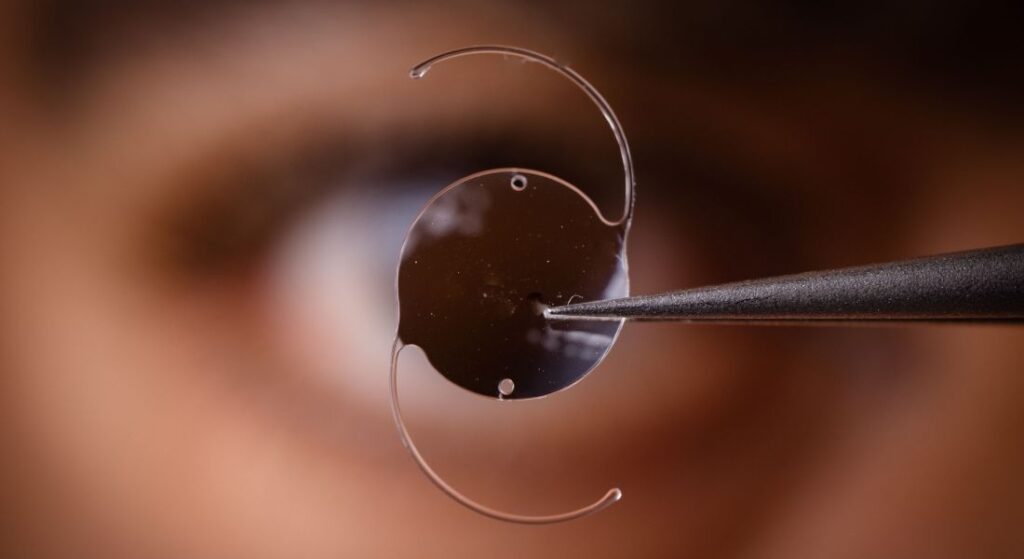
Refractive lens exchange involves replacing your natural lens with an artificial intraocular lens. We explain that the optical design of this new lens determines how light is focused inside your eye. Different lens types perform differently, particularly in low-light environments.
Monofocal lenses usually provide clear vision at a single fixed distance. Multifocal or extended depth-of-focus lenses divide light into several focal points to support a broader range of vision. This distribution of light can influence how you perceive contrast at night.
Because you may choose a premium lens to reduce dependence on glasses, understanding night-time performance is especially important. We ensure that lens selection reflects how you use your vision after dark. Careful choice plays a central role in shaping your overall visual experience.
Glare After RLE
Glare describes scattered light that reduces clarity when you look towards bright sources. You may find that oncoming headlights appear more intense or slightly diffused. We often see this more clearly during the early stages of adaptation.
Glare can be influenced by the design of your lens and the size of your pupil. You may notice subtle light scatter with multifocal optics in low-light settings. We reassure you that most patients adapt as the visual system becomes accustomed to the new optics.
If glare continues beyond the expected healing period, you should raise this during review. We assess whether surface dryness or other contributing factors are involved. In many cases, your brain gradually learns to filter these effects more effectively.
Halos Around Lights
Halos are seen as circular rings around bright light sources. We most often associate them with multifocal lens designs. You may notice this effect around streetlights or headlights when driving at night.
In the first few weeks after surgery, these light rings can appear more noticeable. We explain that this forms part of your brain adjusting to a different optical system. Neural adaptation gradually reduces how strongly you perceive them.
For most patients, halos become far less distracting over time. We usually find that they do not interfere with safe night driving once adaptation has settled. As your visual system stabilises, confidence and comfort tend to improve.
Contrast Sensitivity Changes
Contrast sensitivity plays an important role in how clearly you function in low-light settings. You rely on it to detect subtle differences between objects and their background, particularly when driving at night. Understanding how surgery may influence this aspect of vision helps you prepare realistically for recovery.
- Role of Contrast Sensitivity: It enables you to distinguish fine differences between objects and their surroundings. Strong contrast detection is especially important for night driving and spotting hazards.
- Impact of Premium Intraocular Lenses: Some premium lenses may slightly reduce contrast compared with youthful natural vision. This rarely prevents driving, though you may notice mild differences at first.
- Adaptation Over Time: Your visual system gradually adjusts following surgery.
Most patients report comfortable and confident night vision once adaptation is complete.
With time and adjustment, visual performance typically feels natural and stable. We discuss these possibilities openly so your expectations remain balanced and informed. Careful follow-up ensures your night vision remains both safe and satisfactory.
Adaptation Period After Surgery
After lens replacement, your brain needs time to adjust to the new optical signals it receives. We describe this adjustment as neural adaptation, and it is especially relevant with multifocal lens designs. Allowing this process to unfold naturally supports a smoother visual transition.
In the first few weeks, you may become more aware of light effects such as halos or glare. We reassure you that night driving can feel unfamiliar rather than unsafe during this phase. Confidence usually strengthens gradually as your visual system settles.
Patience plays an important role while adaptation progresses. We often see most adjustments occur within the first three months, although subtle refinement can continue beyond that period. Giving your brain time helps optimise overall visual comfort.
Monofocal vs Multifocal Lenses at Night
Monofocal lenses often provide sharper contrast and tend to cause fewer visual disturbances. If night driving is especially important in your routine, we may discuss whether this option suits your needs. You should be aware that reading glasses are usually still required for near tasks.
Multifocal lenses can reduce your dependence on glasses for both distance and near vision. You may notice halos or glare at first, particularly in dim lighting. We ensure that careful counselling helps you weigh these benefits and compromises clearly.
Your lifestyle and daily demands should always guide the final choice. We encourage open discussion about how often you drive at night and what visual clarity means to you. Honest dialogue allows the lens selection to reflect your priorities accurately.
Dry Eye and Night Clarity
After refractive lens exchange, you may notice temporary dryness as the surface adjusts. We explain that an unstable tear film can increase glare and blur, particularly in low light. Maintaining a healthy ocular surface is essential for achieving clear, stable vision.
You can support recovery by using lubricating drops and following aftercare guidance carefully. We often see night clarity improve as the surface gradually stabilises. Managing dryness effectively helps reduce unwanted light scatter and visual fluctuation.
If symptoms persist or feel bothersome, you should mention this during review. We assess surface health closely because it plays a vital role in overall visual quality. Addressing dryness early supports a smoother and more comfortable recovery.
When to Resume Night Driving

Once your daytime vision feels clear and stable, you can usually return to driving within a few days. We advise that night driving is reintroduced more cautiously rather than rushed. Your comfort and confidence are the most reliable signs that you are ready.
You may find it helpful to begin with short, familiar routes close to home. This gives you time to notice how your eyes respond to headlights and street lighting. Gradual exposure allows you to rebuild assurance at a steady pace.
If you feel unsure at any stage, you should raise this during your follow-up appointment. We recognise that recovery timelines differ slightly from person to person. Ongoing discussion ensures that your progress remains on track.
Safety and Legal Vision Standards
Refractive lens exchange is performed to enhance the clarity and quality of your vision. You naturally want reassurance about daily activities such as driving after surgery. Clear guidance and careful monitoring help you return to normal routines with confidence.
- Visual Standards After Surgery: Most patients meet or exceed legal driving requirements once recovery is complete. We confirm your visual acuity before advising a full return to driving.
- Clinical Stability and Personal Confidence: Meeting legal standards does not always mean you immediately feel fully adapted. Emotional confidence develops alongside stable visual outcomes.
- Ongoing Monitoring and Follow-Up: Regular reviews ensure healing progresses as expected. Continued assessment protects both our safety and long-term satisfaction.
When you combine measurable visual improvement with growing personal confidence, recovery feels complete. We prioritise both clinical precision and your reassurance throughout the process. Careful follow-up ensures that your return to everyday activities remains safe and comfortable.
Long-Term Night Vision Stability
When your vision settles after surgery, you usually notice steady and reliable night performance. We explain that the artificial lens does not age or become cloudy like a natural lens that develops cataract. This long-term stability is one of the key advantages you gain.
Because cataract formation is no longer possible after refractive lens exchange, you do not face increasing glare from lens clouding later in life. We highlight this benefit to provide reassurance about your future visual quality. Consistency over time remains an important outcome of the procedure.
You should still understand that age-related retinal changes can influence night vision many years later. We clarify that these changes are separate from lens replacement and occur independently of surgery. Distinguishing between the two helps you maintain realistic expectations.
Managing Expectations Before Surgery
When you speak openly before surgery, you reduce the chance of disappointment afterwards. If night driving plays an important role in your routine, we must discuss this carefully during planning. Your lens choice should always reflect what matters most in your daily life. Clear conversations help align expectations with outcomes.
When you understand that mild glare or halos can occur, you are less likely to feel concerned if they appear. We explain that these visual effects are often temporary and tend to lessen over time. Knowing this in advance allows you to approach recovery with confidence rather than uncertainty.
When you maintain realistic expectations, you adapt more smoothly after the procedure. We ensure that every detail is discussed transparently so you feel prepared at each stage. Honest communication supports reassurance, clarity, and a more positive overall experience.
FAQs:
1. How long does it take before you feel comfortable driving at night?
You may feel ready within a few weeks, though adaptation varies between individuals. We advise allowing your visual system time to adjust before tackling longer or unfamiliar routes. Early caution builds confidence rather than delaying recovery. Most people notice steady improvement as weeks pass.
2. Can you still drive safely if you notice halos?
You can usually drive safely even if you are aware of light rings around headlights. We assess whether the effect is mild and part of normal adaptation. Most people find that halos become less distracting over time. Confidence typically increases as your brain adjusts.
3. Will glare permanently affect your night vision?
You are unlikely to experience permanent glare that interferes with daily life. We explain that the visual system adapts gradually, especially in the first few months. Light sensitivity often softens as healing completes. Persistent symptoms should always be discussed at review.
4. Does your lens choice influence how you see at night?
You may notice different night-time performance depending on the lens selected. We discuss how various optical designs balance range of vision with low-light clarity. Your driving habits play an important role in guiding this choice. Personal priorities shape the final decision.
5. Can dryness make night driving more difficult?
You may find that surface instability increases blur or light scatter after dark. We monitor tear quality because it directly affects visual sharpness in low light. Lubrication and aftercare usually improve clarity. Addressing dryness early supports steadier night vision.
6. Should you avoid motorways at first after surgery?
You may prefer beginning with shorter, familiar journeys before returning to high-speed roads. We encourage gradual reintroduction rather than immediate long-distance driving. Building confidence step by step helps you assess how your eyes respond. Caution early on supports reassurance.
7. Can contrast feel different after surgery?
You may perceive subtle changes in how clearly objects stand out in dim environments. We explain that this sensation often settles as your visual processing adapts. Most people report stable performance once recovery progresses. Adaptation plays a key role in comfort.
8. What should you do if night vision feels unstable?
You should arrange a review if night clarity feels persistently uncomfortable or unpredictable. We assess surface health, healing status, and overall visual stability. Early reassurance often resolves concerns. Prompt evaluation supports confidence and safety.
9. Will your night vision worsen again in future years?
You are unlikely to experience lens clouding later in life because the artificial lens remains clear. We clarify that any future changes are usually related to normal ageing processes elsewhere in the eye. Regular monitoring helps detect unrelated conditions early. Long-term stability is commonly maintained.
10. How can you prepare yourself mentally for night driving after surgery?
You can reduce anxiety by understanding that mild light effects are common during early healing. We ensure expectations are discussed clearly before surgery. Realistic preparation supports smoother adjustment afterwards. Confidence grows when you know what is normal.
Final Thoughts on Night Driving After Refractive Lens Exchange
Night driving after refractive lens exchange may feel different during the early recovery period due to glare, halos, or mild contrast changes. These effects are more noticeable with certain premium lenses and during the first few months of adaptation. In most cases, the brain gradually adjusts and visual disturbances become far less intrusive. Long-term stability is typically strong once healing and adaptation are complete.
The situation can be addressed through careful lens selection, realistic counselling, and structured follow-ups. If you are concerned whether RLE surgery in London could benefit you, feel free to get in touch with us at London Cataract Centre.
References:
- Khoramnia, R. & Naujokaitis, T. (2024) Functional outcomes after refractive lens exchange with multifocal/EDOF intraocular lenses — reports visual acuity improvements and performance data following RLE. Available at: https://www.sciencedirect.com/science/article/pii/S0002939424003519
- Srinivasan, B. (2016) Modern phacoemulsification and intraocular lens surgery as refractive procedure — describes how modern lens surgery functions as a refractive intervention with outcomes compared to traditional refractive surgery. Available at: https://www.sciencedirect.com/science/article/pii/S2162098923003420
- Barberá-Loustaunau, E., et al. (2025) Visual results after extended depth-of-focus intraocular lens implantation in refractive lens exchange. Journal of Clinical Medicine, 14(8), 2795. Available at: https://www.mdpi.com/2077-0383/14/8/2795
- Rodríguez-Calvo-de-Mora, M. et al. (2023) Retinal detachment after refractive lens exchange: risk factors and clinical outcomes. Journal of Ophthalmic Surgery and Research, (article online). Available at: https://www.sciencedirect.com/science/article/abs/pii/S2173579423001081
- Kaweri, L., Wawrzyniak, Z.M., & Nowomiejska, K. (2020) Current status of refractive lens exchange and its role in modern ophthalmology. Clinical Ophthalmology, 14, pp. 1401–1412. Available at: https://www.ncbi.nlm.nih.gov/pmc/articles/PMC7856935/