


When you begin researching refractive lens exchange, one question often rises above the rest. You want to know whether this is a decision made once and then lived with for life. The word “permanent” can feel reassuring because it suggests stability, yet it can also feel daunting when permanence is misunderstood.
We recognise why this reaction occurs. Your vision influences almost every part of daily life, from reading messages to navigating roads at night. Choosing to replace a natural structure inside your eye is not a casual step, and it deserves careful thought.
This article explains what a “one-time decision” truly means in the context of refractive lens exchange. It clarifies which aspects of the procedure are permanent and which elements of vision remain dynamic. Understanding this balance helps frame the decision realistically.
We also explore how ageing continues to influence the eyes even after lens replacement. Knowing what will remain stable and what may evolve allows you to approach the decision with confidence rather than uncertainty. Clear explanation supports informed, measured choice.
What Refractive Lens Exchange Actually Changes
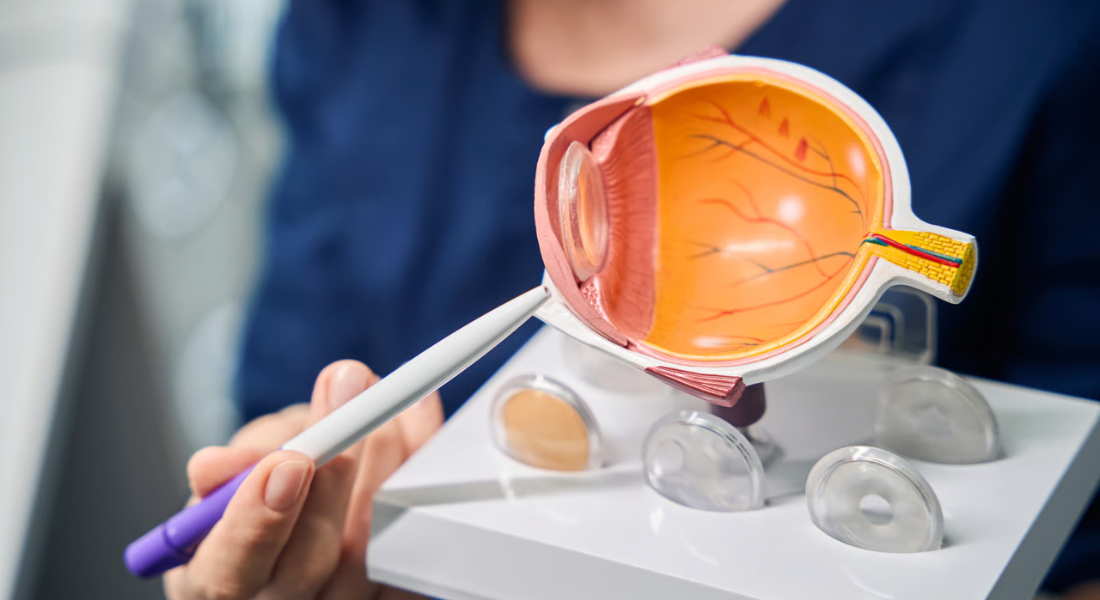
Refractive lens exchange involves removing your natural crystalline lens and replacing it with a synthetic intraocular lens. This artificial lens is selected to correct refractive errors such as long-sightedness, short-sightedness, or presbyopia. Once implanted, it becomes a stable optical component inside your eye.
The key permanent change is the removal of your natural lens. That biological structure does not grow back or regenerate. In that sense, the surgery creates a lasting anatomical difference.
However, it is important to recognise that only the lens is replaced. The rest of your eye, including the cornea, retina, optic nerve, and tear film, remains biologically active and continues to age over time.
What “Permanent” Really Means in Eye Surgery
When people hear the word permanent, they often imagine something fixed and unchangeable in every respect. In eye surgery, permanence usually refers to a structural change rather than an absolute freeze in visual function. That distinction matters more than you might think.
In refractive lens exchange, permanence means the natural lens has been removed and substituted. It does not mean that your visual experience will never fluctuate again. Vision is influenced by many components beyond the lens itself.
Understanding this helps reduce unnecessary anxiety. You are not committing to a static visual future; you are choosing to replace one specific part of the eye with a long-lasting alternative.
Are Artificial Lens Designed to Last for Life?
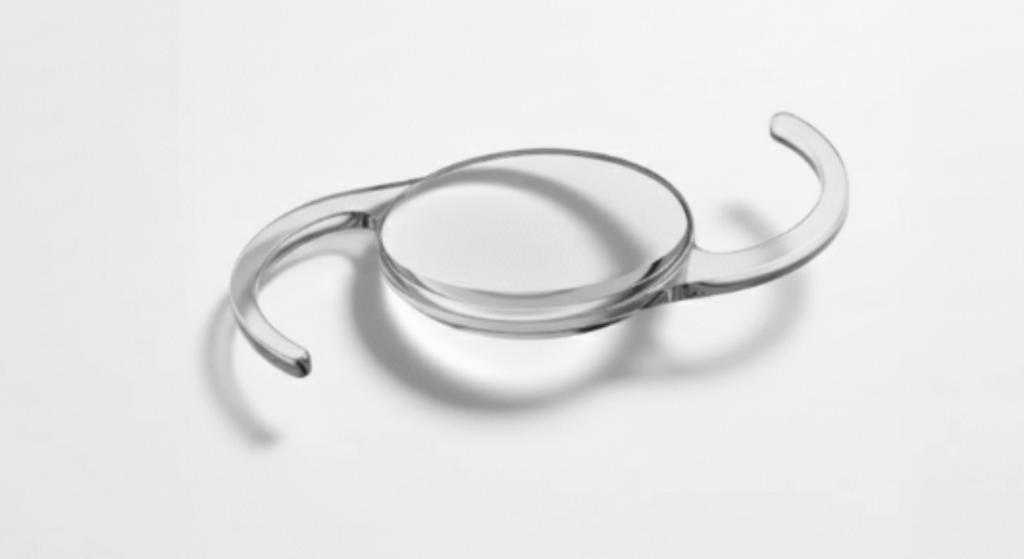
Intraocular lenses used in refractive lens exchange are designed with long-term performance in mind. Their materials and structure are built for stability rather than gradual decline. This durability underpins confidence in the procedure as a lasting solution.
- Biocompatible materials support long-term stability: The artificial lens is made from materials that remain stable inside the eye under normal conditions. Structural degradation over time is extremely uncommon.
- Artificial lenses do not develop cataracts: Unlike the natural lens, the implant does not cloud or stiffen with age. This removes one of the main causes of progressive visual decline later in life.
- Routine replacement is not expected: The lens is intended to remain in place permanently and function consistently for decades. Its durability is central to why the procedure is considered a one-time structural decision.
Long-term stability is a defining feature of refractive lens exchange. The implanted lens is designed to provide reliable optical performance without the need for future replacement. This predictability supports confidence and sustained satisfaction over time.
Can the Lens Ever Be Changed Again?
Although refractive lens exchange is designed as a single, long-term procedure, lens exchange is technically possible in selected situations. This would involve removing the implanted lens and replacing it with a different one. It is uncommon, but it is not impossible.
You should understand that a secondary exchange is approached with caution. Once the lens has settled inside the eye, surrounding tissues adapt and stabilise around it, making later intervention more complex than the original procedure. Increased complexity means risk must be weighed very carefully.
We place strong emphasis on careful pre-operative planning to minimise the likelihood of further intraocular surgery. Selecting the most appropriate lens from the outset supports long-term stability and satisfaction. Thoughtful preparation reduces the need for future intervention.
How Ageing Continues After Lens Replacement
Replacing your lens does not stop the natural ageing of the rest of your eye. Other structures continue to change gradually over the years, entirely independent of the implanted lens. Understanding this helps separate normal ageing from concerns about the procedure itself.
You may notice that the tear film becomes less stable with age, leading to dryness that can affect clarity and comfort. The retina can also undergo gradual age-related changes that influence sharpness or contrast. These developments are part of the eye’s natural progression, not a reflection of lens performance.
We emphasise the importance of not confusing natural ageing with surgical failure. Vision can evolve over time without the artificial lens losing its function. When changes are placed in the correct context, reassurance replaces unnecessary doubt.
What About Posterior Capsule Opacification?
Decisions that involve permanence naturally carry more emotional weight. You may worry about making the wrong choice or question how you will feel years from now. These reactions are entirely normal when something cannot simply be undone.
We believe that clarity reduces fear. When you understand what is truly permanent and what can still be adjusted later, the decision feels less intimidating. Knowledge reframes permanence as stability rather than something threatening.
A thoughtful consultation should leave you feeling informed, not pressured. You deserve time to absorb information and reflect on how it fits your long-term goals. Confidence grows from understanding, not urgency.
Will You Ever Need Glasses Again?
Many people hope refractive lens exchange will permanently eliminate glasses. In most cases, dependence on spectacles is significantly reduced or removed for everyday tasks. That is one of the main benefits of the procedure.
However, small refractive changes can still occur over time due to corneal shifts or other ocular factors. If that happens, glasses remain an option. Having lens replacement does not remove that flexibility.
The goal of the surgery is freedom and convenience, not rigid perfection. If occasional optical support is ever needed, it can be used without difficulty.
Emotional Weight of a Lifelong Decision
Permanent decisions in eye care often feel emotionally significant. When something cannot simply be reversed, it is natural to pause and reflect carefully. These reactions reflect responsibility rather than hesitation.
- Permanence can create understandable anxiety: You may worry about future regret or question how you will feel years from now. This concern is normal when decisions involve lasting structural change.
- Clarity transforms fear into stability: When you understand what is fixed and what remains adjustable, the choice feels less overwhelming. Knowledge reframes permanence as reliability rather than risk.
- Time and reflection support confident decisions: A good consultation should provide space to absorb information without pressure. Confidence develops through understanding and alignment with long-term goals.
Permanence does not need to feel intimidating when it is approached thoughtfully. Clear explanation and adequate reflection allow stability to feel reassuring rather than restrictive. Informed decisions create lasting confidence.
Comparing RLE with Other Vision Procedures
Refractive lens exchange differs from corneal procedures such as LASIK. LASIK reshapes the cornea but leaves the natural lens in place. That means cataracts can still develop later.
Lens exchange, by contrast, replaces the structure that would eventually form a cataract. In that sense, it is both corrective and preventative. It addresses current refractive issues and removes the future need for cataract surgery.
For many people over the age of 45, this long-term perspective makes the decision feel strategic rather than temporary. It is not simply about convenience today but about stability in the decades ahead.
Why Pre-Operative Planning Is So Detailed
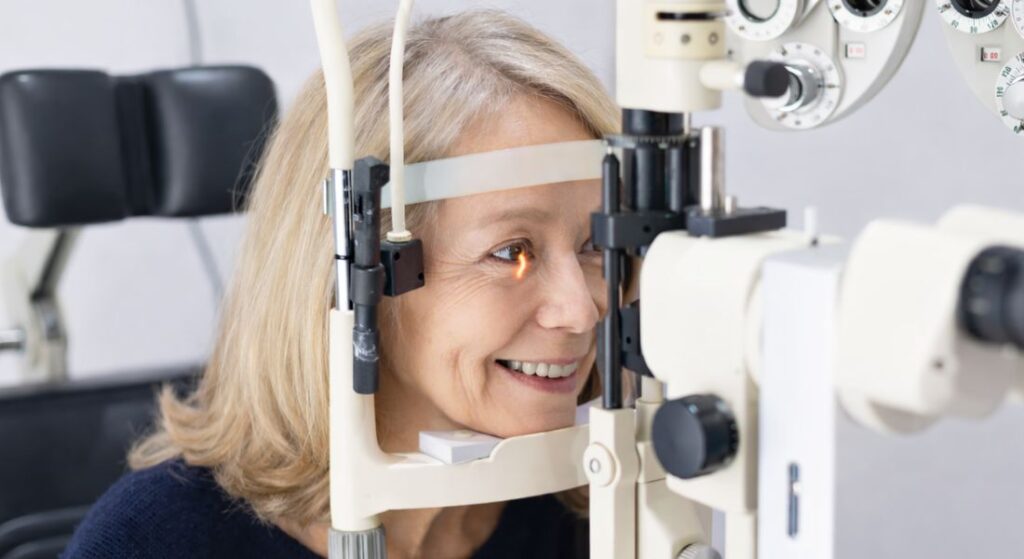
Modern measurements taken before refractive lens exchange are highly sophisticated and detailed. The length of your eye, corneal curvature, and individual optical characteristics are analysed with precision to determine the most appropriate lens power. These calculations form the foundation of accurate surgical planning.
You benefit from this level of preparation because it significantly reduces the likelihood of unexpected refractive outcomes. While no medical procedure can promise absolute precision, contemporary technology allows a very high degree of accuracy. Careful measurement supports predictable visual targets.
We aim to ensure that this “one-time” structural decision is as informed and personalised as possible. Tailored planning aligns treatment with your unique eye characteristics and visual goals. Personalisation supports stability, reliability, and long-term satisfaction.
Adaptation After Surgery
Your brain requires time to adapt to a new optical system, especially if you choose a multifocal or extended depth-of-focus lens. Neural adaptation allows visual signals to be processed more efficiently as the system becomes familiar. This adjustment is a natural and expected part of recovery.
During the early weeks, you may notice subtle variations in clarity, contrast, or visual comfort. These experiences are usually linked to adaptation rather than any problem with the lens itself. Understanding this process helps prevent unnecessary concern.
Patience during this phase is important while the visual system settles. As adaptation stabilises, vision typically becomes more consistent and comfortable. Time allows perception to align with the new optics.
Long-Term Satisfaction Rates
The majority of patients who undergo refractive lens exchange report high levels of long-term satisfaction. Reduced reliance on glasses and freedom from future cataract development are commonly valued benefits. These outcomes contribute to a strong sense of stability and convenience over time.
You may find that, years later, the surgery becomes something you rarely think about. When vision feels reliable in everyday situations, it simply blends into normal life rather than remaining a constant focus. This quiet consistency is often what defines long-term success.
We see that sustained satisfaction supports the view that, for most people, refractive lens exchange functions as a one-time structural decision. While vision can still evolve with age, the lens itself remains stable. For many, that balance delivers lasting confidence and peace of mind.
Understanding the Balance of Permanence and Flexibility
Refractive lens exchange permanently replaces one specific structure within the eye, but it does not freeze the rest of your visual system in time. The implanted lens remains stable, while surrounding tissues continue their natural biological processes. Understanding this distinction brings an important perspective.
- The implanted lens remains structurally stable: The artificial lens does not age, stiffen, or become cloudy like the natural lens. Its role is fixed and reliable once positioned inside the eye.
- The rest of the eye continues to function dynamically: Retinal health, tear film stability, and neurological processing remain biologically active. Your visual system continues to adapt and respond over time.
- Structural permanence does not mean visual rigidity: Replacing the lens addresses one ageing component without locking you into a fixed visual outcome. Ongoing flexibility within the eye remains intact.
When this balance between permanence and adaptability is clearly understood, the decision feels more measured. Refractive lens exchange changes one structure, not your entire visual future. Perspective supports reassurance and confident, informed choice.
Is It the Right Decision for You?

Only a detailed assessment can determine whether refractive lens exchange is suitable for you. Your prescription, overall eye health, age, and personal visual goals all influence the recommendation. There is no single answer that applies universally, because each set of eyes behaves differently.
You should feel that the decision is collaborative rather than imposed. When the implications are clearly explained and your priorities are heard, confidence grows naturally. Understanding how the procedure fits with your long-term goals allows you to decide whether it truly aligns with what you want from your vision.
FAQs:
1. Is refractive lens exchange truly a one-time decision for you?Refractive lens exchange permanently replaces your natural lens with an artificial one. That structural change is intended to last for life. However, your overall visual experience can still evolve over time. Understanding this difference helps you view the decision realistically.
2. Does permanent mean your vision will never change again?Permanent refers to the replacement of the lens itself, not to freezing your eyesight in time. Other parts of your eye continue to age and adapt. You may notice subtle shifts as years pass. These changes are usually unrelated to the implanted lens.
3. Are artificial lenses designed to last throughout your lifetime?Artificial lenses are made from stable materials that remain clear and functional long term. They do not develop cataracts or lose clarity in the way natural lenses can. Routine replacement is not expected. Their durability supports confidence in long-term performance.
4. Could you ever change the implanted lens later if needed?
Lens replacement can technically be performed again in selected cases. It is not routine and is considered carefully due to increased complexity. The original natural lens cannot be restored. Any further surgery is assessed cautiously and individually.
5. Will ageing still affect your eyes after lens replacement?
Your eyes continue to age even after the lens is replaced. Tear stability, retinal health, and neurological processing all evolve naturally. These changes can influence how vision feels. They do not mean the procedure has failed.
6. Might you need glasses again in the future?
Many people enjoy long-term freedom from glasses, but occasional use may still be helpful for certain tasks. Small refractive shifts can happen with time. Using spectacles when needed does not undermine the success of surgery. Flexibility remains available.
7. Why does the word “permanent” sometimes feel intimidating to you?
Permanent decisions often carry emotional weight because they cannot simply be undone. You may worry about future regret or unforeseen change. Clear explanation usually reduces this anxiety. Understanding what is fixed and what remains adaptable brings reassurance.
8. How does refractive lens exchange differ from procedures like LASIK for you?
LASIK reshapes the cornea but leaves your natural lens in place. With lens exchange, the structure that would later form a cataract is removed entirely. This gives the procedure a longer-term perspective. It is both corrective and preventative.
9. Why is planning so detailed before you undergo lens exchange?
Accurate measurements are essential because the implanted lens is selected specifically for your eye. Detailed planning reduces the likelihood of unwanted refractive outcomes. Personalised calculations support predictable results. Careful preparation strengthens long-term satisfaction.
10. How can you decide if this lifelong choice feels right for you?
A thorough consultation helps you understand benefits, limits, and future expectations. You should feel informed rather than pressured. When your goals align with the procedure’s capabilities, confidence grows naturally. A well-considered decision tends to feel steady and secure.
Final Thoughts on Refractive Lens Exchange as a Lifelong Decision:
Refractive lens exchange is considered a long-term decision because the natural lens is permanently replaced with an artificial one designed to remain stable for life. This structural change does not reverse, yet it does not prevent the rest of the eye from ageing naturally over time. Vision may still evolve due to retinal changes, tear film instability, or minor refractive shifts. These developments are part of normal ageing rather than a failure of the implanted lens.
The situation can be addressed through regular eye examinations, early detection of age-related conditions, and appropriate management when needed. With proper follow-up care and realistic expectations, refractive lens exchange remains a stable and reliable long-term solution. If you are considering RLE surgery and have concerns whether it could benefit you, feel free to get in touch with us at London Cataract Centre.
References:
- Kohnen, T. (2014) Refractive lens exchange: indications, outcomes, and complications. Journal of Cataract & Refractive Surgery, 40(11), pp. 1979–1990. Available at: https://pubmed.ncbi.nlm.nih.gov/25127929/
- Hannan, S.J. (2023) Immediate sequential bilateral refractive lens exchange: outcomes, recovery and patient satisfaction. Ophthalmology, 130(6), pp. 742–750. Available at: https://www.sciencedirect.com/science/article/pii/S0161642023002798
- Khoramnia, R. & Naujokaitis, T. (2024) Functional outcomes after refractive lens exchange with multifocal/EDOF intraocular lenses: optical performance and patient experience. American Journal of Ophthalmology, 260, pp. 52–60. Available at: https://www.sciencedirect.com/science/article/pii/S0002939424003519
- Lee, C.Y. (2024) Comparison of visual and refractive outcomes between RLE and keratorefractive lenticule extraction (KLEx) surgeries. Diagnostics, 15(1), 43. Available at: https://www.mdpi.com/2075-4418/15/1/43
- Nagyova, D. (2025) Visual outcomes and patient satisfaction with extended monovision IOL strategies for presbyopic RLE candidates. Journal of Clinical Medicine, 14(16), 5684. Available at: https://www.mdpi.com/2077-0383/14/16/5684