



Have you ever wondered why some people take control of their vision before cataracts even appear? If you’re exploring options for long-term eye health, you may have come across refractive lens exchange (RLE). This procedure offers a proactive approach, addressing both vision correction and future eye health rather than waiting for age-related changes to occur.
Refractive lens exchange involves replacing your natural lens with an artificial intraocular lens, similar to cataract surgery, but performed before significant clouding develops. Many patients choose it to reduce their dependence on glasses or contact lenses while maintaining clear vision as they age.
Another advantage is that RLE effectively prevents cataracts from forming in the treated eye. By proactively replacing the natural lens, you remove the risk of cataract development, offering long-term stability and peace of mind.
For those seeking both immediate vision improvement and future protection against cataracts, RLE can be a strategic, forward-thinking solution.
Understanding the Natural Lens and Cataracts
To understand why RLE is often chosen, it helps to first look at the role of your natural lens. Sitting just behind the iris, the lens functions like a camera lens, focusing light onto your retina so you can see clearly at all distances. Over time, however, the lens naturally begins to degrade, just like other parts of the body.
This gradual deterioration can lead to cataracts, where the lens becomes cloudy and vision slowly blurs. Cataracts are very common with age, especially after 60, but the process often begins much earlier than most people realise. By the time symptoms are noticeable, vision may already have changed significantly, affecting daily activities.
Understanding this natural progression highlights why some patients choose RLE proactively: replacing the lens before cataracts develop can preserve clear vision and reduce the need for surgery later in life.
What Is Refractive Lens Exchange?

Refractive lens exchange (RLE) is essentially the same procedure as cataract surgery, but performed before cataracts develop. During RLE, the surgeon removes your natural lens and replaces it with an artificial intraocular lens (IOL) tailored to your vision needs.
You might wonder, “Why remove a lens that’s still clear?” The answer is twofold: RLE corrects vision and prevents future problems. By replacing the natural lens early, patients can reduce or even eliminate their reliance on glasses or contact lenses while also avoiding cataract surgery later in life.
In short, RLE offers both immediate visual improvement and long-term eye health benefits, making it a proactive choice for those looking to maintain clarity and comfort as they age.
The Difference Between RLE and Cataract Surgery
At first glance, RLE and cataract surgery appear very similar. Both procedures involve removing the natural lens and implanting an artificial intraocular lens (IOL). The key difference lies in timing: cataract surgery is performed once the lens has become cloudy, whereas RLE is a proactive step taken before any clouding occurs.
You can think of it like maintaining a car. Cataract surgery is the repair after a part has failed, while RLE is like replacing a component while it’s still in perfect condition to prevent future issues.
By acting early, RLE not only corrects vision but also helps avoid the need for cataract surgery later in life, offering long-term stability and clarity.
Why People Choose RLE Proactively
Some patients decide to have Refractive Lens Exchange (RLE) before cataracts develop to take control of their vision and long-term eye health. Proactive RLE offers stability, predictability, and lifestyle freedom that can be appealing for those who want to maintain optimal vision.
1. Stable Vision Earlier: Replacing the natural lens with an intraocular lens (IOL) provides long-term vision correction. Patients can select lenses tailored for distance, reading, or astigmatism, reducing reliance on glasses.
2. Predictable Outcomes: Waiting for cataracts means vision may fluctuate over time. Proactive RLE allows a planned, reliable result, which is particularly beneficial for tasks requiring precision, such as driving or work-related activities.
3. Reduced Surgical Risk Later: Cataract surgery later in life can be more complex if other eye conditions develop. Performing RLE earlier, when the eye is healthier, can simplify surgery and lower potential complications.
4. Lifestyle and Freedom: RLE can reduce or eliminate the need for glasses, letting patients maintain an active lifestyle without constantly adjusting vision. It supports convenience and independence in everyday life.
In conclusion, proactive RLE is chosen not just for vision correction but for long-term planning. It provides clarity, convenience, and peace of mind, allowing patients to enjoy both their sight and lifestyle with fewer compromises.
Who Is a Good Candidate for RLE?
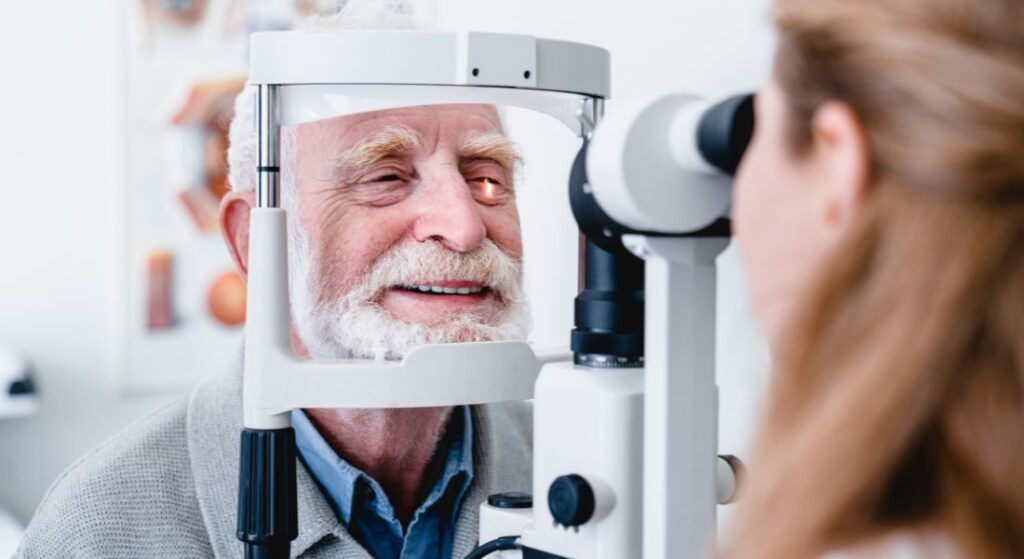
RLE isn’t suitable for everyone, so a thorough assessment by an experienced ophthalmologist is essential. In general, ideal candidates include individuals over 45 who are beginning to notice changes in near or distance vision, or those with high levels of short-sightedness or long-sightedness where glasses or contact lenses may no longer provide adequate correction.
Patients interested in advanced lens options, such as multifocal or toric intraocular lenses (IOLs) to reduce dependence on glasses, are often good candidates. Equally important is overall eye health: RLE is best suited for people without significant conditions like glaucoma or advanced retinal disease, which can complicate surgery.
Although RLE is proactive, it is still a surgical procedure. Understanding potential risks, discussing expectations, and ensuring careful evaluation are essential steps before proceeding.
The Procedure: What to Expect
If you choose to proceed with RLE, here’s what typically happens step by step. First, a thorough pre-operative assessment is carried out, where your ophthalmologist measures your eye carefully to select the most suitable IOL for your vision needs.
On the day of the procedure, local anaesthetic eye drops are used to numb the eye, and sedation may be offered to help you relax. The natural lens is then broken into tiny fragments and gently removed using advanced techniques, after which the artificial lens is implanted. These lenses are designed to last a lifetime, providing long-term clarity.
Recovery is usually swift. Many patients notice improved vision within a few days, though full healing can take several weeks. Prescribed eye drops help prevent infection and reduce inflammation. Most people are surprised at how quick and comfortable the procedure feels, often finding it far less daunting than they anticipated.
Benefits Beyond Cataract Prevention
Refractive Lens Exchange (RLE) offers more than just the opportunity to avoid cataract surgery it can significantly enhance day-to-day life. Many patients notice improvements in convenience, clarity, and long-term vision planning that extend well beyond medical prevention.
1. Freedom from Glasses: Choosing the right intraocular lens (IOL) can dramatically reduce dependence on glasses for distance, reading, or both. Many patients experience greater independence and convenience in daily activities.
2. Improved Quality of Life: Stable, clear vision makes tasks like driving, reading, or enjoying hobbies easier and more enjoyable. Patients often report feeling more confident and comfortable in social and professional situations.
3. Long-Term Vision Planning: Proactively addressing lens replacement allows patients to reduce the likelihood of sudden or unexpected vision changes later. Early intervention provides predictability and peace of mind for future eye health.
In conclusion, RLE is not only a preventive measure but also a lifestyle-enhancing procedure. By improving visual clarity and reducing reliance on corrective eyewear, it supports independence, confidence, and long-term planning for vision health.
Types of Intraocular Lenses (IOLs)
Choosing the right intraocular lens (IOL) is a crucial part of RLE, as it directly affects your visual outcome. Monofocal lenses focus at a single distance, typically set for distance vision, so reading glasses may still be required.
Multifocal lenses provide clear vision at multiple distances, reducing dependence on glasses for both near and far tasks. Toric lenses are designed to correct astigmatism, helping to minimise blurred or distorted vision caused by an irregular corneal shape.
Finally, Extended Depth of Focus (EDOF) lenses offer a continuous range of vision, which is particularly useful for intermediate tasks like computer work. Your ophthalmologist will guide you in selecting the lens that best suits your lifestyle, visual needs, and long-term goals.
Considering the Risks
Like any surgical procedure, RLE carries some risks, although serious complications are uncommon. Possible issues include infection or inflammation, which are usually managed with prescribed eye drops and resolve quickly, and glare or halos, which some patients notice temporarily, particularly at night.
A rare but more serious risk is retinal detachment, which is slightly more likely in highly short-sighted individuals. Occasionally, the lens power may be slightly off, requiring further adjustment to achieve optimal vision.
Open discussion with your surgeon about these risks is essential for making an informed decision. For most patients, the benefits of improved vision and long-term protection against cataracts outweigh the potential downsides.
How RLE Fits Into Long-Term Eye Health
Choosing RLE is a proactive way to future-proof your vision. The natural lens inevitably changes with age, leading to presbyopia difficulty focusing up close and, eventually, cataracts. By replacing it before these changes occur, you remove the uncertainty of when or how quickly vision problems might develop.
RLE can also be combined with corrections for other refractive errors, providing a comprehensive solution rather than addressing each issue individually over time. This holistic approach ensures your eyes are optimally prepared for the years ahead.
For those who want to minimise interruptions to daily life caused by declining vision, RLE offers peace of mind, stable eyesight, and long-term clarity, making it an appealing option for forward-thinking patients.
RLE vs. Waiting for Cataracts
Some people ask why they shouldn’t simply wait until cataracts develop. One consideration is visual fluctuations: cataracts often progress gradually, causing unpredictable changes in vision that can affect driving, work, and everyday tasks.
Another factor is surgical complexity. Denser, more advanced cataracts can make removal slightly more challenging, whereas RLE is performed on a clear lens, often making the procedure smoother. Additionally, RLE gives you the opportunity to choose advanced lifestyle lenses, such as multifocal or toric IOLs, to reduce dependence on glasses options that may be more limited with standard cataract surgery depending on eye health.
While waiting is generally safe, proactive patients often value the control, convenience, and long-term benefits offered by RLE, making it an attractive choice for those planning ahead.
Personal Experiences: Why Patients Choose RLE
Many patients describe the decision to undergo RLE as empowering. A common theme is the ability to take control of their vision before it begins to decline, rather than waiting for age-related changes to interfere with daily life. Others value the chance to correct their vision fully, addressing refractive errors proactively instead of simply reacting to problems as they arise.
For active individuals, professionals who rely on sharp vision, or anyone seeking freedom from glasses, RLE can be especially appealing. The combination of long-term clarity, reduced dependence on corrective lenses, and the confidence of planning ahead makes it a popular choice for those thinking about their future eye health.
Some patients also appreciate the peace of mind that comes with RLE. Knowing that cataracts have been effectively prevented and that vision is stabilised can relieve anxiety about age-related eye changes, allowing them to focus on their lifestyle and daily activities with confidence.
Choosing the Right Clinic and Surgeon
Refractive Lens Exchange (RLE) is a precise, elective procedure, so selecting the right clinic and surgeon is essential for safety and optimal outcomes. A well-chosen provider ensures you receive expert care, modern technology, and personalised guidance throughout the process.
1. Experienced Ophthalmologists: Surgeons specialising in lens replacement have the technical skill and knowledge to manage subtle nuances during RLE, reducing the risk of complications and enhancing visual outcomes.
2. Access to the Latest IOL Technologies: Advanced intraocular lenses (IOLs) offer options for correcting distance, near, or astigmatic vision. Clinics with up-to-date technology can tailor lens choice to your lifestyle and visual needs.
3. Comprehensive Pre-Operative Assessment: A thorough evaluation of your eyes ensures suitability for RLE, identifies potential risks, and allows precise surgical planning. This step is key to predictable results.
4. Transparent Communication: Clear discussions about potential risks, recovery timelines, and realistic expectations empower patients to make informed decisions and feel confident in their care.
In conclusion, choosing a reputable clinic and experienced surgeon is as important as the procedure itself. The right environment ensures both safety and the best possible long-term visual outcomes.
Recovery and Aftercare

Recovery from RLE is generally straightforward, with most patients noticing clearer vision within a few days. Mild discomfort, watery eyes, or light sensitivity can occur but usually resolves quickly.
You’ll typically need to use prescribed eye drops for several weeks to prevent infection and reduce inflammation. Regular follow-up appointments ensure the intraocular lens (IOL) is positioned correctly and that your vision is stabilising as expected.
Many patients return to normal daily activities within a week, though full visual recovery and adaptation can take a month or two. Following aftercare instructions closely helps achieve the best long-term results.
Cost Considerations
RLE is usually considered a private, elective procedure since it is performed before cataracts develop. The overall cost can vary depending on factors such as the type of intraocular lens (IOL) chosen, the experience and reputation of the surgeon and clinic, and any additional tests or pre-operative assessments required.
While the upfront expense may seem significant, many patients see RLE as a long-term investment in their vision and quality of life. By addressing both refractive errors and preventing cataracts, it can help avoid future surgery and the associated costs and lifestyle disruption.
It’s also worth noting that some patients value the time saved by having vision corrected proactively. Fewer follow-up procedures, reduced dependence on glasses or contact lenses, and the avoidance of cataract surgery later can all contribute to the overall value of the investment.
Long-Term Outlook
Research and patient experiences indicate that RLE provides long-lasting benefits. The artificial intraocular lens (IOL) does not develop cataracts, and with proper eye care, most patients enjoy decades of stable, clear vision.
It’s important to remember, however, that while RLE resolves lens-related issues, it does not prevent other age-related eye conditions such as glaucoma or macular degeneration. Regular eye examinations remain essential to monitor overall eye health.
Many patients also report a lasting improvement in quality of life, enjoying freedom from glasses and consistent vision for years, which reinforces why RLE is often chosen proactively rather than waiting for cataracts to develop.
Combining RLE With Other Vision Treatments
RLE can be combined with additional procedures to address specific vision needs. For example, toric lenses can correct astigmatism, while multifocal or EDOF lenses help manage presbyopia, reducing the need for reading or distance glasses.
It can also be tailored for patients who have undergone previous refractive surgery, allowing fine adjustments to optimise long-term vision outcomes. This versatility makes RLE an increasingly popular choice for those seeking a comprehensive, proactive approach to maintaining clear and balanced vision over time.
Many patients also appreciate the opportunity to customise their vision according to lifestyle needs. Whether prioritising night driving clarity, computer work, or minimal glasses dependence, combining RLE with specific lens options allows a highly personalised solution for long-term visual comfort.
Planning Your Decision
If you’re considering RLE, it helps to follow a structured approach to ensure the choice is right for you. Start by scheduling a detailed consultation with a qualified ophthalmologist to assess your eye health and suitability for the procedure.
During this consultation, discuss your lifestyle, vision goals, and any concerns, and explore the different lens options and potential risks. Reviewing the recovery process and aftercarerequirements is also essential to set realistic expectations.
Finally, make an informed decision that balances long-term benefits with personal comfort and confidence. Taking these steps ensures your choice aligns with both your current vision needs and future eye health.
FAQs:
1. What is refractive lens exchange (RLE)?
RLE is a procedure where the eye’s natural lens is replaced with an artificial intraocular lens (IOL). Unlike cataract surgery, it is performed before the lens becomes cloudy, offering vision correction and cataract prevention.
2. How does RLE prevent cataracts?
By removing the natural lens, which is prone to clouding with age, and replacing it with a clear artificial lens, RLE eliminates the risk of cataract formation in the treated eye.
3. Who is a good candidate for RLE?
Ideal candidates are typically over 45, experiencing changes in near or distance vision, or those with high levels of short- or long-sightedness. Good overall eye health is essential, and certain conditions like glaucoma or retinal disease may exclude some patients.
4. How is RLE different from standard cataract surgery?
The main difference is timing. Cataract surgery is performed after the lens becomes cloudy, whereas RLE is proactive, replacing a clear lens to correct vision and prevent cataracts before they develop.
5. What types of intraocular lenses (IOLs) are available for RLE?
Options include monofocal lenses (single distance), multifocal lenses (near and far), toric lenses (for astigmatism), and extended depth-of-focus (EDOF) lenses, each tailored to the patient’s vision needs and lifestyle.
6. What are the benefits of choosing RLE proactively?
RLE provides stable, predictable vision, reduces dependence on glasses, allows for lifestyle freedom, and decreases surgical complexity later in life if cataracts would have developed naturally.
7. Are there any risks associated with RLE?
As with any surgery, risks include infection, inflammation, glare, halos, or, rarely, retinal detachment. Lens power adjustments may occasionally be required. Most complications are uncommon and manageable.
8. How long does recovery take after RLE?
Many patients notice improved vision within a few days. Full adaptation may take several weeks, and prescribed eye drops help prevent infection and reduce inflammation. Most daily activities can resume within a week.
9. Can RLE be combined with other vision treatments?
Yes. RLE can be combined with toric, multifocal, or EDOF lenses to address astigmatism or presbyopia. It can also complement previous refractive surgeries for fine-tuned, long-term vision correction.
10. Why do some people choose RLE instead of waiting for cataracts?
Proactive RLE provides control over vision, predictable outcomes, potential freedom from glasses, and avoidance of future cataract surgery. It allows patients to plan long-term eye health rather than reacting to age-related changes.
Final Thoughts: Taking Control of Your Vision with Refractive Lens Exchange
Refractive Lens Exchange (RLE) is more than a procedure it’s a proactive step toward long-term eye health and visual clarity. By replacing the natural lens before cataracts develop, RLE not only improves vision and reduces dependence on glasses but also prevents the need for cataract surgery later in life. Its benefits extend beyond clarity, offering lifestyle freedom, predictable outcomes, and peace of mind for the future.
Choosing the right lens type, understanding your visual needs, and working with an experienced ophthalmologist are all crucial to achieving optimal results. Staged planning, careful assessment, and personalised lens selection ensure that your vision is enhanced safely and effectively, tailored to your daily life and long-term goals.
If you’re thinking about Refractive Lens Exchange in London, you can get in touch with us at the London Medical & Aesthetic Clinic to discuss how RLE can protect and enhance your vision.
Reference:
- Kim, D.Y., Lee, J.S., Lim, C. & Kim, H.J. (2025) Comparative Outcomes of Next‑Generation Extended Depth‑of‑Focus Intraocular Lenses: Vision Quality and Spectacle Independence. Journal of Clinical Medicine, https://www.mdpi.com/2077-0383/14/14/4967.
- Epidemiology and outcomes in refractive lens exchange surgery (2014) Acta Ophthalmologica, 92(3). https://pubmed.ncbi.nlm.nih.gov/24889146/
- im, C.K. et al. (2023) Visual Outcomes and Patient Satisfaction After Bilateral Refractive Lens Exchange with Trifocal IOLs. PLoS ONE, https://pmc.ncbi.nlm.nih.gov/articles/PMC10164213/
- Khoramnia, R. & Naujokaitis, T. (2024) Functional Outcomes After Refractive Lens Exchange With Advanced Intraocular Lenses. American Journal of Ophthalmology, https://www.sciencedirect.com/science/article/pii/S0002939424003519
- Alió, J.L., 2014. Refractive lens exchange in modern practice. Eye and Vision, 1(14). This article explains that removing the clear crystalline lens and replacing it with an intraocular lens (IOL) not only corrects refractive error https://pmc.ncbi.nlm.nih.gov/articles/PMC4655463/