



If you have been told you do not yet have cataracts, it is natural to wonder why refractive lens exchange (RLE) has been suggested. It can feel confusing to consider lens surgery when your natural lens is still clear. This is a very common question, and hesitation is completely understandable.
Refractive lens exchange is sometimes chosen for vision correction rather than medical necessity. It is often considered by people who want freedom from glasses or contact lenses, especially when laser eye surgery is not suitable. The decision involves weighing long-term visual benefits against permanent changes to the eye. Expectations are therefore different from those of cataract surgery.
In this article, we explain when refractive lens exchange may be worth considering even without cataracts. We look at who it tends to suit, what the potential benefits and limitations are, and how decision-making differs from cataract treatment. This should help you decide whether RLE aligns with your vision goals and lifestyle.
What Refractive Lens Exchange Actually Is
Refractive lens exchange involves removing your eye’s natural lens and replacing it with an artificial intraocular lens. The surgical technique is essentially the same as cataract surgery. The difference lies in why and when the procedure is done.
In refractive lens exchange, the natural lens is still clear rather than cloudy. This means the surgery is elective, chosen for vision correction rather than medical necessity. The aim is to improve how you see, not to restore lost clarity.
This distinction shapes expectations. The primary goal is greater visual independence from glasses or contact lenses. Personal motivation and lifestyle goals play a central role in deciding whether it is right for you.
Why People Consider Lens Surgery Without Cataracts
Some people find glasses or contact lenses inconvenient or limiting in daily life. Others want a long-term solution rather than ongoing dependence on corrective eyewear. Refractive lens exchange can offer a permanent form of vision correction.
Age-related changes such as presbyopia often drive interest. As reading glasses become necessary, some people look for ways to reduce this reliance. Modern lens options can improve both distance and near vision.
For most patients, the decision is lifestyle-driven rather than medical. Personal vision goals, work demands, and daily habits matter more than clinical necessity. Understanding this context is essential before considering surgery.
How This Differs From Cataract Surgery
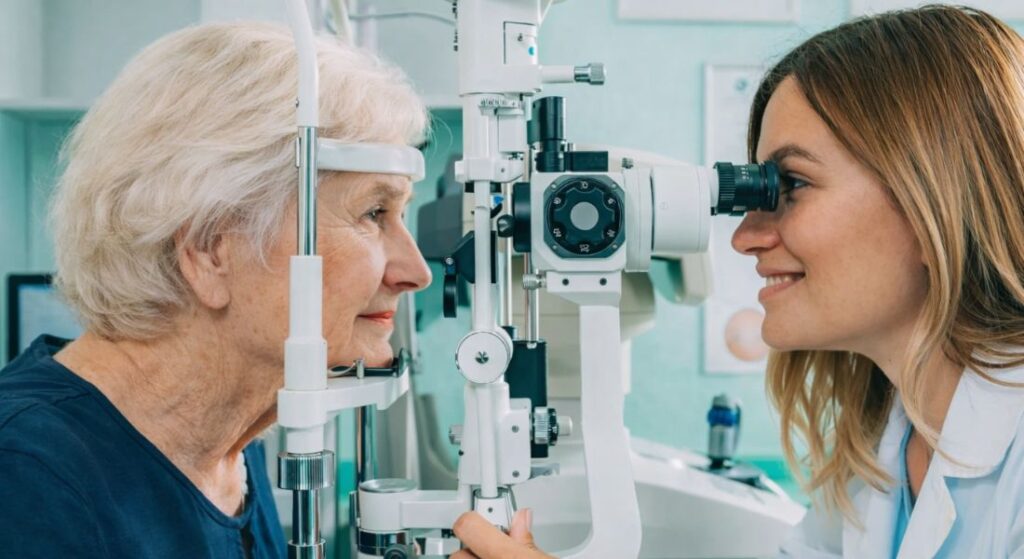
Cataract surgery is performed to restore clarity that has been lost because the natural lens has become cloudy. In contrast, refractive lens exchange is done when vision may already feel acceptable, with the aim of improving convenience and reducing dependence on glasses. This difference strongly influences how success is perceived.
People with cataracts often experience a dramatic improvement in vision after surgery. With refractive lens exchange, the change can feel more subtle because you are starting from a higher baseline. Expectations therefore need to be realistic and well informed.
Because the starting point is different, outcomes are judged differently. For refractive lens exchange, success is usually measured by freedom from glasses and visual flexibility rather than a sudden boost in clarity.
When Refractive Lens Exchange Is Most Commonly Considered
Refractive lens exchange is most often considered after the age of 45. This is when presbyopia typically becomes noticeable and the natural lens begins to lose flexibility. Reading glasses become more of a daily inconvenience at this stage.
Younger patients are usually better suited to laser vision correction. As you get older, laser options may no longer be ideal, especially if presbyopia is established. Lens exchange often fills this treatment gap.
Timing plays an important role in outcomes. Age influences both the potential benefits and the risk profile. Careful individual assessment is essential before making a decision.
Why Presbyopia Drives Interest
As you get older, you may notice that near vision becomes harder to manage. Reading small print, using your phone, or working on a screen can start to feel uncomfortable, and reading glasses often become unavoidable. This shift is normal, progressive, and affects everyone eventually.
- Presbyopia makes near tasks more difficult: Presbyopia reduces your ability to focus up close, which is why reading glasses become necessary. Over time, you may find yourself relying on them more frequently throughout the day.
- Lens-based solutions offer a wider range of vision: Refractive lens exchange can correct both distance and near vision at the same time. Multifocal or extended-depth-of-focus lenses are designed to provide a broader visual range, which appeals to people who want fewer glasses.
- Lifestyle plays a big role in decision-making: If you lead an active or busy lifestyle, the convenience of reduced dependence on glasses can be very attractive. Being able to move easily between tasks without constantly reaching for spectacles is a strong motivator.
For some people, this added convenience outweighs the surgical trade-offs. Others may find adapting to advanced lenses more challenging. Personal tolerance for visual changes varies from person to person. Understanding your own priorities helps guide the right choice.
The Appeal of a Permanent Solution
If you’re looking for a long-term answer to vision changes, refractive lens exchange can seem particularly appealing. Unlike laser eye surgery, it removes the eye’s natural lens entirely, which means cataracts cannot develop later on. For many people, the idea of addressing both current vision needs and future problems in one step is reassuring.
- The ageing lens is removed completely: Because the natural lens is replaced, you won’t develop cataracts in the future. This removes the need for cataract surgery later in life.
- One procedure tackles multiple issues: Lens exchange can correct refractive errors while also preventing future cataracts. This makes it attractive for people who prefer to plan ahead rather than face additional procedures later.
- Permanence requires careful consideration: Once the natural lens is removed, the change cannot be reversed. This means you need to feel confident and informed before committing to surgery.
For some people, the long-term benefits outweigh the drawbacks. Others may find the permanence difficult to accept. This is a personal decision that depends on your priorities and risk tolerance. Taking time to understand the implications helps you choose with confidence.
Trade-Offs Patients Often Underestimate
Every surgical procedure involves compromise, and refractive lens exchange is no exception. In this case, the trade-offs are usually optical rather than medical. Visual side effects can occur even when surgery is technically successful.
Some people notice glare, halos around lights, or changes in contrast sensitivity. These effects are more noticeable in certain lighting conditions, especially at night. Adaptation varies widely between individuals.
What feels acceptable to one person may be bothersome to another. This is why understanding potential trade-offs before surgery is so important. Good education helps set realistic expectations and prevents regret.
Why Expectations Must Be Different
Cataract surgery is usually about restoring lost clarity, while refractive lens exchange is about gaining visual freedom. These goals are not the same, and confusing them often leads to disappointment. The starting point matters.
With refractive lens exchange, you may still need glasses in certain situations. Perfect vision at all distances cannot be guaranteed. Satisfaction depends on how closely expectations match reality.
This is why careful counselling is essential. Success is personal rather than absolute. Clear, honest discussion before surgery helps avoid frustration later.
The Role of Lens Choice
The type of lens you choose plays a major role in how satisfied you feel after surgery. Different lenses behave in different ways, and understanding those differences helps you set realistic expectations. There is no single “best” lens only the one that suits you best.
- Monofocal lenses prioritise clarity: Monofocal lenses usually provide the sharpest, highest-quality vision at a single distance. The trade-off is that you’ll need glasses for other distances, such as reading or computer work.
- Multifocal and extended-focus lenses offer range: These lenses are designed to give you vision across multiple distances. While this can reduce reliance on glasses, some people notice compromises, such as glare or reduced night vision.
- Lifestyle and priorities guide the choice: How you work, drive, read, and spend your free time all matter. Your visual priorities help determine which compromises you’re most comfortable with.
Lens choice is not about perfection. It’s about balance and personal preference. Careful discussion and customisation lead to better outcomes. When your lens is matched to your lifestyle, satisfaction is far more likely.
How Lifestyle Influences Suitability
Your lifestyle plays a big part in determining which vision correction option suits you best. The way you spend your day from driving and screen use to reading and hobbies creates very different visual demands. Understanding these habits helps tailor the right approach for you.
- Daily activities shape visual priorities: If you drive frequently at night, contrast and clarity in low light may matter most to you. If you spend more time reading or on screens, reducing dependence on glasses may feel more important.
- Preferences influence risk tolerance: Some people are comfortable with minor visual trade-offs in exchange for convenience. Others prefer maximum clarity, even if that means continuing to use glasses for certain tasks.
- There is no single ‘best’ option: What works well for one person may not suit another. Suitability depends on your personal priorities rather than a universal standard.
Choosing the right option is a highly individual decision. Honest discussion about your lifestyle and expectations is essential. This helps align your visual goals with realistic outcomes. When choices are personalised, satisfaction is far more likely.
Why Some Patients Are Better Candidates Than Others

Healthy eyes are essential for good outcomes with refractive lens exchange. Conditions affecting the retina or cornea can limit visual results, even if surgery itself goes well. Issues like dry eye can also influence comfort and satisfaction.
Psychological readiness matters just as much as physical suitability. Adapting to new optics can take time, and patience is important. Unrealistic expectations are a common cause of disappointment.
This is why assessment goes beyond your glasses prescription. Surgeons consider overall eye health, lifestyle needs, and mindset. Safety and long-term satisfaction go hand in hand.
How Risks Compare to Cataract Surgery
The surgical risks of refractive lens exchange are broadly similar to those of cataract surgery. The key difference lies in how those risks are perceived, because refractive lens exchange is elective rather than medically necessary. This naturally affects decision-making.
Cataract surgery is performed to treat an existing problem that is reducing vision. Refractive lens exchange, by contrast, is chosen to improve convenience or reduce dependence on glasses. As a result, the balance between risk and benefit feels different.
This does not mean the procedure is inherently riskier. It means the expected benefit must clearly justify accepting any surgical risk. Perspective and personal priorities play an important role.
Why Younger Patients Are Usually Discouraged
In younger eyes, the natural lens is still flexible and plays an important role in focusing at different distances. Removing it means giving up natural accommodation, which is a significant and irreversible trade-off. This loss can outweigh the benefits at a younger age.
Laser vision correction preserves the natural lens and is usually the preferred option earlier in life. It corrects vision without sacrificing the eye’s focusing ability. For this reason, lens exchange is generally reserved for later stages.
This age-based guidance is designed to protect long-term visual quality. Timing matters, and waiting can offer better options. In many cases, patience pays off.
How Vision Changes After Surgery
After refractive lens exchange, vision usually stabilises over several weeks to months. During this time, neuroadaptation takes place as your brain learns to process the new optical inputs. This adjustment period is an important part of recovery.
Early on, you may notice visual fluctuations such as glare, halos, or variable sharpness. These changes are common and expected in the initial weeks. They do not usually indicate a problem.
Over the longer term, vision tends to become stable and more predictable. Many patients find satisfaction improves as adaptation progresses. Understanding this timeline helps set realistic expectations.
The Psychological Side of Elective Eye Surgery
Elective eye surgery often carries more emotional weight than medical procedures. Expectations are naturally high, and even small visual imperfections can feel magnified. This emotional response is completely normal.
Patients who understand the trade-offs in advance tend to cope better after surgery. Those seeking absolute perfection are more likely to feel disappointed. Emotional readiness plays a real role in satisfaction.
Thorough counselling helps reduce anxiety and set realistic expectations. When decisions are informed, outcomes feel more positive. Mindset can strongly influence how successful surgery feels.
Cost Considerations Without Cataracts
Refractive lens exchange is usually paid for privately when you do not have cataracts. The cost reflects the surgical expertise involved, the type of lens used, and the level of follow-up care provided. It is not just the procedure you are paying for, but the whole treatment pathway.
Because this is elective surgery, it should be viewed as an investment rather than a medical necessity. You are choosing convenience, long-term vision goals, and reduced dependence on glasses. That makes the decision feel different from health-driven surgery.
Value is very personal. Some people place a high value on visual freedom and feel the cost is justified. Others are comfortable continuing with glasses or contact lenses and see no need to pursue surgery.
Understanding the balance between cost and benefit is essential. There is no universally right or wrong choice. Your priorities, lifestyle, and expectations should guide the decision.
How Decision-Making Differs From Cataract Patients
Cataract patients often feel relief after surgery because something that was clearly wrong has been fixed. With refractive lens exchange, the aim is optimisation rather than rescue, so the emotional journey is different. Improvement is measured against expectations rather than disability.
Cataract surgery restores lost visual function. Refractive lens exchange is about enhancing convenience and reducing dependence on glasses. This difference in motivation strongly shapes satisfaction.
Because of this, counselling tends to be more detailed and reflective. Decisions are rarely rushed. Taking time helps ensure the choice truly aligns with your goals.
When Refractive Lens Exchange Makes Sense
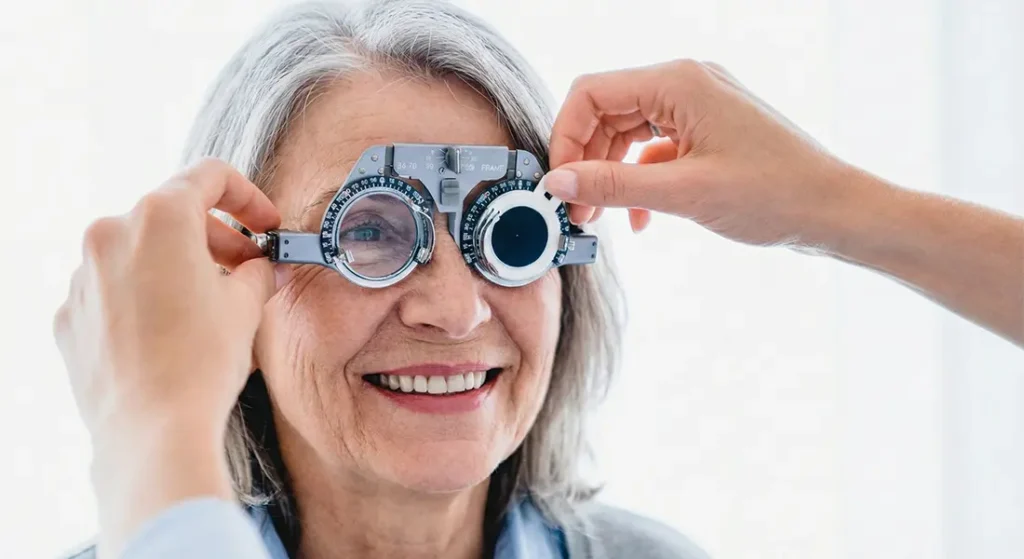
Refractive lens exchange may make sense if you are presbyopic and no longer a good candidate for laser vision correction. A strong desire for independence from glasses is an important factor. Good overall eye health is essential.
It can also appeal to people thinking long term. Removing the natural lens means you will not develop cataracts later, which some see as a practical advantage. Lifestyle fit plays a big role in whether this benefit feels meaningful.
Ultimately, this procedure is about choice rather than necessity. The decision should be driven by clear, personal goals. Understanding what you want from your vision matters most.
When It May Not Be the Right Choice
If you are expecting perfect vision in all lighting and situations, refractive lens exchange may not meet your expectations. People who are particularly sensitive to visual side effects such as glare or halos may be better suited to non-surgical options. In these cases, a more conservative approach can feel safer and more comfortable.
If you are generally happy wearing glasses or contact lenses, the added benefit of surgery may be limited. Surgery should meaningfully improve your quality of life, not introduce new worries. Honest self-reflection is important here.
Choosing not to proceed is a valid outcome. Delaying or declining surgery is often a sensible decision. There should never be pressure to move forward.
Questions Worth Asking Yourself
Before deciding on refractive lens exchange, it helps to pause and reflect on what truly matters to you. This is an elective procedure, so your personal priorities, lifestyle, and tolerance for change should guide the decision. Asking yourself the right questions can clarify whether the potential benefits genuinely outweigh the trade-offs for you.
| Consideration | Why It Matters |
| How important is spectacle freedom? | Sets expectations |
| Do I drive often at night? | Affects lens choice |
| Am I patient with adaptation? | Influences satisfaction |
| Are my eyes otherwise healthy? | Safety |
| Do benefits justify surgery? | Personal value |
Summary: Is It Worth It Without Cataracts?
Deciding on refractive lens exchange without cataracts comes down to personal priorities rather than medical necessity. It’s about weighing lifestyle benefits against potential trade-offs and understanding what matters most to you.
| Factor | Key Point |
| Medical need | Not required |
| Motivation | Lifestyle-driven |
| Benefits | Long-term visual freedom |
| Trade-offs | Optical side effects |
| Decision style | Personal and deliberate |
FAQs:
1. Why would refractive lens exchange be suggested if you do not have cataracts?
Refractive lens exchange may be suggested if your vision goals go beyond what glasses, contact lenses, or laser surgery can realistically provide. Even though your natural lens is clear, it may no longer focus well due to presbyopia. In these cases, the recommendation is based on lifestyle and long-term planning rather than medical necessity.
2. Is refractive lens exchange considered medically necessary without cataracts?
No, refractive lens exchange is not medically necessary if you do not have cataracts. It is an elective procedure chosen to improve convenience and reduce dependence on glasses. This is why decision-making tends to be more cautious and personalised compared to cataract surgery.
3. Will your vision feel dramatically better after surgery?
Your vision may feel different rather than dramatically better, especially if you already see reasonably well with glasses. Many people notice the biggest benefit in reduced reliance on spectacles rather than a sudden improvement in sharpness. Satisfaction depends on whether visual freedom matters more to you than absolute clarity.
4. Can refractive lens exchange prevent cataracts in the future?
Yes, once your natural lens is removed, cataracts cannot develop. This means you will never need cataract surgery later in life. For some people, this long-term advantage is a key reason for considering the procedure earlier.
5. Are visual side effects common after refractive lens exchange?
Some people notice glare, halos, or changes in contrast, particularly with multifocal lenses. These effects are usually mild but can be more noticeable in low-light conditions. How much they bother you depends on your visual demands and how well you adapt.
6. Will you still need glasses after refractive lens exchange?
You may still need glasses occasionally, especially for very fine print or prolonged screen use. Refractive lens exchange aims to reduce dependence on glasses rather than eliminate them entirely. Understanding this helps prevent disappointment after surgery.
7. How long does it take for vision to settle after surgery?
Vision typically stabilises over several weeks, although subtle changes can continue for a few months. During this time, your brain adapts to the new optical system. Patience is important, as early fluctuations are normal.
8. Is refractive lens exchange riskier than cataract surgery?
The surgical risks are very similar to cataract surgery because the procedure itself is almost identical. The difference lies in how you weigh those risks, as refractive lens exchange is optional rather than medically required. This makes careful consideration especially important.
9. Who is usually a good candidate for refractive lens exchange without cataracts?
You may be a good candidate if you are presbyopic, no longer suitable for laser vision correction, and strongly motivated to reduce your reliance on glasses. Healthy eyes and realistic expectations are essential. Emotional readiness matters just as much as physical suitability.
10. How do you decide whether refractive lens exchange is truly worth it for you?
The decision comes down to how much value you place on visual independence versus your tolerance for compromise. If glasses do not bother you, surgery may add little benefit. If freedom from spectacles aligns strongly with your lifestyle and expectations are realistic, refractive lens exchange may be worth considering even without cataracts.
Final Thought: Making the Right Choice Without Cataracts
Refractive lens exchange without cataracts is not about fixing a problem that must be treated. It is about deciding whether surgery genuinely adds value to your life. If you are comfortable wearing glasses and your vision does not limit you, there may be no urgency to change anything. Taking your time is often the right choice.
If, however, presbyopia is frustrating you, laser surgery is no longer suitable, and long-term freedom from glasses feels important, refractive lens exchange can make sense. The key is understanding that this procedure is about optimisation rather than transformation. Your satisfaction will depend far more on realistic expectations than on chasing perfect vision.
If you’re thinking about refractive lens exchange in London, you can get in touch with us at London Cataract Centre for personalised advice and a thorough suitability assessment.
References:
- Nagyova, D., Tappeiner, C., Blaha, A., Goldblum, D. and Kyroudis, D. (2025) Visual outcomes and patient satisfaction with extended monovision an innovative strategy to achieve spectacle independence in refractive lens exchange, Journal of Clinical Medicine, 14(16), p.5684. https://www.mdpi.com/2077-0383/14/16/5684
- Lee, C.-Y. et al. (2024) Comparison of visual and refractive outcomes between refractive lens exchange and keratorefractive lenticule extraction surgery in moderate to high myopia, Diagnostics, 15(1), p.43. https://pmc.ncbi.nlm.nih.gov/articles/PMC11719743/
- Refractive lens exchange who is getting it, what are they getting, how are they doing? (2023) British Journal of Ophthalmology (Review). https://pubmed.ncbi.nlm.nih.gov/37254862/
- Refractive lens exchange (RLE) in high myopia: long term follow up (2005) British Journal of Ophthalmology, 89(6), pp.670–672. https://pubmed.ncbi.nlm.nih.gov/15923498/
- Schallhorn, S.C., Schallhorn, J.M., Pelouskova, M., Venter, J.A., Hettinger, K.A., Hannan, S.J. and Teenan, D. (2017) Refractive lens exchange in younger and older presbyopes: comparison of complication rates, 3 months clinical and patient-reported outcomes, Clinical Ophthalmology, 11, pp.1569–1581. https://pmc.ncbi.nlm.nih.gov/articles/PMC5584899/