



You may be told that you need cataract surgery yet feel uncertain about what happens next. You may want to know how long the process will take from referral to surgery, and this lack of clarity often creates anxiety and frustration. We recognise that uncertainty can feel as difficult as the vision problem itself.
We understand that the NHS cataract pathway can appear opaque. You encounter different stages in different settings, often separated by long gaps with little communication. Knowing how the pathway is structured helps set realistic expectations.
Cataract surgery is not a single appointment. You move through a multi-stage process that includes assessment, eligibility approval, scheduling, and follow-up care. We recognise that each stage can introduce delays depending on capacity and demand.
This explanation sets out the full pathway in a clear and realistic way. You benefit when confusion is replaced with understanding. Clarity supports patience and more confident navigation of the process.
The Initial GP or Optometrist Visit
The pathway often begins when you notice vision changes affecting daily life. This may include glare, difficulty driving, or reduced clarity. You usually raise these concerns with a community optometrist or GP.
We see that optometrists often play a central role in identifying cataracts. Many referrals originate in community eye care rather than general practice. This step establishes the clinical basis for referral.
At this stage, cataracts may be identified but not yet eligible for surgery. Documentation focuses on vision measurements and reported symptoms. Accuracy matters here. This first step sets the foundation for everything that follows. Clear documentation supports progress.
Why Referral Does Not Mean Immediate Surgery
Being referred does not mean that surgery will happen straight away. You should understand that referral simply begins the assessment pathway, where eligibility still needs to be confirmed. We see referral as the opening step rather than a final decision.
You may assume that referral automatically equals approval. In reality, we recognise that referral triggers triage, during which local criteria are applied at later stages. This distinction is often unclear and can lead to understandable disappointment.
We see many people surprised by how the pathway works. You benefit when expectations are set early and checkpoints are understood. Referral opens the door, but approval and timing are decided further along the process.
Community Optometrist Assessment and Referral Submission
In many regions, cataract referrals begin with enhanced assessment by an optometrist before being submitted to NHS services. This stage plays an important role in determining how referrals are triaged and reviewed. We recognise that local requirements shape what information is needed at this point. Understanding this process helps explain why timelines and outcomes can vary.
- Enhanced referral forms are used to meet local criteria: These often include visual acuity results, symptom impact, and structured questionnaires. We use this information to ensure referrals align with regional eligibility requirements.
- Additional testing may be required before submission: You may undergo further assessments to support the referral. Accuracy at this stage is important, as documentation strongly influences how referrals progress.
- Clear reporting of functional impact strengthens referrals: Describing real-world difficulties helps illustrate how vision affects daily life. You benefit when detailed examples support effective triage and decision-making.
The referral stage is more than an administrative step. The quality and clarity of information provided can influence both timing and outcome. By understanding what is assessed and why, you can engage more confidently with the process and support smoother progression through care pathways.
Local Triage and Referral Review
Once submitted, referrals enter a triage system that may be managed by hospital ophthalmology teams or external referral services. You may not realise that each region applies its own process at this stage. We see local systems shaping how quickly referrals are reviewed.
You may hear nothing for a period after referral, which can feel unsettling. We recognise that referrals are being checked against local eligibility criteria during this time. Delays often arise here, even though work is happening in the background.
We see triage backlogs in many regions due to high referral volumes and limited capacity. You are affected by funding and staffing pressures that slow review times. This stage often introduces the first significant wait, and silence does not mean inaction.
Why Some Referrals Are Approved and Others Delayed
Approval depends on whether local referral criteria are met, and these criteria vary by region. You may be assessed using visual acuity thresholds alongside functional impact. We recognise that geography plays a role in how these standards are applied.
You may feel that symptoms are severe even when a referral is declined or deferred. We understand that this outcome reflects policy rules rather than disbelief or dismissal of your experience. Distinguishing between system criteria and personal judgement helps reduce confusion.
We recognise that referral thresholds can feel restrictive. You are affected because these criteria are designed to manage demand within limited capacity. Approval timing is policy-driven, and regional variation influences outcomes.
Waiting for the First Hospital Appointment
If approved, you are placed on a waiting list for hospital assessment, which is often the longest stage in the pathway. You may find that timelines vary widely depending on local demand and capacity. We recognise that this wait can feel disproportionate compared with earlier steps.
You may wait several months for this appointment because demand frequently exceeds available clinic slots. We understand that staffing shortages and clinic capacity constraints further compound delays. These pressures affect scheduling rather than the importance of your referral.
We see that this appointment is not the surgery itself but a specialist confirmation step. You may be surprised by this distinction, as it is not always clearly explained. This stage is a common bottleneck, and frustration here is understandable.
Hospital Eye Clinic Assessment
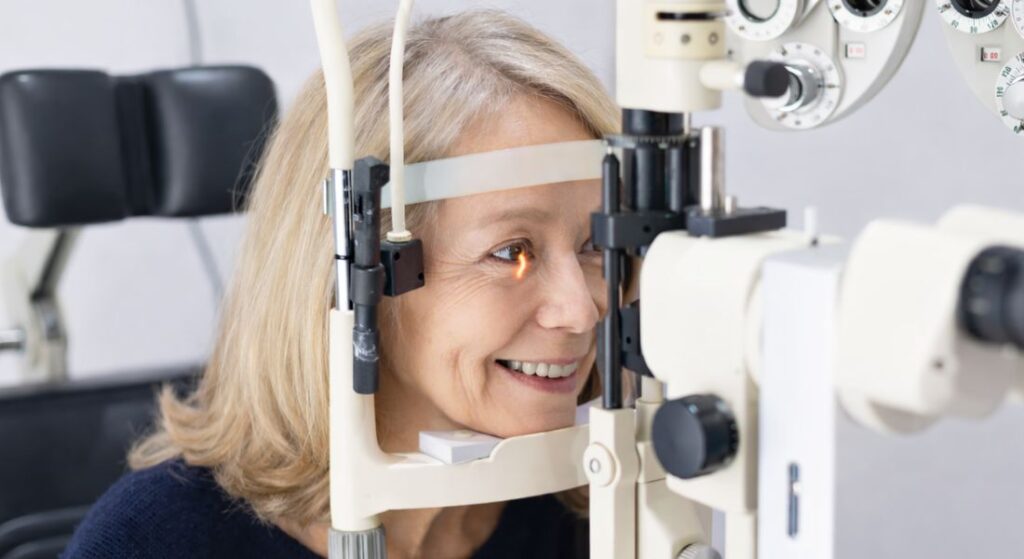
At the hospital appointment, ophthalmic assessment confirms diagnosis and suitability for surgery. You may undergo dilation, imaging, and refraction to ensure cataracts are the primary cause of vision loss. We use this visit to determine surgical readiness with accuracy.
You may expect surgery to be scheduled immediately after this assessment. We recognise that, in practice, further steps often follow, with consent and detailed measurements sometimes arranged as separate visits. This staged approach supports safety rather than delay for its own sake.
We aim to confirm that no other eye conditions are contributing to reduced vision. You benefit when accuracy protects outcomes and expectations are clear. This appointment is essential, but it leads into the next phase rather than concluding the pathway.
Why Further Testing Is Often Required
Many patients require biometry and additional scans after the initial assessment. You benefit from these measurements because they guide lens selection and precise surgical planning. We rely on accuracy at this stage to support the best possible outcome.
You may need to attend another appointment for these tests, which can add time to the pathway. We understand that this feels frustrating, but skipping this step risks compromising results. Precision at the planning stage directly affects vision after surgery.
We recognise that multiple visits test patience, especially when waiting is already prolonged. You should know that each step is designed to improve safety and accuracy. Precision takes time, and patience supports better outcomes.
Being Placed on the Surgical Waiting List
Once assessments are completed, patients are placed on the surgical waiting list, often described as the point at which the waiting “clock” begins. This marks formal entry into the queue for cataract surgery. Although estimated timeframes may be provided, we recognise that actual waits vary significantly between regions. Understanding this stage helps explain why timelines can feel uncertain.
- Placement on the waiting list starts the formal queue: Entry onto the list follows completion of referral and assessment steps. You may receive an estimated wait, but this can change over time.
- Scheduling is influenced by service capacity: Staffing levels, theatre availability, and local demand all affect timing. Prioritisation systems are often used in high-demand areas, which can slow progress.
- Waiting can be the most challenging phase: Many people find this period difficult, particularly when vision already affects daily life. We understand that patience is tested while movement on the list remains unpredictable.
The waiting list stage reflects wider system pressures rather than lack of need. By understanding how capacity and prioritisation influence scheduling, expectations can be managed more realistically. We aim to support clarity during this phase so uncertainty feels easier to navigate.
Why Surgical Waiting Times Vary So Much
Waiting times vary depending on region, hospital capacity, and local funding decisions. You may live in an area with access to independent providers, while others rely entirely on NHS theatres. We see these differences shaping how quickly surgery can be offered.
You may compare your experience with others and feel confused or frustrated by the contrast. We understand that geography plays a major role, as capacity directly determines speed. Where resources are limited, waits are longer regardless of symptoms.
We recognise that this variation can feel unfair. You are affected by structural factors rather than personal circumstances or clinical worth. Understanding that delay is systemic, not personal, helps place the experience in context.
Pre-Operative Assessment and Consent
Before surgery, you attend a pre-operative assessment to review general health, medications, and suitability for anaesthesia. We confirm consent and ensure all relevant information is in place. This step forms the foundation for safe surgery.
You may assume this assessment happens shortly before the operation. We recognise that in some areas it can take place months earlier, depending on local scheduling and capacity. Timing varies between services rather than following a single rule.
We review medical history carefully to reduce risk and prevent complications. You benefit because this process cannot be rushed without compromising safety. Pre-operative assessment is essential, even though its timing differs by pathway.
The Surgery Date and Final Scheduling
Surgery dates are offered based on theatre availability, which means timing can vary widely. You may receive an appointment with short notice or be given a longer lead time depending on capacity. We recognise that scheduling reflects system constraints rather than clinical priority alone.
You may be asked whether you can accept a cancellation slot at short notice. We see that flexibility can sometimes shorten waiting times when unexpected availability arises. Being open to alternative dates can make a practical difference.
We observe that patients who can be flexible often progress more quickly, while others wait longer due to fixed schedules. You are affected by how capacity aligns with availability. Surgery scheduling reflects resources, and flexibility can help.
The Day of Surgery
Cataract surgery itself is usually carried out as a day-case procedure. You attend the clinic, have the operation, and return home the same day. We see the surgical part as brief and well-established.
You may expect vision to be immediately clear, but improvement often occurs gradually over several days. We recognise that recovery varies between individuals, with some fluctuation early on. This settling period is normal.
We focus on safety, comfort, and preparation to support good outcomes. You benefit from a process that is efficient on the day of surgery, even though the pathway leading to it can be long. The operation is quick, but the journey to reach it often is not.
Immediate Post-Operative Care
After surgery, you receive clear instructions, prescribed eye drops, and confirmation of follow-up arrangements. We ensure recovery guidance is explained so expectations are realistic from the outset. This information supports safe healing and confidence at home.
You may feel relief alongside some uncertainty as vision fluctuates in the early days. We recognise that temporary blur, light sensitivity, or variation in clarity can occur as the eye settles. These changes are common and usually improve with time.
We emphasise adherence to drops and post-operative advice because healing depends on consistent care. You are supported beyond the procedure itself, with guidance available if concerns arise. Post-operative care remains part of the pathway, as surgery is not the end of treatment.
Follow-Up Appointments

Follow-up after cataract surgery may take place in hospital or community settings, and timing can vary by region. You may find that some patients are discharged earlier than others depending on local pathways. We see this variation as part of how services manage capacity and risk.
You may have a single follow-up appointment or several, depending on outcome and individual risk factors. We recognise that monitoring plays an important role in ensuring healing progresses as expected. Follow-up is designed to maintain safety rather than add unnecessary steps.
We ensure that any complications are identified early and addressed promptly. You benefit from reassurance and continuity of care during this stage. Follow-up completes the pathway and helps protect surgical results.
Where Delays Commonly Occur
Delays in cataract pathways usually occur at specific pressure points rather than at random. Triage, hospital assessment, and surgical scheduling all depend on available capacity. We recognise that demand for cataract surgery now exceeds supply at multiple stages. Understanding where delays arise helps explain why waiting can feel prolonged.
- Bottlenecks commonly form at key pathway stages: Triage, assessment clinics, and theatre scheduling are frequent points of delay. You may not see these steps clearly, but each relies on limited capacity.
- Delays reflect system pressure rather than inaction: Waiting often feels arbitrary when explanations are unclear. We understand that delays usually arise from bottlenecks rather than neglect.
- Rising demand strains the entire pathway: Increasing need affects every stage of care delivery. You are impacted by structural limits rather than individual decisions.
System-wide strain shapes waiting times more than personal circumstances. By recognising where pressure builds, waiting can be placed in context rather than viewed as unexplained delay. Awareness supports more realistic expectations and helps reduce unnecessary frustration while care continues to move forward.
How Long the Full Pathway Can Take
From referral to surgery, timelines can vary widely, ranging from a few months to over a year. You may find this variation frustrating, but no single timeframe applies to everyone. We recognise that access depends on local capacity and demand.
You may feel discouraged when waits are long. We understand that knowing the steps involved can help put timeframes into context and reduce uncertainty. Patience is often required within a structured pathway.
We recognise that extended waits can affect quality of life as vision continues to decline. You benefit from understanding that the pathway, while lengthy, follows a defined process. Knowing how it works helps manage expectations.
Why Timelines Continue to Change
NHS pathways evolve in response to funding levels, staffing availability, and overall demand. You may notice that timelines are not fixed and can change as backlogs grow or ease. We recognise that system pressure strongly influences speed of access.
You may see waiting times shorten or lengthen unexpectedly. We understand that these shifts reflect system adaptation rather than individual circumstances. Flexibility exists, but it is limited by available resources.
We monitor these changes closely to understand how care pathways respond to pressure. You benefit when variation is seen in context rather than as inconsistency. Timelines shift as demand changes, and adaptation is ongoing.
Exploring Alternative Pathways
Some patients explore independent assessment when waiting times feel prolonged. You may find that this brings greater clarity and predictability at a time when timelines feel uncertain. We see choice as a way to introduce flexibility into the care journey.
You may wish to understand options beyond the NHS pathway, particularly when quality of life is being affected. We recognise that independent centres can sometimes shorten timelines, although funding arrangements and availability vary. Awareness helps you weigh what matters most to you.
We believe informed choice reduces uncertainty and supports confidence. You benefit when access to care reflects impact on daily life rather than a single pathway. Options support autonomy and help you navigate decisions with greater control.
How London Differs From Other Regions
London has a higher concentration of eye care providers, with NHS and independent services operating alongside one another. You may benefit from this coexistence because overall capacity can be greater than in less densely served areas. We see this structure creating more potential routes to care.
You may experience greater choice in London compared with other regions. We recognise that provider diversity supports flexibility in referral pathways and scheduling, even though demand remains high. Access can feel more adaptable when multiple services are available.
We see urban areas using partnership models more frequently to manage pressure. You may find that these arrangements help reduce waiting times for some patients. Location influences access, and London often offers more options.
What Patients Can Do While Waiting

While waiting, regular eye checks remain important to track change and maintain safety. You benefit from ongoing monitoring rather than assuming nothing is happening. We see this as an active phase of care, not a pause.
You may improve comfort by addressing glare, lighting, and driving habits. We recognise that small adjustments can make daily tasks easier and reduce risk. Awareness of limitations helps you adapt safely.
We encourage clear communication with your care providers if symptoms change. You should report new difficulties or worsening vision so reassessment can occur when needed. Waiting does not mean disengagement, and care continues throughout.
Understanding Expectations Helps Reduce Stress
Knowing what to expect helps reduce anxiety when navigating care pathways. You may find the process complex at first, but each step exists for a reason. We see that understanding the structure makes the journey feel more logical and less overwhelming.
You benefit from having realistic expectations about timelines and decisions. We recognise that expectation management supports wellbeing, while unexpected delays or outcomes often cause distress. Clarity allows you to prepare rather than react.
We aim to replace uncertainty with clear, accessible information. You feel more empowered when processes are explained openly. Clarity improves experience, and knowledge supports patience.
FAQs:
1. How long does the NHS cataract pathway usually take from referral to surgery?
The full pathway can take several months and sometimes over a year. You move through assessment, eligibility checks, hospital review, and surgical scheduling. Each stage depends on local capacity. Timing varies more by region than by individual need.
2. Why does the process feel slow after your initial referral?
Referral begins assessment but does not guarantee immediate progression. You must pass through triage and eligibility review before hospital appointments are arranged. These steps often involve waiting. Delays usually reflect system pressure rather than inactivity.
3. Where do the longest delays usually happen for you?
The longest waits often occur before the first hospital appointment and before surgery scheduling. You may wait months due to limited clinic slots or theatre availability. Staffing and funding affect speed. These stages are common bottlenecks.
4. Why does referral not mean surgery is approved straight away for you?
Referral only opens the pathway rather than confirming treatment. You must still meet local criteria after review. Approval depends on thresholds and capacity. This distinction is not always explained clearly at the start.
5. Why does your location affect how fast the pathway moves?
Each region manages cataract services differently. You may live in an area with more clinics or alternative providers, while others rely on fewer services. Capacity shapes speed. Geography influences access more than symptoms.
6. Why are extra hospital appointments needed before surgery?
Additional visits allow accurate measurements and safety checks. You benefit from precise planning that supports better outcomes. These steps reduce surgical risk. Accuracy requires time and cannot be rushed.
7. Why can waiting times change even after you are listed for surgery?
Surgical lists depend on staffing, theatre access, and cancellations. You may move faster if slots open unexpectedly or slower if pressure increases. Waiting lists are dynamic. Change reflects capacity, not priority alone.
8. How does flexibility affect how quickly you reach surgery?
You may progress sooner if you can accept short-notice appointments. Flexibility helps services fill cancelled slots efficiently. Patients with fixed availability often wait longer. Availability can influence timing.
9. What should you do if your vision worsens while you are waiting?
You should report any change in vision or daily function promptly. Reassessment can occur if symptoms progress. Waiting does not mean care has stopped. Ongoing communication supports timely review.
10. Why is understanding the pathway helpful for managing stress?
Knowing each step helps set realistic expectations. You are less likely to feel forgotten when delays are understood. Clarity reduces anxiety. Understanding replaces uncertainty with context and control.
Final Thoughts on the NHS Cataract Surgery Timeline:
The NHS cataract surgery pathway from GP or optometrist referral to surgery is a multi-stage process that can take many months and sometimes over a year. Delays most commonly occur during triage, hospital assessment, and surgical scheduling, driven by capacity constraints and regional variation rather than individual need. Understanding each step helps explain why timelines vary and where waiting is most likely to occur.
We believe informed patients are better equipped to navigate this journey. If long waits are affecting your quality of life and you would like guidance on alternative pathways or timely care options on cataract surgery, feel free to get in touch with us at London Cataract Centre.
References:
- Conner-Spady, B., et al. (2007) A systematic literature review of the evidence on consequences of waiting for cataract surgery. Health Policy, 82(2), pp. 127–141. Available at: https://www.sciencedirect.com/science/article/abs/pii/S0008418207801220
- Gupta, S. (2025) Changing patterns in cataract surgery indications, outcomes, and quality of life. The Lancet Regional Health – South Asia, retrospective cohort. Available at: https://www.sciencedirect.com/science/article/pii/S2772368225000010
- Leinonen, J., et al. (1999) The decrease of visual acuity in cataract patients waiting for surgery. Acta Ophthalmologica Scandinavica, 77(3), pp. 296–301. Available at: https://pubmed.ncbi.nlm.nih.gov/10634563/
- Gimbel, H.V. (2011) Consequences of waiting for cataract surgery beyond 6 months. Canadian Journal of Ophthalmology, 46(4), pp. 363–368. Available at: https://pubmed.ncbi.nlm.nih.gov/21076306/
- Ellis, J.D., 2024. Cataract surgery: a public health crisis with your name on it (discussion of UK cataract waiting list pressures, geography-based variation, and inequalities in access). Available at: https://www.ncbi.nlm.nih.gov/pmc/articles/PMC11885563/