



When you read about cataracts, it’s easy to see information on UK-specific stats or NHS waiting times. What’s less common is a clear, up-to-date picture of how cataracts affect the world as a whole. Now that 2025 has concluded, we have a better sense of how widespread cataracts are globally, with over 90 million people worldwide estimated to be living with vision impairment due to cataracts, and tens of millions of cataract surgeries performed each year across all regions.
Looking at global figures doesn’t just give you curiosity-satisfying facts. It helps you understand how access to care, surgical safety, and outcomes differ around the world. In high-income countries, cataract surgery rates often exceed 5,000 operations per million population each year, while many low- and middle-income countries perform fewer than 1,000 per million, despite similar or higher need. Seeing how the UK compares internationally alongside data from lower-resource settings provides valuable context when you’re making decisions about your own care or talking to family members about eye health.
Cataract: A Leading Cause of Global Blindness
We recognise cataracts as the leading cause of blindness and visual impairment worldwide, particularly among older adults. They account for a substantial proportion of global vision loss and continue to affect tens of millions of people across different regions. As populations age, the overall burden of cataract-related vision impairment continues to rise steadily. This makes cataracts a major public health concern on a global scale.
We understand that global estimates consistently show cataracts responsible for approximately 40–45% of all blindness worldwide. This proportion reflects both the natural ageing process and uneven access to effective treatment. Even though cataracts are highly treatable, many individuals continue to live with avoidable vision loss. The growing size of older populations further amplifies this challenge.
We also acknowledge the World Health Organization’s position that cataracts remain the primary cause of vision loss in many parts of the world. Improving access to cataract surgery is identified as one of the most effective strategies to reduce preventable blindness. Addressing this issue is particularly critical in ageing societies. Global eye health efforts increasingly prioritise cataract care as a result.
How Many People Globally Are Affected by Cataracts?
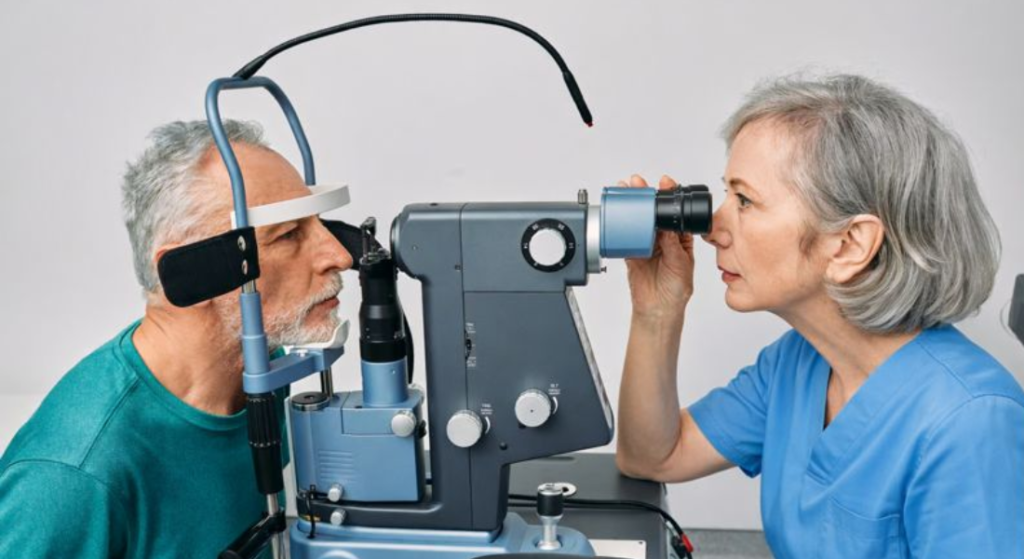
We note that while fully consolidated global data for 2025 is still emerging, existing estimates provide a clear indication of scale. In 2020, around 94 million people aged 50 and over were living with vision impairment or blindness due to cataracts. This made cataracts one of the most prevalent causes of visual disability worldwide. The numbers highlight how widespread the condition already is.
We recognise that cataract-related vision impairment continues to rise steadily across all regions. Population ageing is the primary driver of this increase, as cataracts develop progressively with age. As life expectancy improves globally, more individuals reach the age where cataracts become clinically significant. This demographic shift places increasing pressure on eye care services.
| Indicator (Global Estimates) | Reported Figures |
| People living with cataract-related vision impairment (2025) | ~90–100 million |
| People aged 50+ affected by cataract-related visual impairment | ~94 million |
| Projected global burden by early 2030s | >110 million |
| Share of global blindness caused by cataract | ~40–45% |
| Regions with highest untreated burden | South Asia, Sub-Saharan Africa |
We also understand that projections suggest global cataract-related vision impairment may exceed 110 million people by the early 2030s. This anticipated rise reflects long-term population trends rather than changes in disease behaviour. Without corresponding increases in surgical capacity, the treatment gap may widen further. Planning for future demand is therefore essential.
Why Prevalence Is Increasing Worldwide
We often hear the assumption that improved surgical techniques should reduce cataract prevalence, but global data shows a more complex picture. While surgical methods have advanced significantly, the total number of people living with cataracts continues to increase. This is largely due to population growth and longer life expectancy. The absolute burden rises even when rates remain stable.
We recognise that age-standardised prevalence has remained stable or declined slightly in some high-income regions. However, this does not offset the impact of ageing populations worldwide. Global life expectancy has increased by more than a decade since 1990. As a result, many more people now live into age groups where cataracts are common.
We also acknowledge that in many countries, surgical coverage has not expanded quickly enough to meet rising demand. Health systems often struggle to keep pace with demographic change. Limited workforce capacity and resource constraints further contribute to unmet need. This explains why global prevalence continues to rise despite medical progress.
How Common Is Cataract Surgery Globally?
We recognise cataract surgery as one of the most frequently performed surgical procedures worldwide. Current estimates suggest that between 25 and 30 million cataract operations are carried out globally each year. These figures include both public and private healthcare sectors. The scale of surgical activity reflects the high prevalence of the condition.
We note that this volume equates to more than 70,000 cataract surgeries performed every day worldwide. Such numbers highlight how central cataract surgery is to global eye care services. Despite this high activity, significant unmet need remains in many regions. Surgical volume alone does not guarantee adequate coverage.
We also understand that global surgical numbers still fall short of addressing the full burden of cataract-related vision loss. Many individuals continue to live with untreated cataracts, particularly in resource-limited settings. Access barriers and service availability remain critical issues. Expanding surgical capacity remains a global priority.
Regional Disparities in Access to Surgery
We recognise that access to cataract surgery varies dramatically depending on geographic location. In high-income countries such as the UK, cataract surgery is generally accessible and routine. In contrast, many low- and middle-income countries report very low surgical coverage. This disparity has a direct impact on preventable blindness rates.
| Region | Cataract Surgeries per Million Population / Year |
| Western Europe | 5,000 – 10,000+ |
| UK (overall average) | ~5,000 – 6,000 |
| North America | 6,000 – 9,000 |
| South Asia | 500 – 2,000 |
| Sub-Saharan Africa | <500 (some areas <100) |
We understand that some regions report cataract surgical coverage as low as 3–5% among adults who require surgery. Economic factors, healthcare infrastructure, and workforce availability all influence access. Limited resources often restrict the number of procedures that can be performed. These barriers leave many individuals untreated despite significant visual impairment.
We also note the stark contrast in surgical rates between regions. High-income countries may perform over 5,000 cataract surgeries per million people annually, while some low-income regions perform fewer than 500. This illustrates how uneven global eye care provision remains. Addressing these disparities is essential for reducing global blindness.
Cataract Surgical Rate: A Key Public Health Measure
The cataract surgical rate (CSR) is an important indicator of how effectively eye care systems are meeting population needs. It reflects how many cataract operations are performed per million people each year and offers insight into access, awareness, and healthcare capacity. Looking at CSR helps us understand disparities in eye care across regions.
CSR matters in public health because:
- Rates vary widely between countries – Figures range from as low as 30–50 surgeries per million in some low-resource regions to over 10,000–12,000 per million in parts of Western Europe and Australasia.
- High CSR reflects more than capacity – Strong public awareness, efficient referral pathways, and well-organised cataract programmes all contribute to higher rates.
- Low CSR highlights barriers to care – Limited facilities, cost, transport challenges, and shortages of trained surgeons can all restrict access.
- CSR helps identify unmet need – Comparing rates allows us to see where investment and system improvement are most urgently required.
By understanding CSR, we can better appreciate how access to cataract surgery shapes vision outcomes at a population level and why health system design matters so much.
Effective Cataract Surgical Coverage Around the World
We recognise effective cataract surgical coverage, or eCSC, as a crucial measure because it reflects both access to surgery and quality of outcomes. It does not simply ask whether surgery is performed, but whether vision is meaningfully improved afterward. This distinction is essential when assessing real-world impact. Coverage without quality does not restore functional sight.
We understand that globally, eCSC varies widely between regions. In some low-income countries, effective coverage remains below 10%, reflecting limited access, delayed presentation, or poor postoperative outcomes. In contrast, high-income settings often report eCSC levels of 60–70%. These differences highlight inequalities in both healthcare systems and follow-up care.
We also acknowledge that this wide range shows how much progress is still needed. Even where surgery is available, outcomes must be optimised to ensure lasting visual improvement. High-quality surgery, appropriate lens selection, and postoperative care are all critical. Effective coverage depends on the entire care pathway, not a single procedure.
Geographic Patterns of Cataract Burden
We recognise that cataract burden varies significantly across different regions of the world. In sub-Saharan Africa and South Asia, cataracts remain the leading cause of blindness. In some areas, they account for over 40% of all blindness cases. Limited access to surgery is a key contributing factor.
We understand that workforce shortages play a major role in these regions. In some countries, ophthalmologist density is fewer than one specialist per million people. This leads to long waiting lists and untreated backlogs. Even when cataracts are diagnosed, timely surgery may not be available.
We also note that high-income countries face a very different situation. Higher surgical rates, better infrastructure, and broader coverage reduce the prevalence of untreated cataracts. As a result, fewer older adults live with severe vision loss. Geographic variation reflects healthcare capacity rather than disease behaviour alone.
Age and Demographics: Who Is Most Affected?

We recognise that cataract prevalence increases steadily with age across all populations. While early lens changes may begin in mid-life, significant visual impairment is most common after the age of 60. The prevalence rises sharply beyond age 70. Age remains the strongest predictor of surgical need worldwide.
| Demographic Factor | Observed Trend |
| Age 50–59 | Early lens changes common |
| Age 60–69 | Rapid increase in visually significant cataract |
| Age 70+ | Highest surgical need globally |
| Gender | Higher prevalence among women |
| Socioeconomic status | Lower-income groups face delayed treatment |
We understand that this age-related pattern is consistent across most regions. As people live longer, the number requiring cataract surgery increases accordingly. This makes cataract care closely linked to demographic ageing. Health systems must plan for growing demand among older adults.
We also acknowledge that other demographic factors influence risk and access. Studies often show higher cataract prevalence among women, partly due to longer life expectancy. Socioeconomic status can further affect access to diagnosis and treatment. These factors shape who receives care and when.
Blindness vs Visual Impairment from Cataract
We recognise that cataracts contribute substantially to both blindness and moderate-to-severe visual impairment worldwide. In 2020, an estimated 17 million people were blind due to cataracts. Over 80 million more experienced significant vision impairment related to lens opacity. These figures reflect a major global health burden.
| Vision Impact Category | Estimated Global Numbers |
| Cataract-related blindness | ~17 million people |
| Moderate-to-severe visual impairment | ~80–85 million |
| Total vision impairment burden | >95 million |
| Treatable proportion | Majority (with surgery) |
| Regions with highest untreated blindness | Low-resource regions |
We understand that blindness represents only part of the problem. Many individuals live with impaired vision that limits independence, mobility, and quality of life. Moderate-to-severe visual impairment often goes untreated for years. The impact extends beyond vision to social and economic participation.
We also highlight the transformative potential of effective cataract surgery. When access and quality improve, surgery can restore sight rapidly and reliably. Few interventions offer such dramatic benefit. These numbers underline why cataract care remains central to global blindness prevention strategies.
How Global Trends Are Changing Over Time
We recognise that long-term data shows a steady rise in the number of people affected by cataract-related vision loss. Between 2000 and 2020, the global population with cataract-related visual impairment increased by over 25%. This growth reflects ageing populations and overall population expansion. The trend continues despite medical advances.
We understand that surgical capacity has improved in many regions. Modern techniques have increased safety, efficiency, and outcomes. However, these improvements have not fully offset demographic pressures. Absolute demand continues to climb faster than service expansion in many countries.
| Time Period | Observed Trend |
| 2000–2010 | Gradual increase in cataract-related impairment |
| 2010–2020 | ~25% rise in affected population |
| 2020–2025 | Continued increase due to ageing |
| Surgical capacity growth | Improved but uneven |
| Future outlook | Demand rising faster than access |
We also note that growth is most pronounced in regions where cataract programmes are still developing. Surgical coverage often lags behind population ageing in these areas. Without sustained investment, the treatment gap may widen further. Long-term planning is essential to meet future needs.
Barriers to Access in Low-Resource Areas
Despite cataract being fully treatable, large disparities in access to care persist globally. These gaps are driven by systemic factors rather than medical limitations. Understanding them helps explain why preventable vision loss remains common.
Here’s why access remains unequal:
1. Limited Surgical Infrastructure – In many low- and middle-income regions, surgical facilities are scarce. We see shortages of operating theatres, equipment, and trained support staff, which limits the number of procedures that can be performed.
2. Low Ophthalmologist Density – Workforce availability is a major constraint. In some regions, there are fewer than one ophthalmologist per million people, making timely assessment and surgery unrealistic for large populations.
3. Lack of Awareness and Late Presentation – We recognise that limited public awareness delays care. Many people do not realise cataract-related vision loss is reversible, leading to late presentation when daily function is already severely affected.
4. Financial and Transport Barriers – Even when surgery is available, cost and travel remain obstacles. Direct expenses, loss of income, and long travel distances prevent many from accessing treatment.
5. Low Surgical Coverage Drives Preventable Blindness – Global data consistently shows that over half of cataract-related blindness occurs in regions with the lowest surgical coverage. The condition is treatable, but access determines outcome.
These combined barriers explain why untreated vision loss remains high in 2025. Addressing cataract blindness requires not only effective surgery, but equitable access to care. Strengthening infrastructure, workforce, and awareness remains essential for reducing preventable sight loss worldwide.
The Role of Outreach and International Programmes
Many countries and international organisations run outreach programmes to reduce cataract-related blindness. Community screening camps and mobile surgical units help identify and treat patients who live far from fixed facilities. Some large NGOs reported performing tens of thousands to over 100,000 cataract surgeries annually across multiple countries, illustrating sustained global efforts to reduce untreated cataract. These initiatives highlight both the scale of unmet need and the measurable impact of coordinated intervention.
How Global Surgery Totals Compare to Other Procedures
When we look at surgical activity worldwide, cataract surgery stands out for its sheer scale. It is not just common within ophthalmology, but among all surgical procedures globally. This context helps explain why cataract care is considered a core public health priority.
Global surgery comparisons matter because:
- Cataract surgery is one of the most frequently performed operations worldwide – Current estimates suggest around 20–30 million procedures are carried out each year.
- Volumes exceed many other elective surgeries – In total numbers, cataract surgery often surpasses other major elective operations.
- High volume reflects global need – Ageing populations and the universal nature of cataract drive consistently high demand.
- Its impact goes beyond vision alone – Restoring sight supports independence, safety, and quality of life on a population scale.
By understanding how cataract surgery compares globally, we can better appreciate its central role in public health and why access to timely treatment matters so much.
Why These Worldwide Figures Matter to You
Seeing the global picture helps place UK experience into perspective. It reminds us that access to eye care varies widely, and that UK cataract services whether NHS or private operate within a much broader global effort to reduce avoidable vision loss.
Understanding global statistics also highlights how advances in technology and service delivery have improved safety and outcomes. These improvements benefit not only high-income countries, but increasingly middle-income regions as well reinforcing why cataract surgery remains one of the most impactful procedures worldwide.
Cataract Surgery in London and Global Context

Here in London, we see the full benefits of modern ophthalmology, from advanced diagnostics to highly refined surgical techniques. In the UK, cataract surgical rates exceed 5,000 procedures per million population each year, placing us among the highest-access regions globally. This reflects strong infrastructure, specialist training, and established care pathways.
Worldwide, the picture is very different. In many low- and middle-income regions, cataract surgical rates remain below 500 per million, and in some areas fall under 100 per million, highlighting limited access to trained surgeons and surgical facilities. These disparities mean that millions still live with preventable vision loss.
By understanding this global context, you can better appreciate how cataract care in the UK fits into a wider story of progress and inequality. Your experience reflects what is possible when healthcare systems are well resourced, while globally, ongoing efforts continue to close the gap and reduce avoidable blindness through training, outreach, and service development.
FAQs:
1. Why are cataracts still the leading cause of blindness worldwide in 2025?
Cataracts remain the leading cause of global blindness because access to surgery is uneven rather than because treatment is ineffective. Although cataract surgery is highly successful, millions of people live in regions where surgical services are limited or unavailable. Ageing populations further increase demand, and in many low-resource settings, health systems cannot keep pace with this growth. As a result, preventable vision loss persists despite modern surgical advances.
2. How reliable are global cataract statistics for 2025?
Global cataract statistics for 2025 are based on the most recent large-scale studies, modelling, and extrapolations from datasets such as those used by international eye health organisations. While exact figures continue to be refined, the overall trends are consistent and well established. These data provide a reliable picture of scale, regional variation, and long-term direction, even if precise totals vary slightly between sources.
3. Why does cataract prevalence keep increasing despite better surgery?
Cataract prevalence continues to rise primarily because people are living longer across the world. Even when surgical rates improve, population ageing means more individuals reach the age at which cataracts develop. This increases the absolute number of people affected, even if the proportion within each age group remains stable. Surgical progress improves outcomes but does not eliminate the demographic drivers of cataract formation.
4. What explains the huge difference in cataract surgery rates between countries?
Differences in cataract surgery rates are largely explained by healthcare infrastructure, workforce availability, and funding rather than medical need. High-income countries have well-established referral systems, trained surgeons, and operating facilities, allowing high surgical volumes. In contrast, many low- and middle-income countries face shortages of specialists, equipment, and transport, which limits access even when cataract prevalence is high.
5. What is the cataract surgical rate and why is it important?
The cataract surgical rate measures how many cataract operations are performed per million people each year and serves as a key indicator of access to care. It helps public health planners understand whether a health system is meeting population needs. A low rate suggests unmet demand and a higher risk of preventable blindness, while a high rate reflects strong access, awareness, and service capacity.
6. Why do many people still live with untreated cataracts if surgery is available?
Untreated cataracts persist because availability does not always translate into accessibility. Financial cost, travel distance, lack of awareness, fear of surgery, and long waiting times can all delay treatment. In some regions, people may not realise that cataract-related vision loss is reversible, leading to late presentation when daily functioning is already severely affected.
7. How does effective cataract surgical coverage differ from surgical volume alone?
Effective cataract surgical coverage considers both whether surgery is performed and whether it restores useful vision. High surgical numbers alone do not guarantee good outcomes if postoperative care, lens selection, or timing are suboptimal. This measure highlights the importance of quality, follow-up, and appropriate intervention, rather than focusing solely on procedure counts.
8. Who is most affected by cataracts globally?
Older adults are most affected by cataracts, with prevalence rising sharply after the age of 60 and peaking in those over 70. Women are affected more often than men, partly due to longer life expectancy. Socioeconomic factors also play a role, as individuals in lower-income groups are more likely to experience delayed diagnosis and treatment, increasing the risk of visual impairment.
9. How do global cataract trends affect patients in the UK?
Global trends provide context for understanding how fortunate UK patients are to have timely access to safe cataract surgery. While cataracts are common everywhere, the UK’s high surgical rates and established care pathways mean fewer people live with untreated vision loss. Comparing this with global data highlights the importance of maintaining capacity and planning for an ageing population at home.
10. Will the global cataract burden continue to rise beyond 2025?
Yes, projections strongly suggest that the global cataract burden will continue to rise into the 2030s. Population ageing and growth are expected to outpace improvements in surgical capacity in many regions. Without sustained investment in training, infrastructure, and outreach programmes, the gap between need and treatment is likely to widen, reinforcing cataract care as a long-term global public health priority.
Final Thought: Global Cataract Care and UK Treatment
Global cataract statistics for 2025 show that while cataracts remain the leading cause of reversible vision loss worldwide, access to surgery and quality of care vary dramatically between regions. In high-income countries like the UK, surgical standards are advanced, outcomes are highly predictable, and patients benefit from a wide range of lens options and personalised care.
Understanding global trends can reassure patients that the treatment available locally reflects best practice rather than minimum standards. If you’re thinking about cataract surgery in London, you can get in touch with us at London Cataract Centre to discuss your options and plan a personalised approach to restoring your vision.
References:
1. PhaswanaMafuya, N., Peltzer, K., Crampin, A., Ahame, E. and Sokhela, Z., 2017. Prevalence of selfreported diagnosed cataract and associated risk factors among elderly South Africans. International Journal of Environmental Research and Public Health, 14(12), p.1523. https://www.mdpi.com/1660-4601/14/12/1523
2. Lesiewska, H., Woźniak, A., Reisner, P., Czosnyka, K., Stachura, J. and Malukiewicz, G., 2023. Is cataract in patients under 60 years associated with oxidative stress? Biomedicines, 11(5), p.1286. https://www.mdpi.com/2227-9059/11/5/1286
3. Dongyue Wang, T. Tang, P. Li, J. Zhao, B. Shen and M. Zhang, 2024. The global burden of cataracts and its attributable risk factors in 204 countries and territories: a systematic analysis of the global burden of disease study. Frontiers in Public Health, 12, p.1366677. https://pmc.ncbi.nlm.nih.gov/articles/PMC11199524/
4. Bo Jiang, T. Wu, W. Liu, G. Liu and P. Lu, 2023. Changing trends in the global burden of cataract over the past 30 years: a retrospective analysis of the global burden of disease study 2019. Journal of Medical Internet Research (open access). https://www.sciencedirect.com/org/science/article/pii/S2369296023001886
5. Anguas, M.G., 2025. Cataract care process: systematic review of clinical evidence. Health Services and Outcomes Research. https://www.sciencedirect.com/science/article/abs/pii/S2603647925000739