


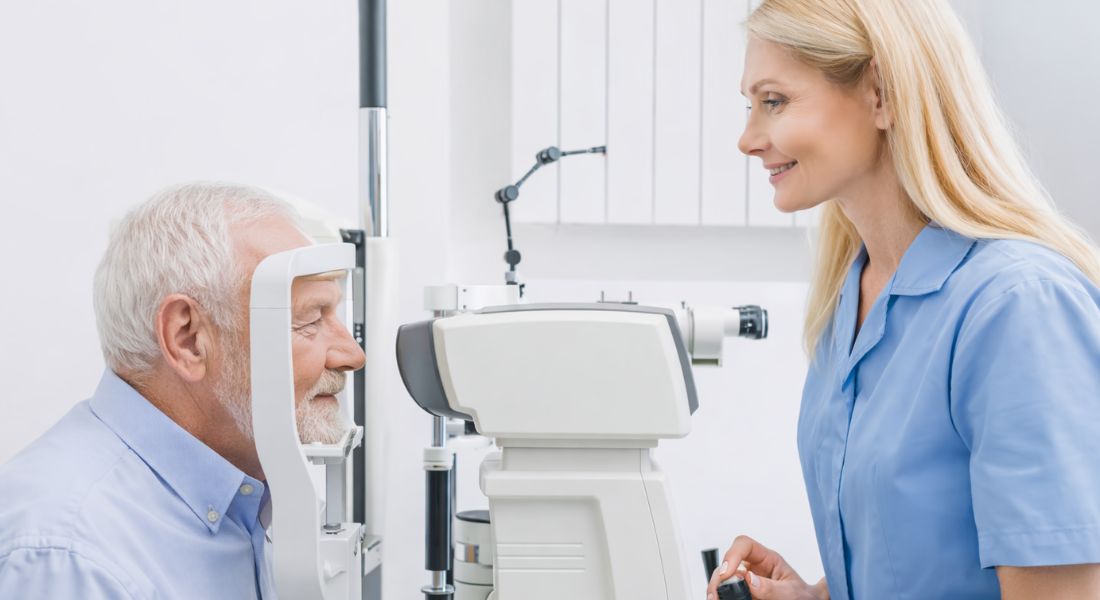
Many patients still base their expectations of cataract surgery on stories they heard years ago. You may remember relatives describing long hospital stays, thick glasses, or slow recovery. While those experiences were real at the time, cataract surgery has changed dramatically.
Over the past decade, cataract surgery has undergone genuine, measurable improvement. Advances in imaging, surgical technique, lens design, and postoperative care have transformed outcomes. Today’s results are not just better on paper, but noticeably better for patients.
In this article, we explain what has truly improved in modern cataract surgery. We focus on real progress rather than promises, helping you understand why outcomes today are more predictable, comfortable, and personalised. This context can offer reassurance if you are considering surgery now.
How Cataract Surgery Has Evolved Over the Last Decade
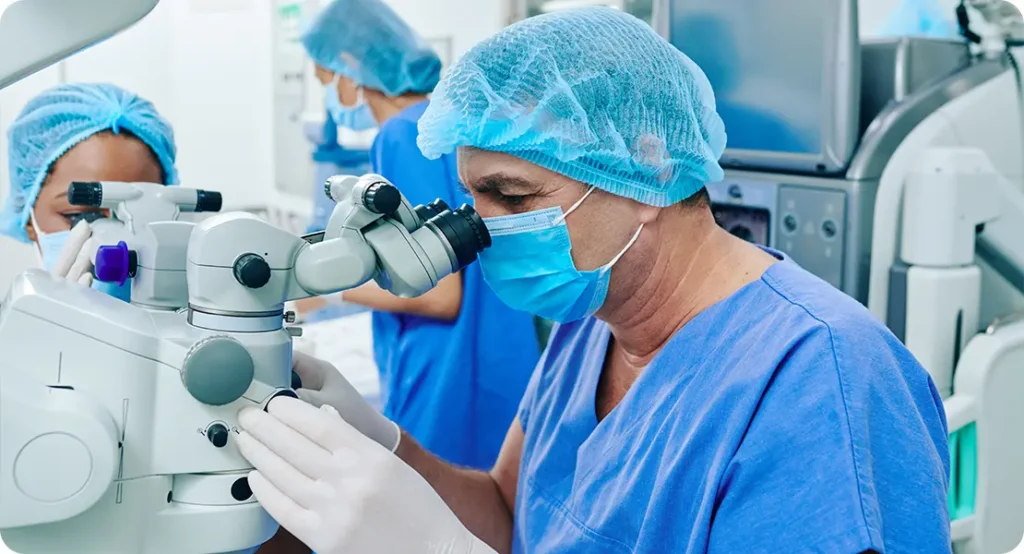
Ten years ago, cataract surgery was already effective, but it was less refined. Many steps relied more heavily on surgeon estimation and standardised approaches. While vision improved, predictability varied.
Modern cataract surgery is data-driven and highly individualised. Technology now supports precision at every stage, from assessment to recovery. This reduces uncertainty and improves consistency.
These changes did not happen overnight. They reflect years of research, refinement, and clinical feedback. The result is a safer and more patient-centred procedure.
Improvements in Preoperative Eye Imaging
Preoperative imaging has improved significantly over the past decade. Earlier assessments relied on basic measurements and manual calculations. Subtle variations in eye anatomy were harder to detect.
Today, advanced optical coherence tomography and biometric scanners provide highly detailed maps of the eye. These scans measure corneal shape, lens position, and eye length with exceptional accuracy. This information directly influences surgical planning.
Better imaging leads to better decisions. Surgeons can now tailor treatment to your individual eye rather than using broad averages. This precision directly improves outcomes.
More Accurate Intraocular Lens Calculations
Lens power calculation is one of the most important steps in cataract surgery. In the past, small measurement errors could affect final vision outcomes. As a result, some patients still needed glasses after surgery despite a well-performed procedure.
- Advanced measurement techniques: Modern devices measure the eye in far greater detail than before. They assess corneal shape, eye length, and lens position more precisely. This reduces the chance of calculation error.
- Improved calculation formulas: New-generation formulas use complex mathematical models. They predict how the lens will sit inside the eye after surgery. This leads to more reliable results.
- Better prediction of visual outcomes: Surgeons can now plan vision more accurately. Whether the aim is clear distance vision or reduced reliance on glasses, outcomes are more predictable.
- Reduced refractive surprises: Unexpected visual errors after surgery are far less common today. Most patients achieve results close to their target vision. This improves satisfaction and confidence.
In conclusion, modern lens calculations have transformed cataract surgery results. Greater precision means clearer vision and fewer surprises. This improvement is a major reason why cataract outcomes are better today.
Advances in Intraocular Lens Design
Intraocular lenses have evolved considerably. Older lenses were primarily monofocal, offering clear vision at one distance only. Options were limited.
Today’s lenses are available in a wide range of designs. These include toric lenses for astigmatism and advanced multifocal or extended-depth lenses. Each option addresses specific visual needs.
Lens materials have also improved. Modern lenses are more stable, biocompatible, and durable. These improvements support both comfort and long-term visual quality.
Better Personalisation of Visual Outcomes
A decade ago, cataract surgery mainly aimed to restore basic clarity. Visual goals were often assumed by the surgeon rather than explored with the patient. Personal preferences usually came second to standard outcomes.
- Lifestyle-based vision planning: Surgeons now ask how you use your vision every day. Activities such as reading, driving, and screen work are discussed in detail. This information guides treatment decisions.
- Tailored lens selection: Different lenses suit different visual needs. Some prioritise distance vision, while others support near or intermediate tasks. Lens choice is matched to individual habits.
- Clear discussion of priorities: Patients are encouraged to express what matters most to them. This may include reducing glasses use or achieving sharper night vision. Open discussion improves alignment.
- More predictable satisfaction: When expectations are set properly, outcomes feel more successful. Patients are less likely to feel disappointed. Results match real-life needs more closely.
In conclusion, cataract surgery is no longer a one-size-fits-all procedure. Personalised planning leads to outcomes that fit daily life. This approach has greatly improved patient satisfaction.
Safer and More Comfortable Anaesthesia
Anaesthesia methods used in cataract surgery have improved over time. In the past, stronger sedation or injections around the eye were commonly used. These approaches could increase anxiety and discomfort for some patients.
- Use of local anaesthetic drops: Modern cataract surgery usually relies on numbing eye drops. These effectively control pain without injections. Patients remain comfortable throughout the procedure.
- Minimal or no sedation: Heavy sedation is often unnecessary. Many patients stay awake and relaxed during surgery. This reduces side effects such as nausea or grogginess.
- Lower risk and quicker recovery: Lighter anaesthesia reduces overall risk. Patients recover more quickly after surgery. Most can go home soon after the procedure.
- Improved patient comfort: Being more alert helps patients feel in control. The experience is calmer and less stressful. Comfort is now an expected part of care.
In conclusion, advances in anaesthesia have made cataract surgery safer and more comfortable. Reduced sedation lowers risk and speeds recovery. Patient experience has improved significantly.
Reduced Surgical Trauma to the Eye
Surgical instruments and techniques have become more refined. Incisions are smaller and more precise than they were a decade ago. This reduces disruption to eye structures.
Modern phacoemulsification systems use less energy to remove the cataract. This protects surrounding tissues, including the cornea. Less trauma means faster healing.
As a result, vision often stabilises more quickly. Patients experience less inflammation and discomfort. Recovery is smoother and more predictable.
Lower Infection Rates and Better Safety Protocols
Infection prevention has improved significantly. Surgical environments now follow stricter protocols and evidence-based practices. Antibiotic strategies are more targeted.
The introduction of intracameral antibiotics has been particularly impactful. These are administered directly inside the eye at the end of surgery. Studies show they significantly reduce infection risk.
While infection was already rare, it is now even less common. Safety improvements are incremental but meaningful. This contributes to better overall outcomes.
Faster Visual Recovery Than in the Past
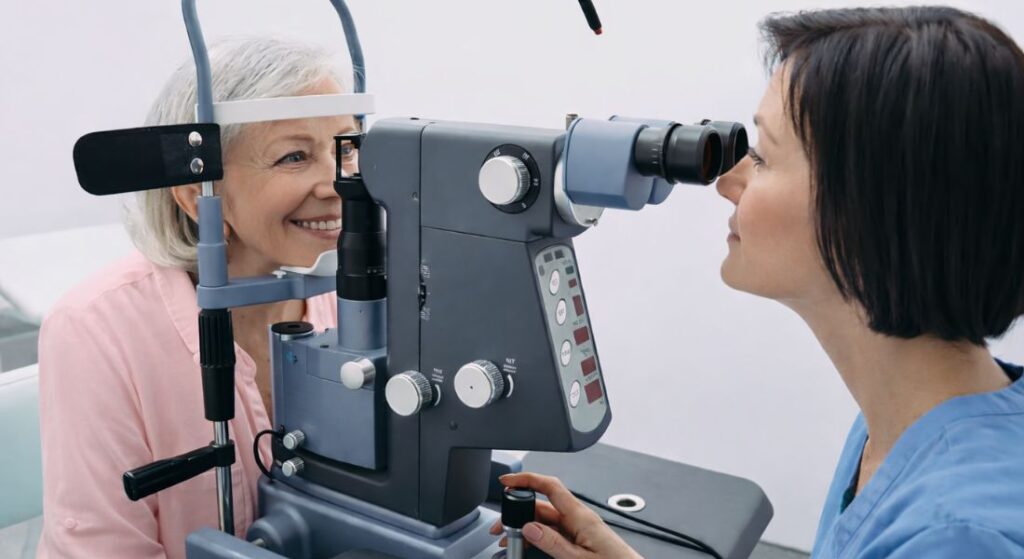
Visual recovery after cataract surgery is now much quicker than in previous decades. Many patients notice clearer vision within days rather than weeks. This is a significant improvement compared with older procedures, where blurred vision often lasted longer.
1. Smaller incisions and less inflammation: Modern surgical techniques use tiny incisions that heal quickly. Reduced inflammation speeds the overall recovery process.
2. Improved lens stability: Advanced intraocular lenses remain securely in place after surgery. This helps vision settle more predictably and reduces fluctuations in sight.
3. Early improvement in daily activities: Patients can return to reading, driving, and screen use sooner. This rapid improvement reduces disruption to everyday life.
4. Patient satisfaction: Faster recovery enhances the overall experience. Patients value the ability to resume normal routines quickly.
In conclusion, cataract surgery today allows vision to improve much faster than in the past. Smaller incisions, stable lenses, and reduced inflammation all contribute. Patients enjoy quicker functional recovery and less disruption to daily life.
Improved Management of Astigmatism
In the past, astigmatism was often undercorrected during cataract surgery. Many patients still needed glasses even after a successful procedure, and treatment options were limited. This sometimes left people frustrated with their results.
Today, astigmatism can be measured with great precision and corrected during surgery. Toric lenses and careful incision planning make this possible, giving far more reliable outcomes. You can expect clearer vision straight away in most cases.
This advancement has reduced the need for glasses after surgery. Many patients now enjoy sharper vision across a wide range of activities. Managing astigmatism has become a routine part of modern cataract care rather than a rare exception.
Comparison: Cataract Surgery Then vs Now
If you’ve heard stories about cataract surgery from years ago, it’s understandable to feel unsure about what to expect today. Many people still imagine long recovery times and unpredictable results. The reality is that cataract surgery has changed significantly over the past decade. What you experience now is very different from what patients went through before.
Advances in imaging, lens technology, and surgical techniques have transformed the entire process. Surgery is more precise, recovery is quicker, and outcomes are far more predictable. For you as a patient, this means clearer vision and fewer surprises. The comparison below shows just how much things have moved on.
| Aspect | Around 10 Years Ago | Today |
| Pre-op imaging | Basic biometry | Advanced OCT & optical biometrics |
| Lens options | Mostly monofocal | Toric, multifocal, EDOF |
| Anaesthesia | Heavier sedation common | Drop-based local anaesthesia |
| Recovery time | Weeks | Days to weeks |
| Astigmatism correction | Limited | Routinely addressed |
| Visual predictability | Variable | Highly predictable |
This comparison reflects real-world change. Each improvement contributes to better outcomes overall. Together, they transform the patient experience.
Better Management of Coexisting Eye Conditions
Many patients today have other eye conditions alongside cataracts. Ten years ago, these complexities were harder to manage, which sometimes made surgery outcomes unpredictable. Now, surgeons are more aware of these challenges before the procedure even begins.
Modern diagnostics make it easier to identify coexisting conditions early. Surgical planning can then be adapted to each patient’s needs, reducing the risk of unexpected results. You benefit from a more personalised approach.
Even if you have glaucoma or changes in the macula, today’s tailored care improves outcomes. Expectations are clearer, and results are more predictable. Better assessment and planning lead to better decisions for your long-term vision.
More Transparent Patient Communication
Communication around cataract surgery has improved just as much as the technology itself. Patients today are more informed about what surgery can realistically achieve and what it cannot. Expectations are discussed openly, so you know what to anticipate.
This transparency helps reduce disappointment. When you understand likely outcomes, you are more satisfied with the results. Patient education has become a key part of modern care.
Better communication also builds trust between you and your surgical team. You feel involved in the process rather than being a passive observer. This makes the entire experience smoother and more reassuring.
Long-Term Visual Stability Has Improved
Long-term visual stability has improved significantly with modern cataract surgery. Earlier intraocular lenses were effective, but some could shift slightly or lose clarity over time. When this happened, vision quality could gradually change. For some people, this meant needing adjustments years after surgery.
Today’s intraocular lenses are designed to remain precisely positioned inside the eye. The materials are more durable and better suited to long-term use. This helps your vision stay clear and consistent well beyond the initial recovery. Changes over time are far less common than they once were.
This improved stability supports lasting confidence in the results. Cataract surgery is no longer just about seeing better shortly after the procedure. It is an investment in long-term visual quality. The benefits are designed to last for many years.
Why Older Stories No Longer Reflect Today’s Reality
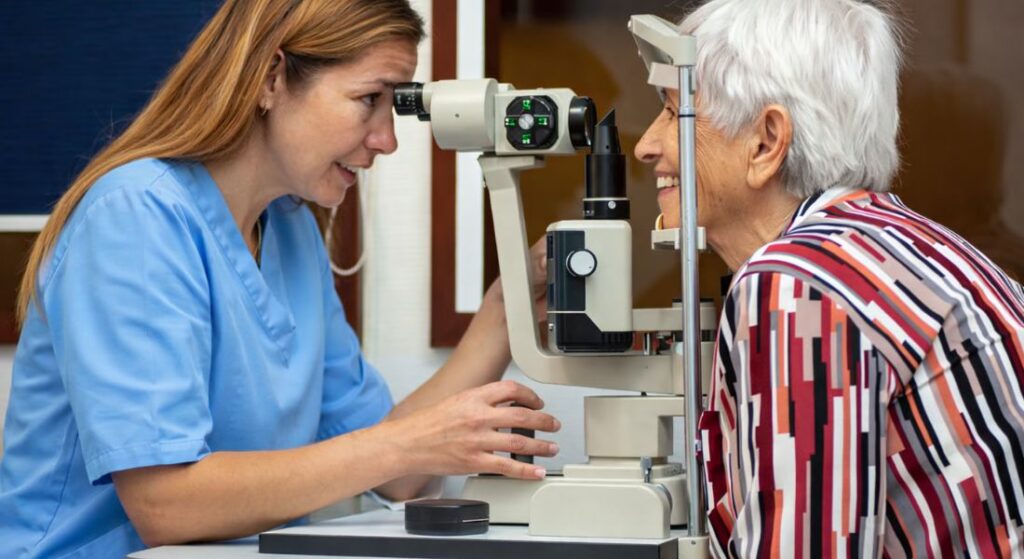
Many concerns about cataract surgery come from stories you might have heard years ago. While those experiences were accurate at the time, they no longer reflect how surgery is performed today. Advances in technology and techniques have changed the whole process.
Comparing today’s surgery to the past is a bit like comparing modern smartphones to early mobile phones. The purpose is still the same, but performance, precision, and reliability are vastly improved. Knowing this can help you see why old worries may no longer apply.
Understanding how cataract surgery has evolved can reduce anxiety and set realistic expectations. Modern procedures are safer, faster, and more predictable than ever. The results you can expect today reflect genuine progress, not outdated stories.
FAQs:
1. Is cataract surgery today safer than it was 10 years ago?
Yes, cataract surgery today is considered safer than it was a decade ago. Advances in imaging, surgical precision, infection prevention, and anaesthesia have reduced risks even further. While cataract surgery was already a safe procedure, modern protocols and technology have improved consistency and reduced complication rates, making outcomes more predictable for a wider range of patients.
2. Why do people still worry about long recovery times after cataract surgery?
Many concerns come from outdated experiences shared by friends or family members who had surgery years ago. At that time, recovery often took weeks and vision stabilised slowly. Today, smaller incisions, refined techniques, and improved lens stability mean most patients notice visual improvement within days, which no longer matches older stories.
3. How does modern imaging improve cataract surgery results?
Modern imaging allows surgeons to measure the eye with far greater accuracy before surgery. Detailed scans of the cornea, lens position, and eye length help guide precise surgical planning. This reduces guesswork and allows treatment to be tailored to the individual eye, directly improving visual outcomes and reducing unexpected results.
4. Are glasses still needed after cataract surgery today?
Some patients may still need glasses depending on their visual goals and eye health, but far fewer people rely on them compared to the past. Improved lens calculations and advanced intraocular lens options allow many patients to achieve good distance vision or reduce dependence on reading glasses. Expectations are now discussed clearly before surgery.
5. What has changed about intraocular lenses over the years?
Intraocular lenses have become more advanced, offering better stability, durability, and visual performance. While older lenses mainly corrected vision at one distance, modern options can also address astigmatism and improve near or intermediate vision. Lens materials have also improved, supporting long-term clarity and comfort.
6. Is cataract surgery more comfortable now than before?
Yes, cataract surgery is generally more comfortable today. Most procedures now use local anaesthetic eye drops rather than injections or heavy sedation. This reduces anxiety, minimises side effects, and allows patients to remain relaxed and alert during surgery, contributing to a smoother overall experience.
7. Why is visual recovery faster now than in the past?
Faster recovery is largely due to reduced surgical trauma and better tissue protection. Smaller incisions, lower ultrasound energy, and refined techniques help the eye heal more quickly. As inflammation is reduced, vision stabilises sooner, allowing patients to return to daily activities faster than was typical years ago.
8. Can astigmatism really be corrected during cataract surgery now?
Yes, astigmatism correction has become a routine part of modern cataract surgery. Accurate preoperative measurements and toric lenses allow surgeons to address astigmatism during the procedure itself. This was far less reliable in the past and is a major reason why visual outcomes have improved.
9. How does personal lifestyle affect cataract surgery planning today?
Lifestyle plays a much bigger role in planning than it did a decade ago. Surgeons now discuss how patients use their vision for reading, driving, work, or screens. These conversations guide lens selection and surgical decisions, helping outcomes align more closely with daily visual needs and improving satisfaction.
10. Should older cataract surgery stories still influence decisions today?
Older stories should be viewed in context rather than taken as a reflection of current practice. While they were valid at the time, cataract surgery has evolved significantly. Modern outcomes are shaped by better technology, safer protocols, and personalised care, making today’s experience very different from those past accounts.
Final Thought: Understanding the Real Progress in Cataract Surgery
Cataract surgery has evolved quietly but profoundly over the past decade. What was once a highly effective yet somewhat standardised procedure has become precise, personalised, and far more predictable. Improvements in imaging, lens technology, surgical technique, and recovery protocols mean that outcomes today are not only safer but better aligned with how people actually use their vision in daily life.
If you are basing your expectations on stories from the past, it is worth re-evaluating them in light of modern advances. Today’s cataract surgery reflects years of scientific progress and patient-centred care, offering clearer vision, faster recovery, and greater confidence in results. If you’re looking to enhance your vision or need personalised guidance, our specialist team at the London Cataract Centre is here to help.
References:
1. Lee, D., Kim, C., Lee, K. and Chung, J.K. (2023) Clinical Outcomes of Cataract Surgery in Patients with Sjögren’s Syndrome. Diagnostics, 13(1), 57. https://www.mdpi.com/2075-4418/13/1/57
2. Khoramnia, R., Auffarth, G., Łabuz, G., Pettit, G. and Suryakumar, R. (2022) Refractive Outcomes after Cataract Surgery. Diagnostics, 12(2), 243. https://www.mdpi.com/2075-4418/12/2/243
3. Advances in cataract surgery and intraocular lenses (2009) Advances in cataract surgery and intraocular lenses. https://pubmed.ncbi.nlm.nih.gov/19653471/
4. Mittal, R. (2019) Visual outcome and patient satisfaction after cataract surgery. Journal of Ophthalmic Surgery. https://www.sciencedirect.com/science/article/pii/S2213398418302069
5. Visual outcomes and complications after phacoemulsification and small incision manual cataract surgery in two eye hospitals. https://www.sciencedirect.com/science/article/abs/pii/S0181551224002985