


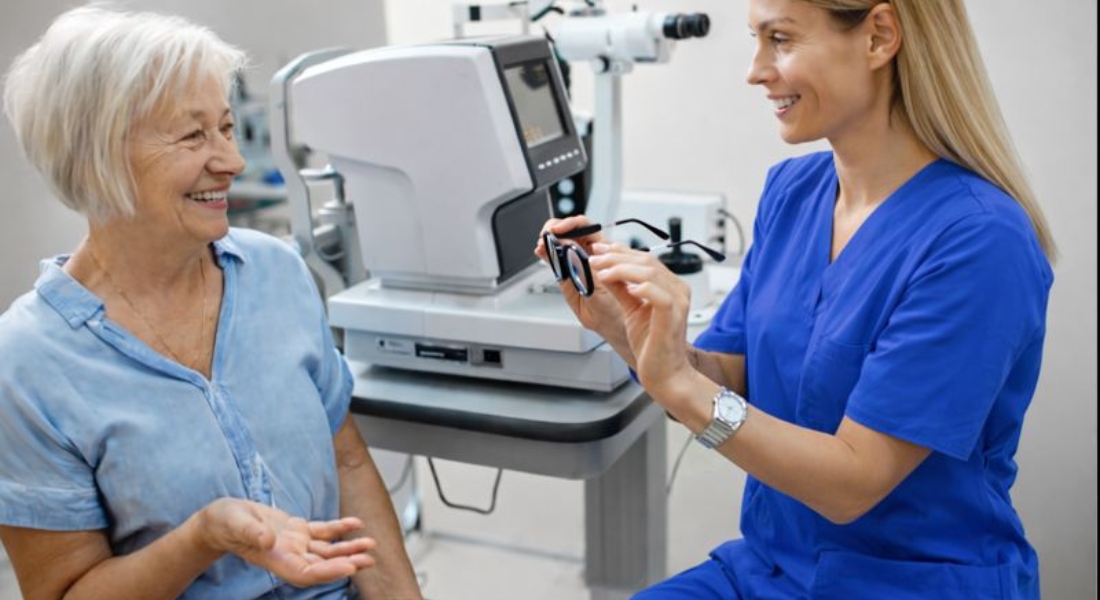
If you have been diagnosed with macular degeneration and are now being told you also have a cataract, it is completely natural to feel uncertain about whether surgery is worth it. Many patients worry that because macular degeneration affects central vision, cataract surgery may not offer meaningful improvement. These concerns are understandable, and they deserve clear, honest answers. We believe clarity helps you make confident decisions about your eye health.
Cataract surgery is often described as a vision-restoring procedure, but macular degeneration changes the conversation. Unlike cataracts, macular degeneration affects the retina rather than the lens. This means surgery cannot reverse macular damage, but it can still remove other barriers to vision. Understanding what surgery can and cannot do is essential.
In this article, we explain how cataract surgery interacts with macular degeneration, what type of vision improvement is realistic, and why many patients still benefit from cataract removal. We also explain how macular health influences outcomes and why personalised assessment is so important. Our goal is to help you approach surgery with realistic expectations rather than uncertainty.
Understanding the Difference Between Cataracts and Macular Degeneration
A cataract develops when the eye’s natural lens becomes cloudy over time. This clouding reduces the amount of light reaching the retina, leading to blurred vision, glare, and faded colours. Cataract surgery works by removing this cloudy lens and replacing it with a clear artificial one. The procedure focuses on improving the clarity of incoming light.
Macular degeneration is a retinal condition that affects the macula, the part of the retina responsible for detailed central vision. It can reduce sharpness, reading ability, and facial recognition. Unlike cataracts, macular degeneration is not caused by lens clouding and cannot be corrected with surgery. The damage occurs deeper in the eye.
Because these two conditions affect different structures, they influence vision in different ways. Cataracts block light, while macular degeneration affects how that light is processed. Cataract surgery removes one obstacle but does not repair retinal damage. Understanding this distinction helps explain why outcomes vary.
Why Patients With Macular Degeneration Often Feel Unsure About Surgery
Many patients assume that if macular degeneration limits vision, cataract surgery will not help. This belief is common and understandable. Central vision loss can be frustrating, and the idea of surgery may feel pointless if perfect vision is not possible. However, this assumption often overlooks important benefits.
Even when macular degeneration is present, cataracts still reduce overall visual quality. Cloudy lenses worsen contrast, brightness, and colour perception. Removing the cataract can improve these aspects of vision, even if central sharpness remains limited. These improvements often make daily activities easier.
Uncertainty also arises from fear of disappointment. Patients worry about expecting too much and being let down. This is why honest discussion about realistic outcomes is so important. Surgery is not about miracles, but about meaningful improvement.
How Cataracts Can Make Macular Degeneration Vision Worse
When cataracts and macular degeneration occur together, they affect vision in different but reinforcing ways. One condition limits the clarity of incoming light, while the other reduces the eye’s ability to interpret detail. Understanding how these effects interact helps explain why vision can feel disproportionately impaired. It also clarifies why cataract surgery may still offer meaningful functional benefits.
- Dual conditions place extra strain on visual processing
Cataracts reduce the quality of light reaching the retina, while the macula struggles with fine detail. When both are present, vision loss is often more noticeable than with either condition alone. - Cataracts can intensify macular degeneration symptoms
Reduced contrast, dull colours, and increased glare make central vision loss feel more severe. These changes can affect confidence, mobility, and independence in everyday activities. - Cataract removal improves how remaining vision is used
Once the cataract is removed, the retina receives clearer and brighter images. Although macular damage remains, you may find existing vision becomes more functional and easier to rely on.
While cataract surgery does not treat macular degeneration itself, it can reduce one major barrier to visual clarity. By improving light transmission and image quality, surgery helps you make better use of remaining vision. We focus on realistic outcomes that prioritise function, comfort, and long-term visual confidence.
What Type of Vision Improvement Is Realistic After Surgery?
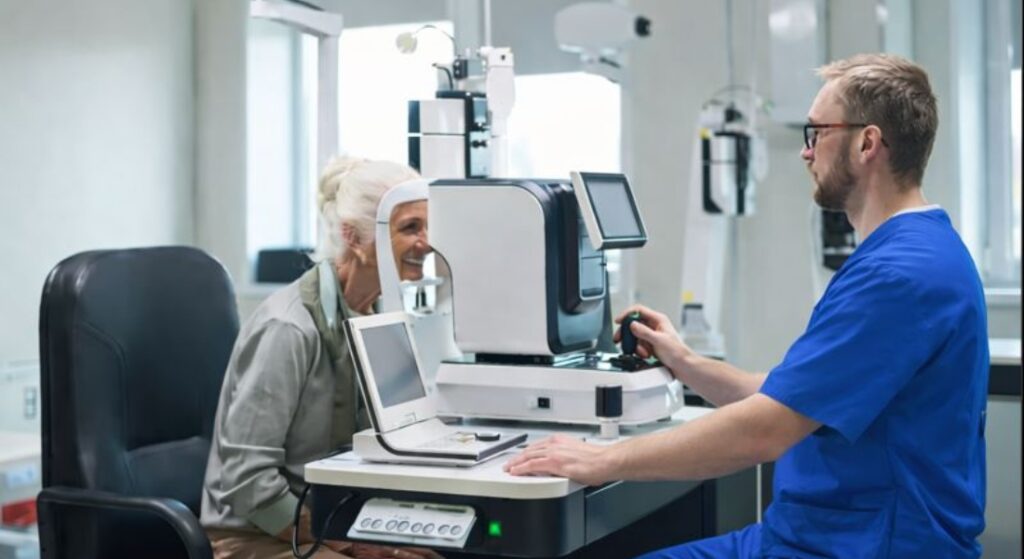
Cataract surgery does not restore lost central vision caused by macular degeneration. This is a crucial point to understand. However, many patients experience improvement in overall visual quality. Vision often becomes brighter, clearer, and less hazy.
Patients frequently report better contrast and improved colour perception. Glare from lights, especially at night, is often reduced. These changes can make activities such as reading large print, watching television, and navigating outdoors more comfortable.
The degree of improvement depends largely on the severity of macular degeneration. Early or moderate disease often allows for noticeable benefits. Advanced disease may limit improvement, but even then, surgery can still enhance visual comfort and usability.
How Macular Health Influences Surgical Outcomes
The condition of the macula plays a major role in determining outcomes after cataract surgery. Eyes with mild macular degeneration often respond better than those with advanced disease. This is because the retinal tissue can still process improved visual input.
In early stages, cataract removal may significantly improve functional vision. In later stages, improvements are usually more modest but still meaningful. Each eye behaves differently, which is why individual assessment is essential.
Specialists use retinal imaging to evaluate macular health before surgery. This helps predict likely outcomes and guide discussions. Honest evaluation allows expectations to be matched with reality.
Why Cataract Surgery Is Often Still Recommended
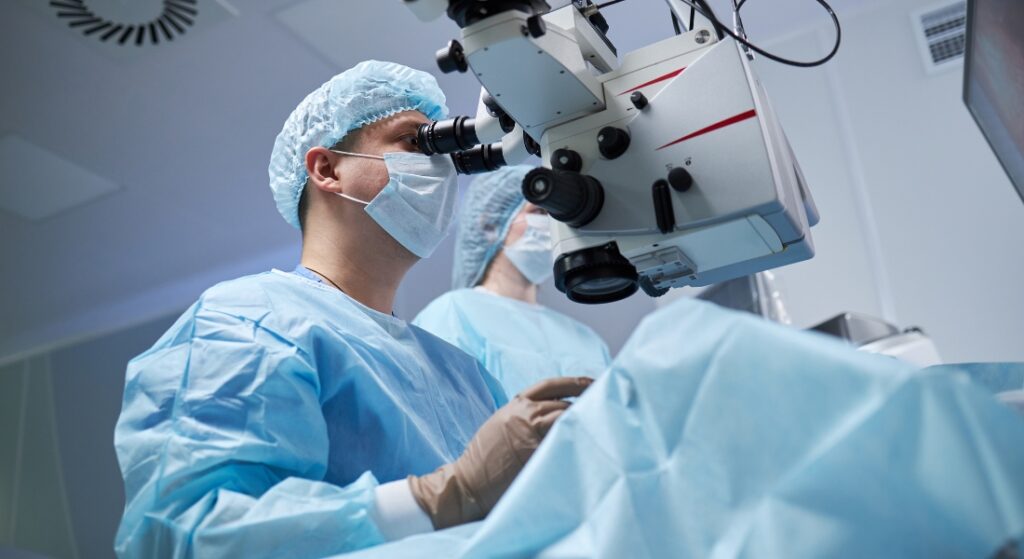
Even when macular degeneration is present, cataract surgery is often recommended if the cataract significantly limits vision. The goal is not to cure macular degeneration, but to remove additional visual barriers. Clearer vision supports better use of remaining retinal function.
Improved brightness and contrast can enhance quality of life. Patients often feel more confident moving around and performing daily tasks. Reduced glare can improve safety, especially when walking outdoors or navigating unfamiliar environments.
Surgery may also improve the effectiveness of visual aids. Glasses, magnifiers, and low-vision tools often work better after cataract removal. This can further enhance independence.
Can Cataract Surgery Make Macular Degeneration Worse?
A frequent worry for many patients is whether cataract surgery could speed up macular degeneration. This concern is understandable, especially when protecting long-term retinal health is a priority. Extensive research and modern clinical experience now provide reassuring clarity on this issue. Understanding the evidence can help you feel more confident about treatment decisions.
- Current evidence shows cataract surgery does not worsen macular degeneration
Large studies demonstrate that modern cataract surgery does not accelerate macular damage. Advances in surgical techniques have made the procedure safe for the retina. - Post-surgical inflammation is carefully managed
Mild inflammation after surgery is expected and usually well controlled with medication. We monitor recovery closely to ensure macular stability is maintained throughout healing. - Macular health is considered at every stage of planning
Surgeons assess the macula before surgery and tailor the approach accordingly. While macular degeneration may progress naturally over time, surgery itself is not a trigger.
Overall, cataract surgery is not considered a risk factor for accelerating macular degeneration. By combining careful planning, modern techniques, and close follow-up, we prioritise retinal safety throughout the process. This evidence-based reassurance helps you move forward with greater confidence and clarity.
The Importance of Pre-Surgery Assessment
Careful assessment before surgery becomes especially important when macular degeneration is present. When you undergo detailed retinal scans, the type and stage of the condition can be identified accurately. We use this information to guide surgical planning with greater precision. This clarity also supports honest and meaningful pre-surgery discussions.
A thorough review helps identify any additional retinal conditions that could affect visual results. When the full clinical picture is understood, care can be adapted more appropriately. We avoid assumptions by relying on evidence from imaging and examination. This approach helps prevent expectations that may not be achievable.
Well-informed patients are often more confident and better prepared for surgery. When you understand what to expect, uncertainty and anxiety are reduced. We prioritise clear explanations before any procedure takes place. Preparation plays a vital role in achieving satisfactory long-term outcomes.
How Vision Is Assessed After Cataract Surgery
After surgery, vision is evaluated differently when macular degeneration is present. When you are reviewed, perfect visual acuity is not the only marker of success. We also consider functional improvements such as brightness, contrast, and visual comfort. These factors often reflect real-world benefits more accurately.
You may find that vision feels easier even if reading ability does not change significantly. Reduced glare, clearer edges, and improved light perception can make everyday tasks less tiring. We recognise that these subtle changes can still be meaningful. Quality of life often improves through these practical gains.
Follow-up visits focus on both eye health and lived visual experience. When you describe how vision feels during daily activities, that feedback matters. We value subjective improvement alongside clinical measurements. This balanced approach supports more personalised ongoing care.
Living With Macular Degeneration After Cataract Surgery
Cataract surgery can significantly improve visual clarity, even when macular degeneration is present. However, surgery is only one step in long-term eye care. Understanding what happens after the procedure helps you make the most of visual improvements while continuing to protect macular health. Ongoing care focuses on preserving function, supporting independence, and maintaining confidence in daily life.
- Ongoing monitoring remains essential after surgery
Cataract removal does not halt macular degeneration, so regular eye examinations remain important. We use follow-up visits to detect early macular changes and adjust care before vision is affected. - Improved clarity supports daily function and confidence
Clearer vision often makes everyday tasks feel easier and less frustrating. When you see better, you can use your remaining vision more effectively, supporting independence and wellbeing. - Combined support enhances long-term visual outcomes
Low-vision aids and supportive services may still be helpful after surgery. We take a coordinated approach so clearer vision and practical tools work together to support functional sight.
In the long term, the goal is not just clearer vision but sustainable visual comfort and independence. By combining regular monitoring, realistic expectations, and supportive care, we help you maintain the best possible quality of life after cataract surgery. This balanced approach ensures visual improvements are protected and built upon over time.
Emotional Considerations and Expectations
Feeling emotionally conflicted about surgery is completely normal, and you may notice mixed emotions during decision-making. Hope for visual improvement often sits alongside worries about possible disappointment. We recognise that these reactions are common and understandable. Acknowledging them is an important part of preparation.
Setting realistic expectations plays a key role in protecting emotional wellbeing. When you understand that improvement does not mean perfect vision, pressure is reduced. We help you focus on meaningful changes rather than ideal outcomes. Even modest gains can make daily life feel easier.
Open discussion about concerns is always encouraged throughout the process. When you share worries openly, both emotional and physical aspects can be addressed together. We believe clarity builds reassurance over time. Confidence often grows as understanding deepens.
Why Personalised Advice Matters
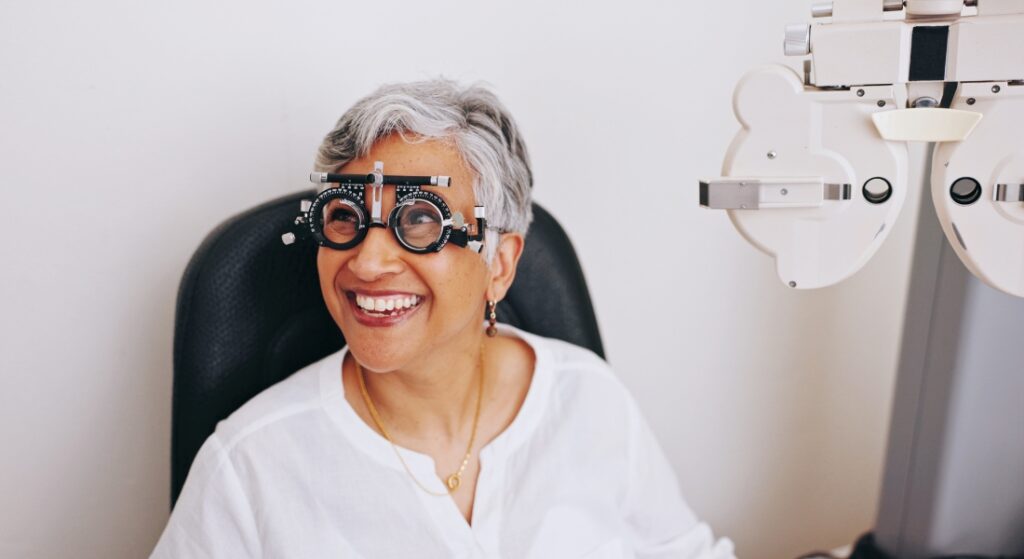
No two cases of macular degeneration are the same, and vision potential can vary widely from one person to another. When you are assessed individually, subtle differences in eye health become clearer. We focus on understanding how the condition affects you specifically. This ensures expectations and decisions remain realistic and well informed.
Your specialist considers several factors before offering guidance, including the state of the macula and the severity of the cataract. Lifestyle needs, daily activities, and visual priorities are also taken into account. We believe these details matter when planning care. This personalised assessment supports more meaningful outcomes.
A one-size-fits-all approach does not work in complex eye conditions such as macular degeneration. When you receive tailored advice, decisions are based on long-term vision protection rather than short-term changes. We aim to match treatment plans to your individual situation. This personalised strategy supports safer and more effective care.
Final Thoughts on Cataract Surgery With Macular Degeneration
If you have macular degeneration and are considering cataract surgery, it is important to approach the decision with realistic expectations rather than doubt. Cataract surgery cannot reverse macular damage, but it can remove additional visual obstacles that limit your ability to use remaining vision. Many patients experience meaningful improvements in brightness, contrast, and visual comfort.
We believe informed decisions lead to better experiences. By understanding how cataract surgery interacts with macular health, you can decide whether the potential benefits align with your needs. With personalised assessment, honest guidance, and ongoing care, cataract surgery can still play a valuable role in improving quality of life, even when macular degeneration is present.
FAQs:
1. Can cataract surgery still help you if you have macular degeneration?
Yes, cataract surgery can still offer benefits even if macular degeneration is present. We remove the cloudy lens that blocks light entering your eye. This allows clearer images to reach the retina. While macular damage remains, vision often feels brighter and less hazy.
2. Should you expect perfect vision after cataract surgery with macular degeneration?
No, perfect vision is not a realistic expectation in this situation. We focus on improving visual quality rather than curing retinal damage. Many people notice better contrast, colour, and reduced glare. These changes can make daily activities easier.
3. Does the stage of macular degeneration affect how much your vision improves?
Yes, the condition of your macula plays an important role. We often see greater improvement when macular degeneration is mild or moderate. In advanced stages, gains may be smaller but still meaningful. Individual assessment helps guide expectations.
4. Can cataract surgery make macular degeneration worse for you?
Current evidence shows cataract surgery does not worsen macular degeneration. We carefully manage inflammation during recovery. Your macular health is monitored before and after surgery. Natural progression may still occur, but surgery is not considered a trigger.
5. Will cataract surgery improve your ability to cope with daily tasks?
Many people find daily tasks become easier after surgery. We often see improvements in brightness and contrast that support mobility and confidence. Activities like watching television or moving outdoors may feel less tiring. These functional benefits matter in everyday life.
6. Is cataract surgery still worthwhile if your central vision is already reduced?
It can be worthwhile even with reduced central vision. We remove an additional obstacle that further limits visual input. Clearer light can help you use remaining vision more effectively. This often improves overall visual comfort.
7. Can cataract removal help your glasses or visual aids work better?
Yes, visual aids often work more effectively after cataract surgery. We find that clearer optical input improves how lenses and magnifiers perform. This can enhance reading or close-up tasks. Improved clarity supports better use of assistive tools.
8. Will you need extra eye tests before cataract surgery if you have macular degeneration?
Yes, additional retinal assessment is usually required. We use detailed scans to understand your macular health. This helps us predict likely outcomes more accurately. Careful planning supports safer and more realistic decisions.
9. How do we measure success after surgery if vision cannot be perfect?
We look beyond standard vision charts. We consider how bright, comfortable, and usable vision feels to you. Improvements in glare and contrast are important indicators. Quality of life matters as much as numbers.
10. Should you decide about cataract surgery based only on macular degeneration?
No, decisions should never be based on one factor alone. We consider cataract severity, macular health, and daily visual needs together. Personalised advice helps balance benefits and limitations. This approach leads to more confident choices.
Final Thoughts on Cataract Surgery With Macular Degeneration
If you have macular degeneration and are considering cataract surgery with macular degeneration, it is important to approach the decision with realistic expectations rather than uncertainty. While cataract surgery cannot repair macular damage, it can remove clouding that further limits how effectively you use your remaining vision, often improving brightness, contrast, and overall visual comfort.
If you are considering cataract surgery in London and have concerns about how treatment may interact with macular degeneration, you can get in touch with us at London Cataract Centre. We are here to guide you through the decision-making process, helping you choose the best solution for your vision needs.
References:
- Chen, A.X., Sadda, S.R. and Tseng, V.L. (2021) Visual outcomes following cataract surgery in age-related macular degeneration: a cohort study, Canadian Journal of Ophthalmology, 56(2), pp.153–160. Available at: https://pubmed.ncbi.nlm.nih.gov/33609442/
- Mehta, H., Xing, W. and Gichuhi, S. (2021) Management of cataract in patients with age-related macular degeneration, Journal of Clinical Medicine, 10(12). Available at: https://www.mdpi.com/2077-0383/10/12/2538
- Chen, Z., et al. (2022) Effect of cataract surgery on the progression of age-related macular degeneration, PMC. Available at: https://pmc.ncbi.nlm.nih.gov/articles/PMC9646653/
- Mehta, H. (2021) Pre-operative considerations in cataract surgery with AMD, Journal of Clinical Medicine, 10(12). Available at: https://www.mdpi.com/2077-0383/10/12/2538
- Erkan, E. and Bayhan, S.A. (2025) Evaluation of the effects of phacoemulsification surgery in patients with wet age-related macular degeneration using OCT angiography, PMC, PMC40597124. Available at: https://pubmed.ncbi.nlm.nih.gov/40597124/